


How to Organize & Prepare Your Finances As a Freelancer | Mastermind Q&A
Learn how to better manage your finances (especially if you're a freelancer) to prepare whether you're dealing with feast, famine, or a global pandemic.
Let's create things that matter. Together.
As the COVID-19 global pandemic plods along one day at a time, I and the Optimizer coaching & mentorship community have been monitoring the latest developments as they pertain to freelancer unemployment as well as applying for small business loans (via the EIDL and PPP loan programs). And let’s just say that so far…things are a train wreck.
Very little of what we’ve been promised thus far by the CARES Act has actually come to fruition (at least as of recording this episode), and in this community Q&A episode we talk through some of the finer details, we examine the challenges that all of us are having getting any assistance whatsoever, and then we dive back into some productivity strategies to keep us (somewhat) productive despite the world throwing every distraction at us that we can possibly handle and more.
Zack Arnold: Hello everybody, and welcome to the latest installment and episode of the Christopher Nolan feature film turned virtual reality experience inception. And today is the dream within the nightmare within the dream within the virtual reality experience simulation within the dream. My name is Zack Arnold. I am the creator of the Optimize Yourself program and podcast, and I just want to welcome everybody that’s in the group here. This is my Optimizer Coaching and Membership Community. So, the topic or topics at hand today are the financial madness and insanity that are going on right now with all these stimulus packages and unemployment and all of the craziness surrounding what’s going on with money and jobs, or lack thereof, the astronomical unemployment rates. So, what I wanted to do was just start the conversation first of all with the most important question that I now start every coaching call with, which is, How are you guys? So, does anybody want to jump in first and volunteer and just tell me a little. Bit more about how they’re doing right now, given the fact that we are all collectively living through a global pandemic. Who wants to volunteer and go first and let us know how they’re doing? Anyone?
Rich: I mean, don’t everyone jump at once.
Zack Arnold: Yeah, really, guys are making me look really good right now. So, all right, so go ahead, Patrick, let us know what’s going on in your world.
Patrick: Well, you know, this is my first pandemic, so I really don’t have much to compare it to. I’m finding it’s my least favorite pandemic so far. You know, I’m just trying to weather this and make lemonade out of lemons, like pretty much everyone else’s. And I think, by and large, it’s there are good days and there are bad days. You know, some days it seems like everything’s fine, other days it seems like the world’s on fire, and then other days it just seems like the world’s on fire, but everything is safe inside my apartment, which is comforting. So it just kind of goes back and forth, depending on, you know, what we’re reading in the morning and what the news is telling us. And I think for me it’s a lot of my sort of frustration and anxiety this past week. I think, like everyone else, has been centered around all the madness with the various stimulus packages and things like that, and so I can go into my spiel about that later if you want, but that’s just kind of where I’m at, is trying to figure it out now, because I feel like it’s Friday, and it’s I’m in a much more confused, less confident place than I was about all of this when I woke up on Monday, because on Monday I woke up feeling great, like, okay, I’ve done everything I need to do, I just kind of waited out, and in this week it all seemed to go to hell. So I’m just trying to make sense out of the madness, like I think most of us are.
Zack Arnold: Yeah, I mean, I would, I would second that as well. And hopefully I didn’t contribute to the increased confusion. I’m trying to do the opposite, and I’m trying to reduce the amount of confusion, as people watching may know, as you guys no doubt, already know, because you’re part of this community. I’ve basically lived and breathed nothing but the financial incentive packages, reading article after article, and diving into the actual government bills itself, and just trying to figure out how are we supposed to navigate this as human beings. So, for anybody that’s listening that’s not already familiar, if you go to my website. If you just go to the homepage, there’s a button on there at the bottom for COVID 19 resources. That’s going to take you to all of the podcast episodes and the articles. And this is the one that’s all about making sense of the CARES Act unemployment, PPP, EIDL – like it’s just.. it’s a whole madness of acronyms. It’s basically acronym alphabet soup on steroids for financial incentives, so for anybody that has not seen that yet, I’ve outlined everything as it is now. However, that’s kind of the biggest challenge that I think we all have, is that this is a constantly moving target. It’s changing. Literally, when I wrote this article, made sure that everything was verified, I didn’t want to spread any misinformation 30 minutes after I put my article online public, everything changed, and I got all kinds of people saying, well, that’s wrong, and that’s inaccurate, and you’re spreading misinformation. I’m like, but it was right 45 minutes ago, I swear. So I’ve done my best to collect the information, but we’re all chasing our tails, and our tails are on fire. So one of the questions that I want to put out to the group right now, and you’re still more than happy to just connect with us and tell us how you’re doing, but specifically, Who is actively spending time trying to navigate the world of either applying for unemployment, applying for grants, applying for loans? How many have kind of spent a fair amount of time digging through this this week
Rich: in a unique way, but yes.
Zack Arnold: What is your unique way?
Rich: Well, I already had an unemployment claim in California from the beginning of this year, so in terms of US unemployment, I’m all set. It’s taking a lot longer to pen pending than usual, but that’s all taken care of. But Monday, Canada released their Canada Emergency Relief Benefit. So I’ve been on the front lines helping family members back home in the motherland, applying for this benefit in particular. My stepdad, who recently went completely blind, so he wouldn’t be applying it for it himself, because he can’t see
Zack Arnold: well. The funny thing about bringing up the fact that you’re going through trying to apply for this on the Canadian side, we were talking about how difficult it was to get these applications through, or the amount that we’re getting, or that we’re not getting, and everybody that’s in this community that’s from Canada, they’re like, “Yep, went to the application, filled it out, took me two minutes, I’m getting my money. It’s like, so I don’t want to make it a political discussion. Have no interest in doing that. Let’s just say that things are working better in other countries right now than they are in ours, and we’re navigating a giant bureaucratic disaster, trying to figure out how to get theoretically the money that’s already ours and just have it repaid back to us in our time of need, but nobody actually knows how to get to it. So, for everybody else that’s in the group right now, who else is kind of going down the rabbit hole and tried to apply, or has been able to apply, like what? What specific story can you give me about where you are on the front line, so to speak, of trying to navigate all the stimulus packages? So, Ann, where are you right now with this whole process?
Ann Trulove: Well, I’m looking into. Do the business loan, because I want to. I need to set up my own Avid system, which I do not have, and I don’t know how I’m going to get, since we’re all in shutdown. So that’s it’s it’s just in the sort of germination stage. I have to pull in the paperwork, and that’s my primary interest right now, but also since I’m retired or early retired, I have healthcare issues that I also have to start dealing with. I mean, the ironic thing is, is that we have to go on Cobra, but Cobra ends for us in July, but we can’t use it, but no, it’s the business loan I’m interested in, and also I appreciate unemployment, but I haven’t gotten any response.
Zack Arnold: Got it? Okay, so then I want to go a little bit deeper into this, because I’m assuming very, very quickly back to the group. Show of hands, anybody else here specifically looking into business loans, or anybody in the Facebook Live community, that’s very specifically looking into the business side of things, and either grants or loans. Okay, so we’ve got Patrick, anybody else is looking into the business side, or is everyone else pretty much just looking into the unemployment side? So it sounds like from the complete and total lack of visual response, I’m going to assume that everybody’s looking into the business side of things. So what I want to dive into, then, just a little bit deeper, because I think this is important to understand. When you say you’re applying for the business loan, can you be more specific as to what that means?
Ann Trulove: Setting up my, my own editing business, doing short films, that kind of thing, sizzle reels, even, you know, I’m interested in documentaries, is kind of one of those things where I pass, I have to pass the word around, that’s, you know, having a tool at home and also being able to work from home on any jobs that I might, because there are a lot of, there are a lot of, there are a lot of jobs that are looking for people with systems at home, and so that would be it’s me and a system, so that’s my business.
Zack Arnold: Got it. So you’re in the position right now where you’re trying to start a business, you’re not trying to actively get one of the business loans through the stimulus package, you just want to start from scratch and you want to build a business so you can work from home. Got it? Okay, so then this actually brings up a really good point. This is a question that I’ve been asked quite a few times. I’ve gotten a lot of emails, and, like, I didn’t, so many social media messages and Facebook messages, and whatnot. And some people are thinking, well, now seems like a great time to start a business, because they’re offering either what’s called the EIDL program, the Economic Injury Disaster loan is one of the part one part of the Cares Act. There’s also the PPP program, which is the Paycheck Protection Program. Lot of P’s and a lot of alliteration there. However, people are thinking, “Wow, there’s no better time for me to use some government money to start a business, but they were smart and they said, “We don’t want people to be opportunistic, which means that you can’t use any of the stimulus packages if you are not in business. I believe it’s before february 15 of 2020 So, one disclaimer that I want to give as we start to go down the rabbit hole about details of incentive programs and unemployment and all this other stuff. Been very clear about this. Most people don’t read disclaimers, just going to put that out there, but just in case. Not a licensed tax professional, not a CPA, not a bookkeeper, but I’m a really big nerd, and I like taking very complex pieces of information and boiling down and distilling them to be very, very simple, and I’ve my entire life, for the last two weeks, has been dedicated to trying to figure this out for myself, first of all, and teach it to others, so for anybody that’s listening, this is just a guy that’s sharing his advice, his advice based on diving into this very, very deeply. But you should be consulting with any tax or financial professional, just like if I were talking about medical stuff and health, I would say you should make sure to talk to your doctor. But in this case, I now want to go down the rabbit hole, knowing that this is based on my own information and documentation, so as far as you are concerned, and you not be eligible for either PPP or EIDL or for any grants unless you were already in business in some way, shape or form. Did you have an entity beforehand?
Ann Trulove: I did. I did, for I did a while back. It’s, it’s expired. I had an LLC.
Zack Arnold: Okay, so you had an LLC, but you’re not actively paying the $800 a year to the Franchise Tax Board.
Ann Trulove: No, haven’t for a while.
Zack Arnold: Got it. So then that means that they’re not going to recognize you for any of the government stimulus packages or loans. That doesn’t mean you’re not going to be able to get a regular loan, but you won’t be able to get the extremely low interest rates. You’re not going to be able to get, I don’t, this, I’m a little bit unclear on, but the repayment terms, there’s like months and months of forbearance, and there’s one of the, I think the EIDL loan is up to 30 years, I believe the PPP has to be repaid into, and again, jump into the research and make sure to get those details, the point being that if you don’t have an existing entity, those are. Things not available to you, but that doesn’t mean that now wouldn’t be a good time to set up an entity, get a business loan, and finance what you need to, so you can start working from home.
Ann Trulove: Sure, right? Yeah, I mean, that’s that, that seemed to be a given, is to set it up. I guess it’s just a well, I guess no one can expect immediacy in this situation, so
Zack Arnold: No. And it’s if this were incredibly well organized and coordinated, we couldn’t expect immediacy, but this is everything far from being well organized and coordinated. This is basically, we have a great idea, let’s give everybody everything. Oh, wait, everybody wants the everything we just promised. Oh, crap, we have no idea how to actually deliver on anything that we promised.
Ann Trulove: Well, they do that in 2008
Zack Arnold: Yes, so that it’s just that all over again, but probably worse, because in 2008 or 2009 it wasn’t everybody on the planet locked away in their houses under the exact same circumstances. There were some people losing their homes, there were some people losing their jobs, but a lot of people were still living their regular lives. Everybody universally is saying, oh, I can click on this link and get money, bam, everything crashes. So, it’s a very, very different circumstance. So, I think maybe then, because we don’t have a lot of business owners or people that have entities here, it seems to me the best use of our time, and I’m going to put this to the group again, would actually be talking about unemployment. Do you guys feel good about starting there with unemployment?
Ann Trulove: Yeah,
Zack Arnold: Okay. So, I think that that’s probably going to be the best place to start, so what I can tell you, without a shadow of a doubt, and this is not me, this is everybody, nobody really knows what the hell is going on with unemployment. So, if you are coming here looking for the de facto definitive answer about how to apply for unemployment, nobody really has it yet. Luckily, in the last less than 24 hours, and the last 12 hours, a lot of information has come out specifically for California. So, if there are people listening to this, either right now or after the fact, when I release it as a podcast, I don’t know what’s happening in your state, but I know that in California, a lot more information has come out. So, where I wanted to start right now is, I kind of want to go through the various buckets, because there are people that belong in different categories that have been reaching out about this, so is there anybody on this call or anybody in the Facebook Live universe that was already getting unemployment checks before everything went to, we’ve got Melanie Cody, anybody else, Etai, kind of, kind of on and off, right, kind of in between, whenever there’s a gig or not a gig, so again, this is one of those things you’re going to have to check with all the documentation, but my understanding is if you have an existing claim, an ongoing claim, you have to do nothing. Basically, what’s going to happen is, starting the week ending today, whatever your benefits were before, they’re going to add $600 a week. You don’t have to make another phone call, you don’t have to recreate a new claim, you’re just going to get more money, and again, I don’t know the exact number of weeks, but it’s give or take an extra four months, so you’re going to have an extra $2,400 hitting your bank account without you doing a single thing if you already have a claim. So, for the ones that said that are on the call that said that they’re in that situation, again, don’t take my word for it, but I’m pretty sure you’re just going to see a new check, and it’s going to have a new amount starting either the end of this week or at the latest by the end of next week. They just came out with these new guidelines last night, and a friend of mine sent me a link about this this morning, where it gets a lot more complicated, and I joined a group, and I wouldn’t wish this hell on anybody, but I joined a Facebook group that’s anybody that wants to learn how to get unemployment in California, it is just the don’t even go into that group. Oh my god, there’s so much anger and animosity and confusion, like it’s just the worst of everything on social media, and one nice little package in a Facebook group, but there’s a lot of really, really good information in there, if you’re able to sift through all of the madness of it, so when it comes to unemployment, if you’re brand new to applying for unemployment, there’s now going to be several buckets that you belong in. So, how many here in the group belong in the bucket of I am primarily an employee and I get paid W-2 for my jobs, and I don’t think that it’s, it’s a coincidence that the same people that said they already have a claim going also said yes, I’m primarily W-2, and I’m existing getting existing claims, right? So this is where things get so confusing so quickly, is that for anybody that is W-2 employee, you basically just apply for unemployment like anybody else would, you go to the existing site, you fill out the information about past employers for, I believe, the last 18 months. They’re going to look at your average weekly salary, and they’re going to say, based on that, you get a certain number of benefits. For most people, not everybody, but most people in the entertainment industry, we meet that maximum threshold. So, my assumption is you’re probably getting your 450 a week standard if you were already getting checks, and if you’re not getting checks, you would start getting what would be $1,050 for 50 with 600 on top, starting next week. If you’re already getting your checks, Melanie, you’re shaking your head. No,
Melanie Annan: That’s amazing. That’s so nice of them. I’m just really happy that they’re sending us 600 more. Dollars a week.
Zack Arnold: My suggestion would be, be happy when it actually lands in your bank account.
Melanie Annan: I know
Zack Arnold: Theory sounds great, but yeah, so if you already have a claim and you’re already W-2, the money should just show up and you should start getting it. If you’re W-2 and you haven’t filed a claim, well, the only thing that’s different now is it’s going to take you a lot longer to get on the website. The website is probably going to crash. You’re not going to be able to get a hold of a human being, and it’s going to take a lot longer to get your first check, but you’re still going to be in the same system. It’s just a lot messier, and it’s a lot slower. So, the thing that got really, really complicated is they dangled the carrot and said, now if you’re a freelancer or an independent contractor, you get unemployment benefits too. And guess what happened? Millions of people came out of the woodwork simultaneously and said, I want my check now, I want my unemployment check. I’ve never been able to get it before. And what’s happened up until today, and it sounds like this is a problem I’m not going to say fixed, but it sounds like it’s a problem they’re addressing, is people were thinking, “Oh my god, I finally get unemployment. I can go to the unemployment website, but guess what? There were no new forms or questions where you could fill out your 1099 information. As a freelancer and independent contractor, you’re not getting a W-2, you’re getting paid 1099 which is cash, which means that you’re the one that’s doing all the taxes and all the social security money that you have to pay into and whatnot, so for those people, they would show up and say, “Hey, it’s my turn, I get a check. Oh, but you don’t, I’m not represented on the form, so now what am I supposed to do? So, up until yesterday, what the unemployment department was saying was, everybody needs to slow down, because we don’t even know what to do with you yet, we don’t know how to process your money, so you’re going to have to wait, but as far as I understand, this morning there are stipulations in here where it now says, like I had talked about, that if you were already getting checks as of the week ending april 11, which is today, you’re going to start getting your $600 but there’s a new link for something that’s called pandemic unemployment assistance, so this is where people go that specifically are saying I’m not represented on the form, and I want to be able to get my unemployment claim as well. This link is brand new, I haven’t even put it in my article yet, and I’m going to update it as soon as we get off this call. But my understanding is I haven’t even looked through it yet, haven’t gone down this rabbit hole because I haven’t had time, but I believe this is now the new portal to apply for unemployment if you’re 1099 in your freelance. As far as the calculations, I think it’s the same thing. I think it’s the same numbers, it’s the same math. Where originally, if you got 450 a week, now you’re going to get 1050 a week. Extrapolate that over a month, and potentially you’re going to be getting over $4,000 a month in unemployment, even if you’re freelance. My guess is that it’s going to take at least two to three weeks to see your first check, and I say that based on all of the people that are in this unemployed unemployment California Facebook group, they’re all saying the same thing: it took me forever to finally get through, it took days for me to have the application accepted, but I’m one of the few that it got through, it’s now been three weeks, and I finally got my first check, and keep in mind that was for people with two that were submitting a new claim, so I don’t know how long this is going to take, but I know that they at least have a link available now where you can actually go and you can apply for that if you’re 1099 and freelance. Outside of that, I can’t give you any better information or assurances, because I’m like everybody else, where I’m just kind of confused about how all of it works, but I’m also in the position where I can’t apply for unemployment, or I choose not to, because I have a business entity, so I’m approaching everything as an S corp, as opposed to as an employee. So, having gone through all of that, bringing it back to the group, I want to open it up to you guys. Are there other specific questions that aren’t too deep into the nuances, where I can potentially answer them for you, and I see Debby, you have your hand up.
Debby: Okay, yeah, I was under the impression that the extra $600 a week was coming from the federal government, and so it would be a separate check. Are you saying that that’s not the case? It’s all coming from the state, and it’s just going to start as our regular checks always come in.
Zack Arnold: Correct? My understanding from all the reading is that this is just going to be an additional $600 in your existing unemployment check, but the money, yes, it’s coming from the federal government, but they’re giving it to the state government.
Debby: I see
Zack Arnold: You’re not going to get like a check every week for $600 from the Department of US Treasury, you’re going to get your same unemployment check, which in today’s world is not really a check, they put it into a Bank of America debit card, and then you transfer it. My understanding is your number is just going to go up. You shouldn’t worry about looking for a separate check, it’s all part of the same system. They’re just putting more money into the system, so California can pay you more.
Debby: Okay,
Zack Arnold: I can verify that yet, but that’s the theory,
Debby: Right? Because I don’t know that that’s kicked in yet, because I’ve got a friend who’s on it, and she said she’s still getting the normal four,
Zack Arnold: Yeah, it hasn’t kicked in, that’s what I’m saying, that’s what’s going to start weekending today, so if you file a claim this week as a Friday saying I did not earn any income weekending 411 your next check is going to have the 600 nobody has seen it yet, not a single person has gotten their 600 You’re supposed to see it as soon as your next check, if you filed this week and you didn’t make any income, but nobody has seen it yet. So, I’m not going to believe it until I see it. But in theory, what they’re selling is that if you already get claims as of next week, you should start seeing the money.
Debby: Great, thank you.
Zack Arnold: Are there other specific questions for people in this group, or either in the Facebook Live community, coming from a completely unverified financial non-professional that geeks out on money, Cody,
Cody: so I had an existing claim at the beginning of the year, because I finished a show in December, and then beginning of the year I was done, then I got on a show, then Covid happened, so I got off that show, and then I just reopened my existing claim, but because it was, I had already used a bunch from January and February. There’s only like $4,000 left. Does adding this extra $600 a month mean I’m going to lose my unemployment way faster, or are they actually adding on top of that total amount I can take?
Zack Arnold: That is another really good question. Just to clarify, it’s not 600 a month, it’s 600 a week, so it’s actually an extra 2400 a month, and yes, they’re extending, I believe it’s 39 weeks. This is another one where I want you guys to actually do the research and jump onto the EDD page, but let’s say that as of, let’s use march 13, that’s kind of been D-Day in California. So, march 13 is when everything closed out. Let’s assume that on march 13 your benefits were at zero and you exhausted all unemployment benefits, and I know some people that this actually happened to, that they’re like, “Are you kidding me? I just finished my unemployment benefits and I was going to go back to work and now I have no benefits left, but I can’t work. So they’re extending that amount by, I believe, it’s either four months or 39 weeks, and if somebody has more definitive details about that, you can send it to me in the chat or on Facebook, but I know for a fact they’re extending it. If you feel like, oh my god, I’ve almost used all my benefits, they’re going to add several months. I just don’t remember the exact week amount, but yes, it’s not like you’re like, oh my god, now they’re going to be taking an extra 600 a week, I’m going to run out even faster. Luckily, they thought of that, so that shouldn’t be an issue for you.
Cody: Okay, cool.
Zack Arnold: Any other specific questions? So, this is a good one. So, this is a question from Drea Bailey, saying, “I have a question about the grant that Ace emailed about. It looks like maybe that doesn’t exist, and it looks like there are just loans now. So, this may have changed as of yesterday. Things are changing so rapidly, and I haven’t checked in on this today, but the funny thing is the email that you got from ACE was just a copy of an email that I sent out to my newsletter, and they forwarded that newsletter to the whole ACE community, so the information you’re going off of is my information, and the information that you got was incorrect, because as soon as I published it, everything changed, so I want to dispel all the information about the grant, so the way that the grant versus the loan works, and again, I haven’t checked in the last 27 minutes, so all of it could be different, but as of checking last night, so it’s been less than 24 hours, should be current part of the Cares Act is the Economic Injury Disaster Loan Program, also called the SBA Disaster Loan. What you can do is you can apply for up to $2 million in loans that will help cover payroll, help cover expenses, mortgages, equipment, whatever it is that you need that money for at an incredibly low interest rate, and I don’t remember the exact number of months, but there’s several months where you don’t have to make payments. The part about it that’s so confusing is when they first rolled it out, they said that the first $10,000 will be a loan that you may not have to repay under certain circumstances, and everybody’s like, “Oh, that’s great. Then all of a sudden they got such high demand, they’re like, “You know what, we’re just going to give it away, we’re not going to worry about what the terms are, it’s just going to be a $10,000 grant to all independent freelancers or independent contractors or small business owners, you apply for the EIDL loan, you’re just going to get $10,000 even if you don’t end up getting qualified for the loan. Like, who wouldn’t apply for a free $10,000 if you’re a sole proprietor, an independent contractor, or a business owner? Seems like, why wouldn’t you, right? So, I published that within 30 minutes of publishing it, all of a sudden there’s all this new documentation from the Small Business Administration saying, “Oh nope, sorry guys, so dumb of us, we meant up to $10,000 our bad. So, what we’re really going to do is give you $1,000 grant per employee in your business, so that means if you’re a one person business, which the vast majority of independent contractors are, you get 1k instead of 10k That having been said, unless something has changed in the last day, that grant is still available, and anybody can apply for the $1,000 You just shouldn’t expect it to be a $10,000 grant, and it all, you’re also going to get it, even if you don’t qualify for the EIDL loan, so that’s as much as I know about the grant right now, where it is still free money. You don’t have to pay it back, all you have to do is apply. But there have been numerous stories all over the news where everyone, like, they have not found a single person in the country that has actually seen this money in their account, and the SBA. EA said you should receive it within three days, and they can’t verify one person in the entire country that has gotten their money yet, and they’re starting to come up with news stories about people that are getting money in their accounts for the Paycheck Protection Program. So the news is following this, and they’re trying to find anybody they can, but to go back to your original question, Drea, the grant is real, it’s just $1,000 instead of $10,000 So, yes, the email chain you received via ACE, which is my information, which I completely take responsibility for, is inaccurate. It’s not a $10,000 grant unless you have 10 employees, then it will be a $10,000 grant. But, like I said, it changed so rapidly that they just yank the rug out from under me as soon as I publish my article, so hopefully that answers questions about how the grant specifically works. Are there other specific questions in the group that we have right now as far as unemployment grants, loans, any of all this other madness? So I’ve got Patrick and Rich, I’m going to go to Rich first, since Patrick, we chatted, and I’ll come to you next.
Rich: It’s more like comment on unemployment than question, and so people that don’t know, they issue if you can see it, they issue a payment, a debit card, they issue a Visa debit card that you have to use at Bank of America, so I had to collect between February, March, and before that, when I was collecting, they were really good about on Sunday, you’d file through the online, and the money would be in an account, like sometimes the next day, maybe Tuesday, and so it was pretty quick. I don’t know how it’s gonna be now, with like 17 million, how many people are applying for it? So, but I know if you don’t have that card, you can’t collect any money.
Zack Arnold: Yes, that, that I can verify is the fact that the way they do it now, they don’t even send checks. You have to get the Bank of America EDD debit card, which absolutely destroys the part of my soul, because I refuse to give any money to Bank of America whatsoever, for all kinds of various personal reasons in my past. But when it comes to unemployment, I have absolutely no choice. But yes, you’re right, it was a pretty fast cash flow process. I’ve gone on and off unemployment for years between jobs until I formed an S corp, and now I don’t do that anymore. But I used to do that when I was an employee. And generally, the first claim takes a couple of weeks, it’s a little bumpy. You might have to do an interview with somebody, then once they process your claim, once you’re in the system, yeah, I would regularly get my deposits, they will show up like clockwork every Friday, but one of the things that I did, and I’m not sure if it works the same way now, to streamline the process, you can set up an automatic transfer, so the second the money hits your Bank of America debit card, it automatically goes into your checking account. So I don’t even know how to access my debit card or my checking account through Bank of America, I just have the automatic transfer set, so I don’t have to worry about it, but I haven’t used it for a couple years, so I don’t know if it still does that, but if I had to pull out my debit card, no clue where it is, don’t know the access account, the link, nothing, I just know the money shows up because I have the auto transfer setup. So, Patrick, you, sir, had your hand up,
Patrick: all right? So I was just hoping to see if we could find some more clarification on the combination of the EIDL along with unemployment, because I’m getting some conflicting reports on this, and I know that you said it through your article that you can’t have both, but that I’m seeing, like I’m talking to friends in New York who are talking to their accountants, and they’re saying you can do both. So I’m just wondering if there’s any sort of sourcing that lays that out, because I haven’t found anything that says that you can’t do both.
Zack Arnold: Yes, so this is another really, really good question that I can’t find a definitive answer to, but I’ve already updated the section as of, I think, yesterday or the day before. So, what you read is already outdated.
Patrick: Okay,
Zack Arnold: Originally the information I was given was you can’t double dip and you can’t go into multiple things. It sounds like that’s now much more of a gray area, and again, I’m not coming from a place where I have the answer. I can’t find any human being on the planet that knows the answer to this. I’ve reached out to the California Unemployment Group, where they have unemployment employees in the group that are helping. Nobody’s responding to my requests. However, the advice that I’ve given to multiple people, and my accountant, and my bookkeeper, again, this is, you know, very small experiment, anecdotal, it’s not verifiable advice, but the consensus seems to be that if you apply for multiple options, so let’s say you apply for the EIDL grant and you apply for unemployment, if you get your $1,000 you just claim that as your income for that week, which means that that one week essentially becomes a wash, so if you would have gotten 1015 benefits from unemployment, and you, and where they asked, did you make any income this week, you would just claim a $1,000 grant from EIDL, and then they would say, all right, well, for this week you get no benefits, and it’s essentially a wash. Again, this is all speculation, I don’t know if they’re actually going to do that, but worst-case scenario, my impression is that you claim the $1,000 EIDL grant, it’s a wash, but you’re still getting six, 912, months of unemployment benefits, so why wouldn’t you want that instead, right? So to clarify, the Paycheck Protection Program versus EIDL. EL versus UI, and all of these things combined. I now know for a fact that you can apply for both EIDL and PPP, which, again, none of this makes any sense for somebody that’s just a W-2 employee. So, this is really all for freelancers and independent contractors. You can apply for both, but if you want any of it to be forgivable, then they can’t be used on the same expenses, so that’s another really tricky thing about the Paycheck Protection Program, and I’ve now officially gotten my application through for this, so I know a little bit more about it, and I updated the post with my latest experience, so the Paycheck Protection Program, the way that that works is that you can get a loan of, I believe, up to $10 million but the maximum loan amount is based on whatever your monthly payroll is times two and a half. So, if you’re an S corp or you’re an independent contractor and you don’t pay yourself payroll, then you’re not eligible at all. If you do have payroll set up, and as an S corp, I have myself set up to get paid payroll. I don’t pay myself once a month. The way that my cash flow works is that I just get cash in my business account, that’s where everybody pays me. I transfer that money to a personal account, and from a bookkeeping or a tax perspective, that’s something that’s called a shareholder distribution, that’s considered a bonus on my taxes at the end of the year. Payroll is something different, so that would mean that I’m essentially paying myself a W-2 check, and I’m paying into state disability, I’m paying into unemployment, I’m paying into social security, and regular taxes. So I am my own employer, based on that amount, whatever the monthly average is. I took that amount and I multiplied it by two and a half, that’s the maximum loan amount that I can get via PPP. The interesting thing about it is that if you use that loan for 75% recoupment of payroll expenses and the other 25% for mortgage, rent, utilities, it now also becomes forgivable, and it’s not a loan, it’s a grant if you’re good at your bookkeeping. So that means that again, assuming they actually follow through with their promises, and we get what we deserve. That’s going to become an additional grant that I don’t have to pay back if I do my bookkeeping properly, and I only use that money to pay myself the salary that I already pay and cover the portion of my expenses that I’m allowed to cover as somebody working from home. So that doesn’t mean I can pay my whole mortgage, or my whole rent bill, or my whole gas bill, or my whole electric bill, but I’m given a specific percentage based on the square footage of my house, and anybody that’s 1099 that’s written off their home expenses because they work so much from home, you’ll know what that percentage is. I’m not sure what it is, but again, it’s based on square footage, so I think it’s you can write off like 15 20% it’s somewhere in that range. This is going to be individual, but that means let’s say that I have easy math – $5,000 a month in expenses between electric, gas, rent, mortgage, whatever it is, the things that are allowable. I would just take 20% of that, so let’s say $2,000 which is 40% of 5000 That means that over the course of the next eight weeks, which is two months, if 4000 of that is my expenses, that’s going to be forgiven of my total loan, and if I also pay myself payroll for those two months, that’s also going to be forgiven. So, if you play your cards right with the Paycheck Protection Program, that’s going to be free money, but it’s going to take some due diligence, and you’re probably going to need a bookkeeper to do it for you. Luckily, I have a bookkeeper, because I’m horrible at doing all this stuff myself. So, I just decided to pay somebody else to do all of it for me. But that’s a big one to look into if you’re eligible. And this is actually a really roundabout way of going back to answering your question, which is doing multiple ones with them at once. You can do EIDL and PPP, like I said, but you can’t have both of them paying rent and mortgage and payroll, they have to go to different things, unless you just want them to be loans and you want to pay all of it back, then you’re just talking about a low interest loan, but eventually it’s going to be debt that you have to repay, so I’m looking at it more from how can I turn this into something that I’m not going to have to eventually pay back, and then when it comes to UI, nobody really knows where unemployment insurance fits within all these, but my assumption would be if we’re talking about the Paycheck Protection Program, that’s a loan and that’s not income, so you should be able to apply for both, but the grant money is the gray area that I just, for the life of me, I can’t get an answer to this question, so unfortunately I don’t know, but I have a question from a Cheryl Schlesinger. Hopefully I didn’t butcher that. Where you said, “Did I hear you correctly? If you don’t pay yourself payroll, a shareholder distribution instead, are you eligible for the PPP loan? Don’t take my word for it, but I’m about 95% sure you cannot apply for the Paycheck Protection Program if you just do distributions and you haven’t paid into the payroll system, not 100% sure, do your due diligence, but I’m about 95% sure you’re not going to be able to apply for it, but I would ask an accountant or a bookkeeper to verify that, but I’m pretty sure about that. All right, so then I’m going to bring it back to the group and. Um, what other questions do we have? Aaron, you’ve got your hand up. Let me feature you here. So, go ahead, Aaron.
Aaron: So, on that note, I’m just wondering, so when you tend, when you do 1099 work, generally you then pay taxes for the in the tax year to your to the IRS, right? And I thought that included payroll back to unemployment, like we basically pay for our own unemployment. Is that not true?
Zack Arnold: Well, it’s different. It depends on how you’re doing it. If you don’t have an S corp and you’re just an individual getting paid as a freelancer, then the way that you’re paying into payroll is different than as an S corp. So you’re not a business, right, but you’re still at the end of the year, you have to pay your taxes, so of course you’re paying into payroll and everything else, but my understanding is, and again, I could be wrong about this, the information is very vague, and I’ve been trying to get this clarified as well, but to my knowledge, if you didn’t pay into the payroll system as a business, meaning as an S Corp, then you wouldn’t be eligible specifically for PPP, because that is for small business owners, but it’s to be honest, I just, I don’t know for sure, I just know that I qualified for it, so I jumped into it, and I did it specifically for that purpose. My hope is that I’m wrong, I really want to be wrong, and anybody 1099 can apply for it, but like I said, it’s all based on your payroll expenses, that’s the only criteria they look at,
Aaron: Right? But even, even beyond that, I’m talking about just regular unemployment. After
Zack Arnold: Regular unemployment, yeah, it’s totally different
Aaron: If you, but I’m saying, if you basically, if they looked at the previous tax year, or whatever, they would say you paid into such and such, and this would be your amount. So, beyond the freelancer thing, I mean, is that the way it would work? I’m not, I’m kind of confused.
Zack Arnold: I’m a little confused about that part as well. But if we’re talking about pre-pandemic, then the way that EDD worked, the way that unemployment worked, is that you’re paying into the unemployment system through your W-2 wages. You are not paying into them if you were a 1099 contractor, which is why freelancers and independent contractors could not get in unemployment. Only w2 employees could. So this is the first time that any independent contractor that primarily makes money via 1099 can apply for it. That’s why nobody knows what’s going on, because they’ve never done this before,
Aaron: And the guidance might be that they’re going to look at your previous tax year.
Zack Arnold: No, they’re just going to have.. I’m assuming again, this is all an assumption, but my assumption is they’re going to have you fill out essentially the same forms about the amount of income that you’ve gotten in the last 18 months. It’s just not going to be restricted to money that you got from other employers. It’s going to be what was your total amount of 1099 income? That’s me using logic and common sense. They might do it in a completely different fashion. That’s how I would do it. I would say, just tell me how much 1099 income you’ve made in the last 18 months, what months or quarters you made that in, and we’ll figure out how much money you’re due. I’m hoping that’s the way they do it, but like I said, up until at least this morning, there were no forms for anybody to even fill out, so they’re all still trying to figure this out as we speak.
Aaron: Okay. Thanks.
Zack Arnold: Go ahead, Itai.
Itai Levin: So, it’s not exactly a question, more of a statement, something to take into consideration. And again, I’m not an expert. I’m just somebody who’s worked 1099 a lot, walk w2 a lot. I’m an S corp at some point. Pretty much the only thing that worked for me, as far as you know, getting an unemployment I need to was with W twos. And generally speaking, especially in the environment what it was just before coronavirus with AB five, generally speaking, from the standpoint of, you know, state government, they are they’re looking a lot into employers who are not reporting you correctly, like they just love to find people are reported as 1099 and be like you should be paying them as employees, so we can get tax, you know, stay tax on them for that, that way I mean basically what I’m saying is all that kind of applying to unemployment for 1099 if you’re not an escrow and all that, that kind of opens that to I’m interested to hear if anybody has more information about that, since the last time I had to deal with unemployment in 1099 was like seven years ago, but it’s something to be aware of that it can make your 1099 clients vulnerable to being claimed that they didn’t report you correctly, that they should have reported you as a W-2 employee, and something to take into consideration.
Zack Arnold: Got it. Okay. Well, that’s definitely good to know. And I wasn’t aware of any of that. My assumption is that everybody’s going to claim it anyway. And they’re not well, I really want to take advantage of the unemployment as a 1099 but well, I want, I want to be careful about my employer, so I’m not going to get
Itai Levin: No, obviously now just take what you, you know, apply it to what you can, and
Zack Arnold: Of course,
Itai Levin: And it’s just something to keep in mind in mind of why is the system the way it is, and why it’s easier to get unemployment if you’re that with YouTube. It’s so,
Zack Arnold: Yeah. If the conversation were, why is the system the way that it is? I would rather take hot pokers and shove them through my not a conversation I want to have. I’m just trying to manage the madness that we have in front of us and not question why, as a little bit of a tangent, just to tell us a fun little story. When I first started in the scripted television world, working on Burn Notice, I’d never been in a studio environment, had always been either in indie films or working for other companies, and I just spent all this time questioning why do you do the workflow this way, and this would be more efficient, or this would be cheaper, hitting all kinds of roadblocks and walls, and then a couple of years into it, I brought in a new assistant editor that’s very similar to me, had never worked in TV before, and the most important piece of advice that I gave her on day one, as I said, if you want to survive working in the world of television, you can’t ask why, because as soon as you ask why, you’re going to lose your mind searching for logic and common sense, and that’s exactly how I feel about all of this. Times about 1000 because if you’re looking for logic, common sense, and reasoning, this isn’t the place for it. We’re just trying to figure out what is the reality. How do I navigate the reality, whether or not any of this makes sense, or I endorse it? That’s a completely different conversation. So, taking it back to the group for a moment, are there other specific questions about financial stuff, incentives, unemployment, loans, grants, anything? Melanie,
Melanie Annan: well, yeah, and thanks for sending all that information through earlier this week. When I got it. I sort of went into a panic and applied for everything, and now I’m getting emails like, continue your application, but I have a feeling I’m happy with this unemployment situation. Most of my work’s w2 maybe $5,000 a year, comes through 1099 so I’m thinking I should just quit these other applications and not get back, like they’re sending me emails about PPP, and I’m like, oh, I think I applied for that on a whim. I’ve got the feeling I don’t want to mess up with my unemployment. I should just stop, stop applying for the other stuff.
Zack Arnold: My feeling, if I were in your circumstance, is that yes, most likely PPP doesn’t make a whole lot of sense. I think it’s going to be difficult for you to collect that, because the amount that you’re getting in payroll for your own business. I mean, actually, let me, let me clarify for a second, what structure is your business? Are you an S corp, a C corp, an LLC, or are you just an individual?
Melanie Annan: I’m just an individual who sometimes does 1099 work,
Zack Arnold: Got it. That means that your payroll expenses are $0 you’re not paying payroll, no company that pays you 1099
Melanie Annan: Yeah,
Zack Arnold: You’re on their payroll,
Melanie Annan: Yeah,
Zack Arnold: Right. But my understanding is, and again, it’s still very, very great, I’m trying to figure this out, but my understanding, because I even asked, and I looked through the application and asked my accountants, well, what I incorporate my independent contractors, because I have several people on my team now that I pay 1099 on a monthly basis, and I said, are they part of my payroll calculation? And at first everybody, when they were applying for this package, they thought that they did, and then the SBA and the government came out, said no, no, no, anybody that’s 1099 they have to apply for their own loans. You can’t roll them into your own payroll, but then if they’re supposed to apply for their own, what’s it’s.. it’s all very confusing. It seems like they can apply because they’re not paying their own payroll, but I can’t roll them in and continue. It’s.. I really don’t understand any of it. It’s very confusing, but if I were you, I would apply for your EIDL grant, and I would go on unemployment.
Melanie Annan: Yeah,
Zack Arnold: That’s where I would put
Melanie Annan: Your PPP, only because Bank of America sent me an email, because I have a business checking account, so they’re like, you can do this. I’m like, okay, but I don’t think I should continue that application, because I don’t have a payroll. This is me getting the money from 1099 a few times a year, so
Zack Arnold: Yeah, if you are primarily 1099 it might be worth a shot, but if you’re talking about a small percentage of your overall income is 1099 I would stick with the grants, and I would stick with unemployment, because ultimately you’re going to make way more money anyway, so if we do find out that so that people only qualify for one,
Melanie Annan: Yeah,
Zack Arnold: Unemployment is by far going to be where you make the most money, and minus it being taxable, it’s not a loan, it’s all free money.
Melanie Annan: Yeah,
Zack Arnold: Both PPP and the EIDL, minus the grant portion, are loans, so that’s just debt that you’re taking on to get yourself through the crisis. Unemployment is free money, except the fact that it’s taxable, so that’s always the best option. If I were in a position where I could just take unemployment. That’s what I would be doing. I just can’t, because I pay myself as an S corp, so I’m not going to be eligible for as much employment, because I pay myself a small salary. Most of the money that I pay myself is what I talked about, is the shareholder distribution, and I can only take unemployment based on what I paid in as my payroll, which is small, so I wouldn’t get much unemployment. So that’s why I’m going for the grants and the loans instead, but otherwise I would totally be going for unemployment right now, because that’s really where the money is.
Melanie Annan: It’s more than you’d get on like an indie film or something. So,
Zack Arnold: Yeah, I mean, I’ve – I was working 80 hours a week on movies for half of what unemployment is. I was making 500 bucks a week working 90 hours a week, so yeah, if you can walk away with over four grand a month watching Netflix and eating mint chocolate chip, like pretty good deal as far as I’m concerned. So yeah, I would go after that. Are there any other specific questions about financial stuff, or do we feel pretty good about that for now? We feel good. Oh, do you have a question, Ann? Are you just exercising your fingers? One question. Okay.
Ann Trulove: Unemployment and everything like that. I’m, I’m, I’m in a rather.. I find myself now, based upon this conversation, in a rather unique position, because I had to take early retirement, so I have an IRA. The only way we’re going to be able to survive totally is to spend that whole thing down, so goodbye retirement, but since I had planned on working as a retiree, I was expecting an income, and then in comes COVID, so I’m wondering what it’s. it’s a very complex situation that I find myself in, as far as how the hell do I get additional aid, because otherwise I may come out of this having to sell my house, I can’t do any work unless an editing system and so kind of stuck.
Zack Arnold: Well, it sounds like you’re, if I were in your position, the first step that I would be taking is creating an environment such that I can do the work and I can create an income, which it sounds like you’re already doing, so you’re going down the path of trying to get a loan, so you can finance the equipment that you need to earn income, correct. So, it seems to me, if you need to be working, and given the present circumstances, where we’re all at home and remote work is the only option, then the number one area you should put your time, your energy, and your attention is getting the money to build the system that you need to generate income.
Ann Trulove: Okay?
Zack Arnold: Right. So, the one one part of this that I don’t understand at all, and I’m not going to go down this rabbit hole at all, because I can’t speak with any level of education, is whether or not, are you eligible for unemployment, even on retirement, or are you no longer eligible because you’re technically retired?
Ann Trulove: I’m looking into that because it’s like I said, a very odd situation to be in. I mean, I may need to sort of set myself up the same way you’ve set yourself up as a business, and not, do you know, as a corporation, a small business, whatever, and go that route, but you know, little little difficult your current circumstances, except you know, so who I need to talk to, a bookkeeper, an accountant, who should I be? Because I will need a little,
Zack Arnold: You’re going to want to talk to either a CPA, a bookkeeper can help answer questions. They’re not really going to be somebody that forms the entity for you. It’s either going to be a lawyer or a CPA, or you can just do it on LegalZoom.
Ann Trulove: Okay,
Zack Arnold: So it’s not terribly complicated. It’s kind of a pain in the butt, and it’s a paper trail, and you know it’s bureaucracy, but it’s not terribly complicated. And if you want to do it yourself, you just pay Legal Zoom to do it.
Ann Trulove: Okay,
Zack Arnold: so it can be done, but yeah, ultimately you want to talk to either a lawyer that specializes in this, which, by the way, I can refer you to, or if you want to talk to a bookkeeper or an accountant, I can also refer you to both of those, but you can also completely do it yourself, so
Ann Trulove: And any other aid packages, old farts like myself,
Zack Arnold: There could be more that I’m not even aware of, so that’s definitely something to look into as well.
Ann Trulove: Anybody out there in the knows what old fart retirees can get then, so that we’re not starving on the streets after COVID is done.
Zack Arnold: Yeah, so unfortunately I don’t have the answer to that.
Ann Trulove: No, no, just putting it out there for the rest of my fellow retirees,
Zack Arnold: Definitely
Ann Trulove: Old first.
Zack Arnold: Alright, so unless anybody here has any other pressing questions, I’m going to throw it out one more time, specifically about the financial stuff, about money stuff. Any other pressing questions about money? We’ve got one more from Cody, so Cody.
Cody: Unfortunately it’s money related because America, but I just got an email about about the motion picture industry healthcare plan, and then extending their ability to accrue hours for your plan, and making it instead of 400 hours to 300 hours to continue your eligibility. I don’t know if you’ve seen that, because I guess that just happened today, but
Zack Arnold: That I have not seen yet. I wasn’t aware of that. I haven’t been following stuff this morning, because I’ve been on other calls, so that I wasn’t aware of. That is very good news, and I know it’s been a huge point of contention for people specifically in our union. What I do know for a fact, and I’ve already seen and verified this, is that they cut our dues by 50% So I had my dues taken out of my account yesterday, and they were indeed 50% So I know that that’s been taken care of. Can verify it with my bank account. They followed through with their promise, and
Cody: I paid mine yesterday.
Zack Arnold: Yes. So the when it comes to MPI PHP, the motion picture industry health plan. I don’t know for sure if that’s the case, but I know that the biggest thing that people are lobbying for is an extension of accrued hours, so they can have their insurance longer, because nobody can generate hours. But I haven’t seen the announcement, but anybody that’s in our union, I would say go to the web page or check your email to get whatever the details are, but that I wasn’t aware of as of now, but I’m sure
Cody: That’s kind of why I’m bringing it up, because I got the email from email from Kathy just as we were on this call.
Zack Arnold: Oh, that’s great. Well, I’m glad that you brought it up. That’s fantastic news.
Cody: Yeah, which I know is not really money related, but it’s America, so is money related?
Zack Arnold: Yeah, it very much can be for sure. So, I’m glad that you brought that up. Thank you. All right, so final call. Anybody have any other money questions? Because I want to, I want to make a little bit of a transition or segue, if we can. Anybody else? You learn, you learn. All right, good. So now I want to transition back to the conversation we were having last week about productivity, and again, I want to put it out there and be very clear that we don’t all have to be productive right now. It’s okay if you just want to chill, you want to absorb everything that’s going on, and you want to be a human being instead of a human doing. Totally fine with all that. However, as we start to settle into this newish normal, I think there are a lot of people that want to start to be more productive, and they do want to use this time wisely. So, I’m going to put you on the spot immediately, Debby, and I’m going to ask you, how’s the writing going?
Debby: The writing is going good, actually
Zack Arnold: Good. I’m very glad to hear that
Debby: I’ve scheduled it, and I’m sitting down, and I’m doing it, or I’m sitting down and attempting it. I’m not always writing as much as I want, yeah, it’s easy to get caught up in research and, and lots of other things that are related to writing, but that’s
Zack Arnold: For anybody that is either listening right now or will be listening when this is out as a podcast that doesn’t have the context of our previous conversation. Give us a little bit of a recap of where you were a week ago, some of the things that we talked about, and how you got to the place where writing has become easier.
Debby: So prior to this week, I was sort of just my time was just sort of dictated by whatever was in front of me at the moment. It wasn’t very structured, it wasn’t very planned, it was just sort of like, oh, this needs to be done now, and I’d get an email, and that would send me in a different direction, and you know it was just sort of like whatever came up I was doing. So after last week’s call, we kind of made a plan and figured out like the best time for me to work is in the morning to write, so we kind of set up a structure where I would write from like 10 to 11 every day, 930 to 10 would be kind of like a productive meditation, whether it’s housework or walking or something that I, that I could do to kind of like relax my mind and get into more of a head space for writing, and then I’d take that time, that our time from 10 to 11 to write, which has all worked out, that that I’ve pretty much, although one day I did get a phone call, I, I forgot to put my phone in airplane mode, and I got a phone call and got got thrown off schedule a little bit, but I made up for it, but what I want to know now is if anyone else is struggling with, like, prioritizing their time. As far as I’m, I’m noticing what I used to, you know, I used to prioritize kind of work stuff as being like the stuff that I would do during the day, obviously, when I had a job, that’s what I would do, but now I’m noticing, you know, now that we’re forced to be home, I want to be more productive, as far as, like, there’s a bunch of projects around the house that I want to get done, and just, like, you know, my own kind of learning, like, I don’t want to get through this time and be like, “Oh, wow, I had all that time at home and I got none of that stuff done. Yeah, and so I’m having a hard time fitting those extra things in, along with, like, the writing, and just my normal, well, and then the not normal day to day, which is like talking to people, trying to order toilet paper to be delivered, which I’ve spent way too much time doing, and still can’t get it done, so like all these other extra things that are coming up because of the situation we’re in are also eating up a lot of time, and so these other, like, I don’t know how to prioritize, like, okay, if I want to, like, clean out, like, our plan was to clean out our, redo our kitchen this summer, I don’t know if that’s actually going to happen, but you know, I wanted to do like clean out the kitchen and get that all prepared and stuff, but none of that’s getting done. So, is anyone else struggling with that kind of prioritizing of their time?
Zack Arnold: No, nobody’s struggling with prioritization of time, Debbie. Nobody, it’s just you. Everybody that I talked to says this is amazing, how productive I’ve been ever since the world was struck with a global pandemic. I can’t believe all the things I’ve crossed over off my to-do list, and how great I feel right now. It is totally just you now. So, obviously, it’s not. This is a very, very common problem. What I think is, so I don’t know if I want to use the word funny in these circumstances, but it’s kind of, kind of humorous that before all this happened, what were we all saying? Oh my god, if I could just find the time to do all of these things, I’ve just got this giant to-do list, and I’m just working all the time, I can’t wait until I have more time. Well, be careful what you wish for, because we’ve all got it, and we’re all still saying the same thing. How is it that I still don’t have time to exercise? How is it that I still don’t have time to clean my kitchen or organize the closet? Like, what is going on here? So, now to dispel the humor, how many of you actually are finding that you’re struggling with the fact that you have all this time but you’re still not doing the things you want to get done with it? Right, I’m in that camp. I mean, I’m working harder than I have in years. I’m not getting anything done that I was supposed to be doing right now. So, I can definitely relate to all this. So, instead of just me jumping in immediately, I want to – I want to put this to some of the more veterans of this group, because some of you have been through the ringer extensively with me, trying to figure out how to better prioritize time, prioritize projects. How to identify the macro goal versus the micro goal? How can we line up our dominoes? These are all things that Debbie, you and I really haven’t worked through, because you’re fairly new to the team and new to the program. But I’m wondering if anybody here wants to volunteer and maybe jump in and lend a hand or two for some suggestions that we might give to Debbie, and if not, I’m happy to jump in as well. But I’d love to make this a group effort, if we possibly could. Anyone want to volunteer to be on the hot seat of the hot seat? I see Patrick’s hand when I actually just saw a couple more hands go up. I saw Patrick’s first, so I’ll let you, Patrick, take it first, and then maybe we can segue to the others,
Patrick: specifically with regards to the tools and systems that we talked about in the program, or just like what’s worked for me amidst all the chaos.
Zack Arnold: Well, my hope is that those are the same thing, of course.
Patrick: They, yeah, there’s a fair.
Zack Arnold: So, so, yeah, just just tell me what’s working for you, and let’s see if we can extract some of that, either as things you’ve learned in the program or otherwise, just to help anybody listening, or Debby specifically, just figure out what do I do with all this time, and how do I prioritize the things that I wanted to do, because it sounds like I’ll let you take the helm in a second, Patrick, but just to clarify, it sounds like Debby, since last week we’ve helped you identify your one thing, and you’re getting your one thing done, correct?
Debby: Yes,
Zack Arnold: okay, so we’ve got progress, and you’re able to get the writing done every day that you wanted to do, which you really were having a hard time with a week ago, but now you’re saying, well, my one thing is done, but now I got all this other things that I want to do. What do I do with those as well? Is that a fairly accurate representation of where you are right now?
Debby: Yep, that’s great.
Zack Arnold: I don’t know why you keep showing up, I keep putting you on the hot seat. So now, Patrick, you take the, you take the reins, and I want to see what suggestions you might have.
Patrick: Well, that covered some of it. So, for me, what it came down to was really two things. The first was my one thing. The second was getting back in the habit of actually time blocking and laying out my calendar for, like, the first two weeks of all this. You know, I was playing catch up, like everyone else. I was trying to keep abreast of everything, and I was just burning myself out. And I finally got to a point where I went, you know, what the hell with it. Like, I’m just going to allow myself sort of like two weeks to grieve for the way things ought to be, and then I will just sort of find my way back into this. And so, for me, I started looking at it sort of the same way that I look at a lot of editing projects, where, when I’m staring at, you know, the beginning of a project, or I’m stuck on something, it to me, it’s almost like climbing a rock wall, you know? I just need to get one good, like, grip, one hold, and then from there I can start building. So, for me, what that started with was I got sick of coming into my office every day, like I just.. I didn’t like the layout, so I just cleared the whole weekend, completely reorganized. My office put up brand new art, and I found it for me that completely changed my outlook, like this entire week, like I’ve had more focus and more energy, just as a simple result of redoing my office, and that sort of gave me the momentum that I’d start sitting down on Sunday night and just going, you know what, I’m not going to lay out my entire week because the week keeps blowing up, I’m going to go one day at a time, and so I’ve sort of rebuilt the process of doing a daily review, where I was, I was always struggling with the daily review in the past, I knew it was critical, but I just, I would always find ways of not doing it or forgetting to do it, and now I’m like, look, dude, my office is my little fort, that’s how I’m going to ride this apocalypse out, and every night I’m just going to sit down and lay out my next day’s worth of tasks, even if it all blows up by 11 in the morning. I don’t care, as long as I have this stupid Tetris in my calendar, I go to sleep feeling better. And so, for me, those two things have given me more momentum and more sanity and more clarity this week, in particular, than all the weeks before this, because for me, before this week, it was a dumpster fire. Now the flames have gone down a little bit, but those two things specifically really helped out.
Zack Arnold: Yeah, I think those are great suggestions. That’s fantastic. And yes, the dumpster fire is not out, it’s just simmering and smoking, but it’s not giant flames shooting out of the entire dumpster, right? It’s the same thing for me too. The first couple of weeks, my time blocks were all over the place, and I was really unfocused, and like, what am I supposed to be doing, and like, I just.. it was just about getting back to the basics. Let’s figure out the finances first. Just figure out, am I going to be able to weather any part of the storm, and if so, what does it look like? All right, great. Now that I feel a little bit better about that, what am I actually doing with my time? What is my goal for this time? And I realized it’s about finding as many resources and providing as much value and information as I could for people that were going through this the same way that I was, so my entire focus shifted on all of that, but for a while it was kind of a big mess of a fire too, because I’ve got two kids and I’ve got a wife and she’s teaching third graders, and it was just kind of a mess, but now that we’re settling in, there’s a little bit more structure, but I think for a lot of people there was no real structure to begin with, and most of the structure that we received, just as a society, from the point that we’re in preschool until the point that we’re adults, is somebody else gives us the structure, either we go to a class, we’re given homework, we go to a job, we’re given assignments, we’re given times, and now we’re all our own CEOs, but we don’t really know how to be our own CEO or manage our own time. So, to put it back to you, Debby, what are your initial thoughts after some of the suggestions that Patrick gave?
Debby: I love what he said. I actually did just that about the office space, like I didn’t – I didn’t have an office space. My office space was my dining room table, and so that meant like I was eating and working in the same place, and it was, and it was very open, like my whole house was like I was kind of just exposed, so you know, and you know people coming in and out was just like you know constant interruptions or distractions, so so I mean we still didn’t come up with a great solution. I now have my desk in my bedroom, which is probably not great for my sleep, might be why I’m not getting that deep sleep, but it is better because now I have some space and some privacy, and I can kind of work through that. But I like what you said about the daily review and not doing, because I did just that. I did a weekly calendar, and you know, I kind of stuck with it Monday, and then I got the writing part done every day, but all the other things were like kind of out of whack. So I do like that idea of like just doing a daily thing, the other thing I did was I actually wrote sort of what I call like a tada list, whereas like the stuff that I have, I figured out what I actually have done these days, and I was like, oh, okay, I actually did do a lot more than I thought I did, so that was helpful to see that I’m not as far off track as I think, but I also think that I’m just too ambitious, like there’s just like there’s too many things that I’m saying, oh, I have to get all this done. It’s like I just need to be more present with it, and say, okay, well, this is what I’m getting done today, like I like that idea of just like one day at a time, and if this is my one thing today, I’m going to do that, and then each day kind of let it unfold in that way.
Zack Arnold: Yeah, so one of the things that I want to bring up here that I think is absolutely key and is essentially the foundation of what I believe leads to burnout, depression, all the things that I’ve been talking about for years, global pandemic or otherwise, when I’ve talked to many, many other people, including my own personal experiences. When people say what causes burnout, or what causes overwhelm, or what causes depression, there are a lot of various things that people will say, but at its core, if we’re not talking about some form of external circumstance, so right now, if we’re talking about there’s a. Global pandemic, and I feel depressed, or I feel whatever. Well, emotionally, a lot of that is coming up because of external circumstances that you can’t control. So, that aside, if we’re talking about things that you can control, one of the root causes of depression and burnout is setting improper expectations and constantly trying to meet those expectations. Usually, it’s the expectations of others, but often it’s the expectations that we place on ourselves. So, I think that what you said about this idea that I’m just too ambitious and I’m just trying to get too much done, that right there is the seed that you’ve planted that’s going to change your level of productivity going forwards, and it’s a bit of a paradox where as soon as you release that expectation, you become more productive. I’ve seen this happen over and over and over, where I set these high expectations, I get really ambitious, and I say, “Here are all the things I’m going to get done this week, but I’m so overwhelmed by the expectations that I actually get less done, because the anxieties and the it gets in the way of me being focused. As soon as I release the expectations, and I lower them, and I put less on the calendar. I get through them faster, and I say, “Whoa, I’ve got all this extra time, I can do more, because I lowered my expectations initially. And I don’t think anybody would peg me as the kind of person that has really low expectations and sets the bar pretty low, but I have a tendency to try and do that on purpose, so I can reach that goal, get motivated, and then add more onto it. So, in a way, I think that you starting with the expectation of I’m just going to write and I’m going to get that done during the day, that’s your one thing, that’s where you start. But now I think it’s a matter of how do I start to stack more blocks on top of that. So, if we were going to go one step further, if you’re one thing for the day, the one domino that you want to knock over is writing, what would be the next domino on the list that you can stack on top of it on a regular basis? What would be the next habit? Would it be cleaning the house, or would it be writing outreach emails, or doing research? Or, like, off the top of your head, you don’t need to have a concrete answer, but off the top of your head, what’s the next thing you would hope to accomplish on a regular basis?
Debby: Probably just some house, house cleaning things, house projects.
Zack Arnold: Okay, so then what you can do is you can think to yourself, I’m my own CEO, I’m the boss, and my job is I want to finish x, y, and z projects around the house. So I don’t know what those are, but what you can do is you can assign a general amount of time that you’re going to think that would take, because if you were going to hire somebody to do it for you, let’s say that you were going to put an ad online and say I would like you to do house projects for me, what do you think one of the first questions is that they’re going to ask,
Debby: How long is it going to take?
Zack Arnold: How long is this going to take me? Like, how much of my life, am I giving to you, and how much you’re going to pay me in return. So, you need to be able to answer that question for yourself. So, if you want to redo the kitchen, or clean out your closets, or reorganize your bookshelves, first thing you want to do is just make a list of the things you want to accomplish, and ask, How long do I really think this is going to take? What’s a realistic expectation? Let’s say that for all of your projects it’s going to take a month off the top of your head, don’t have to do the math again and be perfect about it, but if you were to think about all the things you want to get done around your house in the next month, give or take, how much time would you want to spend per week?
Debby: Four hours,
Zack Arnold: Four or five hours a week.
Debby: Yeah,
Zack Arnold: All right, so this is no different than the writing habit, we’re now making the habit of getting things done around the house on a regular basis. When is a good time for you, both mentally and physically, to do the work that you want to do around the house?
Debby: See, the problem is with the housework. I feel like once you start it, like, you just got to keep going, because it’s like I just make a mess, like if I’m trying to clean something out, it’s like, well, I can’t just like, oh, here’s my hour block, and now my books are all over the floor, and I can’t use the room anymore, like, I can’t, I can’t do that. So I think that’s where I get stuck with some of these things, because it’s like, I need to just like take an entire weekend and do one of them
Zack Arnold: Got it, okay. So, and I would agree with you, like you can’t say, “Well, I’m just going to clear out all of the cabinets in my kitchen for an hour, and then tomorrow we’ll come back and I’ll start putting the dishes away. Can’t do that, right? So, it’s a little bit different than building a writing habit, but it doesn’t mean that you can’t consistently tackle the projects that you have around the house. So, you alluded to this idea that you want to rearrange the books on your bookshelf, is that an actual real project that you want to do? Give me something concrete you actually want to accomplish.
Debby: Yes, that’s part.. well, it’s cleaning out the office this.
Zack Arnold: So, cleaning out the office, is there a way to break down cleaning out the office into pieces that feel like those pieces are complete,
Debby: Yeah. Because there’s like a closet in there, there’s bookcases, yeah.
Zack Arnold: Got it. Okay. So now let’s say cleaning out the closet in the office is a micro goal that’s part of the larger macro goal of cleaning out your entire office. So you probably don’t want to have the stuff in your closet all over the place in your house when. Cleaning it, so that’s one part of cleaning the office, but if you were to clean just the closet but not do everything else, do you feel like you can leave it for a day or two until you get to the next thing?
Debby: Maybe.
Zack Arnold: Okay, so that’s a maybe. Is that because of logistical reasons or emotional reasons?
Debby: Logistical, just, yeah, I mean, it depends how much of a mess I make,
Zack Arnold: All right. So, then let’s assume that you finish the closet, and it’s perfect, and it’s pristine, but you haven’t done anything else in the office. Can you walk away from the office knowing the office isn’t done, but your closet is done?
Debby: Yes.
Zack Arnold: Okay. So now we have the micro goal of I will clean up the closet, which is part of the larger macro goal of I will clean my office, so how long would it take you to clean your closet, give or take?
Debby: I don’t know, it depends how thorough I am. Three hours, maybe.
Zack Arnold: Okay, so it’s not four days,
Debby: No,
Zack Arnold: it can be done in one pretty large block of time. So you can do it in, let’s say, let’s say four hours, because everybody underestimates how long something takes. So let’s assume it’s going to take four hours to clean your closet, and ideally you want to do it all at once, or maybe do it for two hours, take a break for an hour, and go back to it for another two hours. So, where’s the best place on your calendar for a four hour block of time that’s consistent?
Debby: Yeah, there’s there’s nowhere right now. Like, I really, that’s that’s my issue. I mean,
Zack Arnold: Why is there nowhere for that block? Why, why is there nowhere for that block? What’s occupying that space?
Debby: Why? I guess because there’s like, I have a lot of things scheduled, kind of different things scheduled throughout the days, and then also like I’m cooking a lot more, so it seems like they’re like if I’m writing in the morning, and then there’s lunch, and then most days, like, I have something either like this or like some other Zoom call or something in the afternoon, so there really is not a block like that, unless I, you know, it would just be the weekend, probably.
Zack Arnold: So then my follow-up,
Debby: The last thing I want to do,
Zack Arnold: If you know that there’s not an available block during the week, and we want to set proper expectations, then why care about organizing your closet if you know that it’s not a priority?
Debby: Because I’m home and I see it all the time, and I think, well, I’m home, I should have time to do this.
Zack Arnold: Aha, see, there’s, there’s the magic word, right? I should, that’s the, that’s the core foundational issue here. It’s not that you don’t know how to put a time block on the calendar, and it’s not that you’re not productive, or you don’t want to do it, per se. It’s that you believe you should be able to do it because you’re at home, but how many of these other responsibilities that are taking up your time are more important than you cleaning out your closet in your office.
Debby: All of them,
Zack Arnold: They all are, which is why you’re doing them instead. So, is there any reason that you can’t just take cleaning closet off of your list now and put it on your Sunday slash eventually list?
Debby: I mean, no, no, like legitimate reason, I guess.
Zack Arnold: So, this goes back to setting proper expectations for yourself. You’re wasting a lot of energy and creating a lot of anxiety around something you know logically you can’t do right now. I’ve got a whole bunch of stuff I could do around the house, but I’m home anyway, so I deal with this all the time. This has nothing to do with being sequestered, because I work from home all the time anyway. But for me, if I’m going to take on all these projects because I’m supposed to now, because everybody’s home, well, that means I’m not going to be on this Zoom call, and it means that I can’t research financial incentives and write an article to make sense of it for other people, and I can’t do podcast interviews and all the other things that are part of my larger goals. Well, but I should be cleaning the closet in my exercise room because I’m home, doesn’t make a whole lot of sense once I talk about how things are properly prioritized and what’s truly important to me or providing value to other people. Correct,
Debby: Correct.
Zack Arnold: So then I think in this case the challenge is not where do I find four hours, it’s how do I accept and give myself permission to not have to do this,
Debby: Especially when it’s staring you in the face, because you’re home all the time looking at all the crap that you want to do around the house.
Zack Arnold: So, really, I think that for you specifically, it’s just about being more mindful as somebody who’s a mindful practitioner, just being more mindful of the anxiety or the pressure that’s creating and allowing yourself to be accepting of the fact that you’re not going to get to it right now, so why allow the anxiety? One of the things about being productive and being creative is that it’s a very messy process. If you think about a novelist or a writer, do you ever picture like Ernest Hemingway sitting at a pristine desk, typing away, and everything being perfect, or is the image of the mad genius, or the novelist, or whomever it is, they’re just banging away, and their room is a disaster area. Has anybody seen the documentary on Philip Glass? Oh my god, like I got the Hebrew. GB is just looking at his workspace. It is just a train wreck of a disaster of sheet music everywhere in books and stuff. The guy is a mad, creative, musical genius, but genius comes with being messy and being creative and being productive and focused on one thing. And if your one thing is writing and not having a clean closet every morning, there are some things you have to accept, and messiness is something you have to accept if you really want to be productive, and you want to create things that are meaningful for others. So, I think for you it’s not how do I find the time to clean my closet, it’s how do I accept that maybe I don’t have to do this right now. As a mindfulness practitioner, what do you think about that?
Debby: I think you’re absolutely right, and I have to keep practicing,
Zack Arnold: But then on the flip side, if you’ve got some extra energy on a Saturday, why not do it right? So that’s kind of the way that I look at it, is I’m not going to force myself to do it, I’m not going to push myself to do it, but if I feel good, it’s on my list, I’ll get to it eventually, I’m fine with that, but there are other things that I prioritize for the week that I must get done that are very important to me, because I know that the outcome of them is going to be far greater than well. I’m glad that that got finished. So, does that make sense?
Debby: Yeah. No, that’s that’s good. Something else to work on.
Zack Arnold: Excellent. All right, so I just.. I realized that we’ve been going on and on here for a while now. I’m going to take it back to the group, because we’re at about the 90 minute limit here. Does anybody have any other final thoughts, follow-ups, questions before we call it a weekend and we go back into the real world? Well, on that note, I want to thank all the little squares that showed up to my little Zoom community call today. It really does make a huge difference, I think, for the people that are watching, it makes a huge difference for me just to see these little squares of everybody stuck in their boxes, just like I am, and just like everybody else does. This, to me, is the most important part of all this, is just knowing we are all stuck in our little tiny boxes together. So, on that note, I wanted to thank everybody on the call today. I want to thank everybody out there on Facebook Live land. If you have any questions about all this, you can send me a Facebook message, you can send me an email message, you can go to my website, Optimize yourself.me You guys know where to find me. And on that note, stay safe, healthy, and sane, and be well.
Transcribed by https://otter.ai
This episode was edited by Curtis Fritsch, and the show notes were prepared and published by Glen McNiel.
The original music in the opening and closing of the show is courtesy of Joe Trapanese (who is quite possibly one of the most talented composers on the face of the planet).
Learn how to better manage your finances (especially if you're a freelancer) to prepare whether you're dealing with feast, famine, or a global pandemic.
Learn how to identify your 'One Thing' and accomplish it every day…regardless of everything else you have to manage during global pandemics.
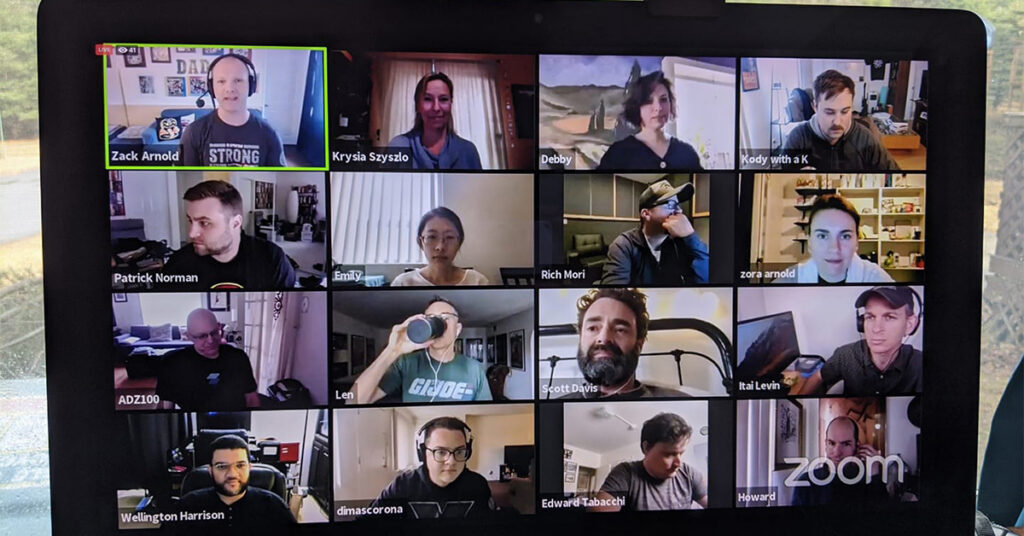
Amidst the chaos and uncertainty of COVID-19, there is very little we can control right now. Fortunately there are still things we can control to reduce the fear and anxiety consuming us all.