


Quick & Easy Meal Preparation with Jessa Greenfield
Jessa Greenfield, wife of Ben Greenfield Fitness is an invaluable resource on eating real food, easy meal preparation, & raising a healthy family.
Let's create things that matter. Together.
Let’s face it: Working an intensely competitive and exhausting creative job is hard.
Just getting by is often all that’s possible, so the mere thought of trying to eat healthy while on a budget, follow the proper career path when all you need right now is a paycheck, and (God forbid) have a personal life outside of your job is downright terrifying.
In the latest installment of the #FitnessInPost Q&A podcast series Natalie Boschan and I tackle these subjects and more.
…and you may even hear about some of my online dating horror stories.
Natalie Boschan: What was the thing today? Oh yeah. I was like, We need a vacuum in here, guys, because it’s a mess in the office. Like, we should really get a bit we should get them in a vacuum. You have to request it. And he’s and our post coordinator was like, Oh no, they don’t do it every day. I’m like, why not? He goes, Oh security. I was like, what? They come and empty our trash every day.
Zack Arnold: Well, on that note, we’re going to go ahead and we’re going to jump right in. I think that’s a really great segue to just jump right into the show and start talking about vacuuming in high security environments. It’s funny, that was actually one of the questions that was submitted is, how do I deal with a high security job where there are crumbs all over the floor? So you’re going to be an excellent person to answer that question anyway. As usual, we have a giant spreadsheet with a bunch of colors in front of us, and we have a lot of great questions submitted by people, and I want to make sure that we can answer what we can we’re not going to be able to get to all of them, but we kind of picked the ones we thought that would group together as always, as good questions, but still kind of tell a good story over the course of the show. The first one that I want to talk about that I know you were gonna really kind of take the reins on a geek out, because this is your thing. I want to I want to put a shout out to Curtis. Curtis is the man behind the show. Is doing all the editing. And this poor guy submitted his question in May, edits the show, and I haven’t answered his question until now, but I’m getting it in before the end of the year, so there’s that.
Natalie Boschan: And every time in between takes all talk about is okay, we should get to Curtis’s question next, and then we don’t.
Zack Arnold: And then at the end of the show, where I was like, first, sorry, Curtis, we didn’t get your question again. So I’m doing it first this time, because it’s actually a fantastic question. It just never really fit. And I was just like, Screw it. I don’t care if it fits or not. I got to answer Curtis’s question. So Curtis, we’re going to answer your question so that, having been said his question, and it’s really simple, one is, what are some good guidelines to follow when you’re trying to eat healthy, but you’re between gigs and you have to budget accordingly. And this is something that everybody in this industry, or anybody that’s trying to break into creative industries, has gone through. We’re not doctors, we’re not lawyers. We don’t have this perfectly segmented life where we do this step and this step and this step, and we’re probably going to be working and making money. We go through this period everybody does where you just have to figure out, how can I survive? How can I live on somebody’s couch and live off of ramen noodles and try and make it in this industry, doing unpaid internships and whatnot? But as I learned firsthand, and many people do, that doesn’t really work out so well, like the I think I’ve told the story on the show before, but if not, this could very easily just completely destroyed my entire business by sharing this. But I used to live off of Dinty Moore beef stew and Doritos. That was my dinner. I can’t distinctly remember my first year when I moved out here, I had a 400 square foot studio apartment, lives all by myself, had a drug dealer on the other side of my wall. It was the perfect la experience. But yeah, that was one of the ways that I cut corners was those Dinty more and Doritos man like that was dinner. And clearly that had had some impact on where my health went and kind of the journey that followed after that. The overarching thing that I would say is that if you’re trying to eat healthy, whether you’re between gigs or not, you should always be trying to find a way to eat healthy on a budget, and that’s something that I work on as well. You can’t eat healthy on a budget if you have two kids, it’s virtually impossible unless you feed them McDonald’s. When I see how much money I spend on groceries, a little part of me dies every week. I spend so much money on food because I care about the quality of food that my family eats, but with four people, it’s like I’m spending how much right now, but at the same time, that has really taught me how to find strategies to eat smarter and how to shop smarter. And this is something that I think that you can probably dive into even more extensively. But the first thing that I would say is you have to learn how to batch prepare your food. If you’re buying one meal at a time, if you’re buying freezer meals, either they’re going to be cheap freezer meals or they’re going to be cheap meals, like ramen noodles, which you’re going to be eating on a budget, but that doesn’t fit into the idea of it being healthy and on a budget, and that those are the two criteria we’re trying to answer. It’s healthy and it’s on a budget, and you have to batch prep your food, and this is where I’m going to hand it over to you, because you’re like, the batch food prep queen.
Natalie Boschan: I love batch prepping food this weekend I didn’t do my traditional sort of prep dish prep, which is sort of prepping for different kinds of meals, basically, like four distinctly different meals with, like, a salad too, and a breakfast and a snack and sometimes dessert, if I think the desserts worth it. What I did this weekend is I made chicken stock. I just made, like, I have this, like, 16 quart pot of chicken stock, and I boiled two chickens, carrots, celery, onion, garlic. But anyways, doesn’t matter what goes in the soup. But bottom line is, at the end of it, I had two chickens cooked. So now I have, like, all of this chicken. Can meet, and you can literally throw that in anything. And I got organic chicken, like, if you can’t afford organic food, like, you could always get a whole chicken, which is way cheaper than buying chicken breasts or, well, chicken thighs are cheap, like, the dark meat is cheap. But a chicken breast, like a pound of it, is $10 you can get a whole chicken for like, seven bucks. If it’s not organic, it’s like 20 bucks if it is organic. But that’s like five six pounds of chicken. And, I mean, that’s a pretty good deal. Like, five six pounds of meat for only 20 bucks, and it’s good quality organic meat. Like, I think that’s pretty good deal. So I have these two chickens now, and this week I’m making fajitas, which you don’t have to have a flour tortilla, or you can just have it without the tortilla at all.
Zack Arnold: Just out of curiosity, what do you call a fajita? If it doesn’t have a tortilla? I’m kind of,
Natalie Boschan: I don’t know, chicken,
Zack Arnold: Don’t you just call that chicken and vegetable.
Natalie Boschan: I guess you could just call it chicken and vegetables. But if you wanted to, you could mix, you know, you could take a chicken and mix it into, like, gluten free pasta, like quinoa pasta, or, like, you could take the chicken and make, I mean, I made chicken soup. So I had, like, this big thing of chicken soup that I made, like, a big, hearty batch of chicken soup, and you can literally throw any vegetable in there. And vegetables are actually pretty cheap. Like, I mean, they’re not as cheap as, like, $1 for ramen noodles. And, like, maybe you won’t feel as full, but it’ll be way better food for you. So it’s kind of worth it to have a little bit more vegetables, because, I mean, the fiber will actually fill you up, and you will feel better afterwards. Anyways, like it’ll be real food, as opposed to just ramen. But anyways, so, so yeah, so now I’ve got all this chicken, and then at the end of the week, when I haven’t eaten all of this chicken, or me, my husband haven’t eaten all this chicken, I’m going to freeze that chicken. And so now next week, I can take this chicken and throw it in with, like, if I had, like, pasta and broccoli, you throw the pasta and the broccoli in the same pot together, boil them up, take some of the chicken that you have frozen, heat that up, mix it all together with whatever sauce you want. You can have, like, pesto on hand. You can have just garlic and oil on hand, whatever. Just mix that all up, and there you go. You’ve got like, pasta, broccoli, chicken, and it took you like 10 minutes. But yeah, what’s been great that I’ve discovered this last year is whenever I have food that may be going bad in a day, I just freeze it, and then I have all of these freezer meals sort of bashed and I can take that to work with me. I can heat something up when I come home late at night, like, I’ve got lamb stew sitting in my freezer. I’ve got turkey lettuce wraps. I’ve got, you know, spaghetti squash with beef and pesto, like, really good stuff that I can just heat up really quickly. So that’s what I recommend, like, you know, and it doesn’t even whatever you do do your batch cooking is to make sure you don’t throw out that food, you just freeze it and then you have it again later on when you actually need it. You know,
Zack Arnold: Yeah, I agree with all that, and I now pretty much batch, probably about two to three hours a week. I just set aside my Sunday afternoon, and it’s not a chore, because it’s something I actually do with my kids, and it’s something they now enjoy and look forwards to. And I’m taking cooking classes online, so it’s really become a family activity, where not only am I learning, but it’s a fun thing, and they’re learning too. But the one of the things that I have learned is that if you just invest a small amount of time in learning how to prepare raw food, you can save a ton of money. And if you’re thinking, Well, I’m eating, you know, paninis from corner bakery, and I’m, you know, eating burgers from McDonald’s, like, that’s a totally different world. But if you’re thinking, You know what, I want to start eating healthier, but I’m going to buy the pre packaged bag of baby carrots, and I’m going to buy all these pre packaged chopped vegetables and pre cut meats. There’s a lot of money in there because they need to pay somebody to do all that work for you. So if you really want to learn how to save money on food, learn how to use a knife in the kitchen. This was a huge win for me, where once I learned knife skills, my grocery bill went way down because I could prep everything myself, and I get to cut stuff. It’s like, fun.
Natalie Boschan: It is fun. I find it sometimes relaxing. But, you know, and I think, like, there is a misconception that food is expensive, like, preparing your own food is expensive. It’s really, it’s not like, especially when you start doing, you know, like you say, you start learning how to do your own prep work. And it doesn’t take that long. Like, also, you can just watch the Food Network for like an hour, and you’ll see them chop stuff and make stuff. And then you’ll also see that there you can pretty much use the same techniques for like, 30 different meals. Like, there are a few, there are like a like three set techniques that you need to learn, and you can pretty much apply that to anything. And so, you know, cooking isn’t that bad. And also, like, putting meat in the oven and using your oven is is really easy. Like, I know that the oven intimidates people, and some people, like, I don’t do things in the oven, only on the stove. It’s like, oh, the oven’s pretty good. Like, you just throw a big piece of meat in there and wait for a couple hours and it’s done. Like, it’s pretty nice. Yeah, but yeah. So I think that, I think it’s definitely possible, and I think it’s definitely worth it for anyone to learn how to prep their own food, do it ahead of time, and then, you know, like I said, freeze it, because there’s going to be weeks where you are gone for a weekend, or you just can’t do three hours of prep work on a Sunday, and you’ve got like, three, four meals batched, and so you don’t have to go out every day, which is really nice.
Zack Arnold: Yeah, and the next level that I would go to, if I actually before we go to this other idea, I want to give people a couple of links to older podcasts in the archives that they’re probably not going to find anymore unless they know where to look. So I did a podcast. It’s episode 66 with Allison Schaff, who is the creator of prep dish, and we do a full deep dive into the systematization of meal planning and how you can batch prepare an entire week’s worth of food in two to three hours. Because I only cook once a week, and I do it on Sundays. And then I open up my fridge and I get Tupperware and I have fresh meat, fresh vegetables for the entire week. I don’t have to think about one meal, which is amazing, and then the other episode, which I did even earlier, was with Jessa Greenfield, who is the wife of Ben Greenfield, who, frankly, I think, is the most badass human being on the planet. And I’ve actually had him on the show a couple of times, and we’ll have him on again, but that is episode 39 so if you’re thinking, oh, man, this sounds great, but I want to learn more, I would say, go into those two episodes, those two hours, I’ve had people that have emailed me and said I listened to just the one episode about PrEP dish, and it just totally changed the way that I eat, and has saved me money. Yeah, so that’s the first place I would start, the other place that I would go as well. And this takes a little bit of work as well, but I’m hoping that I can provide more resources in the near future to help people with this, and that is really understanding and doing the work necessary to know where you can buy certain types of food the cheapest. So when I create a food shopping list, as you know, I’m a total Trello nerd, and I do all of my food shopping and all of my meal preparation in a Trello board, and I’ve created a reverse grocery list it’s basically an inventory of everything that I would have on the perfect day where I don’t need one single item in my kitchen and my pantry, in my refrigerator, in my freezer. It’s all there, all the staple items that I eat all the time. And then, of course, every week, if I want to try new recipe or whatever, there’s, you know, that miscellaneous list, but I have it broken down by where I can buy things the cheapest. So when I prep, I take like, an hour on Saturday mornings and I say, Here’s everything that I need for the week. Where’s this cheapest? Where’s this cheapest? Where’s this cheapest. And I know that some things are going to be the cheapest at the grocery store, some are going to be the cheapest at Amazon, and some are going to be the cheapest to Thrive Market. So I’ve done enough research to know where I can get the most bang for my buck and still eat healthy. So even though I have two kids and I have a fairly large grocery bill, if I hadn’t done that work, my grocery bill would probably be just about double what it is. But I know where I’m getting everything cheaper because I’ve broken it down and basically done price comparisons,
Natalie Boschan: Yeah, and I mean, because I am not as disciplined as you are, and I cannot drill down that far because I don’t have the patience for it. I have basically come up with rules. What’s really nice is that groceries, grocery stores are stocking more and more organic food, and even pavilions now they’re open. Nature brand has grass fed meat, and so they only have, like, grass fed rib eyes. They have filet New York strip and a couple of other cuts of beef, and they’ll have organic chicken. But if you want to find, like, organic pork, which is really hard to find, actually, or other types of meat, like you might have to go to Whole Foods or if you know a butcher. But basically my general rule is that I go to, like, pavilions, or like the grocery store that I know has sort of, like a higher caliber of food for my fruits and vegetables, some of my beef and chicken. So basically, I do pavilions for, like my, you know, box items also, and my vegetables, and then specialty items. If I have to get something, sort of like, I don’t know, I want to do, like a quinoa blend over at Whole Foods. I’ll go, I’ll go to Whole Foods and do like, a small shopping spree, and basically so. And I had this sort of hard and fast rule when I was in college, a friend of mine, you know, she was off getting, like, all these fancy foods and stuff. And I was like, why are you spending so much on groceries? This is ridiculous, and she just looks at me and she says, Because Natalie, you only get one body, and so if I’m going to spend money, I’m going to spend it on putting good things into my body. And I was like, yes, you’re absolutely right. So that’s the thing about food, is it’s definitely worth putting the money in and putting the time in, and the effort to, sort of, you know, be good to your body and to let your brain run on all eight or 12 cylinders, however many you have,
Zack Arnold: Or the two that you seem to have functioning this evening. And nobody will know what that refers to, because we’re going to be cutting all that out, but this part will stay in. So like, Why is he being so mean to Natalie? It’s like, well, you you missed the last. Last four minutes that we just edited out of the show anyway, that having been said, Curtis, we answered your question, it’s only taken me seven months, but now you know a little bit more about how to eat healthy between gigs when you’re budgeting accordingly. So that, having been said, We’re gonna transition to a completely different topic, and this is one that, once again, there’s going to be a lot that I can send people to that are fairly new to the show, that have not gone down the rabbit hole of all the past episodes. This is a really, really common problem that so many people have, and I want to make sure that we hit this. So this is from Sarah. And Sarah asks, When I first moved here, I knew that I wanted to do editing, and there was a boutique commercial post house conveniently located near my apartment, so I happily took an entry level position there, and I began my career naively. I assumed that once you become an editor in quotes, it would be an easy transition into feature or even episodic work, but this is obviously not the case. I was curious if you have any tips or advice on making this switch, or at least getting my foot in the door. This is so common where people and I did the same thing, kind of I had a little bit more structure in the strategy that I had when I came out to LA but people just assume they need a job, and people are so concerned about just having something to do and breaking in that they don’t do some of that preparatory work to really say to themselves, why do I want this specific job? And what does the roadmap look like to get where I want to go? Like I know what point z is, and this is something that we’re going to I’m going to be going into much more extensively in the episode that’s going to be after this one is really about what does the framework look like to get to point Z, but they’re thinking, I know that I want to be this in 20 years, but right now, I’ll just do this one thing, and this will just be a job. But they don’t realize that once you grab the bottom rung of a ladder, you continue climbing the same ladder. So if you’re amazing, let’s say that Sarah was the most amazing person ever at this job. They’re not going to let her go. They’re going to keep trying to give her more incentives to stay. And then all of a sudden, she’s going to wake up, 35 years old with a mortgage and a young kid saying, I don’t want to edit at a commercial post house. I don’t want to edit feature films. That transition is really, really difficult, and I know that I’ve been through this where three different times I’ve been told, Well, you can’t do this. I was told, going from trailers to features, well, nobody can go from short form to long form. That never happens. Did it anyway? Then I was told, Well, you really can’t go from feature films to television. You kind of have to start from scratch and then come in as an assistant. And I ended up doing it anyways. And I’ve seen people that grab that rung and they think, well, I’ll just swing to the next ladder. But it’s not that easy. And I know that you’ve been through this as well, and this is actually something that you’re kind of dealing with at this moment, too.
Natalie Boschan: Yeah. I mean, a couple of things on this one. First off, I think part of the problem is, is depending on what school you went to for film if you went to film school or, you know, or if you went to college at all. But if you if you did, I found I had this problem where my school didn’t prepare me for real work, jobs. I mean, they gave me the theoretical sort of like, this is what film should mean. You know, this is what film means to you, and make your story and let your voice be heard, like all that type of stuff. But I never got the whole like, these are the jobs that are available to you in the industry. You know, like, I didn’t, I did the same thing when it first came out. I just went online and I found post houses and, you know, editing this, or vault or, you know, any kind of anything at a post house, I don’t know what a post house was. I mean, like, I didn’t know what a vault room was. I didn’t know what a machine room was. I didn’t know what any of that did, but I was applying to all of them, and I was like, Yes, I’ll do it. This is this does this post, and I want to be in post sure, like not having any clue as to what I was applying for, what I was doing. So I think part of the problem is, is that there’s not a very good mentorship program set up at all for this business. We don’t have career fairs, or have job fairs. You don’t have anyone coming out recruiting us, because there’s, like, such a huge supply of people that want to be in this business. They don’t need to go out and recruit so, you know, and it’s a very sort of particular business, and you need access to it, and, you know, all this sort of BS, I think that there’s not a there’s not a path or anything, and there’s not that there’s no one leading you on a path. You have to find it yourself, which is, you know, half the battle of getting in this business and staying in it. So that’s one point. And then the second point is it, yeah, I mean, I started out with, I started out in new media, actually cutting like little short things there. And, you know, I was really into it, but I didn’t know how to move into television or episodic work either. And I just sort of moved from job to job, staying in the sort of feature at short form kind of world. And I just stayed there for. I don’t know what was it like seven years, maybe seven years, until finally, I kept bugging Zack enough, and he pulled me up into episodic television, but, but I had, but I had established myself as an editor for you know, over those seven years I was in, I was a feature at promo, trailer editor, and I had to take sort of a little step back and be an assistant editor to get an episodic television just to get my foot in the door, which is, and I’m still there. Now, I’m still an assistant editor, but I’m trying really hard to be an editor. But nobody knows I was an editor, you know, for seven other years. I mean, except you Zack, but like, you know, the editor I’m with now, like, I I told him at some point. I was like, oh yeah. When I cut promoters or features, he’s like, Well, you used to cut stuff. And I was like, oh yeah, this, that or the other thing, but he didn’t know, like, people don’t know me as an editor now. They know me as an assistant editor. And it’s really, it’s kind of hard to get out of that bubble. It’s kind of hard to find a way into the job that you want, because it just, you know, what do we say that opportunity is luck meets hard work, and so I just have to continuously put in that hard work until that opportunity comes up, and not get discouraged and not saying I haven’t been in the past couple of years. It’s hard to put in a lot of hard work and feel like it may or may not go anywhere depending on how the stars align on that particular week. That’s kind of what it takes. And you can sort of make your own opportunities by finding your own projects or making your own way, or, you know, talking to as many people as possible, seeing what their paths works. Everyone takes a different one, and just, you know, you keep trying. You got to keep hitting the pavement, and that’s half the battle too. It’s just sticking. Is just sticking with it. And I feel like we had this conversation that, like we feel like, you know, we went to edit Fest and we heard a lot of people’s stories, and a lot of people started at commercial houses or in short form, sort of like whatever short form was for the time. You know, at the time, whether it’s commercial or feature, you know, feature ads are kind of like a new web thing, but we found that, you know, we’re hearing that a lot of, like, big editors, I think, you know, you had Carol Littleton on a little while ago, and she’s, you know, she started at commercials like, I think it’s very possible, and I think a lot of people, a lot more people actually do it than you might think.
Zack Arnold: They just don’t want to share the fact, or not. When I say they, I say the people that hire them, whether it’s the studios or whatnot, they just it’s so easy for them to cover their behinds because they say, well, this person only does this, and this person only does this, I’m not going to take a chance giving them their shot. I don’t want to allow them to transition and be the person that’s responsible if they don’t work out as something that I experienced when I went to Burn Notice, where they weren’t going to approve me, because I had trailer experience, even though I had done seven or eight feature films and I had edited as close to TV as possible with the web series that I had done. But one of the words that I got was, well, the network is really concerned that you, you know, are a short form editor. But then all of a sudden a project came along when I was working on Burn Notice, and what did they say? Oh, my God, we’re so glad you have short form experience. You’re perfect this project. And, like, really, really, like, it was kind of that, that frustrating mentality. And there’s, I always give people the same answer when they talk about, how do I break into this? How do I break into that? Like, there’s always nuances. As far as if you want to transition from reality to scripted, if you want to go for want to go from assistant editor to editor, if you want to go from short form to long form, there are nuances. There’s one foundational thing that I will tell everybody, and that is, you need to focus on two things. And this, frankly, works for any industry. It doesn’t matter if we’re talking about film editing. It doesn’t matter if somebody happens to be listening to this that wants to be an accountant. Two things you can do and you’re going to be successful. Number one, you have to be awesome at what you do. I don’t care what it is. Learn everything you possibly can. To stand out from the crowd and have people say, Whoa, you know your stuff, and you are the cream of the crop. And number two, people need to know that you’re awesome. If they don’t know that you’re awesome and you’re awesome, there’s no point. And if people know who you are and you’re not awesome, there’s also no point. So be awesome. Make sure that people know you’re awesome. And like you had said, luck is where hard work meets opportunity. So you make sure that that hard work ends up being there and being present and being known when the opportunity comes along. You’re the perfect example of somebody that has everything in spades except for that last final opportunity, which really, at this point is just a phone call or it’s an opening, whatever it is. Like, all the pieces are there. The only component that’s really frustrating is the patience part. Yeah, everything else. And a lot of people are in that position. I mean, you talk about Kelly Dixon story, the editor that did Breaking Bad and has done better, Call Saul and has now worked on The Walking Dead. She was an assistant editor for like, 174 years. I mean, she assisted for so long, and she just continued to persevere, and then her life changed overnight, because that opportunity. Came up, and one morning, she woke up she was an assistant. That afternoon, she was an editor, and bam, now she’s Kelly Dixon. So it really is just about making sure that you do those two things. And the good news about all this is that there’s way more that you can talk about to go down this rabbit hole. And I have hours and hours and hours of stuff, so I want to direct people that may be new to the show to some of this content, because this is, as you know, a huge passion of mine is helping to mentor the younger people in the industry that just don’t know how to navigate it. Because, like I said, we’re not lawyers and doctors. We don’t have the set path where I’m guaranteed if I spend x amount of dollars at graduate school, and I go to medical school, I know that eventually, if I do the hard work, I’m going to get where I want to be, and I’m going to get paid X amount of dollars. Yeah, work that way in this industry. So if you go to fitness and post comm slash advancement, there’s going to be a whole list of podcasts that actually talk about this, and the ones that I would direct you to specifically Sarah, because I feel like, you know, the the end of her question where she says, You know, I was curious if you have any tips or advice on making this switch or getting my foot in the door. There’s about four hours of content that’s going to answer that question, one of which is going to be episode 61 with editor Eddie Hamilton. Another, which is going to be episodes 56 and 57 which are probably one of the two most popular episodes I have with Norman Holland, who’s the former head of the editing track at USC, and then the number one podcast in the history of this podcast, which actually there is kind of a history. Now I’m over 100 episodes, so it is a real thing. Now I still don’t believe it, but other people apparently think it is. That’s episode 48 which was with Monica Daniel, who talks all about transitioning from reality to scripted. So if you want to take a four hour deep dive into this idea of, how do you do these two things and make sure that you’re there when you get quote, unquote lucky, these episodes cover all of that. I really at this point, I would just be redundant and repeating everything I’ve already said, because everything is going to be in there. So Sarah, go to town, listen to those. Send me an email and let me know if this makes sense, and if there’s still unanswered questions, let me know, because this is a passion of mine, and I want to make sure the roadmap is there for other people that have this question. So we’ve kind of talked a little bit about this idea of how, if I’m super, super busy or in between jobs, how can I eat healthy on a budget? And we’ve also talked about, I’m somebody that’s trying to break in, and I’m working super, super hard to make it in my career, and I’m giving everything that I’ve got. This I think, is the perfect segue to the next question that we’re going to answer. And I actually don’t have a name submitted from this person, but I have their email address, and I’m not going to share it on the show, but I will email them and let them know that their question was chosen so they can get their free T shirt. But to the unnamed person that has submitted this question,
Natalie Boschan: This is Jason. I feel like I know this email address,
Zack Arnold: All right, so we’re gonna say it’s Jason. Could be Jimmy, it could be Joe, it could be Jolene. I’m not really sure, but they have a j in their email address.
Natalie Boschan: Yeah,
Zack Arnold: So that, having been said, whomever you are, the question is, how did you or how do we balance ambitious career and health goals if we’re also trying to find a partner and we’re dating? This is one that I could definitely talk about extensively, I’m going to let you go into this first because you’re a little bit fresher. You’re a little bit younger than I am. It’s been a while since I’ve been on the scene. It’s very rare to see me at any social events, because I have a seven year old and a five year old. So for me to talk about dating is, you know, it’s going to be a little bit outdated. No pun intended, because I know this is something you and I have talked about, not so much in the dating realm, but in the idea of, kind of trying to raise a family and work in this industry. So I want you to start there, and then, if we have time, I can kind of talk about my experience. But it was like, way back when, you know, we didn’t even, like, have televisions. I mean, you know, you know, we had rocks, like there were cylinders that we had for wheels, but we didn’t even have tires yet. So
Natalie Boschan: Yes,
Zack Arnold: Anyway, and then if we have time, I can kind of go into my editing slash dating story,
Natalie Boschan: Yeah, um, I mean, I actually didn’t date much in LA. I didn’t. I’ve been with my husband for like, the last eight years. I don’t know, um, but I think, you know, what I can speak to is just trying to make a personal life work. I don’t know what it’s like, you know, to try to balance a career and go, you know, dating on Tinder or online dating, or going from like, date to date. You know, different people. But what I can speak to is that it is, it is really hard because I, I went through a period of time for about three years where I basically transitioned my career into long form. I bought a house and I got engaged, and like, planned this, like, 300 person wedding, and so, like, over the course of those, like. Two and a half, three years, it was like, a lot of changes and a lot of stress. And because, you know, I’m working at least 50 hours a week, and I’ve got all of these other things happening behind the scenes, and I, you know, I’m, you know, I’m getting into a new family. I’ve got my own family dynamic to worry about. I got to worry about joining the families. And it was just, there’s a lot of stuff all at once, and so it’s, I don’t know how to, it’s hard, it’s hard to balance it. And then, you know, you’ve got friends too, who you want to see. Because friends sort of make your, you know, you sort of feel like, you know, you got to, you have to be social, and you have to, kind of like, do something else besides work. It’s funny, because I literally just read an article about Shonda Rhimes before we started recording this, and she mentioned her a year of Yes, and she talks about being a workaholic, but she took a year to just say yes to any social engagement that she was invited to so that she could get herself out into the world more and be a more, you know, social person. And so I just, you know, and I’ve read multiple articles on her year of Yes, but I always find them interesting. But yeah, like you, you sort of need that release, you sort of need that balance in your life to make your career seem worthwhile and to not burn out too much. But what I found kind of worked for me is finding a time to turn off my emails, not check my emails, not worry about work. So my husband and I sort of established this rule, because he works really long hours too, that once we come home it’s like, okay, we’re home now. Like, whatever work problems or any other problems or emails or whatever you’re stressed about. Like, now you’ve come home and like, it’s time to, like, totally shift that mindset. And it’s time to, like, be home and like, kind of take a deep breath and just say, Okay, that’s all over at work. I’m home. That’s it. We’re done. And it’s it’s worked really well. It worked a lot better than I thought it was going to work, because I was one of those people that was always checking my phone making sure my arrows on top of all of my emails. But like, if you don’t answer an email at 930 at night, you know, unless someone’s calling you and making a big deal of it, it’ll be fine. It’ll sit for the morning, and then you can get up in the morning and answer it. Then, like, you don’t have to answer it when you’re trying to go out to a nice dinner with somebody, or on a weekend when you’re away and doing something that you enjoy in your personal life. So I think that sort of having those boundaries and sort of saying, like, you know, tonight, I’m not going to work till 10 o’clock. Tonight is my night. I’m leaving at seven. I’m going to go have a good night. I’m going to have a nice dinner with somebody I care about, and that’s what I’m doing for the night, and sort of just being present with those people and just setting those boundaries and notice when you’re sort of reaching that point where you’re way too entrenched in your work and you just have to take a night, like just do it, because you’ll wake up and you’ll be so much more refreshed the next day and like, the rest of the week, if You just take that time to sort of embrace this other part of your life. So there you go.
Zack Arnold: Yeah. I mean, the key really, it’s really no different than when we’re talking about careers, where you have to really set your intention. So if we’re going back to the previous question, well, my intention is I want to edit feature films. Great. Well, is making the choice to be a vault coordinator at MTV. Going to really help you get there? Well, I don’t know for sure. And if you’re looking at your personal life and you’re saying, I want to make an intention to really make my personal life something that is vital to my well being, and I want to have the option to go out with friends or be able to date, well then that’s going to structure the types of opportunities that you choose. And you it sometimes it means you have to turn down opportunities that might make sense for your career, but if you’ve already set your intention, and you have a clear road map that says, Listen, this is something that’s really important to my life right now. This would be a great opportunity, but it gets in the way of what’s important to me. Well, then you can’t do those things. And how I relate that to my life right now is that one of my criteria for taking jobs at the moment, which has meant that I’ve had to make some very tough choices, but the most important thing to me right now is being present for my kids, because they’re still young, and they actually still like me. That’s not going to last a whole lot longer, and I’m not going to take this really cool job editing a show if I can’t put my kids to bed at night. You know how important that is? Like, what do I always say when we were working together? It’s like, all right, I got to go. I’ve got kids to put to bed. And I’m very, very, very grumpy if I’m at work when I shouldn’t be. If I’m there, because I choose to be and I want to work on something, I’m fine. But if some stupid thing has come up where it’s like, Why in the world was this coordinated so poorly, that I’m here right now and I’m missing my kids bedtime. I’m not a happy camper, because I’ve made a very intentional decision that that’s important to me, and setting that intention, intention is so, so important when you’re trying to balance career, health, goals, dating, whatever it is. I. And I did a lot of that the wrong way. So anybody that’s listened to the show for a long time most likely knows more about me than my wife does, because I talk about stuff a lot. I’m very candid, but I don’t think I’ve ever shared this story, and that is my dating story, because I’ve been through this, and I’ve lived this hell where I did the whole online dating thing for like, a year, and this was before they had Tinder or booty call or whatever the kids are using. Now, I have no idea. I don’t know any of this stuff like i To me it was, there was just match.com and there’s one other site that was competing with it. I don’t even remember what it was, but it was just total crap. But it was when online dating was, Oh, my God. How do you know they’re not an ax murderer? Like, those days I think are gone, like, I’m not in that world anymore, but,
Natalie Boschan: Oh, yeah,
Zack Arnold: I don’t think people worry about, oh my god, you met them online. Are you sure that’s safe? Like, maybe your grandparents feel that way. But everybody was saying that when I was online dating match.com was maybe two or three years old, but I was working two full time jobs. I was working about 45 hours a week at a trailer house during the day, so from about 9am to six or 7pm and then I came home and I was editing a feature film full time on the side, from the moment I got home about 7pm until 1am and I was doing that for the five days a week. I was splitting the two, and then Saturday and Sunday is when I was making up the time on the feature film. So I was doing on average, 90 hour weeks. And this, of course, for people that know my story, did not go well and led to the beginning of my entire kind of journey, figuring out how to be healthy. So I won’t go there, but my only option was online dating. I there was no time to, like, say, I’m gonna go to the bar on Friday night, because I was working on Friday night.
Natalie Boschan: If you think about it, people you meet at a bar, someone you meet at a bar could be an ax murderer too.
Zack Arnold: It’s actually, I think it’s way worse. And I felt that way 15 years ago. People, everybody says this Now, but 15 years ago, I was saying, Why do you think my chances are better if I go to a bar, if I’m online, I can actually screen people. I can look at criteria. Like, from a productivity perspective, it’s much more efficient to date online because you can narrow it down to people that actually fit your criteria. Whereas at a bar, you’re like, yeah, she seems hot. Like, maybe she’s cool. Like, I’d never understood that.
Natalie Boschan: Well, that’s some people’s criteria.
Zack Arnold: That is, I mean, that’s a lot of people’s criteria. It wasn’t mine, yeah. I mean, what you know, when you’re 22 and right out of college, it’s like, yeah, anything that’s got a pulse, like, Sure, and I can’t believe I just said that and recorded it, but anyway, that’s a keeper. Oh yeah, that was, I didn’t really set an intention. I was just trying to find a way to survive. And I did a bunch of awful dates, like just the just the ones that you read about in, like the bad online dating stories where you see this picture and then somebody shows up, and it looks like the version of that person, but with a mustache and 100 pounds heavier, like I have had just the most embarrassing dates. So I’ve been down that row, but I chose the path of least resistance based on my schedule. But it was really, really hard. But like you said, once I actually found somebody that clicked, it completely rearranged my priorities, and I wasn’t organized enough to say, Oh, well, I’m clearly going to be setting a different intention and making different choices. I was way too young to understand any of that, but it made a big difference. But I just, I had to find the the path of least resistance, and that’s why I found online dating. And it ended up working because, you know, we’ve been together for, God, at least 10 years now, and we’ve got two kids, but that was how I did it, is I just looked at it like a productivity, efficiency person. What’s the easiest way to do this? You know, to be the most efficient about dating screen them. Make sure I’m finding the right people with the least amount of time. Well, it was match.com and now there’s like 47 different dating sites where, you know, I mean, I don’t even remember the name of most of them, but it’s like, you know, dating sites just for Jewish people, like, there you go. It’s already narrowed it down considerably for you. So I can’t, oh, J date, that’s the name of it. So that would be one, but, yeah, that’s it’s in the stigma is not there anymore, like it was when I was doing it. Like you, you had to lie. Like both my wife and I people like, Where’d you meet? Oh, we, we met at the Arc Light movie theater, which we did, talking on the phone and online for weeks and choosing to meet there, but it was like, oh, that’s what a coincidence that you just found your soulmate outside the movie theater. I know, right? Crazy
Natalie Boschan: Things just happen,
Zack Arnold: Right? It’s just the universe, the universe is telling me you’re the right person.
Natalie Boschan: Yeah, people say that about us too, because everyone, I don’t think people realize the amount of University of Michigan alumni that are out here. And so everyone is always fascinated by the fact that, like, wait, you both went to U of M, but not at the same time. I was like, there are a lot of us. There are a lot of alumni. Like, we, yes, we met through the. Like five, one of the 5000 you know, alumni that I know out here so but you know, I also think that you kind of have to be very upfront with the person about what your career is and what it’s going to take to date someone who is ambitious in their career. I think that that’s sort of an ongoing chat and an ongoing talk that you have to have with whoever you’re with, and depending on how serious it ends up getting, like, you know, that’s something that, like, it’s going to continuously evolve, and that’s something that you just kind of have to keep talking about. Like, if somebody can’t handle what’s happening the relationship, then you really got to sit down and make sure that both your priorities are in the same spot, or if they’re on the same spot at that point, if they can get to the same spot eventually. I had a friend who’s a chef, and they have like, crazy hours, crazy hours they he couldn’t, you know, he had a girlfriend, but couldn’t make it work, because she couldn’t, she didn’t want to be with somebody who was only around, you know, an hour out of the week at home and so, you know, and it’s perfectly valid, and that’s just where their priorities were at the time. So that’s just something that you have to continuously be aware of, and your partner has to be aware of as well. And your friends too. Quite honestly, my friends, I you know, my friends have been very understanding of me canceling on them. I give them a warning. You know this, tonight is an 85% chance of cancelation. Tonight is a 20% chance of cancelation. They’ve been very understanding. And when I go on my hiatuses and I have a break, I make it a point to say, Hey, I’m available. Now. Let’s hang out. Let’s do stuff. I just want to see you guys, because I haven’t seen you in a long time, and they know that when I have the time, I will make I will like see them, and that they’re a big part of my life. So yeah, just having those talks with those people in your life, and if people aren’t going to be understanding of your career, and that’s something that’s important to you, then might want to cut them out. I don’t know. That might not work out.
Zack Arnold: Luckily for me, I don’t have the problem of trying to navigate the world of a social life and friends, because I don’t have any.
Natalie Boschan: Oh,
Zack Arnold: So that’s, that’s, it’s, it’s part of my efficiency and productivity strategy.
Natalie Boschan: We can be friends.
Zack Arnold: I’m just one of those people that I have, like, two or three incredibly close friends, where if they called me and said, I have a flat tire at 3am and by the way, I’m on the South Pole, I would show up. I have that list of people, but I don’t really have acquaintances where it’s like, Hey, we should hang out. And I’m like, Yeah, sure, I’m never gonna do that? Okay?
Natalie Boschan: People do that, though,
Zack Arnold: And they do there are a lot of people, and there’s nothing wrong with that. That’s just not who I am. So for me, it’s family’s number one priority, and then the career is a priority, and then everything that I’m doing with this podcast and with the blog and trying to help the community, that’s a priority, but it’s very hard for me to prioritize, just like we’re gonna go out and go grab a movie with a bunch of friends, like it’s just that’s not who I am. So it’s easier for me to balance my time, because that’s not a priority to me, but when it comes down to people that are very important to me in my life, I will drop everything to give them whatever they need. But on a consistent basis, it’s not a time suck for me, and that’s just, that’s a choice that I’ve made. But that’s not that uncommon in creative industries, because a lot of people choose creative industries because they’re introverts and they like doing things on their own, but they feel like they’re supposed to get out and they’re supposed to socialize and supposed to be with friends. And I went through that phase. I’m like, Nope, this just isn’t me. I’m not going to apologize for it anymore. And I’m sure there’s at least one person that’s listening that’s like, yes, it’s about time somebody said we don’t all have to go out and socialize all the time.
Natalie Boschan: I bet a lot of the listeners on this podcast are saying that. But I go, you know, I go through that stuff like that, where I just, you know, sometimes you just work so hard you can’t go out like, you have to, like, recharge somehow. And if you know it’s just being it’s just like what you’re saying, it’s just being confident in what your priorities are and what you need for you. And that’s it. Like, you just have to know what that is, and then you can adjust your life accordingly.
Zack Arnold: Yeah, and I think that, on that note, just talking about, kind of trying to adjust your life accordingly. About five minutes ago, I got a text from my wife saying our daughter just threw up on her bed and she needs help. And my response was, my response was, Well, I’m recording a show. So that gives you an idea of what it’s like trying to balance a intense career where you’re very ambitious with trying to date, like, that’s a real world example that I could not answer that question any better, where it’s like, it’s 1030 at night, I’m recording my third podcast of the day, and my daughter has just thrown up, and it’s like, all right, it’s time to switch gears. So it’s, it’s not easy to balance the life you are trying to date or have a family like this industry, or, you know, any type of creative industry it. We’re not bankers. We don’t work nine to five behind a counter. Like it’s it’s tough. And if you don’t create a roadmap and have a set of values that really guides you to be able to make these kinds of decisions, when there are really tough decisions, you’re not going to know how to answer, and you’re just going to become completely reactionary and just react to everything. So
Natalie Boschan: Yeah,
Zack Arnold: And if that doesn’t make a whole lot of sense, when you listen to next week’s show, it’s all going to come together, because I go extensively into a lot of those ideas and those frameworks, but it’s just fresh on my mind, because in my brain, I talked about this stuff, like four hours ago. In the audience, it’s like, what are you talking about? So anyway, on that note, I’m going to let you get back to your life. I’m going to get back to my exciting life.
Natalie Boschan: Yeah, yeah.
Zack Arnold: But this has been another fun one and another, another deep dive into the dark, scary psyche of of just the world of what it takes to be a creative professional.
Natalie Boschan: Yes, yes, finding ways to eat well, move up in your career and try to have some sort of personal life while doing it.
Zack Arnold: Yes. And if I had to distill all of the answers on the show or on the 101 podcast that I’ve done into one sentence, it would be, just, don’t do this job anymore, and it would be so much easier.
Natalie Boschan: I think that’s a quote right from somebody, if you could do anything else, do it, like, if there’s anything else in the world that you want to do, do that instead.
Zack Arnold: Yeah, pretty much that. And that’s the choice that we’ve all made. It’s like, Nope, we can’t do anything else. We got to figure this out. So that’s the whole idea of this show, is knowing there are people listening, saying, I can’t figure out how to do this, but there’s nothing else in the world I would rather do. So tell me how to figure it out.
Natalie Boschan: Yeah,
Zack Arnold: So that’s the whole idea, because I’m there with you. So on that note, I’m gonna let you go back to your life. I’m gonna go back to mine, and hope everybody has a wonderful week.
Natalie Boschan: Yes.
Transcribed by https://otter.ai
This episode was edited by Curtis Fritsch, the show notes were prepared by Jakin Rintelman, and this show is executive produced by Kanen Flowers. We are a member of the THAT STUDIO podcast network.
The music in the opening and closing of the show is courtesy of Dorian Cheah from his brilliant album ARA.
Jessa Greenfield, wife of Ben Greenfield Fitness is an invaluable resource on eating real food, easy meal preparation, & raising a healthy family.
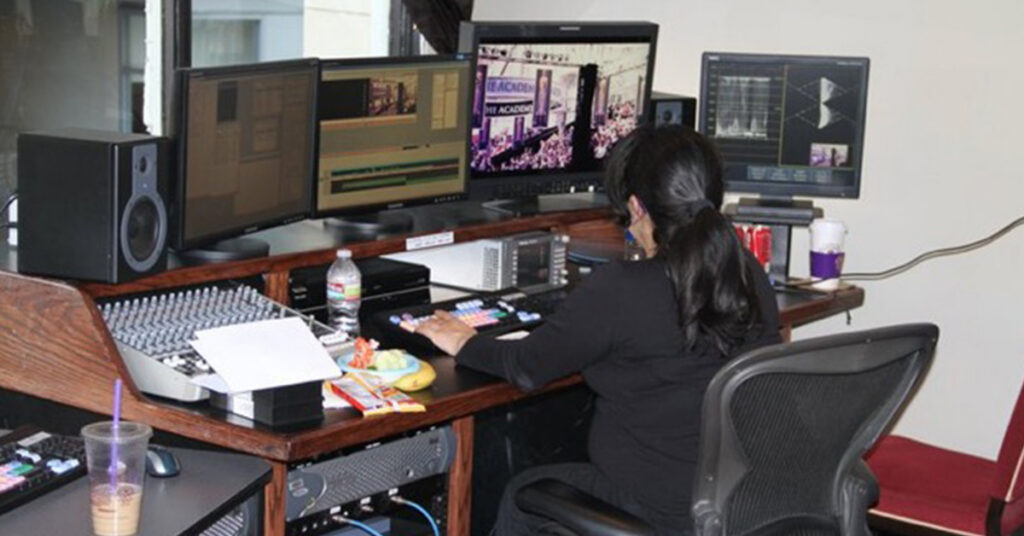
Learn how an accomplished reality TV editor successfully transitioned to working in scripted television.
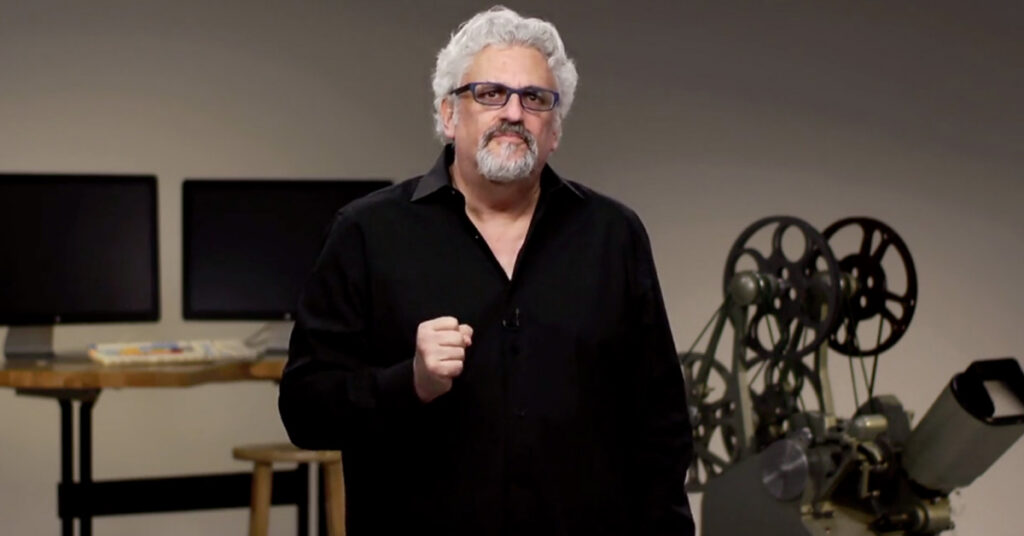
Unlike doctors or lawyers, the path to having a successful career is not linear. The key is learning the proper steps to forge your own unique path.
Many who work in post live off Chinese takeout, pizza delivery, and Hot Pockets. There is a better way, and it starts with systematizing meal planning. Learn how with Prep Dish.