


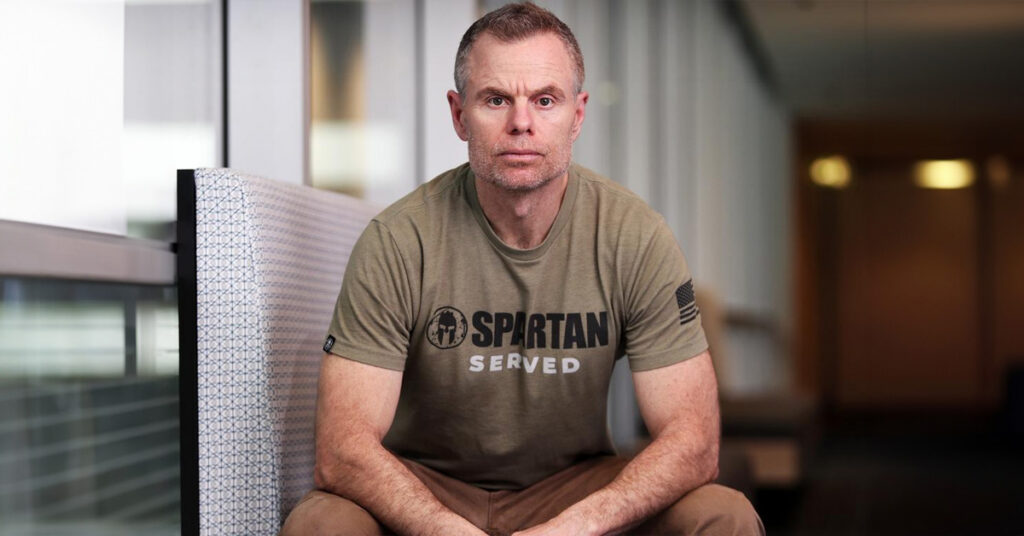
How to Develop ‘Obstacle Immunity’ | with Spartan Race founder Joe de Sena
Learn now to develop grit, determination, perseverance, and obstacle immunity in areas far beyond athletic competition.
Let's create things that matter. Together.

Jessa Greenfield is the “better half” of Ben Greenfield Fitness and an invaluable resource when it comes to eating real food, easy meal preparation, and raising a healthy family. In today’s show we discuss practical ways to incorporate healthy snacks into a diet at work with minimal effort, how to replace processed meals and snacks with simple homemade recipes, and even how to cook right at the office!
Zack Arnold: Okay, I am very, very excited to have Jessa Greenfield on the podcast today. Because for those of you that listen to this podcast and have listened to past episodes, you know that I am a gigantic, gigantic fan of Ben Greenfield Fitness and of Ben Greenfield himself. And Jessa is the better half of Ben Greenfield Fitness. So thank you so much for being willing to be on the show today.
Jessa Greenfield: Thank you for having me. I’m excited.
Zack Arnold: Yes, I’m very very excited as well because this is a side of health and wellness that I think that people don’t hear quite as much because all they’re hearing about is all the the fad diet programs and the million and a half fitness programs and now there’s all these fitness apps and all this crazy information out there, but what I really want to talk to you about today, which is something that you’re really an expert at, is just finding practical ways to introduce healthier snacks, healthier meals without having to go out and buy things in boxes and pre-prepared meals that have preservatives and all this other junk. Like you’ve really found a way, and I’m using your words, not mine, to kind of be a professional homemaker that’s really figured out how to do it in a very healthy, natural way that doesn’t mean secluding yourself from the outside world and becoming a hermit. You guys have really just found a great way to do this, and you guys have this thing called the Ben Greenfield Inner Circle, which is part of the main Ben Greenfield Fitness Program, which is just a private forum that you can join. That I’ve been a member of for as long as I’ve I’ve known about it. I found it a little less than a year ago, and I’ve been a member. And it’s basically direct access to you and your husband, which is really really hard to find people at your level that you can just post something in two days. Oh, there’s the answer to my problem. So it’s really, really useful.
Jessa Greenfield: Well, I’m glad you’re loving it.
Zack Arnold: I do. I absolutely love it, and I had said this to Ben as well. You guys are basically running the Fitness and Post program for me, so you you have a whole second job because I basically steal all of your information, and I’m always very good about attributing it and saying yes, I got it from these guys. But
Jessa Greenfield: Well, I’m glad you that you’re spreading it a little further along. Yes,
Jessa Greenfield: That’s the idea. So
Zack Arnold: Yes, I’m I’m I’m one of your evangelists. Let’s just put it that way. So before we kind of start to get into the nitty gritty and we dive right in, just give me a little bit of your background, what you kind of do now, where you started, because I know that in addition to knowing a lot about food and nutrition, you also have an athletic background, which is how you and Ben met. So just kind of give people a brief intro about who you are, what you
Jessa Greenfield: Do. Okay. Well, I I grew up on a farm, so I always had a lot of good food around me. So that’s always been a part of my life. My mom was an amazing homemaker, and if her girls were ever going to leave the house, we had to know all the things about keeping kitchens and a house and all that stuff. So, in a lot of ways, I attribute a lot of my knowledge, my basic knowledge, to her. She was a great steward in passing that stuff on to her her her kids. I also grew up running. I’ve been running since I was about eight years old, competed in my first track meet at eight, and I love to say this: that my parents did not force me or push me into any sport. I found my sport, and from there I went and I ran in high school, and went on to college, and ran in college for a while, and and realized that running was taking a huge toll on my body that I literally could not put enough food down the hatch to keep any weight on, so I stepped back from that for a while and got a little jaded from running and stopped for a bit and focused on just gaining weight and getting healthy and and just finding balance in life, not obsessing so much about one thing, and so and to me now more than anything, that’s most important that is just finding a good balance in life. You know, finding a good balance with how I should be eating my food, how much I should be exercising, how much I should be relaxing, how much time I need to spend with my kids, my work. You know, it’s all this balance, and I think that’s probably the hardest thing for people to find is, you know, what is just the right amount. Am I, you know, am I doing too much? Am I focusing too much on my diet? I mean, where where it’s becoming, where it’s paralyzing me, or you know. So that’s kind of what I try to help people to do. Kids definitely were huge part of this. It’s if none of you know me, I have twin boys, and it was definitely trial by fire when I had them. I really didn’t know much about kids, and so the learning curve was huge. I had to learn how to care for these kids, care for myself, care for our house. You know, and it was it’s challenging, but it also I feel like was extremely rewarding. Where it really forced me into learning how to really balance those things and have it be fun for everyone, and not like, oh, mom says I can’t have this. It’s you know got food coloring and sugar and stuff like that. A lot of people believe that we just like never let our kids eat anything crazy, and that’s not true to me. It’s a balance. I was like, I once in a while will definitely splurge on something. So yeah, just I guess I’m rambling now, but it’s really just finding a balance in life. And I I always tell people this: if you want to lose weight, you have to know how to cook. It’s just something you have to know how to do, and a lot of people don’t want to do it because they think it’s going to be like this really hard thing and be in the kitchen all day. It’s not if you’re smart about it, and I that’s basically what I teach people to do is how to attain the healthy lifestyle that they want without making it painful, I guess.
Zack Arnold: Yes, and you’re you’re very very successful at it. And I will say, just kind of off on on a tangent, knowing that you’re saying that you have balance with your kids, and occasionally you’ll splurge and do something. I just breathed a huge sigh of relief because I feel like the worst parent ever sometimes because I’m trying so hard to make sure that my house doesn’t have any high fructose corn syrup and no colorings, and I’m trying to give my my children the best foods. But then we’ll go to a birthday party, and they have the cake, they have a fruit roll up, and I swear to God, I think to myself, “Oh my God, what would Jessica Greenfield say right now? What would she think?
Jessa Greenfield: I was like, “I grew up, and I, you know, grew up on a farm, and my mom made the bread. She made the cookies. She did that. She everything was homemade. Everything, a because it was cheaper then, which is surprising to me because most people now you know think that’s you know that’s crazy, you know. But back then, having homemade food was cheaper than getting packaged food, and um, and I just remember being at the lunch table and opening up my bag and just being so embarrassed that I didn’t have the packaged gummies. And you know, it’s funny. Kids are funny that way, and they they they see and feel those things. It’s it’s such you know, the rich kids had the packaged food, and you know, and kids see that kind of stuff. And you’re foolish to think that it doesn’t bother them to a point, so I don’t want my kids to come across as like the weirdos, you know, in the class.
Zack Arnold: Yeah, absolutely. There’s there was a kid in my my son’s preschool class a couple years ago, and his mother was a strict vegan. And on a side note, she wore a leather jacket whenever she dropped him off. So there’s that. But anyway, I mean, it’s funny because Joe Rogan, his daughter was in the same class, and he actually talked about that on his podcast too, which I thought was funny. But anyway, this poor kid at birthday parties was having kale salads, and I’m like, that’s just that’s too much. It’s just too much. You’re ostracizing the kid. They have to be able to play, and they have to you know be able to have friends and not feel like they’re ostracized. So what I and we’re totally going off on a tangent now. This isn’t anymore. I wanted to go, but this is still great. Sorry. Yeah. No, that’s fine. This is still great. What I’ve decided that I have to do is rather than just keeping them away from everything, I’m trying to educate them on how to make good choices. So when they get older, they at least have the right information. Because I grew up with horrible information. Because I was a child of the ’80s, and we had one of the worst diets on the face of the planet because nobody knew that it was bad. So now my my five year old son before he’ll have something is like is this a healthy choice? Is this good for me? And sometimes they’ll say no. That’s horrible for you. But if you want to eat it, that’s fine. Just know that it’s a really bad choice.
Jessa Greenfield: And I feel like yeah, you know, raising my kids from a young age to understand what food does to you? Like I think I don’t. People just don’t make the correlation really ever. You know, people make correlation. If I eat too much, I get fat. Yeah, that’s kind of an obvious one. But like, how does this make my brain function? Is this going to affect my breathing? You know, will this make me grow bigger, taller, faster, stronger? You know, it. So having your kids have a really good understanding of what food does. Yes, it’s okay to to try something new, even if it’s not good for you. But know exactly what it’s going to be doing to your body.
Zack Arnold: Yeah, that’s a conversation that I’ll have with my my in laws as well, because they’re really jumping on the bandwagon and trying to learn how to eat healthy themselves and make sure kids eat healthy, but they’re still looking at it through the prism of, well, is this going to make your kids fat or is it not going to make your kids fat? And to me, that’s not what it’s about. It’s like when they when they give me a huge plate of whole wheat pasta, I’m not thinking, oh my god, you’re going to make my kids fat. I’m thinking you’re going to slow down my child’s brain development because of inflammation, and nobody thinks that way, right? But that’s starting to change, and that’s the way that I think now. Where it’s not about body image. I mean, obviously, there’s there’s that component, but it’s really about proper function, proper development. And then I think about if I didn’t grow up on Lucky Charms, Fruit Loops, Graham Crackers, and Country Crock margarine, where could I be right now if I wasn’t putting that in my system for 20 years, and I know that my mom listens to this. I’m not blaming you, mom, at all. Nobody had the right information, but that’s the kind of stuff I grew up on.
Jessa Greenfield: Yeah, and I mean, my mom was the same way. She was like the no non fat diet freak. You know, she’s like non fat milk, non fat cheese, non fat everything, and a tastes horrible, and. B. I actually had very severe dyslexia growing up, and the minute I started going on a high fat diet, that all went away. Yeah, and that was a lot of years of suffering with school and everything. It was horrible.
Zack Arnold: Yeah, no, I can I can relate to all of that. I had had similar mental health health issues, not dyslexia per se, but I’ve had a lot of mental health issues, depression, anxiety, and pretty much all of it has been solved by proper diet and exercise, and been able to eliminate all prescription medication because of it. So it really is kind of the the key that opens up everything. But now we’re actually going to get on track because 10 minutes of tangents, all of which I think are great, and I don’t want to cut any of it out. But now we can actually, you know, get started. So, you guys on on Ben’s podcast and on your forums, you have a very savvy audience. You have people that come to you that already know a lot about this stuff, probably more than some
Jessa Greenfield: Intimidated,
Zack Arnold: Right? But some of them know more than certified nutritionists and way more than physicians do, because frankly, a lot of those people have either no information or the wrong information, but my audience is very different. My audience is coming from this kind of from the square one perspective,
Jessa Greenfield: Sure.
Zack Arnold: Where and I was too, you know, 234, years ago. So
Jessa Greenfield: I,
Zack Arnold: You know, so I’ve been there myself. Let’s just pretend I really know next to nothing about health and diet. What I’m trying to help people with today is having very simple, actionable solutions to start making small changes in their diet, rather than saying I’m 50 pounds overweight. I sit in front of my computer and I’m sedentary all day long. I’m just going to do 100 different things at once, fail at all of them, give up, and go back to my old habits. So where I want to start is what I think is one of the easiest but most effective places to affect change, and that’s with snacks at your desk. That to me was kind of the bane of my existence, where I literally couldn’t function if I didn’t have either a sugary drink like a Gatorade or something else like that, or a bowl of M and M’s or goldfish crackers. It was just kind of the constant popping of something in my mouth all day long.
Jessa Greenfield: Right.
Zack Arnold: So I want to kind of do it in in a couple of different steps. The first step is square one. I don’t want to prepare anything. I just want to buy a bag of something or do whatever and just put it next to my desk and start replacing it, but not feel like I’m switching from M and M’s to celery sticks.
Jessa Greenfield: All right. Well, honestly, the first thing that I do, and I am I have a major sweet tooth myself, is I have I can’t have temptation around me at all because I will cave every time. So getting rid of anything that like tempts you is the first step I would take because you know I know if I have chocolate in the house, I will wake up that morning thinking about the chocolate, where I put it, how I’m going to get to it, and how much I’m going to have, and that is literally the first thing that runs through my mind. So I can’t keep that stuff in my house. So if you don’t want to eat it or you want to get rid of it, get it out of there. If you have the bowl of M and M’s, ditch it. So that’s that would be my first step. Second, I would make sure I have a lot of good fats around because good fats are really a great snack because they keep not only your brain going but they hold you longer than sugary sweets because fat burns slower and cleaner. So I don’t want to get too sciencey on you, but I would have things like olives around. I would have things like good salami around, like a high quality salami, full fat yogurt around. Those are all like really things that you don’t have to prepare at all. You can go to the store and literally purchase them off the shelf. And like another one I really like, which takes a little prep is just a hard-boiled egg. You know, all these things are really healthy fats, things that you can easily get access to, and they’re gonna keep you satiated and going for a long portion of the day. I also really, I mean, you said no, no nuts and stuff like that, but I do really like to have nuts around because they really do help me a lot.
Zack Arnold: Yeah, I’m a big fan of having nuts. I do almonds, I do cashews, I do pistachios. So yeah, I’m definitely a fan of doing those in in moderation, and that’s kind of a staple of of of my you know my my usual daily snack routine. Because I realize that to just remove something without replacing it just makes it that much harder because then, like you said, all you’re thinking about is where’s the bolus next to my keyboard? I need to put my hand in something. It’s it’s not even about the food; it’s just about the ritual of it. Yes, exactly. So I decided I can’t just eliminate it; I just have to replace it. And I would say that the biggest replacements for me are either nuts, which I buy raw, so they’re not roasted in like a canola oil or vegetable oil, and don’t have salt and all this other junk that a lot of nuts do. So when I look at the ingredients, it’ll say ingredients: raw cashews, ingredients, raw almonds. But the other thing is frozen fruit. I love popping raw frozen blueberries, raw frozen raspberries, things that are low in sugar content.
Jessa Greenfield: Right. Yeah, and actually, yeah, that that nice freeze-it’s good. Also, I’m like jerky is a really good one to have. And I, if you’re gonna purchase jerky, be really, really selective on the stuff you’re gonna buy because there’s a lot of garbage out there full of lots of chemicals and nitrates. So if you’re gonna do like a jerky, really read the label, and really you want like the real basic list of ingredients, but jerky is a really good one, and it also causes you to chew a lot more. It it lasts in your mouth a long time, and the act of chewing actually fools your mind into thinking that it’s gonna it’s getting all this food. So sometimes it’s it’s mind it’s mind games. You so the act of chewing, having things that you have to chew a lot to get to, is really good at staving off hunger, and you know fulfilling that time period where you feel like you need to be popping something in your mouth. So,
Zack Arnold: Now to go back for a second, one that really surprised me that you said was salami because that is I can’t imagine how hard it is to find a salami that is actually going to be healthy because it’s a highly processed meat, and I basically cut that stuff out of my diet. So if if I do want to look for salami or like a sausage or something, like where can I even find something that would be greenfield endorsed? Because I’ve I’ve just kind of given up because it’s impossible to find anything that doesn’t have junk in it.
Jessa Greenfield: It is pretty hard. Fortunately, for I mean, and this is not most people, but we hunt, so we have homemade deer salami in our house. But the best you can probably find is if you go to a like not even even Whole Foods is it’s hard to find there. It’s you basically you got to find like a good grass fed. A lot of times, the fat they put in the salami is filler fat, which is like from a stockyard animal. So you have to be-I mean, I can probably in the show notes give you a link to a good place to find salami, but it is a hard one to find because it is-it’s got like nitrates and it’s got like all this stuff in here. But yeah, it is a tough one to find. But if you can find it, it’s really great.
Zack Arnold: Yeah, and I, I kind of to kind of go back to what you had said in the beginning in the intro. I also grew up on a farm. We we didn’t raise most of our own food and vegetables though, so I actually it was kind of this this weird dichotomy of I would have this nice organic grass fed beef, and we didn’t call it organic grass-fed. It was just called beef because our cattle lived on the land, and we slaughtered them, and we had a whole freezer of them.
Jessa Greenfield: Yeah,
Zack Arnold: But we also had venison sausage and you know venison steaks. And once you’ve eaten that way, not realizing that that’s actually pretty rare, and then you move out into the real world, it’s so shocking to eat processed foods. Like I think I’ve told this on the the show before, but I remember in college the first time I bought ground beef and I cooked with it. I thought it was rancid. I thought something was wrong with it. I’m like, it’s so sticky and weird and it has this awful taste. It must be must be bad. So I bought it again and it was the same thing. I’m like, what is wrong with this meat? And then I realized, oh my god, this is like what processed meat tastes like. I’ve been eating meat off of the land. Our cows didn’t get any grain. They lived 12 months a year on grass, and I just stopped eating red meat for years and years until I started listening to your show and Dave Asprey’s show. And I was like, Oh, duh! I just need to find grass-fed beef, which is a concept I’d never even heard of
Jessa Greenfield: Right,
Zack Arnold: And it tasted exactly like the beef I grew up on. I have no adverse health effects, and now I probably have red meat maybe once or twice a week.
Jessa Greenfield: Oh yeah, well, and the funny thing is, we were on a cruise just recently, and I not crazy about cruises at all, but we were on this cruise with our family. And
Zack Arnold: Just to mention, not to interrupt, but it was the Spartan cruise, which I’m so jealous of. I so wanted to go, and my schedule didn’t allow it.
Jessa Greenfield: It was pretty fun. We had a really good time, but you know the food on cruise ships are horrible, and and I was like, well, there’s a meat patty here. I’m like, we can’t, we don’t do burgers, so I like gave a meat patty to my son, and we were eating it, and I was like, yeah. The texture, even after it had been cooked, was like this sticky, nasty. I don’t even know. I didn’t even finish it because I was like, this is absolutely disgusting. Yeah, and really, but you have options when you’re on a cruise ship because it’s like I’m stuck on this boat. These are my options. Right. What do you do? It
Zack Arnold: Actually surprises me. I would have thought that on the the Spartan cruise that they would have gone out of their way to give more like healthy athletic type options. I figured between Ben and Joe they would have come up with something. So that surprises me. I
Jessa Greenfield: Think it was just kind of what the cruise line offered. Yeah,
Zack Arnold: I suppose I I can understand that it’s a pretty big big group. So I get it. Yeah.
Jessa Greenfield: Anyways, but yeah, sorry, another sidetrack. But it was super gross. But if you can, yeah, I was like, if you can locate good salami, we actually built a curing fridge in our garage, so we are starting to cure meats and make cheeses at home, which is really awesome. Yeah, that’s
Zack Arnold: That’s definitely that’s
Jessa Greenfield: Not the average joke. Yeah, yeah,
Zack Arnold: Most people in my industry are not going to be curing their own sausage and making their own cheese. But a couple more that I can throw in there that I just thought of while we were talking that I’ve switched to for my snacks. I’ll now do organic apples and almond butter, and that that was actually a trick that I learned from Ben because he had mentioned how you can slow the insulin response by accompanying a sugary fruit like an apple or a banana with a fat like an almond butter, and that’s now a staple for me. I have that as a snack almost every single day.
Jessa Greenfield: I actually have a really awesome recipe for the almond butter and yogurt dip.
Zack Arnold: Oh, I’m gonna I’m gonna need that because literally on my to do list for this week is learn how to make raw almond butter.
Jessa Greenfield: Oh yeah, it’s very very simple, but yeah, it’s pretty delicious, and you get a lot of good probiotics, which is great for the tummy, which also aids in fat loss if you take care of your tummy.
Zack Arnold: Yeah, and the the other one that I’ve come to really really like and actually crave is I will just take a an avocado, cut it up, smash it into guacamole. I have a little organic spice mix, and that with carrots is delicious. And if somebody had said to me two years ago the desk that I would be having as a snack in front of my desk. I would have said you’re crazy, but I actually now crave this stuff more than the thought of having the M and M’s in front of me or having the goldfish crackers or the catering that they have in offices for for filmmakers is just the worst ever, and that’s something I’m trying to affect that change, but I was addicted to that stuff like everybody else is. But I now look at it and I actually shy away from it because I know how I feel after I eat it, and I can’t function. And with the amount that I have to accomplish during the day and the level at which I have to be able to perform, like you can’t have an off day on a hit TV show. You can’t just I feel really crummy. I just I’m not going to perform today. You don’t have that option, so I’m actually scared of eating that stuff. And somebody will bring in like birthday cake or cupcakes, and I’m like, oh my god, that looks so good. But there’s no way I’m going to eat it because I’m not going to function the rest of the day. And the only time that I will splurge is when I’m like, you know what? It’s a Friday. I don’t have a deadline. Like, fine. I’m gonna eat a bunch of junk this afternoon, and then my entire weekend is destroyed.
Jessa Greenfield: Right, yeah, and that’s that’s true. And I was like, even coming from an athletic background, you know that from an early like when I was competing at a high level, you knew just not to eat cafeteria food because it was just like a bad option. You’re gonna be like lethargic, your stomach’s gonna be like a brick in it, and it’s just it’s just not it’s not conducive to stuff like that. So I’m like, if you if you want to like eat well and also want to have you know energy to go to the gym after work or something like that, you’ve got to really be thinking about the food that you’re putting into your body because that will definitely affect it.
Zack Arnold: Yeah, and the the other component that I really think about as well is now that I’m a father and I have a five-year-old and a
Jessa Greenfield: Three-year-old. I’m
Zack Arnold: Also thinking, all right, well, and I’ve I’ve learned this because I’ve made the wrong choice many times. But on Friday afternoon, my defenses are down. I’m exhausted after a full week. Friday afternoon, I would just splurge on junk, and then Saturday, I would be useless. And I’m like, I’m now shortchanging my children because I wanted to have a red velvet cupcake, you know, like, and and that’s a lesson that I’ve learned by making the wrong choice as well. Where it’s
Jessa Greenfield: You had a red velvet cupcake hangover.
Zack Arnold: Yeah, I did. Like, and it really has gotten to the point where it is like a hangover where I’ll have a horrible headache the next day. I’ll be lethargic. I’ll need to take a nap. I’m like, what in the world is wrong with me? And then I think, oh, I had that pizza and that red velvet cupcake, and like, okay, now I get it. So I really have to be very strategic about when I decide that I’m going to take that that cheat meal or do that 20% so to speak, because I have to look at the next 24 hours. Because once you clean up your diet, you really can destroy yourself very easily by going backwards, which I kind of take as a victory sometimes. And Joe Desenna and I talked about this on the show that I had him on a few shows ago, where we had mentioned that when you basically ruin the next 24 hours by making a poor food choice, you know you’re doing something right, and that’s a victory because it means your system is now working the way that it should be.
Jessa Greenfield: Way it should, yeah,
Zack Arnold: Yeah. So that, so I actually looked looked at that as a victory, but it’s still still tough to to get through. You know that that 24 hour period,
Jessa Greenfield: Right? I was gonna say also like the on your avocado thing that you were saying earlier. I just honestly like avocados. I just cut them in half and put a little salt and pepper in there and get a spoon and use it as a bowl and just eat out of that. And it’s really good, actually. That’s actually
Zack Arnold: A really good idea.
Jessa Greenfield: And it’s you’re and actually, if you have a a good like hot sauce, oh yes, please.
Zack Arnold: Wow, yeah that that sounds very tasty. I’m definitely gonna have to try that one out.
Jessa Greenfield: Yeah, you’re gonna have to do that one.
Zack Arnold: So I first of all, I think I need to rename this the tangent show because totally off topic. But that that’s great because it means we’re having no don’t don’t apologize at all.
Okay,
Zack Arnold: Okay, but what I want to do now is go to the next step, which is I want to make the effort to make some healthy snacks to have with me, and I’m willing to buy a few ingredients, do some minimal work, maybe get a food processor. Like for me personally, I’ve discovered. The energy ball totally changed my life. Where it’s like three or four ingredients in a food processor, pulse for five minutes, roll into balls, put in the fridge, and you’re good for the week. Right. I now can’t live without them. So give me some some good tips and ideas if I’m willing to take 20 minutes on a Saturday to bulk prepare my snacks for the week. What are some great ideas for people?
Jessa Greenfield: Okay, well I’ve got a couple of here, I did like the balls, like you do. I do a lot of those. I don’t do a lot of energy bars because, a personally, I just can’t stand them. I never liked them. Ben makes fun of me because I never, I’ve never liked them even as a kid. So basically, an energy ball is basically it’s like dates. So when you when you put dates in the food processor, they get like this real sticky puree kind of, and then you can put nuts in with it, lots of seeds. It’s really easy to like alter the flavor too. Like I have an apple cinnamon one where I throw in some dried apples and cinnamon. You can make like a Mexican mocha one if you wanted to throw in some cocoa powder and some orange zest, a little vanilla, and like you said, and then you can put them in your fridge, and they last the whole week because they’re literally just dried fruit for the most part and nuts. But it’s also got like what I really like about my apple cinnamon one is cinnamon is really really great for regulating your insulin. So even though this sounds real healthy, the dates are really high on the glycemic index, which is why you’re getting energy from them. It, I mean, is a sugar and it’s giving you energy, but in combination with cinnamon and the nuts, the nuts will slow down that because it has the oils in there. It’s going to slow down the sugar release and make it a little more steady, and then the cinnamon is also going to help you with your with your insulin levels. It helps regulate the insulin levels, so it’s a really good combination. Those three ingredients are a really good combination together. And I like to roll mine up with the hands, and then just roll them in some coconut flakes, and then yeah, just store them in a little container. It’s really easy. Kids love these. I mean, I have no trouble getting my kids to eat these. Another thing that I like to do is avocado puddings, which are really easy. You can probably make these. I wouldn’t make. I’d probably make them every day, just because I feel like it would go bad if you didn’t. But they’re really simple. Like if you have a what are those called? You know the guys with the Australian accents, the magic bullet. You know what I’m talking about?
Zack Arnold: Yeah, the the NutriBullet, the Magic Bullet. Yeah, I live, I live off of my NutriBullet.
Jessa Greenfield: You could literally have this at your desk if you wanted to. I mean, it’s like takes no. It might be a little loud, but it’s like it takes like no room up. Anyways, it’s just basically an avocado with a little bit of vanilla, a little bit cocoa powder, and some honey and coconut milk to get it like to the consistency that you want. You just throw it all into this little blender and blend, and it tastes exactly like chocolate pudding, but it has none of the dairy in it, which most people have trouble with. It has honey in it, which is really good because it hasn’t. If you use raw honey, it’s got like antibacterial properties in it, so it’s doing some good things in your stomach. And then just it’s it’s good. And like I said, you can change it. Like I like to make. I’m really into the Mexican mocha thing. If you haven’t noticed, but I really like to zest orange and put cinnamon in there because it just makes it so yummy. You know, I I tell people like if you really want to see a lot of success in your snacking. You have to take some time to prep too. I was like, it’s just part of the it’s part of the process right now. I’m coaching a girl who’s got severe autoimmune disease right now, and we have once a week we have a prep day where we just go and we do our grocery shopping for the day. We come back home and we just prep our snack foods because the snack foods are what gets you. You know, it’s easy to plan a healthy breakfast and it’s easy to plan a healthy lunch, but it’s stuff in between where people really get like hung up on. So you know, making sure I’ve got like maybe a good tahini dip ready for my celeries and my my carrots, or you know, having a good pesto dip for those, you know, just having your dips, having your balls ready, making that’s
Zack Arnold: Going to be my show show title. Have your balls ready.
Jessa Greenfield: That could go so many ways. Yes,
Zack Arnold: It could.
Jessa Greenfield: You won’t go there, but like having lots of good snack foods, like having good olives around. I love to have pickles, like true, honest to god pickles, not the the fake ones that you buy on the shelves, like a real fermented pickle. Making sure that I have my kombucha and stuff like that, stuff that I know I’m gonna you know access in between meals, and not having bad stuff readily available, but having good stuff ready to go. I think that’s the the beauty of the snack food. You know, modern snack food or commercial snack food is that it’s convenient. You can have it instantly. You don’t have to do anything. So if you can kind of replicate that by having a. Really good prep day, which can be fun. Like I said, I’m working with my one of my girlfriends, and we we get together on Saturdays. We spend the day, or you know, like the afternoon in the kitchen, and we’re playing music, and we’re chopping and having fun talking. You know, it can be fun, and I think that’s key if you want to win the battle on the snack food diet is having stuff ready. Yeah,
Zack Arnold: I I could not agree with all this more, and I have actually now it’s not a prep day, but it’s like a prep afternoon, right? And it’s the kind of thing that I found has actually now become a family activity, right? Where my my daughter’s still a little bit too young, but my son is now at the age where he’ll say, “Oh, can we can we make those energy balls now? Can we can we make this or make that? And it’s actually become a real fun family activity. So you’re not ostracizing yourself trying to be the healthy person. You’re actually integrating everybody else and making it enjoyable. Yeah. And for me, when I like, I had a a couple of weeks. It must have been about a month ago now, where I was editing the the this season finale of Empire, and I didn’t have time to do any of this because I was working seven days a week and trying to to meet a deadline, and my diet went completely to crap because I didn’t have the snacks ready. The meals I was still making fairly decent choices, and I had the infrastructure in place to make a healthy meal quickly at the office, which is one of the next topics I want to go into. But it was the snacks that destroyed me, and I’m like, oh my god! I now have to make it a priority to have these snacks ready because that’s just where you just start sliding down that mountain, and the boulder keeps rolling, and it’s so hard to stop.
Jessa Greenfield: Yeah, preparedness is really your best, your best bet. I’m like, you have to have it available and ready to go because we are a community of people who are on the go all the time, so we we don’t have a lot of times we don’t have time, you know. So you just grab the next best thing, which might be a Snickers bar because it has nuts in it, you know. So it’s got to be healthy, right? But it’s
Zack Arnold: So funny because that’s the way I used to think. I knew so little about food. I’m like, oh well, this has nuts in it, so this has got to be good for me because it satisfies Snickers. Really satisfies, and that was the way I thought. And I look at that mode of thinking, and I say, “Oh my God, this is so backwards. But that’s what marketing has taught us. And I thought I was making a halfway decent choice, and I knew it wasn’t perfect because it, you know, had sugar and it was a candy bar. But I was thinking, “Oh well, this is a healthy version of a candy bar, right? Right. Which is so crazy to look at it that way now in hindsight.
Jessa Greenfield: Exactly. Actually, there was one time I was pregnant with my boys, and I had a box of wheat thins. This is before my really healthy stage. Had a box of wheat thins, and I had a bag of carrots, and I just destroyed the box of wheat thins. And the girl next to me was like, “I go to the girl next to me like, oh, I felt so guilty. I eat that whole box of wheat thins. That was like horrible thing to do. And she goes, “Well, at least you didn’t eat carrots. And I was like, “What are you talking about? She’s like, “There’s so much sugar in carrots.
Zack Arnold: Oh my god!
Jessa Greenfield: I was just like, even then, I’m like, I had enough sense about me to be like, “Are you out of your mouth? Right.
Zack Arnold: I used to think that wheat thins were a health food. I really did. I thought they were a health food. I had no idea.
Jessa Greenfield: Yeah, but she that she was being totally genuine and like that’s how she thought. And I was like, that’s crazy.
Zack Arnold: It’s terrifying. It’s not crazy. It’s terrifying because that’s that’s the majority. That’s not the minority mode of thinking.
Jessa Greenfield: Right.
Zack Arnold: You know. So that terrifies me, which is why I think that what you guys are doing and what I’m trying to do is so vitally important.
Jessa Greenfield: Right. Well, yeah, it’s it’s great for everyone. So yeah.
Zack Arnold: So I another thing that I want to kind of mention, going back to the the energy balls, and you’d mentioned the thing about energy bars. Even though I know you’re not a fan of the energy bar per se, that was always kind of my go-to. Is I would get a power bar or a Lara bar or a Clif bar, and this is before I really started understanding ingredients and how food was made. And now I don’t touch any of that, but that to me was the logical healthy choice. Oh, I’m having a Clif bar, so I’m making something healthy, right?
Jessa Greenfield: Right.
Zack Arnold: And since learning everything that I have about food and food ingredients and additives and the chemistry of how food affects the brain and the body. I literally cannot find one like buy off the shelf energy. I can’t find one that I like. But what I’ve recently learned, and maybe you can expand on this, is that it’s almost an identical process to make an energy bar as it is to make an energy ball, where you just instead just kind of flatten it, and then you can. And that’s something that I’m starting to do, and I love it. And it’s got like three ingredients,
Jessa Greenfield: Right? And you can do fun things with it. As like you can add hemp seed with the the shell on it still, and so it gives it a good crunch. And like, there’s like so many ways you can take it. I I just feel like maybe people just don’t know. You know what I mean? It’s so it’s very simple to make, and you can go on the internet and find a bazillion recipes for this. It’s like very readily available. So, and and like you said, that the list of ingredients is like four, maybe maybe six. If you want to add spices and you know make it fun, yeah. You you just flatten it in like a cookie sheet and with like wax paper, and then you just. Them and they’re done. Yeah,
Zack Arnold: That’s it. I mean, I just made some this weekend. It was dates, pistachios, a little bit of coconut oil, a little bit of raw honey, and then I just flattened it out. I just totally doused it in unsweetened coconut flakes, and it’s better than any power bar or Clif bar I’ve ever had in my life, they’re so stinking good.
Jessa Greenfield: Well, yeah, and after you’ve like eaten like this way for a while, and you do have like a Clif Bar or something like that, it’s so overly sweet. It’s just like crazy. You like you know, I I remember like back in the day where you would eat something like that, and you’d be like, oh, that was good, okay, but nothing, you know, not too sweet, you know, just right. But now, after you’ve like you’re you’re consciously using real sugars and like you know better sugars, which would be like honey and dates and maybe maple syrup. I don’t use maple syrup very often, but you know those kinds of things. Then you eat. You’ve been eating that way for a while, and then you go back and have like a like you said, a Larabar or whatever, and you’re just like, oh my gosh, this is almost sickeningly sweet. Like it’s just too much.
Zack Arnold: And not only that, but you really feel the the degradation in your performance as well. That’s a big thing for me. Is I have a couple of these energy balls. I’m totally fine. I feel a little bit energized because I’ve put some of the MCT oil in there. I actually get a little bit of a pick me up, but if I will, you know, because the the office will always have all kinds of different variations, and it’s more well, let me try and see what I think of it, and it’ll just kill me for like three hours. I’m useless.
Jessa Greenfield: Yeah,
Zack Arnold: And it’s really not that much less sugar if you’re talking about putting in dates and raw honey, because those have sugar in them, so they’re still sweet.
Jessa Greenfield: It’s different. I was like, they they also have fiber and a lot of other things, minerals and other things. Like you use just regular sugar, it’s stripped of everything. You know, it. I mean, I’m not opposed to using like sugar in its absolute whole form. I’m not opposed to that, but it’s so hard to find. Like honestly, the only place I can really find it ever, if I’m going to use it, is at the Asian food stores, you know, because they sell it in its whole form there. But that’s it, and I was like, but it has like everything still intact. It hasn’t been refined so much that it’s like completely void of anything,
Zack Arnold: Yeah, anything at all,
Jessa Greenfield: Yeah, yeah. So, but my my my sweetener go to is honey as like it’s just got so many other properties going for it, like a raw honey than any other sweetener that I can think of. I was like like medicinal properties. It’s very good for you medicinally. So
Zack Arnold: Yeah, that that that’s actually something that I’ve started doing on my daily regimen that I got from both Ben and Dave Asprey almost simultaneously, where they had mentioned taking like a spoonful of raw, unfiltered, literally off the honeycomb honey right before bed, and I still don’t completely understand the science behind it, but it really does make a difference in the quality of my sleep and the way that I feel the next day. It’s it’s kind of mesmerizing. I don’t even know why it’s working, but I trust that these two guys know what the heck they’re talking about. I’m like, all right, it’s just now part of my
Jessa Greenfield: Permanent routine. Yeah, but it’s yeah, honey’s. I think your best bet. So yeah, but
Zack Arnold: Just don’t go out and buy like the yeah. Don’t just sit
Jessa Greenfield: There and eat loads and loads of honey. I mean, it’s still gonna spike your insulin and still gonna do you know those things that sugar does. But like, it’s got other things going for it. Well,
Zack Arnold: Not not only that, but you have to be very careful about just saying, “Oh, well, I’m using honey, right? Because there, yeah, 98% of the honey you’re going to buy at any regular grocery store is going to be total garbage, and there really is nothing in there at all. But if you get the raw, raw stuff that literally they pull it off the honeycomb, they heat it, and they pour it into a jar,
Jessa Greenfield: Right?
Zack Arnold: That’s the stuff that’s going to have all the medicinal properties, and it’s so much better too. Like once you’ve eaten it, you’re never going to eat like the processed honey because that stuff’s disgusting.
Jessa Greenfield: Yeah, you know.
Jessa Greenfield: Well, yeah. A lot of the times in the store, it’s it’s corn syrup. It’s not even honey. Yeah, that’s the frightening thing. I was like, wow, how can they even? I this is where I get totally blown away. I’m how can they label it as that when the first ingredient is corn syrup? That doesn’t even make sense to me. But that’s that’s the game they play.
Zack Arnold: Yes, it is, and it’s quite the game, and it’s something that I talked about extensively with Mira and Jason Colton. I had them on a two part show a few episodes ago that I’ll put a link to in the show notes. But we talk extensively about the difference between the billboard on the front of the packaging, where you think you’re getting one thing, and then if you don’t read the ingredients, you don’t actually understand what it is. Yes, and I just get to the point where I I just need to know the basic idea of what’s in this box. All right, let’s look at the ingredients. I don’t read the the the colorful things, and oh, it’s all natural, or it’s this or that. It’s like whatever. All of it’s BS. I know you’re lying to me, but you’re not legally allowed to lie to me in the ingredients list. I hope, and that’s even that’s kind of a gray area. Yeah, but you know that’s the best information I can get. So yeah, if you look at a thing of honey, don’t say, “Oh, I’m buying honey. Look at the ingredients, and if there’s 12 ingredients, and most of them are code words for sure. And corn syrup. Guess what? It’s not honey,
Jessa Greenfield: Right? You know, it should just say raw honey.
Zack Arnold: Exactly. So 100% organic raw honey
Jessa Greenfield: On there. Yes.
Zack Arnold: So that and it’s it’s it’s really really delicious stuff. But I’m well. We’ll segue once again out of our tangent and back to our our regular show. Welcome back, everybody.
Jessa Greenfield: Yes, welcome back.
Zack Arnold: So now I want to take the next step, and that is trying to find ways to prepare a simple but healthy meal at the office.
Jessa Greenfield: Right,
Zack Arnold: And this is something that I’ve been experimenting with successfully for the last year, year and a half. Where what I’ve done is I brought a George Foreman grill to work, and I’ve been using a microwavable vegetable steamer, which I’m now learning thanks to you guys that even that’s not the best choice. So now I’m using a real steamer and not using little ones. Yeah, exactly. That you, I had actually posted something on the forum saying, “Hey, this is something I want to transition out of. Right, and you’d given me a recommendation, and I’m using one of those mini steamers, and it’s great. So what what I’m trying to convince people of in in this industry and any industry where you’re sedentary and work in a cubicle or work under fluorescent lights that if you have a countertop and you have an outlet you can still cook a really healthy meal and not only that but it’s fast right because if you say to somebody we can prepare a meal at the office and it only takes 75 minutes of preparation it’s never gonna happen.
Jessa Greenfield: Over, but
Zack Arnold: But I literally can make fresh wild caught salmon and steamed quinoa and vegetables in 10 minutes.
Jessa Greenfield: Right, no
Zack Arnold: Microwave required, and it’s literally three ingredients: it’s salmon, it’s quinoa, and it’s vegetables. That’s it.
Jessa Greenfield: Yeah, and it’s we don’t even have a microwave in our house. In the last house we lived in, we did have a microwave, but literally was never used ever. And it’s very once you under like it’s very easy to reheat food. Like if you want, if you let’s say you’re bringing left last night soup to work, you know, like well I’m gonna throw that in the microwave. You know, there’s actually options. I was like, you can get like real the like you got the mini steamer where you can get like mini little crock pots and you know like honestly like the first thing you do when you get into the office just pour your cup soup into this mini crock pot set it on low by lunchtime it’s ready to go the steamer is the same like same thing for you it’s it literally takes not a whole lot of time if you have some foresight, you know it’s just you know pop it, you know put the water in the bottom, put the steam basket in you know throw your ingredients that you want to steam in, and you know maybe half an hour before lunch, and you know by time lunches rolls around, it’s ready to go. So I’ve always been you know in like your grill, you said you you you have the salmon, you can even do like cutting your chicken maybe thinner can quicken the cook time, so you’re not waiting as long. There’s little things that you can do, or maybe you want like maybe a hamburger patty. You know, just you know flattening it just a little bit more makes the quick the cook time a little faster. So there’s little tip, there’s little tricks you can use to quicken the cooking time, but there’s and there’s a couple of tools that you can have, like you said, like the grill, the steamer, the crock pot. Those are all like little tools that you could literally store in a small drawer in your office and just pull out when you need it. So it’s it’s really not as hard as people think. I always had like when I used to work. I I was more of a salad girl. I just you know everyone be like, oh, what salad is Jessa having today? You know, so I always just brought salads. But I was like, but there’s there’s definitely ways if you want a warm hot meal. I mean, we have winter here, and a warm hot meal is great in the winter. You know, so it’s good to have those tools available and ready to go. So,
Zack Arnold: So let’s talk. Then I want to do a little bit deeper conversation about the microwave because when you say you don’t even have a microwave, I’m sure the the response everybody has is well, why? So I want to talk about why you don’t have a microwave, and then after that, I want to go into solving my next problem, which I still haven’t figured out, which is if I do prepare a meal ahead of time and I bulk prep something, how I can reheat it at the office if it’s something that I wouldn’t just be able to throw in a crock pot. But let’s go first into why you don’t even have a microwave, more from a scientific and nutritional standpoint.
Jessa Greenfield: For me personally, and this is a decision we made a long time ago, a couple years back, probably when the boys were-I mean, we never even heated their bottles. But there’s a lot of reasons because basically, what it does is it ruins like the molecular makeup of your food. So it and it cooks things at such an intense heat that it literally kills all of your food. I mean, you literally by the time you pull your food out of the microwave. It is pretty much void of nutrients, which is really the point of eating in the first place. And like your body needs these things, and so you know the and the microwave also puts off a lot of radiation and a lot of other things. And a lot of people think I sound when you talk about these things, people sound. They think you’re a kook or something like that, but I was like, “There’s actually a ton of like research and information on this backing this up. But there’s also the other party who’s like, “Oh no, no, no! This is fine. You know, you can see for yourself when you microwave something and you pull it out, it is like gray and like dead looking. It looks, it tastes different. Like as opposed to if you had warmed it up on the the stove top. I mean, just even our instincts alone as human beings can see that there is a definite change in the food that comes out of a microwave. I don’t know how how scientific you want me to get. No,
Zack Arnold: I I think that’s a good place to start, and this is another one of those revelations that I had from one of Ben’s podcasts where he had mentioned it because I really thought that I was on the cutting edge, bringing a microwave vegetable steamer, and if that’s the only option that you have,
Jessa Greenfield: That’s
Zack Arnold: Using a yeah doing a microwave vegetable steamer versus a lean cuisine or ordering the the burger from In and Out, it’s still way way way better. Like there are tiers of things that are good and bad, so I don’t feel horrible about it. But I just didn’t realize that if I really want to optimize and make the best choice on the spectrum of healthy choices, steaming in a steamer versus steaming in the microwave, there is a pretty substantial difference in the nutrient density of your food.
Jessa Greenfield: Yes, there is. There definitely is. To me, this is where people I lose a lot of people. Is they think that I’m like this fringe person who you know will only do you know go through all these extents and everything. And I’m really not. I’m I’m happy to meet people where they are. If you need to get a microwave steamer and that’s your next step, that’s fine. You know that’s great to me. And like I mean, I I went through that whole process myself, and meeting people where they are and giving them, you know, just maybe a better option after they’ve perfected this option. You know, it’s just that’s that’s kind of the process. So if you have to use a microwave streamer, that’s fine.
Zack Arnold: Yeah, it’s still a much better choice than 98% of the choices most people are making now, anyway. And if somebody is looking to make that gateway step, I already have a link on the Fitness Impulse store to the steamer that I use, the microwave vegetable steamer. Literally, it’s like eight bucks. So you know, I’ll I’ll have options. If you’re thinking, well, what the heck am I supposed to get? I’ll make sure that all that is in the show notes. But now I need you to solve my problem of how do I reheat a meal without the microwave if I want to bulk cook for the week and I just don’t have time to cook? How do I just eliminate the microwave altogether, both at work and at home? Because I haven’t even breached the subject with my with my wife yet. But I I kind of would like to go this direction and not even have the microwave. But I don’t even know where to start with things where I’m like, oh, you know what? I do need to heat this quickly, but without having like I’m not going to have a hot plate at work, you know, so I can’t use a like a saucepan or something. So how can I do this quickly and easily?
Jessa Greenfield: Honestly, okay. So at home, I think it’s very easy because you do have a stove top, and that’s available to you. So at home, like if I need to maybe warm up some, you know, quinoa from last night or some quinoa pilaf or whatever, all you have to do is put a little bit of water on the bottom of a saucepan, put the quinoa in there, and and cook it. The water is there to protect it from burning, but it also is obviously you’re going to be reheating it. So that’s the best way to like reheat like a a peel off or something like that. And you can simulate this a little bit at the workplace if you use a crock pot and you set it on high. You know, get your water to a boil, and then you can put your peel off in there or whatever you want and reheat it that way. You can also like let’s say you had pulled pork the night before, and you want to reheat it in your office. I would use the crock pot again. I would just put a little bit of water in there the beginning of the day, or a beginning of your workday, and just put the pulled pork in there and let it warm on low. It’s not going to burn. It’s going to be warm, and actually going to be really good. So, trying to think of other things. Give me an example of something that you would want to reheat at the office.
Zack Arnold: So if if I make, let’s say that I were to make my kind of my go-to, which is a piece of salmon and vegetables and quinoa or rice. So I have this three-piece meal, and it’s something that I even have like this Tupperware that’s in three separate sections. And if I just wanted to make three or four of those for the week, put them in the sectioned out Tupperware, and then take that to work. How do I not use the microwave? Would it all be in the crock pot? Like, what would I do if I had separate things?
Jessa Greenfield: Well, I think you, like you said, like you have the little grill, and like you can obviously grill your salmon on the grill. That’s an easy one, and then steam. So this is not reheating. This is actual cooking.
Zack Arnold: Well, no, I’m I’m talking about I’ve already cooked it, and it’s something that I do want to reheat. So let’s say that I’ve already pre-made three or four salmon strips of salmon, and I’ve pre-made the the vegetables, and I’m not going to have time to do the cooking, and I or it’s you know something that maybe I had at my mother-in-law’s that Sunday, and I want to warm them up on Monday, and it is like a full chip. Breast, or it is a big piece of meat, and it’s more than one thing. Where I don’t want it mixed up in like a small crock pot.
Jessa Greenfield: Okay, so okay, let’s use your fish example. What I would do is I would get I would get a crock pot. I would put like maybe a quarter inch of water at the bottom of it. I’d put the pilaf on the top of the water. Then I’d take the salmon and I’d kind of flake it open so that the heat can get inside the salmon. Does that make sense?
Zack Arnold: Yeah. Uh huh.
Jessa Greenfield: And then put the vegetables in on the side of the salmon, and I would just I would hit I’d hit the low button and and you know by lunch it should be ready. That’s how I would do it.
Zack Arnold: All right, problem solved. That you just literally just blew blew my world. I mean that, and it’s so easy. It just I’m just like, duh. Why wouldn’t I have thought of that? And I think we even have a mini crock pot here that we got for our wedding that is covered in dust because I’ve never used it because I’m like, why in the world would I ever use a mini crock pot?
Jessa Greenfield: I had one too for a long time, and I was like, where would you use? Yeah, but I work in a traditional office. I work from home, so right. But I have worked in an office. Do not get me wrong. Yeah,
Zack Arnold: Exactly. So I think this is going to be my next major step: is just trying to eliminate the microwave for my routine, both at work and at home. And this was always the one thing that I just couldn’t figure out. And it really the only thing that is added to this, it’s not even about time. It’s just about having the the foresight to say, well, this is probably going to maybe take half an hour or an hour. It doesn’t take any more actual active time. You just need to make sure an hour before you eat that you’re getting this set up, and that’s just a routine that I’ve gotten into where I make sure that if I’m going to be having the vegetables or the the quinoa, whatever it is at work, I just need to say, all right. Well, if I’m going to eat lunch at one, it’s 12 o’clock. I need to take two minutes, throw stuff in there, walk away, come back in an hour when my lunch is done. It’s also a good conversation starter because people like, what are you cooking? Like nobody sees anybody cooking it in these offices. It’s a very corporate environment, and you just you go in the freezer, the community refrigerator and freezer, and it’s a bunch of lean cuisines and casseroles and all the stuff that’s just disgusting. Yeah, and then they see you sitting there cooking your salmon and your vegetables, and literally, I I could be I should be wearing
Jessa Greenfield: You. Well,
Zack Arnold: Yeah, but except it’s the opposite where you think that I was wearing a tin foil hat, and they’re like, “What are you doing? I’m like protecting myself. I’m making sure that I’m putting good things into my body so I can be better at what I do and live longer. But it’s it’s it’s tough in this culture right now, and that that’s what I’m trying to change is affecting the culture. I said when I was like when you
Jessa Greenfield: Talk about the microwave with people, people just think you’re like a freak. It’s it’s kind of bizarre, but there’s actually I mean it’s crazy because when you start doing research on it, there’s there’s so many sites on both sides, you know, of the that topic, and so I’m like, you can find what you you know you want to. I mean, if you really want to continue using your microwave, you can find all the websites and say, nope, it’s great, it’s good for you, blah blah blah. It’s harder to find the ones on the other side, but they do exist, and it is a real thing. Yeah,
Zack Arnold: And and it’s all backed by this pesky thing called science.
Jessa Greenfield: Yes,
Zack Arnold: Science just gets in the way of everything good.
Jessa Greenfield: Everything,
Zack Arnold: So frustrating.
Jessa Greenfield: It’s very frustrating. Well,
Zack Arnold: I I have learned a tremendous amount of things that I can do myself from this podcast, and I’ve already been doing a lot of this, so I can only imagine somebody coming from this with a totally fresh perspective. I mean, this has been immensely, immensely helpful for me and my audience. So I cannot thank you enough for doing this today.
Jessa Greenfield: Well, you’re welcome. Thanks for having me. And my motto was just always be prepared.
Zack Arnold: Yes, and that’s something that I’m going to work on even more, and I hope that my listeners do as well. And before I let you go. Where is it that you would like to send people if they want to learn more about you, about Ben, and about the things you’re doing for healthier families, healthier kids? The inner circle. Where’s the best place for everybody to go?
Jessa Greenfield: It’s it’s Ben Greenfield Fitness Inner Circle. So,
Zack Arnold: And I’m a member myself, and I can say that it is well well worth the monthly fee, which is next to nothing. It’s about the same as having a Netflix subscription. So you can either sit on your butt and watch reruns of Friends, or you can change your life. So it’s like, what do you what do you want to spend your money on?
Jessa Greenfield: Definitely. And plus, you should be you should be prepping anyways instead of sitting in front of the TV, right? Yes, exactly. And technically, that’s good for your business. Yes.
Zack Arnold: And full disclaimer, I do both. I have Netflix and I have Inner Circle. So, like you said, it’s all about balance, right?
Jessa Greenfield: Right, exactly. And trust me, I have my handful of shows that I do really like.
Zack Arnold: All right. Well, this has been fantastic. Thank you so much, Jessa.
Jessa Greenfield: Thank you, Zack.
This episode was edited by Kristin Martin, and the show was executive produced by Kanen Flowers. We are a member of the THAT STUDIO podcast network.
The music in the opening and closing of the show is courtesy of Dorian Cheah from his brilliant album ARA.
Learn now to develop grit, determination, perseverance, and obstacle immunity in areas far beyond athletic competition.