Transcript
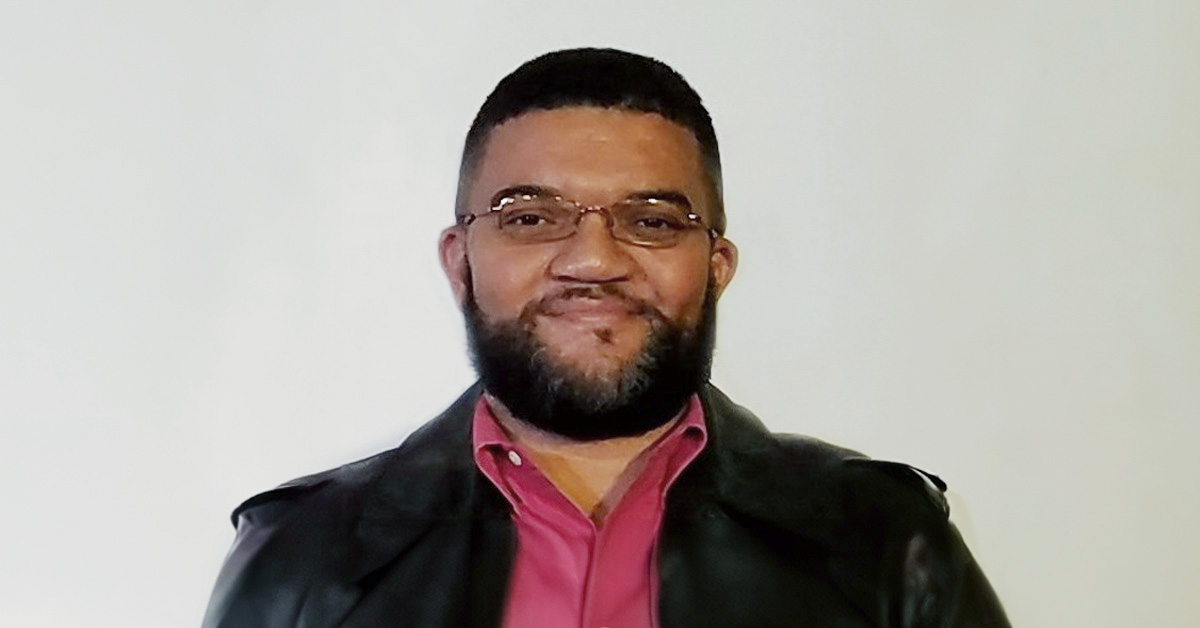
Zack Arnold: I’m here today with Wellington Harrison, who is an assistant editor now making the transition to editor. He’s also a husband, and frankly, he’s just an all-around good guy. So, mr. Wellington, it is a pleasure to finally have you on the podcast with me today.
Wellington Harrison: Hey, Zack, thanks for having me, man.
Zack Arnold: And here’s the reason that it’s such a pleasure, and why this is so cool, and I want you to talk about this a little bit more, but you’re one of the very first people that I ever met when I. Made the transition into the world of scripted TV, and it was a random occurrence of all places, and it’s kind of been like this yearly reunion that you and I have every year. So, before we kind of go into your own journey, I would just love for you to explain how you and I got to know each other, because this, in and of itself, is kind of like a mini clinic on networking. So, tell people that are listening today a little bit about who you are, and how you and I came together.
Wellington Harrison: I’ve been through a bunch of different industries. I started in graphic design, I moved over to marketing, and then I realized what I was doing in marketing was more applicable to editing, because I was putting together words and pictures to sell ideas and I said, well, why can’t you put video and audio together to sell ideas, and what’s a story but an idea? So I’ve gone through this very long path of finding where it was that I felt I could have the most impact, the most resonance, and as I move through my career, I start to see where exactly it all fits in. So, Zack and I, we met at Edifest, and it was very simple. We just walked over, and we just started talking to each other. And since then, every year at Edifice, I just say, Zack, how you doing? What’s going on with you? What’s going on with me, and we take it from there.
Zack Arnold: Well, the joke that I’ve made to you several times is that it just doesn’t seem like an edit fest. If you and I haven’t caught up in the and chatted together for a while, it’s like this yearly reunion that we always have, where it’s like, oh, it’s Wellington, must be edit fest, and then we chat for a while. But one of the things that’s really funny about the first time that we met is that it was one of your.. if you can correct me if I’m wrong, but it was one of the first networking events that you went into in this industry, and one of the things you hadn’t mentioned in your intro is that you actually came from the world of architecture first, so you came from a very different world, not just marketing, you know, in a similar industry, but in a completely different industry than where we are now, yeah. But it was one of your.. it was your first edit fest, correct?
Wellington Harrison: Oh, it was actually.. it was my first LA edit fest. I knew I wanted to get into editing because it was something that I enjoyed when I was at University of Buffalo. Film was my minor, marketing was my major, and I ended up loving film a lot more, and one day I got assigned to be an editor as part of my class project, and it wasn’t really looking forward to it, and then I lost a whole day and a half just editing, and I was so focused about that, that it, you know, it clicked in me, it said something said, you know, this might be worth doing, so since then I’ve just kept focusing on that.
Zack Arnold: Well, one of the things that I just find apropos about that meeting at Edifest is that it was your first LA Edit Fest, and you were just transitioning into the industry, and there’s probably a part of you that was thinking, like, who am I, and what am I doing here, and you know what business do I have to be here, and the funny thing is, I felt exactly the same way, because that was my first edit fest. The circumstances were a little bit different, because I was actually speaking at edit fest, and I was on Norman Holland’s, you know, rest in peace, Norm, we all love you, but I was on, I believe it was either his first or one of his first lean forward moment panels that he did, and I was on there with James Haygood, who had done like Tron, and he’s done a bunch of big stuff. Lisa Lasik was on that panel, who’s done the Avengers and Buffy the Vampire Slayer, Joe Leonard, who’s doing Glee at the time. There’s one other person, and I’m blanking on who it was, but the point is that all I could think was, what am I doing here? I do not belong here. They’re gonna find out that I’m inexperienced, and like they’re crazy to have me here. And I was basically there talking about the Bannon way, and I just gotten the job on burn notice, so I just felt way out of my league. So that was my first experience with Edifice, just as it was your first experience with that.
Wellington Harrison: It was definitely frightening. I mean, I had been to New York at its best, and that was different. And New York at it fest, I got to be an observer and sit in the room and be in a, be a fly in the room, and just kind of see where everyone was going, and seeing, do I agree with what people are saying here? When everyone’s sitting up there talking about why they edit, why they make cuts and motivations down the line, does that jive with what I want to do? And so, after I went to New York, Edifice, I said, “Definitely, this is definitely it. And then coming to LA, there was definitely a lot of pressure. There was a lot of pressure walking in there, like you said, not knowing anyone walking in there for the first time, and like I’m gonna get kicked out of this place. I’ve never been on Universe a lot, they’re gonna throw me out. I feel like I’m sneaking in, you know, but it actually ended up being a very safe place. Is to be, if you were interested in this world at all.
Zack Arnold: Yeah, and the reason that I bring it up is this idea of imposter syndrome is so rampant in our industry, and you know, for me to be on the panel and have been at the place where I had broken into scripted television, I was feeling the exact same thing as everybody else. So, I guess I just bring that up as a bit of a tangent that for anybody that is in the networking world, and trying to break in, and trying to meet people, and you’re feeling like you don’t belong, and you’re going to get figured out. Well, guess what, that’s how everybody else feels, including the people that are on the panels, just like I felt. So, I’m just saying that to allow everybody else that space to be human, because they always feel like that when they go into these situations, that they have to always know what they’re doing and be be all perfect, and that’s not the case.
Wellington Harrison: Well, and another point is, you know, how did we meet? We met by just having a conversation that happened naturally. It wasn’t, oh, I’m checking off my list and I need to talk to that guy or this woman or whoever. It’s we’re having a conversation, and it was a good conversation, so we decided to have another one.
Zack Arnold: Yeah, and the funny thing is, it was the very first conversation I had. I showed up, I got my badge, had never been on the Universe a lot. I was kind of a deer in the headlights, just I think I grabbed like a cocktail, you know, plate or something of like hors d’oeuvres, put my plate down on the table, and there you were. And now it’s what, like eight nine years later, and we still keep up every year, so
Wellington Harrison: It’s a good, it’s a good sounding point. I say all I say to everyone, go to Edifest, and also go to Invisible Artists. They’re good shots in the arm, they’ll keep you focused, and they’ll, they’ll keep the creativity buzz flying within you.
Zack Arnold: Exactly. I will. Speaking of this idea of keeping focused, the reason that I really have you on this call today is full disclosure. You and I have been working together quite intimately for the last three months or so. You’ve been a member of my coaching program, and we’ve been trying to figure out what is the best path that’s going to make the most sense for where you want to go in this industry, because we are not becoming doctors, we are not becoming lawyers, and it’s not like we just have to follow these steps, get a certain grade point average, get a certain score on a specific test, and then get a degree, and then be an intern or a resident, or whatever the process is. We have no path, and that discourages so many people because they feel like they can’t follow a set of rules or paint by numbers. I see it as encouraging because you get to design your own path that makes the most sense for you, and a really, really common question that comes up when you’re a little bit later in your career, like you’re no spring chicken, just like me, you’re not coming into this at 22 years old saying, oh, I want to work in the industry, you’ve been around the block a while, you’ve done a whole lot of different things, and the question that always comes up is to assist or not to assist, and if you ask somebody in the industry that has a lot of quote unquote experience, they have very, very specific answers, and everybody believes that their answer is the right one. So, some will say, you absolutely cannot be an assistant if you’ve been an editor, you can’t degrade yourself that way. You can’t take the step backwards. They may be right based on the circumstance, but they may be wrong. And other people say, “Oh, you have to become an assistant first. Nobody’s going to hire you as an editor in scripted, for example, or features if you’ve only done reality, or whatever the whatever the specific things are on your resume. But there isn’t a right answer. It’s based on your own personality. It’s based on the things that you really want to do. It’s based on the relationships that you have. So, you’re somebody very specifically where you and I had this conversation. You said, ‘No, I don’t want to become an assistant, and here’s why. So, let’s dig into this conversation a little bit deeper and kind of time travel back to one of our first sessions, and I want this. Is something that I think is really important for people to hear, that there isn’t a wrong answer, but for you, you’re confident in the direction that you want to go. So, let’s talk a little bit about this.
Wellington Harrison: You know, the first thing is everyone’s path is everyone’s path, every every single way that you’re going to pick is individual to you, and that’s like the gift and the curse at the same time, because you want a little bit of guidelines, you want a little bit of instruction on, on how am I supposed to move forward, but it’s going to be different, because, like you said before, everything is based on your interests, and the hardest part of that is identifying your interest now. Some people, they know what they want right away. It’s just this, and that’s fine. There’s nothing wrong with that, but not everyone can be that clear. And so you may need to explore, and so becoming an assistant editor is a great way to explore post, because it’s not just one track, you’re not just an assistant editor, and then you become an editor. It doesn’t just work like that. There are a lot of different ways that you can go, so you can become an editor, you can become a visual effects editor, you can go down the sound route, there’s multiple edit. Editors in sound, so there’s all these different ways you can be a producer, you can be a writer, there’s all these different paths, it can be overwhelming, and so the most important thing that I’ve learned through this process is you have to take the time to identify what it is you want to do, and it may seem simple, but it can be the hardest thing.
Zack Arnold: Oh, and it’s impossible for so many people, and I think they get into this trap where they think I just have to find the next job, I just need to quote unquote get my foot in the door, and then I’ll figure it out. But the problem that so many people run into is that they’re trying to climb the ladder, and they see the first rung of a ladder, and they just want to grab on, they want to be climbing some ladder, and then they get about halfway up, and they’re standing there looking down. They’re like, “Crap, I don’t want to be on this ladder, but I’m too high to jump off. That looks dangerous. So, now what do I do? And they feel the sense of, “Well, I can’t go backwards, I can’t climb down. What will people think of me, right? But at the same time, if that’s part of your journey, that’s part of your journey, and in part one of this, this kind of two-part series about to assist or not to assist, I talked to my current assistant editor on Cobra Kai, Chris Cavanaugh, and his journey is very different from yours, and for anybody that wants to go back and listen to that, I can provide the link in the show notes, you can click on that one for part one of the series, but the fact that he found that becoming an assistant editor made the most sense for him doesn’t mean that that’s the rule that you have to go to be an assistant editor to get back to being an editor. Your circumstances are very different. So, let’s talk a little bit more specifically about this idea of clarity, where you want to go, because that’s something that you and I worked on for at least three weeks in the coaching program, I mean, that’s unit one of the Focus Yourself course, is clarity, and it’s determining what does the goal actually look like. Why is this goal so important to you? Because it’s not just about, well, I want to be successful or I want to have good credits, there’s much deeper reasons why this is important, other components in your life, and of course, what are the obstacles between me and the goal, because a lot of times, if you focus on the obstacles instead of the goal, you realize there are different actions that you might have to take to circumvent those obstacles versus just going after the goal. So, you’ve chosen very specifically to become an editor, because you’ve told me numerous times, I am done with assisting. So, let’s talk a little bit more about your background in assistant editing, and some of the experiences that you’ve had in the past that have led you to the determination that I’m done assisting, I’m going to find a road in being an editor.
Wellington Harrison: Well, for me, I was picking assistant editor over editor to start because I didn’t have any experience in the industry. I didn’t feel confident in being an editor straight out, because I felt like I needed to understand how everything works. What actually happens when you’re on a show or a film? What, what is the workflow? Before I even knew that word, right? I had to figure that out, so for me being an assistant editor was an opportunity to learn how everything operates in the post world, and then also it was an opportunity for me to have mobility, meaning I could move from medium to medium, move from film to television to internet to whatever, and I could also move genre. I can see which genre I actually feel more connected to, and that’s that’s a plus of being an assistant editor. You can move around because your skills will plug in across multiple dis you know multiple genres and multiple media,
Zack Arnold: So then why have you made the determination based on that? Because you just made a really good case for why being an assistant editor makes sense. What is it that kind of drove you to the point of saying I’m no longer going after assistant editor opportunities, I’m turning them down and I’m going on the path to being a feature film editor, specifically indie films,
Wellington Harrison: You know, for me it became a little bit of a Groundhog Day, where you’re repeating some of the same things over and over and over again, and there are creative opportunities, but that tends to not be your primary focus, and I just wanted to just stop and focus on creatively telling stories, and it was just, you know, there’s a lot of management that goes on as an assistant editor, you’re managing the project, you’re managing the flow of information in and out, and that is a large part of what you do, and if you do that a while, you can say, okay, I’m either going to stick with this or I’m going to pursue something else, and that’s where you can branch off into multiple directions, and I realized I had gotten into it to tell stories, and managing projects wasn’t exactly telling stories to me,
Zack Arnold: Right? You know, I remember one of the common. You’d made even in our very first introductory call, as you said, there’s just too much separation between what I’m doing now and what I want to do.
Wellington Harrison: Yeah, and then you know, here’s the thing, so if something comes up, which it will, something goes wrong, you fix a problem, that problem is going to come back, because now you’re going to be, you’re going to be the person that can handle that, right? So, you solve the problem the first time something else happens that’s similar, it comes back to you, and that’s not a bad thing, that’s a matter of trust, that’s you’re able to get this done, so you’re being counted on, you’re being relied on to do this aspect of it, but it ends up in some cases pushing you further away from where you want to go.
Zack Arnold: Well, what was the turning point? Because there’s a very specific instance with a specific job and a relationship with an editor where I think you just kind of said, you know what, I’m done, and this doesn’t work anymore, and I’m going down a different path, and that’s what ended up getting you on the call with me that ended up getting you into the coaching program, so it was kind of the breaking point.
Wellington Harrison: Well, it was a, it was more of a, it was a compound thing, it wasn’t just one event, it was the combination of things over time, and what I was seeing was not enough opportunities in the creative area, so there are, you know, for some editors, maybe working television, you’ll have a chance to do some sound, and you might get to do some polls, and you might get to clean some things up. You might work on some VFX, but you know, when I pulled back and I looked at it, I would say, as an assistant editor, the opportunities to edit weren’t what I had wanted, that that just wasn’t what I wanted, so I said, okay, well, I need to work on editing, I need to work on on that aspect of it, so I’m just going to focus on that.
Zack Arnold: We don’t have to get too super personal if you don’t want to, but I think one of the, the important discoveries that we had, and maybe it wasn’t a discovery, but it seemed like there was at least a little bit of an aha moment where we realized pretty early in the process that you had had kind of a muppy relationship on your previous job, and you just things weren’t jiving, and I think that, especially as an assistant editor, when things are really tough with an editor, it’s so much easier to kind of take on the responsibility yourself and say, “Oh, maybe I’m doing something wrong, or, you know, whatever it is, but then at the end of the day, you realize it’s just about the relationship, and the relationship just wasn’t working. I want to talk about that a little bit before we kind of go down this idea of how you and I have defined the path that makes the most sense for you.
Wellington Harrison: Well, I mean, relationships are key, and this being an assistant editor prepares you for being an editor, right? So the relationship between an assistant editor and an editor is similar to the relationship between an editor and a director, in the way that you kind of talk to each other, the way that you understand story, the way that you move about, and when that isn’t working, it just, I mean, for one person or the other, it will just sort of derail everything, so you know you have to recognize along your path how the relationship is going and do whatever you can to make that smoother, and and try to figure it out, and sometimes you just can’t figure it out. Sometimes it’s just not going to work, so you know, you hit the reset button, and then figure out where you’re going to go. And what I figured out was that I didn’t want to reset on being an assistant editor. I just wanted to focus on the thing that I love, and I just love storytelling.
Zack Arnold: And one of the other reasons you would come to me as well, and again, don’t need to get too personal if you don’t want, but as a listener of the show, you know that I, I like to go to all the deep, dark recesses that most everybody’s not willing to talk about, and one of the other reasons that you came to me at the very beginning is because you really had kind of a big blow to your confidence because of what had happened with that relationship, objectively, sure, you can stand back and understand why it happened, but still it’s a blow to somebody’s confidence, and I think that was part of the reason that you came to me as well. Is that correct?
Wellington Harrison: Yeah, I mean, I think I think if you get to a point where you’re trying different things, you’re going out of your comfort zone to fix problems, and they’re not getting fixed, then you’re like, do I even know what’s going on? So, you, you’ll ask yourself questions like that, and it does bring a lot of doubt, and things that you were very sure of now become shaky because you don’t know, you don’t know what did I build the wrong foundation somewhere, and so you ask questions, you ask questions because you are getting, you are getting criticism on one end, and you know you can take it in, you can refuse it, but I think you have to grow from it, you have to use it to make yourself better in the end.
Zack Arnold: Agreed. Yeah, so we’ve now determined that you’ve decided based on all of the past experiences as an. Assistant editor, nothing wrong with being an assistant, but I’m done. Right from this point forwards, I have made a confident determination. I’m very clear about the fact that assistant editing no longer makes sense for me, and I want to be an editor. Correct,
Wellington Harrison: Correct. And it’s not wrong for other people, it’s just the choice I’m making. Like I said, these are all individual paths, you know, my path is is not equal to anyone else’s, so there, there is a level of it being its own snowflake,
Zack Arnold: Exactly. And then there, and I’m glad that you brought up the path, because that’s exactly where I wanted to go to next. The part of the process that we went through in the very first week, as I do, is called a baseline assessment, we talk about a whole bunch of different areas in your life, and even though I knew that this was going to be career-oriented, we talked about, you know, how much you’re moving during the day and how productive do you feel you are, and you know, are you getting enough sleep, and are you focused, are you distracted, whatever it is, but then another area that we talk about is specifically your mindset, and you were, you’d scored yourself in a mindset of a nine out of 10, being very confident that I am now an editor, and I just need to figure out what that path is. However, when we go to the next area, which is the path, and being able to define it on a scale from one to 10, do you remember what your answer was?
Wellington Harrison: It was like a three or a two.
Zack Arnold: No, your answer was a one, a one out of 10. When I asked you about how you felt about your level of confidence of what the path is, so now 1011 weeks later, where would you score yourself on a one to 10 as far as what the path looks like?
Wellington Harrison: The path is definitely now an eight.
Zack Arnold: Awesome. Well, that’s good progress. So, what I want to talk about then, because this is the biggest problem for people, I don’t know how to define the path, and in 10 weeks you went from a one to an eight. So, let’s help people listening that are at a one understand. How did we get you from a one to an eight? What are all the big aha moments, and the connections that you’ve made that made you realize I now understand what needs to get done. I just need to do it.
Wellington Harrison: Well, I mean, the biggest thing is accountability, right? It’s accountability within yourself, identifying where you want to be, and then are you taking the actions that you need to take? Are you taking the risks that you need to take? And that was, that was the most important starting step for me.
Zack Arnold: Well, accountability is definitely a part of it, but the one thing that I don’t want people to think is, oh, it’s just about I need to show up every week, and I need to do xyz action steps, and if I don’t, then Zach’s going to yell at me, because I’m accountable. So, accountability is a part of it, and being a cheerleader and a coach is a part of it. But for me, the biggest thing is making sure that you understand how to clearly define what the path is that makes the most sense to you, and then confidently take the right actions every single day, so you know at the end of the day or the end of the week, you look back at your calendar and your to-do list, and you say, yep, I’m further ahead than I was at this time yesterday or at this time last week. So, what I’m trying to help the audience understand is you’ve gone from a one as far as understanding what the path is to now an eight, but actually, I want to talk about what is that path for you. What are some of the steps that we’ve gone through, so you actually can say, yep, this is the path that I’m on, and I’m at this stage of the journey, and I can see a couple steps later, like if we were playing a game of chess, which is always the analogy that I use. I want to talk about some of the chess moves that we’ve either already made or that we see in the future to give you this, this eight out of 10, as far as this vision of what your path is.
Wellington Harrison: I mean, I think the first part was really boiling down and identifying one place to be, instead of having things so wide and scattershot, it’s being focused on one area, you’re going to work on one area, right now you’re going to be committed to one medium, one genre, one area, and is it realistic? Also, you know, don’t start out and say, well, I definitely want to cut Avengers Infinity War, that’s all fine and well, but that is a goal for later in a career, not starting out, so it is part of identifying where you want to start from, and for me it was saying, okay, not only do I enjoy multiple different genres, but I feel strong in comedy, I feel I feel that comedy is an area that is a huge part of my life, and it’s something that that I can contribute more to. So, that was my starting point, is saying, okay, it’s comedy, let me figure out where it is in comedy, because comedy is not the easiest thing, first of all, and then also it doesn’t hold the biggest share of everything. It is not a major superhero movie, and it holds less than a quarter of whatever’s being made right now, but if I’m being honest, this is the area that I want to focus on.
Zack Arnold: Yeah, and one area that I want to clarify even a little bit further, and I think that it’s these labels that people put on things that will often confuse. Them is when you said, well, the goal is not to edit Avengers Infinity War someday, right? That’s not even a goal, that’s a vision. So, when we walk through the process, I help people define the difference, because saying, I want to edit Avengers someday, well, that’s awesome, but that’s a dream, right? That’s not a goal, that is the bigger picture vision, but we need to break that down into much smaller steps, so if that is your goal, and for you that’s not necessarily your goal, I’m just using that because you had brought up that example, but if your goal is to, you know, edit the biggest, broadest comedies that are the highest budget, that’s still a vision. So, let’s break that down into, all right, great, if that’s the vision, where do I need to be five years from now? Well, if that’s where I want to be in five years, then, where do I need to be in three years versus one year? All right, now, where do I have to be in six months to reach the one year goal, to reach the three year goal, to reach the five year goal? And if I know what the goal looks like in six months, what do I need to do Wednesday at 1pm What do I need to do Friday at 10am Because if you’re not taking those small little actions every single day, you’re never going to end up achieving that larger vision. That’s something that you and I broke down a lot, and I think that’s where a lot of the clarity comes from. So, what are some of the specific things that you and I have talked about as far as looking at the vision, but then breaking it down into something that’s much more manageable and easier to choose, so to speak.
Wellington Harrison: Well, I think you got to, you got to build upon tasks, and I think it’s important to build upon things that you can actually finish and accomplish. So, you may start with this larger idea, this larger project. I want to do this big, gigantic thing. Well, there are so many small projects that are going to lead you down a path. So, if you want to edit well, what do you know? You have to edit, so you have to figure out ways that you can, and you start real small, and you build yourself up. And I think that’s the most important thing. There is the progression of it, because if you start at this giant thing, it doesn’t work out well. Then you never do it again, and then you never know if these could have been
Zack Arnold: Right. It’s something that I’ve talked about in the past. I’ll create a link to this past episode of James Clear, who’s one of the world’s foremost experts in habits, and he calls this the Goldilocks rule, where when you’re trying to establish any habit or achieve a larger goal, you had there have to be progressions. So, the sweet spot when something is quote unquote just right, you know, the Goldilocks rule is when something is difficult, little bit out of your comfort zone, but it’s still something you can achieve if you put in the effort. So, if you’re doing these really little tiny tasks that are super simple, like saying, you know what, I’m just going to do another assistant editing job, because it pays, and I’m really skilled, and frankly, I’m just going to walk in, and it’ll be a walk in the park, right. Well, that’s too small. Or you say, well, you know the assistant editing thing, you know that that’s that’s too easy for me now. So I’m going to go after a $50 million comedy, and I’m going to be the editor. Well, that’s going to be nearly impossible to make happen. So you need to find a goal that’s just right, and you found that sweet spot, which is that you want to edit lower budget comedies, and like you said, we just narrowed it down to the exact ladder that you want to climb, so you’re like, okay, well, I see what the ideal is someday, what the big picture is, but now I have a clearer idea of the people that I want to connect with, because I know the kind of job that I would want to have six months from now, right. So, go a little bit deeper into some of those details
Wellington Harrison: Before we go too far into that. I want to say part of setting that goal is that it definitely should scare you, but it shouldn’t be so frightening that you’re paralyzed, right? It should definitely scare you, because that’s going to motivate you. You’re like, I haven’t done this before, and it’s like, well, yeah, no one has done that thing, you know, until they’ve actually done it, like we just said in Game of Thrones, no one’s actually learned how to ride a dragon until they’ve written a dragon, a little bit of fear in that is good, because it will motivate you, it will definitely motivate you, then once you get over that, you can start thinking about all the little pieces, so, so you say, okay, I’m not going after $100 million film because that’s unrealistic. Who’s going to hire me for that? I don’t have any experience that supports that. So, what you say, okay, what are my options? Well, where can you cut comedy? Just look into it. Where can you cut comedy? YouTube is a great option. It’s a great option to start. It’ll build your confidence, it’ll get you familiar with things, and it’ll develop your style, for lack of a better term. And then from there, you just build on that. Okay. Great. So now I know I want to be in features, so I’ll take a no budget feature that I didn’t get paid a lot for, but you know what, I had a great experience because I was able to tell the type of story that I wanted to tell, and then you build on that, and you say, okay, what’s the next level up, I’m going to look for something that has a budget and you know has maybe some, some. Pressure attached to it is some stars or something like that, a writer, a director, and you do that, and then you keep building upon it, so it’s definitely layering things and not just repeating one task over and over and over and over again, because then you’ll just be where you are,
Zack Arnold: Right? and people that make, make that mistake always end up in the place where they say, how did I get here, and how do I get away from this, right? Like, how do I make that transition? Obviously, those are the people that come to me the most. Is there looking back and saying, yeah, well, I’ve just been taking jobs for the last 10 years because I needed to get paid, and well, got to work. And then I look back, I’m like, I’m totally in the wrong place, and this is not what I want to be doing at all, so like I had mentioned before, they’ve climbed the ladder high enough where they don’t want to jump off, but they also just feel stuck.
Wellington Harrison: Well, I have a – I have a side story for that. Actually, I was at a mixer and I met an assistant editor, and we hit it off, and this assistant editor had worked for the last four decades at a major studio, and I said to him, I said, “So, did you ever want to edit? And he’s like, “Yes, of course I did, but it just didn’t seem like I could do it, and I said, “Well, what, what was, what exactly was the problem? And he goes, “Well, the projects kept coming in, so he was reacting, and I think that’s something that I did, and I don’t know if other people feel the same way, but there is a reaction to, oh, I’m on a progression because the projects are going up, the project, the visibility of the projects, the money on the projects, whatever your responsibilities on the projects may be going up, but is it going in the direction that you want to go? Because momentum is only good if you’re facing the direction that it’s going. If you’re turned around, then that momentum is an undertow, so you want to avoid that. You want to, you want to be going forward with whatever momentum you’re building and making sure that your energy and your time is just being utilized in the way that you want it to be, because at the end of the day we all work for ourselves, we don’t work for giant companies, we work for ourselves.
Zack Arnold: Yeah, and no question about that. And I think that one of the traps that people fall into, if we’re using this example of somebody that’s been an assistant editor for 40 years, is when the work just keeps coming and coming and coming, it’s very easy to get comfortable because you don’t have to put in the effort to network, and you don’t have to get out there and learn new skills, but I also think the mistake that a lot of people make, and this is from me talking to a lot of people about this, getting a lot of their life stories emailed to me, or working through the coaching program, is they’re waiting for the opportunity. It’s like, well, the editing opportunity just never came up. It’s like, in 40 years, really, like, there was never an opportunity. It’s because you’re waiting for the opportunity. But what I told you, and I tell everybody else, is that you’re not waiting for the opportunity. You create the opportunity. You have to, you have to make it very clear what your intentions are, and you have to create that opportunity,
Wellington Harrison: And then actually that also goes back to a little bit of that fear, like you actually, it sounds silly, but don’t be afraid of fear, like if you see it, it’s something that’s going to keep you honest, and if you’re making, you know, you’re making a good career for yourself as an assistant editor, and you’re comfortable, and that’s fine, but you’re not creative, creatively satisfied. Then you need to go and challenge yourself creatively and find whatever that is for you. And I think with this specific assistant editor, he had got locked into the, you know, the sort of ladder of bigger and better projects, and totally, totally smothered his creative wishes, and it’s, it’s something that comes back, because if you actually wanted that, well, it’s not going to go away unless you actually do it
Zack Arnold: Well. And I think another thing that makes it so easy to fall into that trap is that people don’t spend enough time defining what success means to them, because to somebody on the outside, they could look at this guy’s resume of 40 years assistant editing on whatever high-level projects these are, say, “Man, you are so successful, but if in your own mind your definition of success is editing indie films as opposed to assisting on bigger budget projects, well, then you’re a failure, right? So, but people don’t spend the time defining their own version of success, which is what we’re talking about, is really developing this clarity on where it is that I really want to go, and you alluded some to this idea, and these are kind of the three fundamental philosophies that I teach people, is that number one, you have to know which ladder to climb, number two, you have to be awesome at your craft, and we’ve talked a little bit about this idea of wealth that might mean finding stuff on YouTube or lower budget stuff, because I want to develop my craft, but where I really want to segue next, which I think is going to be the sweet spot for our conversation, is that people have to know that you’re awesome at your craft, otherwise none of this is going to come together, and that’s the area where. You and I have focused so much of our attention is networking. So, let’s talk a little bit about where you started as a network.
Wellington Harrison: Networking, you know, is difficult, I think, for editors and assistant editors, because we’re all some shade of an introvert, right? We don’t feel comfortable necessarily in a room talking with people, even if it is a safe space, you don’t necessarily feel comfortable doing that, and then you don’t want to feel like a car salesman, you don’t want to feel like some kind of fake, fraudulent person selling this thing, so that’s the turn off for a lot of people, and what you have to resist in that is that you can be the world’s greatest whatever, but if nobody knows about it, then the world will not know about it, and it won’t be true. So, you’re not going to, you’re not going to become that person. So, just go out, and you have to, you know, you have to take little steps. Don’t get caught at the back of the room just looking at the room. You have to challenge yourself, go out of your comfort zone, and start meeting people. Then it’s also okay. Well, if I’m on this focused path, should I be focused about who I’m not working with? Of course, of course, you have to be. You have to identify the people that are doing the thing that you want to do and find that person that you connect with there, and that that can be a huge challenge. Just doing that part, that can be huge. It’s like, well, I don’t know, I’ve never done it. Well, spend the time, slow down, think about it, and then see who is it that relates to you, and who do you think you might get along with. Then you go and you meet the person, and maybe you will get along, maybe you won’t. There’s no guarantees there, but you keep going at it until you find that connection, and once you get the connection, you’ll be off. There’s no question about it. If you care about it in any way, shape, or form, it’ll just be off from right there.
Zack Arnold: Tell me a little bit about the quote unquote mode that you used to be in a networking, because this was such a brilliant analogy of what I think so many people do when they network, and you, you like the way you describe, I can’t do it any better than you did, so clearly from the laughter you know what I’m alluding to. Yeah, so talk to me about your, your old networking strategy.
Wellington Harrison: Okay, the old networking strategy, which was comfortable for me was something I call gravity mode, which is I go into the room and I exude my gravity and see who gets caught in it and pulled in, and that’s easy, right? That’s really easy. It’s easy to walk around a room and stand here, and then somebody eventually will talk to you, but are you accomplishing any of your goals by doing something like that? Chances are, no. It’s a nice way to be passive. It is a really nice way to be passive. You go into the room and whatever happens, happens, and that’s cool. But if your goal that day was to get to know someone that was there, you didn’t spend enough effort, so it’s a very passive, low energy thing, and I did have great conversations as a result of it, so it justified it in my head, but then after the fact, you say, well, I met all these great people that don’t do anything close to what I do, or that I want to do, so being focused doesn’t hurt, it only makes it better. It really does.
Zack Arnold: Speaking of being focused, the approach that you talked about is something that is often called the shotgun approach. So, I told you very early in our process that we’re going to get rid of the shotgun, and you and I are going to do a very different form of hunting from now on. So, how do you and I hunt now?
Wellington Harrison: Oh, it’s all sniper laser rifle. It’s like, if it’s not the right thing, it’s getting trashed.
Zack Arnold: Exactly, you and I are setting up for a shot 1500 meters away from the target. We’re calculating the wind speed, the pull of gravity, and the rotation of the earth to make the one shot that’s going to make it possible for you. And let’s talk about some of the specifics that you and I have worked on to start playing the sniper approach versus the shotgun approach.
Wellington Harrison: Well, like you said, it’s digging into the area, and what you may find is at least for me was that when I dug into the area of comedy, it wasn’t general, it wasn’t the general Seth Rogen kind of thing, it was no, I, you know, what, at this point I would like to work on something more culturally relevant. So I started looking at comedians that I related to more and movies that I grew up with that I loved, and then spin out from there, and who’s making those movies. Well, the problem is that those movies aren’t being made right now, but there’s a possibility that they will be. So get to know those people, the people that made the things that you love, and then that’ll lead into the thing that you love.
Zack Arnold: And going a little bit further down their habit, whole this idea about. To finding projects that you love and finding people that you would love to work with. Obviously, that’s made it much easier for us to put together a networking strategy, and you and I have spent weeks on just building spreadsheets and figuring out, well, yeah, I want to network, but who do I network with, right? So we’ve gone down the IMDB rabbit hole, and we built all these different connections and links and spreadsheets, and like, you know, basically spreadsheets on steroids, but when you hunt with a sniper rifle, the last thing you want to do is have your sniper scope on the wrong target. So, what I want to talk about a little bit, if you’re willing to, and again, I’m not trying to point out the fact you made a mistake, I think this was a great learning experience, but I want to walk through what you and I just did in our last session, where you were really laser focused, targeted on one person, and wrote this great outreach letter, but then we realized you had the sniper rifle pointed at the wrong target. So, let’s talk a little bit about that, because this is so key to this process of getting where you want to get.
Wellington Harrison: So, for that, it was I had identified a project that I would kill the work on that interested me, you know, more than just the script. It was, it was all of the people that were involved, the type of humor, this sort of comedy narrative that I grew up with. And I said, okay, well, oh, guess what, I actually know someone that’s working on this project. Okay, great. I’m going to talk to that person, and so then I spent the time and figure out, well, how am I going to talk to this person? Well, this person is a specialist in this area. Well, that’s an area that I’d like to learn, so I will approach it that way. And then I spent the time, and I put it all in there, only to have it revealed to me that, guess what, that’s not going to help move you forward. That is a great conversation to have, but it’s not going to give you any forward traction. And so, why not? Because it’s not directly aligned with what I want to do. It’s a part of what I want to do, but it’s not the part, it’s not the core of what I want to do, it’s sort of on the side of it. So, not wasting any more effort on that, refocus and say, okay, well, who is the person, and just spend a little extra time and say, okay, maybe it’s not this project, maybe you have to look at a different project and find who is the person that you need to talk to.
Zack Arnold: Yep, and I want to go even deeper into the details here, and we don’t need to use project names or use people names, but I do think it’s really important to give as specific an example as possible, because so many people make this error, and you had come to me last week. The assignment was that I wanted you to write a first draft of an outreach letter to somebody very specific based on all the networking research and the spreadsheets we put together, so we could have that sniper rifle approach and build the right relationships with the right people, and I always say that the number one way to build a relationship and eventually get where you want to get is you need to provide value to others, so it’s not just about me, me, me. What can this person give me? You want to make it reciprocal and provide value. So, you think best case scenario, what is the outcome of building this relationship? And in this situation, obviously, the best case scenario is either they hire you to edit your next independent comedy feature film, or they refer you to somebody that’s going to hire you for your next independent comedy feature film. However, this person that you were targeting, through no fault of your own, was a dialog editor, and you said to me, “Well, I really want to work on improving my dialog editing. In the outreach email, it said, “Listen, you know, again, this is not cold outreach, this is somebody that you already knew, so it’s not like you were starting from square one, but you said, I would love to learn more about your specific craft, and in return, I’ve got a whole bunch of ways that I can provide value teaching you this trick in Avid or bin organization, or whatever it is, you know, you’d put all this time into it, I’d perfectly crafted this letter, and what did I say to you about five minutes into it?
Wellington Harrison: This isn’t the person you want to contact,
Zack Arnold: And why is that?
Wellington Harrison: Because they’re not going to be able to offer the advice that you need. They’re not connected in making those sorts of decisions. They’re they are separate. They are separate from from where you want to focus.
Zack Arnold: Yeah, and for anybody that’s listening that maybe doesn’t understand the deeper machinations of the various roles in either the TV or the feature world. A dialog editor is somebody that specializes in editing and finishing all of the dialog on the mixed stage, so they take an offline cut, or meaning, like this is the cut that an editor did. Once picture is locked, meaning completely edited or close to it, then a dialog editor comes in, everything goes into Pro Tools, and they use all their fancy filters and rebuild all their microphones. Like, these guys are magicians, I mean, they are brain surgeons. The kind of work that they do is miraculous, and they’re tremendously undervalued. So, this isn’t about the value of this human being and them having less value because they can’t get you a job, but. But a dialog editor that lives and breathes Pro Tools is not going to have the connections that are going to make sense for you to go down the path that you want to go down to, and all of the value that you are hoping to provide was with Avid, and they’re going to say, “But I don’t use Avid ever, so there’s a disconnect in both directions, you’re not going to be able to truly provide the value that you can, but they can’t really get you where you want to get either. Does that mean that this is just, you know, a bad person to network with? No, of course not. But ultimately, if you’re going to start using the sniper rifle, you want to make sure that you’re going to get where you want to get. So, best case scenario, you guys go out to lunch, you hit it off, you become great chums, great colleagues. She or he is going to start passing you off to people that don’t really make a lot of sense in the world that you want to get to, or if there’s a job offering, it’s probably going to be in the sound post production space, which is the last thing that you want to do. So again, it goes, comes back to this idea of being 100% clear about where is it that I’m actually going, and that’s going to help you determine where do I put all of my effort in when I network.
Wellington Harrison: Yeah, and then you know, on my part, it was picking someone that I was comfortable talking with, someone that I actually had met once or twice, versus picking someone that deals with just narrative storytelling, like just go, just go with the thing that you are being focused on, like you are just focused on this narrative storytelling. Find an editor that does narrative storytelling,
Zack Arnold: Exactly. So the one other area I want to go, and I want to be respectful of your time and respectful of the audience’s time, because I try to keep these to an hour, if I can. So, we’ve got a few more minutes, but the last area that I want to go to is this concept of dominoes, and I talk – I love me some analogies, all about the analogies, and by the way, like half of the analogies that I used from now on, I’m going to be stealing directly from you, because you have some of the best analogies and metaphors ever, and every single week you think, oh, there’s this thing I’m like, dude, totally stealing that. You’re, you know, brothers from another metaphor, mother, so to speak. I want to talk about this idea of the dominoes a little bit, because I feel like this is an area where so many people get – they get tripped up, where.. and we’re going to talk just about networking, because at first you and I were thinking about, well, is does the domino need to be that you need to move more and exercise during the day, so you have the energy to do outreach. Do you need to spend more time building up the relationship with your family? Because there were issues with, you know, when you’re on a job, you’re on a job, and sometimes the relationships break down and become more distant. So those are kind of the big picture dominoes. But then when we got down to networking, people think, all right, well, my focus is networking, but you can break networking down into so many sub dominoes and decide what’s the order that I need to do these in, and for you specifically, it was talking about well, doing networking research and making sure that I’m researching the right people, like we’ve talked about, but then there’s should I develop my skill of being better at in-person networking versus doing outreach emails, so there’s a whole bunch of different areas that we decided to kind of focus on and put in the right order. So, where are you right now? People are like, well, where is he in his path, because he’s designing his path between week one, where we started, he was at a one, had no clear where he was going, now he’s at an eight, and hopefully I can do a follow-up call with you in a few months, once you’ve landed that job as an editor on an indie comedy feature, but if you’re at an eight, break down for the audience your mindset and how you’ve laid everything out, so you know that tomorrow morning at 10am when you’re doing that certain thing, you’re confident this is what I need to be doing,
Wellington Harrison: Yeah, you know it, I think it was illuminating to see not to just network for networking sake, and to be even more focused, even when you feel like you’re being focused. There’s a, there’s an additional layer that you can always add to it. So, for me, it’s it’s definitely saying comedy narrative editors, who are they? And so it’s taking the time right now to identify them all, and then walk down that path, and say, okay, are they working on things that are relevant to me, yes or no, and then reaching out and seeing what relationships develop from there, and then just, you know, just being myself, like being myself has been a huge part of it. It’s been not repressing that and just relaxing and allowing things to happen a little bit, because I don’t know, it just seems that once you’re once you’re calm about who you are, it opens up all those doors down the line.
Zack Arnold: So, if you could break down for me the next three months, so to speak, and obviously we can’t predict the future, but I’m a big believer that if you can see the steps, you don’t know exactly when things are going to happen, you don’t know who the exact person is, so to speak, that’s going to make that opportunity come along, but you can still create your opportunities, so if you’re going to kind of prognosticate for me, so to speak. And say, between now and whenever I land that first opportunity, in general, this is what I believe the path looks like. Do you feel like you can do that at this point?
Wellington Harrison: Well, I mean, for me, right now, it is, it is reaching out to narrative editors, and while I’m doing that, I’m also pursuing actual comedy to edit, and it’s also, you know, doing YouTube videos, doing small indie things, doing small student films. There’s a whole bunch of things that are available to us that you can cut if you put yourself out there, because everyone does want good work, and it’s out there, there’s a lot of work out there, so it’s been identifying those editors, reaching out to them, and then picking up opportunities to practice that skill.
Zack Arnold: So the final area that I want to hit real quick is kind of going back to this idea of clarity of the goal, and when we worked on this, one of the biggest things that I always tell people is when you define a goal, you have to be careful about thinking, is this something that I can control, or does it require an outside opportunity to present itself, because that’s where so many people get stuck, is they feel like, well, I have to have my job by this date, and if I don’t get it, that means that I failed. That’s binary: either I succeeded or I failed. We have put you in the power position. So I want to, I’m going to go through and just read the first sentence of the goal statement that we, we devised, and then I want to make sure that you still feel confident that this is something that’s going to happen, because if it’s not, then I failed, and I’m not done my job, so just the first sentence was I will have the skills and the confidence to cut a no budget film that has a story which resonates with me by august 28 of 2019 and we’re in April right now. So, how do you feel about this goal that we set for you a couple of months ago? How do you feel about it right now?
Wellington Harrison: I definitely feel that I’ve moved significantly in the last few weeks towards that I’m actually getting more and more clear that it’s not just this one feature, it’s actually it’s an area more than than that one feature for me.
Zack Arnold: Excellent. All right, so final question I have, and then I will let you go, if somebody you know, say it was somebody that listened to this podcast today, or it was a friend of yours, or somebody were to approach you and say, “Hey, I heard about this program that you’re working through, I don’t quite get it, explain it to me in, you know, a couple of sentences, just you know, in lay terms, help me explain this to somebody that’s still not really quite understanding how the process works, and what you got out of it.
Wellington Harrison: Well, basically, the idea is that you know we don’t have these clearly defined paths on which to go, so every now and then you just need someone to help you out to work through it, and you know not everyone has a support structure that they can just rely on, that’s going to straighten that out for them. A lot of people go out and you, you seek some direction, and this is an area where you can get some direction, and it’s helpful, and you just work through it. You’re going to, you know, you’re going to get exercises that will teach you how to do the thing that you need to do, and based on that, you can learn to grow.
Zack Arnold: Love it. Couldn’t have put it any better myself. I could, we could seriously geek out for another half an hour, but unfortunately, I can’t. I’m going to be jumping on another call and another recording soon. But I want to thank you so much for number one, allowing me the pleasure and the opportunity to work with you. For the last 12 weeks, we’ve been working together. I have learned a ton from it myself. So, I appreciate just your honesty and your willingness to work really, really hard. But I also appreciate the fact that you were willing to share your story and warts and all where you are in the process with my audience today. So, I really, really appreciate that.
Wellington Harrison: Thanks for having me, Zack. I appreciate it.
Transcribed by https://otter.ai