


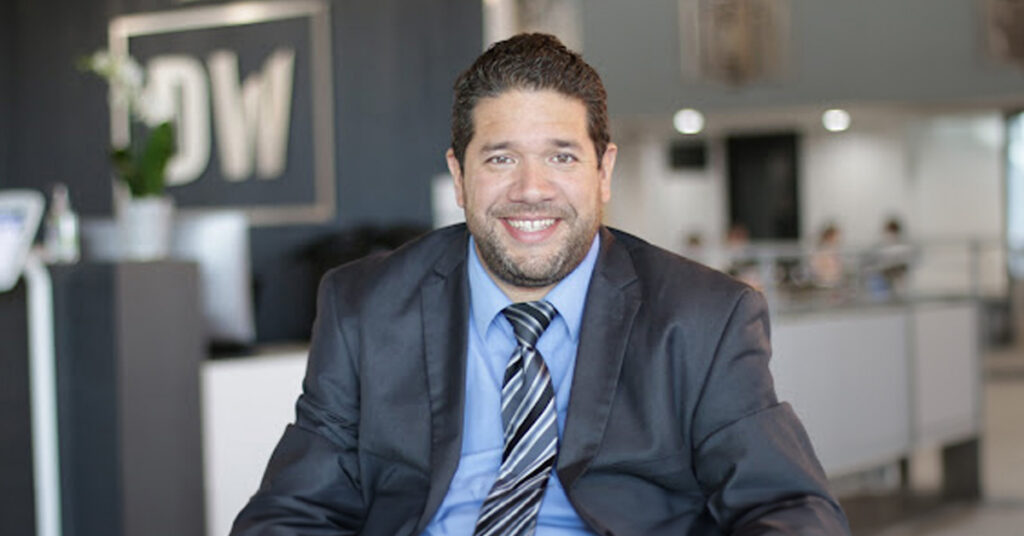
Being Grateful In the Face of Adversity | with Humberto Gurmilan
Learn how Humberto overcame an unforeseen tragedy and became a successful, award-winning producer, author, and speaker by simply learning how to be grateful for what he had.
Let's create things that matter. Together.
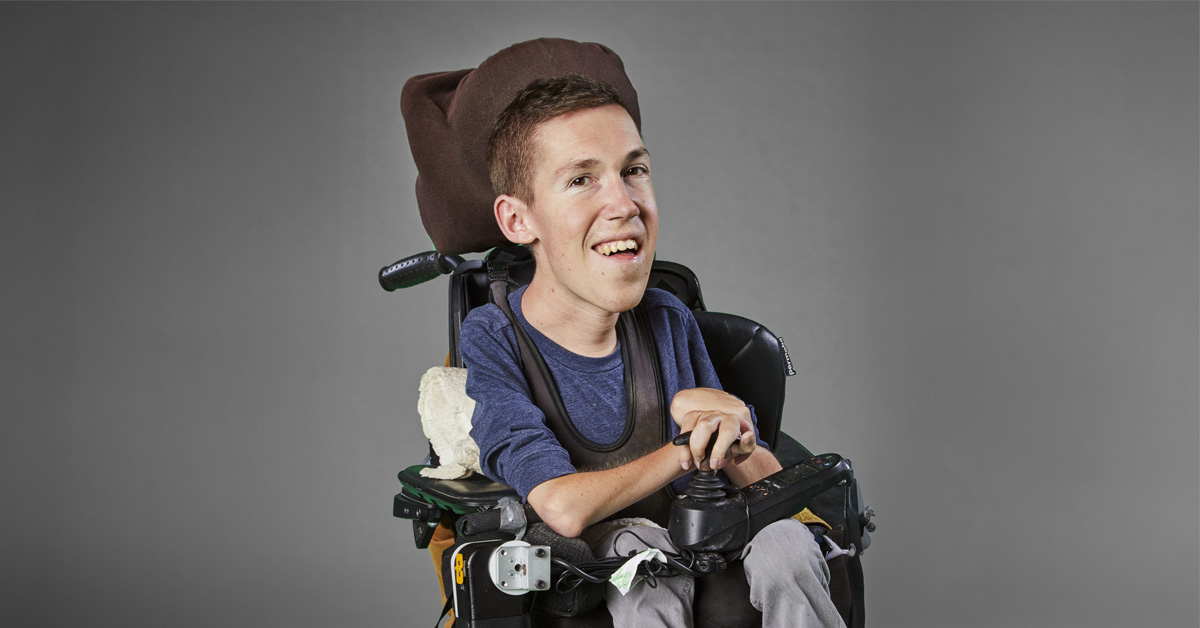
As of this week’s episode I have now recorded over 130 interviews with people all over the planet in many different industries with their own unique stories. But with all due respect to every single person I’ve ever interviewed, I can confidently say that talking today with Shane Burcaw was one of the highlights of my life. Rarely do you come across a human being that radiates such positivity, clarity, and confidence. If you don’t walk away from this interview feeling like you can overcome more than you thought you could, and if you don’t feel like you have a clear set of tools to make yourself happier without having to change the circumstances in your life at all, I recommend getting your ears checked because clearly you weren’t listening closely enough.
Shane Burcaw is a co-founder of Laughing At My Nightmare, Inc., an organization dedicated to teaching people how humor can help them overcome their challenges, while also providing vital equipment to people living with muscular dystrophy. Shane is an award-winning author, Emmy-winning producer, and writer of a blog with over 600,000 followers. His nonprofit is responsible for over $60,000 in equipment provided to people living with muscular dystrophy. Shane and his business partner, Sarah, travel the country sharing the powerful idea that a positive mindset and a sense of humor can help anyone effectively overcome their challenges!
And in case I haven’t mentioned it yet, Shane has lived with spinal muscular atrophy since shortly after birth and he’s quadriplegic. For those that don’t know what this means, we’ll talk about it more in today’s episode, but in short…Shane has little to no control of any of his four limbs and he has never walked.
For my listeners that know my history, it’s probably no surprise that I’m so excited about having Shane on my show because I dedicated eight years of my life directing and producing the documentary film GO FAR: The Christopher Rush Story (narrated by Mark Hamill) about the first quadriplegic to become a certified scuba diver who was also one of the national poster children for the Muscular Dystrophy Association alongside Jerry Lewis back in the days of the Labor Day telethons. Christopher was not only the subject of this documentary, but he was also one of my closest friends who stood next to me at my wedding which unfortunately was the last time I saw him alive. But chatting today with Shane brought back so many memories of conversations I used to have with Christopher.
If you’d like to learn more about my documentary you can visit gofarmovie.com, and you can also rent it for .99 cents right now on itunes, just go to gofarmovie.com to learn more. With over 250 5-star ratings, I promise you’ll get your money’s worth, and hopefully more.
Shane Burcaw is a co-founder of Laughing At My Nightmare, Inc., an organization dedicated to teaching people how humor can help them overcome their challenges, while also providing vital equipment to people living with muscular dystrophy. Shane is an award-winning author, Emmy-winning producer, and writer of a blog with over 600,000 followers. His nonprofit is responsible for over $60,000 in equipment provided to people living with muscular dystrophy. Shane and his business partner, Sarah, travel the country sharing the powerful idea that a positive mindset and a sense of humor can help anyone effectively overcome their challenges!
Zack Arnold: I’m here today with Shane Burkhaw, who is the author of the book “Laughing at My Nightmare” as well as the blog Laughing at My Nightmare, and I will go into much deeper why it is such a pleasure to have you in this interview today. But Shane, I cannot thank you enough for your time to be here with me today.
Shane Burcaw: Yes, guys, you for having me. I’m I’m very excited to be here.
Zack Arnold: So the first question is, I don’t understand why I’m talking to a guy that sounds kind of mumbly. Like, what’s what’s that all about? Like, usually I talk to fitness experts and experts in the film editing industries and creative industries, and today this guy I’m talking to is kind of kind of mumbly. So what what is it that’s a little bit different about you? Why are we talking today?
Shane Burcaw: So I’m a bodybuilder, and no, I was born with a disease called spinal muscular atrophy that causes my muscles to race away over time. I’ve never been able to walk. I got my first wheelchair when I was about two years old, and it affects every muscle in my body from my legs to my arms to my jaw and my tongue, which obviously affects my ability to talk, which is why it may sound a little difficult to understand at times. Hopefully, not too bad. Hopefully, I’ll be able to keep up. But yeah, I’ve been living with it my whole life. And about five or six years ago, I decided that I had a message that I wanted to share with the world, and I’ve been doing that in various ways, from my blog to my books, as you mentioned, and a nonprofit organization called La Fam My Nightmare as well, because I name everything La Fam My Nightmare.
Zack Arnold: Well, the the funny thing is, and there’s there’s going to be a lot of funny things I’m sure we’re going to talk about on this show today because you have one of the wittiest, sharpest senses of humor that I think I’ve ever read or heard in my life, but to give people a little bit of background for how we connected, I directed a documentary film called Go Far, the Christopher Rush Story, which is about a very close friend of mine who also had spinal muscular atrophy, which is one of the forms of muscular dystrophy. So, for people that are my age and older, I’m sure they remember the Jerry Lewis Labor Day telethons, and all the younger people are like, “Who’s Jerry Lewis and what’s a telethon? So I always kind of age myself when I talk about that. But most people that are slightly younger than me and older, like, “Oh yeah, I totally remember that. Well, Chris was one of the former national poster children for MDA, and I met Chris in college, and he and I became good friends. He passed away at the age of 30 shortly after he was actually he stood up in my wedding. That was the last time I saw him alive, but I learned about all these things that he had accomplished throughout his life earlier in his life, and it just floored me. And he’s one of the only people that’s really made me look at myself and say, “Wow, I’m really not doing enough with my life. And then I came across you, and I’m like, “Here’s another person that makes me feel guilty about all the things I’m not doing with my life because you have accomplished so much. And I don’t want to give it the caveat of saying you’ve accomplished so much for a quote-unquote handicapped person. You’ve just accomplished a lot as a human being, so I very, very much admire and respect that.
Shane Burcaw: Thank you, I appreciate that. I think that is a an important caveat to make. You know, I like when people say, “Wow, you’re doing so great for someone in a wheelchair. That’s pretty demeaning, and it kind of assumes that people in wheelchairs aren’t capable of doing whole things, which is far from true. So I appreciate that distinction that you made.
Zack Arnold: Yeah, absolutely. And there are so many things that I learned about Christopher’s journey as he was growing up, the way that people treated him, the way that people perceived him, and so much of it just made me so angry. And the the real reason that I wanted to have you on the show today is yes, I want to talk a little bit about kind of you know your life story and your background and some of the things you’ve had to go through. But what I really care about is mindset, how people are able to look at a difficult situation and find the positive in it and turn it into a learning experience, and both you and Christopher are the epitome of basically being dealt one of the crappiest hands of cards that you could. But saying, you know what? I don’t care. I’m going to make the best of this. I’m going to stop focusing on things that I can’t change, and I’m going to focus on the things that I am capable of doing. And that’s a mindset that’s not just for people in wheelchairs. Everybody has, you know, one of the things that Christopher always said, and it was probably the most profound thing that came out of the documentary for me, was he said everybody has a disability, and that’s really where I want to go today. Is not just talk so much about oh, you know, you did so many crazy things, and you. Living in a wheelchair. Tell me what it’s like being a handicap person. I know that’s not what you want to talk about. What I really want to understand is how you developed the mindset that you have, because anybody can benefit from developing that optimistic, driven mindset.
Shane Burcaw: Absolutely. And one of the big things that I do for my nonprofit organization is I travel to give speeching engagements at schools and organizations and businesses, and that is the full point of our message. It’s that we all have adversity in our lives. You’re not going to be able to go through your life without daily and lifelong challenges, and so the ability to look at your adversity from the right perspective, being able to step back and reframe adversity in a positive way, is crucial to being able to live a happy, fulfilling, in my opinion, worthwhile life. So I love talking about all that stuff. Well,
Zack Arnold: And the the number one tool that I believe, and you can correct me if I’m wrong, but it seems like your number one tool for dealing with adversity is laughter, because it’s in the name of your blog and your book. So would would that be a correct assessment?
Shane Burcaw: Absolutely, humor has from a very early age been a way that I’ve dealt with the problems that I face. I have to give credit to my parents and my family earlier than I can even remember. They’ve been instilling me with values of chasing it off when you’re upset and making the jokes and fighting to do it in every situation. There was a moment that I there may have been a defining moment in my life, and it’s terribly stupid. But I’ll share it. I was about six years old, maybe 567, years old, and I was playing video games. I was playing Nintendo 64, which was, in my opinion, the best console that ever existed. I was I was playing Zelda, and I was so into the game. And I have a younger brother Andrew who is three years younger than me? So he was maybe three or four years old at the time, and I was so absorbed in my game, having the best time. My brother walks into the room with a pair of scissors in his hand, and I don’t know why my three-year-old brother had access to scissors, but nonetheless, he walked in the room and he walked up to the wire that connected my controller to the console that I was playing, and he held the scissors on the wire and looked at me like, “Hey, guess what? I’m gonna cut this, and you know, being in a wheelchair with my disease, I wasn’t able to stop him. So I just yelled, “No angel, bad. That’s so bad. Don’t do that. But he was a baby, and he thought it was hilarious. So he unintentionally but kind of intentionally snipped the wire, and it shut the whole console off, ruining my game and what felt like my life at that moment. My whole world came crashing down around me as I realized that this game that I’ve been playing all day was not going to save, and my N 64 was broken forever. I would never play again. I was so upset, and I was gonna cry right away. I freaked out all day, and my mom came down and was more worried about the fact that my brother had scissors than the fact that my life had been ruined, and so she didn’t really care that the video games were broken, and I was sobbing and sobbing and sobbing, and my friend came over to see if I could play outside, and I said, “No, I’m too upset. My video games are broken, and at some point later in the day, it hurt to me that I was ruining my own day all by myself simply by being so upset by what had happened, and I had given up the chance to go outside and play with my best friend. I was in my room pouting and crying all day, and it struck me that you know what, I it sucks that my video games are broken, but what can you do? You know, all I can do is move on, and I made that show. In that moment, to go outside and just play and forget about what had happened, and that was a moment I look back on as kind of when I realized that I have a choice about how I handle the bad stuff that happens to me.
Zack Arnold: Well, what amazes me is that not only that you had that realization at six that you had that realization at all because there are many adults in this world that I know personally and there are many more out there that I don’t know that have never had that realization that have never stepped back looked at the way that they’re perceiving the world or behaving and saying wait a second I’m creating a lot of this, and I really don’t need to be. And I can’t control everything that’s happening around me, but I can certainly control my reaction to it. Most people don’t ever have that realization, and you had it at six. So, in my opinion, that’s fairly profound. It’s very profound, and that was one of the things that I had learned about Chris some when he was alive, but much more after he had passed. That it’s actually fairly common for kids that have spinal muscular atrophy to have you know higher levels of intelligence, higher levels of perception, and incredible verbal abilities. Because as you mentioned in your book, and you can talk about this more, you realize at a very early age, communication verbally is really the only skill that you have to be able to get the things that you need.
Shane Burcaw: Absolutely, yeah. So I can remember being a baby before I even had my first wheelchair. When really my only options was I was never able to crawl or sit up unassisted or move around. So wherever I was put on the floor or shoulder, whatever is where I had to stay. And you can’t do too much not being able to move. So I very quickly learned that if I wanted that toy over there on the other side of the room, I had to ask someone to get it for me, and so asking for help and being able to communicate effectively about what I needed became a pretty essential part of my life very early on.
Zack Arnold: Well, the one thing that I want to clarify about the way that spinal muscular atrophy works, and I didn’t know this for years, because it’s as I’m sure you’ve run into a lot. People, even if they’re friendly with you, they’re sometimes a little hesitant to actually ask you about the disease, ask you about your disability, and I was just frankly afraid to ask Chris for years until we became really close, and one thing that I learned, I just assumed, well, you’re in a wheelchair, so you must be paralyzed. And what I learned later is that you’re not paralyzed. You can very much people can move you. You can’t move yourself because you don’t have the muscular strength. But not only can you be moved, but you can feel everything, and you can feel pain as well, and that was a big realization for me. And I know that you’ve dealt with many experiences in your life with physical pain where you have no ability to really do anything about it.
Shane Burcaw: Yeah, so that’s absolutely true. And even now, like I, I can move my legs a tiny bit. You know, I don’t have the muscle to support my own weight, but I can still move them, and that was always something that I experienced in elementary and middle school. Kids would come up to me and say, “Can you feel your legs? They would like touch my foot. “Can you feel this? And then I would roll over their foot and say, “Can you feel that? And so that was my way of dealing with that. But I absolutely feel pain, and there have been so many moments, usually because of my own stupidity, that I ended up experiencing a lot of pain. For instance, when I was in 11th grade, I was playing soccer in gym class, And I was trying to show off for a few of the cheerleaders who were in the class by passing the soccer ball with my wheelchair, kind of by rolling at it at top speed, and then hitting it with the front of my chair. And it worked out really well, and I felt like the king of the world, and that I was impressing them so much. I don’t know whether or not that’s actually true in hindsight, but at one point there was a ball not moving, and I went full speed in my wheelchair, had the ball to pass it to someone, and my wheel went up over the wall and rocked my chair to the left, like really violently, which I didn’t have my straps on, and there’s that trademark stupidity. I didn’t have my straps on as I trade. In my chair, shot me out of the seat, and I flipped out of my chair onto the ground. And I’m very small since I don’t have muscles. There’s really not a whole lot of meat on my bones, if you will. I don’t have much protection, and so I walked up on the pavement. We were outside, and my head was bleeding, and I didn’t know what had happened. And my teacher came over; he was freaking out, obviously trying to haul an ambulance. But he was like, “I said, can you put me back in my chair? And he was like, “No, no. If you hurt your back, I don’t want to move you, but somehow I convinced him to lift me into my chair. And as he moved my leg, I felt this pain kind of radiate in my body, and it was the most sickening feeling I’ve ever experienced. But I wrote it off in my mind as like a pulled muscle or something, and then he lifted me using my legs, and I felt my bones pull apart in my leg. And I later found out that I had completely broken my femur in a few spots. It was really not a pleasant experience at all, and that put me out of commission for about three weeks as I healed in a hospital bed in my living room, but yeah, I’ve definitely feel my fair share of pain, and you would think that I would be more cautious because of that. But somehow that doesn’t seem to be the case.
Zack Arnold: Well, that precarious or precocious spirit is definitely something that Christopher had as well, and I heard many stories about where, like, they had to constantly have contractors come over to their house because he was running his wheelchair into walls and putting holes everywhere. And it sounds like you certainly have a similar story in your your upbringing as well, where even though yes, you are physically limited, you were kind of like, you know what? Screw the limits. You know, I’m I’m going to do as much as I possibly can.
Shane Burcaw: Yeah, absolutely. I think that that is a theme throughout my life. And again, I have to give a lot of credit to my family and friends for supporting that mindset and encouraging that mindset. They never allowed me to view my disease as the end. It was always just an obstacle that we were going to figure out whenever it come together. So, for instance, when my friends were playing football, that seems like something that I, being the fragile wheelchair bound kid that I was shouldn’t really be participating or wouldn’t be able to. But we found ways to involve me. You know, I played defense, and instead of casing people to tackle them, if you will, I would run my chair into them, and we would get hurt, and we would laugh about it, and we always found ways to involve me, even if it meant bodily harm.
Zack Arnold: Bodily harm to you or to the other people that you’re ramming into with your wheelchair?
Shane Burcaw: Yeah, often to them.
Zack Arnold: What I want to really start to dig into and understand, and these are questions that I would pretty much give everything I own to have been able to ask Chris is how people can start to cultivate this type of mindset, and I know that this is what you speak about. And once again, to reiterate, this is not about inspiring people because hey, I’m in a wheelchair, but I’ve done things with my life anyway. Like that’s just kind of a trope that I find very very tired. Yeah, and you know, for like for example, I have a program where I teach people that are sedentary all day long how to move more throughout their day because I live and breathe in front of a computer. It’s my livelihood. It’s my living. I’ve done it for 15 years. But when I say I’m sedentary, or other people say they’re sedentary, it’s very different than you saying that you’re sedentary, but for me to come out and say to people, “Hey, you should be walking all day long and moving because this guy can’t do it at all, like in my opinion, that’s very much the wrong way to do it, and I would assume that you agree with that.
Shane Burcaw: Absolutely, that way is offensive, and unfortunately, that mindset is all too often the story that you get when you see anything about disability in the media. It’s always a story of inspiration because look how bad they have it, but look how happy they are. And I think the really important thing that is often forgotten or looked over is that people living with disabilities are often living amazing lives, you know, full of love and laughter and accomplishment. It’s not like having a disability automatically makes life a terrible thing, so you have to get. Rid of that mindset. So again, another important distinction to think of as we begin to talk about how we can all be more positive in our lives.
Zack Arnold: And so I want to dig deeper into that. And the reason that I had kind of prefaced it is I want to make it very clear that you are an inspirational human being to me and to many, many other people, but it’s not because you’re inspiring me. Because you’re stuck in a wheelchair and you’re doing this stuff anyway. Right. That’s why I brought that up. But at the same time, you are an incredibly inspiring human being, and I want to be able to give people kind of a toolset or a roadmap or a set of skills that anybody can develop to start to become more positive despite the adversity in your life, so I look at as everybody’s got adversity. You’ve been handed a lot more adversity than the vast majority of human beings. You’ve cultivated an amazing mindset out of that. Now I want to teach anybody how to cultivate that mindset. So that’s where I’m coming from as far as you inspire me to want to do more, but not because oh, you know, there’s this crippled kid, and you know he’s he’s he’s he’s getting out in the world. Like one of the jokes you make and Chris made is people saying, “Oh, good for you for getting out and grocery shopping today, and they kind of scratch your head. You go, little buddy. Oh,
Shane Burcaw: Bless you! It’s so good to see you out and about, yeah. That’s a daily occurrence when I’m out in public. I will be praised by generally older individuals who think it’s just fabulous that I’ve made it out of my house. There’s all kinds of issues that we can get into the top, but we won’t let’s talk about positivity.
Zack Arnold: Yeah. So let’s go down that road now, and I want to start understanding if I’m somebody that you know. In if somebody were to perceive my life, they’d say, “Well, I’ve got all my faculties, and I’ve got a great job, and I’ve got two kids, and you know, my life is perfect, right? Nobody’s life is perfect. Everybody deals with adversity. I have a whole host of disabilities that I’ve been very honest and upfront with my audience, and I frankly think it’s the reason that I’ve been able to grow an audience is because of my honesty. The same thing as you, I have plenty of issues and adversity that I deal with every day. So let’s say that I were a very pessimistic person, and all I did was focus on the negative things and all the things that I can’t overcome. What are some of the pieces of advice that you would give to kind of start helping me dig myself out of that hole and start to reframe my mindset a little
Shane Burcaw: Bit? All right, so we’re going to do a crash course in positive psychology here, and obviously you can spend an entire career focusing on only this stuff, and it’s fascinating what psychologists and neurologists are learning as they learn more and more about the brain and how positivity and happiness works in our minds. So that being said, there’s no way we can cover all of it in a half hour, or even do it justice. But you know, it’s fun to talk about, and I hope that this will be a starting point for you. If you’re interested in learning more about positive psychology, there’s all kinds of stuff out there that can allow you or help you learn more. A big theme that I’ll begin with is the idea of control over your life. When something bad happens to you, when anything happens to you, there are kind of two ways to look at that event. So let’s say you are late for work, and that is a bad thing, and you get yelled at by your boss for being late. Now there are kind of two ways that you can interpret that. It’s either the internalized self-control theory, where it says, “All right, this is my fault and something that I can adapt and do differently in the future. I should have made sure that I shut my alarm last night. I should have planned my learning better achieved traffic. There are all kinds of things that I could have done to make this not happen, and then there’s the alternative, which is blaming the outside, and that smells like, oh, I was late because traffic was so bad, and that’s so annoying that traffic is bad. Traffic will always be bad, and my coffee pot was broken, which delayed me, and that’s so annoying of my coffee pot. Often, people that fall into the second category of pushing that blame onto anything but themselves will become more pessimistic because it removes the power to do anything. About it from yourself. If you look at the world in the first way and say, “Okay, this is something that I have the power to improve, you’re already giving yourself a huge boost because you’re believing that you have the power and the ability, whether it be mental or physical to improve your situation. So that is a matter of self-reflection. You know, when something bad happens to you, analyze how you’re thinking about it. Are you listening outward and laying the blame on someone that you have no control over, or are you processing it in a way that says, “All right, what can I do to improve this situation moving forward? And I think that that’s a big thing that is a good scary input.
Zack Arnold: Well, and one of the scary things about making that decision, and the reason that most people don’t make it either consciously or unconsciously is that when you start to switch your mindset to taking control, that means you also have to take responsibility. That means you have to say, “Oh wait, I can’t blame the coffee pot and my wrinkled clothes and the traffic. I am the one that made me late, and I need to do something about that. And I think having to take that responsibility for some of your past actions and then change them-that seems a lot harder and more daunting than just continuing to blame the world and be crabby and say, “Well, it’s everybody else’s fault. It’s not mine.
Shane Burcaw: Exactly, and it’s not an easy thing, you know, changing your life from one that is more pessimistic to becoming a happier person-it takes real mental effort, and it will not happen overnight. It’s something that you need to work at and treat like any other skill that you’re trying to learn. You know, you don’t learn how to edit videos overnight. It takes years of practice. Being a happier person is the same way. I’ll give you an example. When I was maybe 18 years old, I was losing weight rapidly. I was no longer able to eat enough food in a day to maintain my my weight because my jaw was losing the ability to chew. I was losing the ability to swallow, but for so long I refused to do anything about it because I did not want to accept that there was anything that I could or should be doing? It was scary, and I got mad at my doctors. I got mad at my disease. I got mad at my parents for offering to make me smoothies instead of food. I got mad at everything because you know it was easier than saying, “All right, what can I do to fix this problem? Maybe it is you know my fault that I didn’t look into alternative methods, but it got to the point where I was 18 years old and I only weighed 46 pounds and. and my doctor looked me in the eye one day, and she said, “If you get a cold, you could very well die. And it kind of woke me up in that moment, and all of my stubbornness and all of my inability to take action left my mind, and suddenly it was about staying alive. And it’s kind of crazy how that kind of life or death dilemma is going to really open your eyes and help you see how dumb you’ve been. But I was able to transition then in that moment and the weeks that followed into embracing a feeding tube and embracing alternative methods of eating, and not blaming other people and outside films for causing this to happen to me, but rather accepting the situation for what it was and asking what I can do to improve it.
Zack Arnold: Yeah, and I’m I’m glad you brought up something as specific as this because when I talk to people about this idea of trying to break down whatever your obstacle is and see is there a way to overcome it or is there not a way to overcome it, kind of separating it into these two areas that was part of Christopher’s go far system was that you identify the obstacles that are surmountable and the ones that are insurmountable, and clearly your obstacle of not having muscles and not being able to walk and not being able to be physically active, you clearly accepted at a very early age. Well, yep, this is just one that’s going to be insurmountable, and I can’t do much about. And when it comes to chewing. There probably aren’t a lot of people listening to this right now that have said, “Oh, one of the adversities I’ve dealt with in my life is the realization I’m not going to be able to chew my food anymore. And the fact that you’re able to use this mindset to overcome something that that is literally life and death, I feel doesn’t give anybody else a pass to say, “Yeah, but you don’t understand like some of the stuff I’m dealing with at work or this thing in my marriage or whatever it is. Like there’s just nothing I can do about it. It’s like, come on! Like the dude figured out how to use this mindset when he couldn’t chew his food anymore. Like let’s stop making excuses about our life, okay?
Shane Burcaw: And and it’s not to minimize, you know, that point you’re making. We’re not minimizing the problems that people face. You know, I have in my life the seemingly most surface, superficial problems every now and again, and they’re difficult to overcome. You know, disagreements with people or awkward situations, films that are not life and death, but they still weigh really heavily on your mind and in your life. And it’s not to say that you know, oh, that’s not a problem; it should matter. But rather, it’s I found this way that works even for very severe lifelong problems, and so why not try to use that same method for whatever problem they face them?
Zack Arnold: Yeah, exactly. And I’m so glad you brought that up because I had no intention of making it sound like I was minimizing other people’s problems. I just want to make it very clear that there there are very few of any issues or problems in your life where you wouldn’t be able to bring this mindset to it. So everybody’s disability is something that is going to be difficult for them to overcome, no matter what it is. I just when people are like, “Oh yeah, but you don’t understand this or you don’t understand that, it’s like this framework works for literally just about any adversity that you can possibly think of. So that, but I’m very glad you brought up the idea of not minimizing other people’s problems. Just because on the surface you’ve got it so much worse than anybody else. So I’m very glad you brought that up because that’s a very very good point. So we’ve talked a little bit about this idea of kind of changing your perspective to realizing, oh well, I can actually find some mode of control, even if I feel like I don’t have it. So control is one of those basic human needs that once you kind of learn how to reframe your mindset, it does help with developing a more positive perspective. But there are so many more. So what’s another one that kind of pops up in your mind if you want to kind of start hacking your your perspective on life, so to speak.
Shane Burcaw: Right. So I think then once you’ve established, all right, I have control over the thoughts and actions that I do. You, I’ll break down for you what I do when I’m upset. There is a drug that was just announced about six months ago for the treatment of my disease SMA, and I found out about it, and it was the probably greatest thing ever happened to me in my life. Finding out that this was now available, and then in the following weeks and months after that, I realized it was not going to be as easy as it originally seemed. My insurance was not super excited to pay for this very expensive drug, and so there was a period of about six months where I didn’t know if I would be able to receive this drug that would essentially extend my life by decades, and so I’m explaining all this to say that that event in my life waiting for insurance to tell me if they would pay for this drug that would save my life, or if they were not going to, and I would have to, you know, accept that and move on. It was a very rough thing to go through, and there were nights where I had a hard time chasing this depression about you know my life and my future because I will continue to get weaker forever, and so I want 10 years down the road, and I don’t know if I’ll be alive, and now there’s this journal that had changed that, and so we’ve established the problem that I was facing, and there was nothing I could do about it. You know, I can’t make insurance make up their minds. Faster, and so when I’m faced with a problem like this, what I try to do is I recognize when I’m upset. I try to understand why I’m upset in very clear terms in my head, but then I ask myself if being upset about this issue is helping, and so often the answer is no, because being upset in my room, not talking to my friends, not doing the activities that I love because I’m upset is not making insurance make up their minds any faster, and so once you realize that that your mood, your negative mood, is not helping, it kind of becomes common sense to move on to the next step, which is well, then why am I allowing myself to feel this way? And from there, it’s so much easier to focus on happier things and focus on things that make me happy. And moving on, it is a method of distraction. Perhaps finding things that bring me joy and bring me happiness, but it really involves that first question to yourself whether or not being upset is helping at
Zack Arnold: All. And to go even a little bit further, I know that you ask yourself the specific question that you mentioned in your book, which I love, which is, in 10 years, is this going to matter?
Shane Burcaw: Yeah, absolutely. I yeah, that’s another way that I phrase it, you know, is for smaller families. If someone, if I have a disagreement with someone at work, you know, will it matter in 10 years if they were mad at me today? Probably not. We’ll move on. So why spend time? You know, we all have a limited amount of time here, so why would you waste time being upset when you can move on and have a good time?
Zack Arnold: Well, and if you’re asking the question of will this matter in 10 years, and you’re talking about a life-altering, life-changing drug, the answer is yes. Yes, that would very much matter 10 years from now. But I’m glad that you brought up this idea of time because this is something that I wanted to go to, and this is going to veer, you know, maybe a little bit more into the the morbid or you know, but I don’t want it to seem dark. I just I want you’re very clear about facing reality. You don’t sugarcoat anything. It’s the same way that Christopher was. I’ve developed that mindset because of knowing him and learning from him, and everybody that’s listening to this, 100% guarantee, is going to be dead. Right? There’s there’s no getting around it. It’s such
Shane Burcaw: A lovely thought,
Zack Arnold: Isn’t it? So it’s a question of how are you going to manage the time before that, and everybody is aware at some level of their morbidity and the fact that they’re going to pass someday. And as you grow older, you become more aware of it. I really wasn’t aware of it myself until I had kids, and then all of a sudden, I was like, “Wow! Like, there, I would have a major impact on people in this world if I weren’t here anymore, right? But realistically, barring you know acts of God or whatever, I know that I’ve got a good amount of time left. You have a little bit different timeline, and this was something that I had always wished that I had asked Chris about, and I talked to his parents about it a lot. But I really wanted to be able to ask him, and now I can ask you, how do you kind of look at things, and how do you not, you know, always focus on this giant cloud that’s over you, and just kind of let the cloud disappear? Because that’s something that Christopher was able to do, and you clearly have been able to do. But there’s also reality. So I would love to know how you were able to look at that, and how we can also bring that back into this conversation about creating more positivity in your life,
Shane Burcaw: Right? So it goes back to that question that I explained before. Sometime in my life, I was around eighth grade. I became aware that I’m gonna die. You know, something that we all eventually realized, and I Had the added pleasure of realizing that you know I may die a lot earlier than other people, as my lungs lose their ability to breathe. Every illness is a life or death situation, and so while people with my disease are more and more often living into their 40s and 50s and 60s and beyond. Many pass away before that, and so while I don’t think my disease is any kind of death sentence, you know, I fully intend on. A full life. There was that awareness that I may I may die early, and so the question becomes: Well, is being upset about that going to change it? And the answer is no. And so I believe you can go through life, you know, in two ways. You can focus on the bad and say, you know, I’m gonna die, and I’m getting beat here all the time, and what’s the point, and all of that, and have a really terrible time. Or you can say, you know what, whatever. We all die, we all have a limited amount of time. Why not spend our time making it worthwhile and loving as hard as we can, and you know exploring our passions and trying to make a difference in the world? I think that’s where I get my my most positive feelings from is trying to do good in the world and knowing that you know while I may not be here forever, the impact that I have on people and on the world will live on, and so it’s a hell of a better time to live that way and terrifocal song, having fun and loving and making a difference than the opposite.
Zack Arnold: Yeah, and I think that the key word really here for me is time. That was a realization that I had come to not that long ago, but realizing that moving out to Hollywood, trying to be successful in the film industry. That the currency that everybody focuses on, especially in this part of my world, but really all over, is money. Like currency equals money. They’re synonyms. Yeah. But what I discovered, the most important currency that’s important to me now is time, and I’m I ask myself that same question every day, knowing that most likely I probably got another 5060, years if I treat myself well, but I may not be around tomorrow. So, are the actions that I’m taking today enough to make me feel satisfied with who I am as a person and what I’m doing? That if I get hit by a bus on the way to work and I look back and say, “Hmm, is this what I wanted to be doing my last day on Earth? I want to be okay with that answer, and I I think that finding that purpose and finding that mission and a way to make an impact on the world that’s a huge huge component of trying to shape a more positive, optimistic mindset.
Shane Burcaw: Absolutely, and you can do it on a you know you don’t have to go out and change the world. You know, if you improve, and it’s gonna sound like the biggest cliche ever, but if you focus all of your energy on making the lives of the people around you and your family and your friends happier, you’re gonna have a better time. That we don’t need to go out and all, you know, change the world. We can focus on changing the lives of the people around you, giving your kids an amazing life, and taking care of your family and loving your friends. Those are just as worthwhile ways of living as here in world hunger. It’s not to say that you need a mission in life, but just that live well and live hard and make the people around you happy, and you’ll find that you’re becoming happier along the way.
Zack Arnold: Yeah, that was a struggle that I still have to this day, where I have this natural impulse to quote unquote save the world, and I would feel, and maybe this is something that you go through as well, is that I just I feel guilty because I haven’t gotten this to enough people. Enough people haven’t read this post that I know will help them, or they haven’t heard this podcast interview, and you know it’s only reaching 4000 people. I want it to reach 10,000 people, and I just I always feel this tremendous sense of weight and this guilt, and I’ve had to learn how to manage that because when I first began this, and maybe and I know that you talk about this in your book that at first I just kind of did it. I didn’t think about it. I didn’t have a plan. I didn’t have a you know business model. It was just I’m just gonna talk about this stuff because I’m passionate about it, and then all of a sudden it’s like, wait, there are 1000s of people all over the world that are finding this, and they’re saying that it’s making a difference. And that was like put literally somebody dropped a giant elephant on top of my shoulders, and I was like, oh my god, this is real.
Shane Burcaw: Yeah, I I didn’t know you anymore, and it’s tough once you kind of have that, you know, responsibility. I felt the same thing when I wrote my blog and it started growing today, hundreds of 1000s of followers, and suddenly there were all these people who were telling me that I was helping them, and I was. 1819, 20 years old. As that began to become popular, and I didn’t know how to handle it. You know, I I hadn’t intended to make that kind of a mark. I only wanted to tell some funny stories, and now I felt this like responsibility that I was sharing this message and so it motivated me to, as I’m sure it does, for you to keep working harder and harder and helping as many people as possible.
Zack Arnold: Yeah, and what I also realized is that, like going back to this idea of trying to change the world in order to make sure that this weight didn’t just kind of you know envelop me and just take over me and become overwhelming. I had to I had to realize that changing the world is not necessarily about changing as many people as possible or affecting them. If you change somebody else’s world, then you are changing the world. You know, even if it’s just one person, if their entire world changes, their perspective changes, their life changes. You have changed the world. You’ve changed it for somebody else. And once I kind of broke it down that way, I was like, “Oh, now I don’t feel so much of a burden because it’s not about the quantity of people; it’s about the quality of the impact that can be had. And the reason that I bring that up is because probably nobody listening to this, maybe two people have a blog or a podcast, or have 1000s of people following them. So they’re saying, “Well, I can’t apply that to my life. What’s the big deal? If you have just a significant other, or you have a kid, like that’s a person’s world that you can change. And if you can develop and find that purpose, it changes the way that you look at everything and can create a more optimistic perspective.
Shane Burcaw: Absolutely, even you know, trying like investing yourself a little harder in your friendships or your relationships. Sometimes I’ll get so invested in all of the work that I’m doing, whether it’s writing or the nonprofit, that I’ll realize that I have texts from friends that have done unanswered, or things that I’ve been invited to do with them that I decided not to do. So it is a balance, and it’s just as important to be there for the people that you love as it is to, you know, do whatever your passion or your holiness. So
Zack Arnold: I want to be very, very respectful of your time. We only have a few minutes left. Do you have any final, last tools, ideas, or things that you want to share about how to help somebody become more positive, more you know, just more energetic, or ways to just you know be happier in their life.
Shane Burcaw: So I’ll leave you with a small tool that I’ve been using for a little over a year now. Every Sunday, I post on the Laughing at My Nightmare Facebook page post how what made me smile this week, and I began it thinking it was the dumbest idea in the entire world. And what I did was every day, at the end of the day, I write down one thing that day that made me smile. And so, at the end of the night, I look back up in my day. I tell him about the good and the bad. I tell him about what made me happy that day, and I pick one thing, and it’s often super insignificant. Was I made really good maxing shoes for lunch, and it tasted so good? Or maybe a bigger thing was I received the early edits of my next book. You know something that made me smile, or my friend stopped by to visit. I wrote them down, and at the end of the week, I post them the seven channels that week that made me smile. And I found that that act of every day listening back out of my day and identifying something that made me happy has changed my life in a really big way. I’ve noticed throughout the day that I’m more mindful of the feelings that are making me happy. So if I see a family in the part that looks like they’re having a really great time, two years ago I may not have even noticed that I didn’t notice that it made me smile. But now I see them and I smile and I think, oh, you know what? That’s that’s cool that they’re doing that, and I hold on to that. And it it’s really just a way of becoming more aware of the millions of things that are out there that makes you happy. We all sometimes fall into this feeling of like, oh, there’s only one family that can make me happy, and it’s whatever is online at that moment, whether it’s a job or advancement or love or whatever it is. But there’s so. Every day that makes you smile, and that can get you through really difficult things. Being able to find the good, even the smaller good, in your everyday life. So, if it sounds like something that you would enjoy doing, you don’t have to have a notebook if you’re in your phone. Keep a little list of the things that make you happy, and I believe it will help you begin living a happier life.
Zack Arnold: Yeah, I I could not agree with this tip more, and I don’t want to go too deep into this this rabbit hole because we could talk about this for an hour in and of itself. But for anybody that’s listening, kind of rolling their eyes, saying, “Oh my God, this sounds like something like a yoga instructor would say before she, you know, measures my chakras. But there is a ton of neuroscience that actually proves you can rewire the neural connections in your brain to become happier simply by developing what’s called a gratitude practice, and that’s exactly what you’re talking about. And I’ve experienced this myself, where I just went through and for two minutes in the morning, write down a couple of things that I’m grateful for in my life, or that I recognize. Like at the end of the day, here’s a couple of things that happened. Completely changes my perspective, and it doesn’t take a year to do it. Within like a week, you’re like, wait, I’m not as grumpy, and the world seems better, but I don’t have more money, and you know that my life isn’t any better per se, but I just feel better about it. And this is one of the easiest, cheapest hacks out there if you want to exponentially increase your level of happiness. And I’m, I’m really, really glad that you brought that up as your last point because I’m definitely one of those people that reads it almost every week, and I think I’m subscribed to about 300 or 350 newsletters, and most of them get filed into my newsletter folder. That one comes to my inbox, and I look at it almost every week and hear about your love of hot dogs and all the other crazy stuff that you’re into. So, oh,
Shane Burcaw: Thank you. Yeah, it’s a it feels silly at first, but the effects that they can have are life changing. So I just want to thank you, Zack, for having me. I really enjoyed this, and I hope that your listeners did as well. If people are interested in learning more about what we do at Laughing Mayor, just search us. You can find us everywhere online, and we’d love to interact with you and continue embracing this idea of laughing at the adversity that we face.
Zack Arnold: Well, I could not have said it better. I will make sure to put a link in the show notes to everybody so they can find you instantly. This has been beyond a pleasure. I’m so glad we were able to do it, and I have a feeling that our paths will cross again sometime very soon.
Shane Burcaw: Yeah, absolutely. All right, have a good day, Zack.
This episode was edited by Curtis Fritsch, and the show notes were prepared and published by Jakin Rintelman. Special thanks to Krystle Penhall and Sarah Furie for helping to spread the love!
The original music in the opening and closing of the show is courtesy of Joe Trapanese (who is quite possibly one of the most talented composers on the face of the planet).
Learn how Humberto overcame an unforeseen tragedy and became a successful, award-winning producer, author, and speaker by simply learning how to be grateful for what he had.
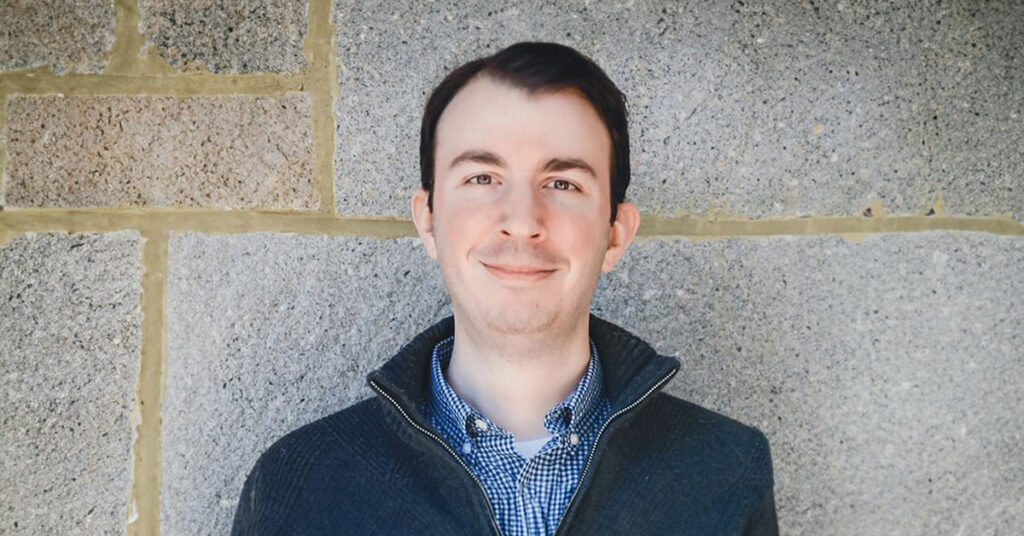
The subject matter of disabilities, especially muscular dystrophy, is a subject matter near and dear to my heart. I'm very excited to share my interview with Chris Anselmo, a writer living with an adult-onset form of muscular dystrophy because his story and his outlook will inspire you to face the adversity in your life with a more positive outlook.