


Rewiring Your Brain to Be Happier | with Shane Burcaw
Shane Burcaw, who has lived with spinal muscular atrophy as a quadriplegic his whole life, explains how happiness is not a destination, it's a state of mind anyone can achieve.
Let's create things that matter. Together.
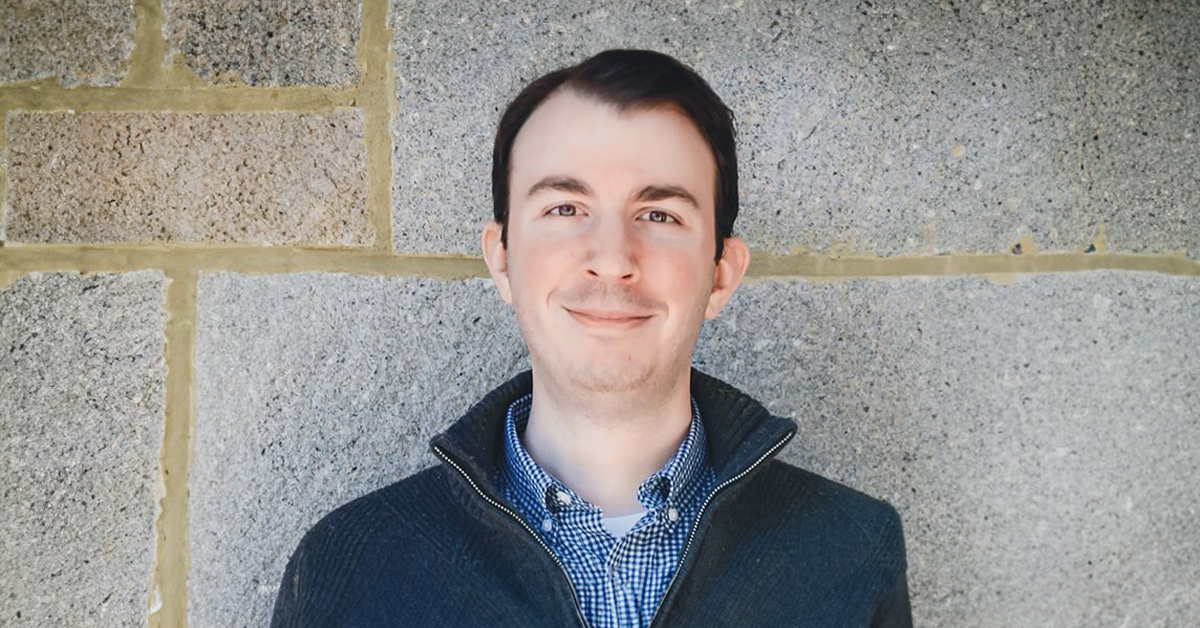
Chris Anselmo is a 31-year-old Connecticut resident and writer living with an adult-onset form of Muscular Dystrophy called Limb-Girdle Muscular Dystrophy Type 2B.
For the first 21 years of his life, Chris was an able-bodied, active young adult. Then one day, while going for a run, he noticed his muscles tiring out faster than normal. Over the next ten years, Chris experienced progressive, unrelenting muscle weakness, and today uses a wheelchair to get around.
In the beginning, Chris struggled to accept what was happening to him. In addition to getting weaker, he found himself depressed and questioning what he could still do in life. Over time, however, through trial and error, he was able to piece his life back together and learn how to dream again.
Chris holds a BS in Marketing from Northeastern University and an MBA from Boston College.
Zack Arnold: I’m here today with Chris Anselmo, and I am super, super excited about this, because I, and I know this is going to sound really masochistic of me, but I love talking about obstacles and challenges in life, and things that stop us from getting what we want, and you are probably the perfect person to talk about that. You are the writer of the blog Sidewalks and Stairwells: Finding My Strength on the Road to Disability. Chris, I’m super, super excited to have you on the show with me today.
Christopher Anselmo: Thank you, Zack. I’m happy to be here.
Zack Arnold: So, let’s first talk about how it was that you and I got together and how you found me, which is actually why we’re here today.
Christopher Anselmo: So, I came across a movie that you directed, called Go Far, Christopher Rush story, and I’m a patient myself with muscular dystrophy, and you know, I saw the movie and it really struck a chord with me. You know, Christopher’s story, living with spinal muscular atrophy, all that he was able to accomplish, going to law school, graduating from the University of Michigan, and just kind of how he was able to create a framework for himself for achieving goals really kind of struck a chord with me, to the point where I reached out to you as soon as the movie ended, I found your contact information, and just wanted to thank you for, you know, helping to create that movie, and we have different types of muscular dystrophy. He has a different form than I have. A lot of the emotional components are the same, you know. Anybody who has muscular dystrophy has to deal with a certain set of obstacles that society at large may not have to deal with, and especially in my case, with an adult onset form of muscular dystrophy called them girl muscular dystrophy type 2b I’ve had to, I’ve had the experience of being both somebody who hasn’t had a disability and somebody who has. So, for the first 21 years of my life, I had no symptoms, and then one day I went for a run and started noticing muscle weakness, and ever since, for the last 10 years, I’ve been getting progressively weaker to the point where now I’m on the verge of using a wheelchair full time, and you know what struck me about Christopher’s story was just kind of how you know he had a very basic framework, the Go Far framework, he called it, for achieving goals, for you know, setting goals, and just being able to be persistent to not focus on what you can’t do, instead focus on what you can, and that movie was a very.. I have many certain turning points in my life, and that was definitely one of those turning points where I, you know, really was able to, is really able to help me be able to, you know, overcome some things that I’ve been dealing with, and it’s been a great joy to have learned about Christopher, to meet you, and also to kind of, you know, have that story in my pantheon of role models that I can look, I can look to in the future, whenever I’m having a tough time, I can kind of refer back to Chris and just kind of think through how he’s able to go through what he went through.
Zack Arnold: Well, yeah, I have Chris in my back pocket as well, pretty much every day, where no matter what it is that I’m trying that is crazy and is outside the realm of my comfort zone, I’m thinking, well, if Chris were still sitting here next to me right now, he would just be laughing, you saying, you think that’s hard, like, come on, really, like that’s not real. Let me tell you about things that are difficult, right. But what I, what I’m really fascinated about with your story, and to kind of go backwards a quarter step, I had Shane Burca on the podcast, and Shane is a very vocal supporter and writer and speaker about muscular dystrophy as well, and he also has spinal muscular atrophy, very, very similar story to Christopher Rush, and it’s almost eerie talking to Shane, because I, it really is like I’m talking to Chris, but the big difference from a mental perspective, like you’ve already alluded to, is that Shane never experienced what it was like to be fully able-bodied, he’s never walked, he’s never run, he’s never done physical exercise, and it’s very, very different to have your life framed in a certain way, where you know you want to be able to run, but you’ve never actually done it, so it’s not like you’ve lost anything, and that’s what is really fascinating about your story, is that you went the first 20 plus years of your life. Life, why, and I guess maybe not quite 20, because you actually did get diagnosed several years before you started to feel the symptoms, and I actually want to talk about kind of that origin story, but what I’m really fascinated about is how you shift your mindset from I’m a totally quote unquote normal person, I’m running, I’m doing sports, I’m jogging, I’m exercising, and then all of a sudden you realize, wow, I’m not going to have these facilities anymore. So, let’s actually talk about where you first found out that your life was going to change.
Christopher Anselmo: Yeah, well, there’s two distinct moments. The first was, as you mentioned, I was actually diagnosed with my condition a few years before I started having symptoms, so in a weird way I kind of got a head start on what I was to expect, but unfortunately, at the time, I had no idea what was in store for me. I was 18 years old, I was a senior in high school, I was involved in a car accident where I was the passenger, my friend was driving, and he had run a red light, I mean, he was distracted, he had just gotten his license, and we got, you know, T-boned by a pickup truck, and at the hospital they do like a routine blood test, just kind of to see if there’s anything like internal injuries of any sort, and fortunately I, you know, I came through relatively unscathed, I ended up having maybe like a cracked rib, but considering what it could have been, it could have been much worse, and you know, I thought I was, you know, more or less unscathed, that I was going to get to go home that night, until the doctor came back with my blood test results, saying, you know, you have these certain, you know, certain levels that are just way out of whack, like there’s something called creatine kinase, and you know, the doctor said it should be kind of in the hundreds when my results were like the 10s of 1000s, they’re talking like 30,000 40,000 and they’re like, “Oh, crap, you have, you’ve suffered some sort of internal injury. So, back into the X-ray room I went, and they still couldn’t figure out what was wrong. Fortunately, I didn’t have any internal injuries, but I still had this very weird level that they’d never really seen before or didn’t understand that started me on a diagnostic journey that lasted about a year. I visited an endocrinologist who thought I might have had a liver injury. Then they decided it wasn’t a liver injury, but they sent me to a rheumatologist that I had a biopsy in my left thigh. Then they sent me to a neurologist who was able to determine, actually, and thankfully they were able to determine the right condition that I was missing a protein called dysferlin, which would eventually manifest in adulthood as it’s got many different names, but most commonly limb girdle muscular dystrophy. Receiving that diagnosis, I was 18 at the time, right about to go to college. It just seemed weird, because I was again fully able. I love to play sports, I love to play basketball, you know. I was a pretty good runner, more, you know, sprinting than necessarily long distance running, but I didn’t have any issues with stamina or physical ability or anything like that. So I just kind of filed it away. They had mentioned it might, you know, manifest later in life, and at that point there would most likely be a cure or some sort of treatment. So, I didn’t really think too much of it, and I made it through college. I went to Northeastern University in Boston and had a great time without any symptoms. And then kind of part two of my story was shortly after I graduated from college. This is about 2008 I was going for a run in a park nearby where I lived in Boston, and I pulled up, kind of tired and lame, like a few 100 feet from where I had run last time, and my legs, it was weird, because my legs were tired, but I still, you know, like my lung capacity was fine, I wasn’t breathing any heavier than normal, so it’s just kind of weird having my legs tired before the rest of my body, and it took a while, actually, to figure out that that was because of the disease, because I had had this expectation that it wasn’t going to happen until much later in life, for another like two decades or so. I mean, part of it was because I was naive, and I didn’t really want to kind of investigate my disease any further online to learn about it, because this content kind of living my life normally, and it wasn’t really part of my life, but and what it, when the weakness started, it didn’t stop, it just became one milestone after another that I started losing the ability to run altogether, I started to struggle going upstairs, carrying things, carry objects, and it was just kind of a steady kind of downfall from there. And you know, within two years I wasn’t able to run all together. Within three years I had my first fall. I was just walking to the store one day with my roommate, and as my knee gave out, and I fell to the ground, and it was just a very, it’s a very difficult thing to deal with, because I was just so reactive to it, because at first I was in denial, I didn’t think anything of it, and then when the weakness started, you know, I tried to chalk it up to different excuses, like maybe I was just stressed out at work, or I was. You know, not getting enough sleep, or not eating well, or you know, going out with my friends too often, having too much to drink, but I never really wanted to face the fact that it was because of the disease that is manifesting now at this stage of my life, you know, at age 2223 and it was just a very difficult realization for me, and it kind of really led me down a dark path, and for a while there I just wasn’t able to deal with it
Zack Arnold: Well, and you’ve mentioned that you’ve kind of termed that the dark years, and I can’t even imagine what it would be like to have to accept such a just monumental change in the way you’re going to have to live your life and losing physical abilities, but you said something that I think is really, really profound, and if you don’t mind, I want you to go a little bit deeper into this, and it was this idea that the dark years needed to happen, and as somebody who has experienced multiple bouts of very deep depression and burnout, and just large periods of inactivity, doing absolutely nothing with my life. Just thinking to myself, wow, I’m usually very accomplished, and I’m usually very energetic, and I’m, you know, inspired to do things, and motivated. And I’ll go months where it’s like I was barely even on the planet, but then I’ll come out of it and say, all right, I’m a different person because of that experience. So, if you don’t mind, I’d love to go a little bit deeper into this idea of what happened during those dark years and why they needed to happen, because this is a very profound insight.
Christopher Anselmo: Yeah, so it’s funny looking back at it now, where I am today, 2018 thinking back to, you know, 2009 to 2011 and you know I always go back to this, Steve Jobs have given a commencement address at Stanford. It’s a very famous speech, but entity talks about how you can’t see the dots connecting when they’re happening, you can only look at it, you can only see the dots connecting looking backwards. So basically, point is you don’t understand why you’re going through certain things when they’re happening, but it’s only something you could see years later, and you know now I can understand fully appreciate that time in my life, and understand, you know, kind of where it’s led me to where I am today. But when I was going through it, it was just like an avalanche, just like everything was just falling apart on me at once, and you know, to kind of go into a little deeper dive as to what was happening during that time, you know, before the symptoms started. I just graduated from college, I had a certain set of expectations for what I thought my life was going to be like, that I was going to, you know, live in Boston, I was going to, you know, fall in love, buy a house, advance in my job, just live a basically a normal average life, you know, nothing out of the ordinary, and try to have a little bit of fun along the way, but when the symptoms began and the weakness started and started to kick in what was happening, you know, that really threw my life into flux. It basically turned everything upside down, it changed the lens through which I saw the world. Sorry, don’t mean to be throwing out so many cliches there, but it just was such a monumental shift in how I viewed my life. I all of a sudden realized that the stability that I thought I had in my life was gone. I had no idea of how this disease is going to play out, you know. I knew the week this was starting, but there’s such variance in the disease progression because there’s so few patients, and you know, there’s really no set course for how this is going to play out. Already one of my expectations was completely shattered, thinking that it’s going to happen later in life, that you know, I had no idea, basically, how this was going to play out over the next few years. You know, was I going to be in a wheelchair in two years, three years, 10 years, 20 years? Never was I going to lose, you know, upper body strength. Was I going to even reverse this disease? Will it get better? Will it? Is there anything I could do to keep it from getting worse, and I just, I had no idea how it was going to play out, and I went to a doctor in late 2011 you know, one or two years in, who basically said, you know, you’re probably made a wheelchair in five years, and there’s nothing we could do to help, basically. Sorry, it’s like, you know, I wish I could tell you more, but there just isn’t anything, you know, good to tell you. You’re going to have to move out of your apartment, you’re going to have to get leg braces, and you know things are just, you’re just going to have to do what you can to minimize the progression, and so that time, that dark time, is just really a lot of things were happening, it was getting worse, but there just wasn’t, there’s nothing I could hold on to for hope, and it just kind of fell into this very dark depression, where you know, I just looked at life negatively, my relationship with my parents, my relationship. With my friends were fractured, and I just didn’t like who I was, who I was becoming, but the same time I just didn’t know how to deal with all this, and it was just.. it was a very difficult time, and in terms of why I feel like that needed to happen again, thinking about where I am today, I’m not going to say I’m 100% over my condition. I still have days where it’s difficult, and you know it’s there are times where I just want to kind of revert back to how I felt all those years ago, and just kind of kick and scream, and just ask why, but I’ve kind of settled into a place where I can be happy 80 to 90% of the time, then that’s a good place to be, because nobody’s going to be 100% happy with their life, nobody’s going to be 100% satisfied, or 100% able to handle the obstacles that they face, but if you can learn from what you’ve been through and find a way to carry on despite your obstacles, I mean, that’s really a good place to be, and in terms of, you know, why it had to happen, so many things have come about because of the disease that I can appreciate now, but at the time I couldn’t appreciate, you know, my disease progression led me to be dissatisfied with my job, it led me to a different place, different company, where I was able to make a whole set of friends, including one friend of mine who passed away from cancer, and just having the chance to know her was a life-altering experience. It led me down the road towards business school, something that I’d always wanted to do, and, but never really had a kind of a catalyst for doing it, but then I became passionate about the healthcare sector, because I was just immersing myself in research and asking questions, and I realized that I wanted to do something that was healthcare focused, so that kind of motivated me to go back to business school, and I got to meet so many other wonderful friends, and it’s also kind of helped to kick start my writing and speaking careers, you know, I always loved writing, but I never really had always find a reason not to do it, but once it started happening, this was really became my outlet, really became a way for me to express what I was going through, and connect with other patients, connect with, you know, the world at large, and and then the speaking engagements, I always hated public speaking, but once I was able to start telling my story, it just became a really life-altering experience. It was a confidence builder, and it’s just.. it’s just changed my life in so many ways that now I can appreciate, and you know, it’s been difficult. Absolutely, and you know, but I can’t help but think of it as just a tremendous learning experience, and none of it was fun to go through, but again I can kind of see now why those dots have connected, I can see why certain things happened at the time that they happened, I could see what I’ve learned from them now that it didn’t understand at the time, and it’s just been a that time has just been kind of the fuel for everything that I’ve done ever since it’s going to be that way for the rest of my life, I mean that was such a formative period of time in my life that you know I’m always going to be able to draw learnings from it, and just know that you know if I was able to get through that, that I can get through absolutely anything.
Zack Arnold: Yeah, and that’s really where I want to go now. You, you have the saying that I think is absolutely fantastic and profound, which is, you say, well, easy, that left a long time ago, and I think that what we’re really talking about here, whether it’s your body, whether it’s your mind, whatever it is, it’s this concept of creating the proper perspective around failure, and even though it wasn’t you making conscious decisions, you were failing, your body was failing you, and the difference between people that are ultimately successful and those that aren’t has nothing to do with talent or ability or all these other things. I firmly believe that the key to being successful with anything is knowing how to frame failure as a learning experience and as something positive that moves you forwards, and something that I recently wrote in one of my articles, and I firmly expect to get a lot of pushback on this, is I say that I don’t have any problems in my life at all. My life is problem-free, which sounds crazy, right? The only reason I don’t have problems in my life is because the word problem is not in my vocabulary. I use the words challenges and obstacles, because those are a lot more fun to get over, because once you do, you say, yeah, I overcame that, and I learned something, so I embrace the challenges and the obstacles, and I embrace failure, because the faster I fail, the faster I learn, and the faster that I succeed, and you have a very similar idea, and it’s this concept of recognizing these open and these closed doors, and using that to kind of move you forwards and embrace the things that you can do, as opposed to always thinking about I can’t do this thing. So, let’s talk a little bit more about these open and these closed doors.
Christopher Anselmo: Yeah, so in the beginning, when I started going through all this, I focused. On the closed doors, I mean, this is something that came about through just experience, through perspective. It just came about one day, and I just got sick of dwelling on those closed doors and all the opportunities that I had lost, constantly comparing myself against my friends and my peers, and just seeing where I didn’t stack up. Yeah, because in my life, I consider failure to be, you know, anytime something doesn’t go the way you wanted it to go, you have, you know, you want to get into your dream school and you don’t get in, or it could be, you know, physical, like I want to have a fully functioning body, but my body has other plans, and I fall to the ground, and the really thing that helped me was to realize that we all have something, right? We’re all failing in some way. We all have our, again, our challenges and obstacles that we deal with, and a lot of the burden that I was really buckling under, no pun intended, was the fact that you know all these things were happening to me, but I felt like I was the only person in the world that it was happening to, and I kept asking myself, why me, like, why am I having all these problems and challenges, you know, why is my body getting worse, why, you know, can I be where I want to be in life at this stage in my life, and a lot of that was because I thought that it was just happening to me, and one of the things that you really can only learn through experience is the fact that everybody’s got something, mine just happens to be physical, so that it’s, you know, out there for the world to see, but I really came to realize that so many other people are having some sort of struggle, they’re having some sort of setback or failure in their life that maybe they aren’t sharing with the world, or maybe it’s not completely obvious, but it’s something that they’re going through that really kind of helped to reframe my perspective that you know this isn’t something that I have to deal with alone, and you know, communicating with other people, other, you know, other patients of my disease, and just other people in general, and really getting a chance to know them, getting a chance to understand kind of what they’re going through, has really helped it, enlightening for me, and kind of helped to give me confidence that you know I can get through what I’m going through, and that I’m not alone in this, you know, because it’s just what life is. Life is not something where everything’s going to go right. Life is not, you know, all the pictures you see on Instagram or social media, where people are, you know, posing for pictures in some sunny location, or, you know, their perfect relationships, or they just got promoted in their jobs, and when you kind of compare yourself against that, and you know that you’re not, you know that you’re, you’re dealing with some sort of challenge, it can really be a confidence killer. So, I think just coming to that recognition that we all are actually going through something can at least give you the permission to start focusing on those open doors. Now, you still have to take the initiative, you still have to actually start seeking them out, but at least you kind of know that it’s not just happening to you, and for me, in my situation, you know, one of the turning points in my life, where I went from focusing on the closed doors to focusing on the open doors, that kind of alluded to this briefly before, was the loss of my friend Carly. She was a co-worker of mine when I was working at a company called Visible Measures back in 2013 and you know, she was this bright young energetic woman, 25 years old, now all of a sudden one day diagnosed with stage four cancer, and it just came as a sudden shock to everybody at the company, and it came as a shock to me, because I’d grown very close with her, we worked on a lot of the similar projects at work, and to see somebody that was so full of life, and so, and loved life so much, have this disease and just pass away in four months time was just, you know, a shock to my system that really made me realize that, you know, everybody’s got something, and that, you know, if I’m struggling under the burden of my own condition, there’s other people out there that are going through something worse, or who you know I’d be going through something, and just you don’t know about it. So it really, it really forced me to take a good hard look at my life and just kind of say, you know, I’ve been focusing on these closed doors, but focusing on the abilities I’ve lost on the milestones that have been happening as I’ve gotten weaker, and I basically realized that I needed to change. I needed to start focusing on the open doors, focusing on the goals that I could achieve, that it didn’t matter what level of strength I had, that I could still achieve them, and it was a tough process. It was a very hard process, and it required a lot of trial and error, but eventually I was kind of able to shift my mindset to focus on those open doors. I really just one day I just took a piece of paper, and I just wrote down my goals, the goals I had from. Myself, the goals that I could no longer accomplish, but also the goals that I could still do, and one of them kept coming back was business school, and I was a business major in college, and I’d had a professor who talked about going back to get your MBA, and kind of how great of an experience that was, and how it would help your career, and it’s something I always kept pushing off, because I just didn’t think that I could do it anymore, as I was getting weaker, but then I realized that if I just, if I found the right support system, and we’ll talk a little bit about that later, that that did I can make it work somehow, because I didn’t have any excuse not to. This around this time I was finding other people, you know, one person who had ALS, who went to Harvard Business School, and then other patients that had, you know, neuromuscular diseases that had gone on to get advanced degrees, such as Christopher Rush, and I realized that, you know, I could make this work, that it wasn’t, you know, you don’t get your MBA based on how much straight physical strength you have, you get it based on what you do in the classroom, and if I could make that work, then I could, I could do it, and you know, ever since then, there’s always a natural tendency to kind of revert back to the focusing on closed doors. I mean, it’s not a perfect process, even for me to this day. There are days where I want to just start, you know, keep focusing on the things that I can’t do anymore, but you can really kind of start to train your mind to start focusing on the things that are still possible. As long as you’re thinking about that and focusing on that, then all the challenges, all the obstacles kind of melt away to some degree, and it really becomes a gratifying experience once you can start achieving these goals, and you can realize that, yes, you know, I can’t do certain things anymore, but I can still do all these other things, and I can still, you know, make something in my life, I can still, you know, meet all these wonderful people, have all these wonderful experiences, and no level of strength, you never take that away from you.
Zack Arnold: Well, the key here for me is the recognition, right? It’s recognizing that you have this disability, and multiple disabilities, and this is the most, by far, the most profound thing that I learned from just kind of immersing myself in the life of Christopher Rush, and you know, becoming a part of his family, and his parents are now literally like my second set of parents, like they’re just.. I really feel like, even though I didn’t even know Christopher for that long, it was like he was a brother of mine, and the most profound lesson that I learned from him was that everybody has a disability, that was always his favorite saying. Well, he had two favorite sayings: one was never give up, and two was everyone has a disability. And when I first heard it, it’s like, oh yeah, okay, sure, that’s great, that’s a nice little platitude, and a quote that you can put on a quote card, and it took me a long time to understand what that actually means, but once it sunk in, my entire life changed, because I realized, wow, I have a lot of disabilities myself, but I always find myself fighting against them, trying to deny them, trying to think that, oh, well, this is just a weakness of mine, and I shouldn’t be this way, I should strengthen this thing, and instead recognizing this is a disability, this is a reality in my life, and like you said, it’s no longer going to be this closed door that I’m thinking about. Let’s just categorize this as a disability. I am now going to accept it. Now, let’s look at the things that I can do and just figure out how do I have to adapt my own path to achieve those things, and anytime that I’m thinking, well, I probably can’t do this. I’ve got a little tiny Chris sitting on my shoulder saying, “Hey, dude, I was a quadriplegic, and I became a licensed scuba diver. So, what have you got now, right? So, it’s all about this idea of recognizing what you can’t do, accepting it, but then going after the things that you can, even if they might be difficult, and this kind of brings me to this next idea that you talk about a lot, which you’ve alluded to a little bit, is this sense of, well, I’m all by myself, I’m the only one going through this, right, and there are people that I talk to a lot saying, well, I just lost my job, or I can’t find a new job, or I’ve been unemployed for months, and I can’t move forwards in my career, and there’s our communities now, thanks to the internet, whatever your problem is, whatever your challenge is, whatever your disability is, I guarantee there’s a whole community of people that are out there fighting through the same challenges, and that’s something you always talk about, is the power of asking for help. So, let’s talk a little bit about that.
Christopher Anselmo: Yeah, I think again, going back to that dark phase of my life. One of the problems I had was taking everything on myself, thinking that, you know, I had to deal with this burden myself, that I didn’t need to ask for help, I could get through it, and that if I asked for help, that I was showing weakness in some way, and I think one of the great, you know, one of the great myths of life is that success can only be achieved individually, you know. Stephen Covey, in his Seven Habits book, talked about just the notion of being able to achieve success, but to do that with other people, that it can only be. Achieved by seeking out support by working together. This notion of doing everything on your own and being successful on your own is not going to ultimately work out, that you’re going to run into some sort of stumbling block at some point, or you’re going to burn so many bridges along the way, because you’re trying to do everything yourself. And that’s kind of what I did, in a way, I sort of burned bridges by thinking that I was going to be able to do this alone, that I was going to get through this alone, that I was going to, you know, work even harder than anybody’s ever worked, who’s had this disease, to, you know, optimize my nutrition, or to, you know, do the exact amount of exercise I needed to do, to not get any weaker, but then life kicks in, you realize that you’re still getting weaker, still getting worse, there’s really nothing that I could do to stop this, and so that’s kind of where I ran into that sort of turning point, where I kind of realized that I wasn’t going to get through this unless I had a support system, unless I started asking for help, and then in doing that, that kind of made me realize that asking for help at a certain time is almost like being independent, because you know exactly when you need help, and you can kind of dictate how that’s going to happen. You know, asking for help and getting that help can help further your, your goals, can help further your dreams. I wouldn’t have gotten through business school if I hadn’t reached out, asked for help, told people that I needed, you know, one day, for example, selling somebody that was taking an Uber to and from class every day, and they’re like, “Wait a minute, I could just drive you to school every day. And then they started driving me, and then other students found out about that, and then they would drive me whenever the other student couldn’t. And then, you know, when my backpack started to get too heavy, classmates started carrying it for me, and it got to the point where they knew when to, you know, pick up my backpack after class and just carry it without me having to ask them, because I was willing to reach out and just mention, hey, you know, I’m kind of struggling to carry this thing, could you maybe help me? It was just such a freeing experience, because for so long I’ve been trying to, you know, do everything myself to kind of carry the physical and emotional burden by myself, but once I realized that there are people out there that are willing to help you, you just need to just need to know when to be asked, or maybe they want to help you, but they’re too afraid to ask, you know, being able to rely on others has been incredibly important, especially none more so than my parents. For a while, part of the reason why I was so reluctant to ask for help, is because I felt guilty, you know. In my 20s, I should be independent, I should be, you know, doing things on my own, but as I got weaker, I needed to rely more and more on my parents, to the point where, you know, I could no longer do laundry, I could no longer go shopping for my own food, or they’d come up to visit me from Connecticut every two weeks or so to kind of, you know, do my laundry and to get me groceries or anything else I needed, and then, you know, just got even more so today, where I’m temporarily living back home with them, they’re kind of become my caregivers in some way, because there’s just so much that I can’t do anymore, but just asking them for help was incredibly difficult at first, because I just felt I kind of felt ashamed. I mean, it was completely looking at it now, it was completely unfounded to be ashamed, but at the time, when you’re going through it again, going back to that dark phase in my life, it’s just how I was able to, that’s just how I justified it, and I didn’t realize the value of asking for help at that point. I think that really made things so much worse, so that now whenever I meet other patients or other people that are just starting to go through something difficult like that, like the very first piece of advice I say is to do not be afraid to ask for help. So many people are reluctant to do that again because they don’t want to burden anybody else, they think that they can solve these problems on their own, but the truth, the fact of the matter is, it’s just it’s not something you’re going to be able to do on your own, and the sooner you can kind of come to that realization that you do need help, but that there are people out there that are willing to help you, it can be such an emotional relief, it can be such a confidence builder to have that support system, and it’s also deepened a lot of my relationships. It’s deep in my relationship with my parents. It’s deep in my relationship with my friends to the point where by asking them for help, I’m just.. I’m showing them my vulnerabilities, I’m showing them what I cannot do, I’m showing them, you know, what I struggle with again with the physical condition. It’s kind of impossible to hide any of that, and they’ve come to me for advice. They’ve shared with me things that they don’t share with anybody else, and you know our relationships have been strengthened as a result of that. And that’s one of those things that people don’t think about when they ask for help, because you don’t realize that the person that you’re asking help to, you know, they’re seeing that, and they’re realizing that they now have the permission to ask help, either from back to you or to other people, and it’s just going to be kind of like a ripple effect, where you know I’ve seen it happen in my own life, which is people coming to me for support and advice, and just being somebody to talk to, and it’s really, it’s just been one of those things that. Never would have thought could happen, and it’s just one of those joys that I do get out of life now that again helped to make all this worthwhile, and to just keep me sane. It’s just the relationships I’ve built that I’ve built because of every shot for help, and I encourage again anybody who’s struggling, whether it’s a physical ailment or whether it’s just like their life’s just hitting them really hard, to just not be afraid to ask for help, to reach out to, you know, again, social media has its evils, but one of the great things about it is just there are groups out there for people that are going through what you’ve been through, no matter what it is, you can find a support group for it, your family and friends, if you have them, to just rely on them and just know that there’s so many people that want to help you, but sometimes it just needs to be asked, and I think that that’s just one of those takeaways that has really been insightful for me and has really kind of helped to change my life.
Zack Arnold: Yeah, I mean, talking about social media, you want to talk about a blessing and a curse both at the same time, like you had said before, nobody’s going to post. Good morning, everyone. I’m having a really shitty day, and I can’t get out of my chair, and I hate life, and blah datty blah datty blah. Right, they’re going to post the pictures of their promotions, or their trip to Hawaii, or whatever it is. So it basically is throwing gasoline on the fire of thinking I’m the only one that’s struggling in my life with all of these challenges. Why is everybody else doing so much better than I am? I can’t reach out for help, but then you start digging into social media, and it can be a tremendous blessing and tool to find these communities to be able to build these relationships, because you do find other people that are fighting the same battles and have the same challenges that you do, and I think you had alluded this to a little bit, but I think that there are a few different components to why people just don’t want to ask for help, and the first one is they’re ashamed, right? I’m just ashamed that I can’t do this certain thing, whatever it is. In your case, it’s buying groceries or driving yourself to class or picking up a backpack, and other people’s cases, their whatever their challenge might be, they feel like, well, I’m just ashamed that I can’t do this. Why would I ask for help? And I think, second, this is something that I’m sure you could speak to as well, is this concept of pride, right? I’m just too proud to ask somebody to carry my backpack for me, like I should just be able to do that, but quite literally, I’m sure that pride has come before the fall more than once, and right, like you’ve talked about that, where you just will just be walking along, and bam, you have one of your first falls, and you know that that pride can often lead to the fall, but I think the most profound thing to pull out of this idea of asking for help, and this is what so few people realize is that when they’re trying to build relationships with people, and whether it’s a relationship, personal one, a professional one, a networking relationship, whatever it is, if you want to get people to like you quickly, and you want people to feel like you’re different and unique compared to all the other interactions that they have, show vulnerability, if you can show that there’s vulnerability, and you’re willing to ask for help, that instantly makes you so much more likable than the person that seems to just know everything and have life figured out. So that was something that I learned with my own disabilities, and for anybody that doesn’t know my story, I won’t go into it too long, because I’ll link to multiple podcasts and articles to talk about it, but basically it was being extremely introverted, dealing with suicidal depression, dealing with massive amounts of social anxiety, dealing with attention issues, and thinking, well, I can’t let anybody know that I deal with this, I’m trying to be a successful film editor and director, nobody can know that these are problems that I have, it wasn’t until I started sharing those that all of a sudden my entire world started to open up and so many people crawled out of the woodwork and said, oh my god, I thought I was the only one, and what I realized is that what helped me through this journey of being willing to ask people for help was this concept of paying it forwards to those who are just starting the same journey that I’ve been through, which I know is something that you talk about. So, let’s go into this concept of paying it forward and how that connects with asking for help and then giving it to others in return.
Christopher Anselmo: Yeah, I mean, you bring up an interesting point, kind of transition into your question in a second. Just the notion of, we see the best versions of everybody online to the point where we don’t get a fully formed picture of who the person is, whether it’s somebody we know, whether it’s a complete stranger, and that can lead to a lot of certainly externalities that everybody knows about. I don’t need to necessarily go into them as to why social media and the internet can be a double-edged sword, and the main thing is, you know, by trying to show the best versions of yourself, you’re intentionally hiding the darker parts of your life, the parts of your life that you might be ashamed to show or share, or, you know, the mundane, the average things that don’t go well, you know, the set. Facts, the failures to the point where you know if you’re somebody like me who’s just starting to go through what I was going through, and I was seeing all these pictures of people just like living these perfect lives, and you know, only hearing about the best things that happened when I asked about, you know, the day to my friends or coworkers or whoever that I had this just this notion that I was failing, that I was just a failure, that what was happening to me was, you know, wasn’t happening to anybody else, and so that made me reluctant to ask for help, because I didn’t want people to see that part of my life, to see that I was struggling, because I wanted to put out the best version of myself out there for the world, to not show them that I’m getting weaker, or that I have, you know, these fears, or that, you know, I don’t want to go to this party, because I’m afraid to go up three flights of stairs, and it was a very exhausting and ultimately depressing time, because I wasn’t able to open up like that, so that when I started to ask for help, I started to learn how to do that. I started to not be ashamed of the things that you know I used to be ashamed of, to not be afraid to kind of showcase my vulnerabilities to the world, you know, not because I want to draw attention to myself, but just because it’s so much easier to just have it out there in the open and not have to hide it every day. It’s very exhausting to try to hide that. And what I learned was that people are so receptive to that. You think that nobody wants to hear your problems, and I’m sure there’s a way that you could probably rant about it, that people don’t want to hear your problems, but if you’re just honest and saying, you know, I need help. Can you help me open the door? Because I have this condition, or you know, I’m just struggling emotionally through this, because you know I’m having a lot of changes in my life that I’ve never dealt with before. People are there for you. It’s just again, it goes back to the matter of so many people want to help, but if they don’t know about what you’re going through, then they’re never going to help you. And also, obviously, there’s a notion that you don’t want to be a burden for somebody, but you know, I found that not to be the case. Maybe some other people have found that, and certainly my experience is not indicative of everybody’s experience. I’m sure people have, you know, horror stories of sharing your vulnerabilities and maybe facing some sort of person who’s not willing to accept them or not wanting to help you, but the vast majority of people out there are willing to help, and kind of going back to this notion of paying it forward, you know, once I’ve seen how other people have helped me, that makes me want to help other people, you know, I’m so fortunate and grateful for the support that I’ve received, that you know, I want people, especially patients that have been diagnosed with my condition, that might just start, be starting to experience the symptoms that I experienced during that dark time. I want them to avoid that dark time as much as possible. They’re not going to be able to avoid it altogether, but if I can kind of share my experience, share my story, and tell them how I was able to get through it, that I hopefully could become maybe a role model to them, or somebody that they could constantly turn to for advice, or to reach out to, even just a rant about their day. If I could be an ear for somebody you know to talk about their challenges, then that means a lot to me. And it’s kind of a circle, I mean, you share your challenges and vulnerabilities to others, they’re more willing to do it back to you, and then they might be more confident and able to share it with the world. And once they share it with the world, they might find other people that come to them, complete strangers or friends or whoever, that may be dealing with the same thing. Then they can help them, and then they encourage that person, and then it just keeps, it just keeps being paid forward, and that’s just one of those things that you have to experience, because it’s not necessarily intuitive. I never would have known any of that could have happened unless I started to be open about my condition. I mean, partly, honestly, partly it was out of necessity, you know? I was trying to hold it back, I was trying not to let people see that part of my life that I was, you know, struggling, or that I couldn’t go up a staircase, or that I was following a lot, or that I couldn’t carry something that the average person could carry, but once I learned to kind of just tell people that I needed help, to not be ashamed of it, you know, all these people out there willing to help you, and you know, one of the, one of the blessings of this disease, and there aren’t, there aren’t too many, but one of the ones that is a blessing is the fact that I get to see the best versions of so many people every day, whether it’s a complete stranger opening the door for me, because they see me walking on crutches, or you know, my friends who are just selfless and helping me, you know, with a ride to school or carrying my bags, or my coworkers that knew I needed extra accommodations that are willing to, you know, when I go to work or something, if I’m half hour late, because you know it takes extra time for me to get ready, they don’t mind, and so many people are willing to. To to help you, and then so many people see you as somebody that they can turn to for help, turn to for advice, because they know that you’ve been through some things, right? they know that you’ve, you know, seen some dark moments in your life and have been able to get through it, and that’s incredibly empowering to others to feel like they can get through their challenges, so you know, when I think about what my life has become, I really enjoy it, and can kind of come to grips with all that I’ve gone through. When I can use my experience in some way to help others kind of keep from stumbling, figuratively, to keep from going through something that I know that they’re going to go through if they don’t receive a certain piece of advice or if they don’t have a certain role model that could help to redirect kind of how they view their challenge and you know that’s really become my life’s my life’s purpose and what I want to do for the rest of my life and I’m hopefully just starting to experience that but I really you know I’ve had so many patients in the last few years, that even if they can’t necessarily relate to my own story, I could at least point them in the direction of other stories of other people, maybe with a similar condition to their own, who have been able to, you know, get through it, or who may be a good person to talk to. Now, one of my favorite things is just connecting people to other people. I don’t have all the answers, I don’t, I certainly don’t pretend to, and I’ve certainly made all the mistakes there are to make, but you know, I do have kind of a list of role models that I keep that I can kind of give to other people if there’s somebody else who might be better suited to talk to them or to learn their story, or if the person has passed away, just somebody to have them learn about. I’ve just found that if you can find one other person that you could relate to that’s gone through what you’ve gone through or that is just somebody that’s just selfless and giving their time to listen to what you’ve gone through that’s such an empowering thing and it’s such an important piece and overcoming obstacles and coming to grips with it other people are such an undervalued resource in this struggle that I think that that’s really like the main takeaway, I think it’s just having other people there to help you, you know, sharing your story, asking for help, being open, being vulnerable, being honest, you know, authenticity, everybody wants to be authentic nowadays is incredibly important, and I think it’s just it’s one of those things that makes what you’re going through honestly easier, but it makes it more manageable.
Zack Arnold: Well, and I know you said that you don’t see a whole lot of blessings having this disease, but I think another one that you mentioned that I think is really important for people to apply to their own lives is the idea that you said I found my purpose, and there are so few people that are fully able-bodied and completely 100% healthy that are going through life feeling 100% confident in their purpose, and you found your purpose through adversity, through going through this dark period, and I think that’s incredibly important to realize that a lot of times you don’t find that true purpose until you’ve been through something really difficult, and you realize part of my purpose is helping others go through that exact same journey, and I think that that’s a really, really profound thing for people to realize. If they are going through something very challenging, they just don’t understand how do these dots connect, I don’t understand where these dots are going, realize that once you do figure out how those dots connect, if you continue to forge ahead and you just embrace these challenges and these obstacles, once the dots do start to connect, not only have you made it through it and become a stronger person, a smarter person, a more resilient person, but there are other people that can look to you that you can help that are earlier on in the same journey, and I think that finding that purpose is incredibly important. And where I want to go now, for the last few minutes that we have, we’ve been looking backwards for so long, right? We’ve been talking about backwards this whole hour, and you’re all about thinking forwards and not backwards. So, let’s talk a little bit about this general framework that you have for dealing with adversity, because at the end of the day, I don’t want people to just listen to this and say, ‘Wow, this guy, he got dealt a crappy deck of cards, but he got through it. I want them to listen to it and say, ‘I understand the basic mental framework that he used to get through it, so I can apply it to my own challenges. So, let’s talk a little bit about kind of this thinking forwards framework that you have,
Christopher Anselmo: Yeah, and I think it’s kind of a, an unofficial framework, if you will, like I don’t have that necessarily, like a set set of criteria, but I do think that, and again, this is all come just strictly through experience, and having, you know, through trial and error, and making all the mistakes that I made early on, I have a few set of tools that I like to kind of apply when something happens, I think. Most importantly, again, and we talked about it, the support system, having that in place, so that you can talk to somebody when you’re having a tough time, or that you know they can help you if you need help in some certain way. Without a support system, I don’t think anybody can necessarily overcome their obstacles perfectly. And then you know, another thing too, is just perspective, and that that was the thing that really you can only learn through experience, like I didn’t, again, thinking back to where I was kind of during that three year period, that was kind of the dark time in my life, I didn’t have that perspective, I did not understand, you know, why I was going through what I was going through, I did not understand what it meant. I didn’t understand what was still possible. I began to see life very constricted, very negatively, and you know, not having that perspective led me to make decisions that, you know, with the perspective I have now, I would not have made. You know, I would have been more prudent, and you know, the apartment that I lived in, it would not have gone to a department with a two-story walk-up that accelerated my weakness. I would not have probably gone out on the weekends quite as often as I would have, because you know all that staying up late and all the behaviors can again make my condition worse, and you know, I would have again sought out help much earlier, but again, I did not have the perspective to understand what that was asking for help really meant. It was not a failure. Instead, it would have led me to come to grips with my disease faster, and would have led to, you know, being able to achieve my goals faster and get back on track. So, I think having a support system, having perspective, and then also just, you know, basic habits for just well-being. I think are important, and I know on previous podcasts you’ve always talked about, you know, the importance of maintaining your body, so that you can, you know, in order to be productive, you have to have a functioning body, and I think having, you know, mental peace is incredibly important through meditation, or whether it’s faith or a spiritual quest, or whatever, just kind of having a grounding, some sort of something that can bring you peace. I think peace is an incredibly important component that oftentimes just gets thrown by the wayside in the, in the quest for, for, you know, success, or for the quest for productivity, and a lot of people just, I think, we suffer today from just a crisis of peace, a crisis of having a grounding, something you can turn to, you know, when you need to just get away for a minute, you just need to kind of reset your body to just be less stressed, less anxious, because I was very anxious, I was at terrible panic attacks, you know, again, just for not being able to process what I was going through, and though nowadays I practice meditation personally, I’m a lot more religious than I used to be, and I’m just a lot more just even learn to practice gratitude, like that’s another component to it, just being grateful again for even the littlest things, like a sunny day, or you know, the fact that you’re relatively healthy, or that your family and friends are still, you know, relatively healthy, and are still around, or, you know, every little piece of good news that you have. Just what I do is, I keep a gratitude journal. It’s certainly not my own idea. I know I’ve gotten it from other people, I can’t remember exactly who gave me the idea, but just writing down the things that good, that are good, that have happened during the course of your day, that then at night, before you go to bed, just kind of quickly reviewing it, so you can go to go to bed into with a sense of peace, a sense of accomplishment, and a sense of perspective, because one of the things that I struggled with is just not sleeping well, and that’s another component too, and I wasn’t sleeping well, because I was just dwelling on all the negatives, dwelling on all the things that were going wrong, you know, again, not having that perspective, not having the support I needed, and just being able to, you know, retrain my mind to go to bed feeling, you know, again grateful, feeling like I don’t have to go through this perfectly, that even if I’ve made mistakes, it’s okay to make mistakes, and that I’m going through this as well as I possibly can. The fact that I have made it this far now, because now I have 10 years of data to suggest that you know what I’m going through sucks, but at the same time I’ve come so far from where I was 10 years ago that I have more confidence that I can get through things nowadays, and just all of that cumulatively has won’t say I’m the most peaceful person, but at least given me a sense of how to be peaceful. At least I know how to get there, and you know, just having that grounding is just incredibly important. And you know, just having all those things, and then, and then again, going back to the role models, just having that group of people that I can always turn to when I’m having a tough day, because those days are going to happen is just incredibly important. And for your listeners, you know, I would just suggest anytime you read an inspirational story, or you read, or you know of somebody that’s gone through what you’ve gone through, I would just kind of file that person away, maybe just maybe create a Word document or something, just write down a few notes or a few takeaways on their story, so that you can always refer back to it when you need that grounding, when you, you know, you’re having a tough day, but now you know that this person has gone through it, and you remember, you read over kind of their synopsis, and you can see, you know, this is how they went through it, you know, this is what they experienced, and they got through it, and I think just. Putting all those pieces together again, so many people think that they have to handle their situations perfectly, that they have to handle their obstacles perfectly, and that’s never going to happen. So, I think maybe the last learning could just be the fact that no one’s going to get through all these challenges in our lives perfectly. Some people, unfortunately, don’t handle them well, and bad things happen, and then, but there’s nobody that’s ever handled it absolutely perfectly. They’ve knocked it out of the park, and you know, did these perfect lives. There are no perfect lives, and we all have challenges, we all have setbacks, we all have adversity, and we don’t have to get through it perfectly, but if we can learn to get through it, you know, pretty well 80 to 90% of the time, you know that that’s good enough. And I think, you know, not, not selling for mediocrity, but I mean, just the fact that perfection isn’t possible when you’re dealing with challenges, you know, I’m never going to handle my situation perfectly, I’m going to make mistakes, I’m going to still feel the same emotions that you know led me to remembering back to the dark time that I had, but you know, I’ve learned to at least be able to deal with what I’m going through at least 90% of the time fairly well, and that’s that’s good enough, and that’s you know, you can be happy without being achieving perfection, you can be happy without, you know, things always going right, it’s just learning that to learning how to get through it, and it’s learning, giving yourself the confidence that you have gone through it before. If it’s something chronic, like a disease, or you know, if you’ve gone through other failures in your life, and you all of a sudden have another failure, you know that you can get through it, and you know that just a learning block on the on the road to success, on the road to getting where you want to go, so I think you know that dark time again was a really terrible time in my life, but it just taught me so much about how to deal with everything I’ve been through ever since, to the point where you know I’m a lot more resilient today than I used to be. Honestly, I’m proud of, proud of how far I’ve come. I mean, I certainly have again not handled this perfectly, and I certainly have a long way to go, and ever fully accepting this, but I just think I think of who I was and who I’ve become, and again, I couldn’t have done it without the support of my family and friends, and I’m just very grateful for for all that I’ve been able to accomplish since then,
Zack Arnold: Well, just to piggyback off of that real quickly, I think that there’s real magic in the phrase good enough, and it took me years to really understand what it meant to accept good enough at the expense of perfection, but also not at becoming mediocre, because mediocrity is not something that I believe that’s another word like problems that is really not part of my vocabulary, but perfectionism often becomes an excuse for people. They figure if I can’t be perfect at it, I’m not going to do it at all. But, like you said, if you can find that that magic number of about 80 to 90% and you can really get through it and become more resilient, I think that’s that’s really kind of the magic formula. And one other quick thing, I want to make sure to mention to people I had also talked about this with Shane Burcaw as well, was the power of a gratitude journal, and I know that there’s plenty of eye rolls right now, it’s like, oh God, gratitude journals, and it’s just a bunch of airy fairy nonsense, but there is now plenty of neurological studies and actual brain science that proves that if you take the time once a day to recognize things in your life that you are grateful for, it actually rewires the neural connections in your brain to make you happier and more resilient to obstacles and stress, so you will physically feel less stressed and less anxious because you are changing your perspective, you’re literally putting on a pair of permanent rose-colored glasses and seeing the world a different way, just because you do this practice on a regular basis. It is now proven by science that this actually happens, and it’s a core foundation of what I do, as well as part of my daily ritual, and it makes a huge, huge difference. So, I’m going to make sure to put a link to Shane’s podcast as well. I’m also going to dig up the Steve Jobs speech to make sure that people can listen to that. That will be in the show notes. They’re going to have all this information, but the most important place that I want to send people is to make sure that they can find you, if they want to read more, if they want to watch more, if they want to learn more. So, how can people find you?
Christopher Anselmo: Yeah, so I have a blog called Sidewalks and Stairwalls. It’s a website where I just kind of talk about my day-to-day life, what I’ve learned, and sometimes I try to offer little pieces of advice based on what I’ve gone through. So, Sidewalks and stairwells.com You can also find me on Twitter at Chris underscore Anselmo. I didn’t tweet for a while, but I’m starting to pick it up, and yeah, and then I have a sidewalk, and Sarah’s Facebook page, and that’s that’s pretty much it. And again, if you, anybody wants to, you know, I’m always open to talking with people, so do. Need somebody to listen to, or they want to talk through things. You can contact me. There’s a contact me portion of my website, Docs and Star Wars website, that they can reach out to me.
Zack Arnold: Fantastic. Well, I cannot tell you how much I appreciate you taking an hour out of your day to share your story, be very open, be very vulnerable, and inspire people to reach out for help and do everything they can to overcome the challenges and the obstacles in their life. So, thank you so much for being with me today.
Christopher Anselmo: Thank you so much, Zack. I appreciate it.
Transcribed by https://otter.ai
This episode was edited by Curtis Fritsch, and the show notes were prepared and published by Jakin Rintelman. Special thanks to Krystle Penhall and Sarah Furie for helping to spread the love!
The original music in the opening and closing of the show is courtesy of Joe Trapanese (who is quite possibly one of the most talented composers on the face of the planet).
Shane Burcaw, who has lived with spinal muscular atrophy as a quadriplegic his whole life, explains how happiness is not a destination, it's a state of mind anyone can achieve.