


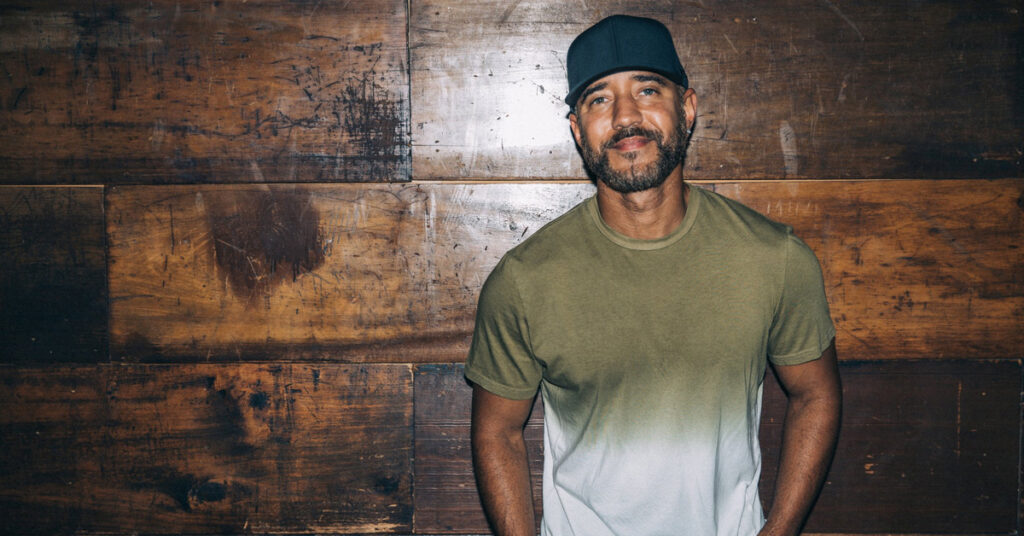
How to Sleep Smarter | with Shawn Stevenson
Stop wearing your 'Sleep Deprivation Badge of Honor' to the office every morning and instead learn how to get the most restful sleep of your life.
Let's create things that matter. Together.

Picture this…it’s maybe a month or two before your next hiatus between shows. You can see the light at the end of the tunnel, and you can’t wait to catch up on the million-and-a-half things that aren’t related to your current job. Things I think of as “Life management.”
– Unpaid bills (and laundry)
– Cleaning and organizing your closet
– Sending outreach emails and setting up networking lunches
– Going to networking events
– FINALLY putting together that diet & exercise routine (that you promise to stick to this time)
But then when hiatus comes one of two things happens:
Luckily this habit pattern is reversible if you take some simple steps to plan ahead before your next hiatus and become more mindful of what’s stopping you from getting things done. And that’s just what I discuss in today’s interview with film & television editor Debby Germino.
Debby Germino has worked on numerous television series such as Fargo, Agents of SHIELD, Genius, and the Netflix original feature XOXO. She has also trained for and run multiple triathlons, endurances races, and last November she finished her very first Tough Mudder. Debby is also passionate about her mindfulness practice as well as sharing strategies to become a more balanced, happier, and more mindful editor at her blog Happiness In Training, all of which we discuss in detail in this episode.
Debby moved to Los Angeles in 2001 and landed her first job at a theatrical marketing agency in Burbank. It was there that she honed her Avid skills and learned the quick pace of trailer editing. But her real passion was to work on longer format editing and storytelling.
She got her first job in television as an assistant editor on Smallville, where she was promoted to editor after two seasons and began her editorial career. Since then she’s worked on numerous television series, including Fargo, Agents of SHIELD, AMC’s The Son, National Geographic’s Genius, and the Netflix Original Feature XOXO.
She has her own Medium publication called Happiness in Training where she writes articles about how to live a happier and more fulfilling life.
When she is not editing or writing, she is busy training for triathlons & endurance races, and practicing mindfulness meditation. She frequently spends her time off in Mammoth with her boyfriend and dog, hiking, snowboarding, and cycling.
Zack Arnold: I’m here today with Debby Germino, who is a film and television editor, an endurance athlete, and a mindfulness student. She’s the writer and publisher of Happiness in Training, which can be found on medium.com And Debbie, you left out. Something very, very important in your introductory bio, which is that you are also a Tough Mudder. How could you leave that out? Like, come on, you and I were in the trenches together, head to toe mud. Like, come on,
Debby: We were, but I’m a novice. That was my first one, and it was only because of you that I got through it, I think.
Zack Arnold: Well, I can tell you that anybody watching from the outside would not have thought you were a novice. You, you did pretty damn well on that race that day, and kudos to you. And I’m very excited to have you on the show today.
Debby: Awesome, I’m very happy to be here. Thank you.
Zack Arnold: So, I want to start by helping people understand a little bit more about Debby. I want to know what it is that you’re working on now, how you got into it, just a little bit clearer picture of your lifestyle as a film and television editor, and then we’re going to start to dive a little bit more into the nuance of what some of the strategies and practices are to help you survive the insanity of being a film and television editor, so let’s just start with telling us, what is it that you’re doing now?
Debby: Right now, I’m working on a show for FX called Fargo.
Zack Arnold: By the way, I love how you say it’s a show for FX called Fargo, like everybody listening doesn’t already know about and watch that show.
Debby: I don’t know, I never assume anyone knows anything. There’s so much content out there these days.
Zack Arnold: Well, you’re very modest. I appreciate that. So, you’re working on Fargo right now. What is some of the other stuff that you’ve worked on in the past, and how long have you been in the post TV film feature editing, whatever industry in general?
Debby: I started, I started about 2005 I think it was. I started on a show called Smallville, and I was an assistant editor there for two seasons, and then I was promoted to editor, and then after that I just sort of, I think, I went on to other shows. I followed some producers there that went on to other shows. I’ve worked on Agents of Shield. I’ve worked on a show called Perception. I’ve worked on, let’s see, National Geographic’s Genius. I did Genius the first season, which was about Albert Einstein, and then the second season was about Picasso. Those were really fun to work on, and then just before this show I start, I worked on a Hulu show called Wu Tang Clan, which was really fun to work on as well, and I’ve done a Netflix movie called XOXO, so I’ve kind of done, I’ve done mostly television, but yeah, I’ve been working, been pretty lucky, been working steadily since, since I began.
Zack Arnold: Now, clearly, you must not listen to the show, because you just made the cardinal sin of using the L word, you, you did not get lucky. I don’t believe in luck. I believe that if you’re crossing the street and you get hit by a bus, yeah, that’s kind of luck. Outside of that, the odds of you having worked consistently in this industry for the last 15 years has anything to do with luck. So, what is it that you think has made you so consistently good at what you do, that you’ve basically been doing it since 2005
Debby: Well, I guess that’s a tough question.
Zack Arnold: You know what, I’m going to rephrase it, because everybody hates that question. If I were to ask one of your colleagues, friends, directors, producers, what makes Debby so good at what she does, then how would you answer that question?
Debby: Well, number one, I enjoy the work, and I enjoy the collaboration, and I try to be pretty, pretty easy to work with in the Bay, you know. I always, I always heard stories about editors who, who would be difficult, and would, you know, argue with, argue with notes or changes or would would would sort of say, oh, that’s never going to work or something, and my attitude is always, well, let me just, let’s just try it, you know, even if it’s in my head thinking that’s never going to work, I’m just going to try it and show them it’s it’s always a lot easier that way, and I think people appreciate it, and you know, and I also try to come with, with ideas too, and I try to always show you know alternate versions of things, or try to anticipate problems that people have, and try to come up with solutions for the problems, you know, rather than just saying, oh, well, this isn’t working, and blah blah blah. I try to, you know, kind of have an idea about what we could do to fix, you know, whether it’s a script problem or, you know, something was directed wrong, or there the acting wasn’t up to par, or something, you know, I try. To just sort of offer solutions rather than just sort of, you know, not giving, not giving any kind of answers to people’s,
Zack Arnold: Yeah, and I would put all this in the category of soft skills, which are the skills that are certainly, if not taught at all, much less taught in our industry, where really everyone focuses on either learning the tools themselves, learning the organization, or learning story, but all of which are still pretty much the hard skills of being an editor. However, being great in the room and being able to manage a room is a much softer skill that I feel that very few people focus on or see as important as the hard skills of being a storyteller or being a technician. So, I’m curious, and it sounds.. I mean, there’s no doubt in my mind. And you and I have never worked together before. We’ve never shared a wall. I’ve never seen anything that you’ve cut, other than maybe by default, not realizing a few of the episodes of Fargo might have been yours, but I haven’t done a deep dive into analyzing your editorial choices and your storytelling skills, but just based on your resume and based on the consistency of it, I can already say I feel very confident about the fact that you must be very, very good in the room. Would you agree with that?
Debby: In the room, meaning like with the producer and working with working with the producer or director.
Zack Arnold: Yes, the collaborative process, being able to manage a room and being good in the room when you’re dealing with collaborators.
Debby: Yeah, it’s been.. it’s definitely been a skill that I’ve.. I’ve kind of tried to develop over the years, and I had a really great teacher who was my editor when I, when I was assistant editing on Smallville, the editor that I worked for, her name was Andy Armaganian, and she was fantastic. And this was back – people probably won’t believe this – but at that time we edited, actually, Andy and I shared an office, so we had one Avid, and we shared it, and so I sat, so for me it was great learning, because I sat in the room all day with her while she cut dailies, and when the producers would come in, I was in the room to hear everything, and I would take notes for her while we went through, while she went through the cut, and so I learned kind of how that interaction should go, and she was fantastic. I mean, she was great in the room with the producers, she knew how to, she knew how to talk to them, she knew how to show them, and she was very good at what she did, and she was very able to sort of execute notes while keeping conversation going, keeping people comfortable, sort of. She just had had a good charm to her, and so that’s kind of where I learned, and so I tried to pick up these skills from her, and just sort of, I mean, I am not charming and friendly as much as she is, but that’s where I learned it and tried to kind of develop those things and make it into my own, where that I was comfortable with, but that’s where I kind of learned these skills, and unfortunately today I feel like assistants don’t get that opportunity, you know, we’re never in another room with another editor to see how anyone else works with producers, and to see how people respond, and I think it, you know, it kind of sucks that we don’t, we don’t ever get that feedback of to know how other editors are with producers, or how, you know, what producers like, or how they, you know, like to communicate, we just, we never get that feedback. So I feel really lucky that I had that experience early on in my career to kind of know, you know, how you should act with with producers and directors, and how you can make them comfortable and make them, you know, enjoy working with you.
Zack Arnold: Yeah, I feel like that mentor mentee relationship is all but gone nowadays, and I think that what you were experiencing was probably a holdover to the film days, where in the film days the assistant just sat behind the editor and handed them trims and bins, and they were essentially the human version of the Avid that was organizing everything for them, so they could just focus on the timeline, so to speak, and nowadays I hear so many assistant editors, and I have this complaint as well, even working with my own assistants, where they say that there’s no alignment between the work that I’m actually doing and the work that I want to be doing, because I’m a data technician, I process dailies, and I do outputs and turnovers and lists and time code and EDL managers, and none of which makes an assistant editor better at editing, and if you want to be better at editing, you have to edit, which you have to do off hours, which, by the way, the union tells you, test, test, you shouldn’t be doing, because it’s not part of your job. Well, then, how the hell do I grow, right?
Debby: Yeah,
Zack Arnold: So I could seriously, I could go on for an entire four-part series of. One hour episodes about this topic will not do that. I’m gonna leave that soap box in another room, but on a total side note, How the hell did you get your work done if you only had one Avid?
Debby: Yeah, exactly.
Zack Arnold: When did you actually do it? Did you just come in before or after? Like, how do you share? There’s no way you could ever do that in our world nowadays, but I’m curious, how you did that.
Debby: Yeah, I mean, essentially she would cut during the day, and then she’d, you know, she’d be done. I don’t know, she’d try to finish as quickly as she could, because she knew I had to get on to sound design, you know. She let me do sound design and music for all the shows, so yeah, she would, she would cut as quick as she could, and turn the machine over to me when she was done, and yeah, we, we literally just had to do that, and there were days, like, you know, she’d have to get off the system if I had to, you know, cut in visual effects, or if I had to, you know, do some EDL, or an output, or something, and she’d have to get off the system, and you know, so that’s how we did it. It’s crazy to me that that it was actually done that way, and it was normal to me at the time.
Zack Arnold: Just for point of reference, your shows did air, right?
Debby: They did.
Zack Arnold: I just want to point that out to anybody listening, specifically producers or executives. 15 years ago, just 15 years ago, when it was digital post production, an editor and an avid were sharing, and it still got on the air. So, wherever the volume of work came from in the last 15 years, where instead of two people sharing an avid for 12 hours a day, you now need one person on it for 12 hours a day and another person on it for 12 hours a day, for a grand total of 24 hours in a day of being on an avid with one team, there’s some disconnect there, just saying, not going to go too deep into any of that, but it’s a fun little tangent, and I’m just going to throw that out there for anybody listening, so what I want to talk about next is this idea that being great in the room, managing people, being able to manage the anxieties that we deal with in our job. That’s my.. I’m guessing that’s something that you just weren’t inherently born with as a skill, correct?
Debby: Absolutely not.
Zack Arnold: No. So, I’m guessing that at some point there was a moment when you realized, huh, I’m going to have to find some way to survive the brutality of this industry, the hours and the stress and the anxiety, and all the mental health issues, and the physical health issues. So, was there a point at which you kind of had this aha realization that I think I might have to find a better way to deal with this?
Debby: Yes, for sure. For me, it was, it was actually probably about five years ago that I read the book, The Four Hour Work Week, by Tim Ferriss, and it talked about it, made me realize that the model that we have for working really hard while we’re young and saving up all our money, so that we could retire at 65 or 70, and then start enjoying life, was just an absurd model. Like, it’s just like, why would anyone buy into that? And that was just reading that book really hit home for me that, like, wow, that is really dumb. Why are we, why are we doing this? And it opened my eyes to actually see, okay, there’s there are other options here. We don’t have to like kill ourselves to enjoy life later, like life is here now, we need to enjoy it now, and so it was at that point where I started, I started researching about happiness, I started reading about the science behind happiness, and it was at that point I think I started, I discovered Gretchen Rubin, who I know you’ve had on the podcast, which was a great interview. I discovered Dan Harris, who has a podcast called 10% Happier, and I think it was also around that time that I found you and your podcast, which I think Ben was fitness and post, and I just started trying to implement these other things into my life, which I, at the time, I was already into health and fitness, and I was already kind of into exercise and working out and training for marathons and triathlons, but you know, there were, there were all these, like you said, all these issues coming up about, you know, just working too much, and like work wasn’t the only thing in life, I had to, you know, there had to be other things, and so that’s when I really started kind of researching this stuff and looking into it, and then at this, at the time, I, you know, I felt like I wanted to do more as. Much as I loved editing, it wasn’t. I felt like there was more I wanted, you know, some more fulfillment in my life. And I think it was at that time I started, I started writing about the stuff that I was learning about, and I started writing articles about happiness, and kind of trying to address some of these issues, some of the issues that you were talking about that at the time, too, the whole, you know, work-life balance, and how to deal with, especially in our industry, how to deal with being a freelance employee and being on a project to project basis, and always feeling like, you know, when you’re working, you’re just waiting till you’re on hiatus, and when you’re on hiatus, you’re just looking for your next job, and so it just felt like you were never.. it was always you are.. it was always like, well, I’ll be happy when you know, and when, whenever, whatever, that when was like, I’ll be happy when I get a job, or I’ll be happy when I’m off, and then I have time off to myself, and we were just never, we’re never happy in the moment, and so that’s when I really, I started getting into mindfulness and meditation, and really just understanding that, you know, life is here now, and we have to enjoy it while it’s in front of us.
Zack Arnold: Yeah, that doesn’t really apply to film editors, though, right? Only TV editors. We just need to get the work done, and then the union tells us that we’re getting a good amount putting towards our pension, so then when we get our pension, then that’s when we’re supposed to start living life. Clearly, I’ve got it all wrong.
Debby: Exactly
Zack Arnold: Right,
Debby: Exactly,
Zack Arnold: Because the hiatus just never comes ever, right? I hear. Oh my god, I hear this all the time. I just had this conversation on a coaching call this morning, where somebody says, yeah, I wanted to do this and that and the other thing, but you know, I just, I’m just gonna have to wait until the hiatus comes in, then I can get started.
Debby: Yeah,
Zack Arnold: But then I’ll have people. It’s just, it’s so funny if I could just play all of these calls together. You hear the these competing viewpoints where somebody says, well, I can’t focus on my health or my well-being, because hiatus needs to come first. And then I have people that will come to my calls that are maybe doing introductory calls that haven’t signed up yet, and they’ll say, well, I really want to get into health and fitness and well-being, and I want to start taking care of myself, but I can’t, because I’m looking for work right now, so I’m going to really focus on the stuff when I have the stability of my next job. Well, what is it, right? Like, which one is it going to be? We get in this endless cycle where we think that we’re going to take care of ourselves when that next hiatus comes, but there’s no way that there’s time to do that, because when the next hiatus comes, then we need to find the next job, and it’s just this vicious cycle that comes over and over and over, and the only time to start doing this stuff is now.
Debby: Exactly, it becomes an endless rat race, right? Like, we’re just in this cycle of, like, well, you know, when this comes and I’ll have time, and it’s like, no, you’ve, we’ve got to do it now. And the thing with, like, the thing that I’ve discovered is that work-life balance is is not about having everything equal at the same time, you know, it’s about figuring out what needs priority, but also keeping everything else in place, you know, while, while certain things will take priority and will require more of your time at certain times, but all those other things, all those other facets of life that need to be managed, they still have their place, and it’s just about shifting around the quantity of time in each one of those little facets.
Zack Arnold: Yeah, I think a big fallacy when using the term work-life balance is you picture a scale and everything is equally balanced. Well, my health is balanced with my family time, which is balanced with my work time, which is balanced with my meditation time, which is balanced with me, you know, doing my mindful walking practice, which is balanced with me dieting. Guess what, there’s only 24 hours, right? There’s only so much time in the day. Balance is never going to occur with the amount of external and internal responsibilities and expectations that we have. So, the term that I have been using, and I actually do an entire podcast about this, I think I did it a year or two ago, and I can put a link to the show notes for for this episode, but what I talk about is work-life presence, so it’s not about do I have everything balanced, it’s am I present with the things that I am doing, and like you said, are they prioritized accordingly. So if I’m working on a show, like I just got off of finishing Coy, which is going to be timely for our conversation coming up, but I went through this transition period, where, and this is something I talked about with Walter Murch a couple of years ago as well, where it’s kind of like you have the hiatus flu, you just don’t feel like yourself, and he equates it to being on a cruise ship for months, and then you get on land, you’re like, whoa, this feels really weird, like. Having all this free time all of a sudden is overwhelming, and like, oh my god, what do I do with all this? And I’m exhausted, and I don’t feel like cleaning out the closets that I’ve had on my list for nine months, or going to the gym five days a week. Like, all I want to do is flip and watch Netflix and sleep all day long, right? And that’s because we put all of this stuff aside because it was work, work, work, work, work, but like, for me, I know that if I’m going to be on a show for four or five months, that most of my presence is going to be towards that show, being creative for that show and putting my time there, but also knowing that even though on the scales the number of hours with family is less, I need to be equally present with them, because that’s still important, but then there are other areas of presence when it comes to the website, when it comes to the podcast with blog articles, those things just aren’t going to happen. So, what I will do is I will plan in advance, and I will bulk process them, so to the outside world they’re thinking, oh my god, he’s on Cobra Kai, and he’s training for Ninja Warrior, and he’s doing podcasts. How is all this possible? Well, it’s not. I don’t want to set an unrealistic expectation. It’s because I very, very strategically plan my time, so I can bulk process the things that I don’t have time to be intentional for. So, my ninja training, the quantity of it goes down, the quality does not, but the quantity goes down. I do almost nothing website related, and all of that was done beforehand, and all of my energy creatively is going into editing the show, but I make sure enough physical energy is left over for my family. But then, when the hiatus comes, oh boy, like you want to talk about a transition period. All I want to do for the first week is nothing, absolutely nothing. And as I was reading one of your articles, you said when I go through the transitional period, I basically block off a week on my calendar and it’s for Netflix and napping. I’m like, oh my god, we are just like you and I are kindred spirits. So talk to me a little bit more about this process of the transition.
Debby: Absolutely, yeah, it’s been.. it was a real struggle for me. I mean, I remember when I first started in this business, and you know, on that first job of Smallville, and I.. I was.. I’m going to say it again, the L word.. I was lucky to be on Smallville, because at that time it was a show that was pretty much guaranteed to get picked up, and I was able to, you know, know that, okay, I have a hiatus, and I’m going to be off for like two months, and then we’re going to start up again, so I didn’t really have to look for a new job, I kind of, and I didn’t know that this was rare at that time,
Zack Arnold: That’s the holy grail, that’s not rare, I mean, that is like everybody wants that, and it doesn’t exist anymore,
Debby: it doesn’t exist anymore, but at that time I did not handle that well at all, I, I freaked out when I was on hiatus, and everyone would tell me, oh, you’re so lucky, you know. You know, my friends that had steady jobs, they’d say, ‘Oh, you’re so lucky, you don’t have, you don’t have to go to work, you have like a couple months off, that’s amazing. And I’d say, ‘But I’m not getting paid, and and I would just freak out, like I didn’t have.. I felt like my identity was gone because I didn’t have a job to go to every day, and I just felt like, oh my god, what is what is my worth? It was, it was a struggle for me for many years, and I, over these years, I have learned how to deal with it better, and I have learned that one thing that I do is keeping a routine, like keeping my same routine, you know. A lot of people I know, a lot of people, you know, go on hiatus and they’re just like, oh, I’m sleeping all day and I’m just like wasting my time, and you know, and for me it’s more about, okay, I have a routine in the morning, I exercise pretty much every day. I have a meditation that I do in the morning, and I keep these certain routines, you know. I still eat the same way, I still, you know, I try to eat healthy, and I try not to change those things, because those are the foundation of my happiness, really, and so, whether it’s, you know, whether I have a job to go to or not, it is still these are the things that keep me happy and keep me focused. So, those are the kind of things that you have to keep in place, even when your, your routine shifts.
Zack Arnold: So, walk me through, then just a little bit more detail, what it is that’s fixed for you versus what’s interchangeable based on whether or not you’re working. Everybody in this show that listens to it, I know they love detail because they email me wanting to ask more questions all the time. So give me a little bit more detail what your day or your week looks like from a habit. Perspective. No matter whether you’re working or not.
Debby: Okay, so basically I’m pretty strict with my eating. I guess it’ll, I guess it would be my eating, my exercise, my sleep, and my meditation. Those are kind of the four things that I don’t really let change whether I’m working or not, and so that for me means I wake up anywhere between 430 and 530 every day. I start my day with either, depending on if I’m training for an event or if I’m, or if I’m in between events, I start my day with some sort of exercise, whether it’s swimming, biking, running, strength, yoga, one of those things, and then I usually, before that, I do a meditation. It’s kind of the first thing that I do in the morning, and then I go and I do whatever practice, whatever training I have, and then I basically go to bed, usually between nine and 10 every night, because I’ve learned that sleep is vital. There’s really no substitute for sleep, and when I don’t get between six and a half to seven and a half or eight hours of sleep a night, everything suffers, my mood suffers, my energy suffers, my creativity suffers, my productivity suffers, all of it. So that’s really those are non-negotiables for me, along with my eating. I pretty much make all my meals every day, I go to the farmers market every week and get my food from the farmers market, so I have food for the week, and I prepare it when I’m working. I pro, I bring my lunch to work every day, I bring, if I, if necessary, I bring my breakfast and or dinner to work, and I just have to plan ahead. So, those are kind of the non-negotiables, as far as whether I’m working or not. Those are the things that I have to keep in place and make sure that you know these are the things that are going to keep me balanced and and happy.
Zack Arnold: Well, now the big overarching question that I have, and I can guarantee everybody listening has the same question, yeah, but how, like, what? How are you doing that? Let’s break this down, so it’s not quite so overwhelming for you. First question, speaking of when you wake up in the mornings, are you naturally wired that way? Is that your natural circadian rhythm, that even without an alarm clock, you’d pretty much be up at about 430 to 530 in the morning, and go to bed at nine or 10.
Debby: At this point, yes, I was not always that way. Certainly, I’ve been training for triathlon, I think, since 2011 is when I started, and that was just what I had to do to fit it all in, and now I’m, I was really strict with, like, the 4:30am and I would have to set my alarm, and I would have to get up at that time to fit it all in, and through the years I’ve learned that sometimes sleep is more important, and I kind of, I went through, I went through periods of burnout and injury and sickness, where I had to really recalibrate things and figure things out in a different way, so I know that sleep is more important, and so I don’t have to set my alarm as much anymore, and I allow myself to just sort of wake up naturally, and there are days when you know 6am rolls around and I’m getting out of bed, it just sort of fluctuates, but I’m learning, I’ve learned to be a little more flexible, that’s where like the flexibility comes in, and you know, I have to respond to what my body wants and what my body is telling me,
Zack Arnold: So then the next follow up I have understanding that you’ve kind of reset your circadian rhythms based on necessity, which was I need this time in the morning to do the triathlon training. This is a very common story for anybody that’s into triathlons or long distance endurance events. The volume of training that you have to put in, it’s not like you can just do a few hours a week at the gym, you have to do hours and hours of putting in the miles, so to speak, whether that’s miles on the bike, miles running, or miles in the water, there’s no real other way to train for that and get ready for it. So you need extra hours in the day. So it’s very common for triathletes to just wake up, like you said, at 430 in the morning. The big question I have for you is, when you don’t have all of the constraints in your calendar, so for example, the way that you could reason this is, well, I’m not working right now, so if I don’t have a job during the day, I can still do my training at like nine in the morning. Why are you not just waking up at eight instead?
Debby: Because I’ve also learned that. I’ve, I’ve now sort of conditioned myself to be a morning workout person, and I know that if it’s not something that I do first thing in the morning, and granted, when I, when I am off and I’m like on hiatus and don’t have a job to go to, it will, I will be a little more flexible, and you know, maybe I don’t run until seven or something, or maybe I’ll take a little more time. I’ll do a longer meditation before I go on my whatever training I’m doing, so there is some flexibility there when I’m not, but I don’t, I don’t prolong it. I don’t say, like, oh, I’ll just do it later, because I know later will never happen.
Zack Arnold: Yeah, later is a mystical land where all human productivity is stored. It doesn’t exist, but I think that I think flexibility is so key, because it’s one thing to say, oh, well, when I was working, I was waking up at 430 and I was already doing intense exercise at 530 and I’ve slept in, and it’s 545 Ah, screw it. Fine. I just.. I guess I’m not exercising today, but it sounds like for you the flexibility is in time, but not so much flexibility with the routine.
Debby: Exactly, that’s exactly what it is. For example, like this past week I was in editor’s cut, and I was, you know, working really hard to get my cut done, and I knew I needed more time at work. Also, the problem with me is like the morning is like best for everything, like I’m best at training in the morning, I’m best when I meditate in the morning, I’m best, my creativity is the best, and it’s like the morning’s only so long, right? So, so all these things can’t fit in the morning, but so last week when I had to, when I needed more creative time and more productive time at work, I wanted to get there earlier, and so rather than saying, okay, I’m just screw exercise this week, no, I still did my routine, but I just shortened it, you know. I shortened it on on the days, you know, when I needed to get in there or get into the office early and just get a good jump start on the day. I just, you know, I didn’t do my back to back classes that I do, and I didn’t, you know, I didn’t do the full, you know, hour and a half run than I normally do. I just, you know, I cut everything back, but I still did something.
Zack Arnold: Yes, that’s the key, that’s the bumper sticker. I still did something right, because I think it’s so easy, specifically if we’re going to go back to this idea of Gretchen Rubin’s four tendencies, which I will talk about until the ends of time with anybody, because it’s just revelatory, and it just changes everything, right. It’s I introduce it in week two of my coaching program, and everybody just comes to the call, and they’re like, oh my god, my life makes sense now, right. So it’s an amazing experience, but I think talking about this idea of the tendencies, for anybody that hasn’t listened, I will put a link in the show notes to her interview, but there are a lot of questioners that end up doing what we do for a living, because the better you are questioning assumptions and finding better ways to do things, the better you are as a storyteller. So it’s a very natural connection between the two. However, one of the detriments of being a questioner is analysis paralysis, so it’s very easy to think, well, yes, my routine says I’m supposed to get up at this time, and I’m supposed to run for 90 minutes, or bike, or swim, or whatever it is, but there’s not as much benefit to doing it for 30 minutes, therefore I’m just not going to do it at all, because, of course, there’s more benefit to sitting around and sleeping in and doing nothing, right, but it’s very much this all or nothing approach, and that’s also kind of the way that our culture is nowadays, where either you’re not exercising or you’re doing exercise six days a week for 90 days to burn all of your body fat, but where’s the middle ground, and the middle ground is you just need to do something, and I think that the way that you have your morning structured is making sure that you do something, but there’s enough flexibility accordion style based on the needs of whether or not you have a job or what your other goals are at the time. So now the big question is, How in the world do you go to bed at eight, 910, o’clock at night when you’re editing a TV series? How is that even possible?
Debby: I don’t know, I mean, I’m exhausted. I’m exhausted at the end of the day, you know? I mean, I, I fall asleep really easily at night. I also, I’m very careful to limit my blue light. I have Iris on the soft software program that limits your blue light on my computer at work, and so I’m just, I’m very careful with my sleep routine, and I just sort of, you know, I try not to eat dinner too late, but yeah, I just, I’m able to sleep really easily at night, so when my head hits the pillow, I’m. Asleep minutes later, I mean, I literally, because I have the Aura Ring that tells me my latency, how quickly I fall asleep, and it’s like between three and five minutes every night.
Zack Arnold: Wow. Well, massive, massive shameless plug. I’m going to put show notes for Iris, because I did a podcast with the creator of the Iris software. I’m going to put links in the show notes for the Aura Ring, because I talked with one of the top product developers at Aura, and I’m also going to put a link in the podcast to my interview with Sean Stevenson, where he talks all about simple actions that you can take to improve the quality and quantity of your sleep. So I’m going to just just put a whole smattering of things that are going to help answer any follow-up questions the audience may have about that, but I guess the larger question that I still want an answer to is not so much how do you literally fall asleep at eight or nine or 10 o’clock. How do you have all of your work done to be home in time to do that on a regular basis when you’re on a show?
Debby: Well, it’s pretty consistent. I will admit that Friday night I was there till 1130 so I did not quite make my bedtime, but I, for the most part, yeah, I, I like I said, I start early. If I, you know, if I know I have a lot of work to do, I start early. I’ve been lucky not to have a lot of producers that like to work late, which I know is just sort of, you can’t, if, if that happens, you can’t really, there’s not a lot to do, though. I, you know, I do kind of say there are times when I’ve said to producers, like, hey, I, you know, I’m sort of at the end of my rope here, and I can’t, and I, you know, I have a dog to get home to, and I can’t work really late. I’ve had to do that a couple times. It’s not, you know, it’s not easy, but for the most part, you know, I don’t. I just sort of get my work done. I work in time blocks, so, which I know you talk about,
Zack Arnold: I was gonna say, insert five more shameless plugs here,
Debby: Yeah, yeah, and that, I mean, that’s huge for me, like, I just, I keep that, I keep to that as consistently as I can, and that really, I mean, I find that so effective for my productivity is just working in time blocks, I work 48 minutes, and then I take a 10 minute walk, and I do that throughout the day. Obviously, when I’m working with producers, that I can’t adhere to that, but you know, I find most of the time producers don’t like to sit in the room that long, or at least most of the ones that I work with recently, they’re always very, very busy, and don’t have a lot of time, so they generally sit in the room, and you know, give notes, and then go away. So, again, you know, the time blocks is huge. It’s, it’s like I feel like it’s made my productivity so much more efficient, kind of generally what I, what I do, and I, you know, I just try to, I try to get out as quick as I can.
Zack Arnold: I don’t think that my parents have ever mentioned to me that I have a twin sister separated at birth, but I’m starting to wonder, because it’s getting eerie, how similar our processes are, and I didn’t know any of this going into this, this call, by the way, so I don’t want the audience to think I had some ulterior motive, and it’s funny if we think about how you and I actually found each other, so to speak. Do you remember the first time we actually met?
Debby: I believe it was at Calabasas High School track.
Zack Arnold: It was, I just showed up one morning, I had sent out an email saying anybody that wants to go run around in circles and get sweaty, show up, and there’s Debby with like 10 other people, and it’s like, “Hey, nice to meet you, and that was it.
Debby: Yeah,
Zack Arnold: Little did you know that I was going to get you here at some point, or maybe you did, and this is all part of the grand plan. I’m not sure.
Debby: No, never would I have thought in a million years,
Zack Arnold: But I think it’s funny. I’m going back to this idea of doing all the triathlon training. One of the questions that I had asked you right before we were officially recording on the show, I said to you, which terrifies you more, the starting line of a Tough Mudder or recording the show today? And what was your response?
Debby: Oh, this show, absolutely, hands down.
Zack Arnold: And do you remember why you said that,
Debby: Because I don’t talk,
Zack Arnold: The key was you said because the other one I do more often,
Debby: Exactly right,
Zack Arnold: Maybe not Tough Mudder specifically, but when it comes to events, you’ve been doing these really hard endurance events for years, though the only real component of this that you weren’t as familiar with was swinging on rings, and you know, going through tunnels covered in mud and whatnot, but as far as the mentality of having to or endure something difficult, you’ve, you’re, you’ve kind of been there, done that for almost a decade now, right? So it’s all about doing something consistently, so you can become more. Comfortable with it, and it doesn’t scare you as much.
Debby: Yeah,
Zack Arnold: So all that to segue to my next question, which is all of these things about your morning routines, your evening routines, your time blocking – all this is fantastic, but there’s no way I can do all of that. It’s just too much. I just don’t know where to get started, and I’m totally overwhelmed. So, let’s say that we’re talking to somebody right now that is saying I’m about to finish my current job. I’m not sure if I have another job or not, but I know that most likely I have at least a month or two where I’m going to have to find some semblance of a structure to my life. I’m horrible at structure if somebody else doesn’t give it to me. Where do I start?
Debby: Yeah, yeah, yeah. Great question. I think it’s about initially finding, finding a routine, keeping with, keeping with the routine that you had when you were working, but in that first, you know, when you have that, that first week, when once you finish a job, we always think we’re going to be gung ho, and be like, oh, I can’t wait. I have all this stuff, this huge list of stuff that I want to get done, and I’m going to have all this time to be able to do it. And then it happens, and we freeze up, or at least I’ll speak for myself, I freeze up, and I’m just like, I feel like I’m paralyzed, like, oh my god, this is what I’ve been waiting for. Why am I so scared? Why is there, like, all this anxiety coming up? And I’ve just found that, like, these transitions, it’s just all it is, is it’s change, right? And as humans, we’re not used to change, we don’t like change, we, it makes us nervous, it makes us fearful, it gives us anxiety. So, when, when we enter into change, we kind of, you know, it’s like that fight or flight, you know, you kind of, or freeze, and sometimes you freeze, and and you just end up like numbing out and watching Netflix all day. Well, so what I’ve done is sort of figured out. Okay, well, let’s build that in. You know, I know what’s coming. I know the anxiety is coming. I know the fear is coming. There’s a change in my routine. I don’t know what’s ahead. I don’t know what job might be coming up next. So build in some time to allow that fear and that anxiety to be okay, like just be okay with it, and you know, give yourself some time, so allow yourself to, to sleep in a little bit later, and allow yourself to, you know, maybe watch Netflix for, for a day or two, and sort of build in that routine where you can allow yourself the fear and don’t beat yourself up about it, and so that’s that’s what it is. It’s like finding that self-compassion and not beating yourself up when you waste some time watching Netflix, and what I like to do is think of one thing, so one thing that day, like, okay, I’m going to send one email today to network for next for a new job, and then once you get that done, then you can go do your Netflix, or you can, you know, just, you know, waste the rest of the day, but then at least you’ve checked something off the box, you’ve done something, and then you can, you know, it’s a way to sort of ease into that anxiety, give yourself the idea that you’ve completed something, and then you can, you know, and then you can let yourself off the hook a little bit, and not be so, you know, self-deprecating when you end up, you know, freezing and wasting the day, or suppose, you know, quote, wasting the day, you can, you can allow yourself build in time for that.
Zack Arnold: Yeah, I think that all of this is absolutely key, and I think that if, if I were going to have one giant flashing neon light that has one word on it, it’s acceptance, and I think you’ve already alluded to this. You just have to accept the fact that there’s going to be a transition period. You have to plan for it. One of the terms that you used in one of your articles, that you, when you were talking about this transition, which I love, which I know so many people will identify with it’s this idea that you become an expert procrastinator, I never heard that term before, but I love that, an expert procrastinator, and I’m right there with you too, and one of the processes that I go through that I think is similar to accepting the transition, in my mind the term that I use is I just got to get this out of my system, right? I desperately just want to sit and veg out and do nothing. So, there’s two ways that I can go about it. Either I can desperately fight against that, and I can kind of half-ass write the emails, or write an article, or do whatever I need to do that makes me feel productive, or clean the closet, whatever it might be. Always thinking, oh God, this is really hard. I really don’t want to be doing this. I just want to watch TV, right? The other side of it is I allow myself a very specific amount of time, so I’ll say, you know what, for the next week, other than whatever the most important obligations are in my calendar that I’ve already created as commitments, I have no other commitments other than I’m going to do nothing and get this crap out of my system, right. So, for me, it was a little bit more sporadic than having one week broken up, but I’m sure you can relate to this as well. At least from the editor perspective, you get to the point where once you lock picture on the end of a show, you kind of don’t have to come in that much, but you’re still kind of needed to come in, if there’s like a fix here, you have to be on whatever it is, so you can’t just disconnect and turn off your phone and your email and like become a hermit, right? So for me that period was two weeks, so I said that for these two weeks there are some things that I want to get done that are life management related, but they were pretty small things, just like you know I need to get this taken care of, or that taken care of, whatever it was, but it didn’t take a lot of energy, it was just kind of, you know, low energy busy work, and then that was coupled with me watching copious amounts of The Office, but I wasn’t, I didn’t feel guilty about it, because I’m looking at months and months of months in front of me of productivity that I already have mapped out on my calendar, and I’m just as intentional or present this idea of work-life presence. The thing I’m being most present about is doing absolutely nothing. Well, it seems like that would be a waste of time, but that has given me so much more energy, and it’s like, as soon as I got that out of my system, it’s like somebody turned on a light switch, and oh my god, I can’t turn it off. There’s so much creativity, and I’m back into the routines, but I wouldn’t have this momentum if I hadn’t just given myself that week or week and a half to just watch TV.
Debby: Absolutely, absolutely. And it’s like, you know, it, it all really comes down to self-criticism and self-judgment, and what we’re deeming like productive or not productive, and so for you, you know, you found that two weeks of, you know, being able to, to, you know, take that rest that you need is okay, and you become okay with that, you know. Where we trip up is when we feel like, oh, I, you know, I wasted the day by doing this. Well, no, give you know, if you can give yourself permission, then you don’t have that cycle of self criticism and self judgment, and then you’re just, you know, you’re you’re pouring it on, and then it feels even worse, and that sort of usually sets you back even further, and just makes you want to do less, even more, so it’s about that self judgment and letting go of that.
Zack Arnold: Absolutely, and I think the other key too is like you’ve talked about kind of easing into it slowly, keeping some of the routines that you already have constant, but just accepting this fact that it’s going to take longer to transition into everybody’s thinking to themselves, I’m not exercising at all right now, because I’m quote unquote too busy, and life gets in the way, but as soon as hiatus hits, that’s the time, that’s when I’m going to start px, and I’m gonna exercise six days a week. It’s never gonna happen in that transition, but if you can, so if you find just this one little thing, like you’re talking about, for me it was the same, where my ninja training during co-work, I like, it was not great. I’m not terribly happy with the position that I left myself in, and you’ve talked about this too, where you have this image in your mind of this is where I was in the past, here’s where I am now, but I can’t go back to where I was in the past, there’s some place that I have to get in the future, right, but I knew that during this transitional period I’m not just going to get back to training where I was in August before a co-work, I, and that’s what I would have done in the past. Well, here was my training regimen the day before I started work, therefore that needs to be my training regimen the day after I’m done. Except this time I’m like, screw it, I’m just going to pick one thing that I was doing before, I’m going to do that once a week, for a couple of weeks, then I’m going to add one more day, then I’m going to add one more day, then I’m going to add one more day, and now I’m at the point where I’m almost at the volume and intensity that I was in August, but it’s taken me almost a month to get to that point, but I’m okay with it this time.
Debby: Yeah, we expect so much from ourselves, you know, we expect, we, we think about the past and where we were, and we want to be there, or you know, or we’re imagining the future of some future thing that we should be, and we want to be there. Well, no, we have to start where we are, you know, and recognize that, you know, where we are now is different than where we were in the past, and like you said, you know, you, you can’t expect to just pick up where you left off in August, and your training, you know, you’ve got to, you’ve got to ease back into it, and so that I think you know what you’re doing is is a perfect example of how to ease into that. At and just accept where you are and not expect where you know, not expect your body and your mind to be in that same place, because it’s you’re completely different. It’s just, you know, it’s months later and it’s different.
Zack Arnold: Well, one thing that I will say that I am still very guilty of to this day, maybe even as early as last week, and as I was reading one of your articles, I was like, “Yep, that’s me, and I got to work on that. I want you to tell us a little bit more about the story of this woman that you had reached out to and had spoken to when you were, I believe, at the gym or yoga or something, and were expressing your admiration for how well she’s doing, how much weight she had lost, and her response was, “Yep, I’m getting there, because I am so guilty of this, so talk to me a little bit more about that.
Debby: Yeah, absolutely. I mean, this is just, we’re constantly saying I’ll be happy when you know we’re constantly living in this idea of some future me that’s going to be, you know beautiful and perfect and you know thin or fit or whatever it is that we’re desiring and so yeah it was this woman at the gym who who had really I mean she had transformed herself I’ve been I’ve been taking classes with her for four years and she was not by any means had any much weight to lose, but she had really slimmed down and toned up a lot, and yeah, I commented to her, and she, you know, she said, “Yeah, I’m getting there, and it just, it struck me as like she has no idea, like she looks in the mirror and she does not see the progress she’s made, and I think we all do that, you know. We all, because we’re all living with ourselves every day, and we don’t, we don’t see the progress that we’ve made, and we don’t allow. I think even, even more is, we don’t allow it, you know, because I’ve been there before with my triathlon training, and it, for me, it took me kind of losing it all to see where I once was, and see how the progress that I had made, and so it was, it was that for me. I got, I got really sick a couple years ago, and I kind of had to, I had to stop training, and I had to, it was, you know, it was really hard for me. I kind of lost that whole identity of myself at that point. I realized I started to realize, wow, I really had made a lot of progress, and I really had really transformed my body, and I had, you know, hit certain levels in my training that at that time I didn’t even realize, like, I don’t think I didn’t, I didn’t recognize that, and so it really instilled in me the idea that, like, I need to, I need to pay attention to right now, and I need to honor wherever I am right now, and just accept it and love it. We don’t love where we are now, because we’re so busy thinking about how great we’re going to be later, you know. Once I do all this, and once I get, you know, once I get this great job, and once I lose this weight, and whatever it is we’re thinking about, you know. Well, that’s that’s like what what Pema children says this great thing that she’s a Buddhist American Buddhist nun, and she talks about how self-improvement is sort of a subtle form of aggression towards who we are right now, and it’s so true, like I really realized that, that you know, it’s great. It’s great to want to improve ourselves and get better at things, but where we’re getting tripped up is we’re not accepting that sort of, it’s almost like we’re rejecting who we are right now. We’re saying we’re not good enough, and we’re not enough. No, we’re enough, like everything that we have in ourselves right now in this very moment is enough, and that’s where we, we kind of, we lose it, you know, we forget that, and we don’t, we don’t appreciate that, and so for me, I really feel like it’s about finding, finding gratitude, and, like, you were just saying, acceptance, you know, accepting where you are, and loving that, you know, just, we still, we only have this one moment right now, we only have now, and so we have to find a way to be happy with that,
Zack Arnold: Yeah, and that’s, of course much easier said than done in my mind. I’ve, I’m very guilty of the, I’m getting their response, and I’ve been very aware of it, maybe for the last six months, where, when I’ve said that to people, it almost kind of, it’s like off-putting to them, right. So, what I’ve had to teach myself is to respond with, Thank you, I appreciate. Get you saying that, and that’s been a struggle, because you’re right, like what everybody sees is me right now, and when you compare me right now to me five years ago, pretty drastic transformation. So they are seeing me at this present moment and making a comment about me at the present moment. What I see is the version of me that I’m not compared to who I was supposed to be on this given date, so it’s a matter of well, by this period of time on the calendar, this is how much I was supposed to weigh, these are the skills I was supposed to have, this is how much in my mind I was supposed to be training, but I’m not there, but all everybody else sees is all the work that I have put in, and that’s all about being aware and being in the present moment, which is something that you have spent years cultivating a practice of doing. What I want to leave people with today is one simple small step to get them started with becoming more aware and in the present moment.
Debby: Yeah, that’s great. I love that. Well, I guess if you know, if we’re talking to people who maybe don’t have a meditation practice or don’t do that, I’d say you just sort of start with taking three breaths, just sort of taking three breaths and noticing how your body feels, and it’s going to be really hard, you’re going to think like, even I mean, it sounds really simple, but to actually notice how your body feels while you breathe in and breathe out, like your mind’s already going to be off, you know, you’ll get through an inhale and an exhale, and then your mind is going to be like thinking about dinner, or you know, this is stupid, or it’s gonna, it’s gonna have a thought there, and that’s okay, you know, it’s just about the practice of training your mind and training it to stay present, and it’s the ongoing thing, and so to me, you know, if you wanted to start somewhere really small, it would be, you know, just taking three breaths in the, in the morning, first thing when you wake up, you could do it, when you’re lying in bed, you can do it, you know, you could sit down and do it, but whatever, whatever, and you won’t remember either, if you’re not used to doing this, you have to, you know, you have to practice just even remembering to do it, because it doesn’t come naturally. This is something that we have to train ourselves for, but yeah, I’d say just sort of each morning, maybe just starting the morning with taking three slow breaths, just feeling your inhale and feeling your exhale, and just seeing what you notice. It really is just about being present in that moment, feeling the body sensations, and just feeling the breath coming in and out. That simple thing can actually. it really is profound, because if you have, if you, if you’re someone that wakes up with anxiety or depression, or or any of those things, or just a lot of emotions, just getting into the body can really start to open you up to just sort of see that things are okay, generally, you know, and you can, you can just feel, you can feel how your body responds when you slow down and just breathe,
Zack Arnold: Simple but not easy, right? I think that I think that is a wonderful, wonderful place to start, and beyond that, another step that I want people to hopefully go, and this is going to require a little bit of an on-the-spot commitment from you on the record on the podcast, but as we’ve alluded to very briefly offline, I would like to be able to offer you to people listening as a resource, because I have no doubt in my mind that there are people listening to this interview right now, and they may have whiplash from their head nodding up and down emphatically. Yes. Oh my god, this is me. Yes, yes, yes. And I want them to be able to reach out to you, use you as a resource, and possibly even ask some questions that you and I could answer on a future podcast. So, how do you feel about that?
Debby: That sounds awesome. I would love that. I would love to connect with people out there.
Zack Arnold: Well, for anyone that wants to connect with you, whether it is going to be in a future article that you write, a future podcast you and I record, or if they want to connect with you directly, how can they do so?
Debby: They can do so by, I guess, by email they can email me, or I have.. I’m on Facebook. It’s just Debby Germino on Facebook. They can check out my articles on Medium, which is just medium.com and you can Google or put my name in Debby Germino in. It’s Debby with a Y.
Zack Arnold: Well, on that note, this has been an absolute pleasure geeking out on all the stuff that I love to talk about, and I love talking about it with a fellow editor that has the same lifestyle and understands all the same challenges that we face, and I hope that there are other people that listen today that also felt the same way. So, I cannot thank you enough for prioritizing the time to be present for today’s call. So, thank you so much for being here.
Debby: Thank you for having me. This was a pleasure.
Transcribed by https://otter.ai
This episode was edited by Curtis Fritsch, and the show notes were prepared and published by Glen McNiel. Special thanks to Krystle Penhall and Sarah Furie for helping to spread the love!
The original music in the opening and closing of the show is courtesy of Joe Trapanese (who is quite possibly one of the most talented composers on the face of the planet).
Stop wearing your 'Sleep Deprivation Badge of Honor' to the office every morning and instead learn how to get the most restful sleep of your life.
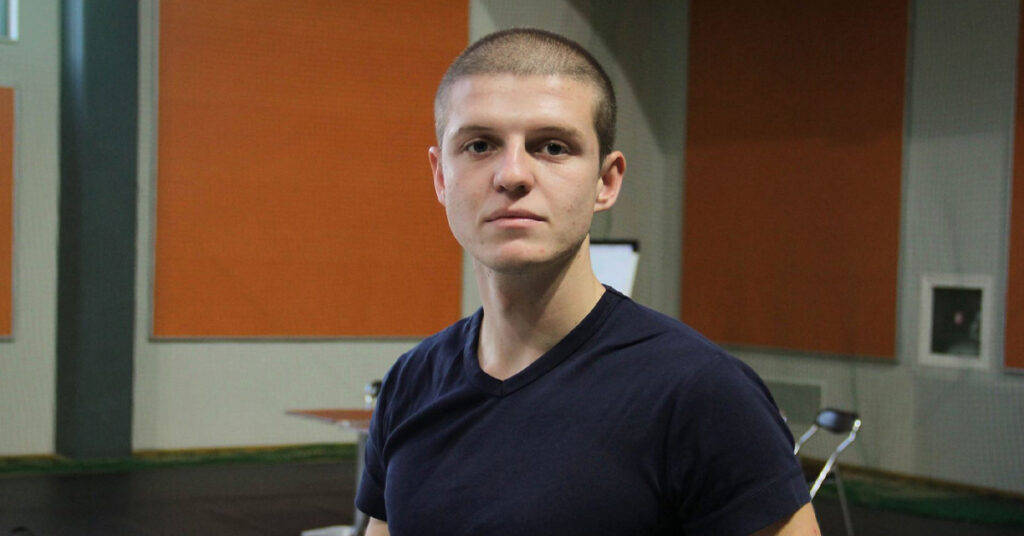
In this episode I chat with Daniel Georgiev, a young but extremely talented computer programmer from Bulgaria who created the software program Iris which is now an indispensable tool in my toolkit.

If you're serious about improving the quality of your sleep, the Oura Ring is the sleep tracker to rule them all. Learn more in this interview.

Gretchen Rubin is a NYT bestselling author who has sold over 3.5 million copies of her books, some of those titles which include Outer Order, Inner Calm, Better Than Before, The Happiness Project, Happier at Home, and the book that we discuss in-depth in today’s conversation: The Four Tendencies.

Learn how to better manage your day, your week, and your life with the most powerful strategy in my productivity toolbox: Time blocking.

Work-life balance is the unicorn we all strive for right? Learn why this is the wrong approach and what to work for instead.