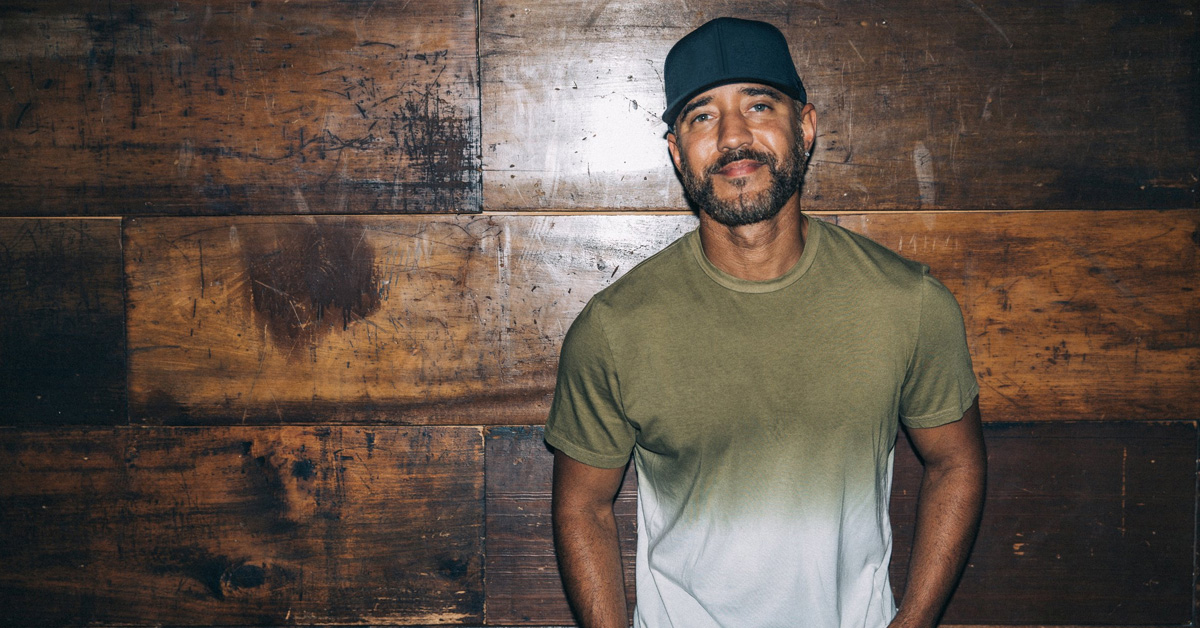
How to Sleep Smarter | with Shawn Stevenson


About Episode
In many creative industries it is not uncommon to wear a ‘Sleep Deprivation Badge of Honor’ to the office every morning and champion how hard you work despite barely getting any sleep. Let me put this simply…this needs to stop. NOW.
There is nothing more detrimental to your energy levels, your productivity, your focus, and your creativity than sleep deprivation. And beyond how poor sleep affects your performance, the long term effects of sleep deprivation are downright terrifying. For example, did you know that if you get less than 6 hours of sleep your cognitive scores and reaction times are equivalent to being legally drunk? And that’s just the beginning (unfortunately it gets WAY worse).
In this episode I have an in-depth conversation about the science of sleep with Shawn Stevenson, author of ‘Sleep Smarter’ as well as the host of “The Model Health Show” which is routinely the #1 health & wellness podcast on iTunes. He’s been featured in Forbes, Fox News, ESPN, The Today Show, Men’s Health, and many other top publications. If you’re interested in taking sleep seriously, Shawn is the guy to help you reach the promise land.
Episode Highlights
- The detrimental effects the sleep deprivation has on your health
- Shawn’s history with degenerative disease and his path to healing
- Prioritizing good sleep above extreme workouts and diets
- The connection between sex and sleep
- The importance of sleep quality over duration
- The effects of working the night shift on your health (hint: It’s not good)
- How looking at a chromosome’s telomeres can tell you how sleep is affecting your lifespan
- Debunking the myths surrounding daylight’s effect on your sleep quality
- The importance of regular exposure to sunlight
- Knowing the balance of cortisol and melatonin in your body
- How exposure to technology affects your sleep quality
- Eliminating white and blue light from your evening routines for better sleep
- How alcohol affects your sleep cycle
Useful Links
About Guest
Shawn Stevenson is a bestselling author and creator of The Model Health Show, featured as the #1 Nutrition and Fitness podcast on iTunes. A graduate of The University of Missouri – St. Louis with a background in biology and kinesiology, Shawn went on to be the founder of Advanced Integrative Health Alliance, a successful company that provides Wellness Services for both individuals and organizations worldwide. Shawn is also a dynamic keynote speaker who has spoken for TEDx, universities, and numerous organizations with outstanding reviews.
Transcript
Zack Arnold: I’m here today with none other than Shawn Stevenson, and for those of you that work in an industry similar to mine, where you are very creative and stuck in a room for long hours, you may not know who Shawn Stevenson is, but you need to, because this guy will systematically fix your life one step at a time, so Shawn, a lot of people say great to have you on the show, that is a massive understatement. I am so full of gratitude and excitement to have you on the other end of my microphone, and the fact that you’re giving me 60 minutes of your day is incredible. So, thank you so much for being here.
Shawn Stevenson: That means everything, Zack. Thank you so much for having me on.
Zack Arnold: I gave a little bit of background about you in the introduction, so people know that you are the real deal. And today’s focus is going to be all about the power of sleep and how it can transform your life. But I don’t just want to jump right into the sleep hacks and all the steps and talking about all the great things that you mentioned in your book. What I want to do first is I want people to really, really understand your story, so they know how you got here. Then the next step is helping them understand why not sleeping is so detrimental to their health, and I might say, well, you know, I don’t want to scare people, but to be honest, I kind of do, because if you don’t get enough sleep in your life, it is terrifying, so first of all, just super brief elevator pitch. How did Sean Stevenson get to be where he is today? And then let’s dig in a little bit deeper into why we’re talking about sleep and why you’re so passionate about it.
Shawn Stevenson: Sure, sure, I would love to, you know, and just to identify with everybody listening, you know, I got a chance to look through your podcast and your brand, and what you’re providing for everybody, and I’m definitely in that guild, you know, I’m in that group of people where, you know, I have multiple businesses running, I have a family, I have, you know, I’m a writer, so I tell people that if you want to kind of mess up your health, the best thing to do is write a book, you know, just kind of being desk bound would be had I not gained this awareness, and constantly on airplanes, flying back and forth across the country, and doing live events, and speaking, I’ve got a lot of things going on, bottom line, and there is a way that we can harness all of these things and leverage them for our good and to have a complete life. You know, I really do feel like we can have it all, but there’s going to be an imbalance somewhere, you know, pretty much all the time, and it’s, it’s this beautiful game of finding how to make this all work together in a cohesive fashion. And so, for me, I got into this field, it was not my intention, I’ll put it like that. Starting off, when I went to college, I did want to go pre-med and become a doctor, because I thought it sounded good. I literally hated science, I hated it with, like, the big capital, like 4h’s I hated it, and it was because.. and I’ve been having this conversation with some amazing physicians lately, the way that I was taught in school, and also an even university setting, it was very external, you know. It didn’t create a visceral connection to me when I’m looking and studying about biology and cells, you know. It was so.. it was like rote memorization. It didn’t really apply to me in my life the way that I communicated and help other people to get connected to this information, so I quickly. Got out of that after I believe it was my second semester, and I shifted gears because I watched this movie starring Eddie Murphy called Boomerang, and he was like in marketing or something. I thought he was super cool, so I got into marketing, you know. And so this is where my influence is coming from. It’s coming from television, not even some people in my life guiding me, but fate had other plans. And long story short, when I was 20 years old, I was, when I was in college, I was diagnosed with something called degenerative bone disease, degenerative disc disease, where the disc between the vertebrae and my spine were deteriorating rapidly to the degree, when I was 20, my physician said that my spine was the spine of an 80 year old person, and so the lifespan at that point, 8080 years old, was, I mean, basically, you know, lifespan is shorter than that, so I’m looking like I’m close to a dead person spine, and man, it’s just kind of even hard to put myself back in those shoes, but I have to do that to express this, I was in a lot of pain, a lot of dysfunction, a lot of depression, because I couldn’t get around very well, and I had a lot of this radiating pain, sciatic pain, shooting down my leg every time I’d stand up, and so I was in fear of even getting up, and my physicians helped to cater to that fear, telling me, “Don’t do anything, be careful, wear this back brace, and they were giving me permission to not do anything, which is one of the worst things you can do with this condition, and so just to kind of summarize this experience, two years went by, I gained a bunch of weight, because just sitting and eating, I call it the tough diet, typical university food, I gained about 50 pounds, I became more and more less mobile, so like my body started to atrophy, and I was on a lot of medications, and just really in a struggling spot, and all of this changed when I got the word from my final physician that I saw. I got, I spoke with five different physicians, but four main ones, and this last guy told me the same story. There’s nothing you can do about this. It’s something you’re going to have to deal with, and you have to live with for the rest of your life. I’m sorry. And I had a choice to make: was I going to buy into what he was telling me, or was I going to do something about it? Because up until that point, I hadn’t done anything except what the doctor told me to do, which was to do nothing and take drugs. And this kind of moment of revelation clicked in, and I just decided to get well, and most people never do that, and I tell people this all the time. Most people make it like, I hope this works, I’ll give this a try, I wish this would change, but they don’t really decide to do anything about it, like I decided that no matter what, I’m going to get better, and that’s a very empowering way to think, but I’m also a very analytical person. It’s not like a magic carpet flew on and like a boo was on the magic carpet and we flew away into the sunset. It’s not like that. I created a plan with structure and backed by science as much as I possibly could as I went along. And so that plan entailed three things, and one of these things we’re going to talk about in depth today. So number one, I changed the way that I was eating, even though my physician told me this had nothing to do with the way that I was eating. I asked the question, What is my spine and discs actually made out of? These sulfur-bearing amino acids, polysaccharides, silica, all these things I’d never heard about in nutrition class or in my biology classes, about making up my own tissues. I wasn’t getting any of these things from the sunny daylight I was drinking every day, you know. So I start to flood my system, my tissues with these raw materials, so my body can rebuild itself. It can’t do the job without these raw materials. That’s part one. Part two was I started to move again. Your body literally requires movement in order to heal itself, and I found studies showing that when you move, you actually assimilate your nutrients better and detoxify waste products better. Third thing, and this was real. This was the real game changer. Was I would change the way that I was sleeping. So, for me, my biggest struggle every day was sleeping because of this pain, and so I medicated myself. I took over the counter and prescription medications to help me to sleep, and it was kind of like this pseudo sleep, because it’s not actually helping to facilitate my body go through normal sleep cycles, which we’ll talk about later, but bottom line is, I felt horrible every day, I was tired, I was dragging through the day, especially in the morning, and here’s the bottom line, for everybody, is that if you’re not sleeping, you’re not healing, this is when your body releases the vast majority of growth hormone, reparative enzymes, all this stuff that builds you up better, and so I was missing on a huge chunk of that every single night, and wondering why I wasn’t getting better. So this is what I did, really quickly, was certain things I was doing during the day started to show up for me when I laid my head down at night. So the bottom line, and kind of what I share in my book, Sleep Smarter, is that a great night of sleep starts the moment you wake up in the morning, so some of the things I changed during the day with my lifestyle helped me to sleep better, and as soon as that happened, it’s like the floodgates open, you know, I lost 28 pounds in six weeks, the pain that I’ve been experiencing for two years was gone, and I became. Kind of revitalized, re-energized human being, eventually getting scans done and seeing that I regenerated the tissue in my spine. My two ruptured discs had retracted on their own, and that was really the birthing of my career. You know, I started to help other people to deal with their health issues as well, open my own practice, wrote books, started a number one podcast, and that’s my story in a nutshell.
Zack Arnold: Well, one of the things that I can say, kind of my own personal experience, and I’m, if somebody else has this experience, I want them to know that I went through the same thing, is that when I first saw you, because you’re pretty big in the health space now, and I saw a picture of Shawn Stevenson, and it’s like super ripped guy, clearly an athlete, and you know, best seller, all this stuff. Well, I just don’t know if I can relate to him on a personal level, because I’m in a very different industry, and I do something very different. But then I started to dig into your story, and I’m like, oh, okay, now I really understand where he came from. And then the thing that really clinched it for me was when I saw that sleep for you was just not another component of a business that teaches health. Sleep is a mission, and as soon as I saw the word mission, I said, “Whatever it takes, I’m getting this guy in the show, because that’s what it is for me. This is all about a revolution. It’s about a mission. It’s not just let’s share this new information. So now I really, really want to dig into what not sleeping is doing to us, because in our culture it is now endemic, and especially in the culture of my industry and other creative industries that are technology based, it’s not that we’re just not sleeping, we’re wearing it as a badge of honor. People are saying that, like, they think they’re better than others because they pull all-nighters and they’re working longer hours, and as soon as you learn from a biological level what that’s doing to your brain, your creativity, and your energy, it’s pretty scary. So, let’s talk about some of the things that are happening when you don’t sleep consistently.
Shawn Stevenson: Got it? Well, everything that I’m going to say is backed by solid science. Tons of research going to these statements that I’m going to make, and so let’s start with the real visceral understanding, because that’s what we want to do, is create a visceral connection to these things, and we all want to look good, even though we might be behind the computer screen, behind the scenes. Everybody wants to look and feel good, and chances are, you know, we’re at a situation now where over 70% of our population right now is clinically obese or overweight, according to the research. Now, that would say that a lot of the people who are going to be taking advantage of this information want to do some changing with their body composition, and so, how do we go about that? Well, we can totally get going and destroying ourselves in the gym, like just kicking our butts all the time in the gym, falling out on the floor. We think we got a good workout, that should help. We also think that, you know, if I go on this next diet and restrict my calories and really watch my diet, watch what I’m eating, that’ll help, so we can get into that stuff, because of our very busy-minded “I’ll sleep when I’m dead” attitude, you know, like this human doing thing, where we’re doing so many things to get something, and it’s difficult for that type of mindset to grasp the real understand the truth that you get more benefit than your diet and your exercise combined by doing absolutely nothing, aka when you’re sleeping, and so the University of Chicago helped to really solidify this statement when they did a study recently, and they had individuals in the study to get on a calorie-restricted diet, and they’re monitoring everything, and they’re getting eight and a half hours of sleep in one phase of the study. Another phase of the study, same exact diet, everything else in their life is the same, but now they sleep-deprive them, they’re only getting five and a half hours of sleep. What they discovered at the end of the study was that when they were getting adequate amounts of sleep, they lost 55% more body fat, 55% more body fat. You cannot get that kind of change from a diet or from exercise unless you literally beat yourself down every day, all days, like you’re training like an athlete for the rest of your life, or you can just sleep better, you know. And so it’s kind of right there in black and white, also research published in multiple different countries, as well as coming and kind of supporting the same thing. It’s not just here in the US, but we’re seeing this across the board in other countries as well that are buying into this kind of westernized, you know, I’ll sleep when I’m dead, beat myself down to the ground, and getting disconnected from what’s real and natural about us as human beings, which sleep is a huge component for literally, and here’s another thing to add on to the mix. Here is our genetic expression. Our sleep quality is one of the biggest things that is an epigenetic influence, epigenetic trigger, which basically what that means is you’re turning on and turning off genes for disease based on the way that you sleep, and so we’ve got the body composition component, we’ve got the genetic component, which should kind of scare you straight when we look at the higher rates of heart disease, diabetes, etc. etc. But another thing that I want to share is, what about our performance, and so there was a physician study done. And this was actually done on physicians for their work performance, and this was published in The Lancet, and so they had the physicians to complete a task, and so you can insert whatever job you’re doing into this, all right, so you complete a task, then they sleep deprived them just for one night, one night of sleep deprivation, and they had them to do the same exact job, the same exact task, and what happened was they made 20% more mistakes, all right, doing the same exact thing they do anyways, 20% more mistakes, and it took them 14% longer to do the same exact thing, so a lot of times we’ll mistake that we’re working more, you know, we’re doing more work, but we’re sacrificing the quality of our work, which leads to us having to work more and to clean up our messes. Also, university research has found that, you know, and this is actually done on university students, that sleep deprivation is a higher indicator of school performance and also the ability to finish classes. So they discovered that sleep deprivation was at or greater to the effects on academic performance as binge drinking and marijuana use. All right, sleep, so sleep deprivation in some cases was even a greater predictor of poor performance. All right, so again, culture, you know, we’re looking at a culture of where workers, where you said it, we’re wearing it’s a badge of honor, you know that we’re kicking ourselves down every single day trying to achieve this kind of prize somewhere off in the distance, and not understanding that we’re sacrificing our quality of life in an outstanding way and not in a good way, and I want to throw one more thing in here, because I just did a show on this recently. The big connection between sleep and sex. So, what was discovered was that there’s two things. Number one, clinically proven one night of sleep deprivation lowers your testosterone by basically 5% each hour you’re missing, all right? And that just stacks up, because this is how your body, literally outside of everything else we know in nature, where your body, your hormonal cycles are lined up with the day, and how the hours go by during the day, each minute changes what your hormones are doing, like a cortisol rhythm, for example, that’s irrelevant when it comes to your testosterone, there are things that you do that elevate your testosterone, and this, for men and women, women need testosterone as well, it’s just a smaller percentage, and so this is for your drive, this is for your motivation, your ability to burn fat optimally, and so you start to dramatically lose your testosterone levels when you’re sleep deprived, and also so that leads to erectile dysfunction. So one study that I talked about in the show showed that just conclusively erectile dysfunction right off the bat, probably the highest cause or highest marker for that is sleep deprivation. And so, instead of us addressing our sleep, we’ll take a pill, you know, we’ll take a pill that comes with the warning of, you know, if you have an erection for four hours, you need to rush over and see me, you know, the doctor, not me, don’t come see me. I don’t, I don’t want to see it, but you got to take into consideration, like, this is very abnormal, you know. We’re taking something to treat a symptom instead of removing the underlying cause, which is optimizing our sleep. So, those are a few things there that should really help to pinpoint just how much our sleep, and specifically our sleep quality, not sleeping more necessarily, and we want to make that clear, but how important it is for so many different areas of our life.
Zack Arnold: Yeah, and I definitely want to get into the idea of quality versus quantity, because that’s certainly a big debate in the sleep sphere, especially with all the biohacking and all the new tricks and gadgets and supplements. So I definitely want to go there later, but before kind of jumping into the solution, the one area I want to dig even deeper, as far as the detriments of sleep, are talking about the restorative powers of sleep for the brain. So, if you could maybe go into the just a very brief explanation of how our lymphatic system works, how the glymphatic system works, and then even more importantly, beyond the restorative powers, as far as memory retention and whatnot, what it’s doing to our telomere length, and for those that don’t know what telomere length is, why they should know, and why they should be really, really concerned.
Shawn Stevenson: Wow, yes. So, this is another great point. I’m glad that you brought this up. So, super fascinating. I just did a show recently, just pinpointing and drilling down on the lymphatic system, and so your lymphatic system is basically like your extracellular waste management system for your body, so like if your house didn’t have a waste management system, stuff would start to get really nasty in your place very quickly, you know, just from like people using the bathroom and things like that, and not having a way for it to get eliminated from your house, that’s what your lymphatic system is doing for you, it’s helping to move metabolic waste around and out of your system, and so your lymphatic system keeps your body healthy. But recently, research discovered that the lymphatic system basically just goes up to your collarbone and then dumps back into your system. Your brain, there’s something called the blood-brain barrier, and your brain doesn’t interact directly. With the lymphatic system, and so they were wondering, like, so, how does your brain detoxify itself? Because it’s building up more metabolic waste than any other part of your body, because it’s doing millions of processes every second, right? So, how’s your brain detoxifying itself? And they discovered something, these glial cells that help to run this process, and now it’s called the glymphatic system that helps to detoxify your brain, and so without this process working, and so this is what is being like the leading thing today that’s starting to be attributed to Alzheimer’s, is an inability of your brain to detoxify itself, right? It’s an inability of your brain to detoxify itself, it’s just building up all of this metabolic waste, and it can’t remove it, and so it’s blocking new cell growth and blocking functions. So, how do we help to support the system? Well, funny enough, your glymphatic system is actually 10 times more active when you’re sleeping than when you’re awake, so your glymphatic system, this is when it’s really kicking into high gear to eliminate all these ways for new cell growth and development of your brain. So, your brain being able to recharge and to come back better is facilitated when you go to sleep, and actually they found that your brain cells will actually shrink by about 60% during sleep to make even more room for these pathways for your, for your brain to detoxify itself. This is how important sleep is for your brain. And then we get in this conversation about brain health related sleep. There’s a part of all these different phases of sleep that we can go through, but one of them is rapid eye movement sleep, or REM sleep, and this is when your brain is this process called memory processing, where the things you’re learning, even right now, in this moment here with Zack and I, gets converted into your short-term memory during REM sleep, and so if that part of your sleep cycle is inhibited, and of course you know we could talk about some things that will gum that up, you’re gonna have less ability to retain your memories and to be able to eventually turn these things into long-term memories, as well, you know, so sleep is a huge component when we talk about anything relating to brain function, more than anything, more than the nutrition, more than exercise, more than you studying more, it’s it’s the sleep quality that actually really determines your, your focus, productivity, your energy, and your memory as well. So, you also mentioned the telomeres. This is really fascinating stuff. And I didn’t know you want to geek out on the show, but I saw I saw that you had Kelly Starrett on here, and I know that he got a little.
Zack Arnold: I love to geek out. My audience knows I do not shy away from the complicated stuff, because this is where the money is. So, let’s just dive right in.
Shawn Stevenson: You got it, you got it. So, actually, cited Kelly in my book, he’s an amazing guy, and he contributed, and I truly, truly appreciate his work. So, telomeres.. this is, this kind of like is one of my favorite things in the world to talk about, because what telomeres are and what they’re showing, this is the greatest biological marker for how long we’re going to live. All right, so recently, and actually, Elizabeth Blackburn won the Nobel Prize for this discovery of telomerase, and that these are telomeres, basically tell us how long we’re going to live, and so these are like those. So, let me, let’s break down what telomeres are. So, telomeres are sort of like, if you think about your shoe, all right, if you think about your shoe, and you think about the shoe laces themselves, and at the end of your shoe laces, you have these little end caps, these little plastic end caps. Most cases, sometimes they’re like metal, whatever, you got some weird kind of cool shoes and boots or something, but they’re usually plastic end caps that wrap around the end of your shoelace that keep the shoelace from fraying, and if anybody’s ever had those things break or not be there and trying to tie your shoe or get your shoe through those holes, it is a tedious task. So those end caps are essentially like your telomeres, your telomeres at the end of your chromosomes, keeping them from fraying, and what’s fascinating is that as we age, those telomeres get clipped off, get shorter and shorter and shorter and shorter, until the DNA unravels, until you unravel, until you die, until you, until you’re gone, so these telomeres can basically tell you how long you’re going to live, and as I talked about in Sleep Smarter, is that this new fascinating research uncovered that one of the greatest things to kind of influence our telomere length and accelerate the loss of our telomere length is sleep deprivation. All right, so our sleep deprivation literally can just cut away that telomere length faster than pretty much anything that they looked at. So, what do we want to do about this? Is really the question, you know, because so a lot of people, when they’re in their younger years, we can quote get away with sleep. Deprivation, right? So, when we’re in college, and this typically, when it happens, because we go to school, and it’s just like we don’t have that structure anymore. Mom can’t tell us what to do, we’re doing what we want to do, and we’re just going to stay up and just live life. And so that kind of starts this pattern, and we still.. I remember, like, I was in college, same thing, probably with you as well, and I still got my work done, you know? I still showed up and took the test. I did what I had to do, but we little did we know that we were accelerating our aging process. And so, by the way, that research was conducted by the University of California that found that sleep deprivation is one of the single biggest triggers for accelerated loss of your telomeres. All right, so if anybody wants to look that up, so what we’re doing is, and you will see this, and this is a big kind of aha moment today. More than ever in human history, we’re seeing diseases of the elderly in younger populations, people in their 20s and 30s with adult onset diabetes, in their 20s and 30s hitting levels of chronic obesity, skyrocketing rates of cancer, for example, things that were considered to happen tend to happen when people are older in age are now happening in far younger generations, and so what’s happening. A big part of this is we’re accelerating our aging process. We might have only been here for 25 years, but certain processes in our body have been so aged that we’re seeing these things show up. For me personally, I know this viscerally, because when I was 20, I had the spine of an 80 year old person. From the outside, maybe I still look somewhat 20, which I think actually looked older then than I do now, almost 20 years later. You know, but my body was telling another story, inside, you know. So, this is why it’s so important. It’s not that, you know, it’s all you should get eight hours of sleep, and you know, then you’ll be healthy. This is literally determining how you show up in the world, your performance. It’s literally determining how long you’re going to live, and if that’s not enough for you to really put some attention on this, and I’m going to show you that it’s not again, you don’t have to change your life upside down, but it’s more so focusing on getting great sleep quality, so that you could show up and live your best life possible on many different levels.
Zack Arnold: Well, and if this hasn’t been enough, I want to go one more layer deep, because this is a very common question that I get from people in my industry, and that’s the idea of even if I’m getting a decent amount of sleep, does the time of day matter, especially if I work the graveyard shift. So, I want to talk about what you learned as far as working the graveyard shift or chronic sleep deprivation actually being a carcinogen.
Shawn Stevenson: Yeah, all right, so what’s being said now in the field of sleep medicine is that timing your sleep is like timing an investment in the stock market. It doesn’t matter how much you invest, it matters when you invest, because with investing, you can invest a little bit at the right time, you get a lot of reward. If you invest a nice amount at the wrong time, you can end up with pain. So, the bottom line is this: we just kind of want to get right to the core. Humans, we’re not – we’re not nocturnal creatures, all right? We are day walkers, all right? I think there’s like a movie about that, or something like some weird vampire movie, but we’re, we’re day walkers, and our senses are very attuned to being awake and up and working and functioning during the daytime, and I like to start there with the kind of biological evidence. If you look at evolutionary biology, you know, if you’re out walking around at night, prior to just, again, about 100 years ago, without a torch or something, we didn’t have the ability to light up our nights, and so that lion can see you, you know, who has more cones and rods or whatever in their, in their optical receptors, they can see you, but you can’t see them, you know, your sense of hearing is not like that of the gray fox that doesn’t have as great advice, sight as a, as a big cat, but they can sense their environment that way, you know. So we are very much attuned to seeing the colors and the spectrum of of life and the beauty around us during the day. So we’re literally hardwired to be day creatures, and so, but there are people who will say, you know, I’m a night owl, but you’re literally not an owl, you’re literally not any of these animals. There are people who, if you look at their biological chronotype, they do tend to go to bed a little bit later and wake up a little bit later, but it’s not that varied. It’s not that as dramatic as we’ve enabled it to be in our society, where we have, you know, 24/7 stimulation. You know, back in the day, even a few decades ago, if you want to stay up late and watch television, you couldn’t. It was like three channels, and you know it turns off. It’s like static, or like that weird-looking screen with the colors at a certain time. But now we got 24/7 stimulation, anything you want, whenever you want. Netflix, oh my goodness, have you seen Luke Cage? Have you seen Daredevil? You know, like the. Shows House of Cars, whatever, like they’re so addictive, and people are just like, I’m just gonna watch the whole season in one night, you know. We’ve got this insatiable appetite for these things now, and your biology doesn’t care because you’re wired, hardwired to get a normal sleep cycle in accordance with the rest of life. And so, where does this, how does this all play out for our health? Well, the International Agency for Research on Cancer found that night shift, they classified night shift work. Okay, so working overnight as a class to a carcinogen. All right, so they found, and have confirmed, and also the World Health Organization as well, that working overnight causes cancer. That sounds absurd. It’s so. it sounds so absurd, but the research is unbending. It’s proven across the board. Working overnight is as strong as a cancer-causing agent as UVA radiation and lead exposure. All right, they’re classified in the same category. And how does this happen? Well, here’s something really profound about melatonin. So, people hear about melatonin all the time as being the sleep hormone, but in actuality, it’s quite possible your body’s most powerful anticancer hormone as well. There’s tremendous anticancer capacities and roles that it plays in your body, right. And also, just to go back really quickly with fat loss research that I just started talking about recently, done in the journal, think it was pineal research, the pineal journal, one of the two found that melatonin increases your body’s brown adipose tissue, which is a fat that burns fat, it’s a type of fat that’s very small in percentage in your body, but it burns away all of that kind of visceral subcutaneous fat, the white adipose tissue that everybody wants to get rid of. Melatonin helps your body burn fat, but you only produce melatonin when you get a normal day and night cycle. You have to be in darkness at night in order to produce more melatonin, in order to protect your body. So, individuals who are doing shift work, you know, I’ve worked with a lot of nurses, physicians over the years. These are some of my very first patients, clients, people that I work with, working at a university. I work with a lot of nurses, and they’re up all night in, you know, hospital lights all night long, you know. And we’re not taking care of the people who take care of us, because the structure of society, which number one, I just want to throw this out there, that I’m more, even though this kind of taken a turn of like scared straight, I’m much more of the solutions and fun and optimist guy rather than this, and so I look at if this is about service for you, if you’re doing this job overnight, where you’re in law enforcement or firefighter physician, something like that, and this is about service, and that’s your number one driving force in your life. So be it. Just continue to do that in stack the conditions, do all the other stuff we’re going to talk about, add those things into your life, stack condition in your favor. But if it’s an excuse in your mind that I have to stay up late and work overnight because it’s the only job I can get, or this is the only time that I have my free time to myself, so I can watch all my shows and get caught up on whatever news. If you’re lying to yourself that it’s the only time you can do something is to be up working overnight when everyone else is sleeping, we have to really take a look at that and be honest with yourself, because it’s just not true. There is infinite possibility that you have to structure your life how you want to. It just matters. Is health the number one priority, and happiness, and living a long life with a healthy brain more important than Game of Thrones? You know, and you can still watch Game of Thrones, I promise you. I’ve seen them, you know, it’s great show, but you can do it at a different time if you structure your life with the intention of having high-quality sleep first, being the catalyst, so that you can actually fully enjoy your waking time, rather than being a zombie and walking, you know, kind of walking dead status through it. There’s a shout out to another TV show.
Zack Arnold: Well, and it’s funny that you bring up the idea that, you know, the people that are working the night shifts are saving us, and especially on this show with all the creative type people and people that work in entertainment, work, we’re talking to the people that are entertaining us, like there are actually people that listen to the show that I know for a fact that work on House of Cards, that work on Game of Thrones, that work on The Walking Dead, and those are the people that really need to understand how detrimental this is, and I feel like we have certainly covered all the detriments and the things that can happen when you wear that sleep deprivation badge of honor. So now I want to go into your specialty, which is let’s rewrite the script and let’s give people the tools so they can actually start to move forwards, and we don’t need to go into advanced tools or technology or biohacking, frankly, that’s kind of what somebody like Ben Greenfield is so good at, and he’ll actually be following up this show with exactly that, but you are just the master at developing simple systems and ways to kind of improve the quality of your sleep without any major investment or major lifestyle changes, so the first. Area that I wanted to go into, because you go through a lot of them in your book, and there’s a few that I wanted to focus on specifically for this audience, and the first of which is kind of alluding to what you said earlier, which is that getting a good night’s sleep starts the moment that you wake up, and that really has a lot to do with movement, which is something that I’m incredibly passionate about, and I have built an entire online program to help people at their workstations move more throughout the day, but it’s also about exposure to light, and especially in industries where people work, you know, in creative jobs, whether it is film editors like me, or as computer programmers, or writers, your entire life is in darkness. So, let’s talk about how you can get good, a good night’s sleep, starting the moment you wake up, and how light is affecting us.
Shawn Stevenson: Oh yeah, this is, this is really great. So, again, us being these daytime creatures, sunlight is incredibly important for setting our circadian timing system. So, your circadian timing system is more real than the time on your cell phone or your wrist watch, and it’s how your body lines up and produces hormones, enzymes, neurotransmitters, based on what time of day it is. So, the closer we can be in touch with that, the healthier we’re going to be. And so, sunlight exposure, specifically what the research shows, between the hours of 6am and 8:30am is the most advantageous for helping to optimize your circadian timing system and make sure that you’re kind of your hormonal cycle is timed up with with life itself and you’re going to feel good when you should feel good and what the research shows and this was published in the journal Innovations in Clinical Neuroscience found that exposure to sunlight in that timeframe significantly decreases cortisol later in the day compared to not getting sunlight exposure or being exposed to dim light during the day, basically cooped up in an office setting. And so, what does that mean? Well, basically, cortisol is super important and valuable, amazing hormone that’s been drug through the mud, is bad guy, but cortisol is incredibly important for basic giving you the gusto to kind of get up and go to work out all that kind of stuff. It’s not a bad guy, but it’s when it’s produced at the wrong time and in wrong amounts when it can cause you problems. Cortisol out of balance can create a process called gluconeogenesis, which is this is where cortisol can literally break down your muscle tissue and convert it into glucose. All right, so could turn your muscle into glucose, which then turns on insulin, which gets stored as fat. So it can break down your muscle tissue and make you fatter. All right, if it’s out of bounds, if it’s doing the wrong thing, one of the worst times that cortisol is doing anything is at night, so cortisol, your cortisol level, and I put a chart, actually looks at a normal cortisol rhythm in the book, and your cortisol should be elevated again between like six and 8am and then gradually decline and bottom out in the evening, but many people clinically we call them tired and wired, where the cortisol was too high at night and too low in the morning. These are the people that was almost impossible just to get out of bed. It was such a struggle, and then at night you’re just like, I’m up, I’m wired, you know? I know that I’m physiologically, I go, my body feels tired, but I’m up, and so to help to lower that cortisol in the evening, getting exposure to natural sunlight to get exposure to sunlight in the early part of the day helps to drop your cortisol at night, and this is clinically, this is like neuroscience, all right, studying, looking at the brain, it’s found to do, to do that for you. Now, couple that with, let me make this clear, if you’re doing that step, but then you know you’re up at night, you know, watching whatever, you know, or you’re working on the computer, it’s kind of defeating the purpose, like it’s going to elevate your cortisol, which we’ll talk about in a minute, but so we want to get some sun exposure for that purpose, and also individuals who are kind of in that office setting, where they’re not exposed to windows, I think it’s really important to share this, is that one study that I cited found that office workers who did not, who did not have access to windows, got 173% less exposure to natural white light. All right, so that’s even more than, than 100% All right, so this is, is basically like it’s ridiculous. All right, it’s ridiculous, and as a result of that, less exposure to natural white light, they slept an average of 46 minutes less each night, and the sleep deficit resulted in more reported physical ailments, lower vitality, and poor sleep quality, versus the office workers who had exposure to more natural light during the day, who tended to be more physically active, happier, higher quality of life, things are just working out better for them, all right, because of simply getting more exposure to natural light during the day. So, if you’re in an office setting where you don’t have exposure, which I hope that that’s not your case, but there are many offices that look like this, where they’re kind of right in the middle of the building, or whatever the case may be, and you’re not getting natural sunlight, at least. Is coming through a window. There are some little hacks that you could do. Number one, I would encourage you to structure your day, maybe set a timer on your phone or something, or maybe before you get to work to get yourself some natural sunlight exposure. You know, maybe you go and take your break outside, or you go and sit in a lighted area, have walking meetings, things like that. I would love you to do it as natural as possible. First, as Zack mentioned, you know that’s the way that I like to approach things, but I am, because Ben, I actually just was emailing with him right before, literally right before this, so it’s really cool that he’s gonna be coming on. He, you know, he’s one of the best in the business, and he’s, he’s definitely more into kind of the technology side and the gadgets and things like that. He knows a ton about that stuff, and there are some things that we agree on, for sure. One of those things is there’s there are actually earbuds that you can wear that, because there’s sensors in your ear that connect directly to areas in your brain that help this circadian cycle. So, wearing these light-emitting earbuds can actually help to get you some of the benefits we’re talking about with sun exposure. Light boxes have been used for many years now. They’re clinically proven to help to reduce depression and symptoms of seasonal affective disorder. Because of what it does for boosting your serotonin, it’s another reason you need to get that sun exposure. Serotonin gets produced as well, which serotonin is a precursor for melatonin, that sleep hormone we’ve been talking about, and so you get all of these benefits, and there are hacks that you can use as well if you’re in those settings, but my thing would be first and foremost to structure your life, just so you can get a few minutes, I recommend just 10 minutes, 10 minutes of sunlight exposure during that prime time of 6o’clock to 830 in the morning, if at all possible, and if even if not, then get 10 minutes, 20 minutes later on in the day, just by, you know, structuring and adding in some of the tips we talked about.
Zack Arnold: Yeah, and sunlight exposure is definitely one of those things that a lot of people in my industry are just almost like, seriously, what is that thing in the glowing sky like, right? Get away like that, you look at pictures of what people that do what I do for a living, it’s just them sitting in a dark room surrounded by electronics, which is where I want to go to next, because we’re talking about under exposure to sunlight. Now, let’s talk about direct and over exposure to electronics and how that’s affecting the quality of our sleep, especially towards the evening hours.
Shawn Stevenson: Harvard University researchers recently confirmed that blue light exposure, specifically from our devices, suppresses your melatonin dramatically. All right, so that sleep hormone we’ve been talking about, and I want to make this clear: you can get eight hours of sleep where you’re physiologically, physically unconscious, you’re passed out, but if your melatonin is suppressed because of the things we’re talking about, you’re not going to go through your normal sleep cycle. Your brain, the lymphatic system, is going to do the job it’s supposed to do properly. Your testosterone is not going to elevate properly. So, all of these things that should be happening when you’re unconscious aren’t happening because of these things like exposure, blue light at night, and so they found that blue light exposure was more powerful to suppress melatonin than any other form of light exposure. So they found that blue light exposure suppressed your melatonin and disrupted your sleep cycles twice as much as green light exposure of the same luminance, and they found that red light exposure was really negligible, actually, in how it impacts your melatonin at night. So, if you look at evolutionary biology again, if we did have light exposure at night, what we evolved with it would be fire, right? Reddish oranges colors, right? Yellowish oranges, reddish colors. Those hues are actually cool, they kind of cool off your, your system, all right. If you look at, because it sounds reversed, like this should be hot, right? But I’m talking more like the Kelvin scale. This is getting kind of too nerdy. Let me back up a little bit. So, here’s the thing. This is what they found out. Basically, every hour that you’re on your device, when it gets dark outside, all right, they found that this was not true during the day, this didn’t impact melatonin at all using your devices during the day, but every hour you use your device at night suppresses melatonin for 30 minutes, all right. And I’m giving the approximation, it’s a little bit different than what I’m saying, but basically every hour equals 30 more minutes of suppressed melatonin. Okay, and so what do we do about this, and that’s the solutions guy here now. Number one, ideally, yes, the best solution would be to just not be on your devices late at night, you know, give your body a good screen curfew, so that your melatonin can be elevated. And what they also found, by the way, I didn’t mention this, is that the blue light, one of the things that it does is it elevates your cortisol like through the roof, all right? Cortisol gets elevated, and cortisol and melatonin have an inverse relationship. So, if cortisol is high, melatonin is down. So, to give, give yourself a little bit of a screen curfew, gives your body time for cortisol to drop to normal levels, melatonin to rise to normal levels, and your body can actually go through your. Natural normal sleep cycle, when you go to sleep, and I want to talk just quick, really quickly, give you some pointers about this. Don’t just say, I promise you, if you’re like, you know what, this guy’s right, you know, I read his book, or I’ve looked into the research, he’s right, I’m gonna give myself a screen curfew, I’m gonna get off my device 30 minutes before I go to bed, you know, 30 minutes is a great minimum place to start, and then you do that, and you’re just sitting there twiddling your thumbs, like, okay, here we go. No, no iPhone, no Instagram. All right, you’re gonna get the internet jitters, I promise you, you’re going to hop on, just like, let me just look at one post real quick, or check one email, because we’re physiologically addicted to our devices, and I break down the science, you know, the hormone and brain science in the book, and how that actually happens, and it’s all, it’s okay, we all are all right. First step is admitting that we have a problem, all right. So we have to fill that time with something of greater or equal value. We can’t just put our phone aside and just sit there. So, for you, I don’t know what that might be. It could be spending some time with your kids, you know, maybe playing a game, playing a board game. Remember board games like Connect Four, right, Connect Four, Monopoly Life. I don’t know, there’s probably some new stuff I don’t even know about now. Playing some board games, hanging out with your kids, maybe talk to your spouse or significant other, I mean, maybe that might be a good thing, you know, but again, we were so abnormal in our, in our culture today that we oftentimes don’t even look at these kind of things. Have sex, hopefully that’s more interesting than Instagram, but who knows, you know, maybe it’s not. I don’t know, it could be you’re not doing it right, I don’t know, but so fill that time with something more valuable, maybe you have a nice evening routine, a bedtime routine, which is another big issue that today we don’t do anymore. We, we get ready for work, we get ready for meetings, we get ready to go to the gym, but we don’t get ready for bed anymore. We just kind of stumble into it, like I really should get to bed. Like, well, last thing we usually do is like put our phone down or turn the TV off, and then we go to bed, so we have a neuro association that we can tap into to help us to sleep better by having an evening ritual. Last thing, really quickly, so that’s the, that’s the kind of, this is the hardest thing of everything. There’s 21 strategies in Sleep Smarter, but this is the hardest thing, because we are so connected to our devices. I love my MacBook. I love my iPhone. These are not going anywhere in my life anytime soon, but they – I have them in. We have a good relationship. We have a good relationship. And so here’s some hacks, though. Because real talk, you’re going to be on your phone late sometimes, probably a lot of times. All right, I know this television – you’re going to be up like the kids are going to be to bed. You want to watch a movie with your, your wife, your husband, whatever. You know that all that stuff is going to happen. So, what do we do, so we can protect our bodies as much as we can? Number one, for your devices, like your laptops, your desktops, there’s an app called Flux, and I’ve literally, I’ve got 10s of 1000s of people using this now, it’s not my app. And shout out to Flux. At some point, somebody needs to contact me and at least send me a thank you note or something. But this, this is incredible. I’ve been using it for over three years now, and it automatically pulls that blue spectrum of light out of your screen at night automatically, based on your time zone and the time of year, and it’s a super easy app to install. Just go to Dr. Google, type, type in f dot l u x f dot lux, and it’s just a couple of clicks, and it’s installed on your computer. It’s free, easy to use, easy to deactivate if you want to look at a design or something like that, and turn right back on. And again, I’ve been using it, and it does this on your device automatically every night. You don’t ever have to touch it again. And so, iPhones, the new Apple products, for all their new updates, for the iOS updates, and also all their new phones, has built into the phone a tool called Night Shift. It’s called Night Shift, and it does the same thing we’ve been talking about. It pulls out the most melatonin-suppressing color from your screen automatically. Why would a billion, multi billion dollar company like Apple do that? They know already, they’re not, they’re definitely not doing this for no reason. They know that this could be a potential thing with, you know, lawsuits, because of what we talked about with people having poor sleep quality relating to cancer, diabetes, heart disease, accelerated aging. What if they give a tool that you can use to help to buffer that stuff? And that’s what they’re doing for Androids. There are apps that you can use. I would suggest maybe something like Twilight, but just type in blue light locking in your app store, and you can experiment and find out. All right, so do that last thing for all the ambient light at night, or if you’re watching the TV, which they start doing this with televisions as well, having that blue light option on there. I’m telling you now, is you can wear some blue light blocking shades, like glasses that have like an orange or yellow, the yellowish tint, and you could still kind of be up at night, and this is for me, this is what I’ve been doing. For years the sun goes down, these glasses go on, right, and immediately, immediately you notice improvement in your sleep quality, because your body’s producing more melatonin, and I’ve had – I mean, I can’t even tell you countless stories of people just saying, “I did that one thing and improve my sleep quality, my energy the next day, like my energy is so much better now, simply by wearing these blue light blocking glasses at night. So, there’s some really cool hacks that don’t cost a lot of money. Some are free, but the biggest thing, and always is first and foremost, what’s real and natural: it’s free to put your phone down and talk to somebody that you love.
Zack Arnold: Yeah, and as far as Flux is concerned, you and I should both be affiliates for them, because I’ve been talking about them probably on almost every podcast I’ve done for two years, and you come into my office after dark and it just looks like a photographer’s dark room, only red light bulbs, all my computers are completely dark. I actually use the dark room mode, where it actually inverses the computer and white becomes black, and it’s just a black and red screen, but it makes a huge difference on my sleep, so I can put a link in the show notes to that. I’ll put a link in the show notes to what a real book is. So, if you’re wondering, well, wait, what’s a real book and how does it work, I can put a link to that. The other thing I will link to as well, that you alluded to, is the idea of developing an evening routine, and I wrote up an extensive post about how I managed to get seven and a half hours of sleep every night, no matter how crazy my schedule, using the routine, so that’s just a fitness and post.com/sleep but I know that your time is super valuable, and there’s one more area that we’ve really promised to get to that we haven’t hit yet that I want to make sure we cover at least briefly before I lose you, and that’s the idea of quality versus quantity, because for example, a couple of months ago, somebody in my industry had posted to one of the forums saying, ‘Hey, I’m having a hard time sleeping because my mind is racing at night. What do you suggest? And some of them were, ‘Well, I really like Tylenol PM. I have a couple of glasses of wine before before I go to sleep, and I’ll get eight hours. But I think people really need to understand that it’s so much more about the quality of your sleep than it is the quantity, but that also doesn’t mean like going the biohacking route and saying, well, I only sleep three hours a night, but it’s super high quality, so let’s just talk a little bit about why it’s so important to be getting quality sleep and not just focus on saying well, I got my eight hours,
Shawn Stevenson: Got it, got it, you know that type of talk, you know, if you look at the data, the hard science we see individuals that consistently are getting four or less hours of sleep per night, having like upwards of 75% higher mortality rates, you know, dying early. All right, so you’re literally speeding up the day, like I sleep when I’m dead. Yes, you absolutely will, so much sooner, right? It’s not the way to go. And so, also with that said, there are people who are sleeping for six hours, but sleeping smarter and getting high-quality sleep, that are doing a lot better with their, with their health and their performance, and people are sleeping eight hours of really, you know, low-quality kind of crummy sleep, where their melatonin suppressed, cortisol is high, testosterone is off, all that kind of stuff, estrogen is not doing this thing, all you’re basically what all this boils down to is what your hormones are doing, and your brain is governing this. Your brain waves, specifically, are they’re the trigger, or they’re the facility for different hormonal patterns to take place. So, right now, we’re all in beta, right? So, we’re in beta brainwave state. This is a normal waking kind of conscious brain wave state, and when we start to drift into sleep, that whole process of quote drifting away, we move from beta to alpha, which is a slowing down of those brain waves, to theta, and then into deep delta. Deep delta sleep is where deep anabolic sleep happens, and when I say anabolic, that means a building up of so this is when you actually produce the vast majority of like your growth hormone, right? So, also known as the youth hormone, that helps with retaining muscle mass, strength, energy, delta sleep, all right, that’s deep non-REM sleep, and also, so REM sleep is going to be closer to theta, right. So that’s a rapid eye movement sleep we talked about earlier, where we get memory processing and all kinds of other cool stuff like that. So we’re going to do is each of your sleep cycles is approximately 75 to 90 minutes, right. And so this is a state, this is a flowing of in and out of each of these stages, and the stages start to get shorter and shorter as the night goes on to your fully kind of your topped off right so we want to facilitate, make sure that we’re going through all of these stages normally and we don’t want anything that breaks these patterns and disrupts them, and so this is what we’re talking about, sleep quality versus quantity, because if your sleep cycles are broken, for example, you mentioned the alcohol, and I’m a fan, I’m a fan, you know, I’m not against drinking alcohol or caffeine, but when you don’t interact with those things the right way, those are key. Pillars, absolute killer for your sleep quality. So, one of the studies that I cited found that drinking alcohol before bed does, in fact, help you to fall asleep faster. I mean, for sure, without a doubt, it’s clinically proven. The problem is that drinking alcohol before bed creates something called a REM rebound effect, and what happens is your REM sleep specifically gets radically disrupted from alcohol being in your system, and so again, this is where memory processing happens. So, if you drink enough alcohol before you go to sleep, you can literally lose your short-term memory, so you won’t remember what you did. And I know this never happened to anybody listening, right? I know nobody listening has ever drank a lot, they don’t remember what they did or what they said, not this, not this audience, but it happens. You probably know somebody, it might have been you, but we won’t tell anybody. All right, so please understand that during this process, you know, drinking alcohol right before bed, for example, is going to disrupt this whole process we’re talking about. So, what do we do? How can we still enjoy our alcohol, have some wine, you know, have a few drinks. One of those things, number one, is have an alcohol curfew. Give your body a solid three hours after your last drink before you go to bed. Your body actually process and eliminates alcohol really quickly, thus why you pee so much. All right, it’s trying to get rid of stuff, so you want to support that process. So, number one, give yourself a little bit of a time before you go to bed. Number two, you can help the process of diluting the alcohol by drinking more water, you know, have a pitcher of water right there on your table, and experts say to drink an eight ounce glass of water for every small alcoholic beverage, you know, so maybe like two ounce, whatever, three ounce drink, eight ounces of water for each one, and I’d say even more, so it’ll help you to basically process and metabolize that stuff faster. So, there’s a couple of hacks for you, you know, go to happy hour versus like all nighter thing. All right, so you can still enjoy your, your alcohol and still get great sleep, and not wake up with what’s called a hangover, and the hangover is just because you’re not going through your sleep cycle properly, like we, I just basically gave the solution for hangovers. All right, if you caught it, that’s really what it is. Another thing is the caffeine, you know, we talked about that as well. Caffeine, so one study that I cite in the book is even six hours before bed, having caffeine was enough to basically, from an objective measuring by monitoring somebody’s brain waves, they found that they lost one full hour of sleep, so they were unconscious. They thought they got the amount of sleep they were going for, but they lost a full hour of sleep because they weren’t cycling through their sleep cycles normally, because they had caffeine too close to bedtime. So, caffeine has a half life of about eight hours, so that means if you consume 300 milligrams of caffeine, eight hours later, 150 milligrams is still active in your system, and that’s that’s a lot. It can light up your nervous system like a Christmas tree. All right, so give yourself a caffeine curve. You have it in the morning, have your caffeine first part of the morning, lay off of it in the afternoon and evening. It’s really that simple. There’s some little hacks there too, like a tyrosine, you can just Google, because we’re coming up here in the close of the show, tyrosine and and caffeine, and see what the kind of interaction that you can utilize that to help your body to process and get out of your system faster, but the bottom line is the best approach is going to be to give yourself a little bit of a caffeine curfew, again, everything that we’re doing, we can still live our life normally and have a good time and enjoy things. It’s just we need to interact with it a little bit smarter, and so we can stack conditions in our favor to make sure that we get great sleep every night and we show up the next day better for everybody that we want to show up better for, for our kids, for our family, for our coworkers, for the industry that’s looking for our best work, because you are not showing up as your best self when you’re sleep deprived. You’re designed to be far more and far better than the sleep deprived version of yourself. And the real secret, the key here is simply to optimize your sleep quality by sleeping smarter. That’s the real key.
Zack Arnold: Well, I couldn’t have said it better myself, and I’m just getting warmed up, and I have about 47 more questions, but I know that I have to be respectful of your time, so I’m most likely going to jump right off this call and email your assistant and get a part two set up in the near future, but that having been said, you have so many tips in your book, Sleep Smarter, which frankly you need to change the title to, just call it the Sleep Bible, because that’s really what it is. I’ve, I’ve looked at other texts and other books and other things that talk about sleep, and they’re helpful, but this is just like, if you want to learn everything you need to know that’s going to change your life about sleep, like Sleep Smarter does it. This is a phenomenal book. This has been a phenomenal interview, and I hope that these 60 minutes can literally change the lives of people listening to it, so if people want to dig deeper with you, get the book, listen to your podcast. Where’s the best place to send my audience?
Shawn Stevenson: Sure, sure. Thank you so much, Zack, also for having me on. You can find out all of my work, our podcasts, and all that good stuff is at The Model Health show.com So that’s The Model Health show.com Them, and also, just anywhere, as you listen to your podcast, iTunes, Stitcher, whatever that might be, wherever you listen to this, you can find the Model Health Show there as well. And very honored to say, we’ve been featured as number one in the US dozens and dozens of times on iTunes in fitness and nutrition. We really provide a lot of value in creating like master classes on subject matters ranging from natural treatments for depression to natural treatments for diabetes, self-image stuff to mindset stuff. Just, but we bring on the best people in the world in their respective fields, and I do a lot of pure content myself to make sure that I’m teaching people what people were paying, you know, a lot to come into my clinic to learn, just packaging up all that information and giving it away free in the show, so that you walk away feeling like a more empowered individual and understanding how your body works, and also being inspired, you know, because a lot of this stuff that we’ve been talking about, it’s difficult to do when the culture around you is so conducive to not being healthy, right, so conducive to to self abuse, and so I want to be there to support you in shows like this as well, to really get you in that in that mindset of feeling like there’s somebody that that’s supporting you, that’s cheering you on, and that’s giving you the tools that you need to keep pushing forward despite all of the negativity that might be around you, and that’s what really inspires me.
Transcribed by https://otter.ai
Episode Credits
This episode was edited by Curtis Fritsch, and the show notes were prepared and published by Jakin Rintelman. Special thanks to Krystle Penhall and Sarah Furie for helping to spread the love!
The original music in the opening and closing of the show is courtesy of Joe Trapanese (who is quite possibly one of the most talented composers on the face of the planet).