Transcript
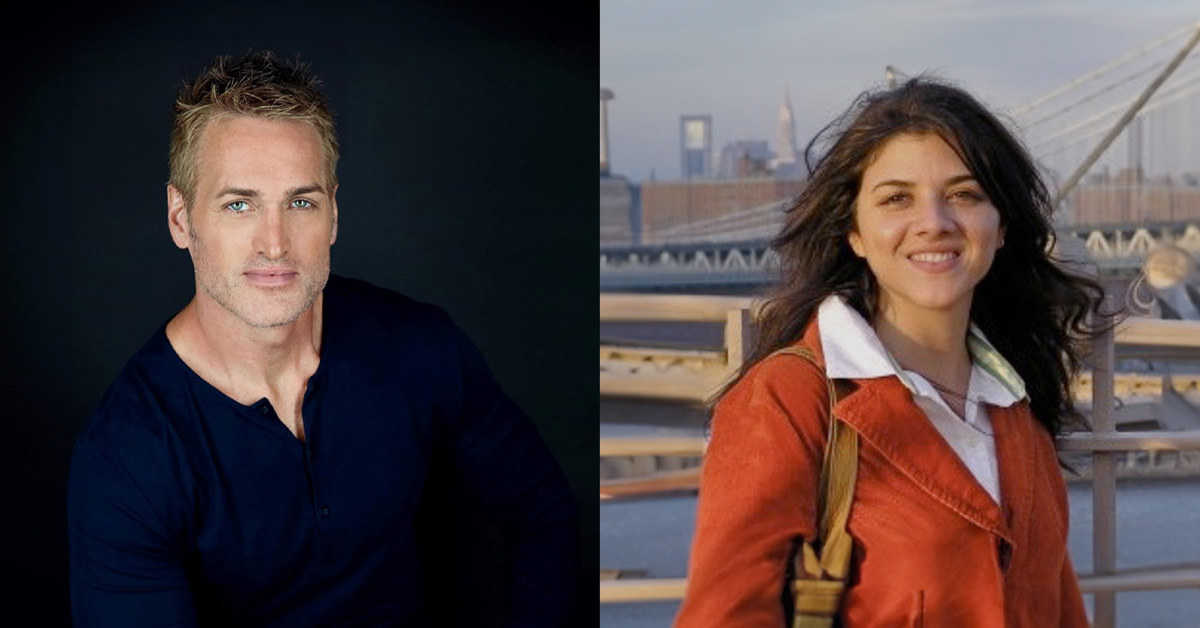
Zack Arnold: I’m here today with Toni Ann Carabello, as well as Phil Habager, and both of you are members of my Optimize Yourself Elite Career Coaching and Mentorship program, and I’m super, super excited to have you both with me today. So, Toni Ann, you are a reality TV editor, you’ve worked on many shows, including things like Real Housewives of Orange County, 90 day fiance, but you and I are working together because you are looking to transition over into scripted work, and Phil, you are also a reality TV editor, and you specialize in true crime and documentary, and you’re also working with me and our group to transition to scripted television. So, I want to thank both of you for taking the extra time out of your busy days to chat with me, so you guys can pick my brain, and vice versa. Great,
Toni Ann Carabello: Thank you.
Zack Arnold: So, to give the audience a little bit of context, this is going to be a little bit different case study than I’ve done in the past. I’ve done a lot of podcast episodes with authors, with experts, talking about their books, talking about their programs, talking about their frameworks. I’ve also done a lot of podcast episodes with regular everyday people that have gone through a journey, and we talk about their personal journey, or I’ve done these case studies where somebody went through this process, and we kind of talk about it afterwards. This is going to be a really unique conversation, because we are in the middle of the meat of the coaching program right now. We’re in a group of five people, and you two specifically came to me with the exact same question in a private message after one of our weeks where you both said I know we’re trying to figure out right now like how we’re lining up and designing our path to transition into scripted and I just assumed I had to become an assistant editor but you said something on the call that maybe I don’t, what the hell does that look like? That’s even an option. How do I do that? And you both sent me the same message the same day, and like, ooh, this is a good opportunity to actually talk through this live, because I think it’s really important, and would be really useful for somebody in a similar situation to realize there isn’t just one answer or the other answer. There are a lot of different ways to slice this, so I figured if I make this part three of my case study of to assist or not to assist. The first part we talked to somebody, to Chris Cavanaugh, who was very sure that he wanted to transition from being true crime and reality documentary, very similar to what you do, Phil. He wanted to be an assistant editor in scripted first, that just made sense to him. Part two of this case study was with Wellington Harrison, who was 100% sure that he was going to be an editor and was no longer going to be an assistant, no matter which direction he chose, and both of you are very undecided, so I thought this would be a really good opportunity to just have a live, open, and honest discussion about how the hell we figured this out, so you guys game, totally all right. So you guys are actually going to start to lead this conversation, not me. So the most important thing for me to understand, and I think for the audience to understand as well, is where is your head right now? Because at one point you both came to me pretty sure that the only option that you had was, well, I guess I’m going to have to go ahead and be an assistant editor and take a step backwards, and now we’re revisiting that and looking at alternate options. So, what are some of the thoughts or the questions that are going through your heads? I’ll start with you, Phil, and then we’ll transition to Toni Ann.
Phil Habeger: Well, for me, you know, up until the call that you referred to, where you mentioned that we could just, what about going into just straight into editing and not assisting? Up until that point, I was very clear about the path that I was going to go on. I’ve seen other people be successful in that path, so everything was, you know, really roughed out in a rough outline, like it’s almost like I could see a path, not very clear, but I could see one. But now, at this point, now that you’ve kind of thrown that other idea out there, just going into editing instead of going to assisting. It’s like, oh, there’s this whole other path, but I can’t see that the path is even there. It’s like it’s all cluttered and filled with things that I can’t even.. I don’t even know what that path entails. So that’s really where I’m at, I have so many questions about that particular path, whereas the path of assistant editing, I’m like pretty clear about what that entails and what I would need to do, but as far as editing, I’m like, it’s like dizzying.
Zack Arnold: So then, if you’re 100% clear about what the path looks like, if you decide to be an assistant to transition into scripted television, and then later become an editor, because you’ve seen friends do it. Why even visit this alternate option if it’s so murky and unclear, and you have so many questions?
Phil Habeger: Because it could be a better path, like investigating, you know. And for me personally, I should say that going, like, being an assistant editor for me wouldn’t be a step back, as far as, like, because it being scripted, so to me, like being in scripted just because you’re dealing with the material you’re dealing with, and the shows that you’re dealing with, and just that they’re they’re bigger shows, and they’re union shows, and all that, that to me is like going from editing reality TV to. That assistant editing on scripted is almost like a lateral move, or even maybe a move up, but then going straight into editing would be almost like a dream, because, like, I’m not the best assistant editor, I can tell you that, but I make up for it in the fact that I always like triple and quadruple check everything that I do, and so I’ve been successful in the past as an assistant editor in reality TV. Actually, it’s really good, because I quadruple checked everything. You know, editing is my passion, so why go do something that I’m not really passionate about to get to the end point that I’m passionate about? Why not just go directly?
Zack Arnold: Well, and I think that one of the other interesting things to bring up is that you said it’s maybe not even a step backwards as a lateral move, or maybe even a step forwards to assist in scripted, but I think one of the obstacles that we’ve chatted about is that your bank account would disagree with you.
Phil Habeger: Yeah, definitely, and that’s actually one of the big questions I have, you know, as far as like if you go into assistant editing and scripted union shows that have, you know base salary that you would be getting, so that I can kind of create a budget and be like, okay, so this is roughly what I’d be making, you know, and can I do that, or can I do that? As far as going into editing, like straight into editing, I’m like, wait, so does that mean editing lower budget TV? Like, does that design, is that even a thing? Does that exist? You know, like, I don’t know what my budget would be, or how to even figure that if I go into editing.
Zack Arnold: Got it. Okay. Well, now I definitely want to get into all that, but I want to make sure that we don’t forget the other member of our call, Toni Ann. So, a similar question to you, when you came to me at first, you didn’t really even realize that there was this alternate path, and I think that you were thinking as well, and I don’t want to speak for you, you can correct me or kind of enlighten us, but it really was a matter of this seems to be the only option, and I need you to help me navigate it, and I kind of threw a crux in your plans the way that I did for Phil, where ironically you guys come to this coaching and mentorship program to get some clarity and confidence about designing the right path, and I just had to completely ruin it for both of you. So, Toni Ann, tell us a little bit more about where you are right now with trying to figure out which of these makes the most sense.
Toni Ann Carabello: I guess I mean similar to Phil, I feel the same way. Like, I, I personally, to be an assistant for me is a really tough thing. I feel like, I mean, I’m sure I could do it, but I’ve never been an assistant, so I feel like after this long of being an editor to have to assist in something that I’ve never assisted, which in some ways maybe that’s okay, because from what I understand, assisting in reality is very different anyway. I just assumed I had to sort of get through it, and I had a couple friends that made the move, and they said, you know, you just learn like anything else, and you’d be able to do it, so that was sort of what I thought, but there was a part of me that thought, like, mostly in my own head, of like, that just doesn’t seem fair, like I’m an editor who’s worked for 20 years almost, and I’ve, I know I am capable of it. So, I always felt like, man, that thinks that you have to kind of go to assisting, make less money only to come back to where you were, except it’s just this thing of terminology of I edit reality, you edit scripted. But ultimately, I think most people, if you’re a good editor, you’re a good editor. So now I feel kind of like Phil more confused, but interested to hear what that other path could potentially be, and like how, if that is a possible way to do it, and then if it is possible and seems, you know, like a possibility for me, that is the more the path I’d rather go after,
Zack Arnold: Right? And you actually kind of half stole my next question, which is I think that the important place for us to start, if we’re going to figure this out, is understanding where you are right now and how you got there. And generally, that’s where I start my calls, is tell me a little bit about yourself and your journey and your kind of the career path, but I think it’s really important to frame the beginning of this conversation with, wait a second, there are even options I’m completely clueless on what those options are, but now I want the audience to understand both of your backgrounds a little bit better, because we’re going to go on this journey together, figuring out what do both of these options look like and what is the right fit, because one thing that really, really annoys me is you talk to specific people in this industry that are seen as mentors, and I’m not going to bring up any names, and I’m really not calling out even a specific person, but they tell you, ‘Oh, you have to do it this way. This is the only way, and you must do x, y, and z. This is how you get in the door. And I just don’t believe that. I believe that everybody’s path is going to be very unique, but all of the paths, if you break them down and you start to learn how to read the matrix, it’s the same fundamental steps, and that’s what I teach in the coaching program, but it’s going to be different for every single person. So, for me to say to you, well, if you’re a reality editor, then you have to be an assistant to get into scripted, that’s not true. There are people that go in both directions, but it’s so specific to your journey, to your level of experience, what you’ve done in the past, and most importantly, as you guys are starting. To learn, and you’re going to learn a lot more as we get deeper into this program, because we’re roughly at about the halfway point. You’re going to learn that it’s all about the quality of your relationships and building the right relationships, as opposed to just putting more experience on the resume. So, what I want to do is just give the audience a little bit more background, and I gave the quick intro about some of the shows that you guys have been doing, but give me a deeper breadth of your background, as far as if you’ve done assisting in the past, if you’ve done all editing, and Toni, and you alluded to this a little bit, but let me go back to you, Phil, and just walk the audience through kind of the two to three minute elevator pitch for the level of experience that’s gotten you to where you are right now.
Phil Habeger: Well, that’s.. I don’t know if it’ll be an elevator pitch, but, but basically, it, you know, I started out when I was in Boston. That’s when I started getting into reality television, and basically, while I was working for doing assisting for WGBH out there, and also doing assisting at another company that did reality shows, and so it’s kind of reality documentary background there, and then right when I was going to be bumped up to editor on a particular show, I decided to move to Los Angeles, so I moved from Boston to LA, and I told them that this company, like, you can bring me on as an editor, I’m ready to edit, or you can bring me on as a cyst, and they’re like, like, oh, we’ll bring you on as a sis. I’m like, okay, fine. And it was perfect for me. I was working a sis job at night. I would pick up, like, I was had a couple of friends who would occasionally pick up films that I could work on. So, during the day, I was editing films, like, super low budget, and then at night I was assisting. So, it was just this kind of round-the-clock editing program that I was in that lasted like a couple of years, but then I kept getting chances to edit reality at the company I was assisting at, and I kept telling them, “No, I don’t want to edit reality, no, I don’t want to add reality, you know, I’m a film editor, I kept telling them, and then eventually I realized I was kind of shooting myself in the foot financially, you know? I was deep in debt, like, but and I realized I could double my income overnight just by becoming an editor, and you know, I knew I could edit, it was no problem. So then I just decided to start editing reality, mostly just for the financial benefits, and it turned out to be great, because I was like, wow, like this isn’t as bad as I thought, like it’s just as much fun, and it actually takes a lot of know-how to do this, so I just kept going with it, but now I’m ending up, I’ve ended up in a situation where I’m like, wow, like I’m kind of seeing my dream kind of pass me by while I’m editing reality TV, which is, I could be comfortable editing, you know, like true crime shows the rest of my life, but I feel like, you know, the place where I would really fit in, that I really kind of belong and would have like-minded people working with me is in scripted television, that’s why I want to head that direction.
Zack Arnold: Yeah, and a big word that we use a lot in our coaching calls, that I use a lot in the podcast and all the writing that I do, because that’s kind of the core fundamental reason that I do the work that I do, is the word fulfillment. Right, it’s one thing to just help people move their career forwards, or help them land the next big job, or help them get a raise. I don’t really care about any of that. What I want to do is help people build a path to a fulfilling career that aligns with the lifestyle that’s the most interesting to them. So, if somebody says, “Well, I just want to win Oscars, well, that’s great, but are you willing to go through the process for the next 30 years, and is that a lifestyle that you would enjoy, and if not, well, then it’s not a fulfilling career path. And most of the people that come to me, like you, you’re a very successful editor, you’re working on a list stuff, but the key word here is lack of fulfillment. Correct,
Phil Habeger: Correct, yeah,
Zack Arnold: Yes. And I know that that’s going to segue perfectly to Toni Ann. Yes,
Toni Ann Carabello: Yes.
Zack Arnold: All right, so Toni, and give us a little bit of a background about where you are, because I know that this is a huge conversation for you as well.
Toni Ann Carabello: Yeah, so I took kind of a different path. I, when I started, I was living in New Jersey, so I worked in New York, and I didn’t have any idea what I wanted to do, and then when I discovered, like, oh, you could work in television, I thought, cool. So I did a bunch of internships and ended up at MTV, was my last one. And then I didn’t know what an editor did, I had no idea, so I was on the path to being a producer. So I started, got my first job there, right when I graduated and started production assistant was an AP, worked my way up on that route, but at the time this was all happening, Avid was this brand new sort of technology that MTV bought a few Avids and the producers all had to learn how to edit, like there were no. Hired editors, so I had a really tough producer that I worked with, and she used to make me sit behind her and just watch, so for hours in case they needed anything. I just sat there, and then one day I was, I guess, an AP, maybe, and someone backed out of a music special that was happening, and she said, You know how to edit, don’t you? And I was like, No, I have no idea. And she was like, go up there, we had avids around. She said, Go up, do the best you can, and we’ll fix it, like, see what you could do. So that’s basically how it started. And then I still produced, but then I started, I would produce and shoot, and then come back and edit my own stuff, and then I started doing MTV Cribs, and that was like my first real editing, because we had to come up with like the look and the feel and the style of that show, and then somewhere in the middle of cribs I realized I could make more money if I just edited, and I would do less, like I wouldn’t have two jobs, so that was it. Then it kind of started from there, but for those first few years I loved it, and probably been in the past 10 years, maybe that I keep saying I’m, you know, I lived in New York City all these years, and I kept saying I’m going to move to Los Angeles, I really want to do scripted, like I don’t hate reality, like Phil was saying, like it’s not like I think, “Oh, this is terrible or lesser or anything like that. I just think I would really enjoy scripted more, and I do feel like I’m getting to the point where if I don’t do it soon, like that ship is going to kind of sail, and I think I’ll always regret not trying it, and I could try it, and maybe it wouldn’t be for me. I don’t know, but I do think it would be something I would enjoy more on a daily basis.
Zack Arnold: Okay. Well, this is a really good background about where you guys are in your careers, where you are in your head space, where you are emotionally with your current career versus where you want to go. Now, I want to give a little bit more context as to where we are in the process, because, like I said, this interview is a little bit of an experiment, because we are in the middle, right, where we’re making the sausage right now. I’m not taking you out, saying, ‘Here’s the success story, how did we do it? We’re in the middle of figuring all this out, so you guys could be absolute failure stories, and I completely screw you guys over, and this process doesn’t work at all, right? So I’m going out on a limb here. I feel pretty good that this is going to work out, okay. But to give the audience and the listeners a little bit of context, what we do is work through what is called the Go Far framework, and anybody that’s listened to the show in the past, they know that Go Far is the documentary film that I did about Christopher Rush, who was the first quadriplegic to become a licensed scuba diver, and he created this five-step framework that stands for goals, obstacles, focus, act, and review. So far, we’ve worked through the goals module, and we have worked through the obstacles module, and what that means is we have clearly defined what the goal is, and we have discussed very clearly what all of the obstacles could potentially be to stop us, whether it’s a specific challenge, it’s a matter of, you know, I’m not sure if I’m gonna have the finances, I don’t know if I have the time, but also some of the deeper limiting beliefs about ourselves, the scripts that we write in our heads, telling us that we can’t do something, and we are currently in the focus module, and the focus module is where we start to figure out what’s the action plan, we figure out what are the dominoes, so to speak, that we want to line up and say, well, do I need to work on reaching out to people, do I need to work on brushing up on my assistant editor skills, do I need to work on going to live networking events, should I put a website up? Everybody thinks to themselves, I could be doing all this stuff, where the hell do I start? Oh, Facebook, Instagram, Twitter, CNN, breaking news, because they procrastinate, because they really don’t know what to do next, and the wall that we’ve now hit with you is, how do we line up dominoes if we have no idea which path we’re going down in the first place. So, what I want to do, basically, we’re cheating because we’re going to be doing our regular group coaching call tomorrow morning, so this is kind of like you guys get a cheat sheet before we jump on the call tomorrow, because this is essentially what I would be asking you guys anyway. The biggest question that I want to understand is, if you were to be put in either of these chairs, and when I say chairs, I mean either the assistant editor chair or the editor chair tomorrow morning, what level of confidence do you have about being able to do that job? So don’t worry about what’s the path to get the job. How do I meet the right people? What shows do I want to work on? Forget all of that. If I were to just put you in the assistant editor chair right now on a scripted television show, Phil, would you feel like you know what I think? I, for the most part, know what to do. There are knowledge gaps, and I would need to ask questions, but I feel pretty confident about what I need to do.
Phil Habeger: Yeah, I mean, that’s actually exactly how I’d feel. I’m pretty confident I would know, you know, how to get things done. The things I’d be missing is kind of like a little bit of the workflow, and like the time frames, as far as like how long you have before you get your editor’s cut or your director’s cut, your news, your. Cut, you know, so it’s just a little bit of that kind of thing, which I feel like, like if you were to plot me down in an editor’s chair tomorrow, that’s stuff that I can just kind of pick up in a trial by fire kind of thing, but as far as like the actual, you know, craft of getting the show to, you know, look and feel as it should, you know, I’m 100% confident.
Zack Arnold: Okay, so one thing I want to ask as a follow-up, then, and we’ll, I’ll go back to Toni and ask the same question, but one thing, one exercise that we worked through in the goals module is not just saying, well, I want to transition from reality to scripted, that’s not a goal, that’s kind of a vision, like, yeah, like that’s ultimately what I want to do, but what does that actually mean, you can’t build an action plan around that, so we spent a good deal of time defining what that looks like for you. So, what does the editor’s chair look like for you? The kind of show that you’d be working on, how did we define specifically what your goal looks like?
Phil Habeger: For me, it would be dark dramas, character driven. Also, one thing that we didn’t mention that that I added later was I’m just really into subtext, you know, like there’s in the things that I like, shows I like, there’s always a deeper meaning than what’s going on on the surface, and I’m just fascinated with that. So that’s the type of shows I want to attack, you know, shows that are like really dark and really deep,
Zack Arnold: So then you’re saying if I were to hook you up tomorrow with a shadowing opportunity with one of the editors of the Big Bang Theory, probably not the best fit, right?
Phil Habeger: Definitely not.
Zack Arnold: But you said you want to transition from reality to scripted, and Big Bang Theory is scripted, so why wouldn’t you? Right,
Phil Habeger: Yeah, exactly.
Zack Arnold: So that’s the whole point of the exercise, is to really get a vision of, you know, this is the chair that I want to be in. So, just to make it an easy conversation, throw out a name or two of a show that we can use as an example. That would be, here’s the ideal kind of show that I love watching, that I would love to work on.
Phil Habeger: My two favorite shows currently are mr. Robot and Westworld.
Zack Arnold: Okay, so mr. Robot and Westworld. So, if I were to say to you, you’re going to sit in the editor’s chair tomorrow morning, cutting mr. Robot, you feel like other than obviously it’s going to be a new experience and new people and whatnot. You feel like you can cut that story, you can cut those scenes, you can, you know, put the music in, you can shape the story, and you can feel like I can do this job.
Phil Habeger: Yeah, and I think the a little bit of a learning curve, like I’m sure I would have to ask some questions, but you know, a bonus for that show is I know it so well, I’ve seen each episode maybe like three or four times, so yeah, definitely I could get that show down.
Zack Arnold: And how about if you had the assistant editor’s chair on mr. Robot tomorrow morning?
Phil Habeger: That also actually I feel just as confident, just because a number of things, like I’ve assisted before, and it was in reality, but you know, I’ve had friends tell me, friends that have, have moved from assisting in reality to assisting in scripted, and they’re like, oh, it’s so much easier than assisting in reality, that, like, it’s it’s different, but you can pick up on the stuff really quickly, and you know from courses I’ve taken, like I’ve taken Master the Workflow, and I’ve taken a weekend course also that dealt with, you know, what’s expected when you’re assistant editor and scripted what I’ve learned, it, you know, it’s a lot of just keeping track of things and staying on top of things, a lot of paperwork, which isn’t ideal. It’s obviously not what I’d like to be doing, but I see that as definitely a path to get, or an avenue to get where I need to go.
Zack Arnold: All right, so you feel relatively confident that, obviously, you’ll have questions, and things are going to be different in terminology and workflows, but for the most part, you feel like in an environment that would foster your slight learning curve, you could pick it up relatively quickly and feel good about being in the assistant editors chair.
Zack Arnold: All right, so then I know if I go to Toni Ann and ask you the same question, it’s going to be a very different answer.
Toni Ann Carabello: Well, I definitely wouldn’t feel confident getting in an assistant editing chair. I actually girl that I know let me come and shadow her a few weeks ago. She’s an assistant editor, and she showed me some stuff, and I mean, I think I could pick it up, but I think I’d be more nervous if I got a job as an assistant editor than if I got a job as an editor. I think if I came in as an editor, I would still probably be nervous, and think, “Oh my god, can I do it? But I know I actually know how to edit, and I think, like Phil said, it would just be a learning curve of like understanding workflow, and you know, I’m sure people would say, “Oh no, we do this like this, and we do that, but I think you know you adapt to what you have to adapt to. I think I would feel more confident going in as an editor,
Zack Arnold: Right, and that’s something that’s really important, is setting yourself up for success rather than failure. That’s a whole part of deciding which path is going to make the most sense. To go back a little bit with you, Toni Ann, I want to have a similar conversation to get the audience up to speed. When we went through the goals process with you again, it wasn’t, I want to. It out of reality and get into scripted. We try to be much more specific, so specifically, if you were going to sit in the editor or the assistant editor’s chair of shows that really resonate with you, that would be fulfilling. What are a couple examples?
Toni Ann Carabello: I think we kind of said the same types of shows that I was interested in, like more of a dark sort of drama at the time. I had just finished watching that Chernobyl mini series, and I loved that, and the more I’ve thought about it, I’ve realized I kind of, I like that darker drama, and like, a more, you know, the story that’s a little dark, maybe, but I also like just dramas in general, like more character-driven kind of dramas, not necessarily like, I don’t know, not, I don’t want to say like network stuff, but I tend to like more of like the cable, where the characters are darker and more problems, maybe you know, like a darker set, yeah,
Zack Arnold: Things that are that are more complex from a story standpoint, right, where it’s not just formulaic, like again, yeah, if we were, if you were to say, well, I want to transition from reality to scripted drama, well, then I could hook you up with somebody at NCIS,
Toni Ann Carabello: Right? Yeah, like that wouldn’t interest me so much again. If that was my only option, I do it, but to really set my sights on something, it would be more along the lines of a darker sort of drama,
Zack Arnold: Right,
Toni Ann Carabello: And more complex,
Zack Arnold: So the path that I always believe is going to be the path that makes the most sense for not just finding the next job, because both of you have no problem finding jobs. The problem is that the jobs that keep finding you are the wrong ones, correct? That’s the whole reason that you came to me in the first place, is you’re both successful, you both pay the bills, but you keep meeting the wrong people that are referring you to the wrong jobs,
Toni Ann Carabello: Right?
Zack Arnold: So, the key is building the right relationships, but you can’t just say, “Well, I have to network. How do you know who to network with if you don’t know the shows that you want to work on, and you don’t know the path? Because if you go to a networking event, or you send an outreach email, and somebody asks you what you’re doing, you’re like, “Well, you know, I’m just a reality editor right now, and I’m, well, you know, I’m doing this thing, and I’m trying to transition into TV. I don’t really know what I want to work on, but you know, I know that I want it to be scripted. I just want to get out of reality, and well, maybe I could assist, for, you know, I guess I could add. I don’t really know. And then people look at you, they’re like, I don’t know how to help you, I have no, like, you seem really nice, but I just don’t know how I can help you. But if you go up to somebody and you’re very, very specific in your outreach, whether it’s in person or whether it’s via email, and you know exactly what it is that you want to do, they’re either going to say, “Oh, well, that sounds great, that’s not really my world, and “I wish you the best of luck, or they’re going to say, “I know exactly the right person, because I have a clear picture of what you want and what we have in common, but in order to figure out the right relationships to build, we have to know which relationships to build and which path we’re going down, right. So, I think that if we go back to you, Phil, for a second, I don’t know the answer yet. I feel pretty good about what the path is going to look like for Toni Ann at this point. For you, it’s different, because you can fairly comfortably sit in either chair tomorrow morning, so now the question becomes, Which is going to be the path of least resistance? Where, if we’re looking at the obstacles that we talked about, which obstacle do we think is the biggest, glaring, most obvious one, and is one of those paths going to make more sense based on that obstacle? So, for you, we went through a whole bunch of obstacles, but if there were one or two that just stand out and have the neon light surrounding them, what would they be?
Phil Habeger: I think most likely the biggest one would be finance, you know, financially, like, because I have to, you know, not just think about myself, I have to think about my wife and, like, how this affects her, so it’s like an impossible baby, you know, so you know that’s a big thing, because I don’t, I want to take, I want to go down a path that you know may set me back financially, but won’t ruin me financially, you know, and so like that’s why I’m saying that, where the assistant editing path, you know, I know roughly what an assistant editor would make on a union show, so then I could figure a budget from that, but if I’m going down the editing path, you know, I don’t even know what the budget would be there, I don’t know what that would entail, unless you know I kept editing reality while I built a network, built up a network of people in scripted, and then you know, after a number of years of building up that network, then then I can get into move directly into editing, you know, then I could figure a budget, but you know, as far as just say I was to end this job when it ends, and my next thing I told myself I’m not going to do anything, but edit scripted. I don’t know what the budget would be there.
Zack Arnold: Well, and that brings up a really, really big component of deciding which path is going to make the most sense. Financial is very real, right? That’s a reality that we just have to embrace. We can’t say, well, you know, I would love to just edit from now on. Well, maybe you can’t afford it, right? If you’re 22 years old and. Living off of your parents, well, then you can choose to do whatever the hell you want, right? You’re not in this situation, you’re supporting a family that could potentially be growing. So, have you done the work to understand that if I just stopped working and had no income whatsoever, do you know how long you can comfortably go without $0 coming in?
Phil Habeger: Um, maybe like three months.
Zack Arnold: Okay, so that’s not horrible. It gives you some time, but it’s not a ton, right? But it buys you a little bit of space, which means that if you decided I’m going to turn all reality work down for the next two to three months and focus only on doing scripted work, it’s something that you can do, but you’re going to start to get nervous pretty quickly.
Phil Habeger: Yeah,
Zack Arnold: Right. So if you had the opportunity to cut, let’s say, an independent feature film, or, you know, a 14 episode online web series, a scripted drama for, you know, like YouTube, or whatever, and it was something that was good content, but it didn’t pay very well, and it was non-union, or it didn’t pay at all, you have a relatively limited runway where you couldn’t take on a three or four month low pay project, right.
Phil Habeger: It also depends, like, you know, because I didn’t work for three months at the beginning of the year, but now I’m building up savings again. So, by the time this job ends in early November, I’ll have maybe a good six months of savings built up. So, it just kind of depends where I’m at, like, a savings, you know, you just talking about that, there is kind of laying out for me. I’m like, oh, okay, so maybe that’s how it would work, you know? Is it, you know, kind of clearing out the clutter of the path, and that’s definitely something to think about.
Zack Arnold: Yeah, and that’s a big part of this process is really understanding your financial reality. This is a process that I’ve gone through with myself many, many times, because I’m now making the transition into doing this kind of work full time and doing editing a lot less. So, really, I’m at the point now where I have to spend a few months a year editing television to make sure that I keep up with the bills and the finances, and I can support the family and pay the car payments and all that, but I can support myself for roughly eight months a year now working on the coaching program and the website and online teaching and things that I’m doing for lynda.com but I know that I need to fill that gap, so I try to only take work for four to five months that I’m really passionate about, which is why I sought out coworki, because I’m like that’s a show that I can spend five months a year working on, that’s perfect for me, right, so during the this whole year from the end of Cobra Kai season two in February until now, where by the time this comes out I may have actually gone back to season three, but I’m, I’m at about the point where I’m most likely going back to season three. Then I just think to myself, well, I can turn on all this other work knowing that season three is coming, but this is really where I want to put a lot of my energy and attention, even though I’m making significantly less than I would as an editor, because I’ve set myself up for this gap, because I know that I’m in a transitional phase of my career, and I did the same thing multiple times, where I first started as a trailer editor, then I did independent features, then I did web features and web series, then I did television, and during each of those was a fairly major financial transition, so where you and I, Toni Ann, have a lot in common is that I, too, have really never been an assistant editor. I was an assistant for about four or five months, right out of college, and then, and this was at a small independent trailer company, and I was promoted to editor even before I think it was, see, so I came out in May or June, and I was an editor by like November, so about five months, and since then I’ve been an editor for the last, God, I don’t even know, 1718, years. So if somebody said to me, the only way you can transition to TV is you have to be an assistant and be like, I don’t even know what an assistant editor does, right? I rely so heavily on great assistant editors because I can’t teach them how to do most of their job. I can teach them how to manage my own workflow, and I can mentor them to teach them how to cut better scenes and tell stories, and how to manage the politics. But I tell my assistant editors, if you have questions about the assistant editing job, don’t ask me, because I don’t have answers. You need to ask the other assistant editors or ask the producers, because I’m completely useless. I have no idea how to make an EDL or do EDL management or anything in the AVID. I don’t know how to make continuities. I was my own assistant editor on, I think, three independent features, so I kind of had to learn how to do the bare minimum just to get the thing delivered, but all of that was in Final Cut Seven, so I’ve never in my entire career been an assistant on Avid, which is essentially the position that you’re in, where you’re a seasoned veteran editor, storyteller, that if we put you in the chair tomorrow to be an assistant, it would just be like, might as well be a basket weaver, right?
Toni Ann Carabello: Yeah,
Zack Arnold: So what we want to do is we want to set you up for success instead of failure, so what I want to understand is the similar question that I asked Phil, so Toni Ann, what is the one of the largest or the largest obstacle that you have on your list if you’re looking at making this transition to scripted?
Toni Ann Carabello: I think it’s just getting someone to, or knowing even how to begin with, like, okay, say that. It is the path, and because the assistant path, I kind of get how to begin, and I’ve have met a lot of people who have been helpful, and you know, like I said, many people have let me come shadow and do things, and but this other path I really don’t know how to begin, so for me it feels like the biggest obstacle is just getting that job, you know, getting the opportunity
Zack Arnold: Right, so for you, it’s not the obstacle isn’t just getting the opportunity, the obstacle is not even understanding what the opportunity looks like,
Toni Ann Carabello: Right? I don’t even know where to begin.
Zack Arnold: So, so, if I were to say to you, well, describe to me the ideal scenario, and how you go from point A to point Z, your response would be,
Toni Ann Carabello: Yeah, I don’t know,
Zack Arnold: Right. So, how can I define the path from A to Z and take the actions if I don’t even know what it looks like? It sounds like for you, Phil, it’s the exact same question, right? I said you right now, I know that you don’t know who the exact person is or what the exact show is, but in general, walk me through the scenario that you see in your head to being in the editor’s chair. Can you do that?
Phil Habeger: Yeah, I mean, not going directly to editing, I can, if we.. if I go through the assistant editing route.
Zack Arnold: All right, so describe to me in your mind. And again, you know, it’s.. it’s.. we don’t know who the name of the person is, we don’t know what the exact connection is going to be, or the show. But in general, walk me through your understanding of what your path looks like, from cutting what you’re doing now to being an assistant editor in scripted, to being an editor, and scripted,
Phil Habeger: I mean, first of course would be building up a network of people, getting to know people, then that would eventually lead to recommendations for interviews, eventually landing an assistant editor job, then it would be, you know, working, you know, basically, networking as an assistant editor, basically, you know, learning the ins and outs of assistant editing, but also kind of learning all that kind of stuff that I’m missing in my head right now, as far as like timeframes that the editors get, and like workflow kind of questions, that would all become very clear, I think very quickly as an assistant editor, but that would, I think, entail a good like three years or three seasons, say, on a particular show, and then you would eventually get bumped up to editor, and I know that path because I’ve seen people do that where they were assistant editor on a particular show for like three seasons, and then the fourth season they got bumped up to editor because everybody knew them, and at that point everybody trusted them, you know, that they could edit a full show at that point. So that’s the path of an assistant editor.
Zack Arnold: Yeah, and I would say that, minus a few minor details here and there, like little tiny pieces of connective tissue, this is exactly the path that you would be on, right, where it’s going to change as far as the specific circumstances in the timeline. We’re not doctors or lawyers, where we can go online on Google and say, How do I become a doctor? And you get a bullet point list of the 10 things you need to check off with the exact timeline and, frankly, the exact cost, right. We don’t have that luxury, but at the end of the day, the path is relatively similar. So, most likely, like you said, you build relationships with other assistant editors or other editors that are on scripted dramas that are the types of shows that you’re interested in working on. You probably start by getting a shadowing opportunity or two. You meet at networking events, you get to know each other, you do an afternoon visit. Then, most likely, the next step is somebody’s going to say, hey, I need to take off for a week, I’ve got this family vacation in August, or whatever. They don’t really want to look for somebody and like do an interview process. Oh, well, this guy, Phil, he shadowed me, he’s got enough experience, and it’s a pretty slow part of the process. We’re not doing any complicated turnovers, he just needs to kind of manage the visual effects and make sure to do a couple of outputs, he can probably do it right, so bam, you’ve got your first scripted credit, even if it’s for a week, then somebody else on that show gets to know you a little bit better, they go off to another show, then there’s an opening, and they say, “Oh, I really like that guy, Phil, he’d be really good, he’s a little less experienced, but on this show we have a little bit of a runway of time, where we’ve got a couple of months before things get crazy, I know he’s got tons of reality experience, he could totally handle this. Bam, you’re in the door. Assistant editor on a union show, you get to know the other editors, you get to know the other assistants. You either stick with that show for 234, seasons, or maybe you move with the same editor and they go to other shows, and then eventually the seat opens up and somebody says, yep, Phil’s primed and ready. He’s already been cutting for 10 years. He knows story. Frankly, it makes more sense for Phil to be an editor than an assistant. Let’s promote it, right? Done. Do we know exactly how that happens with the timeline? No, but that’s essentially most likely how it would happen.
Phil Habeger: Yeah,
Zack Arnold: so now if we’re talking about the editor chair and I asked you to explain it with that level of detail, there’s just kind of like a blank stare from both of you, correct?
Toni Ann Carabello: Yeah,
Zack Arnold: So the way that the way, and again, there is no right answer, so I don’t want to come here and like give you these scenarios, and then other people send me emails, and you know, go on social media and say, well, that’s not how it worked for me, and I’ve heard of other stories, like everybody’s path is unique. I get that, but if you distill it down, it’s essentially the same fundamental steps. So, the process is that first you choose the ladder that you want to climb, which we’ve already done. We’ve decided that we want it to be dark, complex character dramas that are premium streaming, premium cable, not comedies, not sitcoms, not network shows, right? So, we have an idea of what we think that path looks like, as far as the ladder we’re going to climb. The question now is, which rung are we grabbing? Are we grabbing one of the lower rungs or are we grabbing one of the higher rungs? So, if we decide that we don’t want to go the assistant route and we want to go the editing route, it’s still going to be the same two steps after that. It’s going to be making sure that you are awesome at your craft and making sure that the right people know that you are awesome at your craft, so it’s a question of which one makes the most sense based on your level of experience and based on what you’re willing to sacrifice. So, for you, Toni Ann, it seems to me that starting off as an assistant editor is essentially going to set you up for failure because you’ve never done it before, and there’s a huge learning curve because you’ve never really been in that environment, correct.
Toni Ann Carabello: Yeah,
Zack Arnold: So I’m not saying setting you up for failure because you’re going to suck at it has nothing to do with your level of skill, but if you’ve been a highly proficient and successful editor for almost two decades, it’s going to take you a long time, and when I say a long time, it’s going to take you years to be a really good assistant editor, right? Like, how many years do you have, Phil?
Phil Habeger: Assistant editing, probably a good six, seven years.
Zack Arnold: Yeah, so six or seven years means that you may not be at expert level, but you know more than enough to have been in the trenches dealing with outputs that don’t work at Friday on a midnight and missing deadlines, and this file is not lining up, or how do I find the codec for this? Like, you’ve learned how to troubleshoot the tech side of things, right? And the more the technology changes in our industry, the more difference, and the more disparity there is between what an assistant editor does and what an editor does. So they’re really two completely separate careers, and the only reason that they align for people, and why they make the jump from assistant to editor, is that assistants are now taking their own time when they’re not getting paid to learn the creative side of the craft, because you can be a career assistant editor for 30 years and never learn how to edit a scene, that’s the way that it works now. It was not that way 30 years ago, if you were working with film, you were sitting behind your editor all day long, and you were anticipating their creative choices. Oh, you know what, he’s watching the scene, and I bet he’s going to ask for the close-up. So I’m going to just gently reach over to the trims bin that has the close-up and have it ready for him, right? So you’re already thinking like an editor and crawling into the brain of an editor to become one as an assistant, you are now in your own room, and you are a digital asset manager. You are organizing dailies, and you are managing outputs and inputs, and transcoding, and visual effects list. Like, you can spend your whole career and never cut a single frame or know anything about storytelling, and be an amazing assistant editor. So, for you, Toni Ann, your talent is storytelling, correct.
Toni Ann Carabello: Yeah,
Zack Arnold: So now the path looks like, all right, I’m very good at storytelling already, but if you were to apply to a job and that job were to edit, let’s throw it up, what would be a good show for you? Chernobyl, let’s say it’s a little bit too, too high up on the rung, so if we were to say we want to show similar to Chernobyl, but realistically, based on the fact that you’ve been editing for almost two decades, almost seems kind of doable. Can you think of a show off the top of your head?
Toni Ann Carabello: I mean, they’re all pretty – all the shows I kind of have liked recently are all pretty high-profile shows.
Zack Arnold: Yes, and this is somewhat of a trick question. The reason that it’s a trick question is this is where it’s really difficult. This is where the path is very, very difficult to navigate. The reason is that if you want to get into feature films and you want to be a feature editor, there is a path that you can follow where you edit no budget stuff, then you edit low budget stuff, then you edit medium budget, then you edit high budget. There is no such thing as a low-budget streaming television show, right? It’s either a union, and they want seasoned professionals that have plenty of experience, or you’re working on crap that nobody’s ever heard of, that’s going to be in some short film festival where you’re practically paying them to get the credit,
Toni Ann Carabello: Right.
Zack Arnold: So, there’s this giant chasm in between, and that’s kind of the chicken and the egg argument, is if you were to look online and see a job listing for a scripted show looking for an editor, are they ever going to post in their job requirements? We prefer inexperienced scripted editors that have done only reality,
Toni Ann Carabello: Probably not.
Zack Arnold: Doesn’t exist, right? Always want people with experience, and you’re like, well, how the hell am I supposed to get the experience if there isn’t kind of like low budget entry level television scripted drama that I can get, so the way that the path works, there’s a couple of directions you can go. The first one is you can say I’m just going to focus on the craft of editing scripted, so that means you are going to the no budget and the low budget stuff, that’s doing short films, that’s doing indie. Features, that’s doing web series, that’s where I started. That’s how I made my transition into TV, is I was doing low and no budget independent features, and then I worked on a high profile web series, and that’s what I use as my calling card to get my job on burn notice, and from there the rest is history. And I built my whole career off of getting into the pipeline, or in the door, so to speak, on burnouts, but that’s because I had spent 10 years up until that job interview honing and becoming an expert in the craft of storytelling, specifically in drama. So, I didn’t have a lot of comedy in my resume, I didn’t have horror, it was specifically character-driven drama, because I knew that’s the ladder that I wanted to climb from a very early age. So, one of those routes is that you just start to perfect that craft, no matter if they’re paying you or not. And through that process, you start meeting the right people that are climbing the same ladder that you are, and that would be the directors and the producers, and they’re saying, “Wow, like, I’ve worked with Toni on this short, and you know, she’s amazing at this stuff. And then this person lands a job on a scripted television show, and they say, “Oh, I would love Toni Ann to cut my pilot. Right, so that’s one way that it can happen. Another way that it can happen, which is the way that it happened for me, is you start building relationships, because remember, you not only have to perfect your craft, but people have to know that you’re awesome at that craft. So you start building relationships with other editors that are working on the shows that are similar to the ones that you want to work on, it’s not going to be Chernobyl right off the bat, but if we can’t think of, like, you know, something that would be on a less high-profile network or cable channel that’s still, you know, scripted television and it’s still union, but there are there is a whole tier of those shows where it’s like, you know, going to be lower-end union scripted drama, and you start getting to know those editors, and then all of a sudden they need somebody to fill their chair for a month for you to just go into an interview and say, I want to transition from reality to scripted, and here’s my resume of all these great reality shows, they’re going to say, well, you don’t know how to cut scripted reality. People can’t cut scripted television, right? We all know that, right? It’s not that you’re a good storyteller, it’s that you can only cut one thing, right? We’re all monkeys, we only know how to push a certain set of buttons. Clearly, that’s not the reality, but that is the way that the industry sees us. They want to pigeonhole us, but if you find people that are willing to go to bat for you, then the conversation changes, so if you build a relationship with specific editors or younger directors or producers that then get into the pipeline and they recommend you, then people are willing to start taking a chance on you, so for example, when I made the transition into Burn Notice, that happened because I got to know one of the editors on the show, he and I started to build a relationship. I showed him the web series that I was working on at the time, it was called The Bannon Way. For anybody that’s heard the story 100 times, I apologize, this is going to be 101 And I started to get to know him, and I handed him the reel that had the first two episodes, and it was a web series, so the first two episodes were, I don’t know, eight, nine minutes apiece, it was about 20 minutes worth of content, plus the trailer, and I said I would really appreciate any feedback that you have on this, just because stylistically it’s similar. I’m really proud of it, but as somebody who’s a seasoned veteran, I would love to get your thoughts. And a week later, he came back to me and he said, “Holy, what is this? This is better than our show. Like, where did this come from? He was really impressed by the work that I had done, so much so that when he had to go edit a pilot, he had to fill his spot on Burn Notice for one episode, and he said, “Listen, I would love to get you an interview with the executive producers on Burn Notice, just because I want them to see what you’re doing. Let’s be very clear, you’re not going to get the job. This is about you meeting people and just having the experience, and just networking, because I think that you do really good work, and I think that you know this would be helpful to you, and I want to do that favor. And my response to myself, not to him, was, “Oh, well, screw that, I’m getting this job. So I decided that I was going to learn Burn Notice better than anybody had ever learned Burn Notice, and I watched the show twice, and they had three seasons of it at the time, so I watched all three seasons of it twice in a week, and I think that was 60 plus episodes, 42 minutes a piece, twice in a week. That’s all that I did, and I knew everything about their transitions, their music choices, all the stylistic boxes and squares, and it was stylistically it’s very, very high maintenance for an editor, and I say that in the best way, but you really have to know your way around editing and effects to be able to cut burn notice, so when they were looking for this one person for this one episode, they were terrified they were going to get a really experienced seasoned network editor that didn’t understand their show, so I came in there knowing that was going to be their fear and said I know your show better than anybody, I know that in this one episode, in episode 311 at the end of act three, that you do a quick pushing into Michael’s sunglasses, and it goes to black and white, and then it uses the grading filter, like that’s how well I knew that show, and completely knocked them out in the interview, so then between that experience and the editor vouching for me, the executive producers went. The studio in the network, who would not approve me, and said, “Oh no, this isn’t a matter of your approving or not. This is the person that we’re going to hire. So, once I get in the door, they saw the first cut of my first episode, and the rest is history. They said, “We want you to be a part of the show, and I was on it for four seasons. The reason that happened was a combination of I had perfected the craft very specific to that show, and I got it in front of the right people that knew that I was good at that craft. So, if you do something similar, where you build up a resume and a reel or a portfolio of similar scripted content, and you meet the right people where that content resonates with them, they’re going to give you a shot to get you in that chair. So, if we’re looking at that potential path, and again, I don’t know timelines, I don’t know how long it’s going to take, I don’t know what you’re going to get paid in the meantime, but if you’re looking at that path of simultaneously learning and perfecting your craft, doing dark character-driven scripted drama, whether it’s low budget, no budget, indie features, web series, whatever it is, and simultaneously meeting the right people and learning for them, so eventually hard work meets opportunity, which is what most people call luck. Does that path make a lot more sense to you than starting over and learning how to be an assistant editor from scratch?
Toni Ann Carabello: Yeah, I think it does. I guess the only thing, like Phil would say, and the other path seems like clearer, like I feel like it would be easier, even though, like, I have met with people in the past few months for assisting jobs, and one guy that I met with was like, ‘I would hire you in a second to assist, but it was a pilot, and he was like, ‘My fear is if you don’t know everything about assisting, and if I don’t know something that normally there’s a couple assistants, so you could, like, I could ask somebody else, like, “Oh, I don’t know how to do this, but he was like on a pilot, it would just be you, and that’s that, might not be the best idea, which I agree, but it feels so much clearer, even if it’s not exactly what I want, I feel like I’d have a better chance of landing an assistant job, and like, maybe from there you know the path to get to editing is easier, or not even easier, but clearer. Where, when you say, like, get a web series, or do some, like, I don’t even know how to begin to even get that. So then I think, like, wow, I don’t, I really don’t know who to even start with, like I don’t even know how you get those jobs.
Zack Arnold: Do you feel much clearer about where you would find the assistant editor jobs?
Toni Ann Carabello: I do, only because I’ve met a lot of people now that are assistants and editors, and they’ll send me like things for, like, the closest I got was this pilot, but they’ll send me, you know, people, or say, “Oh, someone’s going to be out for like.. I feel like that seems.. maybe it’s not. Maybe I’m wrong. Like, I said when I spoke to someone about assisting, they said, “Well, I’d have to make sure you could pass. Like, they might not.. people might not even want to hire you as an assistant because you don’t have assistant experience either. You know, so I feel like I’m in a kind of a weird thing, because I don’t like, at least Phil has assisting experience, so I feel like if someone saw it, they’d say, “Oh, well, he was an assistant, he could do it, but I almost feel like I can’t get a job as an editor, and I can’t get a job as an assistant editor, so then it puts me in this, like, “Oh, I don’t even know what to do,
Zack Arnold: Right? And I think that that’s the difficulty, is there, really is no right answer, but if we were going to create these two scenarios where we say one path is that I know I’m going to be an assistant, and that means my first step is I have to learn how to be an assistant, which is going to make it a lot harder for me to get hired, because I have to attain the knowledge first, which would mean probably taking a couple of courses, doing some workshops, doing some shadowing, and then most likely finding an opportunity where you can spend 123, weeks shadowing or working and filling in for somebody else to pick up some of that experience before somebody even feels comfortable enough hiring you on for a season, but you’re right that the odds of you getting hired on a pilot are about zero, because I have people that I’ve wanted to really usher into the industry that had even some scripted assistant experience, but I said there’s no way I can hire you on a pilot because you’re the only person and you need to know this entire workflow from top to bottom with as fast as the deadlines are in the fact that I can’t help you if there’s one mistake then both of us are going to go down for it and there’s nothing we can do about it, so I have to have 100% utmost confidence that an assistant editor has been in the trenches, knows how to dodge the bullets, and knows where all of the bodies are buried, and I think it just threw like three amazing metaphors in one sense, right there, without even taking a breath. But if you’re looking for a pilot, it’s not going to work. I know several younger assistant editors that have said, “Well, I think the next step in my path is I really want to work on a pilot. I’m like, yeah, it’s not going to work. You have, you have to go the opposite end, which is you need to put yourself in positions to learn the process in a fostering, nurturing environment where you have the time and the space to make mistakes, and you’re not going to be judged based on those mistakes, right? So you can find that path, and it sounds like you’re already me. Meeting some people that might give you that opportunity, but you have a huge learning curve that you need to overcome, which is becoming an assistant editor first, right?
Toni Ann Carabello: Right.
Zack Arnold: So then the question is, if we were to look at these two paths, let’s assume that they last roughly the same amount of time, and I’m not saying that they do at all, I’m just looking at two hypotheticals. If it’s a matter of let’s say you’re three years away from the editing chair in a show like Chernobyl, or something a little bit, you know, smaller, you know, lower budget, but still dark, you know, character-driven scripted drama, right? Would you rather spend the next three years balancing doing some reality work to pay the bills and spending the rest of your time being an editor and really learning the craft, and meeting other filmmakers, and being treated as a collaborator, or would you rather spend those next three years in the assistant editing chair, learning a brand new job, having a little bit more financial stability, but really feeling like for a fair amount of those three years you’re just learning how to manage your job as an assistant, which isn’t making you a better storyteller.
Toni Ann Carabello: No, I would rather continue to work in reality and do like things more on the side, or you know, something like the first option that you said, because at least I feel like in that position, like I said, it’s not like I hate doing reality, and if I had to do that to pay the bills, I could, and I feel like at least that I’m doing something that I’ve worked all this time to be able to do, where assisting, like, for me now to think of like literally learning a whole new job is daunting, and like I’m the kind of, like, I feel like I don’t know, I know I could do it, and maybe I would like it, and I’d be fine, but I, it just doesn’t seem to make sense to me,
Zack Arnold: But five minutes ago you just told me it was the easier path, so why wouldn’t you?
Toni Ann Carabello: I think I think it is the easier path, in the sense that I get it, like I understand that path, I get, I know people who’ve done it, and people like my age, in the same kind of position, and and they make it sound a lot easier, like they were there for one season, they were assistants, now they’re editors, and everyone’s.. it’s fine, but I don’t know that that’s always the case. They also were both assistants in reality before, but it just.. I guess “easier” is not the right word, it’s clearer, it’s a path I understand, like Phil said, “I see that path, I get it. The other path I don’t get, and I don’t know how to begin. Where I know how to begin to try to find an assistant job, whether it happens, who knows. But at least I understand where to start,
Zack Arnold: Right? But if we take the not knowing where to start portion away from it, if we’re looking at the entire process, if we’re going back to this conversation about it being more fulfilling, right, then it seems to me that, given that you’ve been an editor and a storyteller for almost 20 years, and you don’t even know what it feels like to be an assistant, there’s going to be a lot more frustration and a lot more friction if you’re going this route, rather than, well, it’s still frustrating to look for indie films or web series or find the right people, and I’m not sure how to do that, but it sounds to me it’s going to be like it will be a much more fulfilling path for you creatively, even if you’re taking a step back as far as what you’re getting paid, because you can still cover the financial gap doing work that you’re very successful at.
Toni Ann Carabello: Yeah, yeah, I agree with that.
Zack Arnold: All right, so all of that having been said, How do we apply that to you, Phil?
Phil Habeger: Well, I was, I was just thinking, while you guys were talking that the there’s definitely a pro, like listing pros and cons. There’s definitely a pro to like doing the editing route that way, whereas if you’re building your network while you’re working in reality, and then you’re you’re basically maybe spending three to six months a year editing, you know low budget scripted stuff, and then maybe you know, three filling in the rest of time with reality to help pay the bills, that sounds attractive, but also one of the reasons that it might be a good thing to do the assistant editor about is, it, you know, I’ve always thought that it gets you in contact with those people, so you’re basically working with people every day that work in the genre that you want to be working in, so it’s almost like you’re doing networking while you’re on the job, and you’re working with the same people for months on end, so they start to trust you with things, so you know that’s kind of a thing that you would miss out on going the editor route, not saying that you know either one could work, but it’s just it sounds really attractive to go the editor route, but it also sounds riskier in the way that it might take longer to to get to basically form a good network, a big enough network to get you on like full time editing.
Zack Arnold: Well, the next consideration then that I think is gonna maybe help tip the scales for some people, may not tip the scales for others. This definitely tipped the scales about 98% to 2% for me, and that’s not just about asking, well, which path makes the most sense or. Me, where do I have more or less experience, but which is going to provide the right lifestyle that’s the most attuned to the kind of person that I am in my personal needs? Right, that’s a big question that most people don’t think about, is the lifestyle, and one of the things that I know about myself, whether good, whether for better or for worse, I don’t know. I am really, really good at working with people, I am horrible at working for people. I don’t do well working for other people. I need to work with collaborators where I feel like I’m a creative equal. And yes, I know that a director or a showrunner can fire me. I get the dynamics, but at the end of the day, I want to work with people that treat me as a creative equal, where it’s a give and take, and it’s all about who has the best idea in the room, not I’m the producer and you’re the editor, so you listen to me. And obviously, I’ve worked in my career with a fair share of directors and producers to treat me like an operator, that’s fine. I finished the job, I move on, and I don’t work with those people again. But I also know that I could never be a good assistant editor, because I’m horrible at working for people, because I have a very specific way that I do things, the way that I like to do things, very specific about organization and naming, and if I were to work with an editor that had all of these ways that he wanted me to do things, I’m like, this doesn’t make any sense, and I can do it better, and they’re like, no, I don’t care, just do it my way, I’d lose my mind, and I would hate my job, so I know that, that for me, that’s an important thing, and I also know that for me, I don’t work well if I’m beholden to other people’s schedules. For me, I’m really, really good if somebody says to me, “Here’s my expectation of the level of work that I need from you, and here’s when I need it. You tell me what you want, you tell me when you want it, and you let me go, and I’m autonomous. If I’m autonomous and I can manage my own time, that’s my ideal lifestyle as an editor. I can essentially do that for the most part, whether I’m doing low-budget indie stuff, whether I’m doing web series, whether I’m doing trailers from home, or even if I’m doing high-profile A-list television. Yes, it’s a full-time job, but if I decide I want to come in at 1030 in the morning versus 830 in the morning, that’s my choice. As an assistant editor, I’m not afforded that luxury. I am told when I need to be in, when I need to leave, and if I’m told at 6:30pm that I have to stay until 10pm and I have something I need to do for my kids, I don’t have any choice, I have to stay. So I know that for me the lifestyle of going the path of an assistant editor never made sense, which is why I decided at the early age of basically 24 when I wanted to go the scripted route, and I wanted to leave trailers. I said, I’m only going this route as an editor. As long as I’m editing, I don’t care what I’m getting paid, I don’t care who I’m working with, I don’t care how the story is, how low budget it is. I have to be editing, because I want to learn the craft, and that was because I knew myself, and I knew the lifestyle that I desired, so if we’re talking about lifestyle desires and what makes the most sense for you both, based on financial stability versus my ability to work with or for other people versus my need for autonomous time, or I can be on somebody else’s clock, which one of those directions resonates more with both of you?
Phil Habeger: Well, for me and the stuff you’re, we’re talking about now. When I listen to the podcast with Wellington Harrison, it just reminded me the creative frustration that I had as an assistant editor, and like we’re talking about now, the lifestyle is completely different. Like right now, I come in to work at 7am and I leave usually around four or five, but that’s not going to be the case, you know. If I’m an assistant, I’m gonna have to completely change my lifestyle to be whatever that editor first, and I think I’m okay with that. But what really struck me was, like, the it reminded me of that creative frustration that I felt as an assistant editor, of like, oh, you know, I really want to be doing something else, but I know I’ll get there eventually, but it’s just kind of frustrating right now, and you know, and that goes over, spills over into the whole fulfillment thing, where you just don’t feel fulfilled, whereas right now I’m editing reality like it’s not perfect, but I am somewhat fulfilled, because I am doing what I’ve always wanted to do, ever since I sat down in front of an elite.
Zack Arnold: Well, I think that the one of the things that I want to bring up there is that if you decided that you want to be an assistant versus an editor, right now I think we’re both of you are leaning as well. It’s easier to transition from being a reality editor to getting my first job as an assistant, so therefore the transition into scripted is easier, but if we’re looking at the whole path to being in the editor’s chair, it’s probably not going to take any less time either direction than you go, but if you go the assistant editor route, you’re not going to have the ability to say, well, you know what, I can assist for a month or two, or do whatever, and then go back to reality and like fulfill that creative need to cut, you may be an assistant editor for 10 or 11 months a year for the next three years, right? You lose a lot of that freedom of lifestyle and choice, whereas if you’re pursuing lower budget indie features or shorts or web series or whatever it is, you get a much better ability to balance your calendar over the course of 12 months and say, well, you know what. Financially, it looks like I probably need to edit reality, maybe five months a year. Then I have seven months a year to fill with whatever I want, whatever I can find to learn to be a better editor. But once you become an assistant editor in scripted TV, you’re going to jump from one assisted show to assisting on another show to assisting on another show, and you might have small gaps in between, but the odds of you being able to just jump ship and say, you know what, I’m going to take an indie feature for the next five months, it could happen, but then all of a sudden you feel like, well, now I’m taking a step backwards because I’m so close and I’m in the assistant editing chair, and I’m just waiting to get the editor’s chair, you kind of get stuck in a new conundrum, which is I’m actually closer staying an assistant than I am going to do this indie feature,
Phil Habeger: Yeah, right. And I think the way you’re talking, talking about it there sounds.. I’m really starting to lean towards going to editing, because I feel like it kind of made just makes more sense, you know? You know, just with the time frame that you have to work with, and building, you’re going to have to build a network either way, so kind of, why don’t you build that network while you’re still working in reality, and then you can start getting more and more jobs in scripted, you know, low budget, you can start getting more and more, and eventually your network is big enough, and you’re meeting the right people, and then you can get just go straight into editing on major television shows,
Zack Arnold: So transitioning over to you, Toni Ann. Going back to this question about lifestyle, does that help give you any sense of clarity?
Toni Ann Carabello: Yeah, I mean, I have to say, kind of like you, I am the same way, like I love, like I, you know, in reality you’re always with, or you’re sometimes with a producer, and I love that collaborative and figuring it out, and someone else has a good idea, and blah blah blah, but I don’t know how good I am, especially because how long I have been an editor and how long I’ve been doing it. I feel like, again, I’m sure I can do it, I’m easy to get along with, I’m not, you know, some, you know, hard person to be around, but I think I’ve become so used to me calling the shots, like I have. Oh, I know I have to get this done, so I’ll come in early and I’ll leave early, or whatever it is, that I know it would be a really big challenge, again a doable challenge, but a challenge for me to then have to be on somebody else’s schedule, because I’ve never really had to do that, you know, we’re at not in a very long time, so that part of it also makes me think the editor route is the way to go for me, because same like you feel, I think it just makes more sense because we have worked long to become to get to where you’re at, that to go back and almost, and you’re not starting over, but you’re learning a new job, and then having to do things that I haven’t had to ever do. I think I just don’t know if I’d be happy doing that, like if I could do it for six months and become an editor. Sure, I could do that, and I do know people that’s happened for, but that’s no guarantee. Could I do it for three years? I don’t know. I don’t know if I could.
Zack Arnold: And the good news here is that you don’t have to make a decision one way or the other, right? In this industry, projects are short enough that you can test the waters in both directions, but you have to commit to a direction, at least for a period of time. So, if you’re going to a networking event, if you’re sending outreach emails to people that you want to connect with, you have to be very clear about what your journey going forward looks like, and the reason is, like we talked about, and we’re going to talk about this a lot more in our future sessions, people have to understand the commonalities that they have with you, they need to understand your journey and see to themselves, oh, I see where I can help, and I can be a part of this. For the most part, people want to help other people. We always believe, oh, they’re always too busy, nobody’s going to respond to my emails, and it’s such a competitive industry, you know. And it’s, it’s a zero sum game worth, you know, they get me the jobs and they’ve lost an opportunity. That’s a bunch of bs. Those are excuses, because people are not willing to do the work necessary to build relationships, but if you build relationships with the right people, they want to help you, but they need to understand how they can help you. So, if you pick a direction, at least in the short term, and you commit to it, and you try it out, so maybe Toni Ann, you decide, you know what, I really think that being an editor is going to make the most sense, but I’m not 100% sure, so let me try the assistant editing thing. So you shadow for somebody, and then you fill in for a week or two, and you’re like, “F no, there is no way I’m doing this for the next three years. Well, then you’ve got your answer right. Then it’s not a matter of which path. It’s all right, I need to learn everything I possibly can about this specific path. Or you may be like, oh, assistant editing is actually kind of fun, and it’s a new skill, and I’m learning all these new things, and even though I’m not cutting, it’s really fulfilling to learn a new part of the creative process. So we don’t know the answer to that, so I’m not, I don’t want you to walk away from this call feeling like I have to know exactly which path to choose, and if I don’t know by now. I’m screwed. What I want you to walk away with is having a clear understanding of how to make that choice for now and commit to one path to move yourself forwards just far enough to push you over the edge one way or the other, but really the number one defining thing that really is going to make you decide which direction one way or the other is going to be the bank account, right? So, in the conversation that I had with Chris Cavan on part one of this case study, when he was one of the very first people in this coaching program, I think, God, it’s like maybe two years ago now, it was very clear that he was not in a position where he could kind of waffle around and do low budget or no budget stuff just to be an editor and build a real scripted work, he had to have a steady income because he has two young kids, so that makes his path really simple, because the lifestyle made the decision for him. So he chose the path of assistant editor, and I would say that, given you know various things that are happening with him right now, he’s less than a year away from being in the editor’s chair on high-quality scripted content for the duration of his career, but that path from the point that he decided I’m going to leave doing true crime and documentary and all this other stuff that he was doing to the point where he’s in the chair will probably be about three years from start to finish. I would say that’s roughly the minimum for most people. Again, I don’t want somebody emailing me or sending me a message on Facebook saying, oh, I know somebody did it in four months? I’m sure there was. I have no doubt, right? Some people, it takes 20 years. Look at Kelly Dixon, she assisted for 20 years, got on Breaking Bad, and you know, now she’s a legend. There’s no way to know, but in general, making the transition in roughly less than three years is fairly uncommon. So it’s just about asking yourself, what do I want to do with my life for 12 hours a day, 60 plus hours a week, for the next three years, which is going to be most fulfilling to me. Both of them most likely leading to the same chair.
Phil Habeger: When you put it like that, and that that exact phrasing, then editing, no doubt.
Zack Arnold: Okay. So then, where do you stand, Toni Ann
Toni Ann Carabello: Yeah, I feel the same way, and I think when you, I like I said, I, I don’t know how I’d feel being an assistant for that amount of time, but I, so it makes me think that that is the better path for me to try to get the editing route
Zack Arnold: Right, and I agree with that. For both of you, I was teetering on the fence with you, Phil, a little bit more, because I know that you can sit in the chair on both of them, but understand your level of experience as an editor and a storyteller, and knowing how important creative level of fulfillment is for you from having our calls so far, I think that you make more sense for being an assistant editor than Toni Ann does, but you’re not a dead ringer, where it’s like, oh, this is pretty much the obvious choice for you. For some people, the choice is pretty obvious. For Chris Cavanaugh, there wasn’t a choice, like lifestyle dictated it, no matter what, that was going to be the direction he had to go. He chose that direction. He’s going down that path, and he’s going to make that transition very soon. For you, I was about 5050 but based on this conversation, I’m feeling really good that at least for now we’re at the point where we want to explore what does the path look like to do it as an editor, right? And we may go down that path, and you’re like, oh wait, this is what I have to do. Oh, screw it. I’m just going to go be an assistant for three years. I’m fine with that. So, it’s not about finding the answer and sticking with it in perpetuity. It’s about sticking with one direction long enough. You can do exploration, you can do research, you can sit down and talk to other editors, learn how they got into the industry, kind of extract your own takeaways, and then say, oh, you know what, I’m really, I’m getting a much clearer picture of what this looks like, and it still makes the most sense, right? So, it’s not about we need to walk away with 100% answers, but I want you to have more confidence in one versus the other to commit to that path, at least short term, to build the action plan, which, oddly enough, now that we have some clarity, is exactly what we’re going to do on our call tomorrow morning, so I’m hoping that both of you feel better about going into this conversation about lining up the dominoes and figuring out what are these various things that I need to knock over step by step systematically to lead me closer down the path. Do you guys feel better about that now than you did 90 minutes ago?
Phil Habeger: Oh, absolutely.
Toni Ann Carabello: Yeah, I feel like I. it’s. it is clearer, I think, to me of how that would work,
Zack Arnold: Right? So, to you, it’s at least it’s clear which direction, maybe not what are all the steps, but you’re feeling much better on a gut level, like, yeah, I may not know what it takes to be an editor, but that seems like it’s going to make more sense,
Toni Ann Carabello: Yeah, yeah, I do.
Zack Arnold: Well, excellent. All right, well, then that being the case, you guys just walked away with a super bonus private coaching session here, and then we’re gonna jump into our usual call tomorrow morning with the whole group, and you guys can enlighten them about the conversation that we had, because obviously this podcast will not be released by tomorrow morning, so they won’t know what we went through, but I’m looking forward to you sharing it with everybody else in the group, and just kind of, you know, enlightening them on some of the clarity that you have, and then as a group, all four of us will start to line up everybody’s dominoes and decide, how do we build the action plan, and then, most importantly, once we understand the action plan, what do we put on our calendars, right? Because that’s the most important thing about working together, is we can talk about all these psychological ideas. And our limiting beliefs and specifying our goals, but if you can’t put stuff on a calendar, how you ever going to move your life forwards? So I want to make sure that within two weeks you can take a bunch of colored blocks, put them on a calendar, and say, well, you know what, on Friday night if I do all this stuff on my calendar, my life has moved ahead further than it was that Monday morning. It’s the whole point of this framework, but I’m hoping you can see by now why I didn’t just teach you guys productivity skills and networking skills in week one.
Phil Habeger: Definitely
Zack Arnold: Awesome. All right. Well, do you guys
Toni Ann Carabello: Had a totally different path, though?
Zack Arnold: Right? So you would have been, you would have been taking all the action steps to go in exactly the wrong direction,
Toni Ann Carabello: Right?
Zack Arnold: Right. So that’s that’s the whole idea, that’s the method behind the madness of the Go Far framework is that it’s you’re setting yourself up for a game of chess and not a game of checkers, and as we all know, chess takes a hell of a lot longer, and if you don’t know what’s going on, it’s a lot more boring to watch, but boy, is there a lot more strategy going on, the outcome is a lot more worthwhile, right?
Toni Ann Carabello: For sure.
Zack Arnold: So, that having been said, you guys have any final questions?
Phil Habeger: No, that’s great.
Toni Ann Carabello: No, I think that’s good. Yeah, thank you so much.
Zack Arnold: Yes, and I really, really appreciate you guys being so open and honest, and being willing to do what should be a private coaching call, but allowing 1000s of people to listen in, because I know that they have a lot of the same thoughts and fears and anxieties in their heads as well. So,
Phil Habeger: Yeah, because hopefully this can help you know, other people make the decision,
Zack Arnold: That’s what I’m hoping. I want to, I want to bring as much of this process to people and make it accessible to as many people as possible, because these are conversations that I just don’t feel like are very accessible or easy to find, because most people feel that it’s like this secret thing that, oh, we really don’t want people to understand that you can go both ways, and we want to feel like we know all the answers, but guess what, I’m okay saying that I don’t have the answer, but I like figuring out the process to get to the right answer, right? Right. So, that having been said, I really, really appreciate both of you being on the call this evening, and I’m looking forward to jumping back on our call tomorrow morning.
Toni Ann Carabello: Yeah,
Phil Habeger: Thank you.
Toni Ann Carabello: Great, okay, thanks so much.
Transcribed by https://otter.ai