Transcript
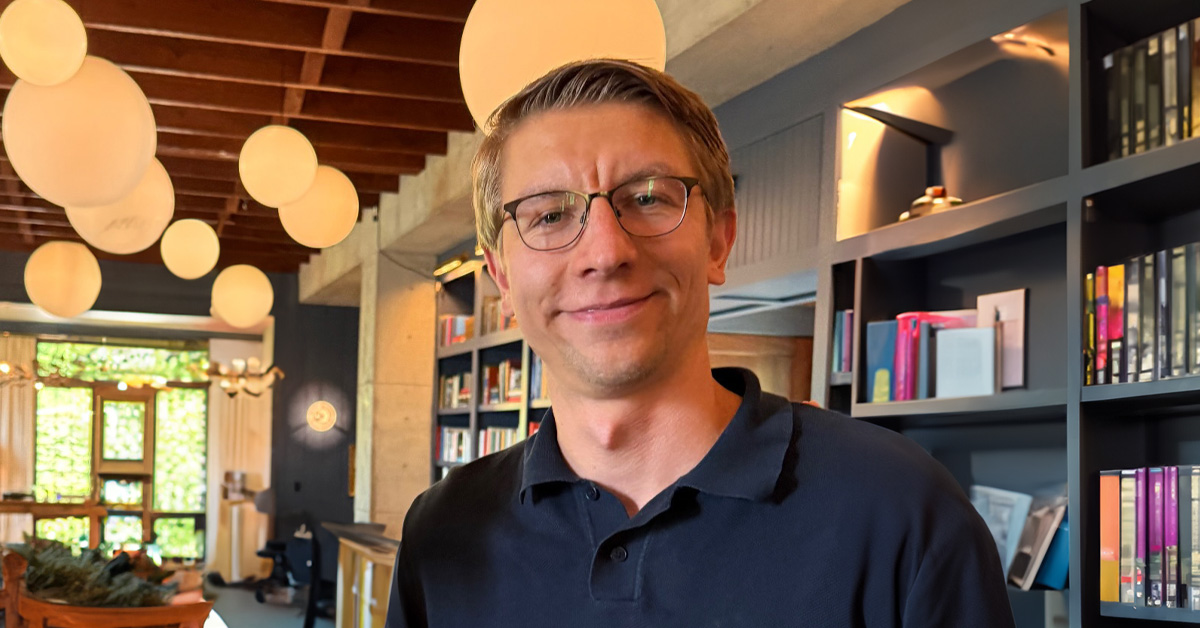
Alex Wieckowski: When society switched from the industrial revolution, so working on farms and factories to the office, that’s when gyms took off because people stopped using their body and they needed to find a way to exercise their body and stay in shape. I think now with AI, people are kind of offloading a lot of cognitive and mental work. And if you want to keep your brain in shape, you’re going to have to find a way to work it out. And the best way to work out your brain is basically, or one of the best ways, is by reading books.
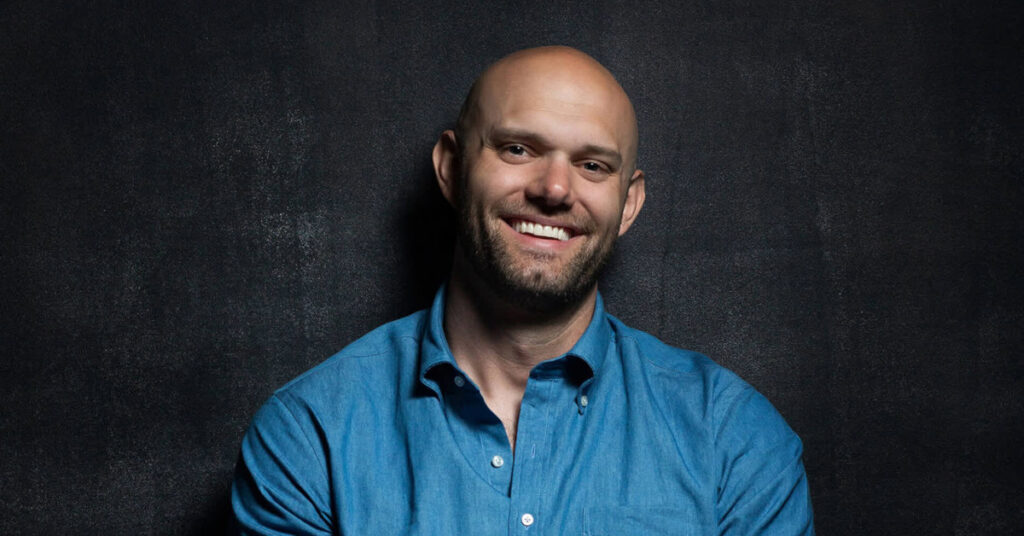
Zack Arnold: That was Alex Wieckowski who’s better known online as Alex & Books, who since 2017 has been writing and posting about the importance of reading books to his more than 1 million followers across social media. This guy has read over 750 books. And he’s currently writing the 21st century version of Mortimer Adler’s classic text How to Read a Book. In today’s conversation, Alex and I talk about why reading real books, those analog things that you hold in your hands that smells like something, why that matters more than ever in the age of AI. We discuss the four different types of reading (coz it ain’t just about phonics) and how better understanding these different approaches can help you build a more consistent reading habit. We’re we’ll help you choose what to read, reclaim the time to read it, and remember what you read long after you’ve closed the book. And we may even debunk speed reading. If you’ve got a stack of books you keep meaning to get to—or it’s been so long since you read a book you don’t even know where to start—well then Alex and I will show you that Reading is a skill anyone can develop and improve.
Zack Arnold: Alex. I’m gonna start by saying I am super excited to finally talk to you today, because you’ve only connected with me recently, but I have been following you for years, and you have helped me learn how to read. And if people are thinking, well, wait, what? Like, we’re gonna get to what that actually means and looks like. But before I get too ahead of myself, I just wanted to thank you for taking the time to be here today and share your wisdom, because you’ve got a lot to share. So, thank you for being here.
Alex Wieckowski: Yeah, really happy to be here, Zack. I love talking about reading, love talking about books, so excited for this conversation.
Zack Arnold: So here’s what I’m fascinated by, and this is one of the reasons I’m so excited to talk to you, is that you have achieved what I believe to be the impossible. Which is that you have built a very healthy social media following of people across all kinds of platforms, with the goal of getting people off of social media platforms. This is the holy grail that I have yet to crack. How can I be successful on social media and have the algorithms like me, and I’m telling people. Get off of this stuff and get your nose in a book. So, why is it that you think you have become so successful, especially given all of the headlines are, reading is dead, nobody’s reading, everybody’s too distracted? Why do you think you’ve been so successful talking about reading?
Alex Wieckowski: So, my background is marketing, studied that in undergrad, studied that in graduate school, so I have, like, a business marketing background. And I worked for a bunch of companies, from, like, a yoga studio to a Discovery Channel to a bunch of other big, name companies. And as you… your job as a marketer is to make that product, share that product to as many people as possible. So, I wanted to find a product that could share to as many people as possible, but also, like, help them. I remember when I worked at the TV network is, like, hey, if you do your job and you get more people watching TV, then they’re watching TV for, like, 8 hours a day, which isn’t good for them. And I thought, like, what’s a product that you can market to infinity and doesn’t harm people? And, like, one of the answers was, like, books, and I just love reading books. So I basically decided to take all my marketing knowledge, my marketing skills, and, like, social media was really up on the rise during that time, and I basically took all my marketing skills and channeled that towards books, and yeah, people kind of say, sometimes it’s hypocritical, it’s like, you’re on social media telling people to get off and read books, but if I was on social media telling you to read books, then you’d just be scrolling and scrolling. So yeah, I basically tried to mark… be the marketer for books and Try to inspire people to read more books and, get them reading and help them find interesting books to read.
Zack Arnold: It’s a very fine line to walk this whole, hey, I’m on social media using the algorithms to tell you social media is bad, don’t use the algorithms. And I’ve always… my argument has been, and by the way, I have not been successful with social media, and I’ve kind of abandoned it, but I was trying to do not what you were doing, but just the idea of, here’s why this is harming you, here are better ways to use your attention. And when people would make the same argument, I would say, if I wanted to get people to stop smoking, I would go to the smoking lounges. Right? Like, you have to get to the people to find them where they are, so you can then help them, but the challenge is only if they’re seeking the help, right? And that’s where, again, I think that you’ve chosen what could have been one of the most difficult niches to be successful on social, and then here you are, people love you, and you’re like, get off this thing, go follow me somewhere else. Actually, you know what? Get off the internet, go put your nose in a book. Like, I just, I think that’s fascinating how you’ve done that.
Alex Wieckowski: Yeah, I love that example. You gotta go to where the people are, the people that, you know, are kind of having the most difficulties, and I, myself, have struggled with, like, social media addiction, because once it became a full-time job, I was like, oh, this is great, but then I was spending, like, 8 hours a day on social media. Now I’ve got it down to, like, less than 2 hours a day, so I’m really happy about that, you know, and I’m spending more time reading than on social media, where in the past it was the reverse, where I was spending way more time on social media than reading. So now I try to share what I’ve learned through that journey with others.
Zack Arnold: Yeah, and one of the things that I love about the work that you do is that it’s just you. Like, it’s just a guy. Like, you’re authentic. I don’t feel like you’re an influencer. Like, so many people are just so turned off by the internet and social media, and influencers, and hustle and grind, and the bros, and like, I just… I’m so done with all of it. And with Alex, and I don’t know you in person, but I’m pretty confident that what you see with Alex is what you get with Alex. Like, across all your platforms, your voice, like, your classes. I’m just a guy. I just like reading. I’m gonna help you read better. Like, I just have… I’ve very much appreciated that over the years.
Alex Wieckowski: Yeah, and it’s as simple as that. Yeah, also, like, I am a one-man team, like, there’s no one else here doing it, and yeah, I’m just reading books at home, and then after I finish it, I’m like, hey, let me take a couple pictures, share some good quotes and lessons, and if you found the post interesting, check out the book and go read it, yourself.
Zack Arnold: Yeah, and I would argue that it’s very difficult to be as consistent as you are, to be as authentic as you are, especially if you only have yourself and no team. if you don’t authentically love what you’re doing and believe in what you’re doing. So I want to rewind, and I want to talk about the origin story of how Alex became a guy that first hated reading and then became the guy that’s teaching people how to read.
Alex Wieckowski: Yeah, so, it depends on, like, how far back you want to go. But basically, as a kid, I remember we took a field trip to elementary, and, like, the library was, like, a block away from my elementary school, and I got my library card, and that, like, unlocked, like, the world for me, because, like, whoa, like, anything you want to learn about, like. I’m pretty sure, like, I have ADHD or close to it, so as a kid, I was, like, hopping from one thing to another, and with books, like, anything… any topic you’re interested in, you could pull out a book, read it, and I spent a lot of, days and hours in the library after school, while my mom, like, ran errands and whatnot. So loved reading books as a kid, because you could, like, pick whatever you wanted, read whatever you wanted. And, you know, you have that freedom. But then, like, middle school, high school, you’re forced to read all these, like. classic books that, you know, have been around for centuries, but you’re not really told why you should read these books. And I remember specifically, in sixth grade, they made us read Romeo and Juliet, and it’s like. I was, like, excited, because, like, Shakespeare, this famous guy, let me read his book. And the book was in English, but it wasn’t in English. So I was using, like, SparkNotes to, like, understand it. And also, it was a book about, like, love and, you know. whatnot. And meanwhile, I’ve never been in love by the 6th grade. I haven’t even had a girlfriend then, or even kissed a girl, like, in sixth grade, so it’s like, I could not relate to any of these, like, classic books and lessons. So, like, my love for reading went, like, down, down, down, until it basically disappeared. And then halfway through college, I thought, like, I’d never read a book again. Then I had this college professor who’s a business professor, and he walked into class, and he had a Rolex, and he was the first professor I had who was, like, successful, then became a professor, and wasn’t just, like, a lifetime professor. And he said, if you read this one book, you’ll be successful too. And that book was How to Win Friends and Influence People by Dale Carnegie. And for me, at the time, I just thought, like, oh, here’s another book he’s assigning us to read. And I go to the bookstore, buy it. That night, I remember reading that book. And I read almost, like, half of it within, like, the… in the first night. And he only told us, like, hey, read the first, like, chapter or two. And I was a pretty shy, introverted kid, and here was a book about communication and social skills and breaking it down, and it was as entertaining as a fiction book, but as educational as a textbook. And that book just completely changed my life, because if I could learn social skills from a book, what else could I learn from books? And the answer hit me. It was, like, anything and everything. Like, any problem you have in life, there’s some expert who spent 10 years studying the subject, then compressed everything they knew into this packageable, fun little package called a book, and you could just buy it for a couple bucks, read it. and basically download their brains. So I basically became, like, addicted to reading at that point, and then happy to continue what happened next. But yeah, that was basically, like, the origin story of, like, how I love books, lost that love, and then re-found it again.
Zack Arnold: Yeah, it’s like the greatest life hack ever, and not only that, but when people will say, well. I don’t know, I don’t really want to connect with people or reach out, and I really need a mentor, but I don’t know how to get a mentor. It’s like, you can get a mentor for $10. Right? I got stacks and stacks of mentors all over the place. Now, does that mean you shouldn’t still reach out and connect with the people that you admire? Like, obviously, I feel you should, because that’s what this entire conference is about, is connection, but a place to start is $10, and frankly, no, free! Go to the library. There are still libraries. You can still get the books, and you can connect with people’s ideas. And it just mystifies me. how people are missing this. And instead, it’s like, they’re here, it’s like, but there’s so much knowledge to connect with the smartest people! And we’re missing that.
Alex Wieckowski: Yeah, like, I would say, like, none of my friends were successful, none of my parents were successful, no one I knew was successful in life. But I knew successful people read books, so I’m like, okay, there has to be something out there that someone, you know, one of these books has to, like, have that knowledge that I’m looking for. And it turns out there’s a whole section called self-improvement, a whole genre called business, and you just have to, like you said, go to the library, pick up a book, read it, and, like, the answers you’re looking for in life are probably in a book somewhere.
Zack Arnold: Yeah, going back to what you said about Romeo and Juliet, the reason that I literally laughed out loud is because my experience is so similar. If I go back to literally the beginning of the origin story, if you and everyone will indulge me for a second, I was literally born into books, and here’s what I mean by that. My mother had an obsession with books, like an unhealthy obsession with books. And my bedroom, where they had my crib, was the library before I was born. So floor to ceiling, all four walls were bookcases with books. And as a kid, it drove me nuts, because it was my parents’ books, I couldn’t put up posters. If my mom was looking for a book, she’d come in, like, it drove me insane. So I just, I had this visceral, like, annoyance and frustration with books. But then I started getting into reading, and I got really into Stephen King books when I was young, right? Because my sister and my brother loved Stephen King books. So I was the kid that when they had you do a book report in 6th grade, I did my book report on It. And if anybody doesn’t know, It is, like, 1,100 pages. Right? And I look back at that, and I’m like, oh dear Lord, what was I thinking? But at one point, I loved books, despite the fact that I, you know, the frustration that I had with them. And then came middle and high school. And for me, it was Romeo and Juliet, same experience. It was Beowulf. And it was Hamlet. And then it was Greek mythology, and like, ugh! Like, I have to do this. Like, it’s so frustrating, this is not enjoyable for me. And then when you get to college, it’s nothing but reading assignments shoved down your throat, and I just stopped reading. And it took me years to reconnect that and realize there’s so much value in these books, and now I literally have stacks all over the place, like, behind me and otherwise, and I probably inherited my mom’s unhealthy obsession with books. But I have the exact same experience, and I think there’s so many other people that have that experience. And the other thing you brought up that I think is really relevant, especially to this audience and to me, is where you said you’re not sure if there’s neurodivergence, but there’s probably some ADHD.
Alex Wieckowski: Yeah.
Zack Arnold: So we’re gonna talk a little bit later about how we can help people that feel distracted or overwhelmed with books, how do we build a relationship with our books. But I want to talk for a second before we even get there about, is there even any point anymore? Because there have been a bombardment of headlines over the last 6 months. Reading is dead, nobody reads, what’s the point? The publishing industry is completely in free fall. So is there even any point for you and I to continue today’s discussion?
Alex Wieckowski: 100%. And I would say, I think there’s, like, a hot take, if people are looking for one. I think books are gonna be more popular in the next few years than ever before. To give, like, a little history lesson. When the industrial… when people… when society switched from the industrial revolution to working on farms and factories to the office, that’s when gyms took off, because people stopped using their body, and they needed to find a way to exercise their body and stay in shape. I think now with AI, people are kind of offloading a lot of cognitive and mental work, and if you want to keep, like, if you want to keep your brain in shape, you’re gonna have to find a way to work it out, and the best way to work out your brain is basically, like, or one of the best ways is by reading books. And I think we’re seeing, especially now, everyone says the word brain rot, because if you consume, like, short-form content, like TikTok, Reels, shorts. you’re flipping your attention every few seconds, and that short-form content leads to shorter attention spans. So if you want to, like, retrain and repair your attention span, you have to consume long-form content, which, again, comes from books. So I think, actually, yeah, people are gonna be reading more books than ever before, or at least the people that want to stay sharp, like, cognitively, and who, like, want to stay at the top of the game, they’re definitely gonna be reading books.
Zack Arnold: No, my short response to that is hear, here. I really hope you’re right, and I want to be a part of helping to make sure that you’re right. I’m skeptical, just because I’m more skeptical of people than I am skeptical of your claims. But one thing that I want to throw in here, this is literally something I just learned yesterday in doing my research on Adam in preparation for my conversation with Adam. Is that he found in, research, it was a meta-study, and I can’t quote what it is, because I’m not a Rolodex of studies the way that he is, but essentially, they’re finding that people’s attention spans aren’t getting shorter nearly as much as we think they are. The problem is there’s a lack of interest and a lack of motivation, and we just tune out because everything is so disposable. But when we’re motivated and interested in something, we actually do have our attention spans, we just have to retrain our brains. I found that really interesting. So I think that to me just gives even more stake to your claim that, you know, books are gonna be the next thing all over again.
Alex Wieckowski: Yeah, and there’s that other saying that people don’t have short attention spans, they have short consideration spans. So, like, if a podcast’s interesting, you’ll listen to, like, 3 or 4 hours, like a Huberman podcast or something, or you’ll watch, like, a movie that’s ridiculously long. But, you know, you’ll get bored of a TikTok if it’s If it’s not interesting in a couple seconds. So, yeah, it’s also, when you find the right book, they’ll keep you hooked, because you’re, like, so absorbed in it that you just gotta keep reading it.
Zack Arnold: Yeah, and we’re gonna move, probably in a few minutes to getting more strategic and tactical with what are the right books, how do we choose them, like… I don’t even know if you know this, but I bought your course. It’s called The Art of Reading, right? Yeah. I devoured that, because I really str… I don’t struggle with, like, the phonetics of reading, but struggling with how do I actually get the most out of a book. I’m a podcaster, I’m a writer, like, I really struggle with the process of getting things out of books and taking action, so that was tremendously helpful. So we’re gonna get into all the tactical stuff for a little bit, but I want to come back to that pesky little elephant in the room that you mentioned. the robots, AI, right? So, I wanted to get to this later, but as long as you brought it up, let’s just talk about the elephant in the room, which is, why would I even spend hours and hours reading a book when I can just say, summarize this for me, build me action steps based on this conversation? Again, I’m going to continue to make the argument, what is the point anymore?
Alex Wieckowski: Yeah, so I think this is a great, story to answer your question. So, when I was a college student, you know, broke college student, I downloaded one of those, like, free, book summary apps, and because, like, I didn’t have much money, I did the free trial. So the free trial was you get one book summary every day, instead of, you know, paying for, and you get the limited. So, I was like, okay, cool, I commute, I take the subway every day to school, let me read on the commute, because that’s what a smart person does. So, I basically read a book summary every day on the train for 100 days, and I remember getting, like, this streak, or, like, awards, like, you read 100 books in 100 days, congratulations. And I took a couple, like, seconds to, like, reflect, like, oh, what was my favorite book? What did I learn? And I couldn’t… I couldn’t answer the question. The answer was, like, I didn’t learn anything. Because the thing is, when you compress a book. you strip out the story, you strip out a lot of the context that makes the story memorable. So, like, if you go up to someone on the street, and you just say, like, hey, buddy, get 1% better, they’re just gonna look at you funny. But if they read Atomic Habits, and then you tell them, hey, get 1% better, they know the story about the British cycling team, and how they got 1% better, and that, you know, then they ended up winning the Olympics. So the problem is, like, the book summary is a… it’s like a concentration or a compression of the book, and I, like, to give a good analogy, it’s like. If you have apples, you could turn the apple into apple juice, but if you have apple juice, you can’t turn it into an apple. And the same thing with information. Information’s not a two-way street. If I read a book, I could write a summary that you read, but if you read the summary, you can’t write the book. So the problem is, like, you have to read the book if you want the full story, if you want to be able to remember the lesson, and also if you want to be moved, like, emotionally, spiritually, or, like, just… Sometimes you need all those examples in the book to, like, change your mind about a topic that you’re pretty, like, stuck on, or you have this belief and you try and change it, sometimes you need 300 pages of stories of lessons to, like, change your mind about something. So if you just use AI to summarize a book for you, it’ll give you the lessons. But it’s kind of like saying, oh, I saw a movie trailer, and I don’t have to watch the movie anymore. It’s like, no, even if you know the general plot, because it’s, like, a bad trailer, you don’t know the character’s name, you don’t know the details, you don’t know exactly what happens, you can’t summarize the movie just because you watched the movie trailer, and you can’t summarize the book just because you asked AI to write a summary of the book.
Zack Arnold: Yeah, I mean, there’s so much nuance that you’re missing, like, imagine asking ChatGPT for a summary of Breaking Bad. Like, oh, this is what it’s about, great, as opposed to spending years with those characters. And that’s another thing that I think we’ve really lost, is just in binge-watching, we’ve lost the experience of, I get one episode a week, and I’m thinking about that episode, and I’m wondering what happens, and it just kind of becomes a part of the zeitgeist, people talk about it, and it’s a span over years. And now we have these great shows, and they give you all of them at exactly the same time, and the experience is so good. different. And to me, it’s very similar with books, but with books, it’s not so much about Well, it’s the experience of, you know, like, what you would get from being with the characters on the show. But it’s, at least if we’re talking about nonfiction, it’s that the learning is in the struggle, it’s in the process, and if you remove the struggle, you remove the learning, right? Or you just lose the experience of thinking about that one chapter while you’re in bed, waiting to read it when you wake up. Like, we’re losing so much by making everything easier and more efficient.
Alex Wieckowski: Yeah, and the key point you said there is, like, the struggle is the learning. It’s like, if you go to the gym and you tell your friend to lift the weight up and down. you know, they are moving the weight. If you want the weight moved from one side to another, that accomplishes that, but you’re not getting any of the effort of lifting the weight, because they’re the ones doing the work. So if AI is the one doing the work of reading the book and summarizing it, you’re not getting that effort. Another way to think about it is, like, if you read the book and you summarize it, you get more from writing the summary than the next person does from reading the summary. So yeah, if you find an interesting book, read the whole thing, but also you could use the summary as, like. again, the movie trailer. So if you like the summary, then go and read the full book, but if you don’t like the summary, if it’s not interesting, then maybe that book’s not for you.
Zack Arnold: Not only that, but I would say that in the process of the struggle of reading the whole book, it might say, like, here are the 5 or 10 key points of Adam Grant’s give and take, or here’s the latest insights and science and research from his book, Vibe, right? But then there’s, like, this one paragraph of this one story that’s so obscure that people don’t even remember that it’s in there, but it hits you. You’re like, oh my god, yes, I had that experience. You’re never gonna get that from a summary, even if it’s a human summary. You have to experience it and feel that connection to the author, because they’re putting their thoughts and emotions onto the page, they want to connect with you, the reader, and you completely sever that connection with any form of summarization, human, AI, otherwise.
Alex Wieckowski: Yeah, that’s a great point, and, like, authors usually have multiple examples to prove their point, so if the summary only uses one example and you can’t relate to that example, you’re missing out on that lesson.
Zack Arnold: Yeah, exactly. So now I want to start to get into the nitty-gritty, because man, oh man, there are so many things that I’ve learned from you about this process, but before we talk about learning from you, I want to go back to what’s, like, the book. about reading books, which is how to read a book. And you’re like, why is there a book about how to read a book? But this is kind of where all this started for you, which is, there was this book, and you said. Hold my beer. I think we need one of these for the 21st generation. So introduce people to what this book is, and then how that relates to the work that you’re doing with your book.
Alex Wieckowski: So, How to Read a Book by Mortima Adler. It’s the book about books. It was first written, I want to say in the 1940s, then updated in the 1970s. And it’s basically this, English-slash-philosophy professor who was at Columbia, who was teaching about all the great books of literature to students, and he basically wrote a book about how to read these great books, because, like we talked about earlier, a lot of these great literature books that are in English, but they’re hard to understand, they have multiple layers of meaning. And he basically wrote the book sharing, like, hey, there are four levels of reading, here’s how you, you know, here’s how, you… once you learn how to read, that’s, like, step one, but then you have to learn how to read the book itself, here’s how to understand the table of contents. here’s, you know, there’s different genres of books that have to be read differently, which is a fantastic book. The problem is, like, it’s 450 pages long, and it’s basically been out last… it was last updated 50… 50 years ago, so it doesn’t include audiobooks, doesn’t include e-books, doesn’t include the internet, doesn’t include AI, and it talks more about just reading literature. And what I’m trying to do is write a book that teaches the meta-skill of reading. So, okay, you know how to read, but do you know how to choose what books to read? Do you know how to find times when to read? Do you know when to put a book? Do you know how to take notes in books? Do you know how to remember what you read? And all these kind of sub-skills that come with reading, Mortima Adler never covered.
Zack Arnold: And on top of all that, all due respect, it’s a slog. Like, it’s… it is not the funnest, easiest read. It is incredibly useful, but you gotta do it in bite-sized chunks. You’re like, alright! I’m gonna sit with this for a chapter, digest it, think about it, take notes, but it is not an easy read. And I think that’s one of the great things you’re bringing to this conversation, is, like, you speak normal people speak, and you understand the times that we’re in, so that’s one of the reasons I’ve been really excited to kind of be behind the scenes and play around with your manuscript and see what you’re bringing to it, because it’s way more accessible.
Alex Wieckowski: Yeah, if you go to the Amazon reviews, I kind of looked at, like, what are, like, the main complaints? One was, like, the length, because, like, almost 500 pages. Two is that it’s outdated, it’s, like, 50 years old. And three, that is written by, like, a professor of psychology who had, like, a PhD, who was a little bit, like, posh, and yeah, made the content a little bit more, a little bit more complex than you need it to be. So yeah, trying to make the book shorter, fresher, and just, like. Simple… simpler for people to digest.
Zack Arnold: Yeah, which I love. So you brought up this idea that there’s actually 4 different types of reading. I just want to kind of hit on each of these briefly, and then kind of dig into a lot of the strategies that you have. So the first one is elementary reading. That’s the part that we do know. How to read, phonics, words, sentences, conjugation, right? We don’t need to talk about that. But the next one is what they call inspectional, and used to call it surgical, right? Where it’s like you’re kind of zooming in, and for me, what I loved about this approach, and I want you to talk a little bit more about it, it gave me permission to think that reading doesn’t have to be, alright, I’m sitting down. Page 1, I have to get through all of the words now, and especially with ADHD, it’s like, it’s just not gonna happen. So let’s talk about this approach, like, a little bit more inspectional, a little bit more surgical, and it’s not, you know, all-or-nothing mentality.
Alex Wieckowski: Yeah, so I basically took more of my Alex’s framework and kind of adapted it to what I call surgical reading. So basically, you open up the table of contents, and the table of contents, we’re talking about nonfiction books mostly here, the table of contents is like the map of the book. It’s like the roadmap the authors giving you is saying, like, hey, here are the topics I’m gonna cover, and sometimes they list the subchapters or subtopics, so you’re like, okay, here’s the direction we’re gonna go in this book. do you see anything interesting in, like, in these, chapters? And if so, feel free to jump ahead to that chapter, read it, get what you need, and then go and apply it, or, like. you know, once you have that information, go and do your thing, because with a nonfiction book, they don’t have to be read from front to, front to back. You might just need a section of the book, or, you know. If there’s specific… just, yeah, a specific lesson you’re looking for, just read the table of contents, find it, jump to it, learn it, read it, and then, you know, you could read the rest of the book if you want, or you could go on to the next book.
Zack Arnold: The way that I’ve approached it, and it sounds like it’s similar from what I’ve read or heard from you, and this is not the way I used to approach it. I’m a recovering completionist and a recovering perfectionist, which is I must read it from front to back, every single word, and if I don’t, I’m doing a disservice to the author. That doesn’t work if you want to read a lot of books, but my approach now is that I will read the introduction, or any preface or forward. And then I will read, and by the way, this doesn’t work for fiction, but nonfiction, I read the conclusion. So I want to know what’s the summary of all the ideas. Then I read probably the first chapter, and if by then I’m like, this isn’t hooking me, or this isn’t gonna solve my problem, I’m out. I still feel guilt doing that, but it’s at least made my process both more efficient and more effective. So I’m curious, what’s… how similar is your process, and where does it differ?
Alex Wieckowski: Yeah, I kind of take the baseball analogy, where you have three strikes to hit a home run, or hit, you know, hit the ball, or basically you’re out. So, with the books, I give them three chapters. So, like you said, I’ll read the introduction, probably the first chapter, and then I’ll look at a table of contents to see, like, maybe what’s one chapter I want to jump ahead to. So, if the book doesn’t win me over by 3 chapters, it’s out. I know a lot of other people like to just do, like, the 10% rule, so I’m just gonna sample this book, so if a book’s 300 pages, 30 pages. First 30 pages, if it doesn’t, like, hook you in by then, it’s out. So there’s a bunch of different, frameworks you could use, kind of, like, sample books, but I use, like, the three-chapter rule.
Zack Arnold: So let’s get to the next one, and I think this one we can probably talk about very briefly, because it’s probably what most people think reading is when it comes to nonfiction, which is analytical. Let’s just kind of hit this one very, very quickly. What does it mean to do analytical reading?
Alex Wieckowski: So here, you’re kind of having a conversation with the author. It’s like, okay, you’re reading the book, do you agree with them? Do you disagree with them? Why? you know, what knowledge do they have, what knowledge do you have? And yeah, I think you want to treat each book, again, we’re talking about nonfiction, as if you’re in a college lecture, and the author is giving the lecture, and you can have a conversation with them by writing down agreements, disagreements. And then, you know, maybe they’ll answer them later in the book, or maybe they don’t, and that’s when you go out to different stores to see, you know, if they’re right, if they weren’t. So it’s kind of… Being more of an active reader, and not just, like. Accepting everything that they say.
Zack Arnold: And this is probably where we’re going to spend a decent amount of our conversation, is how can we get better at analytical reading? Because for the most… for most people, it’s probably going to be, I want to sit down with a book, I really want to extract the ideas, how do I take notes, right? How do I write questions? We’ll probably spend more time on that, because I think that’s going to be the most common. But I at least want to hit on the fourth one. Because when I pitched my idea for this podcast, you’re the only person that knew what I meant. You and Nick Milo, you’re the only two people that knew what I meant. And you said, tell me a little bit more about this. And I said, what I want to do is have a syntopical podcast conversation. And you smiled, and you’re like, oh, that’s cool. What’s in topical reading?
Alex Wieckowski: So, that’s when you basically wanna… you want to have, like, a group of information. So in this case, it’d be like, hey, if you’re reading a book about habits, you would want to have multiple books on habits, and try to see, like, okay, what patterns are between this book that they all agree on, and that’s kind of, like, the fundamental information of that topic. And then where do they disagree? And that’s kind of, like, where the edge of the knowledge of that space goes, and that’s when you have to experiment with, like, oh, is this author right? Let me try it out. Or maybe they have this theory, but it doesn’t actually work in practice. So that’s what I like to say is, You kind of want to have, like, a… like, I call it, like, a mini-PhD. So, you know, a lot of people don’t even read books, so if you read one, you’re pretty well versed about that topic. If you read, you know, three to five books about one topic, you almost have, like, a PhD level. The only people that know more are people that have, like, a PhD on that topic. So, you know, pick a topic, read three to five books about the topic, then summarize the information there, and that basically teaches you almost everything you need to know about that one subject.
Zack Arnold: And I love that you bring up that you’re basically smarter than somebody that wouldn’t have a PhD in it, because at first glance, you think, well, that can’t really be true. But then when you look at the stats, that, like, most people read less than one book a year. like, we’re talking the vast majority of the population, and you’ve read 3 to 5 books on one topic, like, you’re… other than the experts, you’re now the expert on it. And this, to me, again, is just kind of like the cheat code on steroids.
Alex Wieckowski: Yeah. Yeah, and there’s, like, I would say there’s diminishing returns to reading multiple books on the same topic. Like, if you read Atomic Habits, you probably know, like, 80-90% of what you need to know. If you read also Tiny Habits and The Power of Habit, you’re probably, you know, know 95% of what you need to know. If you read, you know. 10, 20 books about habits, you basically know 99% of everything you need to know, and, like, you could go on to the next subject, you don’t have to keep reading books about habits, unless that’s your, like, area of expertise.
Zack Arnold: Yeah, and eventually, you’re just gonna start reading the same things over and over, told in slightly different ways, which, whenever I hit that point, I’m like, alright, no, I think I’m good on this subject, it’s time to move to the next one. But the reason that I wanted to highlight syntopical reading were two reasons, the first of which is that I wanted people to understand that my approach to this conference is when analytical reading is having a conversation with the author on the page, I thought, well, what if I have a conversation with the author that’s the actual author about what they put on the page, and I do it about a subject matter rather than just about a book, right? So to me, this is one giant syntopical podcast conversation around understanding human connection from a multitude of different languages, and I kind of see it as a mind map. The center of it is, you know, Adam Grant’s work, because he’s the keynote speaker in his book, Vibe. But I can’t have a 15-hour conversation with Adam Grant, he wasn’t available, but I figured, why not have 15 one-hour conversations, but all within the same central idea, so this is my version of a syntopical podcast conversation.
Alex Wieckowski: Yeah, and it’s a fantastic idea.
Zack Arnold: And the other reason I bring this up is that for most people, they would be like, man, like, reading multiple books at the same time about this? No way! But for the neurodivergence and the ADHDers, they’re like, That might actually suck me into reading, because we… we have a tendency to be more obsessed about things. I always say I don’t have hobbies, I have obsessions. And for me, I usually find I’m in the middle of 3 to 5 different books at the same time. So, to me, this is actually one of the things that drew me into reading, was this approach.
Alex Wieckowski: Yeah, and the framework I like to say is, like, follow the footnotes, or follow the breadcrumbs, whereas, like, okay, you read this book, and if you look at the footnotes, you want to see what author does this author cite, because usually each book has, like, a foundational book that it’s… every book out there is basically like a sequel to some books, so my book will be the sequel to How to Read a Book, but then if you look at How to Read a Book, there’s a book by, Holbrock Jackson, who wrote a book in, like, the 1800s about, like, reading books, and if you go back to that, then it’s, like, Montague, who had this essay about reading books, and if you go back to that, you get to, like, the Stoics, and they talk about how they read books. So you want to follow the footnotes of each of those books, and go back in time, and see, like, what did those people say, because yeah, each book is basically built on top of other books, and that books don’t come out of thin air. So Atomic Habits, for instance, he cites BJ Fogg, who wrote Tiny Habits, he cites, Charles Duhigg, who wrote The Power of Habits, he cites Nier Eyal, who wrote Indistractable, and his book, Hooked. So you can… it’s kind of cool that you can see… it’s like, hyperlinks on Wikipedia, in a sense, where you go, and you click on it, and then you go back in time and go to the original source. So yeah, like you said, you can follow your obsession with And I basically did that about books, and I read probably close to, like, 100 books about books.
Zack Arnold: Yeah, and we’ve… we have had hyperlink rabbit holes for hundreds of years. It wasn’t just Wikipedia and the internet, we could have done this, you know, we can literally still do it without the internet. It just takes a little bit more work.
Alex Wieckowski: Yeah, books are the original, like, hyperlinks.
Zack Arnold: Exactly. So I want to pull out a statistic that you shared, and then I’m going to kind of let you run with this wherever you want to go. A 2024 report by the Reading Agency found that the most commonly cited barriers to reading for adults were lack of time , difficulty maintaining focus while reading , inability to find interesting material , distraction from social media , and low reading confidence, 11%. Where you want to start.
Alex Wieckowski: I guess we’ll start with the biggest number. Time, right?
Zack Arnold: Yeah, lack of time, right? It’s always, there’s never enough time, I have so many things to do. Help us even find the time to read before we figure out what to read and how.
Alex Wieckowski: So, yeah, the keyword you just said there, find time, but you can’t… if you go under your bed right now, you’re not gonna find an hour of time. If you look under your seat, you’re not gonna find 30 minutes of time. time is not hidden. That’s the misconception. Time is being spent, and it’s always being spent. So we all have 24 hours a day. Sure, some people have busier schedules than others, but the problem is that It’s not a finding time, it’s a reclaiming time. So it’s looking at how are we currently spending our time, our hours, our days, and the simplest thing you could do is, I call it, like, a time journal. Just literally, like, take a sheet of paper, and for just one day, every 15 minutes, just write down, like, how are you actually spending your time? And… or just, you know, look at your screen time on your phone, on your laptop, how much time do you spend watching TV? And then, you know, just do it for one day, don’t judge yourself, and you’ll get, like, an honest look at where all your time is going, and then you have two options. You could either Combine an activity with reading, or you prioritize reading over an activity. So, you know, let’s say every morning, you know, you wake up, you check your phone while you’re having a coffee. You could choose to prioritize reading a book over that cup of coffee. Over or scrolling your phone. Or, like, let’s say every morning on your commute, you listen to a podcast, you could combine reading on your commute instead of the podcast. So you basically just want to, once you know where your time is going, you want to look at where can I prioritize reading over other activities, or where can I combine reading with an existing activity? And that’s basically how you reclaim your time.
Zack Arnold: You and I have read a lot of the same books about productivity, because I would have probably answered in a similar fashion. I’ve been telling my students for years, you’re not going to find some right-click menu in Google Calendar where you get an eighth day of the week. If there were, like, I would sell that, and I would market it. Like, you’re gonna have to prioritize the time, and there is time, and if you’re thinking, well, no, there isn’t, well, just go to your phone and look up screen time, and see what that looks like, and it’s probably not gonna say zero minutes. Yeah.
Alex Wieckowski: That’s for sure.
Zack Arnold: So, I’m gonna choose the next one, because I think this is one of the areas that people really struggle, because we’re so distracted, but where they struggle is, I don’t know what to pick. I don’t know what I’m supposed to read. I’m not interested in something, and I feel like I have to do it rather than I get to do it. How do we choose the right books for us?
Alex Wieckowski: My favorite framework for this is read it when you need it. So I think a lot of us think, like, oh, you know, there’s all these books I want to read. But what book do you need right now, in this moment? So, for example, you know, I used to read a lot of books about writing, because I thought, I want to write a book one day. That was years ago, and I don’t… I basically don’t remember anything I read from those books. But now, like, you know, last year, when I actually started working on them, my book, that’s when I did a deep dive and started reading books about, like, writing. So, like, Write a Must Read by A.J. Harper, or Write Useful Books by Rob Fitzpatrick. Those books, I could read and actually apply them. So I would say, look at your life, like, what’s either… what’s one of the biggest problems in your life right now that you want to overcome? what’s a skill you want to learn, like, right now? Or, like, what’s a field or a topic you’re super curious about, that you’re obsessed with, and go find a book on that topic. So, yeah, read it when you need it, or read it just in time, not just in case.
Zack Arnold: Yeah, I think that’s a great way to approach it, and I find that whenever people will come to me, and this happens a lot, just being a podcaster, you have to read this, you have to read that, but if it’s not something that’s relevant to a problem I desperately want to solve, it’s like, alright, I guess I’ll read this thing. But then, if the right book hits me at the right time, like, I’m sucked in. Like, I remember, I was kind of at the tail end of reading a lot of books about productivity and time management, and then everybody said, you have to read 4,000 Weeks by Oliver Berkman. I’m like, another time management book? Like, I don’t know, like, I’m kind of done with all of this. But so many people told me to read, I’m like, alright, fine, I’ll read it. Two pages in, I’m like, I was so sucked in, I think I read it in one sitting, because it wasn’t about time management. It was about what are you actually doing with your life. and you need to accept that there’s never gonna be enough time to do it all, so just do the things that are important. And it was like, oh my god, this is what I needed to hear at exactly the right time, and I had Oliver Berkman on the podcast and told him, it’s your fault I rebranded my entire company, because you realized I’m doing the wrong things with my time. So, you can read the perfect book at the wrong time, and you’re like, read the same book at the right time, it’ll change your life.
Alex Wieckowski: Yeah, so it has to be the right book for the right person at the right time. And yeah, what you mentioned is another framework I mentioned in the book. So, like, the rule of, like, respectable three. So three people you respect, admire, look up to all recommend the book, that’s a sign for you to get it. So what I do is, like, if one person recommends me a book. you know, I’ll keep it in the back of my mind. If another person recommends me the book, same book. I’ll put it in my Amazon cart, and then if the third person that I look up to or admire says, hey, you gotta read this book, that’s when I’ll actually go buy the book and actually start reading it.
Zack Arnold: Yeah, I think all this is great. So now let’s assume that we have said, alright, we’re gonna, we’re gonna give this a try. We’re gonna prioritize some time, I didn’t find it under my bed, I didn’t find it in my purse, I’m gonna actually make some time for reading. And I think I’ve found something that’s actually interesting that can solve a problem. And then you sit down, and you crack the book open. Oh, hold on, let me just check my messages real quick, and oh, wait, but this is happening. Like, now we get to the distractions. How do we actually sit down and read, and get something out of it, rather than we try it, it doesn’t work, we try it again, it doesn’t work, we can’t stay consistent, we’re too distracted. How do we actually get into the book and stay consistent?
Alex Wieckowski: So, there’s, there’s two types of distractions. There’s, like, internal distraction and external. External is something that happens outside of you, so the number one thing that distracts people from reading is definitely their phone. So what I do is I put my phone in silent, and I put it as far away as possible as I can. And there is research showing that, you know, if you put your… Phone, like, even 10 seconds away from you. that causes enough friction for you not to get up and go check it. Because if you have your phone next to you, like, in your pocket, even if it’s on silent, you’ll experience, like, a phantom ring where you thought it got a message, so you open it, you… and then you start reading the book. I mean, then you start scrolling your phone and you forget about the book. So that’s probably, like, the biggest thing, just leave your phone in another room, put it on silent if possible. For internal distractions, where it’s like, hey, I’m reading this book, and then you get this thought, like, oh, I forgot to answer this email, or I have to buy my mom a gift, or I have to call my friend and wish him a happy birthday. What I do is I’ll either write in the book, or I’ll usually take a post-it note before I start reading, and I’ll keep it in the book. And then whatever distracting thought I have, I’ll write it down on the post-it note, so that way I brain dump it, I don’t have to think about it, and I have it written down, so that frees up, like, mental space for me to focus on the book. And then after I’m done with my reading session, probably, like, at least 15 to 30 minutes, then I can look at the post-it note and be like, okay, here are the 3 or 4 things I want to do now, or I can do now. So that’s probably, like, the two most practical pieces of advice for people.
Zack Arnold: Number one, when I saw you, I think you… whether it was a YouTube video, a short, I can’t remember which one it was, but visually seeing you go through this, where, like, you have a book, it’s a physical book, by the way, and we’ll talk at least a little bit about physical versus digital, audible, etc. But it was, like, you go… you close the book, and on the front of it, you have, like, a big post-it note. And then you set a timer, and that timer part, especially for neurodivergent people, the timer plus that is magic, right? I mean, this is something they’ve been doing for decades in elementary schools, egg timer. It’ll change a kid’s life, right? We’re just big kids. So yeah, set yourself an egg timer, you put a post-it on the front of your book, like, it completely changes the game with distractions, because you’re not going to lose the thing, you got it right here, but you’re kind of setting it to the side.
Alex Wieckowski: Yeah, and the key part here is, like, if you don’t write it down, it stays in your mind, and you, one, you worry that you’re gonna forget about it, and two, you… it takes up space, because you’re reading this book, you’re trying to take in new information, but then you’re thinking to yourself, oh yeah, I have to text my friend happy birthday, and I have to, like, call my mom, and I have to, you know, do the laundry, or something like that. But once you write it down, you know that information is out of your brain. And, you know, it’s in a safe space, and then it’s there when you need it.
Zack Arnold: So this next section, I fear we could probably do this for about 90 minutes, because this, for me, is the area where I really struggle and I get really detailed. We’re gonna do, like, a brief primer, and I’m just gonna have to contain myself from not asking you 70 different questions about this. But this would be the actual process. Reading, taking notes, highlighting, underlining. This is where I’m still trying to find my process, even after years, and especially because I’ve had to go through… I’ve lost count, but it’s over 20 books in the last 3 months to prepare for this conference. Like, I’m just reading hundreds and hundreds of pages a week. and I feel that I could be a lot more efficient while still being effective. But what is your process? If you want to analytically get the most out of a book, what’s kind of the brief version of how you read a book?
Alex Wieckowski: Yeah, so I tried probably, like, dozens of different note-taking systems, the ones you’ve seen on YouTube, on Instagram, the one with post-it notes, with posted flags, with different highlighters, all of that. And what I found is that, as the saying goes, like, simple skills, but fancy fails. And the more complex you make your note-taking system, the less likely you’ll do it, because it becomes an obstacle, not something to help you. So my note-taking system, I try to make it as simple as possible, and probably everyone listening is gonna say, like, oh, this is so simple, but then once you try it, and hopefully it works, and it’ll actually be, like, the system you finally stick with. And then if you want to add on to it, you can. So to start, I always, you know, we’re talking about physical books here, I always like to start by writing my name in the book, and also the date I start. And this does two things. One, it identifies, like, this book belongs to me, so if I leave it somewhere, or, you know. someone borrows it, they know, hey, this is Alex’s book. And what’s cool is, like, if you write down the date when you start the book, and then I’ll write down the date after I finish the book. It becomes, like, almost a journal, or, like, a timestamp. So then later, like, years on, you could look back into his book, and if you open it, you could see when you read it, and, like, where you were in life, and then maybe, like, how that book altered your life and, like, changed things. And it’s also cool, because if you reread the book, then you can add the next date, and you can kind of see, like, when was the last time you read this book, so that’s, like, a fun thing to do. And then the highlighting system itself, super simple, is, like, you actually don’t need to highlight if you, if, all you need is a pen. So you can highlight if you want to, or you can put, like, brackets around text. So as you read the book, I look for IQ and AA, so that’s insights, quotes, and Actionable Device. So those are, like, the things I look for. So let’s say you’re reading the book. And on page 7, you see an interesting quote, so you could highlight it or put a bracket around it. Then you open up the book, on the front cover, you write down the page, so page 7, and then you say, oh, there’s a great quote from Benjamin Franklin, or whoever, and you just want to write a couple words, or, like, one sentence. And you continue doing that process as you read the book. By the time you finish the book, you’ll have a custom table of contents where whenever you open the book, you’ll have the most important lessons, you’ll know which page they are if you want to go to it and, like, you know, refresh your memory. Then also, I’ll reread the highlights, from that book, and then I’ll go to the back cover, and I’ll write down, okay, what are the most important lessons I learned? And then on the other side of the back cover, I’ll write down, okay, how can I actually apply these lessons? because reading, especially non-fiction books, the point is not to read the book, it’s to find the most important lessons, and then actually go and apply them. And sometimes, you know, if you read a book like How to Win Friends, it tells you, hey, you know, remember people’s name, be interest… be interested, not just interesting. But other books, you kind of have to take a couple, moments to, like, reflect on how can I actually apply this to my life? And then from there, you kind of have the most important lessons and, you know, the actionable steps you want to take now that you’re done with the book.
Zack Arnold: Mmm, the table of contents idea, that’s one I hadn’t really considered, where it’s, like, your own table of contents of great quotes on these pages, great insights, or great… like, for me, great research studies. You can kind of customize it to your needs. And the… one of the challenges that I’ve run into, that I know a lot of other readers do, is that when you highlight everything, you highlight nothing. And I used to be an over-highlighter, and, like, half the page is highlighted, and I’m thinking, this is useless. Like, if I were to look at 4,000 weeks, like, I can’t… like, when I was doing my, preparation for my podcast with Oliver, it was, like, 2 years after I read the book. I’m like, this is useless to me. Like, everything is highlighted, so you have to be much more selective. But that’s where the work happens, that’s where the synthesis… that friction is where you walk away actually knowing what you read.
Alex Wieckowski: Yeah, and two things you actually do there, because I get that question a lot, is like, hey Alex, I highlight my book so much, it’s Glen in the Dark. So two things you could do there is, like, once you… okay, you… maybe the book is so amazing, like, so insightful, so great, like a book like 4,000 Weeks, that you do want to highlight everything, because it does have so many great, like, insights and lessons. Or, also, like, maybe a week after you finish the book, go back through your highlights, and then put a star around the highlights that are actually the most meaningful out of, you know, out of those 100 highlights, which were actually the 20 most important lessons, because time is, like, the most important filter, where if you go back to the book. Some highlights will be interesting, but some will be like, okay, this was kind of good in the moment, but wasn’t as great as this other one. So it’s also worth rereading your highlights, and then putting, like, a star next to the most important ones.
Zack Arnold: Yeah, the process that I’m currently at, and I reserve my right to change my mind, because I always do, but essentially it starts with, I just underline something that’s interesting, like, this is a good passage, maybe it’s the way I like the way it’s written, or it’s a good study, or whatever it is, right? But then I can go back through and say, like you said, here’s a star, right? So I’ll probably have 10 to 20 stars throughout a book, but then what I do is I take a little, like, those little flags, right, and I pick a yellow flag flag, and that says, this is where the gold is. And I usually have no more than 3 to 5 yellow flags for the whole book, where it’s like, if I’m just gonna flip to a page, this is the page to flip to to remember why I read this book and what I got out of it. But I’m still trying to figure out, especially to prepare for podcasts, like, how to… how to really have all the information available and accessible, but that’s kind of my current process, so…
Alex Wieckowski: Yeah, so I used to use flags as well, but what I found is, like, one, like, over time, they lose their stickiness, so now I just dog-ear the page. Like, you’re already writing the book, you’re highlighting it, why not just dog-ear the page of the most important, like. passages or insights. And actually, Isaac Newton was famous for this, where he would doggear all his, like, pages that were, like, the most important, and sometimes he would bend the page so far down, because he just wanted this one last paragraph, so he would bend, like, three-fourths of the page down. So that’s, like, yeah.
Zack Arnold: It’s funny that one of the habits that I can’t get out of is dog-earing the pages, but I dog every page where I have any insight, any question. And, like, for example, if I showed you the spine of all of Adam Grant’s books, all the pages are folded, which is pointless. There’s, like, five pages that stack up. I’m like, this is useless. But it’s literally just an unconscious habit where I just fold the pages as I read it, at least the ones that I find interesting, so…
Alex Wieckowski: Yeah.
Zack Arnold: Alright, so given all of this, now I want to kind of ask the question that I know so many people are wondering. How many books do you read in a year?
Alex Wieckowski: So it’s usually, like, one to two a week, so it comes out to, like, maybe close to, like, 100 a year. But I kind of really don’t like this question, because it assumes that the more books someone reads, the smarter or better they are. And I’ve talked with authors who, you know. they’ve read, you know, 100 plus books a year, or anyone that really has read over 100 books a year, they say, yeah, that was dumb. Like, it gives you bragging rights, because people think, like, oh, they read 100 books a year, they’re smart. But really, what you want to do is find the best books, and read those, and reread those, and sit with them. So, you know, someone that reads, you know, one great book every month and actually goes and applies it is doing better than someone that reads five books a month and just, like. speed… speed reads them, doesn’t take notes, and just flies through them. But yeah, so it’s probably… it’s around, like, 100 bucks a year, but I think going forward, I want to read less, not more.
Zack Arnold: You literally walked into my trap. That’s exactly where I wanted to go, and you gave me that answer, which is, well, my assumption is then, you must be speed reading, and speed reading is incredibly effective. Correct me if I’m wrong.
Alex Wieckowski: Yeah, I hate to break it to people, but speed reading does not work. I’ve… I’ve read books about speed reading, I watched videos, I took courses about speed reading, I even interviewed Howard Byrd, one of the world’s fastest readers, and he even said, like, why would you want to speed read a book like Harry Potter? It’s like chugging Don Perrillon, or, like, running through the Louvre. Like, you miss so much details, and if you read the research. speed reading and just skimming, and what you’re doing is filling in the gaps of what you don’t know, and you’re basically guessing that information. And there’s multiple studies that where they actually took, like, trained speed readers and tested them, and they did worse on the comprehension and retention than, like, people that just read at a regular pace, because they were just flying through the books. So yeah, unfortunately, there’s no shortcuts to reading, so that’s also good news. Just read at a regular pace. You don’t have to fly through a book.
Zack Arnold: And that’s also where I do think AI is helpful. If you’re thinking, well, I’m just gonna speed read this, well, then just have the robots do it. It’ll take you way less time, but if you actually want to get something out of it, sit down with the book, do the hard work, and read it. And the reason I also wanted to bring this up is, one, to dispel this myth, because even I went down the path of, well, the only way to do more of this is to get faster at it. Did the whole thing, did one of Jim Quick’s programs, and I think Jim’s great, by the way, but for me, it was the comprehension. Right? It was, alright, well, I got through a bunch of pages, but what the hell did I just read? Right? And for me, I need to sit with it, I need to put the book down, I need to write in it, and it takes me forever to get through a book when I do it that way, but I walk away being able to teach it, and being able to talk about it.
Alex Wieckowski: Yeah, and I just, I spoke at Jim’s conference last week, and he… I had this conversation about him, and he said the same thing. He’s like, yeah, Alex, I don’t speed read every book, like, like. if you got a contract from a lawyer, you wouldn’t speed read that. Like, why would you? Like, you would take your time and look through the details. So, yeah, if speed reading is only… or let’s call speed reading interchangeable with the skimming. You only skim a book if the book has boring… is boring you, or has information you already know. So if you’re a psychologist reading a book, you can speed read it or skim it, because you probably know, if it talks about the marshmallow test, read that 100 times, let me skip through it. the Stanford experiment, let me skip through it. But, oh, this part’s interesting, let me slow down. So I kind of think of reading like driving, like, sometimes it’s okay to go fast, but, you know, sometimes you have to slow down so you make sure you don’t miss your exit.
Zack Arnold: Yeah, and that’s exactly what I now use the speed reading skills for, is, alright, so I’ve… either I’ve already read the book, or I have a pretty good idea of what these concepts are. I’m just looking for that one study that connects to this idea that was in the three other books. Alright, great, there it is. But if I want to enjoy it and savor it, like, all that goes away. There’s no pen following, there’s no dealing with the sub-vocalizations, I just sit down and I just read it, and I enjoy it, so…
Alex Wieckowski: Yeah, and it’s fascinating that people think, like, oh, yeah, I want to read faster, but no one ever says. I want to watch a movie at 2 or 3x speed, or I want to listen to this podcast at 5x speed, or no one says, I want to… I listen to this music album at 3x speed, you know, that way I got through it in the, you know, 3 times as fast. No one ever does that. But when it comes to reading, for some reason, we’re like, oh yeah, I want to read twice as quickly. And you’d think there are no trade-offs, but there is, like, there’s so many studies showing that the faster you read, the less you comprehend. And more importantly, the less you enjoy. So yeah, take your time while reading.
Zack Arnold: And there’s a concept that you took that’s a very common concept, but you repurposed it in your own way that I love, which is fast, cheap, good, pick two. And you said, let me tell you about the reading triangle. I love this idea.
Alex Wieckowski: So there’s, retention, enjoyment. I’m actually blanking out on the third one.
Zack Arnold: We just talked about it. Speed.
Alex Wieckowski: Speed, yes, okay.
Zack Arnold: Enjoyment, retention, speed!
Alex Wieckowski: So you’re the first one to actually ask you to ask me a question about this, yeah. So yeah, it’s a triangle, and you get to pick two. So, you know, if you want to read it quickly, and you want to retain it, so you’re going to be taking a lot of notes, you’re probably not going to enjoy it, because, you know, it’s going to require a lot of work. If you do want to read it quickly and, you know, enjoy it, you’re not going to retain it, because you’re not going to have time to, like, take notes. So there are all these, like, trade-offs you have to make, and there are some situations, like, sometimes you might need to speed read a book, like, you know, maybe if you got homework to do the next day, you know, you might want… need to, like, go through a textbook quickly and just find the answers, but you’re not going to retain that information because you speed read it. So I think it’s just making people aware of these trade-offs. And know what’s your purpose of reading, and then are you okay with making these trade-offs?
Zack Arnold: There’s one other huge concept that I want to talk about, and we clearly don’t have time, because we’re getting close, but the good news is, and this is going to be a little bit of shameless self-promotion, this is something I want to talk about, excuse me, when you’re doing your live Q&A at my conference, which is that you have built an expansive and very impressive network of other authors. So I’m going to hold off on that conversation, because I want to kind of lead off the Q&A that we’re going to do to help understand how you built an author through… your author list through your ability to connect with others. But I wanted to leave today, since we’re talking about books and motivating people to read books, and finding topics that are interesting to them. What would you consider the best books to start with about human connection?
Alex Wieckowski: So a few come to mind. One, the most recent one I read was Community Made by my friend, Jason Gaynard. Amazing book. He basically has this, mastermind community, and he talks about how he built that relationships and network, and basically is how to network without all the icky stuff. like. spot people early on and support them, especially people when they start something new, that’s when they’re on the most vulnerable, like, you know, an author launches their book, that’s when you want to support them and give them reviews, not when they already sold 100,000 copies and you’re thanking them, it’s not as meaningful. So Community Made, that one’s a must-read. The next one, Nonviolent Communication, by Marshall Goldenberg, I believe that’s the last name. Basically talks about how, like. there’s two ways to always communicate something across. There’s probably the first way you want to do it, where, you know, someone comes with you to an idea, and you don’t like the idea, and you say, hey, that’s a stupid idea, why would you say that? Or, you could kind of… that’s like an aggressive way of getting your point across, but there’s also a non-violent way of getting your point across, where you could say, like, hey, I haven’t thought of the idea, can you explain your reasoning about why you think that’s a good solution? And you’re getting the same point across, but in a nicer and also non-violent way, where that you’re not being aggressive, and they’re not being defensive. So non-violent communication. And the last one is the elephant in the brain. That book is really interesting, because it shows you also that people usually have two motives for the things that they want to do. So, the example that really stuck with me is that You would say… you would think people that donate money are just doing it because they want to help others. But only 1% of donations are anonymous. So that means the people that donate money, you know, they do want to help people, but also they want recognition for that. They want people to know, like, hey. I had donated this large sum of money, and now I want my name on the hospital, or the university, or the library, because I want people to know, like, I’m a good person, also I want my status to go up. So that’s also a really interesting book to just kind of understand people and their motivate… their motives. But yeah, so, The Elephant in the Brain, Nonviolent Communication, and, Community Made.
Zack Arnold: I spent months researching what are the best books about human connection, communication, who are the authors that I want to connect with, some of them I already either knew of or knew and had relationships with. And I really thought I’d done extensive search, and you said, hold my beer. I hadn’t even heard of any of these until I started researching you, and all three of them, now on my must-read list, because I’m like, there’s a whole other world of connections that I haven’t even found, so I’m really excited about all three of these, so… Yeah, this is great. I appreciate you both sharinvvvg that list, and also just sharing all of your knowledge and wisdom with us today, so… Is there anything else, knowing that we’ve run out of time, and I’m even running a couple of minutes over, which, for those that are going to the conference, we’ll see this as a running theme with me, but is there anything else that you want to share with us that you think’s really important that I haven’t asked you?
Alex Wieckowski: I mean, there’s so much to cover, but I would just say for everyone listening, if you think you’re… if you think you’re not a reader, you just haven’t found the right book, and I would encourage you to think back to your childhood and say, oh yeah, when I was a kid, I read the entire Harry Potter series, or the entire Twilight series, or the entire you know, Captain on the Pants series, and now I don’t read books. Like, why is that? It’s not because you don’t love reading anymore, it’s just that you didn’t love that specific genre of books. And, like, for instance, I… hated the book, The Great Gatsby, when I was forced to read it in high school, but now it’s, like, one of my favorite books, and I’ve read that book multiple times. So… So, yeah, if you think you’re not a reader, give books another chance, and maybe try a new genre, because if you know how to read, then that means you are a reader, you just have to find the right books.
Zack Arnold: I think that’s a wonderful place to leave this. I’m gonna make sure that all of the socials, everywhere that somebody can find you, we’re gonna have all of them, no matter if this is on the conference, on the website, wherever people can listen or watch this, they’re gonna have all the links to all of your stuff. But where I always like to end my conversations is, how can people connect with you?
Alex Wieckowski: So you just look for Alexandbooks on social media. I’m on Instagram, X, LinkedIn, Threads, Substack. I also have an email list, but you can also just go to alexandbooks.com. And I’m pretty active on social media, so I answer my DMs if you have a question about reading or anything like that. And, yeah, so every week, I read one to two books, and I’ll pick one to summarize in my newsletter, and I’ll share, like we said, here are the three most important lessons I learned, here are three ways to apply it. And if you’re interested in, you know, learning more, here’s a link to the book to buy a copy.
Zack Arnold: Yep, I wholeheartedly endorse your newsletter, I read it myself, it’s led me down multiple, rabbit trails to finding books and authors, so I appreciate all that, and I appreciate you being with us today, so thanks so much.
Alex Wieckowski: Yeah, thanks, Zack. I love, nerding about books, talking about books, and I can tell you’re, like, a hardcore reader, too, so this was a really fun conversation.