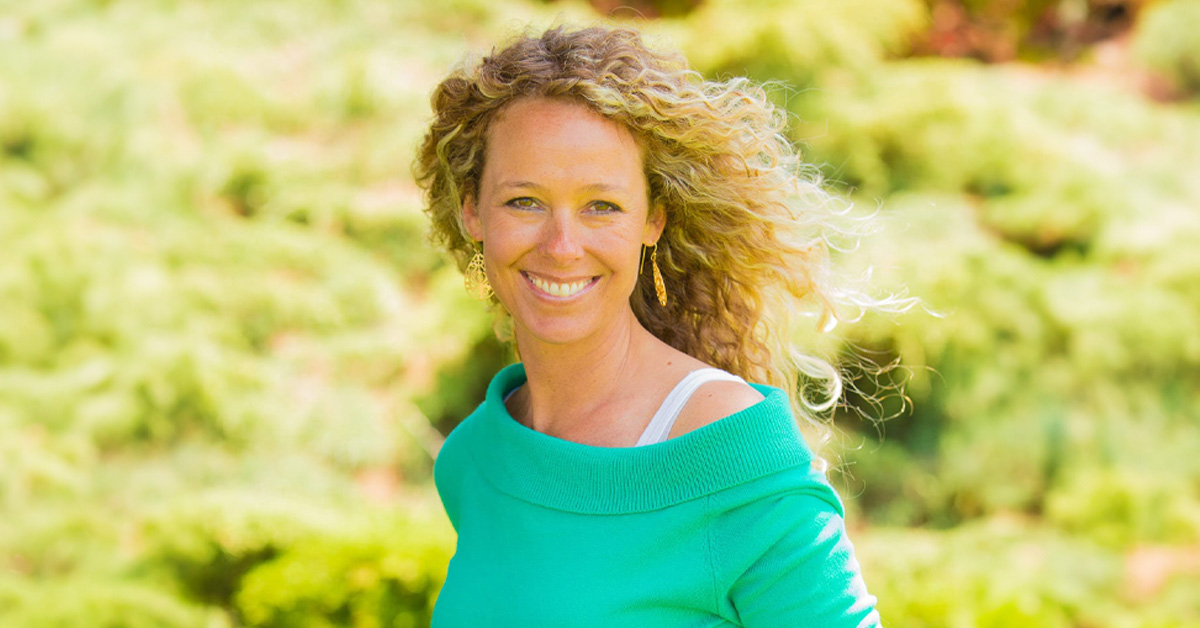
How to Use ‘Intuitive Eating’ To Change Your Relationship With Food | with Melissa Costello


About Episode
Counting calories.
Balancing macros.
High fat/Low carb.
Low fat/High carb.
Going Paleo. Or Vegan. Or Vegetarian. Or Keto. Or Whole 30.
Seriously. Shoot me in the face.
In today’s hyperconnected world of endless information, you’d think it would be easy to figure out how to eat healthy… but it’s become harder than ever. It’s nearly impossible to decipher the latest science that tells us one day that butter and bacon are miracle superfoods and the next day we’re told that eating any kind of fat will kill us all.
I don’t know about you, but I’m tired of the B.S.
What if there were an easier, less stressful, and practically guilt-free way of eating that didn’t involve counting…well…anything? Can’t someone just tell me how to eat without doing math or measuring or feeling like every decision I make is the wrong one?
Today’s guest Melissa Costello is a transformational eating coach, author, and holistic nutritionist who has completely changed my relationship to food. While I may have a reputation as someone who always makes healthy choices, the reality is anything but. I was raised on the 80’s standard American diet (SAD) of Fruit Loops for breakfast, Chef Boyardee for lunch, and Fruity Pebbles for dinner (I wish that was an exaggeration). And while I’ve reduced or eliminated many of my bad habits, what I’ve realized over the last few years is that the hardest habits to break have nothing to do with sugar or carbs or cravings…they have to do with my emotions.
In this episode learn from Missy how you can change your relationship to food forever. While the journey isn’t necessarily easy, it’s a lot simpler than you might think.
Episode Highlights
- What ‘intuitive eating‘ is and how to gently & systematically change your relationship with food
- Understand WHY we make the choices with food that we do
- How to find a way of eating that works for YOU
- Why 1% of diets actually succeed and 99% fail
- The truth about “Clean Eating” (HINT: “Clean Eating” is just another diet)
- How the Wellness industry is just another guise for the diet industry
- Why the restriction mindset of dieting is a vicious cycle of judgement and self-defeating behavior
- How to unravel a lifetime’s worth of negative programming (shame) around “healthy” eating
- How to listen to your body (On an intuitive level, our bodies know what it likes and doesn’t like) – Hence the term: intuitive eating.
- The terrifying accountability assignment that Tony Horton gave to Zack which forced him to become more aware of his food choices
and how they aligned with his training for American Ninja Warrior - How to let go of the “starving children in Africa” program that compels you to “finish your plate” and the true cost of letting food go to ‘waste’
- What to do about the “all or nothing mentality” that keeps you on the dieting ferris wheel
- How to uncover the “blindspots” we all have about our own behavior with food
- The various ways we use food to change our state or deal with negative emotions
- The simple ‘awareness’ habit to use when you reach for food
- Four ways you can change your state in a more connected way
- The “sinking ship” analogy to breaking down the various areas you have challenges around food & the importance of tackling one
challenge at a time - On wasting food… Do you want your body to be the garbage can? Or do you want to put the food in the garbage can where it belongs?
- How Melissa “cured” a client of her Diet Coke addiction in a week and a half
- The surprising difference between our desire to eat creamy/sweet foods vs. crunchy foods and their connection to our emotions
- How one television writer lost 100 pounds in a year – not by dieting, but by eating everything she craved (and listening to her body)
- The double-edged sword of social pressure with coworkers and the unique challenges of the entertainment industry
- The all-too-common ‘Reward Mindset’ fallacy – Human versus Dog
- Why we feel like if we’re eating bad food, we’re a bad person
- The problem with labeling food as “Healthy” or “Unhealthy”
- A deceptively simple “starting point manifesto” that will instantly change your relationship with food
- Why you should never eat in front of your computer again
- The benefits of eating slower and paying attention to how your body feels
- The first ‘signal’ to look for when eating mindfully that will alert you when to stop eating
About Guest
Melissa Costello is a Transformational Eating Coach, Author, Speaker and Holistic Nutritionist. Her years of work as a private, plant-based chef for celebrity trainer, Tony Horton creator of P90x organically led her to work with her clients on a much deeper level when she recognized the struggles they had with consistent, healthy eating and sustainable weight loss.
Her mission is to empower busy professionals to stop the struggle with yo-yo dieting, weight loss and food obsession so they can live a life of freedom without restriction, deprivation or rules. Melissa’s in-depth training in Spiritual Psychology, Clinical Nutrition and holistic coaching along with her own personal struggles provides the foundation for her clients to experience powerful breakthroughs and sustainable, profound transformation. To learn more about Melissa and her coaching, visit
www.karmachow.com, Melissa Costello’s KarmaChow.com, Instagram, Facebook, Twitter
Transcript
Zack Arnold: I’m here today with Melissa Costello, who is a transformational eating coach, a certified nutritionist, and she’s also the creator of the Food Freedom Breakthrough Program. And as a full disclaimer, you are also right now my current.. you know what? I don’t know what to call it, so I’m going to let you tell me what to call it. You’re not a food coach, you’re not a diet coach. I don’t even know how to introduce you, so why don’t you tell me what is our relationship exactly?
Melissa Costello: Well, I am what’s considered a transformational eating coach. Meaning, I actually help get people off of dieting, away from restrictive mindset, and more into what I call a normal functional relationship with food.
Zack Arnold: Well, but hold on a second. My whole agenda today is, I, we were going to talk about the best diet that’s out there right now. I was really wanted to get my audience dialed into the best way to count calories, the best apps. Then, of course, there’s macronutrients. It’s a whole other conversation that you and I need to get into, not even to mention intermittent fasting. I mean, I don’t know if I’m going to be able to cover all of this even in an hour. So, we may not get to transformational eating. Like, what does that even mean? I mean, come on.
Melissa Costello: Thank you for making me laugh.
Zack Arnold: That’s what I do.
Melissa Costello: Transformational eating for me, and it’s been.. it’s been kind of this thing that’s morphed for me as well, because I come from a very, very much a dieting background, a restrictive background. I had all kinds of emotional eating issues, issues with food, body image dysmorphia, and so this kind of transformational eating is really about finding freedom with food, because for me, and I think possibly for you too, food has is always at the forefront, and we can get very obsessive about it, we can create a dysfunctional relationship to it, so that it’s always in our minds, and then we are living very black and white with food, and not allowing ourselves the pleasure. Right, there’s that quote out there about, you know, missing out on 95% of your life’s life just to weigh 5% less. And so what I’m really here to do is help people get into a relationship with food that feels like they can find pleasure in food, but not overdo it, and really not do the emotional eating, or use food as that crutch, or that place that they go to for comfort and soothing, but to really learn how to do that on their own with themselves.
Zack Arnold: Yeah, and that’s really the key that I want to hone in on today, is it’s about changing your relationship with food. This isn’t about how do I lose a certain amount of weight. I’m certainly not going to be talking to an audience right now that is really obsessed with dieting to begin with. Everybody that’s listening to this is most likely working in a creative field, probably in Hollywood, probably an editor, that’s most of my audience. So it’s not like the diet mentality is part of our culture, where it’s a matter of, oh, I got to get on this diet, and I got to weigh a certain number of pounds. It’s actually kind of on the flip side, where it really is all about this culture of, oh yeah, let’s go out to eat, and, oh, we’re going to be staying late, so let’s have pizza and beer and celebrate. And you know, well, every time I walk by the snack bookshelf that’s right next to the refrigerator, when I have to, you know, take a break, I just grab another handful of the chocolate covered almonds, or whatever it is, and people don’t realize how these small behaviors add up over time, and this was the same thing for me, but they also don’t understand why they’re making those choices, and that was kind of how I came to you, the way that you and I originally met, and you can go a little bit more into this in your background, was that I was going to be filming and putting together a promo package for Tony Horton, who is the host, who’s the creator of the P90X series. He’s kind of become my de facto American Ninja Warrior mentor, mr. Miyagi, in a way. And you were going to be a guest speaker there, and I kind of read the write-up. I’m like, oh, this person sounds interesting, I’d love to interview them. We connected, and then as we were doing the interview specifically for the promo, all I kept thinking was, “Oh my god, I need to work with you, because you like, you’ve crawled up inside my brain, and you understand all of the horrible things I’m not willing to admit to anybody. So everybody kind of assumes, with this podcast, and with me training for a ninja warrior, and doing all these Spartan races, and being the quote unquote healthy editor, “Oh, well, clearly diet isn’t an issue for me,
Melissa Costello: Right.
Zack Arnold: People don’t understand is that diet is my Mount Everest, that is the summit that is nearly impossible for me to overcome. Exercising on a regular basis used to be tough, now that’s kind of become habit. A lot of other healthy behaviors have become rote habit, but diet is my Mount Everest, and you were speaking to all the things that weren’t working for me, so I said, “Wow, again, it’s like you knew exactly what I was struggling with. And even though you work primarily with women, I was thinking to myself, “Well, you get me right? So maybe there’s like maybe I have more estrogen than did most men. I don’t know what it is, but you knew exactly what my struggles were. And I remember coming up to you right afterwards, saying you and I are working together. I have to work with you, and we have been working together, and we’ve been diving super, super deep into all this. So, I wanted to give that background, just so people listening are thinking, well, dieting, or you know, caring about how much I weigh, or training for sports, that’s not really my thing. However, the people that are listening, what you’re eating has a huge impact on your ability to create fantastic creative work. Absolutely, a huge discovery that I had, and most of the behaviors that you have that are inhibiting your ability to be creative and make poor decisions have to do with emotions and behavior, not the next app or diet or whatever it is. So, I guess, where. Want to start having that context. Is why don’t diets work, and why are there so many of them? Clearly, something must be working right if they’re everywhere.
Melissa Costello: Well, I don’t know about that. I think it’s part of human nature that we want the quick fix, and that’s exactly what a diet is. And so, you know, as a human being, we will always go for what’s convenient or quick, versus kind of doing the longer work, which is where now, where you’ve gone, because you’ve done all the diets, you’ve done all the counting, you’ve done all the right, the macros, all of that stuff, and now you’ve gotten to a place where you’re saying, I don’t want to do that anymore, that is exhausting, and that creates binging, and that creates emotional eating, and so you know it, but, but the thing about our culture is that we do really, you know, like, say, any of these people in this creative world that you work in, you know, they’re eating bad, they feel bad, the first thing they’re going to do is go on a diet, right, because that’s what that’s what we’re taught, even when it comes to healthy eating, I mean, there’s so many articles out there now around how clean eating is really just another diet, and how the wellness, I think it was the New York Times wrote up about, or the, or Harvard Business, one of those big papers wrote about how the wellness industry is just like, you know, it’s like a guise for the diet industry, right, and so it is a huge part of our culture, and most people don’t know how to be with food in a way where it’s not so black and white, either they’re eating completely 100% crappy, and then they have to go on a diet, or they’re teetering between both, which is where you’ve been for a long time, right, and so you, you would eat really, really well all week long, and then go into these weekends of binges, right? And, and that’s because mostly the mindset and the belief system around dieting, of like, I got to be good all week, I got to eat well all week, I got it, and then it almost sets you up for that kind of self sabotage and failure on the weekends, where you just feel like, oh my god, now I got to start over again on Monday, and it’s this vicious cycle, and so, as human beings, you know, we, we want that convenience, we want that quick fix, we want results right now. You know, it’s hard for us to be patient and wait for things and do the work. We don’t, a lot of us just don’t want to do the work that it takes to really change our relationship with food and change the way we’re relating to food.
Zack Arnold: Well, one of the things that you mentioned, I didn’t see the exact link to the study, but it was somewhere around 1% and that’s not a typo, that’s not a misspeak, 1% of diets actually succeed. Yeah, so that means that roughly 99 ish percent of them fail, so to me that seems fairly definitive.
Melissa Costello: Yes, and, and it’s a, you know, whatever, $70 billion dollar industry, right? And so that just goes to show again, human nature always wanting kind of that quick fix. And I think also part of it is that so many of us are confused, right, because there are there are so many different ways of eating out there. It’s like, oh, paleo and keto and intermittent fasting, all those things you mentioned at the beginning of this podcast, and so people get confused, they don’t understand. Well, how should I be eating? You know, are carbs the devil, or are carbs good? Is fat the devil, or is fat good? And so we’re all confused, and I think a lot of us want to be healthy, but we get so confused by all the conflicting messages. And so what I really teach people is like, hey, look, let’s find the way of eating that works for you, so that you can still have the cupcake here and there, and really feel good about it, and enjoy it, and it’s not going to set you over the edge into a binge, but you’re, you know, that you can trust yourself around food, it’s really about being able to choose and trust yourself versus needing to control everything.
Zack Arnold: Well, one thing I can tell people, as an aside, that if we’re talking specifically about the cupcake, once they’ve had some of your recipes for these healthier dessert options, they’re never going to want that crap again, because, oh my god, your recipes are so you’d send me a recipe for something that you call donut holes, and I’m like, yeah, we’re at a donut hole, whatever, like you and you and your vegan hippie people think you’re making your fancy desserts, and they taste so good with their hemp seeds. And then I made it, and I’m like, “Oh my god, this is so flippin’ good. And then I get, by the way, I gave it to my kids, and they said, “Oh my god, this is a donut hole. I’m like, “Scar,
Melissa Costello: Yeah,
Zack Arnold: I loved it. Right? And usually, if I make these healthier energy bars with, like, chia seeds or raw cacao, they’re like, they kind of make that kid face, and I know, no, thank you, and I’m on anymore, and I like them, but the donor holes are like, oh my god, these are so good, so it’s so that, but that’s just a total tangent, I think. Where I want to start, then, is helping people understand how do I unravel a decade’s worth, or a lifetime’s worth, of getting these messages, because the what I’ve realized throughout my journey personally, but also doing the podcast, doing the website, is that whenever I talk about most things, whether it’s better sleep, whether it’s exercise, it’s productivity, it’s creativity, people really embrace what I have to say. As soon as I talk about nutrition, oh my god, do the trolls come out just. The haters and the negativity, because it’s not just about the food, it’s not about the information or the research. People see food as a religion, and they’re so emotionally attached to their choices that the diets, the easy way to say, well, I’m doing this, and if it doesn’t work, it must be the program and not me, right? Because what I’ve said over and over and over is that sensible long-term lifestyle change doesn’t make billions of dollars, right? It’s the doing something for 90 days that failed, so it must be the program and not me. Therefore, I’m going to try another one. So, how do we start to unwire all of this, this programming that we’ve gotten our entire life?
Melissa Costello: Yeah, whoo, that’s a big, that’s a big one. And you know, so much of the dieting world is linked up to shame and failure, right? So we feel like a failure, and then we feel ashamed, and then people are gaining weight, losing weight, gaining weight, losing weight, and they get in these vicious cycles, and then you just end up feeling so bad about yourself that you just.. a lot of people give up hope when they start working with me, they’re really hopeless, they’ve tried everything, and you know, so back to your question, which was, How do we start to unravel? Part of it is letting go of everything, thing you think you know about food, like starting to stop, like stop following all the diet people, all the nutrition people, and start to hone in on what’s the way of eating that feels good for me, that is sustainable for my life, right? So, really starting to hone in, and you and I have been touching on that quite a bit in our last couple sessions around your philosophy with food and what you want that to be, and I think as we start to get all of the reasons why you use food as a crutch out of the way, your philosophy will surface more and more, and so we have to really look at, you know, our behaviors with food, what the drivers are, you know, if we’re dieting and emotionally eating, we’re using food as something other than nourishment, and so we want to start to really get honest about that, and look at what are the ways I’m using food other than fuel and nourishment, right? That’s a start, where we can just, we can look at, you know, our behaviors with food and what drives the behavior. Now, a lot of it is habitual, it’s things we’ve been doing year after year after year. And if you come home every night at 8o’clock and you are after dinner, and you sit down on the couch with a bowl of popcorn, and that feels good for you, and it’s like zinging your brain, you’re getting the dopamine, you’re going to want to do that every night, and it’s going to turn into a habit, and you know, and our brain is always going to orient toward what’s comfortable for us, and that’s why it’s so hard for people to break habits, but to really start to unravel this kind of diet mindset, you got to really turn it on its head and start to ask some deeper questions around what, how do I want to eat, what are the things that I enjoy? What are the things that I can’t live without that maybe I don’t let myself have right now because I think they’re bad or I feel guilty around, right? So, looking at all of the fear-based behaviors, what’s driving the behaviors, and just really starting to get honest, and then like filtering out all the garbage that’s around you, you know, like not jumping on board with the next thing, it’s like find the support you need and figure out what feels right for you, because we all know on an intuitive level our bodies know what they like and what they don’t like, like our body never lies and it’s always talking to us, and so we have to start to listen, and that’s one of the places we can really start to change our relationship with food as well,
Zack Arnold: Right. And I think that the key word here, if we’re talking about listening, is awareness, right. And anything that I teach, it doesn’t matter if it’s diet or fitness or health or productivity or career, whatever it is, you can’t make any changes and move forwards until you’re aware of your current behaviors and where you are, right. And that’s a, that’s a really big and difficult step, and for me the real awareness was I always kind of knew in the back of my head, yeah, I can probably make better choices, but I’m doing pretty well, and I would have that idea reinforced, because in the world of film and post production, I’m definitely one of the healthier, trimmer, fitter people, and I put myself in the position of helping others get that way, but then once I kind of put the microscope on myself, and I said, all right, I’m going to set this really, really difficult goal of training to be on American Ninja Warrior, and I’m going to seek out the best mentor I could possibly ever find, who is my kind of digital mentor via the television in my living room for years, Tony Horton. I’m like, well, let’s see if I can go to the next level, pun intended, and see if I can actually get him to be a real-life mentor, and I was able to make that happen, but then the microscope was on me, because then he started to really ask me my behaviors, and he’s like, “Well, listen, you’ve been coming here for a while, you don’t seem to be losing a lot of weight, you’re not getting much tremor, and it wasn’t about judgment, it was about him understanding that my goal was to become lighter, because being lighter makes me better at the sport. So, the catalyst was, he said, I want you to start taking pictures of what you’re eating and texting it to me, and that was terrifying. And he wasn’t saying you have to eat this way, you have to eat that way, there was no judgment, but the accountability was just this hyper awareness of, oh my god, I’m. Sending all of the food I’m putting into my mouth to Tony Frickin Horton. This is terrifying, and all of a sudden it made me realize, well, I’m gonna grab.. oh, wait, I can’t grab for the Oreos habitually because I can’t send Tony Horton a picture of cookies, which I did, by the way, once, and he was not happy with me. But that’s a whole nother conversation. But it started to make me realize, wow, every time I go to make myself lunch, I go to grab a few Oreos, and wow, every time that I’m kind of decompressing after work, I sit on the couch, and that was me with a bowl of popcorn or with a box of Girl Scout cookies, like I’m just going there, like I’m all of it’s coming out in this call, so anybody that thinks I’m like this super healthy eater, like, oh my god, are you gonna have a different picture of me by the end of this
Melissa Costello: Shining the light.
Zack Arnold: Oh, yes. And I’m being very honest about this, and it’s not because I lie about it. People assume these things about me. I’ve never said I’m an incredibly healthy user. They just assume it based on my image, which is wrong, because then they put you on a pedestal. It’s like, oh no, I struggle with everything you do. So it might have been all right. Well, I’m really amped up and stressed out. And at the end of the day, the only way to get my brain to slow down is half a box of Girl Scout cookies, so I’ve done that on a regular basis, but then it was also being aware of the fact, oh wow, not only do I have this weird habit where every time somebody leaves food on a plate I have to eat it, but I’m even doing it when it’s been sitting on the counter for hours, that’s like downright embarrassing, but that was one of my habits, as well. I can’t let the food go to waste, so that was another thing I became aware of. And then another one was this all or nothing mentality. Well, from Saturday evening at 7pm until Friday afternoon at 4:30pm I am the picture of perfection. I eat all healthy foods, I label them as healthy. I’m not eating quote unquote bad foods, but 4:30pm and this has been my script since I don’t know, probably most of my life. Well, actually, wouldn’t have been when I was younger, because I never ate anything healthy when I was younger, but maybe mid to late 20s when I started to shift my diet. My script has been 4:30pm on Friday, all bets are off,
Melissa Costello: Right?
Zack Arnold: And I realized that these were things that I just intrinsically written as these new scripts in my head, and like, where did all of this come from? So that’s what you and I have really started to dive into, is not well, how many macros am I eating per day, and I need a better system for counting my calories, which, by the way, I’ve done all of that, and I want to point out to people that are saying, oh, well, calories is just math, it’s energy in, it’s energy out, and macros, and guess what, all of that works short term.
Melissa Costello: Short term,
Zack Arnold: The problem is that in this is if we’re to talk about the number one most fundamental rule or philosophy of anything for me, but especially eating it has to work for me long term. So, if somebody says, “Hey, you need to do this and you’re going to lose 10 pounds, I probably will, but then I’m going to gain 13 of it back eventually. I’m not willing to do that. It’s so much harder to make these behaviors stick long term, but I love a challenge. So, really, how do we help people become more aware of some of these behaviors that I’ve become so aware of?
Melissa Costello: Yeah, well, I think I think you know we all have these blind spots, right? I mean, I know you coach people, I coach people, and it’s very clear that we have kind of these self saboteurs, these blind spots that that continue to keep us stuck, and so I found in my journey that getting support was so key in really overcoming my issues with food, because you know, as much as I knew, and as much as I was on the personal growth path, it was like this one big thing with food, because we need food to survive, and we can’t ever stop eating, like if you’re an alcoholic, you stop drinking, you don’t need to drink to live, but with food, it’s like you can’t ever stop eating, you have to eat to survive, right, and I’m not saying that giving up drinking is easy, but you cannot ever give up eating, and so it makes it much more challenging for people to really to come into kind of that, that more gray area with food, because, like, you know, like we’re talking about, you know, people tend to use food in so many ways other than nourishment and fuel, you know, we have, like, what you’re saying, these emotional attachments to food. We use food as a crutch, we use food for stress relief, we use food for comfort. You know, I spent years emotional eating every night, sitting on the couch, because I was lonely, and I didn’t want to face that. I would have rather, you know, drowned my sorrows in anything I could eat that wasn’t nailed down versus facing the real true harsh truths that I felt lonely, you know, and nobody knew this was going on. I mean, even Tony – I was working with Tony at the time, and he didn’t know what was going on, but, but over the course of time, I’m putting on weight, and I was, you know, weighing 30 extra pounds than I am now, and you know, I ended up getting that weight off through doing this work of really bringing, shifting my relationship with food, and really looking at the habits and behaviors that were driving me, the places I was using food, you know, not for nourishment, but out of comfort, out of soothing, you know, all the ways that we use food as a crutch, you know, and I had to really get. Support, so that I could see my blind spots, and also face my loneliness, and it might not be, you know, when we have boredom, when we have all of these things that we use food for, it might not be loneliness, but it could be something else that someone is facing that they don’t want to deal with, you know, it could be that, you know, their relationship sucks, or it could be that they don’t like their job, or it could be that they’re having problems with their kids. I mean, who knows? There’s a whole gamut of things, but a lot of times, you know, we get into these patterns, and then we don’t really want to face the hard stuff. And that’s why I was saying earlier, it’s so much about getting honest with what’s going on, and what you’re doing, and how you’re using food.
Zack Arnold: Well, and that was one of the things that I really thought about, and I remember maybe it wasn’t when I was talking to you, and we were doing the first documentary interview, but at some point I remember relatively recently starting to dive a little bit deeper into this specific philosophy of eating, rather than, well, the macros are hard, or the calories are hard, or vegan, or paleo, or whatever, it doesn’t seem to be working, what’s next, it’s like, what if I went more the mindful eating approach, and kind of the psychological approach. I’m like, oh yeah, so these other people are, you know, they’re emotional eating, but that’s not me, right? Like, for me, it was a matter of, oh, I think it’s just because I’m stressed out, so I was willing to accept that I was stress eating as a matter of why I’m working a really long day. I love that you brought up, by the way, the idea of that, if you’re somebody that’s like a food aholic, you can’t stop eating, right? Alcoholics, they can stop drinking, and I’ve always used that analogy for work. As a recovering workaholic, I can’t say sorry, I am now abstaining from work because I’m a workaholic. Doesn’t work that way, right? And food’s the same thing, but I kept thinking to myself, well, as a recovering workaholic, when I’m really trying to slow myself down, when I feel like, you know, what, it’s 8pm I want to jump back in for another three hours. Nope, I need to calm myself down, and I have to go to bed at a decent hour, therefore food becomes the crutch. But it wasn’t until I started working with you, I’m like, oh my god, I am a horrible emotional eater, it’s all about all these messy emotions, but the thing that got me there was, and this was such a key moment was when you’re ready to grab whatever it is, don’t allow yourself to, and just be aware of what you’re feeling and what you’re thinking about, and holy, is that not a fun process.
Melissa Costello: Oh yeah, and you know it’s going to be uncomfortable at first, but it gets easier, and you’ve really moved through stuff so quickly, you know, in terms of the awareness, and then the action, you know, and that’s really where the change happens, is when, because the awareness is, yes, it is number one, the first step, the action is the next step, and it’s doing, you know, it’s not allowing yourself to do the same old thing that you always do, and then getting pissed about it, right, getting pissed at yourself, it’s like saying yourself, wait a minute, let me pause here. Let me really look at the choice I’m going to make. Is this the best choice I can make? Is this choice making my life better? You know, am I honoring myself right now, or am I just going along with what I always do, and and numbing out and checking out, and just going on autopilot? You know, because there’s always that higher part of us that’s that’s aware, right, that that knows what we’re doing, and that has dominion over those, those other thoughts. When we go for the Oreos, or whatever, at 8o’clock at night, you know, there’s that higher part of us, but so many of us are not tapped into that, because we’re rushing, or we’re just looking to get again the quick fix. It comes back to let me change my state as quickly as I can. I’m going to use food to do that, you know what I mean. So we’re looking to food to change our state versus what can I do to actually change my state, whether it’s take a walk around the block or sit down and breathe or do a meditation or write in my journal or something that’s more connected and more internal versus kind of the external, which is where a lot of us will always go.
Zack Arnold: Well, and a perfect example of this, which you alluded to a little bit, that I want to dive even deeper into with my own specific journey, was we had kind of broken down here all of the various areas where I’m having challenges, and one of the analogies that I used with you is the idea of a sinking ship, right, so you’re taking on water from multiple places. Well, I want to figure out what are the small leaks, what are the biggest leaks, and like, let’s work on this one first, and that one next, and that one next. So I really compartmentalize, so it wasn’t, “Holy crap, I have to change my whole diet this week. It was the only thing I care about right now is why do I feel the need to snack incessantly after 8pm when I’m unwinding. So that’s what we hit first, like you said. We determined, well, what is the state that I’m looking to get into? And it was relaxation, because I was so mentally amped up, and my brain was going in circles. And you were like, well, before you want to eat something, take a walk around the block, and I’m like, yeah, right, that’s gonna work. I’m not gonna tell her that, but yeah, whatever. Like, just taking a walk is gonna undo years of me snacking in front of the TV. Yeah, you’re good. And then, like, five days later, I’m like, holy, she’s right. Like, all I wanted to do was chill out. And at this point, that’s kind of a non-habit for me. And it didn’t take months, and it didn’t take me abstaining or me gritting my teeth and saying, oh god, if I’m on the wheel. Hour, it’s like, oh, I just wanted to be more relaxed. So, what are alternate ways to reach that state? And now, maybe once every two weeks, I’m like, oh yeah, maybe I’ll have something while I’m watching TV, but I don’t feel that need. Whereas before we started working together, it was a matter of all right, I’m not going to snack when I watch TV, I’m not going to snack when I watch TV. So, I’m watching television, and as I’m watching it, all I’m thinking is there are Oreos in the cabinet, and there’s this in the refrigerator, I’m not going to eat it. And then I was literally mentally going through everything I wanted to eat at that moment. So, for me, the transformation, and this is so, so key, it wasn’t that if somebody on the outside was observing and seeing me thinking, oh, he’s not eating the food, it was the reasons that I wasn’t eating it before, it was because I was gritting my teeth and saying I’m not, I’m not, I’m not, I’m not, and then all of a sudden it became I don’t even want it, and that wasn’t even that hard.
Melissa Costello: No,
Zack Arnold: I was like, oh, that makes so much more sense, duh,
Melissa Costello: Yeah, that’s what I mean about you, you, you move really quickly through things, and you know, like the leftovers on the plate, right, and I think I said one thing, like, do you want your body to be the garbage can, or you want to put the food in the garbage can, where it belongs, right? And you’re like, oh, zing, right, like
Zack Arnold: That was like an instant mindset shift that took like a day to overcome, and now it’s just absurd when I think about it.
Melissa Costello: I know, I know, and I have another client right now who’s, she’s got a massive Diet Coke addiction, and we’ve been talking about it, and we’ve, I’ve been like, okay, alternate salts or water with Diet Coke, you know, let’s try that, right? Even though that’s not the best approach, let’s try it, but I don’t want to take it away from her, because that’s just going to make her crave it more, and so we had a session, so we tried this for like a week and a half. We had a session two days ago, and she goes, “I’m done with the Diet Coke, and I said, “What? And she goes, “Oh yeah. One day it just.. I walked in, I grabbed it out of the cooler, I got my ice, I filled out the glass, I took a sip, and I’m like, “I don’t want this ever again. Like, that was her, her mind. She just made it up, and she hasn’t.. she doesn’t feel the pull tort, she tore it. She walks past the cooler, and she would drink six to seven a day instead of water that was like right all day long, Diet Coke. And she just made up her mind, and it hasn’t had a pull on her since then.
Zack Arnold: Yeah, but it’s Diet Coke, though. That’s the healthy version, right? That we’re finding you to drink the diet once I that’s what everybody tells me, like, well, I know that soda is bad, but I drink diet, I just, I just silently shake my head.
Melissa Costello: I’d rather see people drink the real thing over the diet,
Zack Arnold: That’s what I say. I’m like, if you’re gonna drink it, just drink it, because the shit that they put in there to make it zero calories is so much worse for you than the sugar.
Melissa Costello: So bad.
Zack Arnold: Yes, yeah, don’t get me started on that. Literally, it’s going to take me five minutes to bring in a whole nother soap box in my office, and I just don’t have the time to switch my soap boxes. So, we’re going to transition a little bit. So, the next thing that I want to talk about, and this goes back to the awareness, and this was the moment when I said I don’t care what it takes, you and I working together, and you said this during your presentation, you talked about the difference between our need or our desire to eat creamy foods versus crunchy foods, and that’s where I was like, oh my god, yes. So, let’s talk about that more, because this is quite possibly one of the largest insights I have ever heard about food. Period.
Melissa Costello: So, when we, when we orient toward more creamy, sweet, gooey type foods, that’s when we’re really looking for soothing and comfort. So, if you’re someone who has those kind of cravings often, and you orient more towards sweets, and people will always call it an addiction, and you know, I say it’s an addiction to the feeling you get from the food, right, because you get the dopamine release, and so if you’re orienting towards sweeter, creamier foods, it’s because you’re really wanting soothing and comfort, and that was really my thing, right? Because I’m lonely and I’m wanting soothing and comfort. Now, if you’re orienting towards crunchy foods like chips, and you know, all that type of stuff, like even carrot sticks and celery, and on some level will do this, but if you’re orienting towards those, it’s stress relief, right? It’s like, oh, I have energy, I want to get out energy, and for you it was like the chips or the crunchy cookies, or you know, like even though cookies are sweet, they have that kind of crunch to them. So you were orienting toward a lot of those stress relieving foods. So the more crunchy foods, if you think about it, like we’re getting that we’re crunching with our jaw, we’re getting the energy out, and so it’s a way we’re trying to dissipate that stress in our bodies, so you know that’s such a, such a powerful way to look at how we use food and what we use it for emotionally,
Zack Arnold: And that was the biggest moment for me when I realized, oh, I am an emotional eater, because it was really all about, no, I’m just, I’m super stressed out, I’m very Type A, I’m an overachiever, and at the end of the night I just need to chill out. That was my script, that’s all I was willing to allow myself to believe. But then when you said crunchy versus salty, I’m like, oh, that makes total sense, because during the week it is popcorn, or it’s something like I can just grind my jaw into it, and it needs to be something small and simple that I can pop over and over and over, because that helps re. Stress, and one of the strategies that I tried was blueberries and raspberries. I’m like, this isn’t working. I keep popping it, but it wasn’t giving me the change of state, right? But then all of a sudden it was, oh, so then why am I having the pint of ice cream on the weekends? That doesn’t really fit my script anymore. So maybe something else is going on, because one of the things that I realized is that I have no problem talking about the 8020 rule, right. This has become very common, where it’s like 80% of the time I’m going to eat well, 20% of the time I’m going to enjoy myself. The problem was that the 20% wasn’t enjoying myself, it was punishing myself with so much bad stuff in a short period of time, and an example would be that there’s an ice cream store that’s, I don’t know, maybe 510, minutes from me in Woodland Hills. Anybody that’s in the area, by the way, it’s called Cup and Cone, and it is the best ice cream anywhere on the planet Earth, 100% homemade, made that day. So, this place opened up like a year and a half ago, and it’s like your eyes roll back and turn into pinwheels. Good, and I see it with anybody that comes in, there’s the same experience. Hi, I’d like to sample this. Oh my god, this is the best thing ever, right? So my kids love it too. So I would take them on the weekends, and we would get a scoop each, and we’d enjoy it. And that was a really great emotional moment, bonding with my kids over ice cream. I felt no guilt over that, right? But then I would get an extra pint, and I would eat that on a Sunday night, which had no connection to anybody else in my family. Once I heard you say crunchy versus salty, I’m like, okay, there’s something else going on here, because I couldn’t stop doing that, and I didn’t understand why, but it was again digging into the awareness of where this coming from, and I won’t go too deep into any of that in this specific call, but there were a lot of emotional issues causing that, that had nothing to do with stress relief. So that’s why this crunchy versus salty thing, especially for those who are in my industry that deal so much with long hours and tight deadlines, and being stuck in a small dark room with no sunshine for 18 hours a day, that completely screws up all of your hormones, your ghrelin, your leptin, you don’t even know which way is up, as far as, do I actually feel hungry, am I starving, am I craving? So, just the work environment itself is not conducive to eating well. Once you add the emotional component and the stress component, it’s just this big giant ball of yarn of 20 different colors, and you’ve got no idea where to start.
Melissa Costello: Yeah, and you know, that’s tricky. I mean, the entertainment industry is really, really challenging. I used to work in it as well, and it’s not – you’re like, you’re saying it’s not conducive to really living a completely healthy lifestyle, and you have to work harder at it, you know. And I remember when I worked in production, I would bring – I worked for a production company, we made TV commercials, and I would bring my lunch every day, and I would, you know, and there was always crap laying around, and I really just had to say, you know, I’m honoring myself, that’s not going to serve me, if I just can, you know, like every time I walk in the kitchen, grab a handful of this or a handful of that, you know, and people used to say, you’re so disciplined, you’re so disciplined, and I was like, well, it’s just a matter of wanting to honor my body, right? Like, really honoring my body as this, as this vessel in this vehicle that I want to feel good, right? Because we only have one body, and if we’re not feeling good in it, that just makes life a whole lot harder, I think.
Zack Arnold: Well, not only that, and I think that the addendum to this, for me specifically, because I’ve gone through all this as well, but it wasn’t just about I was honoring my body, but it was I was honoring my ability to be really good at my job. So, again, that’s why it was this all or nothing approach. Because from 7pm on Sunday until 4pm on Friday, I had to be on point. I did not want to deal with brain fog. I wanted to be super focused. I wanted to be energetic, but my script was, as long as I don’t have to be useful creatively, I don’t need to care about my diet, and I realized, and I think this maybe happened a year or two ago, that I was such a grumpy, irritable ass on Saturdays. Like, why does this always happen? I’m like, oh, it’s because I always eat my shittiest meal of the week Friday night, because all bets are off, and I’m done being creative and being good at my job. And guess who’s paying the price for that. Only the three most important people in my entire life. For all of the quality time they get with me, I need to take a nap. I’m grumpy, I’m tired, and that was because of the food choices that I was making, not based on my specific dietary protocol, but because of the scripts that were going through my head about my behaviors and my rules, my philosophy about how I eat,
Melissa Costello: Yeah, and it’s.. it can be tricky, and I think that, you know, so many of us will, you know, just treat our bodies like, you know, Shonda Rhimes, who’s a.. she’s a writer for TV, she writes Grey’s Anatomy, and a couple other TV shows, but she was like, I’m such a creative person, she said my body was really just the thing that carried around my brain, right, like she didn’t care, and she ended up, you know, weighing 350 pounds, because she’s in this industry where it’s just eating crappy food all the time, you know, and she, she went on to lose 100 pounds over a year, and she did that by not by dieting, but by eating whatever she craved, and so she would allow herself to eat what. Craved, but only to the point where she was satisfied, and so if that meant I want a brownie, I’m going to eat a brownie, but what that did was it shifted her mindset from if I have the brownie, I’m bad, right, and then while I had one, so I messed everything up, so I might as well just keep eating them, and that’s where we go into that kind of black and white thinking, and through honoring her craving, she ended up losing 100 pounds without dieting, without restricting herself, but just by eating the food she craved and listening to her body. So I find that really astounding and incredible, and that’s so much, you know, the work that I do and the work that you and I have been doing together, it’s like really honoring our bodies in a different way versus from this really restrictive, crazy mindset, which emotionally and mentally is not healthy for us, you know, because our health is holistic. It comes from mental, emotional, physical, spiritual. It’s, it’s all of it. We can’t just compartmentalize, you know. We need to be paying attention to all parts of ourselves.
Zack Arnold: Well, and I think that going back to this idea of the Hollywood culture, specifically, I can’t imagine a lot of cultures where it’s going to be a lot harder to embrace this idea, because what I realized is not only are all of these things difficult for your own personal journey, but when you work around other people, it’s almost like an affront,
Melissa Costello: Yeah,
Zack Arnold: Right, you become the outlier, and the joke that I made several years ago when I started the podcast, is all right, fine. After 10 years, I’m coming out of the health closet. Yes, I admit it, I eat healthy foods, but for years I would go through this process where they would hand around the menus every single night to all the people, because we all, it’s what I call the food handcuffs, right? Oh, we’re going to feed you, but you can’t go out, you’re stuck in your office for 16 hours a day, but you get free meals, right? And I’ve told people, if you do the math, they’re actually taking money from you, because if you were not getting paid that hourly wage, but you got to get out, and you had more productivity, and blah blah blah. Like, there’s a whole, whole kind of, you know, vicious versus a virtuous cycle to actually stepping away and being more productive and going home sooner. But I won’t go into all that, because once again, that’s a different soap box in a different closet. But the idea is that I would say, well, I really kind of want to get the ahi tuna salad, but everybody else is getting the burgers and the fried chicken, and man, that grilled cheese and tomato soup. All right, fine, just this time, you know, I’ll go with the crowd, because I just don’t have the energy to make the better choice, and more importantly, I don’t have the energy to defend it when people want to make fun of me for being the guy that orders the salad, right? And it took years to overcome that, and I have so many people that have come to me now, either in person, via social media, via email, saying thank you so much for pointing this out, because now I can order a salad and not feel embarrassed about it, because part of our culture, this idea that we have to be always getting the pizza and the beer, is changing, and it’s because we’re just acknowledging the fact that not all of us want to eat it all day, every single day.
Melissa Costello: That’s right, and a lot of us live also in that reward mindset too, of just like, I deserve this, I deserve right, I need a treat, I deserve it, and we reward ourselves with food, and I always say, number one, we’re not a dog. Dogs get rewards because they sit and speak and do all that stuff. And also, like, is that all you deserve? Right? Is that, is that really all you deserve is to feel like crap and eat crap food? You know, that makes you feel like crap. So, I think it’s we have to start to really approach this from such a different place, you know, and you know, I love what you’re saying about this, about kind of being the outlier, and I kind of was always that way too, because I was such a hardcore vegan for so long, and I had to get really comfortable with always knowing that people were going to make comments, and, but, but also alongside that I got to educate a lot of people, I got to teach a lot of people about eating well and eating healthy and honoring your body and all that, and so sometimes we do have to, you know, stray away from the norm in order to make a difference and an impact, you know, and and it can be uncomfortable to be in that space, you know, so I think it’s, it sounds like you navigated it really well, and there it can be easy to fall back into, well, I’ll just do what everyone else is doing, you know, and then we’re not honoring ourselves, we’re really going against the grain in terms of what we want for ourselves.
Zack Arnold: Well, what’s funny is that I’ve now seen the exact opposite thing that’s happening, where rather than me trying to conform to everybody else’s standards when people are working with me or around me in a social setting, and they’ll see me like take a small dessert, they’re like, oh my god, I would have been so embarrassed to grab that in front of you, right? I don’t want to eat that in front of Zack, like that’s embarrassing, I’m like, dude, you have no idea how I eat at home, you shouldn’t be embarrassed at all, which is part of the reason I wanted to do the show, but the script flips so far to the other direction that everybody that works around me is embarrassed to make poor choices, as me feeling embarrassed to make the healthy choices, and that’s not the effect that I want either. I want to make it very clear that I’m not trying to impart what I’m doing and saying to other people you’re wrong and I’m right. It’s just comfortable doing it my way, but I find that that inspires others to say, you know what, screw it, I don’t need pizza again, let me try getting something a little bit healthier, and then they start making those healthier choices. But that was actually another one of those moments, and I think that we had talked about this briefly in one of our sessions, but I went to a memorial service two or three months ago, where I was around all like it was a memorial service for a real big name in my industry. His name was Norman Holland, and most of the people that are listening will know who that is. But I was just, I was not in a very good place, and neither was anybody else, because this wasn’t like, oh, he lived his life and it was great, and he was older, and you know, it was his time, it was nothing like that. He was taken far short of his time, and we were all very shocked, and they had a lot of mini desserts, so I just started to go to town, and that’s where people started to say, “Oh my god, I can’t believe you’re doing this. I felt like it too, but now that you’re doing it, I’ll grab one. But what it made me also think about was, “All right, well, if I can do this in public now, and people are responding this way, how come I. so much easier for me to say, you know what, I’m going to pass on this, and I’m going to make the healthier choice when I’m around people, but I couldn’t do that when I was by myself. I realized I’m making all these poor choices when I’m not around others, because I have my identity tied up publicly, always making the healthy choice, and I’m like, if I can’t do this by myself, then what’s the point,
Melissa Costello: Right? Yeah, and like I shared about me, right, I’m an emotional eater, and here I am, you know, a nutritionist and a vegan chef, and cooking for Tony Horton, and traveling with him, and talking about nutrition, but I have this dirty little secret that I’m at home on the couch emotionally eating every night, right, so yeah, at some point I think we have to, we have to out ourselves, we have to get honest, and we have to stop identifying with, you know, I identified with being a vegan for so long and being so healthy, and people would do the same thing around me, like, oh my god, don’t look at what’s on my plate, you know, they would get, they would feel uncomfortable, or, or even at, like, Tony’s events, like, people would get so uncomfortable, you know, knowing that he’s going to see what they’re eating, or what’s on their plate, right, and and it’s sad to feel that way, because food judgment is what creates so much shame, and it’s like we, we feel like if we’re eating bad food, we’re a bad person, and it has nothing to do with that, but that’s what diet culture tells us, right, that’s what that’s what we’ve been programmed to learn, it’s like, oh, if you eat bad food, that must mean you’re a bad person, or you’re making bad choices, so you know, so it’s just the messages get so mixed up, and that’s why I’m just such a big fan of people finding being able to live in the grave, being able to enjoy the foods they love, being able to listen to their bodies, know when enough is enough, and, and you know, getting pleasure from food in a way that feels satisfying, but not overwhelming, or where we have to then beat ourselves up about it and judge ourselves around it,
Zack Arnold: And that’s pretty much where I am right now. And I think you may have pointed out it’s recently as last week, where you said, I don’t know if you even are aware of this, but you keep saying healthy or unhealthy,
Melissa Costello: Yes.
Zack Arnold: And so that’s where I am right now, is what are the labels that I’m putting on food, where it used to be, well, I’m cheating or I’m not cheating.
Melissa Costello: Yes,
Zack Arnold: This is bad, this is good, and now it’s, you know, transition to healthy or unhealthy, but it’s, it can be really difficult to navigate that, because one person’s unhealthy is another person’s healthy, right? So, me saying, well, this 100% organic, 100% grass-fed beef, that’s healthy, and another person is like, are you freaking crazy if you not read all the studies about red meat and cancer? It’s just like your head wants to explode,
Melissa Costello: Right?
Zack Arnold: But if you can make it about this intuition, and for me, like, we’ve talked about the philosophy of food, what? And I’m, we’re trying to kind of create more of the specifics, and if I were to create a manifesto of what is really my philosophy, I don’t have it yet, and I’m working on it, but I think the core of it is, and this is very, very simple, I eat when I’m hungry, and I don’t when I’m full.
Melissa Costello: Yes,
Zack Arnold: That’s it.
Melissa Costello: That’s
Zack Arnold: Right, but getting to that is not a simple process.
Melissa Costello: Yeah, that’s, but that’s a fantastic starting point, right? And then all the other stuff, like, if you can really hone in on that, that’s like such a powerful starting point, you know what I mean, because that means you’re really listening to and honoring your body up front, which is exactly how Shonda Rhimes lost 100 pounds. I’m going to honor my cravings, I’m going to stop when I’m full, not eat more, you know what I mean. And so it’s, yeah, I mean, there’s so many different approaches, but I think that approach really allows us to not live in this space of black and white, where there’s so much room for messing up or errors, right? And then we just feel bad about it, and then we’re constantly going through that cycle of starting over, or, oh, it’s Monday, I’ll start on Monday, or I’m going to start tomorrow, or that’s it. I’m giving up sugar for the next 20 days, like, whatever it is. We have all these kind of.. we go into these extremes, you know. And so, like, how can we start to orient to food in such a different way, where we don’t have to be so extreme, and where we can really honor ourselves and listen to our hunger, stop when we’re full, and still enjoy the foods we love, you know?
Zack Arnold: Yeah, and so far we’ve really talked about all these different philosophies, viewpoints, being aware, and all this. I think is really fantastic foundation to this conversation, but I always want to make sure that I have people walk away with some form of an action step, or like, oh, this is where I can get started. And as far as I’m concerned, and you can correct me if I’m wrong, but I feel like mindfulness around your eating is really that has been the biggest first step for me, and again, it’s like Q I roll. We’re going to talk about mindful eating now, okay? Right, so don’t worry, I know my audience, because I was that person. But what I want to do is walk through a practical exercise that I did, and then maybe you can give us a few more practical steps to just be a little bit more mindful of what we eat, and that one of the biggest transformational exercises that I did, along this idea of cravings and eating when you’re satiated, is for me it’s always about the dessert. I very rarely have, like, a balls to the wall cheating. I actually don’t even really enjoy a big plate of pasta or pizza. It’s not really my thing. My Achilles heel is desserts, so it’s always where I go overboard is with the sugar and the dessert. So maybe it was a month or two ago, I don’t remember exactly when it was, but I went out on a Friday afternoon. I got, I think it was like either athletic stretch appointment or chiropractor or whatever it was, and I had started the habit of grabbing an early dinner afterwards to kind of start the weekend, so I got a really healthy organic salad. It had some ahi tuna, and then I saw this big giant chocolate peanut butter like cupcake thing. It was huge. It’s like the size of a human head was ridiculous, right? And I’m like, you know what, I want that, but here’s my rule: I’m only going to eat it as long as every bite my response is, oh my god, is this amazing? So I just sat there. I didn’t have my phone in front of me. I wasn’t thinking about anything else. I was just sitting there by myself, wasn’t talking to anybody, and I’m like, all right, I’m going to see how far I get. And I started eating it, and probably the first half of it, it was the pinwheels with the eyes, right? Oh my god, this is unbelievable. But then all of a sudden, because I was eating slower and I was being mindful, I was like, okay, now I’m starting to kind of taste the sugar and the flour, and I’m getting a little jittery and anxious from the sugar rush, and I don’t actually feel that good. Let me try a couple more bites, and then it got to the point where I had maybe, I don’t know, five or six bites left, and I said, I don’t want any more of this. So, this was a combination of my two biggest issues, one of which was desserts, and two was I don’t waste anything, so it was I had to overcome both of them simultaneously, but when I got to the point of I kind of don’t want another bite, that was a huge shift for me, just that alone, that one exercise was like, oh my god, I don’t need the whole cupcake, and I’m only going to eat it as long as it is, oh my god, amazing, once it just becomes this rote behavior of well, I have to finish it because I spent the money on it, right?
Melissa Costello: Right,
Zack Arnold: And everything changed. So, how can we help people develop this kind of awareness and mindfulness around some of their eating choices?
Melissa Costello: Yeah, I mean, I think number one, just it’s so important to, I always tell people to start with one meal, right? So, just one meal, sit without any distraction, and this is hard for people, especially in the entertainment industry, because we’re always in front of our computers, and you know, I work from home, and I used to always eat in front of my computer, and so it’s like, can you step away, go sit outside somewhere, or sit somewhere away from your desk, just really slow down and enjoy your meal, and this doesn’t take a long time. People like, I don’t have time to do that, you know, but it takes literally 10 to 15 minutes to mindfully eat a meal, right? Especially at lunchtime, and so I always just say, you know, really practice slowing down and paying attention to your hunger and your fullness, you know, and, and for me, my body, you know, it’s.. it tells me, like, the first time I.. when I’m eating, the first time I kind of take a bigger breath, where I’m like, I’m getting kind of full, that’s usually my first signal, and I pay attention to that, and I think a lot of people do it, but don’t know they’re doing that, where they take like a bigger breath, they’re looking to make more space in their body, and so that could be something to really pay attention to, is just slowing down, chewing your food, really enjoying the experience of it, paying attention to how your body feels, right? Because I feel like so many of us just eat because it’s on the plate, we finish, like you had that, right? I have to finish what’s on the plate, I can’t waste food, and and we have these habits, and we have these mindsets, and so can we slow down and listen to our bodies and really tune in, and you know, pay attention to, oh, I’m feeling kind of satisfied right now, like what you did with the cupcake, like, oh, this isn’t that great anymore, like I’m done, I can leave five bites on the on the plate, you know, because the truth is, is like, especially with sweets, after the third bite, those pleasure centers in our brain are done, like they’re they’re numbed out, they, we don’t feel that anymore. Then it’s more coming from an emotional place of, like, oh, whoa, this is like giving me a boost or a hit or something.
Zack Arnold: Yes, you’re just eating more and more love and filling the sadness voice. Aside, right. Well, the one thing you don’t understand, though, Missy, is that I just don’t have time to take lunch breaks. You’ve not seen my schedule, you don’t know my delivery counter. I just can’t do it. It can’t be done. You have no idea how many times people tell me that. And the first thing I tell them is that if you can’t step away to eat your lunch from somewhere other than behind your computer, you have some massive issues with time management and productivity
Melissa Costello: And boundaries
Zack Arnold: And boundaries, exactly. So, what I, when people come to me, the very beginning of the journey, there’s always two things that I tell them that need to become absolutes in their life. Number one, you have to take a minimum of a 15 minute walk away from your computer outside during the day. I mean, that’s bare minimum, it should be more than that, but bare minimum, get away for 15 minutes and take a walk, and number two, never eat in front of your computer again. And everybody’s like, oh, but you don’t get it, I can’t do that, that my schedule is just too busy. No, you’re just not good enough at prioritizing your time yet.
Melissa Costello: Yeah,
Zack Arnold: I think over the course of the last three or four seasons of TV, maybe one meal has been in front of the computer and nobody’s going to say, yeah, but you don’t get it, you’re not working on big shows or high-profile shows. Yeah, I kind of am, but it’s because I prioritize it, and I have made it something that I put on my calendar, and it says this thing called lunch.
Melissa Costello: Yep,
Zack Arnold: That’s it. It’s that simple. I actually put it on there, and I know what time it’s going to be, and I always step away, no matter what. And I think the other fear that people have is, well, I can’t take that time away because they’re giving me my lunch, so the expectation is I eat it at my desk. I said, well, then you deny taking the lunch and you bring your own food. They can’t legally tell you that you have to eat it in front of your desk, so they’re just afraid that that’s the expectation. The more I talk to the people I work with, like the directors or the showrunners. When I tell them I’m going to take lunch, even though their expectation might be we’re going to be in the room, their response is usually, “Oh, thank God, I didn’t want to eat in here either. I’m so glad you said something, but everybody else is so terrified that they have to be chained to their desk, and like, “Oh, thank God you said that, I didn’t want to eat in here either. So now we take those launches outside and we get to know each other better.
Melissa Costello: Yes, yeah, I mean it’s so important, right? And it’s, and a lot of times it’s just excuses, or like you’re saying, lack of time management or lack of boundaries, you know what I mean. And because if you’re working at a job that I mean, first of all, it’s against the law not to allow at least a 20 minute lunch break, you know what I mean, like you have to have a lunch break. I’m sorry, and so I mean, it’s probably different for every state, but it, you know, there has to be a, there has to be a break in there. I mean, the union makes people take breaks, like you have to take breaks, right? So I don’t know, I feel like it’s it’s all about boundaries, it’s all about taking care of yourself, and you know, you, you’re a more productive employee if you’re taking care of yourself in that way, you know, and employers understand that, they 100% understand it, and you can break, break the mold and break the paradigm in that sense, and step away, and you know, and it gives other people permission to do the same, because I think most people are wanting to do it, and they’re like, you’re saying, they’re just scared to death, you know,
Zack Arnold: Yeah, and then that permission to do it is huge, but I think that the other side of it, and I have heard this from people legitimately, and I believe them, where they say, “You don’t understand, if I step away from my desk and I take a walking break, or I eat away from my desk, I’ll probably get fired. My response is, “Then you need to quit today, because you should not be putting yourself in that position, ever. No human being is worth being treated. That
Melissa Costello: I agree. Yeah, that’s like being a caged animal, right.
Zack Arnold: Well, it’s funny because one of the jokes that we’ll, we’ll talk about in our industry often is that if you’re an editor and you have like a glass windowed office, you put a sign up that just says please do not feed or interact with yet, right. And then the other joke that I make is that they have to put our door frames up a couple inches higher than most, so they have room to slide the pizza box.
Melissa Costello: Oh my goodness,
Zack Arnold: That’s the culture that I’m dealing with.
Melissa Costello: That’s sad.
Zack Arnold: Yeah, no, it’s not easy. Right, so there’s a reason why I don’t have a lot of competition, because there’s nobody in the fitness industry that said what sector can we really hit next? I know film editors, they want to get healthier, that doesn’t really happen.
Melissa Costello: Yeah,
Zack Arnold: So it’s an uphill battle, but I’m slowly seeing the worm turn, but it’s a slow process. It’s a game of chess, it’s not a game of checkers, and the diet industry is all about the next game of check.
Melissa Costello: Oh, that’s right, that’s right. Yeah, and we get sucked in, right, because that’s like I said in the very beginning, that’s human nature. We want convenience, we want the quick fix, you know. And that’s just never sustainable. It never lasts long term. It’s not a permanent change, you know. And this work that you and I are doing together, this is where the real sustainable change happens, you know. And you, you build these habits for a lifetime that will take you forward and really transform your relationship with food, and how you relate to it, and you know the things that you do with it, and why.
Zack Arnold: Yep, and I’m in it for the long game, and I cannot stress enough what an amazing experience has been working together so far, and there’s still more work to be done. I’m very much a work in progress, but we have have a long ways to go yet, and speaking of. A long ways to go. I can’t believe that it’s already been an hour. I don’t even possibly know how that happened, but I’m like, oh my god, my timer says an hour, so I want to be respectful of your time, be respectful of the time of the people that are listening. But at the same time, if somebody had a few of these aha moments that I did the first couple of times I was introduced to you, and they said, whoa, this person gets me, and I want to work with them. How can they learn more about you and your work?
Melissa Costello: Yeah, thank you for asking. My website is karmachow.com like good karma and chow, like food, c h o w.com And I also have, you know, that’s all my social media, karma chow everywhere. And then I also have a private group on Facebook called the Food Freedom Breakthrough, and that’s a great place to, if you kind of want to dabble and look at what’s going on, and get support in a private setting, because I know that the stuff can be for a lot of people, it’s they’re they’re not talking about it, you know, I was hiding it, and so it’s a great place to go to get support where there’s a lot of people in there who are struggling, and there’s also a lot of people who I’m working with that are doing great and having incredible transformation, and they’re sharing that and they’re supporting others, so that’s a great place to start the food freedom breakthrough, but also my website, Karma Chow, as well,
Zack Arnold: And that Facebook group that’s free, correct?
Melissa Costello: Yeah, totally,
Zack Arnold: Yeah, because it’s because I kind of just jumped right in and you know did the full coaching program and I didn’t realize for a while, I’m like, oh wait, anybody can join this group, it’s not just me.
Melissa Costello: Yeah,
Zack Arnold: So I want to make sure that people know that there’s a place to go for support right now, for free.
Melissa Costello: Yes, absolutely,
Zack Arnold: Excellent. Well, I cannot thank you enough for all the time that we’ve spent together, both on this call today, but also in many, many of our private sessions, where I have just jabbered on and on and on and on and on, and somehow you keep answering your phone for the next call. I don’t know why, but I very, very much appreciate this, and appreciate your time. So, thank you so much for being here today.
Melissa Costello: Oh, my gosh, thank you so much for having me. And I hope this was helpful to people, and that they could get some insight. And thank you for sharing so openly and doing the work. It’s really, really inspiring.
Transcribed by https://otter.ai
Episode Credits
This episode was edited by Curtis Fritsch, and the show notes were prepared and published by Glen McNiel. The original music in the opening and closing of the show is courtesy of Joe Trapanese (who is quite possibly one of the most talented composers on the face of the planet).