Transcript
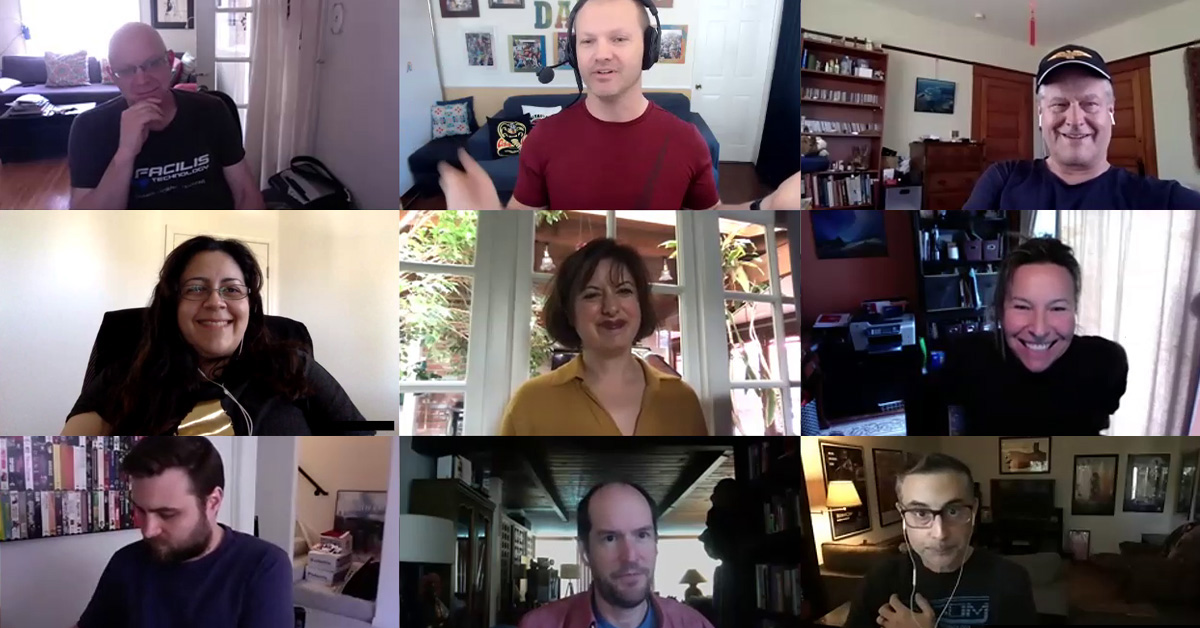
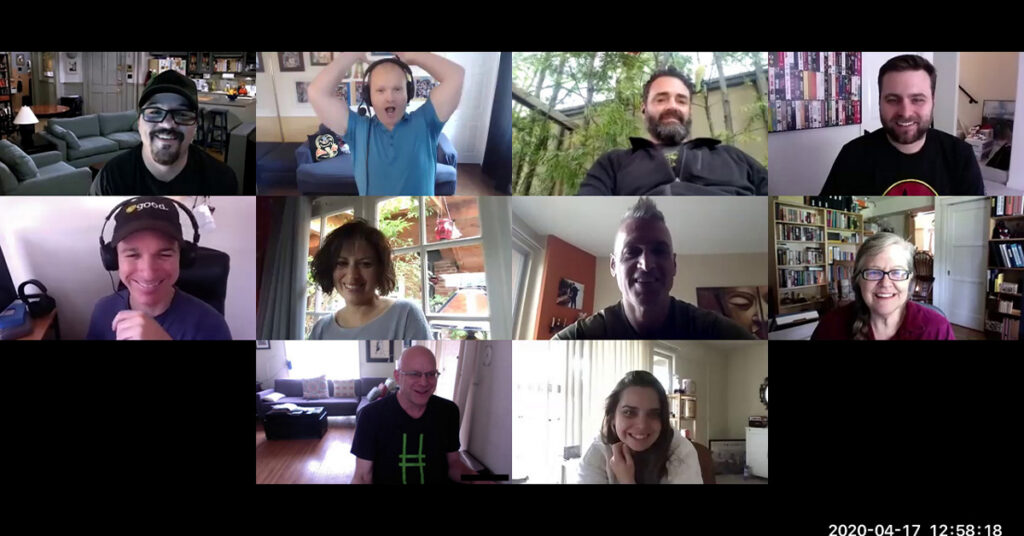
Zack Arnold: All right, it looks like, according to Zoom, we are ready to go live. So, once again, here we are, Friday community Q&A. It is quarantine day. I have no idea. Does anybody have any idea what day it is at this point, like day 50, day 70, day 100 Who knows? I have no clue what day it is with quarantine right now. All I know is that everybody in my coaching and mentorship program is talking about when they’re going to get their next haircut. I swear to God, that has been the topic of conversation in both of my calls this morning, has been haircuts. Edward is not on the call, but he showed up to the call this morning at 7:30am He had the most brilliant haircut, and all everybody talked about for 15 minutes was, how in the world did you get your hair cut, and how does it look so good? He said, well, you know, my wife is pretty good at that. Oh, can we come over to your house, because I desperately need a haircut. So that’s where we are, people. That is the topic of conversation in these coaching programs. So it’s really not. But I want to welcome everybody here. My name is Zack Arnold. If you don’t already know, I’m the creator of the Optimize Yourself program and podcast. And as I go into the gallery slash Brady Bunch of you, these are my peeps. This is the Optimizer Coaching and Mentorship Community. So everybody, wave. That was nice enough to join us Friday at 1pm I appreciate it. I also would like to point out that we have a special guest on our call today, so I would like to pop in real quick, and I would like to introduce Editor Extraordinaire Monica Daniels. So, Monica, say hello to everybody.
Monica Daniel: Yeah, what’s up?
Zack Arnold: I’m excited about today’s conversation. This is going to be somewhat of a community conversation where we do an extension of what we talked about last week. The topic at hand last week was digging into how long do we really think it’s going to be before we are working again. How long is it going to take for cameras to roll? What is it going to look like? Are the budgets going to be there to hire people back? Will we get hired back on the same shows? Whole bunch of unanswered questions. So, if you want to dive into that conversation first, or dive into it later. That’s at Optimize yourself.me/episode I believe 97 You can check it, Optimize yourself.me/podcast If, for some reason, I got that number wrong, and you can’t find it, we just released it this morning as its own self-contained podcast episode. And today is going to be a deeper dive into the conversation that we started at the very end of our last call, which was, How can we provide value to people, whether it’s during a global pandemic or otherwise, because a lot of us in the creative community have had the realization that, oh, my entire livelihood depends on the ideas of other people and other people’s projects, and I’m realizing how vulnerable I am. So, is there a way that I can provide more value to others and potentially turn it into either a side hustle or actually make a living out of it? And out of the woodwork from that conversation came Monica. So, for those of you that may not be familiar with you, Monica, or your background, which I’m guessing is probably nobody, because you’re out there everywhere in our little niche of the industry, but for those of you that may not be familiar with you and your work, can you just go ahead and introduce yourself and talk a little bit about what you do?
Monica Daniel: Well, I’ve been working in the industry for about 15 years now, about I lose track of years, but I think it was roughly five years ago I did a career change shift. I had been working in non-union, mostly documentaries. I was very well known for all the red carpet sparkly effects that I was able to do with Boris and Sapphire for E’s red carpet coverage, but I did work mostly in documentaries, mostly for e, but I did work for some other networks. And then, about five years ago, I was presented with the opportunity to transition into scripted, which is something I had been trying to figure out how to go about, especially as I had been working as a lead editor for years. You know, it’s hard, editors are a little hesitant to give someone who’s been editing for years a chance as an assistant editor, so I went back to assistant editing, and then from there I’ve been working my way back up, and I this last year I edited three episodes of the show I was currently working on for the last two seasons, Legends of Tomorrow, and so I’m in the weird transitional period of, like, okay, I have editing credits, but I don’t have enough editing credits to really have a good chance of finding work outside of this specific company I’m working for right now, so, and fortunately I was the last one who wrapped on my show, so out of everyone else I was in the best position, and but I’ve been now on hiatus for a couple weeks now, but I’ve been an online editor, where I was delivering to networks, an offline editor, package editor, short form editor, scripted editor. I’ve worked on a couple independent things that never saw the light of day, so I’ve kind of done almost all of it. I haven’t cut trailers professionally or worked on music videos, but that’s about it.
Zack Arnold: So, in general, you name it, and Monica has probably cut it, or comped it, or built it. That’s kind of the short version. So, you and I are going to dive much deeper into this conversation, which is an extension of one that you and I have already been having, kind of off the record, behind the scenes, about providing value, but before we get deeper into that conversation specifically, I want to bring it to the group first. For everybody that is here right now, I’m going to throw out one of two questions. Either the usual, which is always the most important is if you want to just share how you’re doing and what you’re up to. I always want you to have a place where you can share that, but number two, having either participated last week or having listened to last week’s call, especially when we got to this idea of providing some form of value that may not be in your current skill set, which you’re not able to use, have there been. Any epiphanies, ideas, any thoughts about where we left last week’s conversation? Because I think this is a really deep and important topic to bring out into the world. So, for those that either listened or participated, any general thoughts from where we left it last week? All right, we’ve got Debby over here. So, what are some of your thoughts from after last week’s community call?
Debby: So, we talked about a few things last week that I’ve kind of been trying to bring into what I’m doing now. So we talked about kind of getting more skills as far as digital communications, enhancing our digital communication skills, because maybe we’ll be working from home a lot more in the future, and now, so I’ve been working, I’ve been trying to enhance my skills on Slack. There’s a couple groups that I’m working with that I’m trying to get them onto Slack, and started some channels, and so I’m trying to just sort of, you know, pick up my skills in that sense, and then I’m also, I mentioned last week that I was doing a lot of work for free right now, which doesn’t sound very great, but I am, I’m still doing it, and actually I’ve been working with meditation group here inside LA, and this has been a great opportunity for me to volunteer with them, they do a lot. They have a lot of needs right now. They’re trying to ramp up their, they’re a nonprofit, so they’re trying to ramp up their community and try to get more donations, because they still have a lot of centers that they’re paying for. But you know, everything right now is online, so they have a lot of videos, Zoom calls, they’re trying to figure out how to get stuff out there, so there’s there’s actually need for some video editing that they need right now. So I’ve just sort of jumped into volunteering my time for that kind of stuff, so I’m not exactly sure how it’ll pan out, if anything will end up being paid or not eventually. I’m also doing some, some political ads for the Democratic Coalition, so like just things that I’m just sort of kind of grabbing onto that, you know, hopefully will end up with more contacts, more experience. I’m, you know, trying to learn new softwares, trying to, trying to pick up on those skills that might be valuable in the future.
Zack Arnold: Well, I gotta say, for somebody that just wrote an article from our site that was titled, “It’s okay if you’re not ready to be productive, you sound like you’re being pretty productive, you sound like you’re getting some stuff done over there.
Debby: I hope so. I’m trying.
Zack Arnold: Well, when it comes to improving your Slack skills, I might know a guy that can run you through the ring or a Slack, and maybe I’ve already been doing that, but Slack, as everybody on this call knows, is my medium of choice, and I probably overdo it. But I love Slack. It’s a great way to communicate, it’s a great way to organize that communication, but also not get overwhelmed by it, because it’s only the stuff you need that’s important in places you can provide value, as opposed to, oh, here’s something important, and here’s 150 things that aren’t important, hence the email inbox. So I’m glad here that you’re getting into Slack, and you’re finding other ways to provide value using your existing skill set. What I really want to talk about today is not necessarily I’m an editor or I’m an assistant editor or I’m in post production and I have this existing post production skill set. What are all the other ways that I can just find more gigs right now? Because there are so few gigs, how do I find gigs to use my existing skill set? What I’m much more interested in is thinking outside the box, and how can I provide value in other ways that I may not have thought about before, but because necessity is the mother of invention, I’m dealing with the quarantine, so how can I provide value to other people that’s not just finding the next gig, even if it’s lower paid, or it’s like you’re doing stuff for political ads that you may not have been doing when you were working on Fargo, for example, or Agents of Shield, but you’re still providing essentially the same service, but you and I, Debby, and now the conversation I’m going to have with Monica today, we’ve really talked about what are other ways that you can package the value that you can provide where it’s not just this existing technical skill set that you have, right? So I want to take it back to the community one more time, then I’m going to dive into this much deeper with Monica. Monica is going to get her first taste of a hot seat, and it’s going
Monica Daniel: To be first time,
Zack Arnold: Of course, it wouldn’t be, so you, it’s going to be your first optimizer hot seat, so it’ll be fun. But before we jump into it, I wanted to come back to the community, and I see a hand up. So, Krysia, did you have something you wanted to add?
Krysia: Hi folks, I’m in Toronto, Canada, and today I just received a notice from my producer saying due to the force majeure, you are ended today, you are off the contract until who knows when the shows got pushed to 2021 so that was a bit of a downer, but I’m glad I got onto this call because I do have something to share. Air, and I shared with Zack earlier in the week that I’ve been doing a lot of my personal development in between gigs, I’m always doing either professional development or personal development, and this time I’ve decided to take some coaching to become a coach, a lifestyle coach, but specifically in the dating genre, because I’m an expert in partnership and relationship, and done a lot of psychotherapy, and that’s one of my degrees, is psychology. So this is an opportunity for me to go into that and have a side gig, eventually, within the next three months. So I’ll be building a website, and I’m actually practicing as a coach, I’ve got two or three coachees, so I’m practicing every week and giving value that way, and people are building their profiles and feeling confident, even though the uncertainty is still happening. You can still build yourself up and build your self-esteem and your self-worth. So that’s kind of where I’m giving value, and now I’ll be doing even more, because I just got let go today.
Zack Arnold: Well, first of all, I don’t know how you survived this long. The fact that you were still working up until now is a miracle, because the vast majority of people that I know that were on shows, even those that had the longest runways possible, they’re done by now. So, the fact that you made it this far is a miracle. Secondly, I love this idea that you found a completely different way to package one of your ways that you’ve provided value to people in the past, but find a way to spin it to where you can use it now. And, as I had expressed to you privately, I love the idea of you being a dating and relationship coach. It’s like the perfect fit with all the time that we spend together. I can see you being really, really good at that, and it’s the kind of thing that you know, again, if you’re going to do it virtually, is essentially pandemic proof. And I think the another interesting thing that I want to extract from this, and this, we’re going to go deeper into this conversation, but if you think to yourself, well, wait a second, am I, you know, my license to do this, am I certified, like in your case, yeah, you have a degree in psychology, which I didn’t even know until now, which is fantastic. Once again, doesn’t surprise me, but I think another way to look at it, too, which is thinking more outside the box as an editor. For, I mean, it’s, it’s roughly, how long have you been an editor, Krysia? Like, what has it been like? 1520, years, 3030, years. Wow. Well, you take very good care of yourself. So, you’ve been an editor for 30 years, and anybody that’s been in an edit suite knows that we are essentially therapists and dating coaches all day long,
Krysia: All along. Yes,
Zack Arnold: That’s what I do.
Krysia: Perfect,
Zack Arnold: But it’s for a lot of people, it’s hard to make that connection. They’re not seeing, they’re not, they don’t recognize point A and point B and put them together. They think I work in Avid, or I work in Premiere, I cut in a timeline and I added footage, but there are so many other skills that you have in that room that can translate into something completely different. So, I love the fact you’ve extracted one of the key abilities and techniques that an editor has, which is managing relationships, and now you’re turning it into a side hustle, which may end up being an entire industry for you. So that’s fantastic. I love it. So excited about that. If I weren’t already happily married, you’d be the first person that I would go to, but if I did, now it’d be weird. So, so bringing it back to the community very quickly, before I jump in with Monica, are there any other insights or thoughts about the conversation that we had this week, or that we’ve begun this week specifically. I’m going to take the deafening silence as a no, and I’m going to throw this out to the Facebook community to see what thoughts you have before I jump in with Monica about providing value. What are some other opportunities that we have in the industry as a whole, or even in completely different industries, where we can take a skill that we might not recognize as a skill yet and actually turn it into something else. So, I’m going to throw that out to Facebook. I’m going to start to monitor the comments, as is my moderator here, and I want to dive in with Monica. So, Monica, you are now officially on the hot seat. What I need to do is get like one of those sound boards the radio personalities have, because this is where I hit the button and would go right, really cheesy, way too much
Monica Daniel: Right now too.
Zack Arnold: So, what I would love to know is, could you give me whatever background you’re willing to share with this community and with the people on Facebook Live, the conversation that you and I started behind the scenes
Monica Daniel: A while ago. I decided that I wasn’t going to take side projects anymore, and I was just going to focus on my main career, which is, you know, working working on the studio shows that I work on, and that way I would have more time with my family, more time for myself and my wellness, and at the time, those were the needs I had. Now my needs have changed. Without going into the really dirty, nitty gritty details, I am now a single mother that this has occurred in the last year, and I have two children, and we’re co-parenting, but especially during this quarantine, I’m the one at. At home with the kids all day long, most of the day by myself, and I don’t want to have to rely on, you know, their dad’s finances to like completely support me, or, you know, support like I don’t want to have to be as reliant as I currently am right now, so my needs have actually changed, because I want to be able to be a little more independent. I’ve always been very independent, but now that the situation is what it is, you know, it’s now it’s not. I don’t want to have to rely on his finances. I don’t want to have that. We’ve been actually very civil with each other, but it’s just one of those things. We each want to be as independent as we can, and so I want to find ways to have supplemental income, and something that is not necessarily a full-time job, but is flexible, so as work does pick up again, you know, I’m able to focus on the career that I’m pursuing as editor in scripted television, but I also want supplemental cash, because my son is also special needs, he’s autistic, and so I’m constantly looking for more programs and ways to help them, and that costs money, so I just have my needs have changed, and as a result, I’m going to have to give up some of that free time that I purposely took for myself in the past to try to just think more long term of how I’m going to take care of my children and also be as independent as I can be with two children and working in this career, which takes a lot of hours, so it was a, it was something I think I was texting you the other day, Zack. I just started texting you randomly.
Zack Arnold: Yeah, you and I have texted pages and pages worth of this conversation. At this point, we have been, we’ve been going back and forth, and like, my thumbs are tired from texting with you, like that’s how much we’ve been talking about this. No, I’m not. You don’t need to apologize at all. I love this stuff. This is great. So, just to recap very briefly, it’s not a matter of I don’t want to edit anymore, I want to get out of the business, screw Hollywood, I need to find something else. There’s none of that, but you’re realizing that there’s a dependence on income that you don’t want to have, whether it be because of your personal situation, or as everybody talked about on this call last week, and the realization that I had years ago is, wow, my entire livelihood depends on other people’s ideas and projects, and if there are no projects, I have no livelihood, and that was a scary moment for me. And you’re in a similar place with other personal, personal difficulties, without going into, into further details. So, you had a kind of a mini aha moment, where you noticed, I remember you specifically sending me, I think it was a text where you saw a number on a Facebook post of people that had attended an event, and this was kind of what sparked all this. So, give me a little bit of introduction into that,
Monica Daniel: Okay? So, two, I like doing presentations. I’m the type of person who I will develop a presentation because I have this idea in my head, and then I’ll start pitching it to the user groups and see who wants me to present it, and I’ll do that before they’ve even asked for it. Just, it’s just something I like doing. And so, a couple years ago, for BCPC, I pitched, hey, I have all this stuff I’ve learned being an assistant editor and scripted, in addition to my background being as an editor, and puts a lot of things in perspective for me of how I could translate skills, and I want to put together a workshop for people of basically it covered the surface topics, whatever I could cover in two and a half hours of, you know, how to be a good assistant editor in scripted television, and because that’s my experience, it’s not features, which is a whole different set of job responsibilities, and we put it together, and we did it as a fundraiser for PCPC for their PDF program, and we were selling tickets, maybe for like $10.05 or $10 each, there were well over 100 tickets, the moment tickets went on sale. It sold out within 40 minutes, and I found out later people had set alarms for when the link was going to go active, so they could sign up for the workshop, and I was shocked. I couldn’t believe it. I was like, wow, that’s okay. And something someone told me, they’re like, well, yeah, I’m gonna set an alarm, especially for her, referring to me, they’re like, for her workshops, yeah, people are gonna buy those tickets like crazy, and that was news to me, I was like, really, okay, sure, and so that was that was kind of shocking to me, and even we, I finally released, I sat on the video for two years because I was so busy, but we promised we were going to eventually release the seminar for online on YouTube on the BCPC channel, and within three days it had over 1000 views, and it’s over two hours long. It is not a short video, so that was another, like, oh my god, I cannot believe the amount of. People that have watched this in three days,
Zack Arnold: So a two hour seminar where you’re talking about assistant editor techniques, and the title of the presentation does not have the words tiger nor king,and you still got overdid
Monica Daniel: And scripted television. It was very, very specific,
Zack Arnold: And you got a pretty good amount of people that ended up watching it. So, why do you think that was why are people setting timers to do your presentations, your seminars, and watching two hours of somebody talking about assistant editing in the middle of a quarantine?
Monica Daniel: I think it’s for me being from on social media too much. I’ve, I’ve started kind of just letting people know I exist on on social media. I started the process maybe about six or seven years ago, and over the years I would just release advice, tidbits. I’m a super nerd, so I just talk about nerdy movies I love or things I love, and then on top of that, I, you know, I was on several podcast interviews, including yours, Zack, which I still send people to that episode. I have my own podcast with some friends of mine, Adam Bedford and Ben Bardon, which has been on hiatus for a little bit, because we got so swamped, and then quarantine happened, and we’ve been trying to figure out how to bring that back again, but it was about going postal show, and I’d interview other editors, and so I just was using all these different ways where I was basically just giving out free knowledge, and I did it over – I’ve done it over a period of several years, and I also do live in-person presentations, and then a lot of it, I think, is just word of mouth talking about me at mixers, people will still, well, not recently, obviously, but you know, people would.. there was always at least one person who came up to me and would introduce themselves to me because they saw something I did or said on Twitter or Facebook, and it’s still like weirds me out, because I’m very much an introvert, just like most editors I know, and people don’t believe me, they think I’m a social butterfly, and I’m really not. So, it’s just weird to think of myself in that way. And my friends still tease me about being like an internet celebrity, and I’m just like, I’m just gonna throw something at you guys. I believe you have also teased me about that.
Zack Arnold: I’m sure that I have more than once. So, what you’ve talked about here is the fact that over the last several years, you’ve built authority in our small niche of the industry, and you’ve proven that you know how to do these specific things in this world, so people don’t question, well, you know, who is she and what does she got to say, right? But that still doesn’t really answer my question. Just because people recognize you and know who you are, and you’re an internet celebrity, that doesn’t explain to me why they’re watching two hours of your seminar as opposed to Tiger King. Why are they watching your specific seminar?
Monica Daniel: Well, one thing I like doing is I like to say I like to hurt people’s brains, but it’s just me being silly. But really, I just, I try to explain things in a concise way as possible, and just using very, you know, not not using all the big vocabulary words. I had to learn everything on the job. I don’t have a film degree, I didn’t go to film school, I didn’t know what an editor was until I was like 23 years old, and that was the first time I had heard that term. So I feel like I have a different perspective that’s down to earth and doesn’t use all this fancy language, and always that you know the same techniques they talk about in film school. I just feel like I’m probably more relatable in a way people could just, it’s easy for them to understand the concepts I’m talking about, and they don’t feel like I’m a textbook, and that’s as I’ve been asked since we talked a couple days ago. I have been calling and asking people, like, what is it about me that appealed to you? Like, what are you seeing in me? Because it’s hard for me to see myself objectively. So I asked people, what is drawing you to me? And the common thing people have always said is, like, you’re no bull, you’re no BS, and I can ask you any question, and you will answer it in a way that is clear and makes sense. And basically, I don’t make them feel dumb, you know? I’m not condescending to them using.. I feel like sometimes when I’ve talked to.. I talk to film students a lot, sometimes they’ll start throwing their like big fancy vocabulary words at me. I’m like, I don’t even know what that means. I, I’ve seen people, you know, just try to use vocabulary to feel like they’re superior to others, and that’s never been who I am. So, I just feel like it’s, it’s makes it easy for people to approach me, because they know I’m not gonna, I’m not gonna bs them, I’m not gonna make them feel bad, and even certain things that there’s.. I have a whole rant on paying your dues. I hate that term, because every time someone says it, I.. it just.. they look so depressed, and I was like, no, get that out of your vocabulary, everyone is 95 Sudden, the people in this town will tell you you have to pay your dues, and you know that. How I see that is, you must suffer as I have suffered. Bullcraps, when who says when your dues are up? I have a whole rant about that, and it’s, you know, it’s like I make these people who are struggling and scared, I give them a little hope. I feel like, because I’m not just regurgitating the stuff you always hear at panels or like professional events, because I don’t agree with them, and I have a different thought process and approach to how I think you should approach your career, and I think people are just drawn to that. I went on a rant.
Zack Arnold: Yes, right to you went on a rant about rants.
Monica Daniel: Went on a rant,
Zack Arnold: It’s very meta. So I agree with everything that you just said. And going back to this idea of over the last several years, you’ve created a sense of authority and trust with your level of experience, the quality of your past presentations, and now we better understand that people are really interested and drawn to you because you’re just like them, right? They can relate, they can say somebody could stand on the stage that has five degrees and technical certifications, but do they really understand us and the struggles that we’re going through? So I think that that gives you even more authority and trust for them to say this looks like a good workshop, but you still haven’t answered my question.
Monica Daniel: Damn it
Zack Arnold: That specific workshop, what? What did that workshop do for the people attending it that other workshops may not have done that made them watch you instead of Tiger King? It’s really simple.
Monica Daniel: I feel like I’m failing your test. I
Zack Arnold: Welcome to the hot seat.
Monica Daniel: Damn it, Zack, I think it’s knowledge that’s people don’t share very freely, that’s why I did it. It’s not knowledge people share freely. In order to get that knowledge, you have to like get in with the click at the mixers or whatever, so you could find your foot in. I bait silkily made like, you know, the little, the popular cool kid crowd knowledge accessible to anyone who wanted to attend to listen, that’s why I did it. I don’t know, that’s the answer you’re thinking, but
Zack Arnold: You’re, yes, you’re basically there. What you did at the core, basic, fundamental level is you solved someone else’s problem. They said, I have a problem right now, and I think that this seminar is going to solve my problem, and I think she’s the right person to understand my problem, and my problem is I don’t know how to do this stuff, because nobody talks about it, and Monica is known for sharing knowledge that nobody else is willing to share, so I know that if I don’t set my timer, I’m going to miss my opportunity to have my learning curve shortened. Does that, does that about sum up why you think people are setting timers to be a part of your webinar?
Monica Daniel: Yeah, in a less rambly way.
Zack Arnold: Yes, so I wouldn’t expect you to package it that succinctly, but I wanted you to really understand, and I want everybody else to understand, there’s a reason for all this. It wasn’t, wasn’t magic, it wasn’t happenstance. There’s a reason that all of this happened. So, now this is where the conversation gets really, really difficult. And you already know where I’m going to go with this. I’m assuming you already know you have an audience.
Monica Daniel: Yeah,
Zack Arnold: You know that you have skills, you know that you have knowledge, and anyone objectively would agree that the knowledge and skills you have to share have value, so what’s stopping you from finding a way to monetize the knowledge that you share?
Monica Daniel: I have this weird hang-up. It’s for that I feel like I.. it’s like I want to give it away for free, which is why I’m a terrible negotiator. I mean, I take my dad with me to go when I need to buy a car, because I will just walk out. It’s information I feel like I want to give away freely. I want to give it away to the people who maybe can’t afford the fancy film schools, who don’t have access to a lot of the people who work in the industry, and it’s so.. it’s. it’s my own hang up, because I can make it affordable and people could figure it out, but and I could still find ways, but I just have this weird hang up. It’s like I want to give away that knowledge for free, but I do it in such limited qualities when I have time, and it’s it’s just my own thing, because what I want to make money on is editing, and then just like, you know, people didn’t charge me to figure out how to do the job, since I learned everything on the job, like everything, it’s, it’s hard, it’s like something I, it’s my own little mental block in my head,
Zack Arnold: So would you say that it’s accurate that you’re more than comfortable making money off of editing?
Monica Daniel: Yes,
Zack Arnold: But you’re not comfortable making money off of other people.
Monica Daniel: I’m not comfortable making money off of stuff I feel like is mentoring, that’s what it is
Zack Arnold: So, let’s look at this from the the. It in context, I want you to imagine that you’re mentoring a younger editor or assistant, and they just assume they have to pay their dues, and they’re really good at what they do, but they don’t have a whole lot of experience, and they came to you and said, “Listen, I just.. I don’t feel like I’m experienced enough, and I still make mistakes, and there are other people just that are better than me, and they’re asking me to give them nights and weekends for free, and it’s time I don’t really have, but I don’t really, I don’t feel comfortable telling them that they need to charge me money, because I just, I don’t think I’m good enough at it yet. And there are people that are getting paid, but they’re better than me. How would you mentor them? Would you be okay with them just being taken advantage of, and then doing free work forever, because they didn’t feel they were good enough yet to deserve the pay.
Monica Daniel: No, I wouldn’t. I would not.
Zack Arnold: You would not. So we at least understand that there’s a little bit of a disconnect here between objective reality and your subjective perception, correct?
Monica Daniel: Yeah.
Zack Arnold: Okay. So, what’s interesting is that when I said to you, what’s what’s stopping you from monetizing this knowledge, it wasn’t well. I don’t really know how a website works, or you know, I tried to look up PayPal payments, and it’s a big pain in the butt, or Stripe, or whatever. Like, it’s a big hassle, and I don’t have the time. Those are knowledge gaps, that stuff that can just be taught. You’d go and you do a tutorial online for, here’s how to accept Stripe payments, or here’s how to build a membership site. Like, it’s, it’s not quite that simple, but it kind of is that simple, really. Information has no value anymore. Everybody has access to all the information on the face of the planet in our pockets. What has value is somebody that knows how to package that information succinctly and make it easier for somebody to execute that information. Would you say that that’s what you do.
Monica Daniel: Yeah, yeah, yeah. I do.
Zack Arnold: So, do you see the value in offering that to other people?
Monica Daniel: Yeah, I do.
Zack Arnold: So, this, my friends, is what we call a limiting belief. There is a part of you that doesn’t believe that you should be accepting money from other people for a service that has tremendous value, would that be a fairly realistic characterization?
Monica Daniel: Yes.
Zack Arnold: Okay, so now that we accept that, how do we get over this hump of, yeah, but I’m, I’m not really comfortable with people paying me for this knowledge, because the problem isn’t that you don’t believe that your knowledge has value, it’s that you may or may not believe that you’re not worthy of it yet, so how do we get over that?
Monica Daniel: Sounds like a question for a therapist
Zack Arnold: That ask anybody on this call. Let me put this in gallery view for a second. Does any of this just feel totally off the beaten path of what we usually do on any given week? Anyone? Everybody’s like, welcome to the hot seat. Monica,
Monica Daniel: I think what would help me be more accepting of it is, like, you know, I would need to continue, like I want to continue to give out, you know, limited amounts of free knowledge, like even all the presentations I do, it’s like it scratches the surface of whatever I’m talking about, and so if I was going to put together some sort of program, or you know, learning course curriculum, I, you know, I would definitely go much, much deeper. I only go that, you know, to the level that I usually go with like people that I choose to mentor one or one on one, and those people are like really special people to me, like they have huge potential, and I want to help them, so I actively like give them all the nitty gritty details and give them like access to me, they could send me whatever they want, so I think, for me, in order to be more accepting of that, I still want to give away free knowledge, and even, like, you know, do something like BCPC, where it’s like give away free seats through, because they have a way of filtering people, of people, it’s like I don’t want to take away access from people who truly. Can’t afford it, so I probably, in order to be okay with accepting money, I’d still want to, in some respects, give away stuff for free, to a certain extent.
Zack Arnold: So, I’ve got a question for you. This, this model that you just talked about, does this sound familiar? Do you know anybody that might be using this model right now?
Monica Daniel: I know several people who use this model,
Zack Arnold: So I’m gonna put this back to the group. How many of you in this group found me because of some form of free advice, content, skills, or knowledge that I shared to the entire world with asking nothing in return, every single hand will, except for Lens, because Len is like, ‘Nope, sorry, I knew him years ago, way back when he knew me way before Fitness and Post, and all that. So, Len, you don’t count, you’re an outlier. Other than that, everybody on this call found me because I decided that I wanted to put my value out into the world, and I spent three years doing that before I got anything in return. And this is a conversation that Monica and I had privately earlier this week. I basically was throwing money into a fire for three years, trying to figure out how to do this. I got nothing in return, minus like an $80 check every month from Beachbody, because four people bought Shake Allergy.
Monica Daniel: I was one of them.
Zack Arnold: You were one of them. You were one of the first, by the way,
Monica Daniel: And I still use my neutral lit that I won that first,
Zack Arnold: There you go. The point being that this started with me having something I needed to just get off my chest and talk about and put out there, and it was just about iterating and learning, and how can I help people, and what questions do you have? And this brings us back to one of the things that we talked about last week, that Debbie specifically brought up was what, what questions do I even ask people? How do I know what those skills are? And that’s something that you’ve been doing this week, sending these text messages, but one of them is just asking, what do people come to me for? And with me specifically, it just started with, dude, what’s all this stuff in your office? Like, you’ve got a treadmill desk, and it’s height adjustable, and you got a balance ball over there, and kettlebells, like, what is that all about? Six years ago, it was nuts. It was crazy. I would ask somebody at a facility when I remember working on burn notice, this would have been 910, years ago, asking them for a height adjustable workstation, and they looked at me like I was insane, like a what, like you know, so I can go up and down. What do you need that for? Can you imagine that happening now. Height-adjustable workstations with a push button are standard everywhere, but 10 years ago nobody was talking about that stuff, and I realized a lot of people came to me asking about that. Well, how do you, how do you put all this together, and what desks do you recommend? Oh, all right, here you go, and people kept asking the same questions over and over, and that was what inspired me to start this hiking group in the fitness and post program, and then all of a sudden people kept asking me the same questions in there. Well, fine, I’ll ask to answer the same question over and over. Maybe I should just write a blog article about this, so then I can just send somebody the link. Maybe I’ll interview somebody on a podcast, that’s what I’ll do. I’ll start a podcast, and I’ll just interview, and then I can send them the link, right? How many times have you done that, Monica? Or somebody say, ‘Can you explain x, y, and z? And you’re like, ‘Just go to this link and then talk to me tomorrow, right? You do that quite often, I would assume.
Monica Daniel: Actually, I have a whole document of free internet resources. When people approach me, I’m like, ‘Here, give me your email, I’m going to send you something. When you’re done going through all of this, then we can talk and let me know, and it was like 12 hours of information and content that was free online that would answer 95% of their questions, and then they could like start asking me the more interesting questions, and only a couple people followed through, and I was like, this is this is this is the way to get access to me, and not, it’s like people weren’t willing to do the work, which I thought was interesting.
Zack Arnold: So, let me get this straight. There’s a document that’s a collection of resources that you put together that’s free.
Monica Daniel: Yep,
Zack Arnold: Anybody can access, and if they enjoy it, and they want to learn more, they can contact you. I know there’s a synonym for that term somewhere. Can anybody think, maybe in the group, what’s the synonym, or a clear description, maybe in one word of what Monica is talking about? Anybody? I believe it’s Aaron. Yeah, I actually wanted the answer. It wasn’t hypothetical. Was value, but there’s an even more specific word for that. I believe it’s called a website. Basically, what you’re doing is you’re emailing people a website, you’re saying, “Here’s a whole bunch of free knowledge that I’m willing to share with you. I’m asking nothing in return, but if you want to go deep and you want to put in the work, you’ve got to demonstrate that to me. So, you’ve already created this barrier where you said to people, want all these questions answered, that’s fine, but you got to do your research first. I’m not just going to hand it all to you on a silver platter. You’ve got to do your research. If you go through everything and you come back to me, then I’ll answer your questions. And what you’ve discovered is very few people actually follow through and do that work, correct?
Monica Daniel: Yeah. Because I found that if they have the motivation and ambition to actually go through all the knowledge that they could find with a Google search, by the way, that’s how I put the document together. If they’re willing to do that work, then they have a better possibility for success in having an actual career in post production, and if people aren’t willing to do the work, I don’t think they’re going to do very well,
Zack Arnold: So now that we better understand that you, you now have this, this resource already. Maybe it’s not in the perfect form from a technical workflow perspective, but in essence, you have your own version of a private website where you say, “Here’s all this stuff. You now are fulfilling the obligation that you feel is necessary to continue providing value for free, but now you have this barrier of entry, where if people want to get more free knowledge and take up more of your time, they have to prove something to you.
Monica Daniel: Yeah,
Zack Arnold: So what’s the next barrier of entry? If somebody really wants access to your knowledge, or you being available to them,
Monica Daniel: It’s hard to put into words. It’s.. it has to be a potential I see in them, and a desire to truly learn. Are they going to listen? You know, are in another thing is like, do I feel like there’s someone who’s going to be stab people in the back, or do I think they’re a good person, a good team player, you know, someone who I’d want to be a friend with. You know, it’s just one of those things I imagine that you go through when you’re hiring assistant editors. It’s like trying to find that that right personality, and that’s something I have to determine over time as I’m interacting with them more and more.
Zack Arnold: So, assuming that somebody meets these criteria that shows that you know they’re trustworthy and they really want to dive in and they’ve really qualified themselves to work with you, and they’re a good fit. What is another way to very almost instantly qualify somebody’s interest, being very dedicated and true, and they’re willing to go to the next level? What’s a really easy way to qualify that?
Monica Daniel: See if they’re willing to pay for it.
Zack Arnold: I think it’s money. I think money is the ultimate qualifier, because once somebody pays for something, they have proven to you I am interested in this knowledge. They haven’t proven to you yet that they’re actually going to follow through with it. And I’ve learned that in spades over the last six years that money does not equal follow through. However, it equals intention. My intentions are that I believe that what you have provides value to me, and I want to do my best to get the value out of it in return, and I find that a lot of people don’t have the tools or the strategies, even after they’ve shown that intention, to be able to follow through, which is why I build so much accountability into this program, and so much community and support, because it did just start with here’s education and knowledge, I have experience, I want to help shorten your learning curve, here you go, people take courses, but then they never finish them, and I’m not in the business of selling knowledge and making money off of that knowledge. I’m in the business of helping people achieve their goals, and if a self-contained course can’t do that well, then I need to do better, and I need to find a way to make sure that that happens, and people follow through. But the barrier of entry between I would love to have a 30 minute chat and learn more about your goals, or here’s 200 hours of free interviews, sorted by topic, like if you want my best advice on x or y or z, there’s a search engine for that, it’s all there, but if you really want to dive in deeper, well, guess what, that’s going to mean you have to step over this barrier of entry, which is you need to prove to me you’re committed, the way to do that is with money, so going back to a conversation that you and I had via text, is there somebody else in your world who’s had a tremendous impact on the trajectory of your career that you’ve seen as a mentor, where you realized recently, oh, they monetized their knowledge too, and I was okay with that. So, who might that be?
Monica Daniel: There were two of them actually Lori Jane Coleman, who was the first editor who allowed me to just visit her cutting room in scripted. She wrote the, I think it’s the bible for working as an assistant editor. I’m blanking on the name of the book, but everyone knows the book. I forgot the name of the book, it’s an assistant editing handbook, and then the other person is Norman Holland, and they were both mentors of mine. And Norman gave away so much free knowledge, but at the same time he traveled the world getting paid to teach as well, and he worked at USC. So,
Zack Arnold: So let me ask you this question. Looking, let’s look at Norman specifically, because I think he’s fairly well known in the industry, and everyone knows him as a teacher and a speaker, and he runs panels, and he’s got a book, and he was the former head of the editing track at USC, and for anybody that is unaware, unfortunately, Norman passed away. He was also a huge mentor and influence for me, but was there ever a time where you thought to yourself, How dare he? I can’t believe he’s charging for this stuff, like, I think so much less of him because of it. Did you ever have that thought?
Monica Daniel: Never.
Zack Arnold: So, why do you have that thought about your own knowledge?
Monica Daniel: I think I didn’t want to turn my love of mentoring into a job. I don’t want it to feel like a job, and it ends up becoming an obligation because. Feel like, in order to do right by people, it has to be more than just an obligation I have. So, I think that that’s probably like my.. I don’t want it to feel like an obligation in the job, that something I have to do, as opposed to something I want to do.
Zack Arnold: And I think that’s a.. that’s a fear for a lot of people, and I know a lot of people that have a passion of editing, filmmaking, whatever it is, they decide that they want to get into this creative industry. I’ve seen it happen more than once. They’ve just got pie in the sky, stars in their eyes. This is going to be amazing. As soon as they have to show up for a job, like, oh, this isn’t as fun as I thought it was going to be. I actually have deadlines, and people have notes, and this is just supposed to be me being creative and getting paid to do my hobby, like, so that’s a very legitimate fear I think that a lot of people have, but then there’s there’s also this deeper seated question that you have, which instead of throwing it at somebody like Norman or me and say, How dare they charge for their services, I think the deepest rooted question that you have is who am I to charge people for this? Would you say that’s fairly accurate?
Monica Daniel: I think there’s a little bit of that in there, like logically that’s silliness, but I think emotionally, because you know, growing up I, I was like the outcast, and even in this industry I have had people with the attitudes, what do you know? How dare you? What you edit isn’t real editing. I’ve literally had that said to me. So I think just dealing with those kind of things, and I guess those kind of insecurities, and really to me it’s it’s people being assholes, but I think it’s just trying to convince myself on an emotional level that they’re wrong, even though logically I know they’re wrong. It’s like this internal battle of emotion versus logic.
Zack Arnold: Yeah, I can. I can relate to all of that, because I promise you, as soon as you put yourself out into the world, it becomes crabs in a bucket. Going back to the community for a second, anybody here not familiar with the concept of crabs in a bucket, or people out in the Facebook universe, raise your hand if you’re not familiar with the idea of crabs in a bucket. So, we’ve got a couple, essentially, as one crab tries to get out to the top of the bucket, what happens? Other crabs grab it and it comes back to the middle, so none of them ever escape. As soon as you put yourself out there, and you try to grab the top of the bucket and get out, that’s exactly what happens. Welcome to my world. I’ve been dealing with that from the moment that I put myself out there, and when I look at the count of people that I have in this community, or the larger community of people that have paid some form of money for a course or a workshop, or whatever it is, if I take that total sum, that sum is much smaller than the amount of hate in trolls that I’ve gotten in return. That’s part of the game, but at the end of the day, when I see the quality of the value that I’m able to provide to other people, and they verify that value in return, so it’s not just me making it up in my head. My goal is, and I think I talked about this last week, and I think maybe I asked you guys this, but was there ever a point where you thought to yourselves, man, like this, this guy is just kind of trying to make a buck right now, he’s not really putting in a lot of effort, he doesn’t seem very invested in what I’m trying to do, and once I signed up and gave him money. He just kind of disappeared, and it just looks like it’s some kind of, you know, cash grab. Anybody feel like that at all? Nobody. Right now, on the flip side, how many of you feel like even though you paid me x amount of dollars, my entire reason for being here is to provide you at least double that amount of value in return, and if I haven’t, I have failed. How many of you feel like that’s been the tone of this, this, this whole experience, where if I can’t at least give you twice what you paid in return – value, knowledge, tips, skills, information – then I failed, and I’m going to keep pushing myself, right? That’s the reason I put up with the haters, but the way to get over this imposter syndrome is one small bite at a time. So, do you have experiences already where you have provided value to somebody? Monica, yeah, and they have come back to you in return and said, look at the difference that I’ve made in my life because of the value you provided.
Monica Daniel: I have several instances of that happening.
Zack Arnold: So, does that help at least on a small level start to chip away at the imposter syndrome?
Monica Daniel: Oh, yes, big time.
Zack Arnold: What do you think is going to be more beneficial to lessen the imposter syndrome, getting more degrees and technical certifications to prove on paper that you’re the right person, or other people’s results?
Monica Daniel: Oh, it’d be other people’s results,
Zack Arnold: Other people’s results, and is that something that you have control over?
Monica Daniel: Well, no. Well, no.
Zack Arnold: I would say the answer, the answer is yes and no. They have to choose to take the action themselves, but my point is that you have more control over being able to choose the right people. To work with them and provide them value and hope that they put in the effort and they get the results in return, so there’s not a complete amount of control, but I feel like there’s a lot more control, as opposed to I’m going to spend the next three years getting higher degrees, fingers crossed that’s enough.
Monica Daniel: Yeah, one thing, another thing that really helped with people who are maybe less than kind with their view of me is on several instances where that has happened, a couple have happened publicly. People came out of the woodwork, people who are usually lurkers, and I didn’t know existed out there, who follow me to my defense, and that was interesting to see, because I was, I was just sitting back and watching the results of all of these people that I have affected or inspired that I did not know existed, and they came to my defense when I was being attacked, so that helps a lot as well.
Zack Arnold: So, what we know beyond the shadow of a doubt is that you have skills, you have knowledge, you can shorten people’s learning curves, and as soon as we get you over the hump of being willing to accept that you can have people provide you value in return, well, then all we have to do is actually build it. And if my feeling is that if there’s anybody in our little niche of the world where if you build it, they will come, it’s you, because you can reach out to five people and knowing those five people, you can be connected to 10s of 1000s of people. You don’t have to start from scratch. I feel like a lot of people in this industry really need to start from the beginning, and I don’t think you even have to do that. I think you have the benefit of a built-in audience. So, really, the only thing that’s standing between you and having this source of side income, or a side hustle that frankly I think could become something more. There’s only one thing standing between you and that happening, me, that’s you, that’s it. So we know that your plan of attack is that you need to find a way to overcome this limiting belief that I don’t deserve this value in return. Everything else is just busy work.
Monica Daniel: Yeah, and I’ve been thinking about that a lot, and so the way I’ve always kind of just worked through things is, you know, just get started, because if I don’t even get started, then I’m already stopping myself before I start, so I’m already reaching out to people, and even though I still have these, these issues in my own little blocks, I’m still taking the steps, and the key thing for me is, like, oh, I could have this ready by next week. That’s not how it works, because I have a lot going on. I am homeschooling two kids right now. I am still waiting to see what will happen with my show next season. So, for me it’s just about taking those little steps and just like kind of starting on the path I’m focusing on this like well what would I talk about what would I share with this being the form of videos would I want to do one on one calls yes and even just the thought of the like the nuts and bolts of like the website how would I post videos and have like security protocols and pay, I actually did something really simple to like get that anxiety off my plate, but I was like, wait, I have a Vimeo account, do they have like a on demand thing? I think they do, because I paid for like a like a flexibility class where they gave me on demand things through a Vimeo link that’s like private and connected to my account, and I was like, oh, look, Vimeo could host it. I literally can charge through Vimeo and keep 90% of the costs, and just literally, like, it was like a minute, and I was like, okay, well, if I don’t want to deal with all my own custom security protocols for videos and websites, then look, Vimeo, and so that anxiety and that like excuse of like oh my god, my going to build this, like just build the platform, it just went away because I was like all you know, if it comes down to it, I get just posted on Vimeo, let them take their fees and do it that way, the I feel like the important thing is really the content itself, and so that’s what I’m choosing to focus on, and it’s one of those things where I think people could self-self sabotage themselves when they’re just trying to think about all the nuts and bolts of trying to get it together, like running a business. I have no idea how to do that. Well, yeah, that could easily overwhelm you and like stop you before you start, so I’m just like, you know, I’m just not going to worry about that. I’m just going to worry about creating content, which is what I’ve always done, but you know, and see how I could structure it in a way that that makes sense for the type of program I would be doing, or whatever it would be.
Zack Arnold: So, thinking about, and I’ve brought this back to the community here. This reminds me of one of the key mindsets that I have at the very beginning of the Focus Yourself program, where instead of trying to get everything done and get it all lined up and make it exactly what it needs to be before getting started, what does this remind everybody? What’s the key mindset that I’m thinking of right now? Don’t pursue. To anyone, Howard
Howard: Don’t pursue perfect at the expense of good enough.
Zack Arnold: Bam, don’t pursue perfect at the expense of good enough. And one of the things that you and I talked about, and I won’t go into great detail, but you said, How can I charge $1,000 for a course? I could never do that, because some people are charging $1,000 for online courses. Some people are charging more than that for online coaching. Right, I do it with no shame whatsoever, because I provide twice the value in return. But you went from I provide all this value for free to I could never ask somebody for $1,000 but can you ask him for five bucks on Vimeo
Monica Daniel: For one video, maybe,
Zack Arnold: Maybe. Okay, so there you go. That’s, that’s good. You’re at, you’ve actually doubled it already. So, that to me is a really, really good sign that we have a way to just chip away at this imposter syndrome and chip away at this feeling of I’m not sure that I’m worthy to provide this value, and I’ll tell a little story about what the biggest transformation was for me, of the whole six plus years of doing this, from the moment that I texted you and Natalie and Janice and Adam and a few other people, and said, ‘Let’s go hiking and start this fitness group. That was day one to where we are right now, of everything that’s happened in between. There’s one moment that transformed my entire life, it was the first time that somebody gave me $97 and I think it actually might have been you. If it wasn’t, you were one of the first five people to join the beta version of my very first course, and I actually think Aaron is on that list as well. He might have been one of the first ones. I hadn’t even put a course together yet. I had one page with bullet points and said, “Here’s the problem I’m hoping to solve, and the problem was we’re all tired of sitting on our butts in dark rooms all day long. How do I not feel like I got hit by a truck at the end of the day? Oh, I’ve got a lot of advice I could share, and maybe I can put together some videos and show you what kind of desk I use, and whatever. Right, so I had the idea for move yourself, and as soon as you and a few other friends and a few other complete random strangers I had never heard of gave me $97 my entire life changed because I was in the exact same place as you. Who do I think I am? How dare I ask other people for money for my knowledge? Like that’s just wrong. I shouldn’t be doing that, but once I got over that hump, that’s when the snowball started to roll down the mountain. So, I think for you, we need to figure out what is the equivalent of that. Do you think it’s getting five people on Vimeo to pay you 10 bucks, 15 bucks, 20 bucks? Like, well, what gets the snowball going downhill for you?
Monica Daniel: I haven’t figured that out yet.
Zack Arnold: Can you see though the importance of identifying what it is, so it’s not this big huge thing like I’m going to charge $1,000 for this comprehensive workflow course, or whatever it might be, and instead it’s not even about making money, it’s about teaching myself that I’m worthy of the value that I’m asking from others.
Monica Daniel: Yeah, I mean, I think just even the thought of having this big comprehensive course makes me, gives me anxiety. It’s like I would need to start small, and I’ve, I’ve watched you through your whole journey, Zack, through the very first meeting you had with me about fitness and post, where I could like barely walk to the table from my job, and it’s taken you years to get to the point where you are, and there’s been a lot of, there’s a lot of evolution that has happened from these ideas that first sparked what, what has what this has become for you, so, and that’s something I always remind myself too, it’s like it’s just because it is what it is now, it’s going to evolve to something else later,
Zack Arnold: And the part that maybe you’ve seen a little bit more of than most, you’ve seen some of the failures, you haven’t seen all of them. There has been a lot more failure than there has been success over the last six years. All people judge is the success well, you know. Now Zack is doing panels and doing stuff for the editor skills and doing stuff for Ace, and you want to learn how to move more at your desk, like he’s the standing desk guy, right? But it wasn’t always that way, and all people see is that, and they don’t see the trajectory to get there. It’s like this idea of becoming an overnight success, except it only took me 15 years to become an overnight success, but nobody sees it, so I went through many iterations. I’ve tried the $5 things and the $10 things, and I’ve done all kinds of iterations. I’m still experimenting and failing on a daily basis, but once I find what works, I slowly grow it one small piece at a time. So, with this, this program as an example, I didn’t start with 33 people a week. I started with one, and I spent three months, and I dedicated all three months to that one person. If I can give as much as I possibly can to help them achieve their goals and succeed, fantastic. Now, can I do it with two? Now, can I do it with four? Well, now that I’m starting to get a hang of this, and I have some. Self-contained educational materials. Could I do this with 10 people every three months? That seems insane. 10 people, and now I think actively between the groups, the privates, the office hours, I think maybe it’s 70 or 80 people, but it’s taken me years to get to the point where not only do I know how to solve the problems and the challenges that people have, but I also have to be able to service people, because they can’t just be, well, I got them in the program, sure, I got their money and their check cleared, thank God. I have to actually be able to double down and provide the value in return. It’s taken years to learn how to do that, million and a half different web systems and technologies, all the working behind the scenes, so I can make it seem effortless, trust me. If my webcam were on all day long, you’d see how not effortless this is. It takes a ton of energy, but I don’t want you to get overwhelmed by all that, and say, “Well, I can provide value, but it’s too hard, and I don’t have time, and I’m dealing with a special needs kid, and now I’m dealing with being a single parent. Like, there’s no way I could do all of this. I don’t want you to do all of it yet. Just find one thing you can do to get yourself over that hump of, wow, somebody actually thinks that there’s value in what I provide to them, and they’re willing to pay me in return. To me, that’s the biggest block. You get over that, I think everything’s going to change.
Monica Daniel: Yeah, and I think what’ll help me get over that is just by creating the information and curriculum, for lack of a better word, just start creating the knowledge I’m going to share in a structured format, because if I create it, it’s like, oh, well, that’s that’s the meat, that’s the reason why people would be willing to pay for it,
Zack Arnold: But it all starts with offering that free value, which you want to do anyway, and you already do when people don’t ask you for it, because you just got to get it out of your system. I’ve got an idea for a presentation. This would be cool. Maybe somebody will use my presentation. So you’re already doing the work that you need to do. You just need a vehicle to be able to share it with other people.
Monica Daniel: Yeah,
Zack Arnold: Right. So, how do you feel at this point about at least pursuing this idea, going down the rabbit hole the tiniest bit to identify some problem you can solve, and have people provide value in return for you solving their problem.
Monica Daniel: Yeah, I’m feeling better about that, but I think knowing what I’m dealing with right now, it definitely – I have to take it slow, or else I will be overwhelmed, and then it’s gonna fail, it’s like doomed to fail.
Zack Arnold: Yeah, and I couldn’t agree with that more. Anybody that came to this Facebook Live today that looked at the title of the video, and I’ve now blanked on what the title of the video was. Oh, can you still earn income during the coronavirus? If they’re thinking, “Oh, thank God, he’s gonna tell me how we can make some money right now. Yes, I’m unemployed, and I just.. I need a quick way to make some money, and Howard’s like raising his hand, like, yes, that’s what I wanted. Oh, are you just scratching your head? Sorry. The point being, this is a long game, but I think that this is a tremendous opportunity right now to at least think about this and start planting seeds. Do I think that you could? My feeling is that you could make $100 between now and next Friday. Do I think you can build an entire business out of it? No, I think that’s going to take a long time, but I honestly think that if you took a few hours, put something online, put up a couple of social media posts, you could probably make 100 bucks, maybe 50, maybe 150 I’m not sure what, but I think that is going to be the most profound thing that starts one domino from knocking over another and knocking over another, and I don’t think it would be that hard.
Monica Daniel: Yeah, but it’s a matter of time for me right now.
Zack Arnold: Of course, it is.
Monica Daniel: You’ve met my kids.
Zack Arnold: Yes, I have. I know, I know your kids fairly well. Yes, so I’m.. I’m not making any judgments about the fact that you should be doing nothing but that for the next week, but I think realistically, if you had the time and the focus,
Monica Daniel: Yeah,
Zack Arnold: You could put up something simple enough that provides enough value, and you have a large enough of an audience, because you already have the authenticity and the authority, you could make that first 100 bucks quickly once you have the time to be able to put in the little bit of work necessary to get you there, but I think that’s going to make a big difference for you psychologically to get to that point.
Monica Daniel: Yeah, and that’s something I’ll have to work on. You know, I know a lot of times I know people hope that there’s like just like a magic, magic piece of advice, there’s a magic potion, a magic wand, but something, and this is something I always tell people, it’s like it’s all hard work, that’s all it is. It’s all hard work. It took me years to acquire the skills I have, because even the visual effects temping I do, and Avid to me, it’s just like another day. And to other people, they’re just like, how did you do that? How did you imagine? It’s like, it wasn’t that hard, but you know, I think that,
Zack Arnold: But this would be the perfect example,
Monica Daniel: Developing that skill.
Zack Arnold: How many times have I texted you, or had my assistant text you, and said, “Can’t figure this out? Just ask Monica.
Monica Daniel: I remember
Zack Arnold: That’s valuable
Monica Daniel: when you did that with Natalie. I saved her hours one time when I told her, when I gave her a tip on turnovers, and this. Is after she had been working in scripted for like three years longer than me,
Zack Arnold: So that that has value, because you made her life easier, you shortened her learning curve, and you made her look better to both her editor and to her directors and producers. That’s valuable, that’s very valuable to somebody’s career. So I want you to think about that. I want to bring this back to the group now, but I want to, I want to just, you know, plant those seeds and let them simmer, because some of the things you and I talked about a few days and a week ago have already started to sprout a little bit, so we’re just going to throw all that in the pot, we’re going to let it simmer for a while, let the flavors congeal, I’m going to bring it back to the community, because I think the biggest question that I’m hearing over and over and over, both via Facebook, and this has come up, maybe not in today’s call, but it’s come up in the past. Is this is all great, but how do I even come up with an idea to begin with? Where do I start? So, for anybody that is thinking potentially maybe there’s a way that I can earn some extra side income that doesn’t relate to this specific skill that I have. How many of you are stuck at the point of I don’t even know where to start. I want to do this, but how do I even find an idea? I know that I’ve got some on Facebook. Is there anybody here in this group that’s thinking there might be something here, but I don’t even know where to start?
Krysia: I was thinking of helping our neighbors and our elderlies, for example, maybe doing grocery runs and just having them offer whatever they can, it’ll build self-esteem, you know, build neighborly good connections, good for our heart, and it’s giving back to our community. It might make a few dollars, but at least it’s a start. That’s just a quick thought.
Zack Arnold: All right, cool. So I would say that that’s a great way to provide value, get a little bit in return, could be the best $5 you’ve ever been given in your life, right? Like literally allowing somebody to continue living and eating given the present pandemic. What I’m after is more is somebody so stuck on I don’t even know how to formulate an idea, so I can help you generate some questions, so you can start figuring this out for yourself. I know that Debbie, maybe I’ll bring it back to you for a second, because you’re, I think you’re slowly becoming accustomed to the hot seat now, because I throw you on it unwillingly almost every week. I’m going to come back to you for a second. When we first started our conversations, even before the pandemic hit, you were kind of at this place, you’ve had a blog, you’ve been writing about mindfulness and the psychology of happiness, but what do I do with that? Where do I even find an idea to turn that into something else? So, do you feel like you’re still there, or do you feel like you’re starting to get a little bit further down the path?
Debby: I’m sort of, I’m sort of making my way down the path, but I guess I’m looking more of it as like probably in a, in a world where I need to pay money first before I start making money, you know. I was looking into like becoming a mindfulness teacher, but that would require me paying money to someone first. So, yeah, I’m still kind of stuck on where I might sort of add value right now to someone’s life.
Zack Arnold: Got it? Okay, so the reason I brought you up is because you’re one to two steps ahead of the person that I’m trying to help at this moment. You already had an idea and you started doing something with it, and you’ve provided a tremendous amount of free resources, so you’re kind of at the point where I kind of, in a way, know what it is that I want to be able to do in what general area – mindfulness, happiness, meditation, training – you’re not really sure what form it takes yet, right? But there was a point when you were just an editor and you said, “Huh, how cool would it be for me to learn more about happiness and learn more about meditation and mindfulness, but I’m actually going to start writing about it. Where did that idea come from? Because the people that are thinking, how do I even find an idea, I want to help them figure out what are the questions that you ask yourself to get to the point that you said yes, mindfulness. I want to spend my time writing about mindfulness on medium, not getting paid a cent,
Debby: I guess. It started with, you know, me wanting to find something else, as far as, like, kind of wanting a side hustle, and the mindfulness and the happiness part of it started because that’s what, like, I was gravitating towards. I just, I was listening to podcasts and reading books on it. I was, you know, really getting into meditation, and these were things that I was really finding enjoyment in.
Zack Arnold: The thing that I really want to pull out of it is, for somebody that’s thinking, I know that I want to find something else, I want to side hustle, probably not thinking I want to make a complete life transition and change careers, because that’s not where I started either, but it was, I just, I need, I want something else, but I wasn’t looking to monetize it, I wasn’t trying to start a business, the key here is that you did not say. Huh, I think there’s an economic opportunity in writing about mindfulness and happiness psychology. Would that, would that be accurate?
Debby: That’s accurate. Yeah,
Zack Arnold: What drew you to the subject?
Debby: What drew me to the subject of mindfulness?
Zack Arnold: Yeah, like, well, how did you go from I want to start a side hustle to now I’m writing for Medium about mindfulness? It wasn’t because you saw an economic opportunity,
Debby: Right? No, I just.. I wanted to share my knowledge. I wanted to, like, I kind of looked at it as, like, self.. I was just sort of conducting a bunch of self experiments, and things were working for me that were bringing me more joy and happiness, and I wanted to share it with other people, and the writing process helped me, helped me help myself as well.
Zack Arnold: So, you wanted to share knowledge about something that you were already doing for yourself that was working and make a positive difference, and you wanted to share that with other people. Does that sound familiar? Does that sound maybe a little bit like what Monica was talking about earlier? So, I think the key here, what I’ve learned, having I’ve worked with a lot of people in the online business world, like I was talking about last week, at the end of it, I have three completely different split personalities: film editor working in Hollywood, online entrepreneur trying to build a business, an American Ninja Warrior – three very different worlds. There really is some day I want to have an event where all three come to the same live event and they’re in the same room. It would just be the weirdest, most awkward thing ever. The point being that in this online business world, I’ve seen hundreds of people try to figure out where do I even start? How do I get an idea, and I think they’re almost always asking the wrong question. Where can I make money? I don’t think that’s the right question to be asking. I think the right question is, what are the things that I’m already doing that I enjoy, and doesn’t have to be a passion, but what are the things that I already enjoy, where I feel I can provide value, or even if I don’t get paid immediately, it’s providing value to other people, and it’s providing value to me in return, because I enjoy it, and I’m learning something from it. So, would you say that that characterizes your transition from, huh, maybe there’s a side hustle out there, or something else to do besides editing that got you into writing about mindfulness?
Debby: Absolutely, that’s that’s exactly what it was. I knew that, if you know, I didn’t have a lot of time, that I was still working a full-time job. I knew that whatever it is that I wanted to pursue, I would have to enjoy doing it, and, and you know, enjoy the process of it, because I didn’t know what money was going to come from it, or you know, that wasn’t really the point. The point was that I was enjoying it, and that I could maybe help someone in the process.
Zack Arnold: Wow, enjoying the process sounds like some real new ageyu mindfulness stuff. But do you see now how you’ve gone from the point of, huh, where would I even find an idea? Here’s something that’s already making a difference for me. How can I share that with other people that have a similar challenge that I just had? So, I think one of the things that people get hung up on is, well, wait a second, this thing sounds interesting, but I’m not an expert at it, so I can’t really talk about this. I still don’t consider myself an expert at anything. I mean, I would consider myself maybe highly intermediate to beginner expert in the world of editing, film, and television, because I’ve been doing it for so long, and I feel pretty confident in my skills, but I would never say film editing expert Zack Arnot, that makes me cringe just thinking of it, and that’s basically been my whole life. What I’m doing now, this is just one big giant experiment, but the key here, the magic formula is that I talk to the people that are probably one or two steps behind where I just was, and they say, “Wait a second, how’d you get to that next step? Oh, right over there, there’s how I did. Oh my god, it would have taken me a year to find that. You pointed to it, and it took me 10 minutes. That has value to people, so do you think there’s an audience of people out there somewhere that has a similar challenge as you, and you could potentially help them get to the next step, where you might be just a little bit ahead of them
Debby: Somewhere. I’m looking for them,
Zack Arnold: And that’s that’s why you’ve been writing the way that you have, because you’re trying to find people who resonate with your voice and your point of view. There are plenty of people that read my work and they walk away saying not for me. And I think we talked about this, maybe on an earlier call, but I’ll bring it up again for either anybody that’s here or anybody that’s on Facebook Live. But do you know the percentage of people that find my stuff and say totally not for me. Take a guess, raise your hand, and then I’ll unmute you. And we’re going to throw some numbers out there for the Facebook community. How many people do you think listen to or find my content and say, “Yeah, this isn’t a good fit either? I don’t like him, doesn’t resonate with me. Throw out a number, and if you know the number already, don’t cheat, but for those that don’t know, give. Me, what you think is a realistic representation of how many people don’t like the stuff that I’m doing, and say that’s not for me, because I actually know the number, nobody. All right, so Aaron,
Aaron: I don’t know, 40%
Zack Arnold: 40% anybody else? We’ve got a 70% from Howard here. Let’s see, we’ve got a well, we’ve got one from Mysia out there, but he also works in online business, so you don’t count, you already know the answer. Anybody else that is not familiar with how this works, that can guess we’ve got a 70% and a 40% those seem pretty high, right? My content resonated with you guys, and you’re like, this guy totally gets me. It’s like he crawled into my brain, and he already knows me, and he’s exactly where I want to be, whether it’s productivity or energy, or whatever it is. I want to be a part of this. 70% seems pretty high, right? 97% of the people that find my stuff say no, this is not a good fit. 97% and I know that because I have all the data of every single person that comes to my website, and everyone that consumes my podcasts, I know how many of those people are not willing to even give an email address because I’m not a good enough fit, and then of those three to 5% and the number varies, but let’s use 3% of the 3% that say, oh, I really like this, and this really resonates of that amount. How many do you think are actually willing to work with me and go to the next level and say I want to give this guy some money?
Aaron: 1% 1%
Zack Arnold: What else have we got out there? Point 5% Now, Howard went from a lover to a hater. 5.5% What do you think of me? Anybody else, let’s see what we’ve got from anybody that’s not an online entrepreneur, Misha, giving away all the answers. So, we’ve got a 5% from Facebook, so without going too deep into the weeds, because this number gets very, very nuanced, but I would say between, and I haven’t looked at this number for a while, but roughly 10% of that 3% at some point, have said, you know, what, I’m going to pay you for something, because I feel you can provide value to me in return. So, do the math, 10% of 3% is a really tiny number, that’s how many people actually say this is for me, but I continue to put out free content anyway. Ever since the coronavirus struck, I’ve worked harder than I have in years, writing and providing things for free that I know will provide value to people. Why would I do that? There’s two reasons why I do it. Why would I do that?
Debby: To get more people,
Zack Arnold: To get more people, that’s one. Yes, because I want to find more people, because I’m playing a numbers game. The other reason is because I’m in a position to genuinely provide value to other people when they need it the most. They’re struggling with things that, fortunately, I understand how to deal with, not the virus at large. I mean, we’re all kind of in the dark with what’s going on in the world, but as far as I got, I’m stuck at home with family. Like, how can I actually be productive? How do I structure my time? What do I do with my money? I’ve never had to worry about my money before. These are all things that I feel very comfortable talking about and providing strategies, and 1000s of people have looked at all this stuff, and like, the tiniest, tiniest percentage of them have said I want more, but that’s fine, because I feel good about the fact that I’m providing value to as many people as I can, but the smallest percentage in return are going to decide that they want to go to another level. Those are the people that are on this call, and because you guys are here and you really want to take this seriously, that allows me to continue putting in my time to provide value to 10s of 1000s of people in return, so going back to Monica, as somebody who just wants to be able to give the knowledge out into the world, can you see that model working for you? Where the vast majority, 98% of the people that come in contact with you are never going to have to pay you money, thank God, because God would that be awkward, right? But what if it was okay if 2% of them paid you for your knowledge? How would you feel about that?
Monica Daniel: That wouldn’t be so bad. And I actually have a monitor in the Facebook comments on my phone, and Dodie nailed it with my big thing – she’s put to fulfill your need to help people. It’s like I, I do have a need to help people. I do want to continue to provide free knowledge to people and help where I can, and you know, not, you know, obviously time, time is so valuable, and it’s like you never get time back. So, it’s like, in limited amounts, I’d still want to be able to give away that free knowledge and help people,
Zack Arnold: So to go back to where we were in the beginning and go back to the this question that people have over and over. How do I even find an idea? I think it all starts with what is it that I really want to talk about and where do I want to provide value to other people first figure out the. Monetization later, because if it’s all about a short-term cash grab, and, oh, how can I make money quick? Well, there are plenty of, there are plenty of options online to teach you how to do that, whether legally or illegally. But that, that’s not the, those are the kind of people that I like to work with. I want to work with people that really see the value they can provide long term and build a structure around it, but it all starts with figuring out what are the things that I already enjoy doing that I want to talk about, or what are people asking when they come to me? What questions do they ask? What is the same thing that I talk about over and over and over? Well, maybe there’s something there. So, the last thing that I wanted to do before we disconnect, because we’re just about at the 230 mark, there are a couple of very specific questions that I wanted to ask that I got on Facebook that are just quick ones. One of them was new parent of two. What resources do you recommend for learning how to structure my time? Anybody know a guy that can help people structure their time better, that might know how to do calendars and to-do lists and Trello, and you know, little bit of a shameless plug, but do you guys know a guy that might be able to help with that? I might know a guy. So, this is specifically from Yon Van Klein. Send me a Facebook message afterwards, or send me an email, go to my website. Basically, my entire life is teaching people how to better structure their time, so they have more energy, they have more attention, and more creativity. So, that’s kind of my thing. The other question that somebody had, this is from Cheryl. She said, “I believe I joined your program in 2017 and then I got on a crazy project, and I never did it. Is it still available to do it now? If you joined in 2017 that means that you were in one of my self-contained courses, and you have lifetime access. So, all you have to do is email me or send me a Facebook message. I’ll just send you the login information again, and it’s yours. So that’s my policy, is that once you join, you get access to that information for life. The coaching program structure is a little bit different, but as far as the self-contained course, you already have it, you pay for it, and it’s there. So we just need to get you logged back in. This is so weird. Now I actually have people showing up, I have things to answer. The first few weeks, nobody was here, it was just us and like two guys and my mom, so let me see if we’ve got anything else here. Well, in that case, the one thing that I want to mention before we go. First of all, I want to thank Monica for putting herself on the hot seat today. I know that I don’t make it easy on anybody. I consider it my forte to make people feel incredibly uncomfortable, but that’s where the magic happens, as everybody in this program knows. So, I appreciate you putting yourself on the hot seat. Means a lot that you should
Monica Daniel: I feel like the hot seat is where I live, so I’m very comfortable in it.
Zack Arnold: Yes, and you did a great job, and you already provided a tremendous amount of value today to both me, to the members of this group, and the people watching. I’m sure one last announcement that I want to throw out there is that for anybody that’s watching this today, that’s thinking this is really cool, but how do I get on the Zoom call? How do I get to be a part of this community? I’m actually doing enrollment for the spring session of my coaching and mentorship program, which is what everybody in this call is doing right now. So, if you want to learn more about it, just go to Optimize yourself.me/optimizer These are all my optimizers here, so optimizers. I want you guys to say goodbye. Can’t tell you how much I appreciate the fact that you guys come and show up every Friday. I still don’t know why, but you guys do anyway. So, I really appreciate helping everybody get through this quarantine in our own little tiny boxes together. So, on that note, I want to say goodbye to everybody on Facebook. Goodbye to you guys as well. Stay safe, healthy, and sane, and be well.
Transcribed by https://otter.ai