


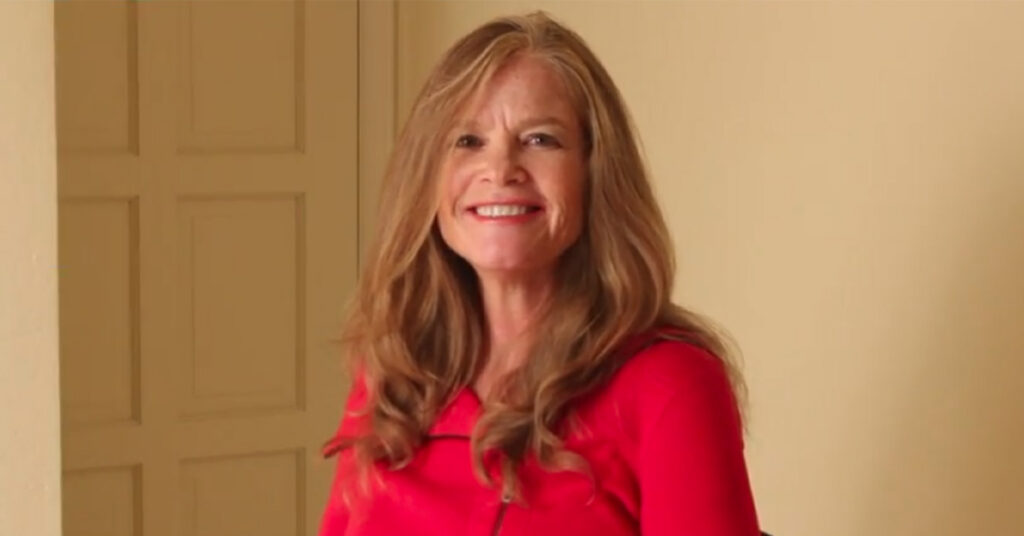
Using HRV to Reduce Stress (and Master Your Nervous System) | with Ronda Collier
Learn how developing the simple habit of measuring your HRV (heart rate variability) every morning can drastically improve your relationship with stress and anxiety.
Let's create things that matter. Together.
I love brain science. Love it. And if you’re like me, this episode won’t disappoint. In this episode I speak with Bill Harris about his technology Holosync and how it can enhance the effects of meditation and thus brain function. Bill Harris is an author, speaker, brain research expert, and thought leader. Founder of Centerpointe Research Institute, he is the creator of Holosync audio technology, used by over 2 million people in 193 countries to create brain changes that lead to remarkable mental, emotional, and spiritual changes usually experienced only by those who have meditated for 30+ years.
To quote Bill and put it simply, “Holosync meditates you.” And boy does it. I’ve been using it for a few months now and the effects are nothing short of profound.
Zack Arnold: I am here today with Bill Harris, who is the CEO and founder of the Centerpoint Research Institute, and we are here specifically to talk today about his technology, Hollow Sync. So, Bill, I am very, very excited to have you on the show today. Thank you.
Bill Harris: Well, I appreciate the invitation, Zack. I’m glad to be here.
Zack Arnold: Well, I’ve been using the Hollow Sync technology for a few months now, and I know a couple other people in my industry who have used it as well. And I originally heard a podcast that you did with Dave Asprey, the Bulletproof executive, and that got me kind of excited about it. But I wasn’t quite ready to pull the trigger. And then I did my podcast a few months ago with Rhonda Collier about heart rate variability. And in the show notes, I’ll put a link to that episode if you’re interested in learning about managing stress with HRV, but as soon as we were done with the podcast, she mentioned, “Hey, have you heard of this thing called Holosync? And I’m like, “Actually, I I remember that. Where did I hear that? And I remembered it was the Dave Asprey podcast, and she sent me a link to your site, and I said, “All right, I’m done. This is exactly the kind of thing that’s for me. So what I want to do today is just talk about holosync, talk about how it works with the brain. I’m I’m a real geek for brain science. I’ll also put links in the show notes to past episodes I’ve done about neurofeedback and managing depression, anxiety, and ADD with neurofeedback. But this is another way to manage those things and just improve your awareness. Before we get into the specifics of the technology. I just want to give the audience a little bit of background as far as who you are, what your life’s work has been, where you started, and where HoloSync came from.
Bill Harris: You bet. And by the way, for the for the brain science geeks, I just wrote a book called The New Science of Super Awareness, and that’s what it’s about. It’s about all the new discoveries in brain science and how you can use that stuff in a practical way to change all kinds of things about your life. But we’ll get into that. I was a traditional, among other things, a traditional meditator, starting when I was fairly young, about 19 years old, and 16 years later, after being kind of a Type A personality meditator, you know, really disciplined and all that, I ran into two pieces of research that led to HoloSync, which is just really a more high-tech way you might say to meditate. The first piece of research was in the 70s. People at Harvard and at the Menninger Clinic and some other other people were discovering what the electrical brain wave patterns were of meditation, so that was known. Then I ran across a rather obscure article by a researcher at Mount Sinai Medical Center in New York, man named Dr. Gerald Oster that was describing to make a long story short because I could go into a lot of detail on this, but he had discovered or was describing a way that brainwave patterns could be changed or what they call entrained using certain very precise combinations of what are called pure sine wave tones delivered to the brain through stereo headphones, so you could target different tones to different parts of the brain. He actually didn’t even say what use it would have at all. It was a very kind of geeky kind of article that only people interested in weird things about audio and the audio processing center in the brain and stuff like that would have even been interested in, but I was just geeky enough that I that I read it. At any rate, I said to myself after reading it, “Gee, these are the brainwave patterns of meditation, and this is a way this guy says anyway that you can change brainwave patterns. Could we then change our brainwave patterns to those of meditation? And if we did, what would that be like? Would it be like regular meditation? Would it be better? Would it not work? Would and what would the benefits be? Would we have the same experiences, the same benefits that meditation gives you. There’s tons and tons of research, way way more than than there was when I was looking into this originally, about all the benefits of meditation, all the health benefits, all the mental ability benefits, all the emotional benefits, all kinds of other things. A dramatically positive thing that people can do for themselves is meditate. So, at any rate, I gathered together a bunch of equipment that I figured out I needed to do to try to duplicate what this guy was talking about this in this article. Had no idea how to use this equipment, but I figured it out. I even bought one piece of equipment I needed in a catalog for television repairmen, of all things, and I set this stuff up in my basement, kind of like a little mad scientist, and started making these soundtracks. And I and a couple of friends. Started listening to them, and what it did really blew us away. When we first listened to it the first time, we kind of after we were done listening for about a half hour, we just sort of sat there staring at each other, and then somebody said, “Are you feeling what I’m feeling? The other two of us said, “Yes, wow, I feel really high. This is really cool. This is amazing. To make a long story short, it was not only taking us to tremendously deep meditation without the learning curve, without having to learn how to do it, and all that sort of thing, but it also, over time, as time passed, you know, the experience was really amazing. It was really you know giving a stimulus to our brain that caused a whole bunch of very pleasurable neurochemicals to be created, just as happens in traditional meditation.
Bill Harris: But you have to have been doing it for a couple of decades to have the kind of experience that we were having the first time with this, anyway, as time passed, there were other, way more important things that we began to notice. I, for instance, when I started doing this, despite all the meditation I had done for 16 years, I was a pretty angry person. I drove a lot of people away. I was very volatile. I was depressed a lot. I was I was just not a very happy person. But as I used this, I began to notice that my my anger was just sort of subsiding, and I wasn’t reacting to things. And I would run into somebody that had always kind of bugged me and pissed me off, and I’d noticed that they were doing the same thing that always pissed me off before, but it wasn’t pissing me off. I was just not responding to it anymore. I was just what I what I know now is that this proto holosync that we were playing around with then was calming my limbic system, the source of fight or flight and reactivity, that sort of thing. We can talk a little more about the limbic system because it’s an important thing to to understand. And it was also enhancing my prefrontal cortex, which is actually the part of the brain that, if it’s strong enough, can supervise your limbic system so that it doesn’t make you do all kinds of stupid stuff like eat stuff you don’t you know you shouldn’t eat, eat when you when you know you shouldn’t eat anymore, blow off exercising, say things that you later regret, procrastinate, all of the kind of stupid stuff quote unquote that people do is generally instantaneous kind of cravings of your limbic system, which has no ability to look at long-term consequences. You just want something now, and even if somebody tells you you’re going to regret eating that, or you’re going to regret doing that, or whatever, it doesn’t register when your limbic system is running things. So at any rate, I begin. I just began to notice not only was emotionally I having all these really dramatic improvements, and this was after doing scores of different things to try to do something with my anger and my depression and my other emotional problems that had maybe helped a little bit, but really hadn’t done anything substantial about it. Now something substantial is happening. I also noticed that I was becoming more creative. That I was my pattern recognition was better. I was having creative insights. I seemed to be able to figure out the answer to questions that had stumped me before, or you know, life situations that had stumped me. And when I was in a situation, also I’m a jazz musician. My jazz playing got a lot better. The creativity that had to do with that got better. Certainly, I’m very creative in my business now, which I didn’t have then, I don’t think I would have ever had a business if it hadn’t been for for HoloSing. I also noticed that my mind just became clearer. I I just seemed to have this really crystal clear mind where I could think clearly, I could remember things, I could learn things more easily and all of that that sort of stuff. So at any rate, sort of just by word of mouth. About I don’t know over the next four years we had got to the point where we had about 150 people that I had also created soundtracks for just through word of mouth, and most of them were in the United States, but there were probably 30 or 40 people in Europe also, and in about 1989, which was the fourth year we were doing this, people started coming to me and saying, you know, you should really create a structured way to use this and sell it, and I had this vast, vast ambition to make an entire 30. 1000 a year doing this. I mean, I I wasn’t doing it because I wanted a business or anything.
Bill Harris: I thought that would kind of be cool to make some income on it, but I I had no big plans for anything, and so I started this little business literally on my kitchen table, and it took me a few years to figure out how to do anything in business, I was not any kind of a sharp businessman, but it started to take off, and I started to get all these speaking engagements of what people that wanted to hear about this and how it affected the brain and different things that I I knew about this sort of thing. And after a few years, it really caught fire, and it really spread, and I mean, as a result of this, for instance, I think we’ve sold about 150 million dollars worth of HoloSync now, and we have people over 2 million people in 193 countries using it. I was asked to share the stage with Stephen Covey, you know, author of Seven Habits of Highly Effective People, with Jack Canfield, with the Dalai Lama, and many many other people, I got asked to speak at the United Nations in 2003 which I did, and and you know it just led to all kinds of other things because it’s so effective and it changes people so much. So that’s kind of the story of how how it all got started.
Zack Arnold: Well, and I’m glad you kind of at the tail end went into the amount of people that this has affected because it’s very easy to say, well, I I did this thing and I felt great and I felt high and I was happier and I was more relaxed, and then you’re thinking, yeah, but that’s just you. But when you talk about millions of people in 193 countries over the course of the last 25 years-that’s pretty indisputable proof. And I know that I’ve experienced a lot of the the similar effects, and I’m still very much in the infancy of the program, but I am definitely seeing the effects of it. So what I want to do now is kind of do a little bit deeper dive into the actual technology, because one thing that people have said to me when I’ve kind of mentioned this general technology is they go, “Oh yeah, I I have something just like it. I have these binaural beats on this app on my phone. It cost me 99 cents. Right, has 35 different presets, and it says I can be concentrating or I can get deep sleep. And I want to explain to people why this is different than a simple binaural beat, but also how this actually works as far as changing the frequency of your brain waves to get you into an alpha state or a theta state or a delta state, and how that can actually affect the way that you behave.
Bill Harris: Well, yes, there there really are a lot of holistic knockoffs. We weren’t the very first people to do something with this. A guy named Robert Monroe, who’s not alive anymore, the Monroe Institute of Applied Sciences. He kind of started playing around with this quite a long time ago, back in the ’80s, really. And he was more interested, really, in things like out-of-body experiences and some sort of weird things that would happen to people sometimes when they were using. So he was trying to find different, different ways to make these altered state experiences. And although people do have altered state experiences with holosync, that’s not why we’re doing it. We’re doing it because it provides a stimulus to the brain, much like what happens when you meditate for 30 years or something that creates some just remarkable health benefits, mental, emotional, spiritual benefits. The problem with all these other knockoffs and 90-nine cent things and everything is that these people don’t really have the background that I have, I know a lot about meditation. I know a lot about the brain and brain science. I I actually am a Zen monk, and I’ve been doing this for a long time. This is sort of like saying, let’s say that I’m a master chef and I really make these amazing desserts. And somebody else says, “Well, I’ve got some sugar and some flour and some eggs and some milk, and my desserts are just as good as Bill Harris’s. And I know that because I have this joy of cooking cookbook, and I just follow the directions. And the thing is that that there’s more to it than just you can create some kind of binaural beats. You’ll feel something while you’re listening to it, but most all of those are just sort of a toy. People listen to those for a few weeks or a month or something, and then they kind of lose interest in it. They really don’t know how to configure this in a way that actually creates the kind of changes that I’m talking about. I have spent 25 years refining this and getting feedback from tons and tons of people and literally billions of hours of use, finding exactly what frequencies to use, exactly. How fast to change them, and at what rate, and on and on. There’s all kinds of things that that you learn about how to do this. Plus, we provide all this support, education, so that people understand what’s happening, why it’s happening, how it’s affecting your brain, how you’ll respond, what those responses mean, how to deal with them, how to get the most out of it, and so on and so on and so on. So you know when people say they want to try this 99 cent app or whatever, I say go try it. But after you’ve tried it, come and use something that’s really powerful and really will change you because you’ll see after a while that those things are really not that affected. There’s one person I know that’s created a knockoff of Holosing. It’s a 12-minute thing. The problem is, it’s very difficult to change someone’s brainwaves in 12 minutes. So the guy has great marketing, but his product really doesn’t do very much because he doesn’t understand how this kind of technology works and how to make it the most effective. So it’s kind of a pet peeve of mine in a way because a lot of people have taken all my research and they act like they did it. They even take my marketing copy and steal it and use it word for word sometimes. And you know they’ll say, “Well, this is better than HoloSync, and they no basis for saying that, or they make up a name of “We’re using blah blah blah technology, and it’s just sort of a marketing ploy. So anyway, I you know I invite people try all that stuff if you want to, and then try what what we have.
Zack Arnold: Well, I can speak firsthand as well to kind of both sides of that, because I am one of those people that likes to adopt all kinds of different technologies, and I’ve gotten a few of the $1 apps just because I have a very basic understanding of just brainwave frequencies, and you know how to calm the mind to get yourself into an alpha state to be more relaxed or get deeper sleep. And I found that those apps were really good. Like if I was on a plane and I wanted white noise and I wanted to just kind of sleep on a plane and get more focus, it was great for that kind of thing. But there was no long term effect. There was no lasting changes. Just like a kind of a fun parlor trick. Kind of like you said, it was like, oh, somebody made it a good tasting brownie, but that’s different than being a master chef. And then once I got into Holosync and I started using the technology and seeing the support and just kind of piggybacking about what you said as far as the support. I don’t think I’ve ever purchased a program where I’ve gotten so much education and support sent to me on a regular basis and well timed. I mean, just by making the one purchase, the amount of content that I got, I was kind of astounded by, and it’s almost overwhelming because I almost feel like I’m not doing a good enough job of getting the most out of it. Because you sent me so much to do for the little amount that I paid, that I’m like, oh man, like this guy did so much amazing work, and I’m just scratching the surface of it. But I feel like I can dig deeper and deeper and deeper. But I saw a lot of the same effects from starting the Hollow Sync program that I got from doing neurofeedback, and maybe we can talk about why that’s happening and how that works. But basically, an example would be that I couldn’t have picked a worse time to start using HoloSync when I was in a really stressful period. I was in the middle of three major projects at once. I wasn’t getting enough sleep, and I just started using it because I needed something to help calm me down and get a little bit deeper restful sleep because I wanted to improve the quality, even though I couldn’t improve the quantity of my sleep. And what I was noticing is that even though I picked a really bad period of time to start the technology, when I was waking up at 530 or six in the morning, and I’m not a morning person, I was feeling rejuvenated and rested, and I was not experiencing that as much before doing the other protocols. And then what I found, and I don’t know if this is this wasn’t even conscious because this wasn’t something that I was looking at for looking for like a byproduct of this. But I just started becoming so much more aware in a bad way of just how over stress I was, and how much I was overworking myself and digging this hole, which at the end of the day was a really good thing because I think it was kind of like I was almost suppressing those subconscious feelings of I know that I need to slow down, I know I need to take better care of myself. Doing the hollow sync was bringing that out, and I know that as I was watching your follow up support videos and reading the documentation, that’s all kind of part of it. It’s almost like when you do psychoanalysis, you start talking about your childhood or traumatic events, and you kind of go through this really dark period of purging and catharsis, getting it out of your system. Then all of a sudden, the stormy clouds part, and the blue sky starts to appear again. So let’s let’s talk a lot about just the idea of how HoloSync can, through changing your brain waves and through neuroplasticity, just brings out the sense of awareness. Because I know that’s a big thing for you is developing this awareness.
Bill Harris: First of all, I’ll say I don’t agree that you started it at a bad time. We have a lot of people that buy the program and then they. Then they say, “Well, I haven’t started it yet because I’m, I’m really stressed because this is happening or that. And I say, “Look, this is something that will really help you with your stress. This is a perfect time to start it. You know, anybody that’s going to say, “Well, I’m going to wait till my life calms down before I do X. Your life never calms down. Mine never does. I anyway. So at any rate, you started at a good time. The way that I often describe this to people, first of all, I start off with this kind of fundamental that you alluded to, and that is that really the solution to all of life’s problems that have a solution is awareness, and I don’t mean that in an airy fairy way, by awareness I mean certain things going on in the brain, certain parts of the brain being either calmed or more activated. I mentioned earlier the limbic system and the prefrontal cortex. The great thing about awareness is that awareness creates choice, in the sense that there are a number of really key things about life that are created inside, and some of these things I don’t think people really realize that they’re created inside. I mean, it makes sense if you when I say it, it’ll probably make sense. But I’ve kind of identified four general areas that are created. This is kind of according to cognitive psychology that are created by you, and could be a choice if you could create them with more awareness. To the degree you create them with awareness, they become a choice. And those four things are how you feel, you create. There’s things you do, certain internal cognitive processes that people are running all the time that create how you feel. Then the second one is how you behave, which kind of flows from how you feel quite often. The third one is which people and situations you find yourself being attracted to or unconsciously attracting people and situations. And the fourth one is what meanings you assign to whatever’s happening? It seems like whatever’s going on out there means something, but actually we assign the meaning inside. And all this is, you know, I have a whole course on the cognitive psychology behind this. But the basic thing to understand is that you create those things by certain things you do automatically on autopilot outside your awareness, and they’re supposed to run outside your awareness. It’s just that when people are traumatized by something that happens, when when people are extremely stressed, or they have traumatic experiences when they’re growing up, or you have disappointments or losses or whatever, those internal cognitive processes kind of can get off track, and they start creating feelings that you don’t want, behaviors that you don’t want, causing you to be attracted to people and situations that are not good for you, or they cause you to start assigning meanings to what’s happening that are kind of self-sabotaging and and negative, so what happens when you meditate is that you’re increasing your awareness, and the more aware you become, and this happens way faster when you use holosync because it’s a very accelerated version of meditating. As you become more aware, you begin to see how you’re generating those feelings, you begin to see how you’re generating the behaviors, how you are being attracted to a certain kind of woman or man or certain friends or certain business associates, and how you’re assigning meanings to things. As you see that the things that you notice you’re doing that are not resourceful, you automatically just can’t keep doing them. They just fall away. What I often say is awareness creates choice, and once you have a choice, you’ll always choose what serves you. And this, when this starts to happen to people, and they see themselves stopping doing things that they tried everything to stop doing, like procrastinating, for instance.
Bill Harris: People do all these things to stop procrastinating, and then they start doing holistic, and they suddenly notice, gee, I every time I consider procrastinating instead of doing what I set out to do, it just seems like a stupid thing to do, and I don’t do it because now they’re seeing how they create procrastination with awareness, and so since it’s not resourceful, they don’t do it anymore. So there are certain parts of the brain we now know that are involved when all this happens. I mentioned the limbic system earlier. The limbic system is you know a more primitive part of your brain. Some people call it the reptilian brain-it’s-it’s a necessary part of your brain. It’s what throws you into fight or flight if there’s something to fight or flee from. So you know, if somebody attacks you with a knife in a dark alley, you don’t want to sit there and think through what you need to do. You just want all your blood to flow to your extremities, so. Can run or fight, and that’s what happens. When that happens, though, your your brain is sort of offline in terms of figuring stuff out. You just are you’re just going to get out of dodge or fight, you know, as as fast as you can. The problem is modern life is so stressful that people get so that they’re chronically in somewhere between low-grade fight or flight and extreme fight or flight, which drops your IQ when blood flows away from your brain to your extremities, your brain doesn’t work as well, and you can’t think through stuff and you do stupid stuff. The other thing about the limbic system is, as I said earlier, it has zero ability to look at long-term consequences. It is the most in-the-moment thing you could possibly have working in your brain. So, when people do things that they later regret, or say things, say the wrong thing, you know, I already kind of went through this with blowing off whatever your goals are, blowing off your exercise, your diet resolutions, all that kind of stuff. That’s all the result of an overactive limbic system. So what we want to do is calm the limbic system, which meditation does and colossing does much more quickly, so that it’s not, you know, in fight or flight all the time, and especially when you don’t need it, and then increase the strength of your prefrontal cortex, which is the subject, the source of self-regulation, willpower, planning, long-range goal setting, rational thinking, all those sorts of things. There was a very interesting experiment done way back in the ’60s that applies to this. It was called in the media the marshmallow test. I don’t know. Have you heard of that, Zack?
Zack Arnold: Yes, actually, I’m a huge fan of the marshmallow test, and I’ve talked about it on past podcasts. And it’s also been called the cookie test as well. I don’t know if you’re familiar with Joe Desenna. He’s the founder of the Spartan Race, the obstacle course race series, and he always talks about the cookie test. But it’s similar; could even be the exact same test as the marshmallow test. But yes, I’m very familiar with it, and kind of, you know, live my life and also try and teach my children based on this concept. But yes, please go ahead and talk about it.
Bill Harris: This this professor at Stanford, Walter Mischel, put these preschool children. There’s a preschool that the employees of Stanford send their kids to, and so I think it was called the Bing something preschool, and he he put these children by themselves at a small table in a very bare room, and in front of them on the table he had put a a plate with one marshmallow on it, and they used other treats too. But when it sort of made the media many many decades ago, they called it the marshmallow test. So that name has sort of has sort of stuck, and what he would say to these kids is, “You can eat that marshmallow right now if you want to, or I’m going to leave the room for a little while, and if you can wait till I get back, which was about 20 minutes, I’ll give you two marshmallows if you wait. So then he’d leave the room, and some of the kids would just eat the marshmallow immediately. Others would say, “I want that marshmallow, that other marshmallow. So they would do all these things to try to not eat the marshmallow, and some of them would succeed, and so on. So they, you know, they gather all this information about people that could delay gratification and these kids that couldn’t delay gratification. Then later on, they realized that they should follow these kids, so they started tracking them, and they tracked them well into middle age. I don’t even know they may still be tracking them. What they noticed was that the ones that could delay gratification, and and I’ll just sort of cut to the chase here before I describe the rest of it. These kids that could delay gratification had a strong prefrontal cortex and a not so strong limbic system, but they didn’t know that yet. I’ll tell you how they found that out in a sec. So they found that these kids that could delay gratification had better grades in school. They had, I think, it was an average of 220 points higher on the SATs. They had a lower body mass index. They had better relationships. They made more money, and there was a list of about 25 things, all of which anybody would want, that these kids, as they got older, had, whereas the other kids had problems with these as they got older. Then, when they were in middle age, they they took these people in and did fMRI. Brain scans, because they wanted to see what was going on in their brains that was different, and they found out by golly that the the ones that could delay gratification had very strong prefrontal cortexes, and which were able to supervise their limbic system, whereas the the ones that could not delay gratification had very strong limbic systems, and they were prone to you know doing things spontaneously without thinking of the consequences and so on. And it had messed up their lives, for the most part. Since then, there have been a lot of other studies on this idea of what creates willpower, and there are all kinds of strategies. For instance, these kids use different strategies in order to, you know, ways to distract themselves, ways to think about what they would get later. You know, I mean, if you were going to save money in the bank or something like that, if you think about what you’re going to do with it when you’ve saved a lot of it, that might help you to you know delay gratification instead of just spending the money. Now there was all these strategies that these kids used. The thing was though that even if you teach someone these strategies, and even if they practice doing them, not that they don’t help at all, but if the person has an overactive limbic system and a weak prefrontal cortex, it doesn’t help that much. The real fundamental behind all this stuff, and actually, now that I think about it, the fundamental behind all of the stuff that that you know, I’m sure the people that are listening to this are people that want to be successful. Have probably studied a lot of the literature on how to be successful and read things about how to be successful, including how-to sort of things, but also sort of the success philosophy and that sort of thing.
Bill Harris: All of that stuff is pretty easy to implement if you have a brain with a strong prefrontal cortex that can override the cravings and you know instantaneous wants of your limbic system. If you don’t have a brain that that works that way, it really doesn’t matter. You know, I’m in an industry where people are selling things to people about how to be successful and how to improve your emotional health and all that kind of thing. And there are tons of people that come to us, for instance, that their first thing they say to us is, “I’ve tried everything and it didn’t work. Nothing has worked for me, or it hasn’t worked very well, and that’s because if until you handle what’s going on in your brain, you’re swimming upstream against a pretty rapid current. Once you handle, I every time I I want to succeed at something, I think what are the fundamentals of that thing, and I master the fundamentals because once you do that, everything is easy. So this is sort of almost like mastering the fundamentals of how to have the ability to self-regulate, the ability to plan for the future, the ability to think clearly, the ability to be emotionally healthy, and so on and so on and so on. So that’s really what happens when you meditate in a traditional way, or when you you know much faster when you meditate using holosync. There are other parts of the brain involved, but it just gets a little too geeky and too complicated. If people get a copy of my book, which we’ll talk about how to get a free copy here before we’re we’re done, they can read a little more fleshed out version of of what I’m saying, but that’s that’s the basic takeaway from this.
Zack Arnold: The The thing that I really love that you brought up in the marshmallow test story that I didn’t know was about the actual science behind the strength of the prefrontal cortex versus the limbic system. All I ever knew about that study is that you have these kids that are told they can have one marshmallow or one cookie or whatever it is, and they found that later in life, the kids that delayed gratification were ultimately the ones that were more successful. And the takeaway from that is sometimes you have to be patient if you have a goal or you have a desire, and you just you want it now and you want it to happen now, and you make all these decisions, and then all of a sudden you realize that it’s just not getting there. And sometimes you have to be willing to delay the gratification if you ultimately want 10 marshmallows versus one. But what I didn’t know, and which is so brand new to me, and I’m so glad you brought it up, was the brain science behind it. So what I want to do is connect that success of these children that later in life had these stronger prefrontal cortexes and weaker limbic systems with hollow sync. Because just to kind of summarize everything you said, everybody knows what meditation is at least some basic level. They see somebody sitting cross-legged or in a lotus position. Their eyes are closed. They’re centering themselves and they’re becoming one with nature and all these airy fairy things. And it’s this new age practice, which I think is funny that they call that because it’s been around for 1000s and 1000s of years. And you can get to the place through traditional meditation over decades, as you have done, or as other meditators have done, where you get to the point where science has proven that you are changing your brainwave frequencies and strengthening certain parts of your brain, and what Holosync is doing is just magnifying that process through these sounds. So now that we kind of have this general overview of where HoloSync started and kind of the benefits that it can bring, I want to really talk about how to actually implement it because it is so terribly complicated to use. You basically put on a pair of headphones and sit, and that’s pretty much it. So when people are thinking, “Oh my God, what does this take? Like, dear Lord, this could not be easier.
Bill Harris: Well, first, let let me let me talk about the how this accelerates things. First of all, the reason this really works is that when you meditate, you’re creating certain brain wave. I mean, I don’t think we have time to go through this whole all the different brain waves and and the the benefits that you know the the the mental abilities and the the the emotional benefits of each one of them. If we had more time, we but that’s that’s in my book too, and you can read about that on our website actually also. But when you meditate in a traditional way, you are slowing your brainwave patterns down. What Gerald Oster was describing in that study, the guy from Mount Sinai Medical Center, was that here was another way to change brainwave patterns, except it’s way easier and way faster than changing them through traditional meditation. So when you when you when you listen to Holosync, you’re you’re going through these same brainwave patterns that you would go through if you’re meditating. Except you don’t have to learn anything to go through it. And as you do that, your brain’s natural neuroplasticity causes certain parts of your brain to just get better and better at creating those brainwave patterns, and also at connecting the left and the right side of your brain, so that you begin to have more of what a lot of people call whole brain thinking. It also strengthens the connections between the prefrontal cortex and the limbic system, so that the prefrontal cortex has more ability to supervise the limbic system. It calms the limbic system, which actually gets smaller. It enhances the prefrontal cortex, and more brain real estate is actually turned over to the prefrontal cortex. It gets bigger, and by the way, when you’re under stress or you have some sort of traumatic thing, your your limbic system actually grows and becomes larger, and your prefrontal cortex actually shrinks, and so you know life is stressful, so stressful these days that many, many, many, many, many people have very enlarged and overacted limbic systems and smaller prefrontal cortices. So that’s kind of how it works. Back in 2000 I’m going to switch gears here a little bit and and kind of answer your question. But back in 2005 this researcher at the University of Wisconsin Madison named Richard Davidson did all these brain scans of these Tibetan Buddhist monks who are around the Dalai Lama, and they found that these guys had just amazing brain scans, and they were making all these amazing brain waves, and plus all kinds of other things. You know that they they learned from it. The guy that had the very best brain wave, brain scan, brain pattern was a guy named Matthieu Ricard, who was a Frenchman who had a like a Ph.D. in molecular genetics, but he had quit to be you know be a monk and be around the Dalai Lama. They began to call Matthieu Ricard the world’s happiest man because of this you know his the brain signature he had, which was the result of 50,000 hours of meditation. So I said, “Hmm, I’d learned that this was about 30 years after he had started meditating. So I thought, “Okay, how much would you have to meditate to do that? After I did the math, it turned out to be four hours and 34 minutes a day, day in, day out, 30 years, and I thought, well, that’s not very practical. No time to work on your goals. No time to take the kids to soccer practice or watch Breaking Bad or whatever else you like to do. And what we have noticed in 25 plus 25 years plus four years of pre CenterPoint Research Institute, you know, before I started the company, so 29 almost 30 years now of of experience with this, our guesstimate is that HoloSync an hour. Of holosync is equivalent in terms of what happens in your brain to about eight hours of regular meditation, so this cuts down the time tremendously. So you start seeing these effects and these benefits way way faster.
Bill Harris: And some of these monks that were around the Dalai Lama, who were probably also in the short list of the world’s happiest people had done like 10,000 hours, and you can you can get to the point where they are in I don’t know I forget the exact number but it’s like three years or something like that. The other thing with Holosync, as you said, it’s it’s so easy. You literally just put on the headphones and close your eyes, and it. I mean, we often say it meditates you. Holo sync meditates you, or we call it instant meditation. The other thing we found out, I was a traditionalist. I thought, well, you need to sit cross-legged, no back support, and meditate a traditional way. And that’s why I always told people that they should do it. And I’d say, well, if you want to cheat a little bit, sit in a chair. But we had all these people, believe it or not, that would tell us, well, I’m too lazy. I lie down when I do it, and I okay. But what happened was they kept telling us about their results, and they were getting the same results as everyone else. So after a while, I began to say, okay, this idea that you have to sit up and all that sort of stuff is probably not true, and I actually like how it feels when you sit up, but in terms of the long-term results, it doesn’t seem to matter. So anyway, a lot of people will say, “Well, I don’t, I don’t have any time to do this anyway. No matter how much it accelerates it. I still I’m too busy. I don’t have enough time to do it, and I have two answers for that. One is we we interviewed a whole bunch of people that have been using HoloSync for a long time, and we’re sort of toward the end of this all these levels of it that get increasingly stronger that we have. And this one woman said something that I’ve heard other people say. She said, “You know, when I first started doing this, I didn’t think I had time to do it, so I just started doing it for 15 minutes, and then I got curious to see what the second 15 minutes was like, so I started doing it for a half hour, and pretty soon I was doing it an hour a day, and I found out that I was making so much better decisions and getting myself into so many fewer screwed up situations that it actually was obviously saving me time, a lot of time, by not going down the wrong road and then having to clean up the mess and all that kind of stuff, which happens to most everybody in their life. The other thing, though, is even more amazing. We realized, and I this is what I do now. If you wake up an hour early, you know you’re going to get up at seven. So you wake up at six. You put on the headphones, press the play button, and you just lie back. And if you nod out, whatever it doesn’t matter. Your brain is still being stimulated in the same way. When it ends, you’ll instantly become awake, and you’ll be wide awake, very clear, way better, way more awake than if you had slept. You know, you won’t be groggy and go through the first 15 minutes of stumbling around till you kind of wake up. You are, for whatever reason, just instantly clear and awake, and you’ve done your holosink for the day, and you haven’t taken a single minute out of your day. Another thing, what people like to do is when they get done with work, sometimes people will do a half hour of it or something, because it so rejuvenates all these neurochemicals in your brain that where you might have felt all drained at the end of the day, now you feel you know alert and ready to go again, and then you have this very productive evening because you know you’re not just wiped out and all you want to do is sit in front of the TV. Although you could do that if that’s what you want to do.
Zack Arnold: Yeah, no, I think that really clarifies what the process actually is because as far as the what are the how two steps, it’s literally you buy HoloSync, you get emailed your MP3 files, you put them on your phone, you put on headphones, and you hit the play button, and you’re done. Like it, it really is that simple. And there are obviously more levels, and there’s a lot of research. And if you want to do a deep dive into all of the technology and the neuroscience, you provide all that information. You provide free support videos. Like the amount of material that you get is just unbelievable. And what I did was I was kind of I started as a traditionalist and said, “All right, well, I do a 15 to 30 minute meditation practice at night before bed, so I’ll try doing it then. And then I got to the point where I was getting so stressed out and working 18 to 20 hours a day, that I said, you know what, I’m just going to put it on to put me to sleep. So I would put it on, I would fall asleep to the first 30 minutes, and then I got your first support video a couple of weeks in, and you said, you know what, why don’t you try doing it in the morning, an hour before you wake up? And I was like, all right, well I can try that, and I had the exact same. Experience that you just mentioned, which is I woke up around six or seven. I was like, “Oh God, you know, whatever. I just don’t feel like this. And then I put it on, and then sometimes I would fall back asleep. Sometimes I wouldn’t. But the second that it would fade out and be done, I was just like, “Bam! I’m awake. I’m ready to go. Right? But I hadn’t lost any time out of my day, and that to me is why it can just be such a game changer for people because you don’t have to find four hours and 34 minutes a day to meditate. You just put on a pair of headphones and lie back and go back to sleep or you know do whatever it is that you would have been doing at that time anyway. And you don’t want to obviously do it while driving or do while making breakfast or watching TV. Like those things don’t make any sense, but you don’t have to have the meditation cushion and the incense and the Tibetan bells, and you don’t have to sit in the upright lotus position. Like you just lay in bed, put on a pair of stereo headphones, and you go to town, and you’re changing the brainwave patterns, and you’re improving your behavior, and it just becomes this gigantic force multiplier in your life. You
Bill Harris: Know, it’s really a challenge to describe what happens for people when they do this because it’s so amazing that nobody nobody really believes it. One of the things that people discover when they do this, you know, over the first several months and the you know as time goes on, they realize how stressed they were! They were so immersed in their stress. They didn’t real until they get the contrast of what it feels like to not be stressed. They don’t realize how stressed they were. And the same thing about mental clarity: your mind becomes so clear, and you put things together so much easier, and you see, you see solutions to things that you didn’t see before. I often have meetings, you know, staff meetings, and I will think of a solution to some problem we’re discussing, and I’ll say, “Okay, I know what we what we’re going to do, and the other people in the meeting aren’t at that place, and they have no idea what I’m talking about. They just they haven’t got their head around it. But I’ve seen something that I put together kind of intuitively, and after a while, people began to say, “Well, I don’t get it, but I’m really reluctant to go against your intuition because you always turn out to be right, and so that’s kind of what happens to people. They just kind of know what to do. It’s another part of the brain that is-it’s called the explicit system. There’s an implicit system in the brain and an explicit system. The explicit system is where you you kind of think things through. It’s linear thinking, and certainly there’s a place for that in life, and some people are very good at that. And then the explicit system, which is one of the things that gets more activated when you meditate, is the part that kind of puts things together behind the curtain, so to speak. It’s sort of like Thomas Edison doing a cat nap and waking up and having the solution to a problem and an invention he’s doing or something, it’s just where where you out of the blue you suddenly have an inspiration and you know what to do. It’s something in your brain that figures it out, but it’s not it’s not linear thinking. It’s more intuitive thinking. So that really gets activated by this, which is really really helpful. Obviously, in any kind of a relationship system, in a business situation, you kind of just know what to do. So anyway, I’m just kind of trying to think of some some ways to kind of help people get their head around what will happen in your life as you do this? Because I’m really interested in the practical effects of this. A lot of people meditate because they want the spiritual benefits, which, to me, is kind of feeling more comfortable in your own skin, having a feeling of having a purpose in life, a sense of belonging, a sense of hopefulness. One of the things that, when people’s brains are not working very well, they often don’t see any purpose in anything, and they become hopeless and despondent. You know, people become depressed. One of the things that happens when your brain is working right, when the the parts of the brain that this this activates are working, is that everything seems to be purposeful. Everything you’re doing seems to have significance to you, which makes you happy, and it makes it easy to go about your day and accomplish things. You know, you begin to help other people. People get drawn to you because there’s something about you that they can’t quite understand, but they just know that they can trust you. That there’s something about you that is good. That people can kind of tell that you care about people. One of the things that these monks around the. Dalai Lama that Richard Davidson was studying was that they had tremendous compassion, and this almost this urge to help other people whenever anybody needed help, and that’s what happens to people who do this: is they become that kind of a person. Anything I haven’t talked about that you were hoping I would cover.
Zack Arnold: No, I think that you nailed it and then some. So the the next thing that I want to do is make sure that people listening are able to find your work, find your products. So what I’ve done is I’ve set up a really simple to use URL. So just go to fitnessimpost.com/holosync, and that’s just H-O-L-O-S-Y-N-C. So fitness fitnessimpost.com/holosync and you’ll find that in the show notes for this episode. But tell listeners what they’re going to find there because you mentioned there’s a bunch of free stuff to get them started.
Bill Harris: Well, that will take you to a place where where you can listen to a sample of Holosync because I want you to try this before you, you know, decide to fork over any money or anything like that. It’s not expensive. It’s the same price it was 25 years ago when we started. In fact, it’s actually a little bit cheaper than when we started. I don’t know what it would be if we increased the price for inflation. It would be $300 by now, or something like that. But, but at any rate, I want you to try it. So this is an easy way to try it. You do need some headphones or earbuds or something like that. So I would grab those first, so that you have those when you when you get there. And then when you leave that page, if I I’m pretty sure that what will happen is something will pop up and offer you a free copy of the new science of super awareness, my book. We we were about to print hard copies of it, but you can get a free copy of the PDF. And I I really urge people to read that. I’m not saying it’s an amazing book because I wrote it. I’m saying it’s an amazing book because the the research and stuff that I found is really amazing. I’m kind of a curator of information. I’m just geeky enough to read up on all kinds of stuff like this. And then one of my my skills is being able to explain it in a way that takes something that’s relatively complex and difficult, and it makes it easy to understand for people, but without dumbing it down. So that’s kind of what this book book talks about. I’m sure there’s a lot of stuff in there about flow states and heart rate variability. Holistic has an incredible effect on on heart rate variability, when they measured my heart rate variability, they were blown away because I’m 65 years old, but I had the heart rate variability similar to elite athletes, who are the ones that, according to Rhonda Collier, who I think you had on on your podcast, says are the people that have the the highest heart rate variability, and she’s a holosync user, and hers was actually mine was about 18 times as high as a traditional meditator, and hers was something like 10 times as high or eight times as high or something as a traditional meditator. So when you see those results side by side, it’s kind of kind of amazing.
Zack Arnold: Yeah, I’m glad that you brought that up because that was the a one two punch that I really wanted to make sure that people knew about. So once again, in the show notes for this episode, I’ll have a link to my podcast with Rhonda Collier because I’m really trying to just evangelize her work with heart rate variability, because it’s kind of that next metric that everybody needs to know. Right now, everybody knows their weight, they know their height, they know their cholesterol, they know their blood pressure. Everybody needs to know their heart rate variability because it’s a really great piece of information to kind of almost it’s it’s like the the check engine light for your body and for your brain. And I think it’s it’s great to have your technology and then have something to really measure the effect that it’s having on your nervous system.
Bill Harris: Heart rate variability is kind of a measurement of the health of your nervous system and your resilience, your ability to handle stress, your ability to bounce back from things, your ability to deal with whatever life comes at you when Rhonda first asked me to wear this monitor that she had. I thought, Oh God, am I going to be exposed? And maybe mine will be really lousy or something. But it turned out to be really, really high. Which I’ve been saying for 20 years probably that HoloSync raises your threshold for stress and your threshold for what it takes to stress you or overwhelm you, and that’s exactly what what this heart rate variability stuff did. We now have a study going where people are using HoloSync and Rhonda’s heart rate variability monitor with 150 or so people doing it. So that we can get more data on how HoloSync affects this, but so at any rate, to go back to where we were, if they go to that link, they can try a sample of HoloSync, and then they can also get a free copy of the book, which I think people will really find interesting. And if for some reason I’m wrong about the fact that I’m almost positive that you’re going to get this pop-up that’s going to tell you how to get the book for free, but you can always go to centerpoint.com, our homepage, also and write. It’s very obvious when you get there how to get a free copy of the book. But I would I would go through Zack’s link to get this.
Zack Arnold: Yeah, and I’ll have a link for both of those as well. So if they want to go to fitnessimpulse.com/holosync, it’ll take them directly to that offer page, and I’ll also give them a general link to your main website if they just want to learn more general information. But I really, really encourage people to look into this technology, look into pairing this technology with HRV. These are two rituals that I now do on a daily basis to manage my stress, given the fact that I’m on a very very stressful TV show right now and work very stressful hours. This is my way of managing it and staying sane. So thank you so much for being on the show. I’m very excited to have you here, and hopefully we can schedule a show in the near future to do an even deeper dive into the science and technology of meditation. So, thank you for being on the show.
Bill Harris: I’m I’m really happy that you that you asked me, Zack, and I’m really pleased that you’re using Holosync. And I I want to get a progress report as as you continue. I’m sure you’re going to be blown away by what happens.
Zack Arnold: Yes, already am. So, thank you so much.
Bill Harris: You bet.
This episode was edited by Curtis Fritsch, and this show is executive produced by Kanen Flowers. We are a member of the THAT STUDIO podcast network.
The music in the opening and closing of the show is courtesy of Dorian Cheah from his brilliant album ARA.
Learn how developing the simple habit of measuring your HRV (heart rate variability) every morning can drastically improve your relationship with stress and anxiety.
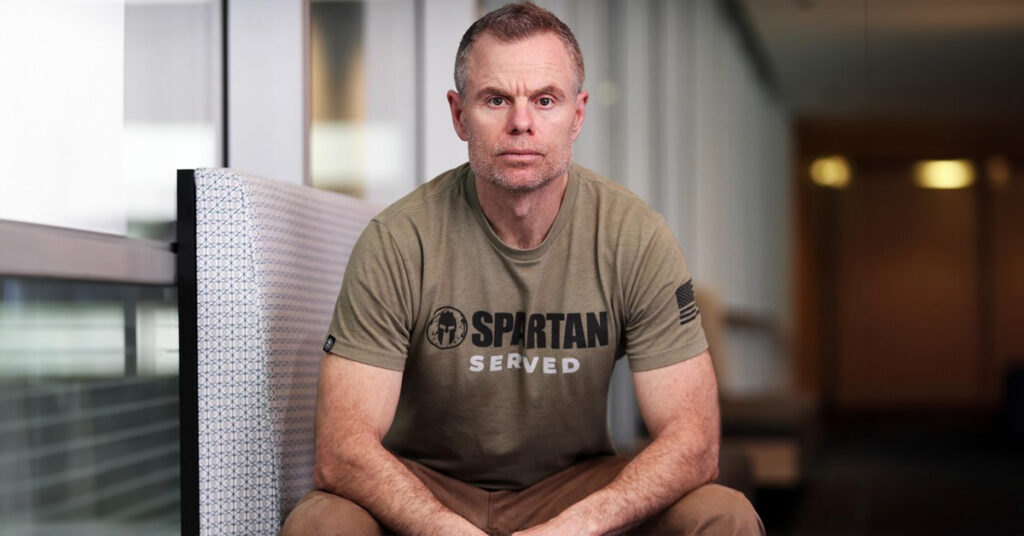
Learn now to develop grit, determination, perseverance, and obstacle immunity in areas far beyond athletic competition.