



The Science Behind Depression and Anxiety | with Dr. D and Dr. Michael Mark
Depression and anxiety aren't things you can just "snap out of." Learn the science behind why you might be experiencing depression and anxiety.
Let's create things that matter. Together.
HRV, or “Heart Rate Variability” is a term you might not be familiar with. It’s a biological measurement you should absolutely know just as you would your weight, your cholesterol, or you blood pressure. Simply put, HRV is the measurement of time between your heartbeats. While this sounds relatively simple, what is so profound about this measurement is how it can help you measure the strength of your nervous system, and more importantly how knowing it can help you predict your physical and mental performance based on a simple 5 minute measurement in the morning.
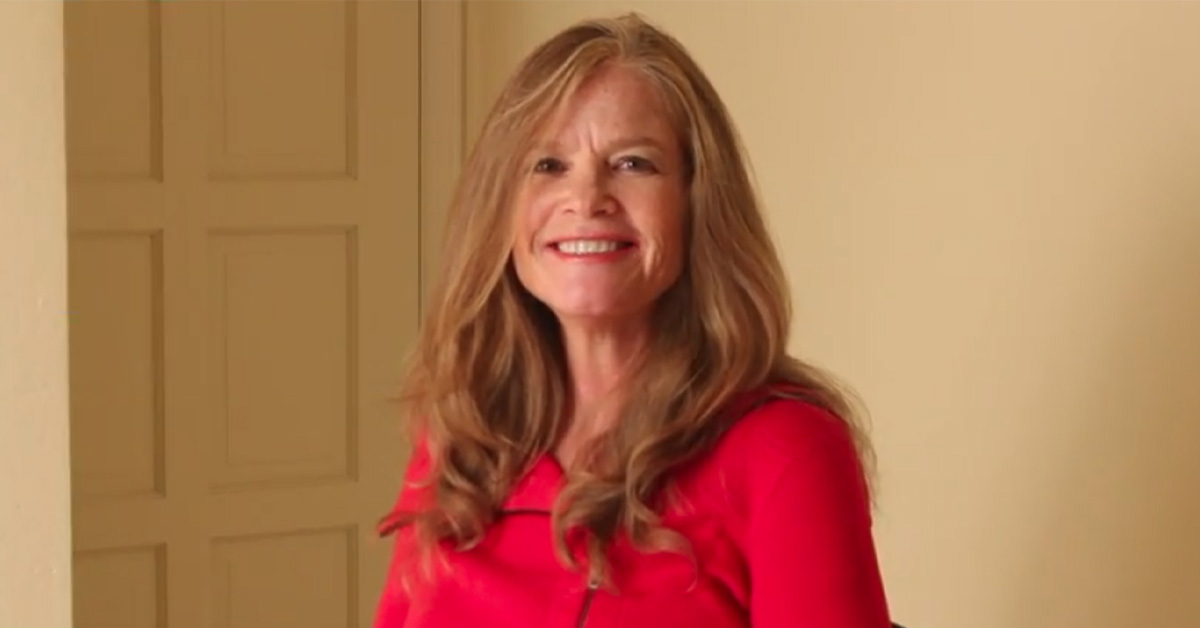
In this episode I have an in-depth conversation with Ronda Collier, the CEO at SweetWater Health, LLC about what HRV is, how to measure it, and most importantly how to interpret these measurements to make improvements in your ability to manage stress and anxiety. This is one of my favorite episodes from very early in the ‘Fitness In Post’ podcast days, and I thought it beneficial to re-release it in advance of my next podcast which is all about Qualia from a company called the Neurohacker Collective, a new supplement that is as close to the Limitless drug as you’re going to get. In that episode coming later this week we talk about heart rate variability, and because it’s such an intriguing topic I wanted to make sure this episode was readily available to help you understand why HRV is something you should prioritize measuring every single day if you’re interested in optimizing your creative performance.
Ronda Collier, B.S.E.E., M.A. Psychology, is the CEO of SweetWater Health and has more than 25 years of experience in high technology product development with a proven track record of delivering leading edge consumer electronic products within both privately held startups and Fortune 500 corporations. She has spent the last 3 years as an independent scholar researching non-invasive health monitoring techniques to improve overall personal well being. This research led to the founding of SweetWater Health, L.L.C. in 2010.
Zack Arnold: Well, I just wanted to say that I am very, very appreciative that you’re doing this show today. I know we’ve never talked before, but I kind of feel like I know you because I think I’ve listened to every show you’ve done with Ben and every show you’ve done with Dave Asprey. So that
Ronda Collier: Is so I’m grateful. Thank you.
Zack Arnold: Yeah, so I’m I’m really excited to be able to record this show. Essentially, what I’m going to be doing is pretty much the same thing that you did with both of them, which is just basic introduction to HRV. Usually, what I do with my program and with my challenge groups is I send them to links for other podcasts. So I’m basically like aggregating a curriculum based on the work that other people have done, trying to share their work. But then I thought to myself that with HRV, a lot of the things you talk about, especially with Ben, are really performance related in like the athletic field and training and stuff. And my world is all people that are working in incredibly high stress environments in dark rooms for 70 plus hours a week that are dealing with stress. And I don’t really don’t even plan to go into the performance side of it or the physical side. It’s just about how can you use HRV to understand your general stress level and more importantly, just manage it. So that’s really the angle that I’m coming from today. It’s just basic stress management and understanding of your stress levels. Because one of the most profound things that you said that resonated in your shows with Ben Greenfield and Dave Asprey was that HRV needs to become something that everybody knows, just like cholesterol and blood pressure. It just needs to be a standard measurement. And I thought about that, and I’m like, well, all right, now I really kind of need to understand what this is and get into it. And since then, it’s it is it’s it’s literally a daily ritual for me every morning within 10 minutes I measure my HRV and I’m like all right I I have an idea of where my body is and where my nervous system is and and what lies you know in in the day ahead so I mean it’s it’s really a game changer for me and it’s I feel like to the people that I’ve shared it with before there’s this this hump of like oh man this seems really complicated I’ve never heard of this and it’s literally putting on a chest strap or putting on a wrist watch or monitor that does continuous heart rate monitoring and you press a green button and you sit and you breathe for three minutes and you’re done so it’s really not that complicated.
Ronda Collier: Well, and it isn’t any more complicated than blood pressure, except that we grew up with blood pressure.
Zack Arnold: Exactly, and you know it’s funny because everybody knows like my blood pressure is like 110 over 70 or something, right? Right. Everybody knows those two numbers, but if you say to them, “Hey, what’s the top number? I don’t know. What’s the bottom number? What’s systolic versus diastolic? Oh, I don’t know. I just know I have low blood pressure. I have high blood pressure, right? Like so. So at the end of the day, everybody quote unquote knows their blood pressure, but to me that doesn’t really mean much. So what I want to do today, first of all, before we even get started, I just want you to kind of introduce yourself, what you do, kind of what what your work is all about, so people understand who you are, and then we’re just going to do a deep dive into heart rate variability because I’m fairly confident that just about everybody listening right now is already saying what the heck is heart rate variability,
Ronda Collier: Right? Well, you know, as a reminder, my first startup was Digital FX, and oh, that’s right. You mentioned that visited post houses where we’d be-they just-we’d have to wait till the guys got out of the room so we could go in and do whatever upgrade to the system we were doing. They’d walk out bleary eyed and whiskers and you know had coffee all night and so we saw that. And so I’ve also been in the editing rooms, so I know exactly what you’re talking about.
Zack Arnold: Yeah, so you understand our lifestyle. I do. I do. So so let’s just go ahead and start from the the top, and just let me know a little bit about yourself, the the company that you’re working with, the work that you’re doing, and then we’ll just get right into it.
Ronda Collier: Okay. Well, I actually am an electrical engineer by training, and I did chip design for 25 plus years, and I worked at a company. I did the chips for post production equipment, so the filters and the paint systems and all that. And then you know I was just done, so I got a master’s in holistic psychology, which is really systems theory applied to people. And through my research there, I sort of got introduced to heart rate variability, and we want to fix the world. We want the world to survive, and so really the only way to do that is one person at a time. The issue is that when we’re stressed, we don’t know it because our brains are a giant pattern matcher, and we’re used to being stressed. So that’s our normal state. And so, what I wanted to do was create a product where people could actually measure their stress, and also have it running while they’re working, and see what they’re doing that actually causes them to to stress out. And so, that’s one thing led to another. And I ran into Joe Beth Dow, our co-founder in the park, and she just left her job. And before you knew it, we started Sweetwater Health.
Zack Arnold: All right. So now that we know a little bit about your background, and that when it comes to to being nerdy, you’re definitely legit. You definitely know your stuff. And if if people listening to the show don’t already know it, I’m a gigantic nerd myself. I don’t have a 100th of the the mathematical or technical knowledge that you do, but I’m I’m nerdy when it comes to this kind of stuff. It really excites me. Yeah. So let’s just start from square one. Pretend that I have never heard the term heart rate variability, and I have no idea what we’re talking about right now.
Ronda Collier: Okay, great. Heart rate variability is the naturally occurring variation in your heartbeat, and I’ll give you an example of that. When someone says, “Oh, my resting heart rate is 60, that does not mean that your heart beats at one second intervals. That would actually mean you’re really sick. What it means is that your heart beats at say point nine eight seconds, and then 1.02 seconds, and 1.03 seconds and then point nine two seconds and it averages out to one second intervals or 60 beats per minute. So that variability in your beat to beat rhythm is what heart rate variability is. And another really easy example for people is when you inhale, your heart rate increases, and when you exhale, it decreases. So, really, I think the thing to take away is your heart does not beat like a metronome on regular intervals. It actually beats at a variable interval, and that is a healthy thing. Ultimately, heart rate variability is the natural variation in heartbeat.
Zack Arnold: Yeah, and this was a concept that at first was hard for me to wrap my head around because the obvious natural assumption is that the healthier I am, the smoother the rhythm of my heartbeat. So if I’m really relaxed and I have no stress in my life, my heart should beat at exactly one second intervals if my resting heart rate is 60, and the more variation, that must mean I’m really stressed, and my body can’t keep up. So, can you just talk a little bit about the inverse proportion of being relaxed and the increase in heart rate variability? Because this, at first, very very much confused me.
Ronda Collier: Well, first, I’ll address your your first point of why it varies. Your autonomic nervous system, which is the part of your nervous system that controls, you know, your digestion, regulates your blood pressure, basically performs all the things your kidneys work and your bladder works. All of that is regulated by what’s called the autonomic nervous system. Now, the autonomic nervous system has two branches. One is the sympathetic branch, or what commonly known as fight or flight response, and the parasympathetic branch, also known as the rest and digest branch. So the sympathetic fight or flight branch speeds the heart up, and the parasympathetic rest and digest branch slows the heart down. And so what you have is the nervous system basically trying to keep your body facing forward, if you will. It keeps your blood pressure regulated. It keeps your temperature regulated. Right at you know 98.6, it keeps everything going. And so it’s a on it’s a constant dynamic system. And so what you have is this sympathetic and parasympathetic branch constantly, every moment, every nano moment, working to keep your body at equilibrium, and so that affects your heart rhythm. So a high variability means that your nervous system is robust because even when you don’t think you’re moving, you’re moving. There’s muscles to keep you sitting straight and solid. Your mind is going. You’re thinking. You know, even walking or from lying down to standing, a lot’s going on. And I think the lying down to standing is a great example because most people have experienced maybe a head rush when they stand up too fast, and that would be because your heart wasn’t able to beat fast enough to regulate your blood pressure, so that’s an example of heart rate variability. You want high heart rate variability. You want really, really flexible moving nervous system to be able to respond quickly to increase your heart rate when you stand up, and then to decrease your heart rate quickly to bring you back to normal.
Zack Arnold: Okay, so all of that makes a lot more sense to me now, and God, I wish that I just kind of known you and could have picked your brain when I first found this topic, because it really was even for me a little overwhelming. You think that it looks overly complicated, but then when I listen to you explain it, I’m like, oh, this is actually really easy. This is actually hard to understand at all. But you start seeing things like low frequency, high frequency, and all these things. You’re like, what in the world is this? But I, you know, once once you have it explained like that in three minutes, it’s like, oh, okay, now I get it.
Ronda Collier: Yeah, and so for the people just getting into it, we have a really simple number called HRV. We really tried to design it for. For consumers and people that aren’t familiar with HRV, and we designed it in a way that other other HRV companies are doing. So you have a number HRV that’s basically from zero to 100, and a high number is good, and obviously zero is very bad. That means you’re beating at one second intervals, like a metronome. And so most people are between you know 40 and 70, maybe. So you don’t need to know about LF and HF, which, by the way, are sympathetic and parasympathetic, respectively, is what those stand for. But really, yeah, when you get started, you just look at the HRV number between zero to 100 and start learning where you are.
Zack Arnold: Yeah, and that’s I definitely want a little bit later in the show to go somewhat into the more complicated aspects of it. Yeah, I really don’t even feel like they are that complicated once you once they’re explained. But now we’ve established that basically heart rate variability is a good thing. We want more variability. Now let’s start talking about the basics of how to actually integrate it into your daily life. So talk a little bit about your app.
Ronda Collier: Well, Sweet Beat Life is our app that we’re very happy with, and what it does, it works with off-the-shelf heart rate monitors because obviously you need your heartbeat to measure heart rate variability, and so we work with the athletic chest strap heart rate monitors that you can just buy on Amazon, like a Polar or you know a Zephyr or something like that. There’s a whole variety of them that we support, and so what you do is just put your heart rate monitor on, download Sweet Beat Live, and pair the heart rate monitor and then press start, and that’s pretty much it. And what you’ll get is a so once again we did it for simplistically for for newbies. What you’ll get are two things: you’ll get an HRV number, like I mentioned, from zero to 100, and you’ll also get a stress level from really relaxed blue all the way up through green, yellow, orange, up to stressed red, and that’s it. So you sit for five or 10 minutes to get sort of a base reading and see kind of where you are. You can also do it while you’re sitting at your desk working or while you’re driving. Lots of places where you may encounter really unnecessary stress that you can control. You know, for example, when you commute to work, and we’re in the Bay Area, and I know Zack, you’re in LA. You hit some traffic jams. That’s an understatement. It took me over
Zack Arnold: Two hours to go 20 miles yesterday. So yes, I get it.
Ronda Collier: That’s right. And often one exit in particular always backs up, you know. For us here at Saratoga Avenue, always backs up. And so instead of every time Saratoga Avenue backs up, you start stressing out. You can have Sweet Beat running, and it will actually alert you that you just went into a deeper stress mode. And so what it does is go. You’re like, oh my God! I do this every day, both directions, and this is really-it’s the daily hassles that actually build up to create heart disease and hypertension in otherwise healthy individuals. And so, what you can do is change the one behavior. I’m now going to take a deep breath, sit back at Saratoga Avenue, and that is two times a day that you’re not going to unnecessarily enter fight or flight, and so it’s really about knowledge and knowing. Going, wow, I did not know that my heart raced up to 100, and that my complete sympathetic nervous system took over every day, twice a day when I commute.
Zack Arnold: Yeah, and this is one of the really powerful things about this that a lot of people really don’t even know is available because the the people that I do talk to about HRV that have a basic knowledge they’re doing the HRV for performance training, which is like I said, you wake up in the morning, you put on your chest strap, and I will put a link in the show notes by the way to the chest strap that I have. It’s the Polar h7. It’s pretty much the number one recommended chest strap by athletes and triathletes. Like it’s it’s kind of the the gold standard, and it’s really really cheap. So I’ll put a link to that. But I really thought it was just all right. I wake up, I put it on, I get my HRV measurement, like I’m taking my blood pressure, and I’m done. But that’s just kind of the scratching the surface of what this can do because what you were talking about is actual biofeedback, and I’ve done podcasts in the past about neurofeedback and the use of QEEG to be able to to measure your brainwave frequencies and do neurofeedback to actually train your brain to react differently to stressors and teach yourself to either calm your brain down or speed it up if your brain waves are too slow. And this is the same thing, just with biology. Hence the name biofeedback. So you can literally just have it on for a whole day or an hour or during a meeting, and you’re starting to train yourself to consciously react to stressors differently. So, like you said, with that exit, you don’t realize every day that your heartbeat goes up 15 beats. Per minute, your sympathetic nervous system takes over because you get angry. But if all of a sudden you have the Sweet Beat app going and you have an alert for hitting a certain stress level, then all of a sudden you just hear a beep or a ding, and all of a sudden it becomes conscious. And that to me is tremendously powerful.
Ronda Collier: Yeah, Zack, and it’s actually I have to say it because this I think really gets people. It’s really a choice between reacting versus responding. You can choose a response, whereas a reaction is automatic. And so, because we have what’s called neuroplasticity, meaning that our brain and neurons wiring can change, when you start learning to respond instead of react, then the new response becomes your new reaction, and because your neurons start rewiring, so that’s really it’s really important. It’s really kind of cool, actually. You can rewire yourself exactly by becoming conscious of what you’re doing. So yeah, really exciting.
Zack Arnold: It’s a very powerful process, and it really helps you feel like you can start to take command of your environment. And at the end of the day, nobody on this planet has any control over everything. You know, there’s chaos theory and all these other things. We won’t get into the the big picture, but at the end of the day, in your daily life, so many people feel like, oh, it’s just it’s consuming me, and I have no control, and I’m stuck in traffic, and my job is stressful. Yeah, and there are external stressors that we all deal with. But at the end of the day, you like you said, I think that you said it brilliantly. You should make a bumper sticker. It’s the choice between reacting and responding. And once you choose your response, that’s where your entire worldview starts to change.
Ronda Collier: Exactly. It’s so powerful. You make it so cool.
Zack Arnold: Yeah, exactly. So that that to me is is a really amazing part of this process where you can say, you know what? Every Monday morning I have this stinking staff meeting, and it’s so annoying, and I always come out of it, and it ruins Monday, and it’s a force multiplier. You can literally have this on your phone to have it strapped under your suit or whatever it is you wear at work, nobody will ever know, and you can just glance down, be like, “Oh, okay, I just see that my boss told me X, Y, and Z. That just triggered me. I’m going to take three deep breaths, and nobody’s ever going to know.
Ronda Collier: That’s right. That’s exactly right. It’s really powerful for the workplace as well. We’ve focused a lot on athletes because they already own the chest straps, however, there’s becoming a lot of interest in exactly what you said. Folks just going to work and their boss stresses them out, or a coworker stresses them out. And once again, I can’t emphasize more: it’s these daily stressors, the small things that add up to hypertension and heart disease in otherwise healthy people can’t find my keys. Well, really, then actually, when you go into fight or flight, your the blood flows away from your brain and shuts down digestion and into your muscles because you don’t need to think or digest if you’re being chased by a tiger. And so that’s what happens in fight or flight. And so it’s super important just for thinking straight and having good, smooth digestion and things like that, that you stay out of fight or flight, or if you do enter it, that you recover very quickly.
Zack Arnold: Yeah, and I think that just like you had said, talking about the the digestion and you know the the chronic heart disease, that’s another area that I wanted to go to next. Is that in other shows you’ve done, you have focused a lot on, like you said, the athletes and people that are really into high performance. And it was a few years ago that I just decided, well, what if I treated myself like a professional athlete? Because my job is incredibly stressful and I work crazy long hours. And I said, I’m tired of treating myself like a Ford Pinto. I want to treat myself like a Ferrari. How I love it. How in the world do I actually do that? And it literally has taken me years and years of research and reading online. And now with the explosion of all the podcasts, it’s just exponential learning. Whereas seven, eight years ago, you just couldn’t do that because the information wasn’t available. And this, to me, is like my daily measurement of all right, you know what what what does my performance look like today? And a perfect example of this, and another use going to what you said about digestion and heart disease and such. I got sick about two or three weeks ago. I had a really bad case of bronchitis, and my HRV the day before was in I believe it was like the high 70s or low 80s. In less than 24 hours, I hooked up my chest strap, and I was in the high 40s. I hadn’t worked out. I didn’t even have a stressful day at work, but my HRV plummeted. So, talk a little bit about how it’s not just about even stress management or athletic performance. You can even look at the functioning of your immune system and whether or not you’re getting sick.
Ronda Collier: Well, that’s right. And I wanted to also talk about more to your audience how they can use that morning measurement feature for lots of things. So, like you said, it was designed for athletes who tend to overtrain because they’re kind of type A and work really crazy. But that’s not really any different for your audience as well. And so, what that does is cause. A different kind of daily stress than hard exercise. It causes mental stress and emotional stress, and that can be managed the same way as the athletes. And so, just to clarify for your listeners, what it is is you do. It’s called HRV four training, and what you do is you take a three minute reading first thing in the morning before you get out of bed, and what that does is basically say how your nervous system has recovered from the day before. And what folks that are working long hours can do is go, okay, today I’m high. I’m going to be mindful of that, and I’m going to go get them. Another day it might be low, and you can be mindful of that, and really give yourself some self care and give yourself a break. Also, what you can do when it’s low is really go back and look at what happened the day before or the previous days. Did I have the Monday meeting that you know always is a drag for me? Did I sleep well, and all these things? And what what am I doing that causes me to have this low HRV? So just to repeat, it’s twofold. You can sort of determine how your day and and sort of manage your day based on that morning reading, and you can also use the morning reading to sort of look back at what you did the day before or how you slept the night before to make some changes and try to change your emotions, really, or your perceptions of life to have a better HRV each morning.
Zack Arnold: Yeah. So now we’re kind of getting into a little bit more of the the nitty gritty here. I literally have the app in front of me, and I actually don’t have the Sweet Beat one. I have Ben Greenfield’s version, just because I want to be able to support both of you simultaneously? No, it’s all good. We love
Ronda Collier: Ben. Ben is wonderful.
Zack Arnold: So I’m using the the Ben Greenfield approved version, which essentially is the exact same app, as far as I can tell, just with a different logo. So you know, I can help support both of you at the same time.
Ronda Collier: Yes, definitely.
Zack Arnold: So I have been monitoring my HRV this entire time. I I did the performance training version this morning to do the three minute reading, and what I have found is that my HRV is going down because my body is saying that standing and recording a podcast is a little bit of a stressful situation because I’m very passionate and I’m very focused, and the difference between laying in bed and doing nothing and talking to you on this podcast has lowered my HRV.
Ronda Collier: Yes.
Zack Arnold: So what that’s telling me is that this is something that I need to be a little bit more conscious of. Is that I get very excited and my heart rate increases and my HRV starts to go down. So what I’ve done while you’ve been speaking is I’ve been seeing that and I said, “All right, I see my HRV is going down. I’m just going to close my eyes, still listen, of course, and I’m going to take three deep breaths. And I could literally watch real time my heartbeat slowly start to decline and my HRV slowly start to increase. No,
Ronda Collier: That’s that’s awesome, Zack. That’s just so cool.
Zack Arnold: I mean, I’m looking at the chart for like the last two weeks, and I see this gigantic plummet where I was sick, and I’m also seeing a slight decline over the last few days because I finally got back into performance training. I’m I do Spartan races, and I haven’t really trained for the last two weeks because I’ve been sick and my HRV has been abnormally low. So I said I’m not going to do anything other than really simple activity and meditation and a little bit of yoga. Two days ago, I did my first like interval running session, going uphill, downhill, uphill, downhill. And then yesterday, I had a 16-hour day at work, a very stressful day, and my HRV has dropped a little. So I can look at that and say, all right, well, I need to be a little bit more mindful today that the last two days have been rough, and I need to give my nervous system a little bit of a break. But it didn’t say stop training, and that’s one of the other really cool features about this: is that if you don’t really understand how to analyze the numbers, it will say in plain English, “Your HRV is good today. Proceed with training as usual, or “Your HRV is low. You should consider a rest day. So you guys are even doing the work of analyzing the information,
Ronda Collier: Right? That’s right. And I just want to note that that’s based on actually a clinical research paper, so we followed the same algorithm that they did. So it’s backed on how we how we make that recommendation by research.
Zack Arnold: Yeah, you actually just stole my next question: Is where did the numbers actually come from? Because that was the next thing I said as I got into it. Is well, this all just seems so arbitrary. It’s not
Ronda Collier: Arbitrary. That so for your listeners who can’t see the screen, what we have is your daily reading, and you can see the last month or two on the graph, and then there’s an orange reference line. That reference line is your line. It’s not some arbitrary line. It’s based on your average and standard deviation of your readings, and so it’s adaptive to each individual. And if your morning HRV is above that line, then it’s a you’ve recovered and train as usual, or. If it’s below the line one day, then it’s a low exertion day or be kind to yourself day. And if it’s low for two or more days, those are rest days until you recover. And so, for people who aren’t athletes, those are really go easy on yourself days. Try to go to bed early and get a good night’s sleep.
Zack Arnold: So now that we’re getting into a little bit more of the nitty gritty, we had talked a little bit earlier in the show about LF and HF. So can you explain in the the most layman terms possible how that can be useful? Because when I started with HRV, like oh this is great, okay, I’m getting something out of it, but it wasn’t until I understood LF and HF, that my perspective completely changed on how powerful this technology
Ronda Collier: Is. Absolutely, and it gets into a little math, but it’s not too bad. So stay with me. So your heart beats in these various intervals, like I said at the start of the program. So basically, point nine two seconds, 098 seconds, 1.02 seconds, and so on, and what that is, it’s called a time series in math. And a lot of people have taken statistics, basic statistics, and so they’re familiar with a time series. It’s basically, if you think of it in a word document, it’s a list of of numbers, a column. It’s like a table of numbers, and so what we do is we run that through a couple of ways. One, we do just a standard deviation. We run it through those sorts of statistical measures. Then there’s another thing we do, which is called a frequency analysis, and that’s where the LF and HF comes in. And so simply, it’s a frequency analysis. How often are certain patterns showing up in this time series, if you will? And so, after 30 years of research on HRV, it’s been determined that the low frequency or LF patterns correspond to the sympathetic or fight or flight response, and the HF or high frequency patterns correspond to the parasympathetic or rest and digest branch. So that’s what LF and HF is. It’s a frequency analysis of your heart rate time series, where LF is your sympathetic response and HF is your parasympathetic response?
Zack Arnold: Yeah, and this was another concept that was very counterintuitive to me because you, if you just ask somebody off the street that really doesn’t understand the math behind this and said, “All right, so your sympathetic nervous system is fight or flight. You’re getting chased by a tiger, and parasympathetic is you’re doing yoga in front of the fire, listening to Kumbaya and the world is great, right? So, which one of those is high frequency? And I would guess that everybody on the street will say, “Well, duh, that’s running from a tiger. So exactly. So explain explain to me a little bit how that works, because now I understand the the relationship, but I still don’t actually understand it. So why is that?
Ronda Collier: It’s it’s one of those is things. It’s the mystery of life. It just is. Our sympathetic nervous system responds a little bit slower, and that’s just kind of the way it is. And I’m not really sure why. I can speculate, but I don’t think there’s any real. There’s a lot of speculation, but no real. We don’t know why. And I want to clarify too. We’re talking less than a hertz. So the sympathetic nervous system, for any techie geeks, which I know you’ll love this, is 0.04 hertz to 0.1 hertz, and the parasympathetic is 1.1 hertz to 0.4 hertz. So we’re not talking about a huge frequency difference here. Yeah, the way the nervous system responds is that the sympathetic responds just a little wee bit slower than the parasympathetic, and that could be. And I’m going to give you the speculation. I just wanted to clarify that it is speculation that if you get into a a serious fight or flight response, where your blood pressure is increasing, your heart rate’s going to beat out your chest. It’s really important that the parasympathetic be able to come in quickly, basically to mediate your heart rate. Otherwise, you could it can go through the roof. You don’t want your heart going up to 200.
Zack Arnold: Okay, so that all makes sense, and I’m I’m okay with accepting that it just is mentality. It just is. Yeah, when I was in in math in high school, you would just. I’m very curious about the way things work, and I just always want to get the answer. And I just kept asking, but why? But why? And finally, I met my algebra or you know calculus teacher. Just be like, it just is okay. That’s just the way I’m. I’ve learned to to accept that and know that not everything has an answer. But I now firmly grasp how to apply it, which to me, at the end of the day, is actually more important. Because frankly, I don’t understand everything about how my car works, but I certainly know how to drive it and get the most out of it and make it useful. So, at the end of the day, for most people, that’s all that matters.
Ronda Collier: Yeah, no, for my research, I think it’s really to have a the parasympathetic be able to come in and meet. The heartbeat to keep it from going out of control. It happens while you’re working out as well. You’ll hit a point where your heart rate really starts increasing, and then the parasympathetic jumps in to mediate it. So I think so it doesn’t beat out of your chest.
Zack Arnold: Right. So then, what I want to do next, now that we know that LF applies to your fight or flight response or the sympathetic nervous system, and that HF or high frequency applies to the parasympathetic or the rest and digest, for lack of a better word. I know that’s kind of the common term. I’m now looking at my power frequencies session graph at the end of my session from this morning, and I see these. I see these two lines. I see a green line that’s called LF power and a blue line that says HF power. And how? What does this actually mean? I’ve learned how to apply this to understand whether I’m chronically stressed or whether I’m dealing with acute stress. But explain to me how I can now apply this knowledge as biofeedback to learn how to change my reaction versus my response.
Ronda Collier: Okay, so there’s two things you’re going to look at with the LF and the HF graph. One is the balance of LF and HF. So when you’re basically not doing anything, standing up, stressing, doing a podcast, or driving in traffic. Actually, driving in traffic, you want them to be balanced. But you’re going to look at two things. You want them to be around the same number because often people have chronic stress and the LF number is a lot higher than the HF number. So number one, you want to look at balance. Number two, you want to look at actually the value or the power level of your LF and HF, and the best way to describe what the power is, we say it’s basically the amplitude of the signal running through your nervous system. So picture like a musical note or signal. It’s the volume of the sympathetic response or parasympathetic response, and so a high volume provides you more flexibility. People who are chronically stressed, first of all, have a LF that might be 10 times greater than their HF. So that’s one thing you look at. Also, people who are chronically ill or stressed may have an LF number that’s maybe 90 and an HF number that’s 50 or 30. Those are low numbers. Whereas someone who’s pretty healthy and not too stressed has a an LF and an HF that maybe are less than 2x difference. So maybe a an LF of 1000 and an HF of 800. Those are good numbers. Some athletes and meditators have LF and HF numbers, maybe in the 3000 to 5000, and some elite athletes have the LF and HF numbers above 5000 on a regular basis. So, you know, it’s really individual, and I want to absolutely stress to your listeners that if once you start measuring your HRV, that you want to actually find out what your range is because remember our bodies are dynamic, the nervous system’s dynamic because we’re doing all these things, and the body’s you know keeping us moving straight forward and thinking and doing all our amazing life stuff, and so you want it to be flexible and moving, but what you also want to do is determine your range and not compare yourself with anybody else, unless you’re down really, really low numbers, like I mentioned before.
Zack Arnold: Yeah, and what one of the things you said there that makes sense is it’s it’s not so much about the actual number as it is the relationship between the two numbers, because if you get overwhelmed by, because there’s so much information here, but at the end of the day, if you know which numbers to look at, it really can be distilled into something very simple. That’s right. And one one addition that you have in this new app that wasn’t in one of the older versions of the app, because I originally started with the bulletproof HRV Sense, and what you have now is the session summary that has the LF to HF ratio. So I’m I’m looking at the session that I actually did yesterday, and for anybody that’s really understands HRV numbers, I’m actually very embarrassed by this because it shows how chronically stressed my body is. But it’s a good thing that I’m aware of it now. It’s something I wouldn’t have been aware of before because I feel fantastic. I have tons of energy. I’m ready to take on the day, but now I know. All right, I need to focus a little bit more on slowing myself down. I’m looking at my power frequencies session graph, and I have essentially a straight line on both of my numbers, but my LF is around 7000, and my HF is I don’t know, like maybe seven or 800. So for yesterday, my LF to HF was 11.4, which tells me, holy moly, I need to slow down. Which I’m sure anybody that knows me would tell me anyway. But now I have an actual quantifiable measurement that says, hey, wait a second, you need to watch yourself. The follow up to that is, I said to myself last night. Right, I need to be very conscious of doing some type of meditation or something to slow me down. And I’m looking at my graph for last night because the one that I talked about was two days ago. And what I have is a slowly rising graph where both of the lines are almost touching each other. I have a little bit of a spike on on one of them, but I think that’s probably where my daughter woke up because usually, I swear to God, like she’s just connected to me through my mind or something. Absolutely. The second I put that chest strap on, I hear “Daddy, and like I just needed two more minutes. So there’s a little spike in there. But my numbers are if I go to the summary, it says LF 1083 and HF 815, which means that my LF to HF is 1.5, which says that the meditation that I did last night made a big difference in helping my nervous system recover.
Ronda Collier: That’s absolutely right. That is so. What an awesome example! You really ought to post that. That’s just really, it’s powerful and it gives people incentive to slow down. You know, we live in a world where more, more, more, more, and look what we’ve done with the more, more, more, you know, to our planet and to our bodies and and you know to ourselves, we’re just all stressed out and we don’t know that you know what with increase you know we need the balance of decrease, and so doing yoga and actually being able to lay there during shavasana, doing a meditation, really kind of having a chill day. If you feel like you have need a chill day, chill. It’s all good.
Zack Arnold: Well, and the cool thing about it is that now you have a quantifiable excuse. So it’s like you know what? I had a lot of plans today, but my HRV told me that I need to sit and watch movies. And the wife is like, “Well, wait a second. What are you doing? Sit around? I’m sorry. My HRV told me I need to watch movies today. I can’t go grocery shopping. That’s
Ronda Collier: Right. That’s right. Just a side note: Cheryl Richardson, who’s a fairly well-known author in that self-help, talks exactly about that-the self-care part of that-and she specifically says I sat and watched movies all day because she’s one of those type A do do do, and so really giving yourself permission is just a huge deal for most most people, including me. You know, and I’m pretty chill. I do yoga twice a week, and I meditate, and I’m you know I can chill. But giving myself permission to sit and turn on the TV before the news at night, really, and it’s okay
Zack Arnold: To me. I’ve designed this whole fitness and post program around the idea that at least to begin with, you really have to quantify everything to understand your current baseline and see where you can go and create that new baseline, which includes a Fitbit to see what kind of activity you have. It includes tracking diet with MyFitnessPal and understanding what you’re putting in your body. Even though I am a giant advocate of not counting calories, because if you know anything about nutritional science and you do a deep dive, calories in versus calories out just is not the answer to any of our problems. However, when you make yourself aware of what you’re putting in your body and the macronutrient and micronutrient breakdown, that awareness changes your choices. Then you no longer have to count calories. So it’s not about the math; it’s about the awareness. And once I found this, I said, “Oh my God, I have another quantification tool. So it’s not just about well, I think the yoga made me feel better. I now have math and science that says, “Wow, I did just 10 minutes of meditation before bed last night, and I woke up, and my HRV LF to HF ratio dropped by like 90% That to me says this works. Therefore, I’m now more motivated to keep doing it. Whereas if you just live your life saying, “Eh, I think it helped. Maybe it did, that’s not going to force you or motivate you to want to continue doing it, and you need to continue doing it to eventually build the habit to where you don’t even need to think about doing it anymore. The
Ronda Collier: Nature Beat app and Sweet Beat Life has a correlation feature. Actually, I don’t know if you’re familiar with that.
Zack Arnold: I know a little bit about it. It’s I listened to you and Ben talk about it, and I was like, “Whoa, this is this is heavy stuff, so it’s it’s immensely useful. I just haven’t quite figured all of it out yet.
Ronda Collier: Yeah, it’s a you just pull in your Fitbit data and all the food you’re eating data, and it can tell you what you’re doing when your HRV is low and what you’re doing when your HRV is high. So it just provides a little more insight into all the data that you’re collecting, and if anyone that does download this and look at the correlation feature and want to tie in their Fitbit and whatnot, be sure and watch the video because there’s a lot of information packed on this tiny screen. But there’s a video that you can tap on that screen that explains it really well.
Zack Arnold: Yeah, and that that’s a fantastic design feature of this app because a lot of apps that I’ve looked at, you open up and you just kind of stare at it and say, “I’m sure this is really useful, but I have no clue how to do this, and I don’t want to spend two hours on a tutorial site or reading a blog. It’s just not a high enough priority. But on this app, you look at and say, “I don’t understand what all these bubbles are, and there’s literally a. Video icon, you click on it, and bam! In five minutes, you’re like, I get it now. Yeah, yeah, it’s
Ronda Collier: Great, really, really good. Yeah, but no, I I completely agree with you on the whole calorie thing. And once again, if you can measure it and become aware of it, then you can change it. I track what I eat because I’m wanting to know once again, not so much the micronutrients as just for me, how many carbs have I been putting in my body? What is the ratio of protein and fat and carbs that I’m eating on a regular basis? And so that’s what I’m looking at actually currently. Of course, I grew up in the United States as a woman, and I count. I know every calorie and everything, and really counting calories is not the way, and going on diets doesn’t work. But becoming aware of what you’re eating and then having that become your eating habits and logging your food is a great way to start with that.
Zack Arnold: Yeah, and that that’s a soapbox that could literally be an entire episode. But absolutely, the the way that I summarize it very succinctly is that diet programs work really, really well for the people that design them and sell them.
Ronda Collier: Yes, indeed. So just, just you know,
Zack Arnold: Stick that in your pipe and smoke it because that’s that’s the way that it’s all designed. So it’s just diet is literally a four letter word to me, and if you define it properly, and diet is the choices that you’re making of you know the items you want to put in your body-that’s what diet is. Diet is not restricting to a specific thing or a program or dogma. So, literally, that my soapbox is rising expedition. No, No,
Ronda Collier: Well, you know, also to mention that the the nature beat has a food test to determine to help you determine if you’re eating foods that you have a low level reaction to. That can cause all wreak havoc in your body and increase inflammation and all kinds of nasty stuff, and so it doesn’t hurt, especially if you are allergic to other foods, to start testing some of the common foods like eggs and nightshades and you know shellfish and that sort of thing. But if you’re suspicious and you’re just still not feeling well and you’re kind of feeling inflamed or bloated. I would use the food test to figure out if you’re eating something that’s causing a reaction.
Zack Arnold: Yes, I’m glad that you had brought that up because it’s it’s a really good way to see. Like for example, there’s so much information out there and so much just false information and all this fad information about gluten. And if you’re saying, “Oh, this is just a bunch of junk. Gluten doesn’t affect me at all. I’m fine. Just go ahead and take a baseline reading of your HRV in the morning, and then eat a giant pizza and see what happens to your HRV. And if eating all that crust and all that bread plummets your HRV, guess what? You might have a sensitivity to gluten because most people actually are sensitive to gluten because it’s terribly good for us. It’s not. Oh, I have celiac disease. It’s well, gluten kind of gives every human being on the planet some form of inflammation.
Ronda Collier: It’s covered in Roundup. Let’s just well, yeah.
Zack Arnold: There’s that too. I mean, that’s a whole nother. Get me
Ronda Collier: Going on that. Yeah, but yeah. So really, there’s so many venues out there. There’s so much information. There’s all these things you can do to this and that, and you know what? You need to figure out what works for you, and go ahead and measure it, and do some basic testing. And you know, these apps with just an off-the-shelf, you know, heart rate monitor has given you the power to take your health into your own hands and figure out really what you’re putting in your body, what you’re thinking, how you’re responding and reacting-that is causing you to be healthy or not?
Zack Arnold: Yeah, absolutely. And on a side note, I’ve been watching my my HRV monitor here, and as soon as we started talking about gluten, my heart rate went up by 15, and my HRV dropped by like 10 points. So I know that the word gluten is something that’s a trigger for me because the more you learn about it, the more you realize we have gotten so much bad information. So I now know from a quantifiable standpoint, and I will have a graph where I can look at the spike and say that’s where we talked about gluten.
Ronda Collier: That’s right. That’s so
Zack Arnold: That’s kind of cool. So I really feel like we’ve done just a fantastic overview of what HRV is. So before we go, I want to make sure that people know exactly where to find you, your site, if they want to learn more about HRV, and if they want to get the specific apps, how they can do all of that to get started.
Ronda Collier: Okay, great. Yeah, so you can find us. Our, our, you know, our catchphrase is “beat healthy, like a heartbeat. So beat healthy. So you can go to our website@beathealthy.com. We have a library with a ton of information. It’s just really great. Also, you can follow us on Twitter at at beat healthy and like us on Facebook at beat healthy. And if you have any questions, just curious, you can email support@beathealthy.com, and we’re happy to answer any questions and help you along. Also, the website you can go to Ben Greenfield Fitness website as well, and just click on the app store, and you’ll find the Nature Beat app, or you’ll also find Sweet Beat Life from our website. And you’re right, Zack, they’re the exact same app, except the graph.
Zack Arnold: Basically, except the the green BG at the front.
Ronda Collier: Yes, knowing that
Zack Arnold: I’ve you know helped to support Ben and you at the same time, which to me yeah
Ronda Collier: No definitely we love that we love Ben.
Zack Arnold: All right, well this has been just a fantastic show, and I really hope that this helps demystify what HRV is, why it’s so important, and how it can be so easy to integrate into your life. Like it literally is no different than buying a blood pressure cuff and waking up in the morning and checking your blood pressure, writing it down. Done. This is no different, except in my opinion, this is so much more powerful.
Ronda Collier: That’s right. That’s right. As you mentioned, Zack, people know their blood pressure, their weight, and their cholesterol. They need to know their HRV as well.
Zack Arnold: Except the cool thing is that, like, I’m not checking my cholesterol every single day. I’m getting it every six months to know how dietary changes are affecting it and stress levels. I can look at any graph, and that’s what the other last thing I wanted to mention is that all of this is going up to the cloud. It’s not like I just measure it and I have to write it in a notebook or whatever, I have every single graph, every single LF and HF reading. Any time I’ve ever done HRV quantification, I have all of it, and it just goes right up to a cloud. And that part of it is free. It’s not like I’m paying some crazy subscription fees or anything else. I buy the app, and now I just have all this information in front of me. No different than my Fitbit graph, where I can tell you how many steps I had on july 7 of 2013 and what my weight was.
Ronda Collier: Right, right, and I just want to mention something important. Once you’ve been measuring your HRV regularly, like I know all of your listeners are going to start doing, if you were to suddenly see your HRV by then, by even a few months, you’ll know basically what your range is, your natural range. If you were to see your HRV start lowering significantly and persistently, that is a check engine light. Go see your internist to get a full workup.
Zack Arnold: Oh, that’s a terrific analogy. Engine light. I love that. I’m so big on analogies. I often I use the icon that you get, the battery icon on your iPhone when it’s empty versus full, like the red versus the green, and I show that to people, and I say, “How many of you let your phone get down to this point before you charge? You’re like, “No, I charge it way before that. I’m like, “Why aren’t you doing that with yourself? And this is, I mean, the check engine light is a terrific analogy. I’m totally going to steal that, by the way.
Ronda Collier: You should, and you know I think it’s important to mention the nervous system is the first to perturb before an illness shows up or actually a disease. Other sorts of disease show up after the nervous system starts misbehaving. So a low HRV is a really early check engine light. It’s a not your light, your headlight is out. Is your headlight is going to go out?
Zack Arnold: Yeah, and if I just want to make sure that everybody out there is way better with the check engine light on their body than their car, because I know that I seriously will drive two months with the check engine light because it usually just means I have to change my oil, and I’m like, ah, my car is going to be fine for another 500 miles. I’ll change it in two weeks when I have time. Don’t do that with your body, because everybody treats their car better than their body, and I’m trying to fix that. So when your check engine light goes on with your body and on your HRV monitor, that’s when you know it’s time to do something.
Ronda Collier: That’s right. That’s right.
Zack Arnold: So we’re gonna call it a day. I think that’s this has been just a fantastic show.
Ronda Collier: Thank you so much for having me, Zack. I really enjoyed talking to you.
This episode was edited by Curtis Fritsch, and the show notes were prepared and published by Jakin Rintelman. Special thanks to Krystle Penhall and Sarah Furie for helping to spread the love!
The original music in the opening and closing of the show is courtesy of Joe Trapanese (who is quite possibly one of the most talented composers on the face of the planet).
Depression and anxiety aren't things you can just "snap out of." Learn the science behind why you might be experiencing depression and anxiety.