


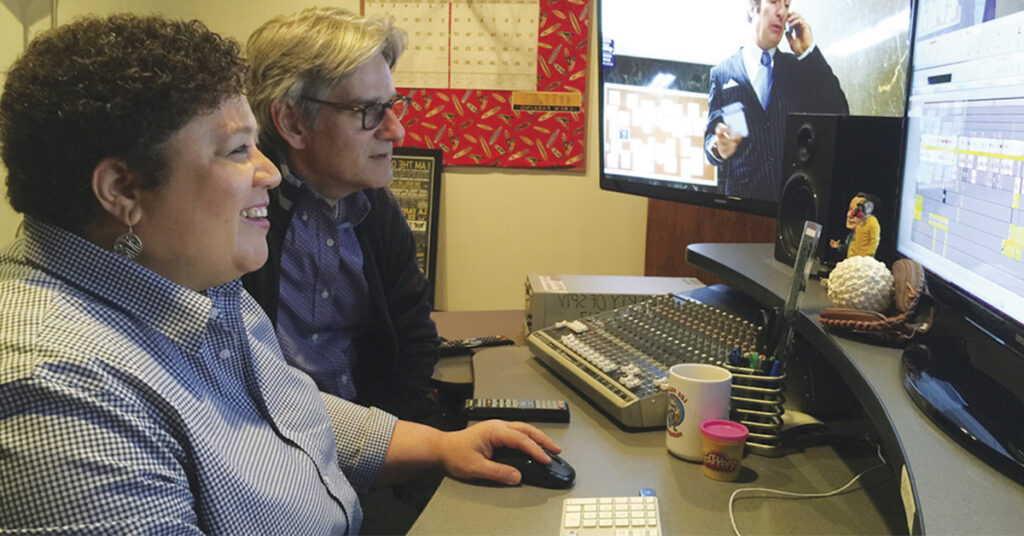
Breaking “Bad” From Assistant to Editor | with Kelley Dixon, ACE (pt 1)
Learn how superstar television editor Kelley Dixon rose from assistant to the top of her game…and all the dirty details in between.
Let's create things that matter. Together.
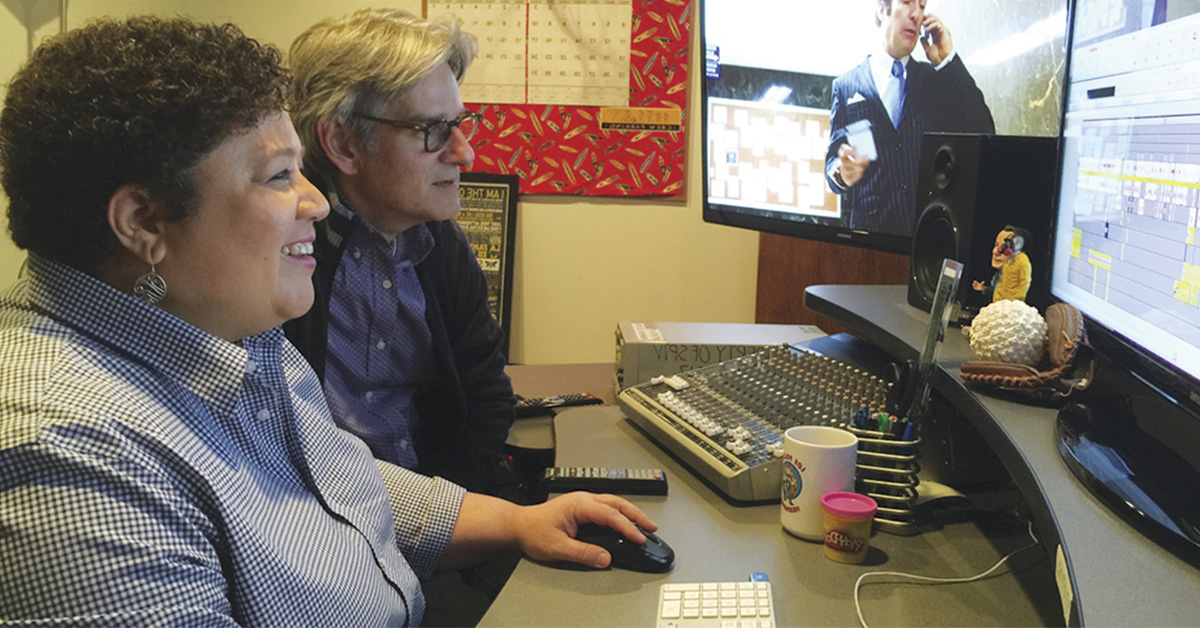
Kelley Dixon is the Emmy-winning editor of such iconic shows as Better Call Saul, Breaking Bad, The Walking Dead, and Shameless. She has been nominated for an editing Emmy every single year since 2012 (winning in 2013 for an episode of Breaking Bad), she has been nominated for an Eddie Award seven out of the last eight years, and she has received numerous other nominations as well.
Needless to say, Kelley is a film editing badass.
In part 2 of our conversation today (Click here for part 1 of this interview) we dive as deep as I’ve ever gone into all of the steps necessary to climb from the bottom of the ladder to the top in Hollywood. We go over all the details of Kelley’s “overnight success story” where it took her just short of 20 years of being an assistant editor before exploding onto the scene with Breaking Bad. We chat about the mindset necessary to persevere, how to build relationships with producers, directors, and your editors so you put yourself in a position to be promoted when the time is right, how to develop your skills as an editor even if you’re buried with assistant work, and most importantly we talk about the importance of playing chess with your career and making the right strategic moves rather than always chasing after the next shiny object and playing a game of checkers.
Kelley Dixon: Of the things, too, that I’ve found, especially in my maturity as an editor, is, you know, how to ingest – that’s a crazy word that’s used now to get into the Avid. Did you know that? You probably knew that I find that that’s nuts, that that it’s called ingesting, you know, to get the dailies into the avid now, but I’m going to use it in another way. The way that I’m using it is to, you know, sort of ingest the narrative into your head by watching these dailies. You know, there’s there’s a ways that you need to, like, learn how to, like, watch dailies, and on an everyday basis, you know, how to, you know, sort of give yourself over your mind, and you know, all of you know your abilities over to just bringing this footage into your head, because there’s sometimes there’s so much of it, you know, when I was working on Shameless, Shameless was shot very documentary, cinema verite style, where every single take was different from the take before it, and every single setup was different, and they were running two and three cameras all the time, and what they wanted was they wanted the crazy camera swings, and they wanted all that, so they would do, and nothing was the same, and I started watching those dailies in quad split because there was no way that I could keep track of all of it. So, basically, I put my eyes on every single thing, and once I started cutting the scene, I’m like, okay, I have seen that camera swoop from the refrigerator over to the table and hit that one kid. All right, now all I have to do is find it. I know I’ve seen it, I know it exists. Let me find you know what I mean, because it was just practically impossible for me to watch hours and hours and hours of dailies, especially when they were that crazy, and so you know, I brought, I learned that technique there, and then started perfecting it in other places.
Zack Arnold: It’s funny, because when I have people. Come into my room when I’m watching dailies. I always watch in quad split as well, and for those that are like, “What the hell is quad split? It’s basically watching the multi-camera cameras going all at once in four separate quadrants on your screen, and I always watch my dailies that way, because I’m a big proponent of productivity and efficiency. And for me, the fastest way to get through a nine and a half page, eight hours of dailies in a day. I’m not going to be watching that single camera and thinking, oh, is this another camera of the same performance? Like, what
Kelley Dixon: I would go and fall asleep if I had to do that. There’s no way.
Zack Arnold: Yeah, it’s the most efficient way to watch them, but also, like you said, you create this mental inventory. So, the what I had always call the process was mental digitizing. They’d say, well, what’s your process? I’m like, well, the first thing that I do is I mentally digitize all of the material, and that takes a lot of practice, but I do the same thing that you do. It’s like, man, I know that there’s this close-up where the camera was like on his eyeball, and then it came out, like, ah, where is that one shot? I know it exists, I’ve seen it, I watched it, now I have to find it, so you might have to scramble around a little, but what I also find, and I actually had this conversation with the editor that I’m sharing a wall with right now, is he had, he had come up to me in like the first or second week, he’s like, so I, you know, here you’ve got like these kind of cool productivity systems, and you’re like super fast, like I’d love to learn like what what’s some of the things are that you do sometime, I’m like, yeah, that’d be no problem. And he’s like, what’s kind of like, what’s one of your secrets? And I’m like, you’re gonna think I’m crazy, but I watch all the dailies, I watch everything, and he’s like, well, that doesn’t make any sense, wouldn’t that just make you that much slower? But I feel like if you ingest or mentally digitize all of the material, it forces you to think more like a film editor would, and you have to create a plan, because if you don’t have a plan and you’re just kind of scanning through the material and saying, well, I’m just very common thing for TV editors is to say, well, I’m just going to use the last takes, and if something doesn’t work well enough, then I’ll look for other takes, but you can’t really figure out what the heartbeat of a scene is until you’ve seen every frame that’s shot, and more importantly, I feel that if you watch them in the order that they were shot, you see the genesis of the changes in the scene, and you understand where the director’s coming from and what their intentions are.
Kelley Dixon: Right, yeah, that could be sad, because a lot of people, I’ve even had Vince Gilligan say to me, he said to me, he’s like, why don’t you just choose last take, and I’m like, because last take is not always the best take, you know. It’s like, are you kidding me? That’s not always the best take, you know. The other thing too is that I just find that you need to, like, you need to watch the progression of that, just like you said, you know. You need to, but I think what I was also trying to say, too, is that you’re not going to come up with this unless you’re doing it every day, you know? Like, so back to like assistance cutting, it’s like, look, you need to like kind of build up your chops, you need to learn how to do this, how to watch this every day, how to get on and learn your own process, I guess, learn your own approach. Talk about approach a lot, you know. Learn your own approach to coming up with a way of working, and it’s not one that you can just like, oh, I was an assistant for two years, now I’m editing. You just can’t, and you know, it’s not the same thing as doing your own personal projects, either. You know what I mean, because those are your own personal projects, that’s not working for somebody else on their stuff, you know what I mean. It’s so there is a, I think, a good sort of progression to the way that that people move up. I hate to see it get a little bastardized, you know, just because of necessity, you know what I mean,
Zack Arnold: Because of impatience, or I think because of entitlement too. I think that’s a big thing, where it’s like, why I feel entitled to now be an editor, because, well, it’s it’s season four, and I’ve been here for three years, so this is my time, I should just be moved up, and it’s your, you know, case in point, that it just doesn’t work that way.
Kelley Dixon: Yeah, and you might not be good at it. Are you any good at it? You know,
Zack Arnold: Yeah. Well, and I think that’s really to kind of bring it back to the fundamental point, like going back to the these three fundamental steps that I talk about so much. The first of which we already talked about, which is that you have to make sure that you’re climbing the right ladder that makes the most sense, but then the second step is that you have to be awesome at your craft, and I think it would be very easy for somebody to assume that, oh, well, there’s this, you know, woman that’s been an assistant editor for 15 years, and, oh, she’s probably just a career assist, and you know, you know, what, there’s probably a reason that she hasn’t moved up for 15 years, like I don’t know if you’ve ever heard anything like that before, but those are the kind of stereotypical assumptions that I know could be made about,
Kelley Dixon: I never really thought about it, but I mean, there are times,
Zack Arnold: There are many people that I’ve worked with at our quote unquote career assistance, some of which by. Choice, because that’s just the lifestyle they choose, and there’s absolutely nothing wrong with that, right. But then there are other people that have been a quote unquote career assistant for over a decade, and then all of a sudden you know they push and they push and they want to get their shot, and you give them a scene or whatever, or they have to take something over just because of the deadline, and then you see their work and you’re like, oh, okay, now I’m starting to understand why you haven’t moved up, because your work really isn’t that great.
Kelley Dixon: Yeah,
Zack Arnold: But you’re the perfect example of you took every opportunity to become awesome at your craft, and I’ve never ever met anybody that built their own Avid and had it in their room, so they could add it whenever they want, like that’s that’s next level, like that draws anything I’ve ever done,
Kelley Dixon: I did. I built my, I built my own Avid. It was great, too. I still, you know, what it’s.. I just got rid of it. I mean, it had been used as my own, as a desktop here at my house for a while, but it’s like I seriously just kind of dismantled it and got rid of it, and you know, because it was way out of date, anyway, but yeah, no, I did, because it was like one of those things where I’m like, I was always having to wait, you know, for the Avid, there were three of us, and you know, I was always, they only had one, and it was crazy, and so I was always having to wait, or people would always be like, God, you know, can you, like, you know, can you stay late and do the sound effects, because I can like do this, and I’m just like, so I built one. The other thing I will say, though, is that you know it was not on my mind to move up, for some, for whatever reason. I think mostly because I was sort of hoping that, you know, I was just, I was enjoying being an assistant, I was enjoying working for really good editors, you know, and then my friends started to move up, and that’s really kind of what, what kind of kicked my butt into gear was, I was like, “Oh God, my all my friends are moving up, I guess I should, I really should kind of move up, and so that’s kind of what did it, was it was sort of, you know, embarrassment, I guess, and and stuff, so I, I kind of got, you know, in gear, and especially with Lynn Wellingham, and I said, you know, let me cut a scene a day, and then it was two scenes a day, and then it was half a show, and then Lynn got lucky, no, I’m just gonna say Lynn actually came in to the room one day, and and said she had a pilot, and I thought I actually had had many conversations with her prior to that, saying that I was probably going to have to leave her and not be her assistant anymore at the end of that season of Without a Trace, because I needed to get on a pilot, because there was no other way I was going to move up, I wasn’t going to move up on that show, and you know, we were very upfront about it, and she was a champion of it, she was actually looking for, you know, somebody I could go assist, you know, to be, you know, so I could, you know, start to move up, and and then she came in one day, and she said she had a pilot, and I just kind of rolled my eyes and said, you’re not going to leave here to go do it, and she goes, “Yeah, I’m going to go do it, and I’m like, “Really? And she said, “Yeah. And I said, “Well, what is it? And she said, “It’s with Vince Gilligan. And I was like, so excited, because again it was back to this X-Files thing, and I was like, “Really? Oh my god. And then she told me about it, and I was like, “Okay, well, that sounds cute and charming, and that’ll be cool, right? And so we left. It was very.. it was a very big deal for her to leave without a trace. I mean, she was hired by the showrunner, and the showrunner was going to direct the finale, and she was supposed to direct.. she was supposed to edit his, you know, his finale this year, and it was very sticky, but you know, she did a really good job of extricating herself, and we went and worked on the pilot. I think starting at the end of February in 2007 I had actually hoped to cut half of that, knowing full well that I would never get credit, but I was hoping to have, you know, done a really good chunk of Breaking Bad’s pilot, so I could possibly be in the running, to you know, to get an editing job on the show, and unfortunately our sound, we had so much sound problems that I didn’t, I only got to do two scenes in the show, and one of them was that drug making montage, and I think that might have actually been the key, but what I will say is that I did the drug making montage, and I did one other scene, but I also made myself available to work on the show at every single moment that Lynn had to get up from that chair. When she had to get up and go to the bathroom, I sat down and I said, I can, like, you know, jump in and show you something. Would you like to see this? Would you like to see that? You know, and I also made it very, very apparent that I was ready, you know, to be sitting in that chair, and I made it also that they were comfortable, or I tried to make it comfortable that they saw me not as an assistant who was in the room doing some. Thing they didn’t know, but then as a surrogate, sort of, that could be in the chair and do just not as good, but be a good substitute. Again, this comes back to being a good conversationalist, which I talked about in the very beginning. When you hang out in editorial, you know, I talked to Vince Gilligan about all kinds of stuff. I talked to him about The X-Files. We had both just seen a Jonestown documentary. We talked a lot about that. Talked to him about, you know, growing up in Virginia. He grew up in Virginia. I went to high school in Alabama, you know. We talked about a lot of things, so I made myself very, very familiar. And by the time, and also I think that Lynn probably, I know she did it, although I don’t know when, but I know she did some, you know, serving up of saying, well, you know, Kelly’s really ready to edit and stuff like that, and so at one point I asked her, do you think this is a good moment, and she’s like, yeah, yeah, go in there, and this was before the show was done, I believe, probably sometime in the middle of producers and studio cut or something like that, and I went in and Vince Gilligan was in there with our producer Karen Moore, and they were just chatting, and I said, “Hey, can I talk to you guys for a second? and they’re like, “Yeah, sure, and I said, “I would like to talk to you about being an editor on the show. If the show gets picked up. I’m hoping that you will consider me to be, you know, one of the editors that you hire. And they kind of looked at each other, and they started laughing, and I kind of looked, and I said, I hope you’re laughing with me and not at me. And they’re like, no, we’re laughing because we were just talking about that in the elevator, and we think it’s a great idea, and at that point I was like, God, I hope the show gets picked up, I hope, I hope, I hope, and at the time I kind of thought we had a really good chance, because the only thing that AMC had was Mad Men, and it hadn’t even aired yet, and I was like, well, I don’t know if the show will get a second season, but I’m pretty sure that AMC, without anything else to go on, will go ahead and show this for one season, because why would they waste all that money, and you know, not knowing what a blockbuster it was going to be, but I just kind of felt like, well, I think it will definitely go for one season, and they did, and I, and then I was really, really nervous about, you know, taking another job that would preclude me from being able to edit, starting in September. I remember Lynn Willingham got a job on a, I think it was a little mini series that Sony was doing, and it started in May, but it was going to go like till the end of August or something, but you know how these things go. They always go long, and I’m like, “But wait, if I go and assist on that, it was a Sony show as well. And you know how this goes, Zack. You know, sometimes they, you know, if you’re on a show that’s in the with the same studio or the same network, they may not let you leave to go do another one that’s on their same network or studio, and I was very paranoid that if I took an assistant job on this mini series that was being done by Sony, and if it went long, they would basically say, “Sorry, we’re not going to let you leave to go edit on that other show. So I ended up not assisting Lynn all summer on this thing, and I think I took my summer off at that point. Yeah, and then we started Breaking Bad in September of 2007 and we did, I don’t know, I think three or four episodes, four or five episodes before the writer strike hit, and then we ended up not getting to do the final episode that was supposed to be mine. It was supposed to, I was supposed to do the last one, and it ended up not being shot because of that damn strike.
Zack Arnold: Well, there’s no question that you bet on the right horse. I mean, for the love of all the shows to say I’m going to take off a whole summer, and I’m going to hope it gets picked up, but I’m going to work on it, and this is my chance to be an editor, like of all the shows, right,
Kelley Dixon: And been picked up, but, and I will say this, you know, I know that you don’t want me to say the L word, but I will say, you know, I do feel incredibly lucky, but you know, they always say, you know, that you, you should always be ready, you know what I mean. You have to be ready when something fortunate like that comes along, and I will say that I was definitely ready.
Zack Arnold: Well, hard work met opportunity. Hard work met opportunity. I don’t believe in luck. I don’t think that you were lucky. I think that what you did was you worked incredibly hard for 15 plus years to become awesome at your craft, you know, behind the scenes, in front of the scenes, you knew you were climbing the right ladder, but also the third fundamental step, and I’ve now had this interview with many, many successful people in creative industries, both on the record and off the record, and these three steps hold. For every single person I’ve ever talked to, and when they tell their story, it’s, it’s like they’ve read my little manifesto, and they already know the steps, and they tell it perfectly in order, and you know nothing about any of these steps, which is so cool. But the third step is that people have to know that you are awesome at your craft, and that’s what you were doing, you were saying, hey guys, I’m here, I’m ready. Look at the work that I can do. I’ll, you owe you. You have to go grab some water. I’ll keep your chair warm, no problem. Well, you want to go grab coffee for five minutes, I’m here if you need me. Like you were confident in your creative abilities, you knew that you could do it, you had prepared yourself for years and years, and you made sure that people knew it, because imagine if you’d spent all that time with your homemade avid that you put together yourself, cutting these scenes, cutting half the episode, but you were too timid or shy to let anybody know, you never would have gotten that shot ever.
Kelley Dixon: Yeah, that’s one of the things I tell assistants as well when I’m working with them, you know, I’ve said, listen to me. I think it’s super important for an assistant to be outgoing and for them to not be too shy. I think that, and I think in this business, you know, it’s really unfortunate, you know, because you know some people are shy, and you know that’s not their fault, and you know they recognize it and stuff, but it really, I almost feel like telling them, if you know it and you’re able to do it, go get some therapy and see if you can work it out, you know, if you’re an introvert, see, you know, if you can, because you know people really tend to respond to people who are, you know, more outgoing or more extroverted and can have a conversation, and I tell assistants, you know, I know that you’re really busy right now. I know that you’ve got x, you know, x, y, and z to do, but if you can, you know, afford an hour of just sitting in this room when the director is here, or when the producer is here, if they’ll let them, you know what I mean, because I always say, look, I want them to get to know you. I want them to, like, you know, know your name and who you are, and what some of your interests are, because I would rather that than them thinking that you’re in that room, do not knowing what you do, and have no idea, you know, of your name or anything like that. It’s always more important to me that you know they make themselves, you know, very like apparent and available and stuff like that. I always say that, and you know, and I think it works itself out every single time that I’ve had it. You know that assistants have sat there, you know, a lot of them will just listen, and I think you know one of the things that was told to me when I was an assistant was it’s okay if you have an idea, but don’t talk about your idea if it’s going to make me do extra work, which is kind of funny in a way, but you know a little if what you suggest is going to make me do extra work, just say it to me privately, and we’ll work out in a way that you can express it to these other people. You know, it’s more like knowing when to talk and when not to talk, but I always think that it’s never be afraid to speak up in the room.
Zack Arnold: I couldn’t agree more, and in the years and years that I’ve been obsessed with human psychology and success, and how people become successful, and why, what I have found overwhelmingly, and this is through plenty of research, this is not just an opinion, like this is widely known, is that people that make it to the top, whether it’s in business and creative fields, whatever it is, trust and likeability always trump skill, and that doesn’t mean you can’t be need to be incredibly skillful, but people number one have to trust you, and number two, they have to like you, and if you don’t have either, the skill means nothing,
Kelley Dixon: That is so true, you know where, and you know where that comes into play, which is really a hard lesson to teach, like you know, like a PA or something, they don’t really understand, like why getting lunches and stuff like that is important, and they really kind of, like, you know, sneer at it and stuff like that, and I’m like, are you kidding, they’re trusting you with eating a sandwich, and you know what, the next thing they’re going to trust you with is reading their script, it’s kind of crazy how it works like that, but that is the way that it works, you know what I mean. And so, if you can go get lunch and coffee with a smile on your face, the next thing they’re going to do, can you go move my car? The car, right? They’re like wanting you to go move the car, you know. And a lot of people get, you know, I went, I did a lot of washing of cars when I was a PA, but I actually liked it. My bosses drove cool cars, you know, and I’m like, look, they’re trusting you with the BMW or with the Jaguar, you know, and I know it sounds kind of silly, but they’re trusting you with that. Next thing they’ll trust you with house sitting, you know, and it also. Sounds trivial, but when they trust you with that, then they start to trust you with other things, and it’s like you may suck at reading scripts or whatever, but that’s just what you said, they’re gonna trust you with that, and it’s like if they can start to trust you with in the room when you’re just talking to you, then they’ll start to like say trust your ideas, you know, because I mean there have been plenty of times, you know, on Breaking Bad where Vince and I, you know, I don’t really cut a whole lot for him, I don’t, I’ve only cut, you know, maybe a few times when he’s directing, and it’s usually only because he directed two, and I had to be, I’m not, I, he tends to like to cut with Skip Macdonald, and I’ve, I used to get very, like, my feelings used to get very hurt by that, but I’ve come to understand it, you know, and I’m like, okay, well, you know, you like who you like, it’s fine, a handful of times I’ve cut, not even a handful, I think it’s maybe three times I’ve cut for him, where I’ve actually cut things that he directed, and you know, there have been times when he’ll, as a producer, I work with him a lot, and there have been times when he’ll be like, “Ah, Kelley, it’s too much, too much mustard on this, you know, or something, just too much kind of pull it back a little bit, right? And so I’ll pull it back, you know, usually on like a montage or something like that. I’ll pull it back a little bit, and then he’ll be like, ‘Show me what you had before. You know what, that’s really grown on me. Now I see what you’re doing. Now I see, you know what I mean. But it’s one of those things where he sort of has to trust you, you know. And you know it’s you do that with every producer that you’re working with, every new person. You know, I mean, I’m getting ready to go do this big feature in New York. This is one of the biggest breaks I’ve ever gotten, and I’m super excited to go do it. I have never worked with this director before. I have never worked. I’m getting ready to cut Roger Deakins’ footage, for God’s sakes. And the one thing that I’m bringing with me is a really good portfolio, you know, it’s like I am not.. I have never edited a feature. The fact that they’re giving me the keys to this thing is incredible, but I am bringing a really good portfolio with me, and they’re obviously impressed by, you know, some of the things that they’ve seen that they’re willing to trust me with this, but the other thing too is that I had to give a good interview. You know what I mean? I had to be, I had to be incredibly knowledgeable about the material. I, you know, read the script, I read the book, you know. And that’s one thing that I also will say, you know, to people out there, is like, study, study, study as much as you can when you have the time to be ready to talk to these people, and if you can talk about the narrative, it’s super important. It’s not all about what shot that you’re doing, that that’s rare. That rarely comes up in any interview that I’ve ever been in, is about, you know, how to put shots together. You know, it’s like they know that you can do that. They want to know, can you have a conversation? You know, can you talk to them about the material? You know what I mean.
Zack Arnold: Can you solve problems? Like, can you be in the room with me at 2am on a Friday when we need to get it out? We can’t figure out this scene, like it’s all.
Kelley Dixon: Yeah. Are you the kind of person who doesn’t like to work with people. I mean, I’ve asked, I haven’t been asked in those ways before, but I have been asked, like, how do you like to work? Do you like for me to be there? I don’t really want to be there. I’m like, okay, fine, don’t be there. You know what I mean. It’s like, it’s like, you know, how do you like to do things? And you know, I’m incredibly flexible, although I will say that I, I’m more like people to be there, you know. Then I’m not the kind of person that likes to work in a dark room, you know, by myself at all. I’m much more social than that, but I don’t know. I just find it, it pretty interesting, and I always like to tell assistants, you know, if you can afford the time, I want you to spend at least an hour in here, and I want you to talk to, you know, this director, this producer. I want them to know who you are. Another thing that I’ve gotten from assistants before is, if I edit a scene, will you tell the director, producers that I did it? And my answer to that is always, if they like it, I’ll tell them that you did it, you know, and at first they look kind of crestfallen. They look well, and I’m like, well, if they don’t like it, why on earth would I throw you under the bus? You know, it’s like, why would I tell them that you did it if they don’t like it? If they don’t like it, I look at it as like, well, I approved it to get in the show, I approved it to let these producer director see it, so if they don’t like it, then it’s on me, and I’ll listen to the note and say, you know what, let me go back and try that again, and I’ll show you something else, depending on the skill of the assistant, whether they’re new or not new, or something like that, I’ll let them do the changes, and also if there’s enough time, you. Know what I mean, it, you know, I’ll be like, they’ll be in the room usually when they see it, you know, and so I’ll be like, you know, well, you know, let me take another look at that, and then when the director or producer leaves, they’ll say, okay, you heard the notes, do you think you can handle that, and we’ll talk about it, and then they’ll go, or I’ll say, you know what, I think I know what’s going on here, and we’re really kind of pressed for time, let me do this, and then watch what I do, and the next time you know, but it’s like it’s just kind of funny, because I remember, you know, seeing that from several assistants that I’ve worked with, you won’t tell them, and I’m like, well, if they like it, I’ll tell them, if they don’t like it, why would I, why would I tell them that you did it, that’s lame,
Zack Arnold: Yeah, it’s fun, it’s exactly my approach too, is that you know, when I’ve had assistants ask me that same question, I’m like, well, listen, if they really, really like it, I’m gonna give you all the credit in the world, and I will take no credit. If they don’t like it, I’m gonna fall under the bus for you. They will never ever know that you work on it whatsoever, and they, you know, just think that that’s crazy. Why would I do that? You know what I often find, this is always the joke that I have with my assistants, and they all know this at this point, and if they’re listening, they’re chuckling. Is that the only scenes that never get notes are the ones that my assistants cut. We’ll be working on an episode, and you know that well, this needs a lot of work, or this is like, but I really love this one scene, and I’m like, that’s the one that my assistant cut.
Kelley Dixon: Yeah,
Zack Arnold: Now I’m gonna lose my job, you know.
Kelley Dixon: Yeah, I’ve had that happen before, too.
Zack Arnold: Like, come on
Kelley Dixon: Again. You’re sitting, how much work have you done, and how much work is
Zack Arnold: Exactly
Kelley Dixon: One or two?
Zack Arnold: And usually we’ve workshopped it like four or five times to get it to the point where I’m happy to bring it in the cut, and you know, but like there’s in the new show that I have coming out soon. There’s this whole big action sequence, and I just passed it off because I was getting, you know, eight nine hours of daily worth a day on this pilot, and I’m like, I’m just going to give this to you, like, until the point comes where I just have to do the notes, just because of the schedule has nothing to do with you, but the day will come where I’m gonna have to do the notes in the room, we have to get it out, but until that time comes, this is yours, from dailies all the way until the point where I have to take it over as yours, thinking that it was this big action sequence, it was going to be workshopped over and over and over. I don’t think I got one note, I think it lost from the way that she cut it, that was like, oh come on, like obviously I was happy for her, but a part of me was like I have beaten this edit to death, and the one thing that everybody universally says every single time that they love and they don’t want to touch was the sequence that I had my assistant cut, and now she, of course, is one of the editors on the show, which was the whole point, as I wanted her, I wanted her to get her shot and really kind of, you know, prove that she had the chops on something that was a lot more complicated than a 35 second scene of two people, you know, walking through
Kelley Dixon: Exactly. I mean, when I worked on one of the scenes that I, that I worked on with Chris on Breaking Bad, was from an episode called Tahajili, which was, I think, the fifth episode in the last eight, and it was the one where Hank finds Walt in the desert and finally he says, I know who you are, and he has him in handcuffs, and then the Nazis sort of drive up, and there’s a big shootout at the very end of it, and it was funny, because when we got it, I was like, you know what, I brought him in the room, and I said, hey, you know what, why don’t we both cut this scene, we’ll, we’re both going to cut this this shootout scene, and then we’ll compare, so I’ll cut it, and then you cut it, or I’ll cut it, and you cut it, we cut it together, we don’t look at each other’s, then we’ll bring them both in, and we watch them both, and compare them, and then we use the best parts of both, and that’s what we did, and it was like, so interesting, because he found things that I didn’t see, but I found a lot of cool shit that he didn’t see, and we both basically, you know, made that episode. I mean, you know, made that shoot out together, and then I was giving him a couple sound effects notes and stuff like that. And it was one of those things that when Vince saw it, you know, one thing when you know that you really hit it with Vince is when he’s like, ‘Oh, let me see it again, show it to me again. Oh my god, let me see it again. You know, that was what that was like, and it was just.. I just thought it’s still one of my favorite, favorite, favorite episodes. And I told Chris at the end, when he was allowed to choose which episode he wanted to put up, I told him he.. he chose the one Laurel Walt was in the cabin by himself in New Hampshire, and I told him he made a big mistake, and he should have used that one with the shootout, but he’s like, he, that’s the one he wanted. I’m like, okay,
Zack Arnold: Clearly he made the right choice. And on that note, I want to be respectful of your time, and I realized that this has become just a giant marathon episode, and to be somewhat selfish, I let you go longer than I usually do. Most of my audience knows that, right around the 55 minute mark, I’m always mr. Polite. Say, you know what? I want to be respectful of your time. I knew it was going to be an hour, but this has just been so damn good, and worth more, in my opinion, than a lot of. Four year film schools. This is the kind of stuff that people need to hear if they really want to make it, because of that, I didn’t want to stop you. So that’s why we now have a two-part episode. And I thank you for, you know, sticking around and talking for so long. Yeah, but I do obviously want to wrap it up. I do want to be respectful of your time, even though I haven’t been up until this point. But I guess the last question is something that you, for the most part, have probably already answered in three different ways, but I’m sure it’s the most common question that you get. It’s probably the most common question that I get. And if you were approached at an event, you know, like at a live event, like an Edit Fest, or a panel, or if somebody sent you an email and they were only allowed to ask one question, and that question is, if you could just give me one quick piece of advice for how I can break in and how I can make it, because I love this industry so much. What would kind of that, that short little tidbit be?
Kelley Dixon: I never know how to answer this question, you know why, because there is no one way, and the things have changed so much, there are so many other ways in now that there used to not be. I mean, you know, when I got in, it was like, you know, you had to kind of start on a show and hang out, and then you had to get your days, and that kind of thing, and that’s still a way, but I mean, nowadays, you know, back then, you know, if you wanted to make a movie, it was, you know, 10s of 1000s, if not hundreds of 1000s of dollars, you know, people were scraping, and you know, calling Kodak for short ends, and all I mean, just even mix the show was, you know, several 1000s of dollars, and or 10s of 1000s, and now it’s like, you know, you can shoot, you know, dude, that did the Florida project, he shot his movie on the iPhone and edited it, you know, on a laptop, and you know, and I mean, just everything has changed so much, you know, and now it’s like, you know, you’ve got a venue that’s free, YouTube or Vimeo, it’s like it’s free, and you know the one thing that I always tell people, too, that hasn’t changed at all is that you still have to have a good story. If you don’t have a good story, you’re gonna have a good movie. Period. You know what I mean. So you still have to have a good story. You got to need, you need a good script, but otherwise you know you can get in, I mean, you can be an editor without being an assistant, just like you did. He’s just, I mean, you know, you can just do your own movie, show it on YouTube, and shoot, people have done that, and Warner Brothers has called them, you know. I mean, it’s, you know, and, or you can like be editing for somebody who all of a sudden is this big hot director? How many times have you heard that bad robot story, where you know all of a sudden there’s, you know, they found somebody on YouTube, and now they’re, you know, editing the next Cloverfield movie, or whatever. You’ve heard all those stories, you know, and they bring that editor with them. You know what I mean. It’s like it happens a lot. It doesn’t happen all the time, but that is a way, so you know, my feeling about trying to give people advice on that is, I think that the best thing to do to maximize your chances is to come to as many or find as many of those kind of gatherings as possible, and go put yourself out there. It’s like dating, you got to go to the mixers, you got to go to the panels, you got to go and don’t be shy, and not, you don’t necessarily only talk to the people who are on the panel, talk to the people around you, you know, talk to the other, you know, people that go to the panel, because you know the group power that exists in there. All of a sudden, you might find, you know, your new best friend or your new roommate or something like that, where you know you guys, one thing will lead to another. So, I think that it’s always better to put yourself out there and be in that kind of group setting, because you’re going to maximize your chances just by being in the room with people, the other thing that I like, you know, tell people, especially nowadays, there’s a lot of emphasis put on hiring a more diverse group, you know, where you’re like, okay, people of color or minorities, and I, you know, I’m all about being a proponent of that kind of thing, but I also feel like I don’t like to exclude anyone at all, so you know, I don’t like it that they’re saying, okay, we’re only going to open up this job to people of color or minorities, because I’m like, well, that’s bullshit, that’s how you get Trump, that’s how you get Trump and Trump voters, just like that, that’s fucked up, so I’m like, you can’t be that exclusive like that, that’s not right, and it’s not fair, and so what I say is, instead of trying to, you know, force that kind of thing, really, it’s not about I don’t really feel, honestly, that most people only want to hire their own race or their own, I don’t believe that, I believe people want to hire people who they’re already familiar with, who they. Know through somebody else, it’s like dating. Nobody wants to go on a blind date, but they don’t sort of mind meeting somebody that they met at your friend’s party, like last week, like, oh, I met you, so I kind of really know you, and I know the kind of people around you. And so to me, what it’s about is getting people in the room together, you know, it’s all about getting people in the room together, and then it’s like, oh, well, I’m not like being forced to hire somebody I don’t know, I’m basically hiring a friend of a friend. Oh, okay, so it’s a lot. It’s more about familiarity. So all that said, is the more that you make yourself familiar with people in that, in you know, the same area that you want to be editing, I suppose. You know, the more you make yourself familiar with all those people, the better shot you’re going to have when a job comes up. You know what I mean? I guess that’s the best that I can offer. I mean, the other thing too, that I’ve said at panels before, and I know that it’s kind of a drag for people to hear this, but I’m trying to be realistic. It’s like rarely are you.. I can’t imagine if, unless you are like you get in the 1% or something of the time where you’re going to go to one of these things and you’re going to talk to one of those people on that panel, and that person is going to need an assistant right now, and you’re going to get the job, so if you’re thinking that that’s going to happen, that’s so ridiculously rare. I mean, it just, it’s kind of ridiculous to think that you’re going to score in that kind of way. I mean, I don’t mind anybody having ambition like that, but you know, it’s probably not realistic to think that that’s going to happen. But the thing is, is that you got to think about all the people you’re going to be in the room with, and you never know, like I said, you might meet a new, a really new friend. I’ve met lots of friends like that, where you know, I didn’t think that I was going to get a job with such and such, you know, that’s like me going to, I went to see the screening of the post the other day, right? I went to see the post, and there was a Q and A with Spielberg, and stuff like that, and you know, I really wanted to see the movie, because I was a journalism major, so I was very, very excited about seeing the movie, but was I going to go up to Spielberg and say, hey, you know, and you know what’s funny about it is the moderator there was talking to him about, they said, wow, you know, you had a great cast, and you know, and he goes, yeah, everybody that I wanted to be in the movie was available, and they could do it. I mean, like, what kind of actor has Bob Odenkirk turned out to be, right? And I was excited, I was in the third row, and I just started clapping. I was the only person in the room that started clapping, and then other people started clapping, but I was only clapping because I’ve been cutting Bob Odenkirk for years, and I agree with you, he has become a fantastic actor, you know. On Breaking Bad, he was, you know, still kind of green, but boy, is he like really, really become an amazing, you know, performer, and he did a great job in the movie. So I started clapping, and Spielberg kind of pointed me, “Oh, Bob Odenkirk fan. Oh, I like Odenkirk, and I, you know, was I going to stand up and say, yeah, man. And I’ve been editing him for 10 years, by the way. My name is Kelly Dixon, I’m an editor. No fucking way was I going to do that, right? Am I going to do that? But I was very excited that, you know, he had, you know, said hey, and what I was doing was I was sort of putting myself in the room with other people, other people who wanted to see that movie, and you know what, maybe in line I might meet somebody, you know what I mean, or maybe I might sit next to somebody, you know, and another friend of mine who was there, I had no idea he was there, but he kind of texted me the next day, and he said, hey, I know, I saw that, you know, that you were kind of, you know, having a little rapport with Spielberg, and I’m like, yeah, I don’t know if it was rapport, it was basically like, yeah, you know, it’s like, I will say that, yeah, you’re right, Bob Odenkirk has become, you know, quite an amazing actor, you know, in all this time, so I guess that’s that’s sort of my piece of advice, it’s probably lame advice, but I do think that it’s, it’s pretty valid, because it’s really hard, you know, to break in, and I mean, I would still say, you know, go about it the old fashioned way. I think it’s a tried and true way, you know, especially if you want to cut scripted stuff. Do you know what I mean? I mean, you know, my assistant, right now, he came from reality, and I think that reality assistants, you know, it’s become a necessity because assistants are moving up too fast. Then you pull, start pulling from the reality game, and reality assistants, I found, are really, really good with the Avid, like, boy, they know they know everything about, you know, how to, in you know, get dailies in and out, and every which way. There a lot of them are really good with VFX as well. And what my assistant has said to me is he doesn’t get to do as fun of things in reality that we get to do, like I’ll have him do, you know, can you, you know, do this split. Screen, and comp this off to make the guy not reach for this soda twice. I’ve kind of given you the shot that I want to use, and he’ll be like, yeah, and he’ll come back, and he’ll say, well, you know, it almost works, and I’ll look at it, and I won’t see it at all. I’ll be like, what are you talking about, and he’s like, well, there’s two frames there, and I’m like, oh, you know, obviously a visual effects person can do a better job, so don’t worry, this is fantastic. And he was, he’d say to me, he’d say, well, you know, in reality, I just have to remove Coke cans and stuff, just like laugh at him, but, but you know, I found that that reality, they’re very fast, they’re very good with with the machine, and so they just need to learn how they need to learn the timing and how things are done, you know, sort of the routine, you know, of scripted, and then they need to learn sound effects, and you know, you start them off really easy, okay, door closes, you know, footsteps, you know, heart effects, and then then you start to find out if you have an artist you know with you, you know what I mean. It’s like, and you know, usually with assistance, that’s what it’s about. It’s about them, you know. I’ve had to take assistance aside and say, okay, what I want you to do here, this sound effects wise, is I want you to, this is your chance to design, right? This is your chance to, like, be, you know, an artist, and what needs to happen. You’re a fan of the show, so I need it to be good enough to where we could put it on TV, and you won’t be embarrassed. That’s how good it needs to be. And you know, sometimes, you know, they’re pretty good, and sometimes they need, you know, a little bit of coaxing, or they need a little bit of, like, instruction, like, you know, a lot of times, you know, you might have to say, well, this is actually, you know, a Glock, you know, 22 or whatever, but it’s not that Glock 22 that you found in sound effects, that’s not loud enough or big enough, so I need it to be really big. So, just because it says that it’s that kind of gun, it doesn’t. I want you to find a bigger one, you know, or something like that. Or, and you know, with cars, it’s like, look, I need a car buy, and they’re like, well, I don’t have, you know, a Prius, and I’m like, I don’t care, just make it not be a Volkswagen and not be a Porsche, right? Because those are very distinctive, but you know, if you find a Le Baron, put that in there. Let’s see, you know what I mean, or something like that. So, sometimes they need to be coaxed, or they need to, like, you know, be willing to not be so literal, you know. It’s like, well, I need some kind of sound that sounds like air, you know. And I’m like, well, try a vacuum. Oh yeah, I guess. I guess that could work. You know what I mean? Or, you know, it’s like, don’t be afraid to try sounds that aren’t really the sound that way. That’s what sound editors do. You know, that’s what they do, is they find other things and put them together and make something new. So, I hope that I answered sort of your question. Yeah,
Zack Arnold: No, I outside of the the elevator pitch in one to two minutes version, but as far as like answering the question, I think that the two areas that you really hit that I think are super, super important are what actually the funny thing is, you answered the question within the very first sentence and you didn’t even realize it, and that was you saying, well, but there isn’t just one way. I think that is that is the number one answer that people have to understand, is that we’re not doctors, we’re not lawyers. There isn’t a set path where, if we just do the hard work and hit the benchmarks, it’s pretty much an outright guarantee that we’re going to get the job that we want. There isn’t a way, so if you’re asking, how do I do this? What is the path? Help me find the path. There isn’t one. It’s about learning how to forge your own unique path. And I think the other area that you hit on, that’s so, so important is the power of relationships. It’s not just about going to a panel and walking up to somebody and saying, hey, I’d love it if you would look at my reel, and hey, if you’re looking for anybody, I’m available, like for the love of all that is holy. Never do that. Go to panels, go to events to build long-term relationships, because you may not get a job in a week or a month, but you might get a job a year from then, and that job that you get is far and above and beyond anything you might have gotten otherwise had you not started to build longer term relationships, because it’s a relationship business.
Kelley Dixon: Yeah, there was, I think, at Ed Fest last year I ran into an editor. Well, she used to be an assistant, now she’s editing, that I would run into these panels like for the last couple of years, right? I would run into her every time, and she would always be there, and I would always say hi, you know. I barely knew her, but I would know her from these things, right. And so at Edit Fest this time, you know, I sat down with her because she was, she was just starting to edit, and she was moving on to a new show, and I was like really happy with her. So I sat down, and there was a kid who kind. Of like stood, you know, a little ways off for about 15 minutes, right, and then we, you know, she and I got up from this bench, and he said, ‘Hi, I just wanted to talk to you about, you know, mentoring. How do I find a mentor? And I said, ‘Okay, here’s the thing, I said, ‘You know what I said, this woman right here, basically she, you know, has been at these panels, you know, and she comes up to me every single time for several years. I don’t know her in any other way, except for through these, and I said, “But you just saw me, and I said, “I mentored her for 15 minutes, that’s how you do it. It’s like, I, you know, again, we don’t chat, you know, on our off time, I don’t even know her email address, right? I know her name, but I don’t know her email address. It’s not like we hang out, we’re not, you know, we could hang out, I suppose, but we don’t. But I said, you just watched me for 15 minutes mentor this girl I was talking to her about. Okay, you know, once you’re done with this, I want you to try and get a pilot, that’s your next gig. Try and get a pilot, because what you need to do is diversify that resume. She was a little worried about jumping from drama to comedy, back to drama, and I said, “Are you kidding? This is good, because it’s like there won’t be a time when you’ll hit something that you can’t do. This is good. I said, “The next thing is, you know, why you try and get a pilot, and here’s what you do, and stuff like that. And so I said to this kid, I said, “This is what you, you just watch me mentor her. That’s how you find a mentor. You don’t sit there and want, you know, expect or want your mentor to be like, you know, there for you every hour, you know, like a therapist or something, and you, they, you don’t need to be contacting them every week or every other week, and have a set time. If you got that, that’s nice, but I don’t know if anybody, many people who have time for that. But what you do is you have to take what they can give you when they can give it to you, and you kind of like, you know, add that to, you know, all the rest of the stuff. You know, like I said, all these editors, you know, like when I was talking to you about being at the Ace Awards, you know, I’m looking at all these editors I recognize, I don’t go rush up to them and take selfies, that’s just not my thing, but you know, it’s like I’m going, oh, there’s Joe Hutchings, oh, there’s, you know, all these people, and I’m like, okay, those are my mentors, do I talk to them? Some of them I’ve talked to, you know. Other ones, usually I don’t talk to them about work, necessarily, but they’re my mentors, because I’ve watched their work and I learned from it. You know what I mean. And you know, there are some mentors that I have, you know, that are much more hands on, like Lynn Willingham, will always be a mentor of mine, but she and I have a relationship when we do talk, you know, about, you know, a couple times a month or something, but it’s like you just kind of have to take, you have to take that mentoring as it comes to you, and you have to maximize whatever you can get out of it, you know, and so I guess, you know, I guess what I’m trying to say is that, you know, you have to adjust what your thought of a mentor is, and you know what, if you have an editor who you’re working for and is a good.. there’s not, you know, not every editor is a good mentor. I’ve talked to many people who are like, “God, I wish that my editor was better at it, and I’m like, “Well, you know, some people just aren’t good at it, you know, they don’t, they don’t want to talk about their work, or they don’t really know how to give you notes, or you know, and that’s unfortunate, that’s just kind of the nature of it, you know, and the other thing I tell assistants in that situation is, I know this is very hard to hear, but if that’s what you need, you know, out of an editor, if that’s what you need, then maybe it’s time to find another one. You know, you have to go find the teaching that you need, and so if you know, I had, I had to kind of counsel a friend of mine a couple years ago about that, where she said, you know, I really want the editor that I work for, we get along really well, and I want him to be able to give me notes, and but he just, that’s not his style, and I’m like, well, you know, unfortunately, I think you’ve answered your own question. I think if you really need that, then you’re going to have to leave him. You guys are going to break up, and you’re going to have to go find somebody who’s going to do that.
Zack Arnold: Well, on that note, I hope the next time that somebody comes up to you and asks about mentorship, you can send them to this two hour marathon of amazing mentorship. Because I really think that, I mean, hell, I’ve learned a lot from this episode, and I can’t imagine just the knowledge bombs that will be coming to somebody new to the industry, or somebody that has broken in, maybe done a year or two of assistant editing is a little, you know, little antsy, feeling they should move up, or feeling like they know enough to, you know, move forwards. Like, there are just so many nuggets and gems of wisdom and knowledge in this episode that this is now a form of mentorship. It doesn’t have to be work with me in the edit suite, you know, have. Lunch with me. I mean, that’s the kind of mentorship that I had coming up, because I had to find mentorship outside of the job, because in the job I was a self-contained entity doing low-budget editing and assistant all together at the same time. I didn’t have people to look up to, so I reached out to much bigger name editors and would have lunch with them every six months or email them questions, but now in the digital age, like this is a form of mentorship, and it’s actually I have found over the last few years that I personally am now more excited about mentoring and teaching than I am about editing, which is why I have roughly 150 hours worth of mentorship available in this podcast, because I love to talk about this industry and break it down and help others, and I get really, really excited about it. So, for people that are thinking, “Oh, it’s just so hard to find mentorship, and everybody’s so busy, and I talked to Kelly at the panel, but you know, I can’t get ahold of her, and I really want her to be my mentor. Like, just go online and do searches and find interviews with people that you admire, that is a form of mentorship in the 21st century,
Kelley Dixon: Totally. Yeah, because I mean, I get a lot of people, I get a lot of people like asking me, you know, can you have coffee, and you know, and it’s like I really don’t know how to respond to that, because I always want to be gracious and you know appreciative that you know they want to do that, but you know they, I think that people also forget that, you know, we’re really busy, and we have, you know, very little time, you know, on our own. So, I mean, like, even right now, I’ve got, like, like at least 10 people that want to do that. That’s the, if I have coffee with every single one of them, that’s a whole day, and that’s a lot of coffee.
Zack Arnold: Well, and that’s the thing, too – it’s not just coffee, it’s never just coffee, it’s always at least an hour, if not more, because at least for me, when I meet with somebody, I’m going to meet with them, that’s the only person I’m going to be talking to, my phone is put away, I’m going to make sure that work is not going to be an interruption, I’m not going to sit with them and have coffee for 10 minutes, I’m going to give them the time that they deserve, and that’s a huge investment, and whenever somebody asks me that question, what I’m thinking is, well, you have to earn it. Like, step one is not coffee. Coffee is like step four. You want to slowly build a relationship, build, you know, talk over email to say, hey, I’d love to ask you a question, ask them a simple question, and then provide value by showing them that you took their advice, and they’re thinking, oh, wow, this is somebody that’s really serious. They’ve been really respectful of my time, they’ve listened to some of the advice that they’ve given. Sure, I’ll, I’ll keep up, you know, some, you know, kind of form of mentorship via email or even on the phone, and then eventually, of course, I’ve helped you several times, I’d be glad to do lunch with you, the next time I’m available, that to me is the path that people need to see, and think that you know the coffee is not the first date in the mentorship world. Coffee is like day four or five.
Kelley Dixon: Wow, you know what? I’m so glad that I, I learned that just now. I mean, I’ve been going about this all wrong. That’s, that’s really, really interesting to me. Thank you so much.
Zack Arnold: Yeah, of course. I mean, and I say that with all the love in the world, but you have to earn coffee and lunch. You got to earn it. You have to prove to me that you’re somebody that I want to give 90 minutes of my life to, because that’s what I’m going to give you.
Kelley Dixon: So, so indulge me on this one just a little bit, because I’m really seriously, I’m in awe of this. So, if I like emailed you right now and said, you know, can we have coffee sometime, I’d love to pick your brain, you know how those combos go.
Zack Arnold: No, of course.
Kelley Dixon: And then what would your next like if you emailed me back, what would you actually say?
Zack Arnold: Sure, yeah, my.. and I get this email all the time, just as I’m sure that you do, and I’ve put myself out there very publicly. Anybody can find me on social media, on the website, like, so I get a lot of those, and the response is always listen, my calendar is such right now that I’m very, very busy, I have very limited time to actually step away and take lunches, but I’d be more than happy to answer a question or two via email, feel free to respond, I read every email that I receive, I do my best to respond to everyone when I can, and that’s when I find out if somebody is serious, and if they come at me with a barrage of interview questions, it’ll take me two hours to write. That’s somebody that doesn’t quite get it and isn’t being respectful of my time or my attention, but if they say, “Oh, I really appreciate you responding, I didn’t even think you’d respond at all, I’d love to know xyz, so they ask one simple question, I’ll respond to them, and then if they come back, maybe a week or two, or even a month later, and say, “Hey, you gave me this one piece of advice, I tried it out, and it was amazing, the results that I got. I cannot thank you enough.
Kelley Dixon: That is the right way to do that,
Zack Arnold: And what it shows to me is that they’re willing to play the long game, and they really are truly interested in building a relationship, rather than, hey, How can I steal all the information from your brain that you’ve had to gather over 20 years? How can I show up my learning curve and learn it right away?
Kelley Dixon: Chance to meet with you, that’s the thing,
Zack Arnold: Exactly. So,
Kelley Dixon: Wow,
Zack Arnold: That’s how you, that’s how you screen them.
Kelley Dixon: Let me ask you this, do you, have you done a podcast? On that,
Zack Arnold: I haven’t done a podcast about that super, super in-depth or deep, but I did one fairly recently with my new assistant, because he took this approach, so we go through the steps of how he approached me at Edit Fest. We had a conversation, he asked me the one question, and then he started building a relationship with me, so I haven’t gone over it, like, you know, like step by step, here’s the email sequence. I actually talk about this in The Ultimate Guide to Making It in Hollywood, my little manifesto about all this. I actually have, like, the email templates and the steps that you can follow, but I haven’t really done, like, a super in-depth podcast. But this is something that I’m very, very passionate about, is teaching very socially awkward introverts that work in our industry, the right way to approach people to build relationships,
Kelley Dixon: That is, I mean, just what you’ve told me. I mean, you’ve helped me so incredibly in the last five minutes, because I had no idea how to respond to these things. I was thinking about, I don’t know, I was thinking about even doing a master class or something, just like you get them all done at the same time,
Zack Arnold: But yeah, if you turn it into a master class webinar and charge people, you know, hell, you can turn it into a business, right?
Kelley Dixon: You know, but I mean, yeah, it’s just that I mean, I don’t want to disappoint anybody, but it’s like that’s a lot of time, and I love your approach to it, by basically, because I mean, I would tell people, you know, I’ve got like people that I look up to that I would love to go have lunch with, but I’ve never asked, I’m like, what would I do, why would I ask them that, but I will tell you this, the couple of people that I’ve done that with, I have done it exactly like what you say, start with an email, start with a couple of emails, you know what I mean, and build a relationship like that, and that way, and you know what, just like you, when you just said with your assistant, how you met them at Ed Fest a couple times, you met them at different panels, and just like I was telling you that I had mentored this girl who I really didn’t know, except for that these panels, but now the thing is, is that we do have a relationship. If I had a job for her, I would, you know, I would hire her in a second, because basically we have a relationship. It’s just like dating, you know. It’s like, it’s like, you know, you know, first dates or blind dates are a pain in the ass, but going out with a friend is different, you know. And I mean, even the assistant that I’m taking with me to New York on this feature, he’s a guy who won the student Ace Award several years ago. I met him at the Ace Awards, and I said, “Hey, you know what? Great to meet you. Congratulations, I voted in your category. And you know, and then you know, later he emailed me and said, “Hey, I’ve, you know, been assisting on this movie, and we’re gonna go. A bunch of us are going to see you. Would you like to join us? And we sort of built a relationship, right. And now he and I do movie club, like we’ve been doing it for, like, you know, the past three or four years, you know, in the summers. And now, you know, he has a lot of feature experience. I’m like, “Hey, man, I’m getting ready to go this feature. Do you want to come to New York with me? And that’s what we’re doing, but that’s how it grew. So, just like what you said, I was really, really flummoxed by how to approach, you know, somebody who just emails you, and how they even find your address. I’m just like, how did you even find me, right? You know, but I’m so glad that that you kind of explained that to me. I really seriously am.
Zack Arnold: Just think about it in the most loving, endearing terms possible, that they have to earn their way inside the door. And this idea came from the way it is. If you want to get into a Buddhist monastery, you basically, you know, you knock on the door, they won’t let you in, you sit on the step for days and days and days, and then when they realize you’re truly committed and you’re there for the right reasons, they open their doors to you, and you’re in, and you’re part of the family. And I look at picking my brain for lunch over coffee as the exact same thing, as I’m lovingly going to make sure that you earn your way in, and you’re doing this for all the right reasons.
Kelley Dixon: Wow,
Zack Arnold: And that also allows me to have a lot less lunches that are really awkward.
Kelley Dixon: Yeah, like first dates,
Zack Arnold: Exactly. So I’m basically screening my dates first. That’s a great way to put it.
Kelley Dixon: Yeah, okay. Wow, my God. Thank you so much for that. That really, really has, like, you know, made me think about this in a very different way.
Zack Arnold: Well, cool. If I can help save you a weird lunch or two and steal just a little bit of your time back, then that’s what I’m here for. On that note, speaking of time, we have just been running over like crazy.
Kelley Dixon: Yeah,
Zack Arnold: And I cannot tell you how much I do appreciate all the time you’ve given, and I really hope that this becomes one of the seminal episodes of this entire podcast, because I’m going to just share the crap out of it, because I think it is so valuable for people to learn about your story, your approach, and I really think that this is just the right way to do it, and learning all the right things. So, really, really, I cannot thank you enough. This has been absolutely fantastic.
Kelley Dixon: Oh, I’ve had a really good time. Thank you. So much, I’m so sorry I made you wait for so long.
Zack Arnold: No problem, it was well worth the wait, and then some.
Kelley Dixon: Thank you so much.
Transcribed by https://otter.ai
This episode was edited by Curtis Fritsch, and the show notes were prepared and published by Jakin Rintelman. Special thanks to Krystle Penhall and Sarah Furie for helping to spread the love!
The original music in the opening and closing of the show is courtesy of Joe Trapanese (who is quite possibly one of the most talented composers on the face of the planet).
Learn how superstar television editor Kelley Dixon rose from assistant to the top of her game…and all the dirty details in between.