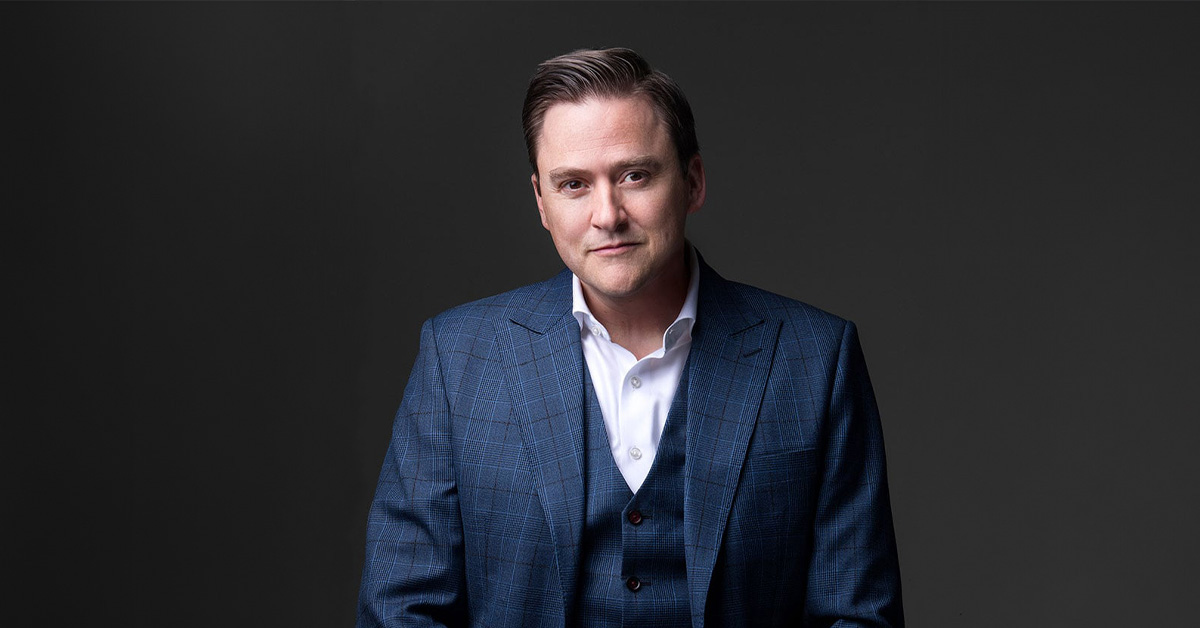
The Disciplined Pursuit of Less | with Greg McKeown


About Episode
Less…but better.
Sounds like an oxymoron, but I promise adopting this mantra can change your life.
Modern technology has changed everything about our lives, and while in some ways it has simplified things, in other ways technology has massively complicated every hour of the day for us. We are no longer human beings, we have simply become extensions of our technology.
Clients expect quicker turnarounds, we are surrounded by endless distractions, we take on more projects than we can handle, and the consequences are being endlessly busy (but less productive), stressed out, and losing the necessary time to think critically about our lives and what we want to accomplish during our short time here on earth.
In this episode I speak with New York Times best-selling author Greg McKeown about his book “Essentialism: The Disciplined Pursuit of Less” and how this simple philosophy can massively change the direction and quality of your life (as it has my own).
As an added bonus, this episode will also teach you how to say ‘No’ and not feel guilty afterwards.
Episode Highlights
- What is essentialism? – The disciplined pursuit of “less but better”
- The root causes of non-essentialism (read: how we got so busy but less productive)
- Bragging about being busy and what that means
- The “busy-ness bubble”
- Do you remember what it was like to be bored?
- The three steps to applying essentialism
- The importance of journaling and making a prioritized list
- Stop saying “yes” and learn the magic word…. NO! Be selective with your time!
- “The key is to figure out what is essential and you utilize that…to negotiate non-essentials”
- How to apply essentialism to the freelance world
- Don’t just edit in the timeline…start editing your life!
- “The perks of being unavailable” and FOMO
- Finding a system for creating space to think and enjoy your creative endeavors
- “Protect the asset” and stop bragging about not getting sleep — it’s just as bad as being drunk at work!
- It’s not about how many hours, it’s about how many GOOD hours (less but better)
- The difference between “ok” and “hell yes!”
- Don’t let others determine your schedule
Useful Links
About Guest
Originally from London, England, Greg McKeown is the author of the New York Times bestseller, “Essentialism: The Disciplined Pursuit of Less” and the founder of THIS, Inc, a company with a mission to inspire millions of people to design their essential mission in life. Their clients include Adobe, Apple, Airbnb, Cisco, Google, Facebook, Pixar, Salesforce.com, Symantec, Twitter, VMware and Yahoo!.
Transcript
Zack Arnold: I’m here today with Greg McKeown, who is the author of the New York Times bestseller Essentialism: The Disciplined Pursuit of less, and for anybody that hears that title and thinks, “Oh God, minimalism and new agey, and I just want to get rid of all my possessions and not have an iPhone and live in the mountains, this conversation has nothing to do with that because essentialism is actually something everybody can do, and I absolutely love this book. It had a huge impact on my life. And Greg, I’m so pleased to have you here today.
Greg McKeown: Thank you very much for having me.
Zack Arnold: So what I want to start with is just unpacking, jumping right into, and understanding what is your idea behind essentialism and what does it mean. Because I want people to understand this is something that anybody can do. It’s not. I’m throwing away my entire life and starting over. So let’s just unpack it.
Greg McKeown: Well, to do that, we ought to at least look at the problem it’s trying to address. the The enemy of our story is non-essentialism, or the idea that we can do it all, that we can fit it all in, and that our life falls into a pattern called the undisciplined pursuit of more. And the challenge with that whole idea is that it’s not just individual behavior these days. It’s not that just somebody happens to fall into this. It’s that the whole of our society has kind of slipped into this approach to life, and so when I ask people all over, you know, whether they find themselves stretched too thin at work or at home, whether they find themselves being busy but not productive, whether they sometimes say yes just to please or avoid trouble. Whether it’s a typical experience to have their agenda hijacked by somebody else’s agenda, you know, people people say yes to all of this. So it’s bigger than individual behavior. It’s a it’s a cultural challenge that we’re that we’re in right now. And the the antidote to that problem is essentialism, or the disciplined pursuit of less but better, and that’s really what the book is about. It’s about three key ways to be able to live and lead as an essentialist. Those three things are to explore what is essential, and to create space to ask that question, to then as gracefully as possible to eliminate the non-essentials, and finally to create a system as effortless as possible to get the most important things done. That is the enemy and the.
Zack Arnold: Well, just the fact that you use the word system means that everybody that listens to my show regularly knows that I could jump off on a tangent for hours. I love systems. I’m all about designing systems in my life that make my life easier and lower energy, and learning how to strip away the things that are non-essential. But I like that you’ve decided to point out what we’re trying to escape from first, because you’ve worked with clients like Adobe, Apple, Cisco, Google, Facebook. Like these are not small little mom and pop shops. These are some of the biggest, most powerful corporations in the world. So, having worked with them, let’s go a little bit deeper into what some of these cultural and societal problems are that we’re all dealing with when it comes to non-essentialism.
Greg McKeown: Let’s give it some deeper history. So I think there’s been three historical waves of non-essentialism, and the first wave can be indicated through examining the history of a single word, the word priority, which came into the English language in the 1400s and it was singular the prior thing the very first thing and it stayed singular for the next 500 years so that means that nobody in the English speaking world in any casual conversation started speaking of the word priorities and the reason they didn’t is because it doesn’t make any sense. You can’t have very very many very you know very first before all other things things. You know this this shift happened as part of the industrial revolution. It was in the 1900s that we pluralized the term, and there’s a there’s something there about about how we started to think about more, and if you can just fit it all in, you can have it all. And that was wave one. Wave two was the post Second World War era, and this is the this was the most societally discombobulating experience in the modern age. And instead of mourning for a year or trying to you know somehow cathartically figure out what had just happened systemically, what we did as a society is we just moved on and we moved on into a Panem era, which is the Latin for the circus and bread. So literally, this was where we started moving into being consumers instead of citizens. It’s where we, you know, suddenly it was about he who dies with the most toys wins, and this is wave two. Wave three is one we’re all witness to. It’s in the last 10 years as we’ve gone from being connected to hyper connected, and in the same period we’ve gone from information overload to opinion overload, and so what I’m trying to illustrate in these three waves of non-essentialism is that the current situation we find ourselves in has deep historical roots. That we we didn’t invent this problem. It’s bigger than you. It’s bigger than me. It’s bigger than just individual behavior. It’s a way of thinking, but it has become so dominant. It’s become normalized, which means you know it’s like fish discover water last. Nobody can even nobody even sees it. So they have a sense that they’re pretty stressed, but they don’t have a sense of how how monopolistic this view is now. This dominant assumption, and and and this isn’t to me. This isn’t depressing. This discussion. This isn’t. This isn’t. Okay. Well, what hope do we have? It’s it’s an awakening, an ability to say that’s why, that’s why everybody is celebrating the busy. That’s why there’s this glorification of the busy that we have right now. I was just talking to somebody else the other day, and how are you? I asked him. I’m so busy, she said. I’m so busy. I said, I just only slept four hours a night for the last two weeks, and she’s yeah, but she’s not. She’s not really complaining to me. She’s she’s boasting to me. It’s like a backdoor brag. And yeah, what I think she was saying, although she didn’t say it, was, oh Greg, I I just think I’m, I think I’m just more important than you. I just think that you know that you’re not in as much demand as I am. You see, this is this is what’s happened. All of these waves have led to what I think now is a busyness bubble, and the busyness bubble, like all of the bubbles before it, have an an overvalued asset. You know whether that’s real estate or Silicon Valley companies in the in the.com bust. Like in each case, you’ve got an overvalued asset, but because it’s a human phenomenon, not you know a technical. A real estate phenomenon. It’s a human phenomenon. It’s just people getting into irrational exuberance. That’s the economics term for it. Irrational exuberance over this overvalued asset, and in this case, in the busyness bubble that we’re in now, it’s the overvalued asset is one that has in fact no inherent value, and it’s busyness. That’s what we’re. That’s what we’re celebrating. Busyness has come to equal importance. Busyness is has unfortunately no value, despite the fact people will outdo each other in signaling how busy they are.
Greg McKeown: There’s there’s no value if I if I work if I walk faster past my boss’s office just to show them I’m so busy. There’s no value in that. If I send you an email at 230 in the morning, there’s no inherent value in that. There’s value in producing the right things. There’s value in in contributing. This is not connected to busyness. So that’s that’s sort of the the big contextual evaluation that I think helps to to make sense of our time and to see it with some perspective.
Zack Arnold: Greg, if you and I were doing an in person interview, I would stop and I would give you a big giant hug right now. My God, this is so in alignment with the way that I see things, and I made the joke numerous times that I was born in the wrong century, because if I were born in the late 1800s after the Civil War and just kind of lived in the woods and didn’t have technology and just did my job and spend time with my family, be so much happier. But once you’ve kind of been awakened to seeing this, because like you said, the fish can’t find water, and most people don’t see this. But once you’ve kind of been awakened to it, and you see it all around you, you’re like, “Oh my God, this is everywhere! Like, how many people now in any industry, but especially in mine, you can’t even have a regular conversation without them checking their phone or reading an email in front of you or checking a text message. Like, it’s rampant everywhere, and it’s like you said. People think that busyness equals productivity, and busyness is actually the antithesis of productivity, in my view. Where the more you’re running in circles and the more you’re burning yourself into the ground, the less that you get done. And I’m assuming you’ve seen a lot of that at these major corporations that you’ve consulted for.
Greg McKeown: Well, yes, absolutely. This is. I mean, it was funny. I was at. I was at Twitter not so very long ago, and somebody there said said, “Oh, they said, Greg, do you remember what it was like to be bored? And I liked that because I liked it because of the irony, because they were the ones that did it to us. But but you know it’s it’s a great it’s a great question for a time in which you know in the past when we were bored, you know if a flight was late or you know have to wait for somebody you just had to be bored you had to sit there maybe if you brought a book with you you’d read or something but you had to think and the the the bottom line reality is I think most people would prefer find it easier to face their phone than they do face their life, and and so and so we have an excuse now not to do any long term thinking. We just check the next email. We just check the next, you know, the next text today, and this becomes-it’s like we’ve outsourced the executive function of our brains to the next interrupt. And I’m not anti-technology. I I believe that technology makes a great servant. It’s just that it makes a poor master. And so, so this idea of just just being dependent in the way that we are, and as many of these organizations I’ve worked with, you know, are is that is that they don’t realize what they’re trading off. When when we when we went to mobility, when we went to social media, there was a sense of what we were gaining, you know, instant connection to people, instant access to information, but we didn’t. We weren’t aware that there was a trade-off being made. We we made a trade-off in freedom. We made a trade-off in long-term thinking. And so this comes kind of all full circle to to okay. Well, therefore, what what can we do about it? And and and there are these three three steps to applying essentialism. Right, what is essential? Eliminate what’s not. Create a system that makes it as effortless to do what matters most. So, what can you do? Here’s a practical thing to create space to figure out what’s essential. Every day, I do it at night, almost every night. I will sit down and I write a journal. I’m grateful for the things the things that are key, and I try to write the things that I think are important that I want to remember and pass down, you know, to generations after me. And after that, sort of, you know, getting attuned to where things are today, I then make a list of the six essentials for the. Typically, try to break those into three personal things and three professional things, and by definition, they’re important things. And then I prioritize them, and then, and I’m only half joking about this, cross off the bottom five, and then you take that top item and you really say, look, that’s I’m working on that until it’s done tomorrow, and then you move on to the next item, and just one at a time. So you have a priority at any given moment that you have a better chance if you do this of being able to come back to focus. You know, to to be able to have a chance of answering in the moment the next day what’s important now, because when I don’t do it, what I find is that my day seems to get away from me. It feels frantic, frenetic, and I just highly recommend to people this very simple practice. You just every day, just do it for the night before, for the next day. Make the list of six, the essential six. You know they’re important, and keep coming back to that prioritized list. This is one practical thing people can do.
Zack Arnold: Yeah, and this is a practice that I took on. It must have been maybe a year or two ago. Was completely life changing, and this I actually teach people how to do this in my online learning program, Optimize Yourself, which helps people to move more at work and become more productive and have more energy and more focus, but this to me is always the game changer. Where when I start losing sight of this, if I’m too busy or things have come up beyond my control, the first thing I say is, “All right. Step one of the system is I have to prioritize what’s important to me during the day. Go to my evening journal, go to my morning journal, and it’s not journaling my deepest thoughts and feelings and desires in a little purple diary with a heart-shaped lock. It’s just here are the things that I want to prioritize for the day, and then people will ask me, “Well, how in the world do you get so much done? You must work like 22 hours a day. And I say, “No, I actually sleep about eight hours a night. How is that possible? It’s because I prioritize and I know what needs to get done versus what should get done versus maybe what has to get done, and when you just respond to everything in the moment and you’re reactionary and say, “Ooh, there’s a voicemail I have to respond to. Ooh, there’s an email that I have to respond to, everything takes on the same priority, and that’s where productivity transforms into busyness just for the sake of being busy.
Greg McKeown: Yeah, exactly. So
Zack Arnold: What I want to introduce people to now is the absolute magic word behind all of essentialism that everybody has heard this word many times in their life, but they don’t know how to use it. So I’m going to read a passage from your book, which is one of my favorite passages that really kind of crystallizes everything, and then I want you to help me go deeper into this. So the the passage is only once you give yourself permission to stop trying to do it all, to stop saying yes to everyone, can you make your highest contribution towards the things that really matter. So, what is the opposite of the word yes?
Greg McKeown: Yes, the word is no.
Zack Arnold: Then that would be the magic word that nobody seems to know how to use anymore that gets us all into trouble. So let’s talk a little bit about that.
Greg McKeown: You know, I remember interviewing somebody for the book Essentialism, and he was award-winning executive. And partially as a result of that, his the company he worked for was purchased by a larger, more bureaucratic firm. He goes into that new company. He’s keen to be a good team player. Start saying yes to everyone and everything without really thinking about it. What happens to the quality of his work? Goes down. What happens to his stress? Goes up. And he almost thinks to quit the company, but then somebody suggests that he retire in role, which loosely meant look at your life through a different lens. Imagine you were only going to be paid for the value you create, and so that meant he was more selective. The result of his experiments, he said, “I got my life back. That meant he was able to eat dinner with his wife uninterrupted each night. He was able to go to the gym again. At work, he found space again on his calendar, and in that space, he found his creative freedom. And in that creative freedom, he found his ability to make a contribution and his highest contribution. So by the end of that year, his performance evaluation had gone up, and he ended that year with one of the largest bonuses of his whole career. That that is the value proposition of essentialism. That if you can become more selective, more thoughtful, eliminate the non-essentials, build the right system, then you can make a higher contribution personally and professionally, what did he learn from this story? Right, that’s important. He learned that you can either do a few things superbly well, or you can do very, very many things averagely well, and that’s just a core trade-off we’re all faced with all of the time. So let me take that story and that lesson and use it to directly answer this question about you know what, why don’t we say no and how can we learn how to do it and so on. I mean the key the key here is that I didn’t write a book called Noism. I wrote a book called Essentialism, and the difference makes all the difference. The key is to figure out what is essential, and you utilize that, leverage that, to negotiate non-essentials. So, for example, even if your boss’s boss calls you up or emails you or catches you in the hall, hey, can you do this thing, this new this project? If you’re an essentialist, meaning if you have thought through your highest value contribution to your boss’s boss in this case, and they ask you to do it, the answer might be something like yes, I’d be very happy to do that, but to do that requires me taking time and resources off this other project that I think maybe the real thing you want me focused on right now, and that’s just a conversation. It’s a negotiation, and it’s a very reasonable conversation to have because you’re not you’re not trying to be unhelpful and you’re not trying to be lazy. You’re simply saying, is this the most valuable use use of me in helping you, and I have somebody who does that with me. Somebody that I’ve contracted with to do some work, and every time I say this, oh hey, can you just help me with this particular thing? And it’s maybe something that’s kind of urgent for me. Always begins yes, but do you want me to take resources out of the big project that we’ve already identified is super valuable to you, and every time I’m telling you, just like every time I just go, oh no, no, you just stay focused on that, because I know that’s actually where the value is, not my momentary, you know, brainstorm on some other thing. So that’s the key. The key to the key to being able to negotiate the no begins and must begin with understanding the biggest and most valuable yes.
Zack Arnold: And I think that that’s something that this audience, every audience needs to hear. This, but I know that in my industry, especially, I see posts on Facebook and social media all the time, like, “Oh, took on a fourth project, and you know, working for the next four months, and oh, it’s great to have work, and I’m I’m terrified of saying no because you never know when the next job is going to come. Because in the corporate world, if you work for the likes of Adobe or Apple or Google, you know that you have pretty much a full time job, and you do have the ability to say, “Well, hey, you’ve asked me to do this. How would you like me to prioritize this? But in the film industry, you don’t work full time unless you work for one of the the corporate editing houses. So, for example, for me, I will take on a project for three or four months, and then you go to another TV show and another TV show. But then somebody comes along, they’re like, “Hey, we’d love you to work on this show, and you’re thinking, “Oh man, like I still have another month left on this one, but then I’m going to be unemployed, so I guess I’m going to have to work two jobs for the next month just because I don’t want to be afraid of not having work. So it’s it’s a very complicated situation in our industry that I face all the time and many other people face all the time. So let’s start helping people understand how to go deeper while saying no and actually figuring out when it makes sense to take something on and prioritize it, when it makes sense to just say nope, I’m sorry, I just can’t do that. It just doesn’t make sense.
Greg McKeown: Well, I mean, first of all, let’s just let’s just look at the the very art of editing. The same tension you just described between saying, well, do I have to do I say yes to both because I don’t know whether I’m going to get the next gig. I mean, this is this is the editor’s world, right? This is where you live. Is you can’t have both. You want if you want to have a great movie, great TV show product, you got to edit. You’ve got to, as Stephen King says, no, have the courage to kill your babies and kill your darlings. In fact, I think is his phrase. Kill your darlings. You know, this is this this is the kind of courage that’s necessary. You don’t just simply say yes to both, even though that’s the temptation. I mean, every trade-off, the the definition and nature of a trade-off is that you want to say yes to both? Do you want more money or do you want more time off work? Yes, you want to say yes to to the whole thing. So if there were no trade-offs, we would say yes to everything. There’d be no reason not to. You can if you can have it all, do it all. The answer to every dilemma would be do both, so I think that I think that this experimentation with essentialism begins in a way where we start to catch ourselves in the trying to do both answer. I can do both. There’s a way to to shove both of these in, and then just to pause and go, okay, if I could only do one, which is it? So that at least we start to prioritize, and and and so so I think that there’s in fact there’s a whole chapter in the book about editing because I think that editors know by their professional experience a lot about the why of saying no and when to say no, and it’s about taking those exact lessons and not thinking about it in that narrow professional way, but thinking about it for the editing of my life, not just the editing of this particular project. Does that make sense?
Zack Arnold: Absolutely, and I’m glad that you brought that up because that’s the whole reason that I tracked you down and hunted you until I got you on the show. I mean, I loved your philosophies, but you had an entire chapter in your book about film editors, and I’m thinking if there’s anybody that gets our mindset and understands it, it is this guy because you described it perfectly. And the realization I had in my brain is that as a film editor, and for all those that are listening that are also film editors, we are so protective of the material that we have, and we are the shepherds of it. We have producers coming in, we have directors, we have executives. Everybody wants to throw all these things at us, and we’re the gatekeeper. And we’re saying, “I’m sorry, guys. I just cannot do all of these things unless you want this project to become complete crap. And sometimes that does happen. But if the editor is able to manage all the personalities, they can protect the asset. They can make sure that the show still works by stripping away all the things that aren’t essential. But the realization I had is, oh, I’m really good at doing that with a TV show, but I’m not doing that with my life. I’m the director. I’m the studio executive that’s being so mean to myself, saying, “Well, you need to do this, and you need to do this and you need to do that and I wasn’t stripping away the essentials. So as soon as I heard the analogy of film editing to managing your day and managing your life, I said, “Oh yes, this is somebody that I totally get and I must get in front of my audience. So I’m glad you brought that up.
Greg McKeown: Yeah, I you know I I think about editing as the invisible art. This is this is a high skill, highly valuable ability. It’s discernment, you know. It’s curating carefully just those things that will be powerful, and it’s and and it’s called the invisible art because people own and only see what remains, but the brilliance is what they don’t see. It’s what never made it. It’s making those good choices. I mean, I mean, I’ll just tell you from. I mean, it’s not not in the film industry, but of course, I’ve spent a lot of time in the writing world, and and oh, the power of a great editor. My editor was terrific. Cut out so much of the things that we could have ended up putting into into the book, and and and I see it every day. Examples of, especially once an author becomes established, especially once they become a best-selling author, pretty much they can get the next thing published. You know, so so even if it’s even if it’s verbose, even if it’s voluminous, even if it really ought to be half the length or a quarter of the length, it will still get published. And I’ve seen perfectly capable, skillful, brilliant minds produce really underwhelming manuscripts and books because you know the undisciplined pursuit of more. They just nobody was was tough enough with them. They they absorbed everything, everything because they they sort of too too scared to say no, I suppose. So that’s true for editing in the publishing world. It’s true for editing in film and in television. But but just think about our lives again. It is it is a thoroughly important set of skills, and for all the same reasons that the editing is necessary, that that we really learn to to make those hard decisions. I mean, the word decision itself comes from the Latin root the cis c i s, which you know is used in words like scissors or CID, which is the alternative Latin root in homicide and fracticide. I mean, this is all to say that the word decision literally means to cut or to kill. I mean that that is an original definition that just speaks directly to the to the art and craft of editing, true in these creative pursuits, true in the creative pursuit of our lives. We have got to be just as willing to eliminate, just as determined to remove things, even good things, in pursuit of our highest contribution, the greatest art form we have the chance to edit is our life itself, and to sort of edit away in the same way as Michelangelo described that you know you know you remember this idea. I saw the angel in the marble and carved until I set him free. This is the idea for our lives as well-to to cut out even the good things, even great things sometimes, in pursuit of a masterpiece that actually matters in in the totality of our lives.
Zack Arnold: And I love that analogy. There’s an analogy that I use all the time that I didn’t come up with. I actually got from an editor friend of mine years and years ago, and it stuck with me. He said that as editors, what we do is we take this giant, gorgeous redwood tree from a redwood forest, and we spend months and months, and we carve it down into a pencil. And you’re thinking, well, redwood trees are gorgeous. Well, you’re creating something else out of it, which, like you said, you know, with a sculpture, that’s kind of what we’re doing. Is we’re removing all the non-essential pieces to create the essential image that we want for this product. And I think that now that we’ve established this idea of the analogy between how an editor thinks about a project and how you think about your life. That to me was transformative. Now, what I want to do is go down into the super micro and the specific because there are terms that I think editors can think. Oh, I know. Of course, I know how to do that with editing. But then you’re thinking, well, how would I apply that to my life? So the first is when you’re talking about if you have too much air in a scene, you have you know too much room, and it just doesn’t seem tight enough. What we’ve done in our lives is we’ve cut out all of the air. So, can you talk a little bit about buffers, margins, and a term that you call the perks of being unavailable?
Greg McKeown: There’s something that’s so normalized now in this non-essentialist culture that this this fear of missing out that we’ve created the acronym, right? It’s FOMO, a fear of missing out. You already alluded to that with this. You know, if you get another gig, you’re going to do both of them. The FOMO is the fear of missing out. It’s a very real phenomenon because we are aware of so many things now. The the what what we have got to discover, what the essentialist starts to discover as they experiment with these ideas is the joy of missing out, or Jomo. That the very act of not doing things can be incredibly valuable. I remember that I was at a conference one time, and they had, I mean, really terrific content. This is just one person after another coming in, well, well prepared. You know, and I eventually felt sort of meeting fatigue, conference fatigue, where it’s just okay. I’ve been in that room so much, and I just secretly I escape, and and I’m like I’m just gonna go to the pool. I just need to be somewhere where I’ve got some space to think and to. I don’t know if I was thinking about it just exactly as deeply as this, but but just to synthesize the ideas and just to just to let it all connect a bit instead of just sitting there another and trying to force another another speech and another set of ideas into my head, and so I go down there. First of all, I am struck by how beautiful it is outside. I mean, here I am at this conference. It’s in this beautiful location, and I haven’t even seen it. I go to the pool, so I’m has a beautiful pool, and just even just that moment, I was like, “Wow, it’s been sitting here this whole time. I wasn’t I wasn’t aware because I wasn’t allowing any space from the schedule that had been given to me, and then what I noticed and this did make me smile was that about 15 of the people at the conference had had the same idea, so they’re all down in the pool and we’re just relaxing for several hours there, but what happened that was a little magical is that people started talking. Barriers between different various cultural barriers was eliminated, and there was this this spontaneous productivity of the very purposes of the conference itself, and it happened because we created space. Because we we actually said, look, it’s really good in there, but we just need a little break from that. And that’s a good example to me of this joy of missing out. There’s joy in putting white space on the calendar. There’s joy in not going to the latest event that somebody’s going to, just so that you can think, and especially in this environment that we’re in right now, there is actual strategic career and life advantage to be had by by just creating buffer in our lives. Maybe you schedule two hours a day of just think time, space that you’re not going to talk to other people. You’re not going to, or at least you’re not going to commit to everything ahead of time. After I have a media day once a once a month, and this is it, this is my this month’s day, and and after my media day, I always have a period of time that’s just nothing. And of course, I will end up doing things with that time, but it’s so good to. Have buffer instead of running right at the edge all the time, which means that we’re going to be stressed out all the time. So yeah, this is the this is the idea I think the to escape the the joy of escaping the joy of missing out.
Zack Arnold: Yeah, and I think that where that applies specifically to people in my industry, or really to anybody that’s trying to improve themselves, and anybody listening to this, I’m assuming they have some interest or desire in improving the quality of their life. It’s so easy with so much infinite information available to start ingesting podcasts, to start watching tutorials, to start listening to personal development books, and you listen, listen, listen, ingest, ingest, ingest, but then you don’t do anything because you haven’t afforded yourself the buffer, like you said, to process the information or to actually do the things that they talk about. So you can say, “Oh, I’ve read all of the great personal development books and I’ve seen all the videos from the personal development speakers. Oh, great! What have you done? Well, I’ve read and watched the videos in the books. Like, but if you don’t implement anything, what difference does it make? And in my industry, you can take all the tutorials on Adobe Premiere or Avid Media Composer or Mocha or like there’s so many different things. It’s like great. Well, do you have a reel of that stuff? Well, no, I’ve learned it, but I haven’t had time to do it because I’ve been learning. It’s like you need the buffer in your life to process the information,
Greg McKeown: Yes, and and there’s as you are alluding to there, the necessity of creating space for the creative work itself is beyond even just a sense of buffer. That’s just creating creative, yeah, creative freedom. I know that when I was writing essentialism, it was funny after after the you know got the contract to write it. I remember one of the first nights after that, I sat up late, and I started feeling that stress of how am I going to do this? And then the double whammy of, and you can’t just do it by forcing it for the next year, you know, you can’t just you can’t write a book on essentialism in a non-essentialist way, where you know you never see your family for a week. Which, by the way, is not is no real laughing matter because quite a few acknowledgement sections of books, the author essentially says just that. Well, you know, thank you to my wife, thank you to my children for you know not having seen me for two years. I mean, these things that I said only half in jest. You can easily get into a situation like this, and that was a level of sort of hypocrisy that I just wanted to avoid if I possibly could, and and so it was out of that. I told my wife, and we we came up with a system. Right, this is consistent with everything we’re talking about. What is essential? Well, getting this book done. That is job one for me professionally for that entire year. Okay, what do we have to eliminate? Well, there’s all sorts of professional things. I just was just decided I’m not going to do them. Really, not easy for me to say no to some of those things. I’d really wanted to do them, but in the end, I realized they were just too costly. You know, so especially they would have been costly for my family. So okay, we’re not going to do that. Another thing I did is I put a bounce back on my email. I mean, literally, I think I had it on there for nine months, and it said it said in monk mode. Look, I’m going to be slower in responding than I would usually like to be because I’m working on a big project and until it’s done, that’s that’s where I’m going to be focused. And I’m sure a couple of people found that irritating in some way, but you can’t do it all. You can’t keep everybody happy. So here, so in the end, the system included. I got up really early in the morning. Still was sleeping. I still do my eight hours of sleep, but I get up really early in the morning, like right until noon, and then I’d be done, you know, pretty well for the whole day. So that meant I was always there for dinner with my children. I was always there when they came home from from school, and and it was it was a successful experience. It was a family friendly experience, and it was a great, you know, compared to what it could have been, a really stress-free creative experience, and and so I think this is this is a living example of what we’re talking about here: to edit in such a way, to create buffer in such a way that you can enjoy the most valuable creative pursuit that you want to that you’re seeking to to give yourself to,
Zack Arnold: And you just brought up the second magic word that I want to hit. Because if anybody’s listening to this, they’re walking away thinking, “I just want a couple of quick takeaways. The first one is the word “no. The second one is the word “sleep. You have an entire chapter dedicated to this called “Protect the asset, and this is one of my giant pet peeves: is the badge of honor that people wear because they’re sleep deprived. And to me, once you step outside of it, it just looks ridiculous. So, talk to me a little bit about the idea of protecting the asset.
Greg McKeown: Well, first of all, the we would never say. That employee, this friend of mine, whoever-they’re so wonderful because they’re just drunk all the time. We’d never say that. They would be-they would be silly. We would be laughable. Oh yes, the way they make the decisions when they’re inebriated-it’s just marvel. And yet, we do sometimes, as you just mentioned, celebrate the idea of pulling an all-nighter, or the the employee who’s getting four hours of sleep, and we do put this sort of Uberman and Superwoman on display. And the reality is that if you get four hours of sleep, you are the same physiologically, psychologically as if you’re drunk, that’s the level of your decision-making capability. And so, in knowledge work like editing, it isn’t just getting a job done. It’s it’s exactly your level of discernment of your ability to to make a selection between two really good things and which one is the most valuable thing. And so, the the idea that over time that sleep deprivation will create the the best editor is is is crazy, and and the research you know supports this massively. That that the top performers, I mean, this is Eric Anderson’s you know terrific research on this. That the number two highest correlated item between good performance and great performance. Like what distinguishes the highest performers in any field is sleep. It’s you know so the highest performers in his original study. This is the one that became famous with Malcolm Gladwell’s book, where he called it the 10,000 hour rule, but the original research, when you go back and read that, as I have, is is about violinists and how the highest performers slept on average maybe 8.6 hours of sleep in every 24 hour period, which is to say they slept there seven seven and a half hours at night, but they also took more naps. And so, what’s that? Why is that the second highest correlated item? It’s because they were able to concentrate differently every hour that they did practice. They were able to give you know it was good hours of practice, and that’s true when we think about you know about editing, about a professional work. It’s not just how many hours you sit in front of the screen and you’re going through it. It’s how many good hours you have, how many hours you’re able to get into the real work itself and show good judgment. And so that’s this is this is the case for it. We we are the only asset through which we can make any other contribution in our lives, and therefore we need to protect that asset. And in fact, this is a good way to sort of tie it all together because our highest priority is to protect our ability to prioritize, that’s really where we begin. So, so certainly that means sleep. There’s other things as well, but it means that we do those things necessary to make sure that our mind is capable of discerning well between lots of good options, so that we can select only those ones that are the most valuable. Yeah,
Zack Arnold: And I’m glad that you went there because that leads right into my next question. It’s almost like you have my agenda in front of you, but I have no agenda, so I know you can’t possibly have it. But anyway, this is the idea of the power of extreme criteria. This was another thing that really hit me hard because I’ve been going through this process of becoming an essentialist, and just I guess it was two or three months ago, I used some of the essentialist philosophies where somebody had asked me to do a speaking gig in New York City, and my first reaction was, “Oh my God, I would love to do that! I’ve never been to New York City. Like they were going to pay for the whole trip. I was going to have a hotel in Manhattan, and then I slowed down and I said, ‘All right, let’s look at this as an essentialist. How does this serve my mission? How does this serve what’s most important to me? How is this going to serve the next week after? Because I know that it’s going to make me miss my weekend. I’m going to miss my kids. If the next week of work is going to be really difficult, I’m going to play catch up. Are all those things worth this trip? And I ultimately said to them, it really pains me to say this, but ultimately I’m going to have to pass for now. This would be a great opportunity, but I can’t do it. But I would love to submit an article or something to to just share my voice with your audience, and a lot of people would be terrified of that, and that their responses. It’s a great idea. We love it. We totally understand. So there is real power in no, but I had to use the power of extreme criteria. So explain to me what this means, so people can really start to figuring out what’s the difference between okay and hell yes.
Greg McKeown: Yes, this is the best way to get into extreme criteria is to think about our closets. They’re over over well. There’s too many too many clothes. Finally, we say, “Okay, I want to. I want to, you know, clean this thing up. And we go in there and we take an item off the shelf. And then, in that moment, something mysterious seems to happen to us as we’re looking at that item of clothing that we’ve taken off the hanger, and we think, “Well, I mean, you know, maybe, maybe it will fit me again, you know. Or maybe, maybe I’ll use that in the future. Might come back into fashion, and and what we’re doing without realizing it is we’re using the world’s broadest criteria. We’re saying, could I ever possibly use this again? Maybe, and the answer to that is yes, almost always yes. So it goes back on the shelf. The alternative approach, the essentialist approach to the closet, is to take that item off the shelf and to say, Do I love it? Do I wear it often? Does it look great on me? You know, we’re asking more selective questions. We’re using selective, more selective criteria, or even go even beyond that. Marie Kondo has suggested we ask the question of that item in the closet: Does it spark joy? And the answer to that question, most of the time, is no. I mean, that’s you’re you’re all the way to the other side. And so, if you ask that of every item in your closet, as I have, what you find is that most of those items don’t make the you know don’t fit up to that criteria. So you get rid of things, you pass things on, but what you’re left with, importantly, is an entire closet of things that spark joy. That really works, right? That works in the literal closet, but it also works in the closet of our lives, where instead of asking like this, this is a question I think we ask the reason or the criteria we use for doing things. Well, someone emailed me; they emailed me to ask me to do it, so now I’m doing it. Like that’s the criteria. That’s that’s like an incredibly broad criteria. They are, so I’m doing it. They email me, they text me, they’re I’m doing it. You can see that the same problem happens. Is that it’s it’s even worse than our closets because people are stuffing clothes into our closet all day long, and in fact, I mean, it’s literally true, isn’t it? That I mean, we can end up with more emails in our inbox that we began the day with, despite sort of trying to take these items out all day. So you can see this is the this is the challenge. The selective criteria, as it applies to the closet of our lives, is to say, is this the very best use of me? And if it’s not, then we question it. It doesn’t mean we doesn’t mean we say no without thinking about it either. You know, back to this idea. I didn’t write a book called Noism. It’s it’s we don’t we don’t suddenly just say no to everyone and everything without thinking about it. But we question it now. We pause now, and we say, “Look, is it the best use of me? Well, maybe not. What would be a better use of me? What what what would happen if I if I didn’t do this and I just created a time rebate of half an hour or an hour or a day or a week? I mean, some of these projects are immensely time consuming, and so and often take far longer than we think they will. This is the importance of selective criteria.
Zack Arnold: Yeah, and this to me goes back. It’s funny that you brought up the idea of the closet. I’m very glad that you did because it’s funny. I actually didn’t read your book at first because I heard about it in a forum about productivity. I’m like, oh, it’s a book about how to clean your closet. Like, yeah, whatever. Like, whoever was that recommended? All they mentioned was the closet thing. I’m like, no, no. I, I’m looking for big picture ideas. I don’t just want to know how to clean out a closet. And then I started reading it. I’m like, oh, it’s a metaphor. Oh, okay. So anyway, so it was. It’s a. It’s an amazing metaphor. But to to go a little bit further on that metaphor, if you are going through your closet, and you suddenly have all these people walking into your room saying, “I’d like to hang this in your closet. I’d like to hang this in your closet. I want to hang this in your closet. How do you solve that? You shut the door. That’s what people can do to their email. And I did an entire podcast about this, a full hour about how to minimize distractions, where people treat email, text messages, everything like you have to address everyone individually, but imagine doing that with your laundry. Oh, look, I have a little spot on this thing, so I’m going to put it in the washing machine. Oh, my this one shirt is starting to smell a little bit. It’s a little ruffled. I’m going to put it in the washing machine. No, you don’t do that because it’s not efficient. You put it all in a basket, and what do you do? You bulk process it. You can do the same thing with email, but now, like you’re saying, with these buffers and these priorities, you can now start to bulk process more of your life because your inbox, whether it’s email or whatever it is, there’s a great quote. You may actually know him, Brendan Burchard, because you guys kind of travel in the same circles. But he’s he’s a personal development coach, and I love the line where he says. Your inbox is just a collection system for other people’s agendas, and that it’s the nail on the head.
Greg McKeown: Yeah, I think on my worst days, I think my tombstone will read he checked email. We just have to to shift from this and to be sure that we are pursuing an agenda that we deep down know is our highest point of contribution. You know, if we don’t do that, then we will become a function of other people’s agenda for us. Other people’s other people’s even worse than that. It’s not just their agenda; it’s just their momentary reflection. I mean, I’ve I’ve had I’ve had people. I mean, some people’s the the distance from a thought to their email is almost zero, and so so they just email us on on a whim. They always forget they’ve emailed us sometimes, and and we’re just suddenly now acting upon that. This is not the way. This is not the right decision making approach if we want to be utilized at our highest contribution, that’s what I’ve learned.
Zack Arnold: Yeah, I couldn’t agree more. And now that I’ve created the analogy that we’re all treating ourselves like dirty laundry, I want to wrap up and be respectful of your time. But I want to make sure that anybody listening, and I hope it’s everybody that was inspired by looking at life in a different way and becoming more of an essentialist. Where can they learn more about you, about your book? How do they jump into this?
Greg McKeown: I just think, I mean, you go to gregmaceuin.com You can sign up for the newsletter there. But I actually just think, really, you know, you start you start with the book. You start, you know, if even if a book seems too much, you start with the first chapter, a sort of an executive summary there anyway, and you just let the idea touch you and and see if it seems relevant to you, and and then maybe you share it with somebody else. And because I’ve learned that becoming an essentialist is not a solo sport, it’s really a collective experience, or or it’s not going to happen. So involve somebody else in it, and just read the chapter with them, and you just let the conversation begin, and then let it continue.
Zack Arnold: Yeah, I think that’s fantastic, and I I will say that I was terrified when I emailed you, thinking I am emailing an essentialist to ask him on my podcast, please don’t get his stock no response, and I didn’t, so I cannot emphasize enough what a great pleasure it was speaking to you today. We are cut from the same cloth of the same mind, and I’m glad that we can share some of these philosophies with my audience.
Episode Credits
This episode was edited by Curtis Fritsch, and the show notes were prepared and published by Jakin Rintelman. Special thanks to Krystle Penhall and Sarah Furie for helping to spread the love!
The original music in the opening and closing of the show is courtesy of Joe Trapanese (who is quite possibly one of the most talented composers on the face of the planet).