Getting 1% Better Every Single Day | with Westley Silvestri, ANW


About Episode
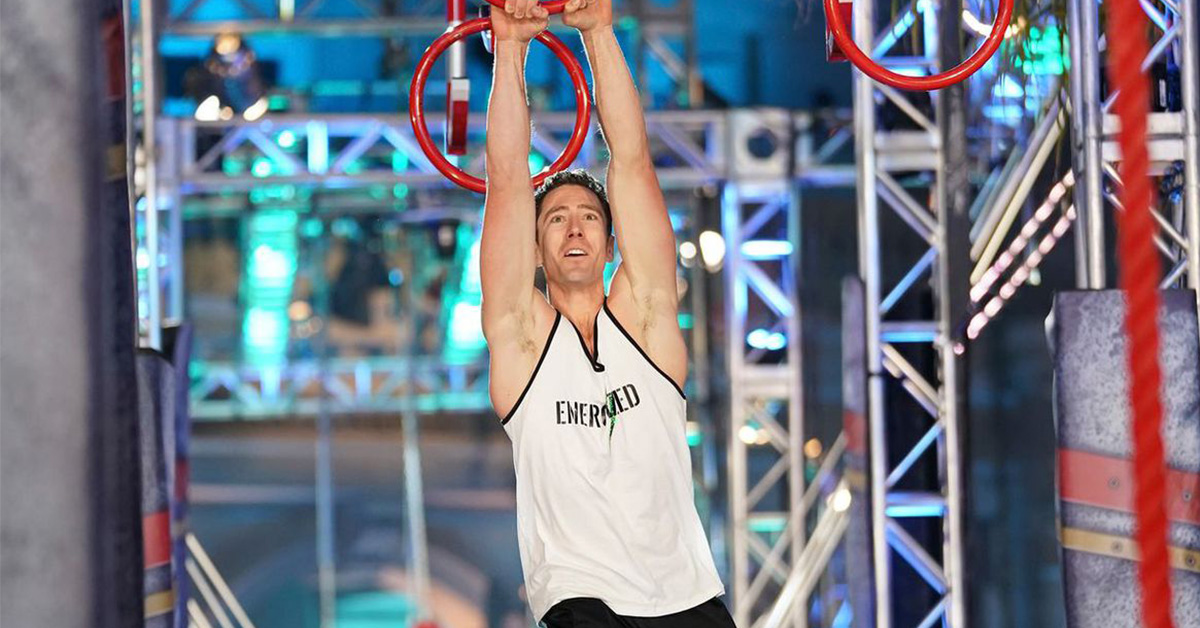
My guest today is Westley Silvestri, a two-time American Ninja Warrior, a highly decorated and award-winning real estate professional, a Spartan Racer, a Tough Mudder, the creator of ‘Ninja Beach’ in Santa Monica, CA, and he’s also a former golfer and stand-up comedian. Using Westley’s own words, he has “Professional ADD” and wants to do everything…but also do it well!
Westley also happens to be one of my primary ninja warrior training partners who has inspired me to push past my abilities and become a stronger and more well-rounded human being. There are few people I’ve met in my life who are more positive, energetic, and encouraging…all while being brutal and relentless all at the same time.
In our conversation today Westley and I focus on what it takes to become 1% better every single day. We talk about the hardship he’s faced in his life including waking up one morning to find his roommate dead, and battling a year of depression because of this. And we dig into the idea of being intentional about progress…because it’s not just about “putting in your 10,000 hours,” it’s about WHAT YOU DO with those 10,000 hours that actually counts.
Episode Highlights
- Finding your way off the hamster wheel of modern life
- You find out who you are when you’re faced with hardship
- Incremental improvement as the true path to change
- Being intentional about progress and getting better instead of “just putting in your 10,000 hours”
- The importance of running your own race
- It’s not about how many hours or days you work, it’s HOW you do those hours and WHAT you accomplish
- Westley’s “try something new every week” philosophy
- If you’re not pushing yourself out of your comfort zone, you won’t grow
About Guest
Westley Silvestri was born Feb. 4, 1986 in Glendale CA. He was the first born son to Jan and Brian Silvestri. His baby brother, Tyler would join the family a couple of years later. They lived quite modestly in several homes the east San Gabriel Valley. By 7th grade, his parents divorced and Wes moved to Glendora with his mom and brother and a couple of years later to Saugus.
After high school, Wes attended COC for one semester and then transferred to New Mexico to seek a degree in Multi Media Communications. At 18 he bought his first home while working full time and carrying 18 units of college courses.
In 2013, Wes and his best friend Ian, wrote a sitcom and were in the process of pitching it to various networks when Ian died suddenly in his sleep. This knocked Wes into a severe depression for a year.
As he emerged from the effects of this tragedy, Wes examined his life goals and earned his CA real estate license. He was honored as the Rookie of the Year at HomeSmart NCG. After only 3 in the business, Wes has closed over $35M in real estate transactions! His aspiration is to become a broker and open the first of it’s kind, Ninja Real Estate Office. Wes admits to a severe case of “Professional ADD,” and wants do everything; but do it well!
Always the adrenaline junkie, Wes is currently in training for Ninja Warrior and enjoys hiking, cliff jumping, snowboarding, surfing, rock climbing, scuba diving, and wake boarding. He has also participated in 25 obstacle course races such as Tough Mudder, Spartan Race, Gladiator Run, and Warrior Dash. Wes loves to catch these and many other life events on film and edit the movies for family and friends.
Wes believes in paying it forward and helping those in need. He is a Sobriety Coach and helps others deal with their alcohol addiction through exercise. In 2015, Wes produced and participated in stand-up comedy events which raised over $55,000 for local charities and people in need. These include New Leash on Life Animal Rescue, Bridge to Home Homeless Shelter, Feed the Children (a local food bank) and financial assistance for a close friend with Stage 3 breast cancer as she goes through chemo and radiation.
Transcript
Zack Arnold: I’m here today with Westley Silvestri, who is a four time Diamond Award winning real estate professional with Home Smart of Valencia. He was named one of Santa Clarita’s 40 most influential people under 40 years old. He is the creator and the host of Ninja Beach every Sunday down at the original Muscle Beach in Santa Monica. He’s a two time contestant on the hit show American Ninja Warrior, and I’m starting to run out of breath, and clearly this is way too much to put on one business card. So, ladies and gentlemen, mr. Westley Silvestri.
Westley Silvestri: Oh, a man of many hats. Thank you.
Zack Arnold: Yes, man, that was that’s one heck of an intro, my friend. So, as my audience knows, I put myself in the ridiculously stupidly uncomfortable position of choosing at 38 years old, being a father of two, and having a dad bod, and sitting in front of a computer all day long to get on the television show American Ninja Warrior. And if you are somebody interested in American Ninja Warrior in the city of Los Angeles, it pretty much doesn’t matter what event you go to, you’re gonna run into a really tall guy named Westley Silvestri.
Westley Silvestri: Yes, you are. I try and be everywhere.
Zack Arnold: You are very, very good at that. I’m all about networking. Is a skill that I’ve really been developing over the years. I have a very socially awkward, introverted nature, but I’ve learned that networking is a skill that you can actually get better at. And I remember, I don’t know exactly what it was, but it was a few months ago. I was over at Tempest Free Running Academy, which is a parkour facility, and most of my audience is like, what the heck is parkour free running? It’s definitely not something that runs in my crowd, so I can send a link to what that is. But basically, I saw you running around doing a bunch of stuff, and I got over my kind of socially awkward, introverted self walked up to you, introduced myself, and within two minutes it was like, hey, jump off of this bar, and then roll under this, and then crawl across this, and like, oh Jesus, what did I get myself into?
Westley Silvestri: Yep, that sounds about right.
Zack Arnold: Yes, so you’re into a lot of different stuff, you wear a lot of different hats, and I will say that you are not the first real estate professional, but you are the second, so I don’t have a lot of those now, but there we’re gonna find out why it is that I have a real estate professional on the show, and I know you’re very high performer, so I apologize that you’re not the first.
Westley Silvestri: Yeah, I’m very competitive, I was coming for that top spot, but you know it’s second is gonna have to do.
Zack Arnold: Yes, exactly. So the first real estate professional was a guy named Jay Papasan, who is also a real estate professional slash New York Times bestselling author of the book, The One Thing, which is a really foundational part of my program. It’s one of my most popular episodes. I will put a link in the show notes to anybody that wants to listen to that, but you are also very high performing individual, and I would love to talk about Ninja Warrior stuff, and hanging off a ropes, and you know, carrying like bars with dumbbells hanging from them, and running down to the beach and back, and all these crazy things you had people do, but what I’m really interested in is how people have the right mindsets and the right vision to overcome obstacles in their life and overcome disabilities to achieve their goals, no matter what. So that’s really where I want to start. So let’s kind of go back to the beginning and hear a little bit about Westley Silvestris’ origin story.
Westley Silvestri: Oh, this is like X-Men, like my, my original, where it all came from.
Zack Arnold: This is where it all started. I want to know how Westley Silvestri became Westley Silvestri with the best alliterative name ever.
Westley Silvestri: Pretty simple, man. I come from really humble beginnings. I come from a very poor family, poor background, and we just didn’t have – we didn’t have a lot growing up, and so we made the best of what we did have. My dad wasn’t around as often as I would like, as a kid growing up, being an older brother, I had to seek.. I just.. I was always born with that leadership quality, like I just take people, and you know, I mean, you’re a prime example of this.. I have this big brother syndrome, where I just want everyone around me to succeed. Now, I had this very simple mantra in life.. it’s. I just try and keep life simple, just be the best you you can be, and that has come around pretty much in the last five years, but from the beginning I felt like I was always led by mis example in life, you know, my mom has an addictive personality, to say the least, my dad has a gambling issue. My family doesn’t come from any means, and so I just.. I’ve always told myself I want to be the first legal millionaire in my family, you know, and I want to just lead by example, not miss example that I was brought up in. Like, I’m not the whole being a real estate professional and being an American engine warrior, all this stuff, I’m not trying to reinvent the wheel, like nothing I’m doing is brand new and groundbreaking. All I want to do in life is just travel down a path and then make that path wider, so that the people who follow can have an easier time than I had coming up, and you know, I’m only 32 now, and I still have so much more. I feel like I’m 10 years behind schedule, realistically, because I’ve – I went the first 20 years of my life just going to school, going to college, finding a job, like doing really nothing, just getting on that gerbil hamster wheel of life, and just spending a lot of energy doing nothing, and now I feel like I’m actually progressing, and like getting all those metaphorical ducks in a row, and they’re finally paying off, you know.
Zack Arnold: Yeah, well, the metaphor of people being on the hamster wheel and spinning and spinning and spinning and being busy and busy and busy and being exhausted all the time and going nowhere is a very common analogy for a lot of the people that come to my program, especially a lot of the people in my industry. I was on that hamster wheel for a long time as well, always kind of running after the next success, but then jumping off the hamster wheel and be like, “Wow, so I’m kind of in the same place, I’ve got a little bit more money, I’ve got better credits, I’m working on bigger projects, but it’s still the same hamster wheel, and I don’t really.. it was like it’s not to say that I’m downplaying my accomplishments, like I’ve been able to accomplish a lot in my industry, and I don’t want to downplay any of that and make people think that I’m taking it for granted, but for me real progress is all about you becoming a better and stronger person, and I don’t mean stronger physically, I mean just, you know, like the best version of you, and I was getting better at specific trades and skills, and getting paid a higher weekly rates, and working on bigger projects in Hollywood, and meeting more important celebrities, but that didn’t necessarily mean I was becoming a better person, and that’s really it, was about four or five years ago that I kind of had that realization and said I want to go down a different path where I’m much more focused on just making myself a better, stronger, more well-rounded human being than just being uber successful in one facet of my life, and to go back to something that you said, and it’s funny, I hadn’t thought about this, but now that you say it, it’s so glaringly obvious, like you definitely have big brother syndrome, but I say that in the best way possible, because the very first time that I approached you, I was kind of worried, like, all right, well, and you were with with Tyler, who’s another guy that’s been on the show before and has been successful on, and I’m like, oh my god, like, I know these guys have been on the show, like, who the hell am I to come up to them? They’re doing vaults and they’re doing flips on the bars and grabbing stuff on walls, like I can’t do any of that. So I was really nervous about coming over there, where it.. I mean, it doesn’t take long to look at me and be like, yeah, you’re a newbie. It’s pretty clear that you’re new to this, and you don’t really know what the hell you’re doing yet. So I’m like, I don’t really know what the response is going to be, but I have to try. I can’t not do it. And, like I said already, within less than two minutes, you just became like teacher man. It’s like, okay, so we’re going to try and get you up the warped wall. And then I did it five times, and I failed. You’re like, no, it’s fine. It’s fine. Just, you know, you switch your feet this way and do this with your arms. Like, there was such a level of encouragement that I can see that’s just the way you’re wired, and you did the same thing the first time I went to Ninja Beach. The funny thing is, I’ve had people that have commented on that video, and first of all, they’re like, ‘Wow, you grab rings, that’s amazing. I’m like, ‘No, you guys don’t get it. Like, for a film editor, I’m in pretty good shape. For a ninja, I’ve got a long ways to go, but what people were saying was, wow, those people are so helpful and so encouraging. That’s a really cool community, which is why I’m doing this. It’s not about I want bigger biceps or stronger lats or whatever, like I need all of those things, but this community of people is so amazing in the camaraderie and the support and the fact that everybody’s competing against themselves rather than competing against other ninjas. That’s the part of this that I’m so drawn to, because that’s really a fundamental part of the program that I teach, is that you have to run your own race and compete against yourself and not always compete against others. And clearly you also subscribe to that philosophy.
Westley Silvestri: Well, absolutely. I actually come from a golfing. Background, and it’s so strange when I say this to people, but Ninja Warrior is so it parallels golf. Okay, it’s not me versus you, and if you look at any other sport out there, if you went to an arena, there’s a good guy and a bad guy, there’s your team and the team that you want to lose, but in the ninja community everybody wants everybody to succeed, and that’s what I’m about. That’s what my whole mantra is. And just like golf, you have one course, and it’s not me versus you, it’s me versus the course, you versus the course, it’s who can beat the course the best, who has trained the most, who has got their mind right, and who will better the course, and that’s the person who ends up ultimately giving the trophy at the end. Not everybody gets a trophy, and that’s what I firmly believe. I don’t think people should just show up and get participation ribbons. This is not how it works. I think you should, you should put the work in, and then ultimately get a reward out of it, and you know, going down to the beach and being helpful, iron sharpens iron, that’s just how it goes. I only want to surround myself with people that want it, and if you notice down to the beach, there’s probably only 1% who actually want everybody else wants to try, but the majority just want to like, yeah, a lot of people want to try, but a lot of people don’t want to put in the energy and the effort, and a lot of people I’ve noticed when we start getting a big crowd around, like, there are times when there are two or 300 people just standing around the course, nobody wants to fail anymore, and I feel like the only way you can learn is if you fail, and side note, I fail, you know, publicly on Ninja Warrior, two seasons in a row, on some, and I’ve each obstacle that I’ve gone out on, I had done the previous show, so season nine I went out on the city finals on the Cannonball Drop, which I had done the night before. Okay, and then this year, season 10, I went out on the spinning balls, the obstacle that I did the night before. So I went in too confident, I wasn’t thinking about the task at hand, and I failed mentally, and that’s just something that I have to get over. But I feel like the only way to succeed is that you fail early,
Zack Arnold: Yeah. And I could not agree with this more. And that’s really the mindset that I got myself in. And I’ve even written about this in several articles. Is this idea that if you really want to succeed at something difficult, if you want to succeed at a goal that’s easy, fine, stay in your comfort zone, that’s cool. You’re probably not going to fail, but if you are going to set a goal that’s really difficult, that really pushes you outside your comfort zone into the realm of extreme discomfort. I’m not a big believer in working through real pain, but I think that most people disguise discomfort for pain and say, “Oh no, this hurts. It’s like, no, you’re just uncomfortable. There’s a big difference. But the real mindset that I had to wrap my head around is when I go to parkour class, or I go to CrossFit, or I go to Dojo Boom, or wherever it is, I better be ready to fail and fall flat on my face at least 80% of the time, and not only that, do it around other people that can do the things that I can’t do yet, and once I, once I accepted that, it became so much easier to just try anything, and it made it fun, so now I’ll fall down or I’ll fail, and I generally have a smile on my face because it’s fun to fail because I know it’s making me better.
Westley Silvestri: Yeah, it truly bugs me when I, when I set up the Ninja Beach course, and the ninjas that we train with, not the 1% they’ll come down and they’ll only work on the things that they’re good at. It’s like, how are you going to progress if all you practice is the things you’re good at, like you have to be adaptable, you have to be good at everything. That’s what ninja is. It’s not just if you notice, it’s not just rock climbers succeeding, it’s not just parkour guys, it’s not just CrossFit guys, like you have to be well versed and well rounded to succeed, and that’s a in life in general, you have to be well-rounded for whatever comes next, you know. That’s why I am a man of many hats. I hate that saying, that a jack of all trades.. it’s like, no, I want to be good at everything.
Zack Arnold: Yeah, and I think that there’s a.. it’s interesting, because I’ve had that conversation many times on the show, not about Ninja Warrior, but just about creative crafts, and there’s a very fine line, I think, when you’re talking about the jack of all trades, where if you spread yourself too thin with too many things, you’re never going to be very good at any of them, because you just kind of dabble, but you don’t commit, but at the same time, if you put in an extreme level of commitment over several things, that does make you war well-rounded, but I think Jack of all trades, at least in my industry, with people that do creative work, they’re too afraid to really jump in and put in the extra time to say, you know what, like, for example, for film editors, I could be somebody that’s really good at avid media composer in the software, or I could be really good at doing visual effects, or I could be really good at working with music, I. Myself said I’m going to be a storyteller, I’m going to learn everything I can about telling great stories, inspiring people, and making them feel things. So, for me, it’s about making them feel something. When it comes to the software, I’m good, I can do my job, and I’m not great at it, but I lean on other people that are better than me. But at the same time, to look at what I do as a podcast or a documentary director or training for American Ninja Warrior, you could say, well, that’s a jack of all trades, you can only do one, but I put the same equal level of commitment and intensity into those things, and it sounds like that’s exactly the way you look at it as well.
Westley Silvestri: Yeah, I actually, I have two main passions in life, and that is fitness and real estate, and so what I like to do is I sandwich them together, so in the morning I’ll wake up early, I’ll train in my garage or at the gym, and then during the day is fully committed to real estate, and then at night back to the gym, so you’re doing two a days all the time, because I, unlike a lot of these other guys, they have the ability to train 24/7 because they either own gyms or their trainers or coaches or whatever, but I, I don’t have a nine to five, I have a when my phone is on, that’s when I’m clocked in, that’s the beauty of, you know, being independent is that you never clock in, the downfall is you never clock out, you know, my, my business is 24/7 so if my phone rings at one of the morning because I have a client that’s on the other side of the world, yet I have to answer that, because I don’t want to be one of those people who isn’t there for my, my business, so that does make it hard. I don’t know if you’ve seen this or not, but even when I’m down at the beach or at Tempest, if my phone goes off, I’m sprinting over there, because I value every client’s time, which I don’t think a lot of other agents do that, like when they.. it frustrates me to no end when I’m out showing houses or whatnot, and I call and the other agent on the other side doesn’t pick up the phone. It’s like, how are you representing your client to the best of your ability if you don’t even want to answer the phone? It drives me insane.
Zack Arnold: Well, at least if you’re sprinting to your phone, you’re getting some conditioning in, so that’s that’s one way, right? You can get some of the cardio in there while you’re on the phone. So, where I want to go now, it’s going to be a little bit deeper, could be a little bit more uncomfortable. But one thing that I want to talk about is kind of a pretty transformational moment that you had in your life that I think was it doesn’t sound like you’ve needed too much spark of inspiration, and you’re pretty much wired as somebody that’s really a high performer, a high achiever, and but there was a pretty dark moment in your life that kind of turned things for you both first backwards then forward. So, do you mind going a little bit into that moment?
Westley Silvestri: Yeah, absolutely. I, to start off, I have learned that you really find out who you are when you’re faced with utter hardship, like when you have, when there’s nowhere to go, and you only have yourself to rely on. That’s when you find out who you are. And my moment was about six years ago, seven years ago, I walked in and found my best friend, and my roommate died. He died in his sleep of cardiomyopathy, and it was a brutal day. He was only 34 years old, and I.. it was just one of those where it was this wake-up call. It was, you could, I could literally be gone at any moment, which after I found him, and he was a healthy guy, this was the thing. This is what launched me into this whole ninja warrior and fitness lifestyle, is that I’ve always been in shape, but I’ve never really cared about it, you know? I just did it because, oh, you should lift weights, that’s what you should do, right? But he was, he was a drinker and a smoker, and one day he just woke up, and he was like, you know what, I’m gonna go totally sober, I’m gonna try and turn my life around, because I don’t see myself progressing, and he wrote it down on the calendar, and this is the thing, too, if you have goals, write them down, because a goal that’s written down becomes a deadline, and so his goal was to run the LA marathon. Side note, I am not a runner, like I may look like a runner, but it’s all false advertising, I have no cardio in me. Okay, and so with him on his 100th day of sobriety, he was set to run the LA marathon. Well, tragically, he passed away before then. On the build up to that, he would train every morning, he’d wake up, he’d go for a three to five to 10 mile run, and also in the process, he would sign up for mud runs or obstacle course races. He signed up for a Spartan race, which was two weeks after he passed. I had never done one before in my life, and to be honest, didn’t even know what the hell it was. A bunch of people running in mud sounded like some third world event, but after he passed, I went through this deep depression, which was for those first three weeks, and then one day I was just like, you know what, I’m just to hell with it, I’m going to take his number, I’m. Put it on my back, and I’m gonna go run the race for him, and that’s exactly what I did. So, when I got there, I was surrounded by 5000 sober, energized people who just wanted to be a part of something together that was to better themselves. That’s exactly what it was. So, I ran the Spartan race out here in Castaic, and what I didn’t know is that he had signed up with a group, and the group itself had signed up for the 5k and of course him being the maniac that he was signed up for the 10k and I don’t know if you’ve done a Spartan race before, but it’s a six mile workout, like you just keep it’s relentless. Okay, and people are paying hundreds of dollars to do this, which only in America do you have to pay $100 to run in mud, when other countries just call that Wednesday, you know. And so, as I’m out there, I hit the first mud pit, and I see one of the other people, and they go, they see his last name on my back, knowing that, you know, my name is not long, and they go, they go, you know, we’re really, we’re really proud of you for doing what you’re doing. And then I instantly start crying, but thank God I was covered in mud, so you couldn’t see it. I try and keep a tough exterior, but there’s a few moments when I’ve cracked in life, and that was one of them. So I’m halfway through this thing I’m running through, I’m muddy, crying, I’m a little bloody. There’s like barbed wire that you got to go under, and this is my first event doing this, so I’m not good at these things that these obstacles are set ahead of me. And all of a sudden, as I’m coming towards the finish line, to anyone that has done one of these, is they present you with a metal, like a little finisher’s medal, and I close my eyes, they hand me the medal, and I look up to the heavens, and I was just like, we did it, man, we did it. And this is the craziest thing. As soon as I looked down, the person had handed me two medals. Why would they do that? Isn’t that that was just the strangest thing to me ever? It’s like I had one for me, I had one for him, and then I went back. I told my wife, she started crying, and I was like, yeah, this is a, this is the community I need to be a part of, and this is, this is what I need to do. I need to motivate and inspire others, and that’s the example that I just wanted to give. And ever since that day, I’ve since ran 25 Tough Mudders, the 13 Spartans, a whole bunch of others, and I’ve thrown myself into this, into this lifestyle, which I mean, actually, I only I have the two passions, like I said, I have real estate and fitness, and if I can just merge those two together, all is good, like I don’t want to be any other real estate agent, I don’t want to be that cheesy, sleazy salesman. I just want to be there to help people, and that’s basically it in a nutshell, you know.
Zack Arnold: Well, I can relate to a lot of that. I’m working on my second Spartan trifecta. I did one a few years ago, and I’m working on my next one this year, so I’ve got left to knock off as the beast in October, and the beast is always the one that scares me, because I hate running too. You think you are not made for running, and you hate it? I could beat you by 10. I hate running, and I’m horrible at it. And you can get away with not having a whole lot of cardio and running to do the sprint and the super. The beast, you just kind of have to, you got to put in the miles, and you have to train for that end of it, so, but that’s an aside. I don’t want to go too deep down that road, but I think what’s so important to point out, like you said, is you didn’t really know what this was, and you’re doing it to honor your friend, but then you get there and you’re thinking, why are people paying money to do this? Like, what are you all doing right? Like, my sister got me into a Tough Mudder. I think my journey started, it was like five six years ago. I don’t remember anymore. It all kind of blends together, but I just had my first child. I had had my son, and just that first year was a really ugly year, just for me in general, between transitioning to be a father and never sleeping, and I hadn’t really landed my, like, you know, the big career break. I hadn’t worked on burn notice yet, so I was still unemployed, wasn’t able to find a whole lot of work, having a lot of trouble. It was right after the market had crashed, and we owned a home that we bought at the height of the market, so we went from having, you know, like a ton of equity in the house to be underwater in like three months, and that’s something you know the world you obviously know something about. It was a really, really stressful time. My sister called me, she lives in Wisconsin. She said I just did this thing called a Tough Mudder. I’m like, what is that? It’s like, oh, it was like 10 miles, and you know, running through a bunch of mud, and there was barbed wire, there’s even electric wires, like I got shocked by electricity. I’m like, what is wrong with you? She’s like, you have to try it. I’m like, seriously, you have to come out and you have to run one of these with me. Like, all right, I’ll look into it. And then I saw it. I’m like, okay, like I can kind of see this fitting my personality. I’m not.. I don’t, yeah, maybe. All right, whatever. I’ll try it. I’ll do it for her. I’ll do.. It for my sister, I need a reason to get in shape, so that was my motivation to do px, which started a whole another giant snowball rolling down a mountain that I won’t go into, but I did the first one, and when I got done with that, I was so sore, so out of shape, but it was something about it where I’ll never forget that I thought right at the very end, oh my god, I’m never doing one of these again. And then the next morning I woke up, and I’m like, I still want to do another one of those. That was awesome, and I haven’t done like 30 or 40 like you have, but I think I’ve done 10 or 15 of them since then, and I was super, super inspired to learn more about the mindset behind this, so I actually did a podcast interview with Joe Desenna, who’s the creator and founder of the Spartan race, and I’m also a big fan of his books as well, and to the reason I’m kind of going on and about this is this concept that he calls obstacle immunity, this is why people pay good money to live like they’re in third world countries and crawl under tunnels and crawl through barbed wire because of the obstacle immunity that it develops, which I think also applies to Ninja Warrior, which is why it’s so cool to have you here because you are in both of those worlds. So, talk to me a little bit about what you’ve seen in your life, given some of the things you’ve been through, and how this has kind of hardened your ability to deal with obstacles and overcome them.
Westley Silvestri: Well, I have. Here’s another thing that I do, too, is that I do obstacle course training with people who are going through sobriety. So, I have two friends who, you know, after my roommate had passed, they’ve come up to me, because I don’t drink, I don’t smoke, I don’t, I don’t party, really. I mean, this is really all I do. And they come up to me and they say this. I said, what? How do you not drink? I said, it’s pretty simple. I just don’t drink. They’re like, no, I’m really struggling with it. And so I’ll make them this pack. I say, I will pay for your entry for a Tough Martyr or Spartan, whatever it is that comes first on your 100th day of sobriety, as long as you remain sober. It’s pretty simple. And so, two primary examples of this, I have these two guys who have never stepped foot in a gym ever, like they’re not overweight, but let’s just say they’re not really athletic, and one of them is Nick, and one of them is Brandon, and so Nick, he sits there and he goes, “All right, challenge accepted. So I shake his hand, I said, “Alright, I’ll see you in 100 days. And so, lo and behold, on day 90 something, he goes, “I’m doing it, I’m still sober, and I’m going to do the Tough Mudder. And so we signed up for the one down in Temecula. Have you done that one, by the way?
Zack Arnold: Oh, yes, I’ve done that one a couple of times, the event itself is great. Parking and getting to it, don’t get me started. That’s a whole..
Westley Silvestri: Here’s the deal. Not only is the Tough Mudder like 10 or 12 miles, but then you got to walk another mile or two too hard. That’s the hardest part of the whole thing.
Zack Arnold: It’s the worst. But hey, we could.. I could do an entire hour-long podcast running this Tough Mudder business versus running the Spartan business, and who’s more organized? I won’t go down that road, so yeah, but you’re, you’re obviously, you’re telling a much better story. But yes, I’ve done the one at Temecula before.
Westley Silvestri: Yeah, so I sign him up for that, and we get down there, and he walks into it with just deer in the headlight eyes, like he is just like, oh, I’m in over my head here, and he’s never done this, and so I sat there, and my little motivational pep talk to him. It’s, it’s pretty simple. It’s, listen, man, this is going to be 12 miles of hell. If you can get through this, you can get through anything else in life. Are you ready to go? He said, yeah. And he, to his credit, got through every single obstacle, and if he failed, he went back and tried again, like the funky monkey, which is, if you know, it’s monkey bars to this circle ring, and it’s all over water, and he failed, I think, three or four times in a row, but was relentless in his pursuit to just complete it, and so at one point, I think it was like his fifth time, he got up there and crushed it, made it all the way through, and I was so proud of him, and he got through all 12 miles, crossed the finish line, and he still holds that headband, you know, in his room, and it’s something he looks, he, you know, being a, an AA in the 12 step program, you get these chips every, what is it, every 30 days, 90 days, something like that, and he has now placed these chips on his headband, so it’s all, it’s like all encompassing, like he just, he’s so proud of it, and that’s something that really I hold dear. It’s like I was there to be a part of his journey, and that’s what I really love about that.
Zack Arnold: And have you, have you stayed in contact with him? And has he done more racist sense?
Westley Silvestri: He has not done any racist sense, but he is now going on. This will be his third year of sobriety, so I’m super proud of him, and he’s just not turning back, and his life did totally turn him around, like he used to be a child actor way back in the day, and then when he went to college and went down that drinking beer pong lifestyle and kind of gave up on his pursuit, and then came to me and said, “Hey, I want to get back into it, and then after doing the Tough Mudder and after. And sober for a year, he got his big break, and he’s now one of the stars in one of the Vegas shows. I’m sure, if you’ve heard of Love The Circular Show, yeah, he’s a part of that, which I’m super proud of him for. It’s crazy, so not only is he sober, but he’s sober in Vegas, of all places,
Zack Arnold: Yeah,
Westley Silvestri: Devil Playground,
Zack Arnold: Yeah, that’s that’s a pretty tough, uncomfortable spot to put yourself in if you’re trying to stay sober. I can see that for sure.
Westley Silvestri: Yeah,
Zack Arnold: Well, I mean, the saying that they have at the Spartan race, and it’s something that it’s – you can explain it to people, but they don’t understand it until they’ve actually done it. But it’s that you’ll know at the finish line, and you’re gonna know what. What do I know at the finish line? Like, what does that mean? But it’s so.. I do something very similar that you do as well, where I will lead groups in these Spartan races for beginners that have never done it before, and they’re just terrified. Like, well, we’ll train on the weekends, and I’ll take them out to, you know, Calabasas track, or take them into the mountains, or whatever, we’ll do some burpees and do some lunges, and, like, oh yeah, no, this is tough, but I’m, I can do this, I’m ready. And then we show up, and you just, you, their faces go white, like, oh my god, like, I don’t think I can do this, like, no, trust me, you can do this. And then I mentioned the whole, you know, you’ll know what the finish line, they’re like, all right, okay. And then they cross the finish line, and they’re their entire demeanor. There’s just something about them that’s different, and they’re like, “Wow, I did that. I totally did that. I cannot believe that I completed that. And to me, it has nothing to do with the accomplishment of the race. It has to do with how rewiring your brain in that way then applies to every other facet of your life, which is what we’re talking about, is building this well-rounded person.
Westley Silvestri: Yeah, absolutely. The, you know, in Tough Mudder, right before the starting line, they get everyone together after the stretching, and their little motivational coach says this one question, and it has stuck with me ever since. It says he goes, ‘When is the last time you did something for the first time, okay. Now, with that, I feel like we all, for the most part, do the same thing every week, right? So, it is now my goal, and I ever since I did my first one, I’ve put this into my life. I try and do something new at least once a week, something I’ve never done before, or if I can’t travel, and you know, just time doesn’t allow it. If I’m doing, if I’m going to the same places like Tempest, my goal is to do something new at that same location that I’ve been at. So, if you ever notice or training with me, I’ll push myself to do something brand new, you know, like recently we went to Dojo Boom together, right? Okay, and if you notice those plexiglass shelves that are on the right side. Yes, everyone, everyone goes down on one way. My goal was to do it backwards, like I’ve never done that before. It’s trying to see if I can push myself to do the whole course backwards. And mission accomplished, I did. So it’s just taking that and adding it into the arsenal. Just got to do something new, got to do something new, got to grow myself, that’s just mentally, physically, emotionally, whatever it is I have to do, I have to just better myself each day, each week, and just trying to get that 1% better.
Zack Arnold: Yeah, and it’s all about that idea of running your own race, like exactly saying hold on a second, I’m at the Tough Mudder, and I’ve never done this before, but come on, those guys are getting through this obstacle the first time, and it seems easy for them, and they’re not even tired, and I’m dying, like, oh my god, I just.. I suck. Like, this is.. this is the worst, and I’m so much worse at this than everybody else, and I just don’t belong here, right? This isn’t for me. But if you look at it as well, here’s my baseline. This is how well I did this time. That’s fine. I’m okay with that. I accept it, but the next time I run the race, I’m going to have to be at least 1% better, right? That’s always the way that I’m.. it doesn’t matter what I’m doing, it doesn’t matter if I’m doing things with my kids or whatever. It’s like, how do I just get a little bit better at whatever this thing is? And an example for me that was just like this.. this image is really, really burned in my brain. For anybody that has never done a Spartan race, this might be a tough analogy, but for you, you’re going to know exactly what I’m talking about. You know, the multi-rig in the Spartan race,
Westley Silvestri: Yes.
Zack Arnold: So that’s the one that starts with where it basically has the, the like, the rings that you can swing on. So anybody that’s seen a ring swing, it’s pretty easy to think about that. And then they have a few kind of thin ropes with knots in them, and then they have like this long bar, they change it up a lot, but essentially it’s as close as you get to a ninja warrior style obstacle, because most of the ones at Spartan aren’t completely conducive to ninja warrior stuff, but this one is, and the first time I tried it, I grabbed the first ring and I went to swing, and I fell off because I didn’t have enough strength to even hold myself, wow, so that’s my baseline, I kind of suck at this, and I had zero grip strength, I had nothing, like I couldn’t even hold myself on it, and when I tried it again, even when I grabbed it with both hands with everything I had, I couldn’t swing over and hold. On long enough to grab the other one, so I couldn’t do one ring on the multi rig, so that was my baseline. And it’s not to say that I’m great at any of the ninja stuff we’re doing now, but I’m having far surpassed my ability to grab one ring. And in the last Spartan race, I flew through the entire multi rig, and I got done with it, and I’m like, wait a second, that wasn’t even hard. How is that possible? It was because of this mentality of, well, I’m going to wake up and I’m going to go to the gym today, and I’m going to do this exercise and that exercise, and I know it’s going to make my grip strength it’s a tiny bit better. But then six months later, I went from I couldn’t grab the multi rig to I ran through the whole thing, and it wasn’t even a challenge, and I’m trying to teach people that you can apply that to anything in your life,
Westley Silvestri: Exactly. I take that same mental mentality into business, like people are always talking about growth, and if you look at restaurants or any finance or anything, people are always talking about, oh, we got it, we got to hit these numbers, we got to hit our fourth quarter numbers, we got to grow in this, that and the other thing, well, I’m not looking to double my production, I’m simply looking to get 1% better. It’s just keep progressing, because I know there’s going to be setbacks, I know there’s going to be rough times, but it’s just, how did I get better today? Like every deal we, we do is its own, you know, bundle of chaos, like there’s no easy deal. And if you watch TV, people make it look so easy. Okay, that is not like the showing the fancy stuff, and the and the shiny products, the nice houses, the nice kitchens. Like that’s all fun, but it’s the paperwork, it’s the grind that people don’t see. And if anyone says, “Oh, you make it look so easy, okay, that’s because you would not see me fail behind closed doors over and over and over, and that’s what the multi rig is, that’s what Ninja Warrior is, that’s what business is, that’s what life is in general. It’s just trying to get better every day, trying to better yourself as an individual, trying to better yourself with the team around you, and that’s why I like surrounding myself like guys like you, like guys like Tony Horton and Tyler, who you talked about earlier. It’s just surround yourself with those who want it, who just want to be as successful as you in whatever field it is. Like, Tyler wants to be a rapper, okay? Be a be the best rapper out there. Like, if you want to be the best podcaster out there, be the best podcaster out there. All I want is this positive vibe, and I don’t want to sound like a total Californian, but you know, you can’t put off positive and negative vibes, and that’s all I want to do, is just when people come out and hang out with me, I just want to be that positive ray of light in people’s life, you know.
Zack Arnold: Yeah, I think that that’s so important. The other thing that I kind of want to touch on a little bit more with this idea of the 1% better is this concept of the 10,000 hours.
Westley Silvestri: Oh yeah,
Zack Arnold: So if we’re talking about I want to get better at anything or master it, so it’s not just about getting better, I’m going to master this craft of playing the violin or becoming a film editor or becoming a writer or becoming American Ninja Warrior. The concept was popularized by Malcolm Gladwell, in his book, The Outliers, but there’s been a lot of backlash, and I think that there have to be numerous asterisks added on to the 10,000 hours, and you can talk about this as well, but the one thing that I always tell people, when, like, for example, in my industry, people say, “Well, I have 30 years of experience editing that, yeah, but I have 10,000 hours typing, that doesn’t mean that I am an expert typer, and I can type 100 words a minute. I type at about the same level that I did a decade ago, because I’m not focused on getting better. I just repeat the same behavior over and over and over. Same applies to driving. I drive 10,000 hours, I’m no better than I was when I was 20, probably a little bit safer, and whatever, but I can’t drive Nascar because I put in 10,000 hours in my car, so it’s not just about experience, and clearly you’re emphatic about this as well.
Westley Silvestri: Yes. Oh, it drives me insane. Like, I gotta tell you, it’s this – is I’m only going on my fourth year of real estate, and you know, not trying to toot my own horn or anything, but we’ve closed over almost $40 million in transactions, and when I work, there’s always two sides of the transaction: there’s buyer side and seller side, correct. And with that, if I’m on the other side of one of those agents that just says, you know, I’ve been in the business for 30 years, as soon as they say that, I instantly look up their numbers and see how productive they’ve been. Okay, and when they’re sitting there closing two and three deals a year. Well, what good has it done for what have you been doing the last 30 years? You know, and I’m not, you know, sitting here trying to put myself up on a pedestal or anything, but I enjoy working with other top agents who are doing 20 plus deals a year, like they just, you know, that they’re going to get the job done, as opposed to doing it leisurely, like, you know, what, I’ll get to it when I get to it, you know, because I come from a restaurant background, I used to bartend. Okay, so if you came into the bar and said, “Hey, can I get a slice of lemon? Well, guess what, you don’t want that lemon in three days, you want it right now. And so that’s what I strive to do, it’s beyond top of my game at all. All at any hour of the day, at all times, you know, and that’s why I live this in my little hashtag energized agent, is that I want you to never see me tired, you know, I want to always be at my best at all times, you know, if I’m going to fail, I’m going to fail, I’m going to fail forward, is ultimately what I like to say is, is there’s no such thing as failing, you just learn from it, you know.
Zack Arnold: Yep. And I think to myself, I want to fail forward, and I also want to fail spectacularly. Oh yeah, you know, if I’m gonna, if I’m gonna swing from one bar to the next, obviously I don’t want to like injure myself, but at the same time you have to get over that, that kind of that button in your brain that’s like, no, you’re gonna hurt yourself, can’t do it. Like, no, I’m going to push myself to the point where I’m there’s a small chance I might hurt myself, but if I miss this bar, as I’m listening from one end to the other, I’m going to fail spectacularly, and my face is just going to hit the floor, just like flat against the mat, right? Like, they have safety precautions, so I know I’m not going to smash my face, but if I’m going to fail, I’m gonna fail spectacularly, right. And that’s one of the things that I love about one of the things that you had a large part in doing, and I know that I may have facilitated it, but I don’t think I could have created the fact that you and I are now spending our Sunday mornings training for Ninja Warrior in Tony Horton’s backyard.
Westley Silvestri: Insane,
Zack Arnold: So I’ve known him for years, but I think it was the impetus of sending the work that you’ve done with Ninja Beach was like, oh, okay, this, there’s some synergy here, so there’s, there’s a lot, a lot of reasons that that came together, but that’s a whole new level of spectacular failure for me, like walking in there is like, oh my god, am I out of my element here? Like, there’s former Olympic gymnasts in this group that are doing pike presses after three hours of working out, and I’m like, I don’t know how to get to the top of the peg board. How do you guys do that? Like, it’s.. it’s a whole nother level of failure. But I will say this, and I mean this as a compliment, I’m sure you’re gonna be like, wait, what do you mean, but one thing that’s been very heartening for me is going and watching you struggle, like that’s made me feel so much better, like, oh, he’s human, this is hard for him, like that made me feel better,
Westley Silvestri: You know what I do, I used to do what I like to call a frustration workout once a month, but ever since going down, and thank you to you genuinely for getting me down there, but it has become my once a week thing, like I am not good at a lot of things. Okay, and way back when, my, like, my first year of Ninja Warrior, I was not good. I would, I hate to say it, but you know, compare you, it’s human nature to compare yourself to others, which I really try not to, but when you’re in a small town, people think, oh, you’re good, but you know, on a larger scale, you realize how much work you really need to put into it, and going over to Tony Horton’s, I mean, you look at guys who were 23 years old to 62 years old, okay. And what I love about going over there is that no one’s good at everything, okay. We like to call it top of the mountain, bottom of the well, because when we’re doing these, the workout every Sunday morning breaks down to about 20 different things.
Zack Arnold: Yeah, just just 20 different exercises. This basically push-pull routine, where you alternate pushing and you alternate pulling, but it’s not like, hey, let’s do five pull-ups and then let’s do 10 push-ups, like every one of these is ridiculously hard, and every set is to failure, everyone,
Westley Silvestri: Everyone, and so with that, I, you know, you go from pegboard or the ninja rig, which I can, you know, crush, which I feel really good about, but then the very next obstacle is handstand press, and I currently can’t do one, can’t do a single one, and I look at these guys who are over 60 years old, and they’re knocking out 10 in a row, strict, like they look like they’re in slow motion, live, and I just, my, my, my jaw is just dropped for these guys who would just crush it, and that’s just it. It’s I like to put myself in uncomfortable situations where I have to get better, and I like to find my weakness, pinpoint it, and then just each week progressively get better and better and better, and so I’m addicted to going over there now. So, not only are we doing Ninja Beach, but I’m going over to Tony’s in the morning, Sunday morning, and then with the truck loaded and headed straight to Ninja Beach afterwards. You know,
Zack Arnold: Yeah, your Sundays are ridiculous. Like, at best, I’m going to be alternating week to week, but my body is just not physically capable of doing both of those, and then functioning the next day, because for me the biggest struggle is not the workout, because it’s, I mean, it’s an incredibly difficult physical workout, but when you’re in that group, like the energy is just there, and you push through, and you feel great. It’s the Monday after that I’m really struggling with right now. Like the Monday after is just a very, very ugly thing. It’s just not a good thing.
Westley Silvestri: Foam rollers and water, that’s what it’s all about.
Zack Arnold: I did foam rolling for an hour and a half last night, and it’s the foam roller and the lacrosse ball, and I’ve got those. They’re my best friends, like I worked out with my trainer this morning before coming here, it was an hour with foam rollers and lacrosse balls. He’s like, ‘Dude, you shouldn’t even be doing pull-ups right now. Like, let’s just get in and dig out all this crap that’s in your arms and your shoulders and your forearms. And it was just an hour of that, like breaking into a sweat just on the ground, but focusing on recovery. But
Westley Silvestri: Sounds brutal.
Zack Arnold: Yeah, I mean, it really was like he was digging his knuckles into my bicep tendon and behind the scapula, like it was basically think of the worst deep tissue massage ever times five.
Westley Silvestri: Okay, I got one for you. So, my wife is, you know, she’s 100 plus pounds or whatever, and she’s got these little tiny fingers, and so I’ll come home on Sundays and she’ll just dig into my chicken, wait, you know, you put your arm behind you and your shoulder blade pops out, she’ll get all those, all those knots in there, and she won’t even be pushing, and I will be in tears, just my god, she’s just, she just sits there and says, “Shut up, let me work this out, it’s like she’s breaking me every single night, so
Zack Arnold: Yeah, yeah, but the reason that I bring that up, though, is that something that I, what I’ve found to kind of be like one of my unique strengths is my ability to take something very difficult that just looks like it can’t be done, whether it’s as a film editor for 20 years, taking 100 hours of footage and turning it into 90 minutes or something, or just taking any goal and breaking it down into its individual parts, so people are like, “Oh, this seemed impossible, but now I see it, now I get it. What the reason that I chose to go after American Ninja Warrior was to force myself into the extreme discomfort zone with something that most people would say, “Well, really, I mean, that’s that’s kind of a stretch, like you’re a little old and you’ve got kids and you’re not really in that kind of shape. I’m like, but no, this is going to help me hone and perfect my skills to break down something really not impossible but pretty close to it, and figure out what are the little tiny action steps that I take every single day that get me 1% closer, and for me the biggest action step has always been mobility. So, when I talk about how to take this giant macro goal and break it down to micro goals, I don’t wake up in the morning saying I’m going to be on American Ninja Warrior. I wake up in the morning and say, well, I’ve got to put a lacrosse ball in my left hip flexor for 10 minutes, like that’s that’s the way that I look at the goal, or I need to show up at Tony Horton’s, and last week I did 30 seconds of the handstand, and we’re just holding it at the end. The week before I did 17 seconds. Well, this week I’ve got to do 31 seconds. That’s it.
Westley Silvestri: There you go. You got to eat the elephant one bite at a time.
Zack Arnold: That’s right. So that’s really what I want to inspire people to do, is realize that it’s not just about putting in the hours, it’s not saying, “Hey, I work 60 hours a week, well, I don’t care, I work 40 hours a week, and who do you think is getting more done? It’s about what you’re doing, how you’re doing it, and really focusing on improving every little thing, not just about, you know, putting the hours, so to speak, and you know, really focusing on how you’re doing, as opposed to comparing yourself to others.
Westley Silvestri: I want to tell you this before I really have a feeling you’re going to get on the show this year is coming up, but I will say this is that running the course is the easiest part of the show. So, please always remember that.
Zack Arnold: Yes, and that’s what I tell people about the Spartan races that I train with, is I’m like, listen, my goal is for you to have fun on race day. Training is gonna suck. You hate me during training. So, what I always say to them is, hate me today, love me tomorrow. We go to the race, they’re like, my god, the race was, it was so much easier than I thought. I’m like, see, you’re smiling, you’re enjoying it, but it’s because of the time that you put in, so for me, I’m not actually worried about, well, am I going to be able to get on the course, like, what is it, maybe three minutes at best, like it’s so, it’s that’s really what’s more interesting to me than anything else, is I have to learn and teach myself to embrace the process and embrace the discomfort, that’s the part that so many people miss with any huge goal, like for example, in my industry it’s, oh, well, ultimately, I, you know, I want to edit feature films that I want to win an Oscar, that’s pretty much everybody’s ultimate goal. And I say, well, do you realize what it actually takes to do that? Have you investigated what does the process look like every single day for the next 30 years of your life? Are you willing to do that? And then kind of gets this look, and like, oh, I mean, the Oscar looked great. I don’t know if I could do that. It’s like you have to understand and be willing to embrace the process, and I love the process. So, for me, getting on the show, cool, it’ll be fun, like I’ll have something I can put on my website, but. It’s the process that I’m so much more interested in.
Westley Silvestri: Yeah, don’t rush the process, trust the process, that’s what it’s all about,
Zack Arnold: Exactly. So, on that note, I want to trust the process and make sure that I’m respecting your time, because we are a little bit over, because we had some fun little technical snafus at the beginning, but luckily we overcame our obstacles of not having internet or stupid software updates, not recording the show, but we got it in the books, so I cannot thank you enough for taking time on a Friday morning to chat with me and inspire me every single time we work out together, and now inspire my audience as well. So I really appreciate you being
Westley Silvestri: Absolutely thank you so much. It’s been a pleasure.
Transcribed by https://otter.ai
Episode Credits
This episode was edited by Curtis Fritsch, and the show notes were prepared and published by Elyse Rintelman. The original music in the opening and closing of the show is courtesy of Joe Trapanese (who is quite possibly one of the most talented composers on the face of the planet).