The Weekend Warrior’s Guide to Obstacle Course Racing | with Nick Montgomery


About Episode
If you’re a keyboard monkey like me who loves to escape the dark room on weekends and get dirty in the real world, i.e. you consider yourself a “Weekend Warrior,” then you’ll love today’s episode as much as me because this interview blends two of my favorite passions: Creative work and obstacle course racing.
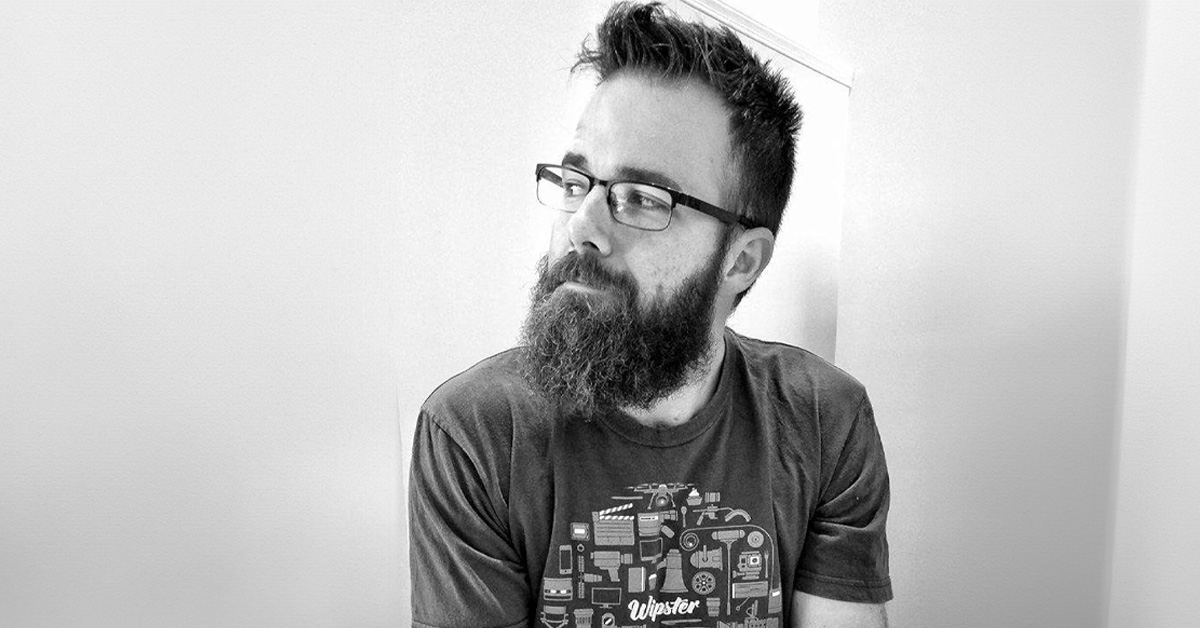
My guest today is Nick Montgomery, a film editor who likes to run around in the mud and lift heavy things up hills for fun. He maintains that his lifestyle balance of pushing creative limits in storytelling with pushing physical limits in the outdoors and in the gym has been key to avoiding total burnout at both.
Having lived most of his life as a world-class couch potato, Nick has experimented with many fitness, nutritional and workplace lifestyle trends to find the ones that work for him. While there is no “right” lifestyle for everyone, he believes that you can realistically achieve many of your goals in life without them interfering with one another, as long as you are honest and mindful of the path you must take.
Nick and I dive deep down the rabbit hole into what it truly takes to prioritize regular exercise and balance it with a demanding day job, and furthermore we chat about the power of mapping out your priorities and living life with intention. No doubt more than you bargained for when listening to two nerds talk about running through the mud, right?
Episode Highlights
- The power of mapping out your day and being intentional
- OCR for mental resiliency
- Conserving mental energy to be more creative by planning
- Learning how to fail over and over again
- Developing resiliency to stress
- How to make space for training and how to train efficiently
Useful Links
About Guest
Nick is a film editor who likes to run around in the mud and lift heavy things up hills for fun. When he’s not working feverishly at a desk assembling horror movies and commercials, he is obsessively training in Obstacle Course Racing (OCR). He maintains that his lifestyle balance of pushing creative limits in storytelling with pushing physical limits in the outdoors and in the gym has been key to avoiding total burnout at both.
A self-taught camera operator, vfx artist and (finally) editor, and having lived most of his life as a world-class couch potato, Nick has experimented with many fitness, nutritional and workplace lifestyle trends to find the ones that work for him. While there is no “right” lifestyle for everyone, he believes that you can realistically achieve many of your goals in life without them interfering with one another, as long as you are honest and mindful of the path you must take.
Transcript
Zack Arnold: I’m here today with Nick Montgomery, who is a motion picture film editor, as well as a guy who likes to run around in the mud and lift heavy. So that having been said, I have a feeling that you and I might have a thing or two in common that we can talk about today. So Nick, it is a pleasure to finally, finally get you on my show.
Nick Montgomery: Well, it is a pleasure and honor to be on your show, sir. And honestly, you’re a little to blame for my tendency to run around in the mud and lift heavy. Because I do believe when I was first getting exposed to the whole OCR thing, you were-I kept hearing it a little bit from you, and you know, you were a fellow editor and were also involved in OCR. Did a couple OCRs, and we’re pretty inclined to pay attention to your fitness. And so, yeah, you’re to blame.
Zack Arnold: Well, I love hearing that. That inspires me. I’m glad to hear that my madness got somebody else into this. For anybody that’s listening, that’s like, I already don’t know what you’re talking about. OCR stands for obstacle course racing, and when I first started my program several years ago, when it was still fitness in post, which was fitness for film editors, I used to really talk about and go deep into my hobby and love of doing obstacle course racing, which includes things like Spartan Races, Tough Mudders, Rugged Maniacs, and there’s like 15 other spin-off companies, most of which I’ve never really done their events, but they’re everywhere. So if you just put in OCR, obstacle course racing, any type of search like that, you’re going to get a whole lowdown on all this stuff. But the the cool thing is that you’ve taken it way way further than I have. I’m still very much just a weekend warrior. I do two or three a year. I’m never really in good enough shape for them. They always exhaust me afterwards. And then I see all the things that you’re doing on social media, and I’m like, okay, this guy is just embarrassing me at this point. So you’re doing you know amazing, amazing stuff with it. And I definitely want to talk about the whole process, why you’re into that. But before we really go deep into the weeds, I kind of want to summarize where I’m hoping to go today for people that are listening, because it’s very easy to alienate people that are creatives that sit in front of a computer and have them think, “Well, I could never do this, and this just isn’t for me. So today’s episode just doesn’t make sense. I’m not going to listen to it. I heard that a lot from people when I first started my program when I would do presentations, and they would say I loved all the stuff where you talked about health and you know editing and moving more and standing up. But then I saw pictures of you in like the Spartan race or doing whatever. I’m like, no, no, no, that’s not for me. And you kind of alienated me, and it made me realize that I was just approaching it the wrong way because they thought it was all about well, I’m going to be a muscle head, and I’m going to get strong, and I’m going to lift tires and climb ropes. But there’s so much more to it as far as how it just helps your general well-being, your mental health, your ability to withstand stress. So I guess what today’s conversation is going to be about is helping creatives like us who are locked in front of our computers for the vast majority of our waking hours to learn how this is beneficial. But then, more importantly, how the heck do you actually balance a really crazy job editing and training? So, I guess where I want to start after that whole preamble is just help people understand a little bit more about what does your regular day look like. What do you do for a living? What’s your schedule like? And let’s just get a picture of the typical day. Then we can start diving in a little bit deeper.
Nick Montgomery: Ooh, well, a typical day for me. I’m a freelancer, so occasionally I’m on contract for a specific client, or other than that, I’m just hunting for the next job, doing you know edits for commercials or films, kind of daily or weekly, so it does vary quite a bit. But nowadays, I work a longer, longer contract job in Toronto, which you know just give you an idea of a commute. It’s you know an hour and a half train there and back each day for me, and working at an office with other editors, other creative types all day. I wake up at 5o’clock so I go to hit the gym, sneak in a gym session really, really quickly. Hop on the train, get to work for nine, work till about five, hop on the train, come home. I have just enough time to eat dinner, you know, an hour, you know, for myself pretty much to either you know watch some Netflix or to get caught up on some other work, or read a book, or do some yoga, or something like that, and then back to bed. And that’s what I do Monday to Friday, pretty much. My weekends are reserved for me for traveling, for going to races, or going to see family and friends. But that’s pretty much you know the the really simplified schedule of my life.
Zack Arnold: Well, the one piece that I don’t hear in there, I think, is the one thing that you and I don’t have in common. I didn’t hear the word kids.
Nick Montgomery: No, so I think that’s I’ll say, for lack of a better word, a benefit for me that does make it a little bit simpler. Because yes, kids will, I imagine, and you can speak to this, takes an enormous amount of your time, not not just of your. Daily time, but also like your mental energy, and you know it’s a factor that also tends to take your schedule and just say, well, let’s change all this around, and you know turn it on its head. So you have to like change on the fly as you go. So no, I do live just by myself, but you know part of my part of my daily weekly routine is still trying to manage to fit in time, social time with family, with friends, which I think everybody also you know struggles to fit in as well. With the hope that someday, maybe you know, in a year or two, the pitter patter of children will also you know flood the halls around here. So I don’t know.
Zack Arnold: Well, and I certainly am not making any judgment at all. I just wanted to make sure that in going through your routine for those that are listening that don’t have kids, they can see, oh wow, he works a full time job, but he’s still able to train, get out. Like there, there’s a lot of lot of good balance there. But for people that do have kids, I didn’t want them thinking, well, wait a second, is he doing all this and he has kids or he doesn’t have kids? Because there’s no way that I could do it because I do have kids. And for those that have been listening to the show for a long time, they know that I have two young kids as well. But my training regimen is much more compact because I don’t have as much free hours in the day, so I have to be a lot more efficient with the hours that I do have. And we can dive a little bit more into that in a bit, like actually talking about OCR training, becoming a weekend warrior, but I’m what I’m really interested in, and I wasn’t planning on talking about this at all. But I just had this impression that you were a work-at-home freelancer that had a lot of control of your own schedule. So it’s really interesting to hear that you’re now dealing with this long commute during the day, and you’re working in a corporate environment. So I would love to know what are some of the things that have come up that you’ve been like, whoa, this completely changes my training schedule or just changes my mental attitude during the day. Having seen both of them fairly recently, I’d love to know some of the the contrast that you’ve experienced.
Nick Montgomery: Well, this year was kind of interesting for that because, yeah, for the first half of this year of 2017, I was yeah, I was more working at home all the time and never had to go into an office, so my office was home and and my schedule was immensely more flexible because literally you dictate your entire day as it will unfold as long as you’re responsible with you know when the work gets done and you know when you fulfill your duties, the rest of the time is yours. So yeah, the first half of this year it was very, very focused on more on training. I’ll say it was less on work and more on racing because last year I went to World Championships, wanted to return this year, and that goes down in October. And so I had the year to build up towards this. And so for six months I trained hard, and you know my schedule was all over the place. I didn’t have very much structure to it at all. I just kind of you know I went to the gym when I felt like it. I ate when I felt like it, and I did work when I felt like it. And it all just sort of fit together. I still did the responsible things like wake up in the morning, map out my day, say you know, from 10 to 12, I’ll do this. From 12 to two, I’ll do that. But it was open to more flexibility, just because you know I didn’t have a job to go to, I didn’t have a family, and that sort of thing. Then halfway through, and this is what I was going to talk about in a little bit, was you know having a plan, but you know being prepared to throw that plan out the window. About halfway through the year, I got offered a job in Toronto, which kind of changed everything, flipped everything around, because that meant okay, you’re now not working at home, you’re doing the daily commute, working in an office, you’re doing all these things that you’ve never really had to do for a job before, and that means your time is going to be reduced down to an itty little bit part of the day, and it made the struggle for you know fitting in all the things that I wanted to fit in a lot harder. So I had to make some compromises. So, but in doing that, actually, I would say I learned a lot more about how to effectively build your day and how to how to really make the most of your day and how to fit into things that really matter to you, rather than having all the time in the world. So, because I’m pretty sure you would also say like having the strains in your life of job, of the podcast, of your family, of your friends, of everything, as you learn to deal with all the different aspects of your life, of your day. Now, you kind of get better at each one. Does that make sense?
Zack Arnold: Oh, not only does it make sense, but very much have I heard from other people that when they have these constraints, it makes them much more focused on prioritizing certain things. Because if you have your entire day to yourself, it’s like I can do anything. So I, what should I do? I’m just gonna watch TV because I can’t figure out what I should be doing with my time. Yeah. But when you have these constraints and you’re like, “All right, I have all these things that I want to do today, this week, this month, but I have a finite amount of time to do it. That means that I have to be very intentional about what I am doing when, so I can achieve these things around this. Other giant 800 pound gorilla, which is my job, and just as soon as you said mapping out my day, a smile came on my face. And anybody that knows me is like, oh God, he’s going to be talking about this forever because I love this kind of stuff. Because it’s so important to really think about what am I actually going to be doing with my time? How can I be intentional with it? Because the worst thing that you can possibly do is wake up in the morning and say, “What am I going to do today? By the time you wake up, you should already have a pretty good idea of what your day looks like. And if it’s going to be 2o’clock 3o’clock 4o’clock and you’re already kind of lower energy and you’re you know brain foggy and things are slowing down. That’s the worst time to be thinking. What should I be doing right now? When you’re at your best, which and it’s going to be different for anybody during their given circadian rhythm during the day. When you’re at your best, that’s when you want to think about what should I be doing during the day at 4o’clock When I know I’m going to have brain fog, what are the things that I could accomplish when I’m super super low energy? What are the things that I should be doing in the morning if that’s my time of day to be really creative? But when you have all of the time in the world, you don’t really have to pay attention to your energy rhythms and when you’re creative and when you’re not creative and when you should go to sleep or not go to sleep or when should I write or when should I edit? Because you can kind of do anything whenever. So it sounds like you certainly had this this experience of wait. I now have a much more limited amount of time, so it’s time to get organized.
Nick Montgomery: Yeah, and and you you kind of alluded to this a little bit. It it’s kind of like adding more purpose to your day, more purpose to your time, which was a big part of what was missing for me earlier on, which I know actually shouldn’t have been, because if I, you know, you said if anyone’s been listening to you for years, then you know, as you tend to talk about or geek out big time about things like you know the Trello system and mapping out your day and being really efficient with your time, you know, I can’t claim to be a fan of yours and say, well, I haven’t, I don’t, I don’t use Trello or I don’t map out my day. So I did think I thought I had a good handle on stuff like that before, but it was the new job that that really kind of pumped it into overdrive and really, really minimized my day down to you know a couple of hours. And so I said, okay, well, if I need to, if I want to hang on to these things that really matter to me. If I want to hang on to time with friends, if I want to hang on to my fitness goals, then I really, really need to learn how to be extremely efficient with how I map out my day and with what little time I have remaining. Otherwise, you know, I may have to let that go. And I think that a lot of people, a lot of people who who say like, well, I don’t have time for this. I don’t have time for that. You know, I don’t have time to wake up in the morning and go to the gym, or I don’t have time to meal prep for the week. I almost some people. Yes, I will say you. You know, maybe the strains of life really, really do play on you, and you don’t have time for that. But for the most majority of people out there, that’s kind of old. You you have to learn to say like, well, you have to make time for it. Rather than I don’t have time, a lot of people just say are really saying I don’t make time for this. A lot of people have a lot of time in the day that they have free to do things that they want to do, like go to the gym, like spend time with their kids. But there are already flaws with how they map out their day, with how they allot their time, so there are a lot of things that people could be doing to make their day much more efficient to free up time to be able to do the things that they’ve always dreamt of doing.
Zack Arnold: Yeah, I could not agree with that more, and I’m I’m glad that you said the whole thing about you know not having time being bull first. So I didn’t have to do it, so I can say it in a much more eloquent way and not be hammered for saying that. But I I do agree with you 100. I’ve recently been working with people one-on-one doing coaching and mentorship and career coaching and stuff. And somebody had said, “Well, I really, really want to do this, but I, you know, I can’t find the time to do it. And I said, “We’re going to stop right there. You don’t find time; you prioritize it. If you’re saying I just can’t find the time to do this or I just don’t have the time to do that, yes, like you said, there are a select few people, especially those that have newborns and full-time jobs. Guess what? You just don’t have the time to do anything. I know I was there. Like you genuinely don’t have the time, but for most people, you’re just not prioritizing the time, and that requires setting aside a block where you can say, “I’m not going to do anything right now. I’m going to plan. I’m going to prioritize, and I’m going to say what it like. You said what? What is my purpose, or what is my intention? What are what are the goals that I have that I want to achieve this day, this week, or this month? And when am I actually going to be able to do that? So if you really want to see somebody that is intentional with their time or their priorities, that says I’ve got this together. All they need to do show me their calendar. If I see on your calendar that you have blocks of time for doing this thing, doing that thing, or doing a review process, whatever it is, that’s somebody that’s prioritized their time. But if you live in reaction mode and you’re thinking, oh, I have all this stuff. Get done, and I’m well. I’ve got some free time in an hour, so when that hour comes, and I’ll see if I can figure out what I should be doing, and then you waste the first part of that hour thinking about what you should be doing, and then when you can’t figure it out, the rest of that hour is spent scanning Facebook, Twitter, and Instagram.
Nick Montgomery: Yeah, and try to be truthful. I guess is what I’m hearing from you is like be truthful and honest with how you are already spending your time, shining a spotlight on how you’re already spending your time to be able to find those parts of the day that should be you know better planned out. So because I know that you know with your Trello system, it’s pretty efficient at you know mapping out your days, duties, and stuff like that, so that you know exactly when you’re going to do this, when you’re going to do that. There are no down. There is no downtime. There’s no time for you to just you know okay I’m going to go browse through YouTube or you know I’m going to go fiddle around on my phone and you know go through Facebook for a little bit. There is no downtime like that because you know that you know there are always there’s always something that you should be doing. You know exactly what you what you should be doing so that stuff gets done.
Zack Arnold: Well, see, and it’s funny because there I actually disagree with you some, and the reason is that when I tell people about my Trello system or whatever task management system I’m putting together at the time, they’re like, “Oh my God, well that it’s I just I want to be creative and I just want to flow when I feel it. I can’t be stuck to a schedule, and if I want to scan Facebook and I feel like doing it, I should do it. And it scares people to think, oh well, Zack never has downtime, and that’s totally not true. However, I’m intentional with my downtime, so I’m not sitting there thinking, well, it’s 10 o’clock in the morning and I’ve got tons of energy, but I don’t really know what I should be doing, and so I’m just going to go on Facebook or YouTube. I know what I should be doing creatively at 10 o’clock because usually for me, from about I don’t know seven in the morning until about 12 or one, I’m super hyper focused, creative, and productive. And if I’m just working from home, that’s when I’m doing a lot of writing or building products. And if I’m editing, that’s when I’m doing writing at home before I go to work. Then I go to work and I do my editing. But then I know I’m going to be a little bit lower energy, so I’m just organizing my day contextually, thinking if I have really low energy tasks, I can do those in the afternoon, or if I just want to spend half an hour reading a Facebook newsfeed, fine. Like I’m totally cool with that because I’m intentional about the fact that I want to do nothing right now, so that’s my choice. But what that alleviates is the guilt-the guilt of me thinking I know I should be doing something right now, but I would rather just be wasting time as opposed to you know what I’ve done the things that I want to do, I’m just going to waste time right now. And it’s the difference between well, I really know I shouldn’t be eating this piece of birthday cake, but I’m going to eat it, and I’m going to feel guilty and feel horrible afterwards, and I’m going to hate myself. Or you have that birthday cake, and you’re like, “Man, that was delicious. I enjoyed it. I don’t feel bad at all. And there’s a big difference there.
Nick Montgomery: Yeah, and actually, sorry, I should have clarified that a little bit. I guess yeah, there is a difference between the downtime where you see as time being wasted, where if you look back on on the time of day, you know, at the end of the day, and you think, ah, I shouldn’t. Why did I spend an hour YouTubing or doing this or doing that? That that’s not what I should have been doing. Whereas, like, there was a time when actually, like, going to the gym for me in my mind mentally, I was feeling guilty because, like, ah, I should be working. Why am I not working? And you know, this is not work. This is not furthering my career. This is another goal of mine. But you know to become more fit. But you know, I feel guilty. Why? Why is that? And you know, until you change your look at like, well, no, that is going to the gym is part of your scheduled intended downtime. You do that so that you can get away from the desk, that you can you know unwind. You can focus on a different task. That you can focus on something that you enjoy, so that you can go back to work with a fresh mind, so you can be more creative. You’ve got more juice to get you through the day. You’re happier. You’re going to be, you know, brimming with positivity, spreading that positivity to others. You know, there’s more, yeah, there is more intention behind that versus time just spent twiddling your thumbs that you you didn’t schedule and you look back on it later and think. Well, that wasn’t a good use of my time.
Zack Arnold: Well, speaking of use of your time, let’s talk a little bit about your exact process. Like whether or not you use Trello. Trust me, I won’t be judgmental. Don’t worry. But I am curious now that you have this very limited amount of time and you have what sounds like a really really fun commute for three hours a day sitting in a train. I’m wondering what is your daily routine and process for prioritizing your time and your tasks?
Nick Montgomery: Well, if I don’t do it the night before, the morning of when I walk when I wake up, I need to be able to sit down at the breakfast table and map out my day. And I’ve actually got a pen and paper system. I’ve found that is pretty efficient for me. As long as I have it written down, that is the most important thing to me. So whether it’s you know in an app or pen and paper or whatever, if you’re good enough at just mentally blocking out time, going through the process of saying okay, so here’s how the day is going to go from this hour to this hour. I’m going to work on this, going to work on that. Usually in about one to two hour blocks, two hours max, because I find like after two hours, that’s what. You know, either I really need like a long term break, or you know that I’ve I’ve done whatever damage I can. I need to move on to something else, and yeah, so that by the time I get up from the breakfast table, I already know even once I get into work, even once you know the commute is finished and I get to my desk in Toronto, I still have to be able to you know schedule out the time throughout the day of like what I’m going to be working on. The boss gives me stuff to do. He doesn’t tell me when to do it. He just says, you know, I need you to work on this, create a sizzle reel for that, edit this episode, have it on my desk tomorrow. And okay, now I now I need to take that and figure out well how am I going to spread this out over my day so that all the work gets done. So just having that game plan in the morning changes everything, and because there are days when I miss doing that, and my whole day is sabotaged. And I don’t know what system you use, but I’m sure you notice a big difference when you haven’t mapped out your day, when you aren’t being very aware of how you should be spending your time, and you know you think, oh, I’m just going to wing it today. You know, I don’t have much to do. I’m just going to, I’ll do things as they come at me, and your day just doesn’t end up being nearly as productive when you haven’t gone through that process.
Zack Arnold: Well, it really is the difference between living in reactive mode or living in intentional mode, where even if you map out your entire day, whether you’re doing pen and paper, no judgment whatsoever. You know, obviously I love my my Trello, but I want people to do whatever works. If it’s pen and post-it notes, whatever works and makes it happen. I do just a combination of Trello on my calendar, so I will look at my calendar and usually have different colored blocks, so I understand what it is that I’m going to be doing throughout the day. But I very much notice the difference when there are days when I either have to sleep in because I didn’t get enough sleep because I worked late, or I’m recovering from doing heavy training, whatever it is. And there are days, just like anybody else, where I’m like, oh, I just don’t feel like doing this. I’m not going to plan. I’m just going to figure it out. Like, just going to figure it out. I’ll be fine. And then you just feel like the day starts to pile on you, and you feel like you’re reacting to everything rather than saying, all right, well, here’s my plan. Even if I deviate from it because something comes up that I wasn’t expecting, I was kind of predicting that this thing might have happened, and I kind of have a plan B. So, for example, I’m working with somebody that was trying to build the habit of exercising more, and they had said, “Well, I really want to exercise after I leave work at five or 6o’clock and I’ve set up this thing at the spin class and another thing at a yoga class, and it’s great. Except now they change my work schedule. Now I can’t exercise anymore. I was like, well, no, you can still build the habit of exercise. You just need a plan B. You need to say if my work schedule changes, and they ask me to work later, I just need a backup plan. And part of planning your day, whether it’s the night before, or it’s the morning of, I will ask myself, and I will say, “All right, what are some of the obstacles that could get in the way of me reaching my goals today? And it could be X, it could be Y, and it could be Z. Great. So how can I overcome those things if they happen? That way, I spend my entire day still intentional, even if there are deviations. But on the days when I don’t do it, I just kind of feel like a zombie, and I think that one of the things that is paradoxical about this whole process is that people that are highly, highly creative, where they just live for being in creative flow, doing creative work, they say, “Oh my God, it sounds so exhausting to have to do all this planning. I just want to be free and do things when I feel like it, but the problem is that it’s actually more exhausting to not plan. And this is coming from years of my own personal experience. That when you don’t plan, that’s when you get exhausted and you don’t feel like doing the creative work, and you can’t snap your fingers and get into creative flow. But when I do plan my day, I have no problem turning on the computer, standing in front of it, and just getting right in the zone for hours at a time. So I don’t know if you’ve experienced that as well.
Nick Montgomery: Yeah, and you know what? I’m just sitting here nodding my head. You can’t see because the camera’s turned off right now. But but yeah, because especially when you when you mention the word obstacle like that, that for some reason just like perks my head up. Because yeah, yeah, I do find that that happens, but also I want to mention because a lot of people seem to tune out or like turn off when yeah when they hear the whole idea of like oh I have to do extra work now to plan out my day or to plan out this or to plan out that like ah that sounds like such you know it seems like a lot of a lot of work a lot of hard work that I need to put into that I’m not going to do that. I’m just going to jazz it. I’m just going to, you know, I’ll make it up on the fly. But think about it this way: when you, if you come up with a plan, what you’re really doing is you’re reducing the number of choices that you have to make. So when you have, let’s say, a meal plan prepped for the week, and you’ve prepped all the food and it’s all sitting in the fridge now. At no point during the day you have to think about you know oh what am I going to have for dinner? It’s already sitting there you know ready for you to heat up and go eat. When you have a plan of how your day is going to unfold, when you know like from this hour to this hour throughout the day exactly how your day is going to unfold, then there should be very little time. In that day, for you to ever think, hmm, so what should I do now? It’s already done for you, so you don’t even have to expel any further energy to think of like what. Okay, what’s going to come next? What should I be doing now? Which that taxes you immensely. So, like as a creative person, I found that as soon as I started doing that and mapping out my day and reducing the number of choices that I had to make, even down to like what clothes I wear in the morning. You know, if you aren’t you know making as many of those choices, those choices you know do kind of tax the mental energy that you have for the day. So if you reduce the mental the amount of choices that you have to make throughout the day by mapping your day out, by planning all your meals, by walking into the gym with a game plan of exactly what exercises you’re going to hit, then that’s more energy that you can spend for everything else throughout the day.
Zack Arnold: Basically, you’re putting yourself on autopilot. That’s what I’ll tell people: is that all the decisions that I don’t want to make have made in advance. I’m on autopilot, so I’m conserving energy as much as possible. And I’m not talking just physical energy. This is what we’re really talking about: is mental energy. So when I do finally get in front of the computer and I have eight hours worth of raw footage for a single day of shooting, and I have to cut all that in a 12-hour day, which by the way was my Monday, I have the energy and the capacity to focus and do that because I haven’t wasted all of my energy thinking what should I be doing this morning, what should I have for breakfast? What am I supposed to do for my exercise today? Am I should I be planning my day this morning? I don’t know what I should be doing this afternoon. What am I doing on Friday? I haven’t thought about any of that. All I have to do is go through these simple steps that I built as a habit, show up at work, and then that’s kind of when I quote unquote wake up. I get in front of the computer system and I’m like bam, I’m turned on, and for hours at a time I can go because I’ve conserved that energy. And where I want to dovetail to next, which you pulled out so eloquently, is this idea of obstacles, because you and I are a rare breed where not only do we do we have some of the resilience to the obstacles that might come up during our day, but we pay really good money to have people throw us in really awkward, somewhat dangerous situations to overcome these obstacles. And I want to talk a little bit about OCR training for OCR, but more importantly, how that helps to build stress resiliency for all of the obstacles in life, well beyond just trying to you know climb over a muddy hill or pick up tires.
Nick Montgomery: Wow, you you hit a lot of tasty keywords there because like mental resiliency and yeah, I was just eating all that up. And I actually should have led with this at at the beginning because I know that a lot of people may start to tune out once they hear that. Oh, who’s this guy that Zack’s talking to? He doesn’t have a family. He’s a contractor, so his schedule is a little bit flexible. And you know, yeah, he goes to the gym when he feels like it. Okay, that’s not for me. I’ll say that until I actually discovered OCR, I was never, ever, ever up for any physical activity whatsoever. And so this really changed. You know, finding OCR really changed my life for me. Sorry, it’s cliche as hell, but also like for my fitness, it changed a lot for me. But it also is incredibly applicable to everything else that I go through day to day. It was very applicable to my career. It was very applicable to my social life, and for that very reason, it it teaches you a lot about how to approach literally an obstacle, figure out how to get past it, deal with the frustration of of of learning of how to get past it and failing over and over and over again, and being satisfied and happy when you do overcome something that you know you’ve been working to overcome for some time, and then reveling in that celebration with other people who are going through that exact same thing all around you, so like that’s I won’t say that’s the reason I got into it, but that’s the main reason why I stayed into it. Like, is that something similar that you that you get from Spartans? I’ve never actually asked you Zack like why why you ever got into OCR in the first place, or what keeps you around?
Zack Arnold: Well, the the first time I actually got into it, I was shamed into it. So my my sister, who is considerably older than me, you’d never know it because any time that we go out, people think that we’re either married or I’m the older brother, which is really embarrassing because she’s like 14 years older than me, so I’m like, oh my god! Like I’m clearly doing something wrong, and she’s doing something right. But anyway, she’s really into athletic competition, and she just ran. She’s run several marathons, so she always embarrasses me when it comes to physical stuff. And this was, I think, five or six years ago, right after I’d had my first son, and I was doing no physical activity whatsoever, I was super stressed out, sleep deprived, and she had just discovered this new thing called the Tough Mudder, and she had just run one. And as you know, anybody that does OCR, like once they come back, they’re just hooked. They’re a totally different person. She would not shut up about it, and she kept saying Tough Mudder. Oh, we did. This and I climbed under barbed wire and I was getting electrical shock. It was amazing. I’m like, are you flipping nuts? Like, what is this thing? Like, my mom was all concerned. Like, is she safe? And I was like, this is kind of weird. She’s like, you totally have to do one. And I was like, oh man, now I’m gonna have to do this because she’s never gonna be able to let it go if she made it through a 12 mile tough mudder and I didn’t. Like we just had that kind of a relationship. We’re very close, but we’re also very very competitive with each other. Like great, now I’m going to have to do this stupid tough mudder. I’m going to have to get dirty. So I forced myself to get through all of P90X for the first time because I’d failed the first two or three times before that because P90X is brutal and I didn’t have this was one of those cases where I actually did not have the hours in the day to go to the gym so I just decided I’m going to do P90X at like 10 o’clock at night which for anybody that wants to train don’t train right before you go to bed horrible idea I didn’t know any of that six years ago that’s I’ve learned all this since then, but I did P 90x and I did the tough mudder, and it was the same transformative experience for me, where you really get to know yourself a lot better and how you deal with stress and how you deal with obstacles, and you get an understanding of your mental toughness. Because one thing that I’ve learned over the last several years and all of the research that I’ve done into high performance is that when your body feels like it’s given up and you’re like I can’t do another push up or I can’t run another mile, you’ve really only reached like 35 to 40% of your physical capacity, and it’s all mental. It’s your brain saying I’m tired of discomfort. I’m tired of dealing with pain. Can you please stop now? But your capacity goes so far beyond what you think you can do. And doing these types of events helps you understand what is my real capacity and how can I push through it. And then when you force yourself to push through something that’s very very uncomfortable, and you get this second wave of energy, it’s you just feel this sense of being alive that you have ever really felt before, and for me, it wasn’t even so much about the day of; it was how I felt when I went back into work, and it was kind of like, huh, all that stuff that was really stressing me out, that felt really hard. This really isn’t affecting me that much anymore. Like somebody coming in and saying, “Hey, we need a visual effects turnover, blah blah blah blah blahdy blahdy blah by 5o’clock I’m like, all right, that’s cool. I mean, at least you’re not asking me to climb under a barbed wire, get sprayed in the face with a fire hose, and electrocute me. I mean, visual effects turnover doesn’t sound bad.
Nick Montgomery: Yeah, this is starting to sound pretty damn good. And yeah, and that’s you hit the nail on the head there. It changes the way that you view stress because, and I think that’s that’s a really really good reason why a lot of desk jockeys, especially, are discovering the world of OCR for fun. And they’re they are finding that this is really extremely fun because it changes how they view stressful situations, which they then take back into their you know their regular lives. Because yeah, when you go to, and I’m not saying that everybody has to go to OCR to discover this, but you know, just changing the way that you the the way that you see stress is really really big. I’m actually reading a really important book right now called The Upside of Stress, where it’s all about changing your viewpoint of of stress instead of it being such a negative thing, a thing that you should avoid, or I’m feeling stressed. I need to suppress this. I need to, you know, put it away. Your body, how it’s reacting to stressful situations, those are things that you know is trying to help you. So as you’re stepping up to a wall that you’re about to climb over, as you view it, you may start to get a little bit fearful. You may, you know, your heart rate will go up, your palms will get a little sweaty. You know, your brain’s going to start firing. Your brain isn’t going to wander off and think about other things. It’s going to focus on the task at hand. You know, so you know that’s stress, but that’s good stress. That’s you know that that’s the good stuff that’s happening to you. So when you go back to your daily job now, you have this different way of approaching a stressful situation when something yeah comes you know barreling down on your desk and says, “Here’s 10,000 tasks. I need you to have these done by end of day. Normally, that might freak some people out, send them into a panic attack. But you can learn how to embrace that stress and use it towards you know your goals for that day. So instead of you know this mound of fear that you’re looking at on your desk, you can look at it and decide, okay, this is how I’m going to tackle this, and I’m my brain’s ready, my you know body’s getting all fired up. I’m going to use this to get through this obstacle that’s in front of me.
Zack Arnold: Yeah, and I think that that’s a really really good point, and one thing that you’ve probably learned about and in this book or either in other research is that stress isn’t a bad thing. We in this culture we hear the word stress and we immediately think oh this is bad for me stress is killing everybody it’s the number one cause of things like you know cardiac arrest and cancer and I have to get away from all the stress but in and of itself stress is not a bad thing we actually need it it’s our reaction to stress and how much we allow it to control our. That’s when all of the problems come in, and I’m the perfect example of this on both sides, where I am far from perfect at being resilient to stress, and I’ve been very, very open about my experiences with burnout and depression, all of which were the results of me not managing stress properly. But by the same token, as I’ve gone through this process, I’ve learned better how to manage stress the right way, and there’s this process called, and maybe you’ve read about this as well. It’s called hormesis. So there are things called hormetic stressors that are actually things that strengthen you. So exercise, doing squats, doing pull-ups, doing push-ups, whatever it is, that’s a stress on your body. That’s hard. The reason you’re sore is because you’re getting micro tears in your muscle fibers. That’s why you feel like crap the next day when you have an exercise for a while. But guess what that does? It makes you stronger. It doesn’t break you down permanently. It makes you stronger. It’s a hormetic stressor, and if you can find the good things in the manageable amounts of stress and treat them as learning experiences, and not have that stress consume you. Then you become a stronger person. And in my belief, that’s why obstacle course racing, things like tough motors and Spartan races, are so beneficial to your health because they build your resilience to stress. Because you’re learning how to fail in a relatively safe environment, and you’re getting stronger, and you learn that lesson and bring it into your regular life, and you become so much more resilient to all the BS that you deal with in a corporate environment.
Nick Montgomery: Yeah, I think that’s something that a lot of people have found that was missing from their lives recently, and so this was a fun way, a really fun and infectious way of getting that feeling back of all these people now going off and running in the mud and going back and telling their friends all about it and being so proud of it when you first hear about it it sounds nuts but then you go do it and you get that awesome feeling and then you take it back to your daily life and you realize hey this is doing something really good for me this is a this was a missing pie piece that I just got back in my life, and it’s doing a lot better for me now. You know, at every other aspect of my life, so I think that’s no, not the contributing reason. But you know, I think we’re seeing a spike now of you know people are getting into more activity now. People are more into racing. People are just more into you know being fit in general, trying to be more active throughout the day, because they’re seeing the benefits like that.
Zack Arnold: Well, for me, I mean, the the benefits that I’ve talked about ad nauseum extensively on this podcast and the website and everything else are just the creative benefits and the mental health benefits of moving around more during your day. And I found that when I don’t have a race that I’m signed up for, I lag in my training or my need to move around, so I now just kind of hop from one registration to the next. As soon as I finish a race, I’m like, all right, I have to register for something in three to four months, or I know that I’m not going to train because I have a very limited amount of time to do it. So I now just try to register for you know 2345, events a year, but I don’t go into it the way that I used to, which is that I’ve got to kill myself training and be super strong and compete. Like for me, it’s just I just don’t want to go and massively fail. I want to be able to finish and I want to enjoy myself. So that kind of changes the way that I train a little bit. But that’s what I want to get into now. Is with the the time that we have left, kind of digging into the nitty gritty a little bit, and I want to make sure that I have the caveat for those that may not already know, this is two film editors talking about training for a Spartan race. So don’t think that like I’m talking with a Ben Greenfield about the nitty gritty of all the science and you know all the the biohacking around this. Like this is two film editors talking about how we train for Spartan races, but I think that’s helpful for the weekend warriors that are like, I just want to make sure that I don’t kill myself. So now that you have very limited amount of time to train and you have to be very focused and intentional, what are you actually doing to train for Spartan races?
Nick Montgomery: Well, what I’m doing right now, well, and what I had to do right away when the when the schedule was upturned for me was trying to find the best parts of the day that I had remaining for the things that I needed to do, like go to the gym, rest, doing some you know mobility and stretching, and when to do weekly meal prep. So looking at okay, this is the amount of time that I have left, and also looking at what that time is. You know, do I have morning time? Do I have evening time? Because as you said, you don’t want to be going and hitting the gym an hour before you’re supposed to be going to bed. That’s going to sabotage your rest, and that’ll sabotage you for the next day, and then you’re all kinds of screwed. So for a while, actually, I was trying to do that. I was trying to get home and like, okay, I’ll eat dinner on the train, and I’ll go and hit the gym, and then I’ll come home, and then I’ll rest, and that just wasn’t working. So I had to switch that up and become a morning person. Not something I was a fan of, but getting up a little bit earlier, going to bed a little bit earlier, so that I could wake up at five 530 go hit the gym, so that I could be on the train, go go into work, feeling awesome about the day. By the way, because you know once you’ve gotten out of out of the. Your body’s all primed and ready now. I’m, you know, now I’m ready for the workday. Fantastic! And then by the time I get home, I’ve got time to eat a proper dinner, to rest, to wind down from the end of the day, get myself ready for bed, so I can take advantage of a full resting period, allotting one day each week to not do much of anything at all, to unwind, unplug, so to speak, and also that’s my Sunday nights are when I fit in weekly meal prep. So as you know, if I don’t get that done, then I you know I’m a little bit buggered for the rest of the week. But so that’s why Sunday Sunday evenings I lot two hours. That’s all it takes, you know, to cook all the food that I need for the rest of the week, that I’m set, I’ve got breakfast, lunch, dinner. All those decisions are made for me, but yeah, becoming a morning workout person-that was that was the tough shift for me. And you know, to be honest, I’m still kind of getting used to that because I was never much of a morning workout person.
Zack Arnold: Yeah, trust me, you’re preaching to the choir right now. I was never a morning person until recently, and it took me about six months to a year to really make that just long-term circadian rhythm shift. But now I absolutely love it, and I feel so much better if I wake up early in the morning, plan out my day, and I do exercise. I’m a completely different person the way that I get through the day as opposed to when I don’t do it. But it was tough because I was a night owl for years and years, pretty much for my whole life. But then it became a necessity because I have family, and there was it was really the only way to do it properly. But what I’m curious about now is what specifically, what type of training are you’re doing? Given that you have a limited amount of time and you can’t devote hours and hours a day to OCR training. Are you doing like mostly high intensity? Are you doing weightlifting, cardio, like kind of break down in fairly simplistic terms the type of training you’re doing with your limited time?
Nick Montgomery: Well, in a nutshell, learned all about periodization. So to answer your question, you know, what am I doing? Am I doing high intensity, low intensity, this, that? My summal answer would be yes. I am doing all of that, but at different points in my schedule. So for a couple of weeks, I’ll settle into like a running routine of I’ll do two short morning runs, which would be like about 5k casual pace, you know, enough to run but be a little bit winded, can still kind of sort of carry on conversation if if I can, and then do one hard run at some point on the weekend for a longer distance, where I’m really pushing myself, and then after you do that for a couple of weeks, before your body can really settle into that, I switch. You know, I’ll switch things up, and I’ll start doing instead of like a casual run in the morning, I’ll do hill sprints where there’s a hill right by my house, so I’ll throw on you know a weighted rucksack. I’ll throw 25 pounds on my back, and I’ll go and hit the hill. And I’ll sprint up, walk down, sprint up, repeat that over and over again, and I’ll do that for a couple of weeks, and then I’ll do you know a week of very little. I’ll do like some walking. I’ll you know keep it very very low impact, and then I’ll just keep switching things up. Same things. Same thing goes for when you’re going to the gym. A lot of people go to the gym; they do the same exercises over and over and over again. What you’ll find for what is most effective, though, as and a lot of OCR racers will agree, is that you have to get your body used to a whole bunch of different things. You know, adapting to very different things, you never know what new obstacle they’re going to come up with or going to throw on the course at you. So you have to be ready for, you know, not just one type of exercise. You have to be ready for many types of exercises. So for a couple of weeks, if you go to the gym, if you are used to settling into you know the same routine, I’ll go do you know I’ll lift heavy weights but lower reps for about two weeks. So for you know, I’ll do three sets of six of 80-5% of my one rep max. So I’ll squat really heavy. I’ll bench press really heavy. I’ll really push myself, you know, a little bit of resting time in between each set. And then after those two weeks are up, I’ll switch it up. I’ll go to you know higher reps but lower weight for a little bit, and that’s a way that you know getting your body used to changing things on the fly. Because if you do the same exercise every single day, your body will learn to kind of get used to that. It’ll stop growing. That’ll you know it’ll cause a plateau because your body now knows you know what to expect. So by going through periodization, by switching up your training every couple of weeks, that’s what I’ve learned how to do. So I’ll map out a 12-week plan for myself, where I, you know, like for these two weeks, I’ll focus on you know heavier weights, longer runs. These two weeks, I’ll do this, and then I’ll leave things open to. Well, I may hear a suggestion from somebody else down the line, like ah, you know what really works for me? Rock climbing. Okay, so for two weeks I’m going rock climbing, and you know skipping the gym. That’s exactly what I’m going to do, and you know just changing the activity up every once in a while. So I leave it open to you know different exercises, different ideas that that you know I may stumble across or people may suggest to me.
Zack Arnold: Yeah, I mean the key. Is functional fitness, and that’s I think a piece that a lot of people miss that are more into the conventional. I’m going to go to the gym and train. Like you’re not going to be running at a Spartan race, and all of a sudden they’re going to say, “Okay, bench press max, go! Like they’re they’re not looking at how strong are you in one specific muscle group at doing something you’ve done hundreds of reps of. You need functional fitness for every single muscle in your body. Where they may say, “Okay, now do spider crawls under barbed wire, or you need to carry this 80-pound sandbag up and down a hill, or this bucket of rocks and gravel. Like it’s functional fitness that’s going to be using all the different muscle groups. And if you’re just trying to work out the beach muscles, and you’re doing you know curls and tricep extensions. Like you might look good, but you’re not going to have the correct muscle tissue and balance of musculature to be able to do these functional fitness type exercises. So you really do just have to vary it up. And I try to get out at least once a week because for the most part, my training isn’t nearly as regimented as yours because I have more limited time. So I really try to get the most bang for my buck, and I do super, super high intensity interval training, hit training for two or three mornings a week for only like 25 or 30 minutes. But it is like crazy intense, where in 25 minutes I’ll burn like 500 calories. So it’s nonstop, no breaks, and then for once a week, I’ll go out and I’ll actually go hike in the mountains. And I love that you said the weighted vest because that’s what I do: is I just strap on a 40-pound weighted vest and I just go up and down the hills and put myself in the practical environment. That’s the same as the Spartan race, but that’s pretty much all that I’m able to do. I haven’t been on a weight bench or a squat machine or anything like that for probably I don’t know nine or 10 years, and I certainly don’t have the types of competitive times at these OCR races that you do. But I finish, and that’s my goal, so I don’t feel you know terribly embarrassed by the results. But it’s funny that you brought up rock climbing because that was one where I learned from doing these races over and over. You find your weak spots, and you find your weak spots from the mental stress resiliency perspective, like we already talked about. But I was finding my weak spots physically, and I realized that from basically 20 years of sitting in front of a computer-well, I don’t really sit in front of a computer anymore-but living in front of a computer all day long on a mouse and a keyboard and a Wacom tablet, my wrists and my forearms had become incredibly weak. So whenever I did the ropes or I did the rings, I was just a disaster. Like those for me are just burpees. I’m just like, all right, I’m doing 60 burpees. I know that it’s going to happen. And I said, well, maybe I can do something about that. So I started taking up rock climbing, and I haven’t done a race yet since I’ve done it. But just the difference in my ability to do a pull up or a chin up or be able to climb has changed significantly. And what I like about that is, again, it’s a lesson you can take to other parts of your life where it’s not just about well, I’m in shape or I’m not in shape. It’s more well, I’m in shape, but there are areas, really, you know, specific areas that I want to get better at. And for me, right now, it’s grip, strength, and forearms. But for other people, you can find other areas of your life, whether it is physical or whether it is mental. That’s really what this type of training, these type of races, allow you to do: is find places in your life where you can improve, which is really kind of the whole theme of this interview.
Nick Montgomery: Exactly. Yeah, being able to measure out your performance, whatever that may be, and identify well where are the where are the flaws? Where am I lacking? Where do I need to focus so that you know next time when you go to prepare, when you go you know hit the gym, or when you’re walking into your next job. You know exactly what you should be focusing on, what were you weaken last time, and what you can work towards so that you can be stronger in the future.
Zack Arnold: Well, I seriously feel like we just got started. Like I’m like, oh great, now the conversation has begun, and we can really dig in. And I’m like, oh crap, it’s been an hour. So I have a feeling that we may have to record a part two in the future, but before we go, I want to make sure that people are aware that not only are you a guest on this podcast, but you, sir, are also a podcaster and have a fantastic show that I really want people to go check out. So tell me a little bit about your podcast.
Nick Montgomery: Ah, well, you know, my my lowly podcast is it’s called the Command Edit Podcast, and actually, it kind of got started because myself and my co-host Josh encountered each other on the Twitterverse, and there were a lot of topics that he and I would get into that we discovered that were really interesting topics for other people, other editors particularly, to to get into, so it’s geared towards people who work in the post production or film industry in general, and so we do sometimes get into talking about the nitty gritty of post production specific applications and you know editing techniques. But I try to slip in a few episodes in there about the other things that you don’t hear about from a lot of post production podcasts. Like you know, keeping healthy, keeping fit, you know, while while at work, improving your networking skills, all that fun stuff as well. So it’s called the Command Edit Podcast. I think we’re about 70 or 80 episodes in at this point. We it’s you know we try to record weekly and we try to come up with content that’s helpful for people who are sitting at a desk,
Zack Arnold: And what’s the URL if people are listening and they want to just remember it? I’ll put it in the show notes too, but just verbally, I want to make sure they hear it as well.
Nick Montgomery: Commandeditpodcast.com
Zack Arnold: Oh, well, that’s pretty simple. There you go. Well, that having been said, this has been an absolute pleasure. I’m glad we’re finally able to make this happen. This has been on my wish list for like a year, and the next time that you are in the Southern California area for a race, you definitely have to let me know. I’m little actually hesitant to run with you because you’d be like really surprised at how out of shape I am at doing these things, and I’d be really embarrassed. You’d be like, “Oh my God, he sucks at this stuff. But it would be it would be a lot of fun to race together and watch you embarrass me on the course. So
Nick Montgomery: You know what I I I have been and still am very much looking forward to the day where yeah I run into you on the course and would gladly gladly run a race with you sir.
Zack Arnold: Awesome. Well, I appreciate it. Well, this has been awesome, and I appreciate your time being on here today, sharing your story.
Nick Montgomery: Thank you very much.
Episode Credits
This episode was edited by Curtis Fritsch, and the show notes were prepared and published by Jakin Rintelman. Special thanks to Krystle Penhall and Sarah Furie for helping to spread the love!
The original music in the opening and closing of the show is courtesy of Joe Trapanese (who is quite possibly one of the most talented composers on the face of the planet).