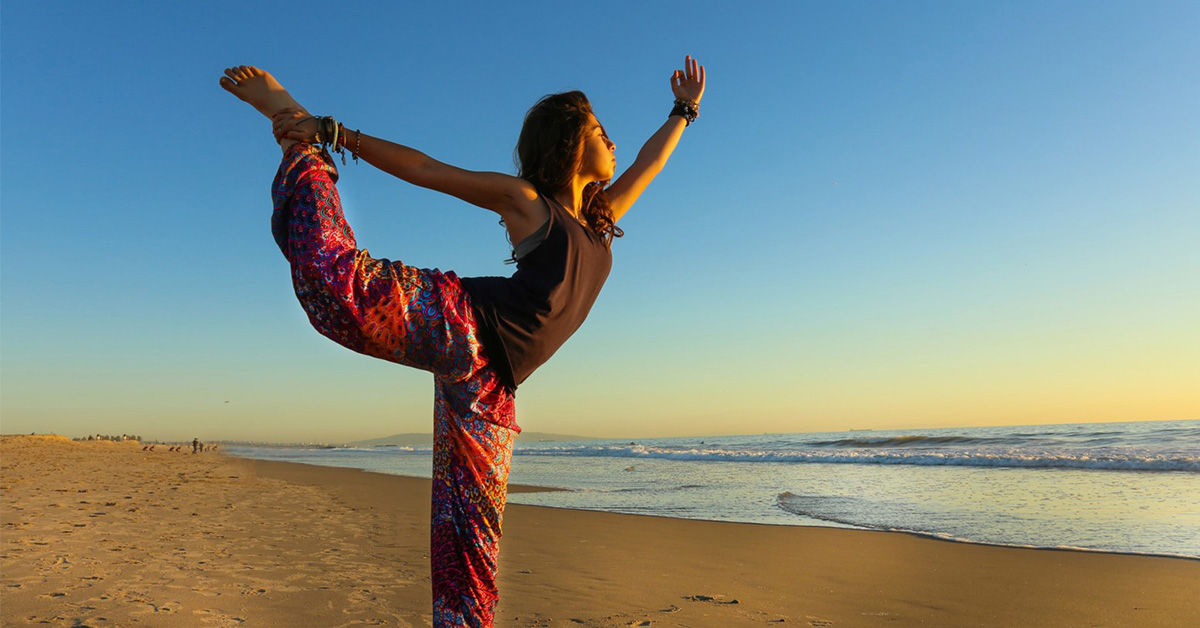
Never Take ‘No’ For An Answer | with Natalie Asatryan


About Episode
Natalie Asatryan is the youngest female in the country to be certified as a yoga instructor. If you’re not terribly familiar with the process of becoming a yoga instructor, trust me…it’s not easy for college-educated adults, much less a thirteen year old girl. But as we talk about in our interview, Natalie simply refuses to take NO for an answer. Which is why I wanted to share her inspirational story, because no matter what creative or athletic endeavor you might be pursuing, I guarantee you will hear the word NO a lot more than you will ever hear the word YES. And the difference between those who succeed vs those who fail is simply their ability to overcome adversity and failure.
Listen and be inspired…
Episode Highlights
- How Natalie became the world’s youngest certified female yoga instructor
- Being told NO so many times but persevering anyways
- Most of the time people say no because it’s about them, not about you
- Using yoga to do other good in the world through charity work
- Respecting and embracing the incredible learning abilities of young people
- “There is no age limit for changing the world”
- Empowering other young kids to become certified and not have their goals restricted by their age
- The difficulties and joys of being a young person in a field presumed to be only for adults
Useful Links
About Guest
Natalie proves there is no age limit for pursuing your dreams and using your gifts to make the world a better place. She developed a passion for yoga at the young age of 5, and within a few years of studying yoga, she knew she had to share it with others. At only 9, Natalie and her mom set out to find a program that would help make her dream of teaching yoga come true; however, finding a program that would accept her at such a young age was challenging. After searching for 3 years, Natalie found a yoga school and completed a rigorous 200-hour curriculum with several adults. At only 12 years old, Natalie became the youngest female yoga instructor in America and is also a member of Yoga Alliance. She now teaches donation-based yoga classes throughout the Los Angeles area, and all of the proceeds go to charity.
Within less than a year of teaching yoga, Natalie raised thousands of dollars to support the Red Cross and the Unstoppable Foundation, a nonprofit that she holds dear to her heart. Through her partnership with the Unstoppable Foundation, Natalie is helping a village in Kenya build a school and get access to education, nutritious food, clean water, sanitation and healthcare.
Natalie has a deep appreciation for the ancient wisdom of yoga and is a yoga student for life. Her favorite yoga pose is lotus because that’s how she often meditates and escapes from the entire world. Natalie enjoys being part of the yoga community and had the honor of learning from world-renowned yogis such as Tao Porchon-Lynch and Sri Dharma Mitra. She also takes yoga classes in the Los Angeles area and hopes to collaborate with other instructors in the future.
Transcript
Zack Arnold: I’m here today with Natalie Asatryan, who is at 13 years old the youngest certified yoga instructor in the United States, and Natalie is on a mission to empower our country’s youth to make positive changes. Natalie, I’m super, super excited to have you on the show today.
Natalie Asatryan: Thanks. Me too.
Zack Arnold: Now I’m going to be honest here, I don’t have a lot of 13 year olds on my podcast, so this is something I’m very, very excited about, because one of the reasons that I was, you know, really excited to have you on the show specifically was something that you have on the very, very front of your website that made me say I don’t care how old you are, I want you on the show, and that is it says there is no age limit for changing the world.
Natalie Asatryan: Yeah,
Zack Arnold: And that really, really struck me, and I know that in your life, being the age that you are, and I’m sure also being female, you’ve come across a lot of obstacles and a lot of reason for people to say you shouldn’t be doing what you’re doing, so I just want you to talk a little bit about why in the world you became the youngest certified yoga instructor in the United States at your age.
Natalie Asatryan: Okay, so when I was around five, I started going to yoga classes, because, like, I was in kindergarten and my friends were going to yoga classes, and I wanted to be cool and, like, join them, they wanted to have friends, and so my mom grabbed me to my first yoga class. I kind of didn’t want to go. It happens a lot, so I went to my first class, and I absolutely fell in love with it on like my first session. So I kept going. It was like twice a week, I think, and I wanted to go like all the time, because I was like I was too young to like know what a schedule was. So I thought every day was yoga day, and like I wouldn’t schedule anything else for any day that I knew was supposed to be a yoga class, like I was so obsessed with it, and so yeah, I kept doing yoga for a while, and it was like, for a while, it was like on and off, because I started doing gymnastics, and I went back to yoga, and then I decided to do cheer, and then I went back to yoga, I was doing dance, and I went back to yoga, and like, I still like all those things, but yoga was my top, my favorite thing I’d ever done, so I kept going back to that, and then when I was like nine, after like one of my breaks to go to gymnastics or whatever, I realized that I wanted to become a yoga teacher, and that I really liked yoga, and so we thought it was going to be a lot easier than it was if I was, call someone and be like, oh yeah, you are a yoga teacher now, like it didn’t happen like that, so it took about three years, and hearing a lot of nos from people saying that I was too young, and then I wouldn’t be able to like grasp all the insane stuff they were throwing at me. So, three years later, I was 12, and we found someone that said they would certify me, and so I took a 200 hour class, a huge test afterwards. I learned a lot, it was great. So, I got certified, and that was about a year ago, and I’ve been teaching since.
Zack Arnold: Well, I really, really want to get into kind of the weeds of what it actually is required to become a certified yoga instructor, because I don’t think a lot of people understand that. But before we do that, one of the questions that I have to ask is, having an eight year old and a six year old, I can’t even imagine how a five year old got so hooked to yoga, because getting little kids into yoga class is like herding cats, so what? What was it exactly about yoga, even at five years old, that got you so interested in it? Because it’s really hard to stay in a focused pose and focus on your breath and hold something when you’re an adult, and when you’re five, it’s impossible. So walk me through a little bit, what was going on when you first started, because there’s, there’s so many things that I have questions about that I just don’t understand. Having kids myself,
Natalie Asatryan: Well, to be honest, I feel like our teacher knew that we were kids and we weren’t going to stay in a pose for longer than three seconds, so she didn’t have us hold it for that long. But I remember it would be like a lot of imagination and not just sitting there doing poses, like we would sit and like crisscross, but she would have us. Put our arms up when we pretend like we were hot air balloons, and we would get to design on hot air balloon, and might always have like a heart and a flower on it. So she made it a lot of fun with just imagination and like using your own creativity. And then at the end of the yoga class, we like run up to like this little loft area, and there were like crystals everywhere, and then we would like bang this huge gong, and we all thought it was craziest thing. So I guess you just kept us entertained the entire time, and that’s that’s why, like, going.
Zack Arnold: So, it sounds like you weren’t just going to, like, a yoga class with your mom, so to speak. It really was designed for younger kids, and the teacher had an understanding of the short attention span.
Natalie Asatryan: Yeah, yeah, parents weren’t even allowed, like, in the class.
Zack Arnold: Okay, so that helps me understand it a little bit better, because I’ve – I don’t do yoga that much on a regular basis, that’s kind of always that thing on my list. It’s like, yeah, I really should have done more yoga this week, but there were years, especially I did martial arts for about 10 years growing up, and then I discovered yoga when I was in college, and just like with you, it just was a huge transformation for me, gigantic life experience of, wow, this is what it can feel like to have your body open and breathe, and like I had so much stress and anxiety now, so type A, and I still am, but it was kind of this, you know, off button for being type A. So I spent several years when I moved out to LA, which is like the mecca of yoga, I mean outside of maybe India, like LA is one of the epicenters in the world now of yoga, and I did all these different types of classes, and I was doing Ashtanga yoga for six days a week, for 90 minutes a day, and I really, really got into it, and I just, I saw so many of the benefits beyond just the physical, but still it was like even in these adult classes people are often squirrely and they’re having trouble concentrating and really getting in there, so I commend you on being able to do that, even if you’re making hot air balloons over the top of your head for five seconds, like that’s pretty impressive.
Natalie Asatryan: Well, thanks. Yeah, people do get squirmy in a lot of yoga classes, meditation poses, like where you just sit there and have to be still. It’s really hard for a lot of people, like, including me, like I’m not perfect with that, like I’ll be in shavasana, I just have to scratch my face, like you just have to, so it gets hard, but you try to focus on it, and then you know you’re like not supposed to be focusing on focusing on anything, like it’s not supposed to do that, like meditation, so like I got that, you just, you sit there and you’re trying not to move, and I realize you’re thinking about trying not to move, yeah, so it gets easier once you once you keep practicing, I guess,
Zack Arnold: Yeah, so it’s like I’m thinking, stop thinking about thinking, stop thinking about the fact that you’re thinking about the fact that you’re thinking, man, this is frustrating,
Natalie Asatryan: I’m thinking about not thinking, which is bad, because I’m not supposed to be thinking about not thinking
Zack Arnold: Exactly, yeah, no, I definitely know that vicious cycle for sure, so the next thing that I find interesting that I want to dig a little bit deeper into, I’m always about the mindsets that people put themselves in when they’re trying to overcome adversity, and one thing that I found really interesting is that I know that when you were about nine years old, you went to your mom and you said, “Listen, I want to be a yoga teacher, and she’s like, “That sounds fantastic, you can do anything when you grow up,
Natalie Asatryan: Yeah, when you’re older,
Zack Arnold: Right? And your response was,
Natalie Asatryan: I was like, no, I want to be yoga teacher now, because we didn’t realize it was gonna be a lot harder than we thought it was. Like, we didn’t know about 200 hour classes and 500 hour, we just, we didn’t know about that.
Zack Arnold: So, what was her reaction when you’re like, no, no, this isn’t something I want to do when I’m 24 I want to do this tomorrow? Like, what was her reaction?
Natalie Asatryan: Well, her being the amazing, supportive mother that she is, she’s like, all right, yeah, we can, we can find some places, and so we started, we started calling some places, asking if they could certify me, and that obviously didn’t work for a few years, so yeah, she just, she just kept calling and seeing if people would take me, And then tell him what you said, every day I would come home and say 15 more people said no, Yeah, yeah, she would always say, yeah, they’re eight more people, and they just wouldn’t let you, so I guess you’re gonna have to wait, and I was like, no, you just haven’t called enough people yet, so I knew there had to be someone that would certify me, right? I mean, there are kids yoga classes, there have to be kid teachers.
Zack Arnold: Well, I love the fact you were like, well, I don’t care, we just need to find somebody that’s not going to say no, whereas I think that the vast majority of the population, probably 99 plus percent, would be like, yep, I can’t do it, everybody says no, and I’m just going to have to wait. So, what I’m really, really interested in is, what is it that makes you different? What is it that makes you say, well, I’ve had 50 people tell me no, I just need to talk to the 51st person, because most people would have given up, so what do you think it is about your mindset or the way that you approach it that makes you say I’m just gonna find somebody until they say yes?
Natalie Asatryan: I don’t know, like, there are definitely moments where I was like, oh, so I guess it’s just not gonna happen, but being like a nine year old that always had so much energy and was so optimistic, I feel like part of it had to do with my age at that point, because I was, I knew that there was some way to, you know, when you’re nine, you’re always like just sitting there with your imagination, always having fun. So, I guess my age and optimism and all that stuff was like, yeah, we can do it, just call our people, we have time, we can do the work.
Zack Arnold: Yeah, I can tell you, there are a lot of adults that wouldn’t approach it the same way, or even a lot of kids that would approach it the same way. So, that’s definitely commendable. What I’m curious about now. All, is an it seems obvious, but I’m sure there’s more to it. But why is it that everybody was so intent on saying no? What are some of the specific reasons, other than just you’re too young? Like, were there other reasons that they were specifically saying you can’t do this?
Natalie Asatryan: Well, along with being the whole thing, they’re like the whole too young thing, I guess, because there’s so much philosophy involved in not just memorizing certain poses and what to do with them, they’re like a nine year old or a 10 year old wouldn’t be able to understand all the insane philosophy and the yamas and the niyamas, and then reading all these books that have words you probably don’t understand, it’s in Sanskrit and there’s a whole nother language, so I guess they thought that I like wouldn’t be able to like grasp all that information in 200 hours, I guess, but maybe they didn’t want to, like, certify a kid and have, like, their name beyond that, because what if the kid goes and teaches and messes up so bad, and they’re like, “Oh, well, this was certified by that person, so they don’t trust them, like maybe it was something like business-related, I don’t know.
Zack Arnold: Well, it’s interesting, and that’s what I’m trying to do, is peel the layers of the onion a little bit, because I’m always trying to get to the deeper motivations behind why people do things, and I think you’re right. I think that on the surface level it’s so easy for somebody that offers yoga certifications to first say, well, you’re too young, I’m sorry, we can’t do it right. It’s like, well, no, I want to do it. Well, see, here’s the thing, there’s a lot of big words, and there’s other languages, and it’s a lot of information, and you’re it’s probably not something that you’re going to be able to do, and you’re like, “nope, I’m going to figure it out, and then they’re thinking, “oh man, well, this doesn’t work out, I’m going to look bad, right? So now it’s about covering my own butt, as opposed to, you know, that’s going to, it’s not really going to be too hard for her, but I’m kind of worried about how it’s going to make me look, right?
Natalie Asatryan: Yeah,
Zack Arnold: So I think it’s always important for somebody that’s getting all these rejections to realize that maybe it’s not really all about you. It doesn’t mean there’s something wrong with you. A lot of times it’s about the other person, and if you put yourself in their shoes for a second, you’re like, oh, maybe these rejections aren’t really all about me, they’re about the other people, which means that I can just keep going and keep, you know, until I find the person that says yes.
Natalie Asatryan: Yeah, like none of them had even like met with me and know what I was like to be able to say no until the last person that we met, she asked to like come have coffee with us, and and so she could like learn more about me, and that’s when she finally decided that I could take her class and be certified, and not just saying no right off the bat, like you’re at 13, you can’t. Like, she actually met with me and see if I would qualify.
Zack Arnold: Yeah, so she was really taking the time to understand who you were, understand your motivations and your capabilities, and realizing, oh, this probably is somebody that could do it, as opposed to, well, I’m not going to take the time to figure it out, because this could look bad on me, so I’m just going to say no.
Natalie Asatryan: Yeah, so, yeah, I’m so happy that I got to train with her. I really love her for actually taking the time to meet with me and stuff.
Zack Arnold: Just so my audience understands a little bit better what it actually takes to become a certified yoga instructor. You’re not coming on to this podcast, saying I’m 13 years old, and I have a yoga mat, and I know something about yoga, and I invite some people to my backyard, and we do downward dog. Like, you are a certified professional yoga instructor by the Yoga Alliance.
Natalie Asatryan: Yeah,
Zack Arnold: I’ve looked into that, because when I was in my early 20s, I wanted to become a certified yoga instructor as well, until I realized that it was either that or was my career as a film editor, and obviously I’d put two decades of my life into becoming a successful film editor. So I said, this is going to be on my someday list, because it was not easy. So just talk me through what it actually takes to be able to do this.
Natalie Asatryan: So I just like walk in, there was a 200 hour training class, and it was, I think, 14 days, 14 days, and they were, they’re all 12 hour days, those 14 consecutive days, no breaks, you didn’t have like a weekend or anything. Yeah, there are 10 adults in the room, like, including my mom, and then there was me, so I had to, like, not only to have to like learn all the stuff, but I also had to go through like what they were saying, like there was so much adult stuff happening that I didn’t understand, and I just had to like sit there as people were crying, and I was like, I wasn’t really sure what’s happening 90% of the time, so yeah, I had to learn a lot, take a whole bunch of notes, I have like a full binder of notes, and memorizing so many poses and the correct way to do them, and like all the philosophy stuff, and I had to learn Sanskrit, and how to, like, like, you had to understand what a pose’s name meant, like the different parts of a Sanskrit name, like, if it would say, like, every pose as Austin at the end, because Asana means pose, so it was basically saying pose pose at the end, so I had to learn all that, I had to learn the Sanskrit and the philosophy, and then I had to take this huge test at the end, which involved reading books and writing summaries and essays, and get to get like every question right to be able to get your certificate. My final was I had to teach a full class, and then after that I had to teach 15 hours in order to get my certificate. So, yeah, it took a lot of work.
Zack Arnold: Well, I think one of the. The things that it’s as I’m thinking through this process, and I’m envisioning you in this room, and reading these books, and doing all this memorization that maybe people didn’t really think about, is that if you’re an adult going through this, you spent years going through school and learning study habits and learning ways to memorize, and like it’s not anything new to somebody that would be coming out of college to then decide, well, I’m going to become a certified yoga instructor, but I already have the tools to learn information and figure out how to take a test, and so to speak, but at the same time, I think what can be vastly undervalued is the fact that at your age, or the age you were when you took this test, you learn at a much faster rate, and you’re able to memorize more, and your brain is much more malleable, which is why little kids can learn other languages much faster than adults can, because the brain, it doesn’t become fixed, there’s still neuroplasticity, but it’s much harder for an adult to learn, because they have all of the neural grooves where they learn in certain ways, like for me, trying to learn a language now, it was way more difficult than it was when I was in elementary school. So, did you find that there were certain things that maybe people were reacting to, saying, like, “Wow, she’s learning and picking this stuff up really fast?
Natalie Asatryan: I remember there was one class, and I was like sitting there doodling in my notebook as she was talking to the class, like I was like listening, but I was also doodling because I was 12 and 12 year olds do that, I guess. And so she called me because she thought I like wasn’t going to be able to get the answer, and I was like, “Oh yeah, the answer is odd, Mom. Like, I got it, like right there. And everyone just looked at me, and they’re like, “How did you, how did you know that? Like, I was listening the entire time, and I didn’t get it. And for some reason, it just made so much sense to me, like it was like the most obvious answer, and no one had said it, but yeah, it happened a lot of times in the class, or people were really confused on how I got something so quickly. On top of that, it also feels like that wasn’t my first time learning this stuff, like I never learned it like my other yoga training classes. It just feels like that was knowledge I already had. Yeah, it felt like I was like remembering it from like another life or so I don’t know, but like you just felt like I was remembering that knowledge instead of just learning it.
Zack Arnold: Sure, and I can completely understand that. And what I’m trying to get at, kind of the deeper level of all this, is that a lot of times people are going to look at whatever the disability might be, and in your case people are saying, well, your disability here is that you’re too young, right? Like, you just shouldn’t be here, you’re not going to be able to learn all this, and you’re just going to have to wait until you’re older, but what you did is you turned a disability into a superpower. Yeah, yeah, but I’m 12 years old. Do you realize how much easier it is for me to remember all this stuff and learn new languages compared to the 35 year olds in here? Like, this is a piece of cake, right?
Natalie Asatryan: I never thought about it like that, that’s
Zack Arnold: Yeah, so that’s that’s really what I, one of the biggest things that I’m trying to do with this program is help people recognize that in any circumstance they’re going to have some form of a disability that’s going to be an obstacle between them and their goals, but there are always ways to recognize the ability that you bring to something instead that can become a superpower like it did in your case. So, the other part of this that I think is really, really interesting, that I want to dig deeper into, is we’ve now established, well, as somebody that’s younger, you might have an easier ability to learn what really is a foreign language. I mean, it’s like learning a foreign language in a more scientific setting than it is a conversational setting, like you probably don’t speak Sanskrit while you’re, you know, at the cafeteria with people,
Natalie Asatryan: Yeah,
Zack Arnold: But you obviously use it in class to understand the poses and be able to read the scriptures and whatnot. But the part that I found interesting when you were explaining the certification is that adults were going through certain things and they were like crying and you were thinking, what’s going on here? I would think that the lack of emotional maturity, and I don’t mean that to say anything about you, just the fact that you haven’t lived 25 3040, years of life and had heartbreaks or divorces or whatever. Was it harder for you to really relate to the deeper underlying emotional part of really opening up in a yoga class and kind of really bringing everything onto the mat, so to speak.
Natalie Asatryan: Well, I mean, yes and no, because like I was there and I knew that we were all going to be like we’re all going to be coming family. If we’re like forced to spend 200 hours with someone, you, you will automatically bond with them. So I was sitting there and listening to what they were saying, and like I was understanding, because you know the philosophy and all that stuff. If you truly think about it, like it made a lot of people think about a whole bunch of stuff. They all started crying, and Harry sympathize with them, and all that, but I was also like, I wasn’t there, like, I’m here to learn, can we stop having emotions, but like, I was, I was like, I was a little confused, I had no idea what was happening, I just knew they were sad.
Zack Arnold: Well, and that’s the part that I find really, really interesting, because for me, at first, yoga was, man, my lower back is tight, and my hamstrings hurt. Oh, a friend of mine wants to take me to yoga, maybe stretching, quote unquote. I’m going to stretch, and I’m going to work that out, right?
Natalie Asatryan: Yeah,
Zack Arnold: And when I went to my very first yoga class, like I said, I was in martial arts for years, and I actually taught a women’s self-defense class at the time, and I thought, man, I’m really, you know, flexible because I do martial arts, and I’m in really good shape, and I. Barely, barely made it through this yoga class. It was torture. Oh my god, it was awful. I’d never done a downward dog in my life, and it was like the most humbling, embarrassing experience. I’m like, oh my, why was that so awful? But then, as I continue to do it, I realized it was about so much more than just the fact that I’m stretching or trying to touch my toes, trying to reach to the sky. There was a much more deeper emotional resonance to it. So that’s kind of what I’m trying to get to, is the experience that you and other people have on the mat that transcends the stretching or the poses.
Natalie Asatryan: Yeah, yoga is so much more than asana, it’s like mostly philosophy. The asana, like the poses, are like the smallest part of it. The rest is like philosophy and trying it like teaches you how to get through life, I guess, like they’re just like easy DIY steps on how to survive. Yeah, like I’ve met people, and I was like, “Want to come to my yoga classes? I totally would, but I can’t touch my toes. Like, that’s awesome. Like, cool, that’s why you go to yoga, but like, it’s completely not about that. It’s about, like, learning first of all, more about yourself, like when you like go inward, when you meditate, but like also learning about the things around you. It’s so much more about the philosophy than the asana. I’m a yoga teacher, I can’t do those splits, like I’m kind of flexible, I’m not insanely flexible, and I know that it’s not about that.
Zack Arnold: Well, and one of the things that I feel like yoga is really about, and you can tell me if you disagree, because you’re the certified yoga instructor, not me. But one of the philosophies that I have heard over and over, and I don’t know if you’re familiar with Allie Hamilton. She’s a fairly well-known and successful yoga instructor, also in Los Angeles. She’s written a few books, and she has an online yoga site called Yogi’s Anonymous. I’ve done two or three podcasts with her, because she’s been a very, very close friend of mine. So, I can put links in the show notes, so anybody that’s listening, they can, if they want to dig deeper into yoga and my philosophy behind it, and her philosophy behind it, you guys can listen to that. But one of the things that I’ve learned from her, and this would be kind of a microcosmic example, is that if you’re in Warrior Two, for example, and for somebody that’s not familiar with yoga, just imagine like you kind of have your, you know, your legs splayed apart. It’s one where you’re kind of bending over into one leg, the other one’s straight, you have your arms straight out. It’s, it’s a pretty common pose where somebody’s like, “Oh yeah, that person’s doing yoga, right?
Natalie Asatryan: Yeah,
Zack Arnold: And she would always say that the burning that you’re feeling in your quads, you need to accept that discomfort and be able to work through the discomfort, because if you can work through that discomfort in the pose, you can work through that discomfort anywhere in your life.
Natalie Asatryan: Yeah, people always say take what you learned on the mat, even though it’s just poses, but like also use it in your life. So take off like your experiences from the mat and put it into your daily life, like in yoga, like if you can’t do a pose, I’m not saying you like don’t do like you push yourself, so you stretch, but like also if it’s insanely hard, you don’t, because that’s not yoga, you don’t want to like feel a lot of pain, but like also when you work through it and you stretch, like if it’s one of those poses where it’s like this is really hard but I’m going to keep trying to like get it, that also like helps you in life, like especially like in school. I know it’s like, wow, this is an insanely hard project, but I can’t just give up.
Zack Arnold: Well, and also, what you’re training your nervous system to do is learn the difference between discomfort and pain, because if you’re in a really, really intense pose, it’s very easy to say, oh, this is intense. I have to stop. This is pain. It’s like, yeah, it’s really not. You just don’t want to be uncomfortable. And yes, of course, there is also pain. And I always tell people, whether I’m training with them or doing Spartan races or ninja training, or whatever it is, it’s like there’s a big difference between discomfort and pain. You want to be in immense amounts of discomfort if you want to grow, but as soon as you feel pain, stop right, and yoga really helped train my nervous system to understand the difference between those two, because if I can’t breathe through something that’s pain,
Natalie Asatryan: Yeah, because you know breath is the most important part, if I’m in like a pigeon pose, like if I’m actually in the pose, then like I obviously got it, but like if it starts like I start feeling uncomfortable and I’m feeling stretched, and we’re holding it three more breaths. I’m gonna keep trying to hold it, since I’m already there, and I know I can do it, as long as I’m like breathing through it, I’ll be fine. But if I realize that my leg is about to fall off, then I’m gonna like back off and make it a little simpler, and take a variation instead, which is also what you do in life, right?
Zack Arnold: Yeah, you, I mean, you’re gonna learn to adjust to your situation, but you’re also going to learn, all right. Well, something is really uncomfortable right now. So, I’ve now been trained on my match to breathe through this, because as soon as you lose your breath, that’s when everything goes. That’s when you get angry, that’s when you get bitter and snappy, and like that’s where conflict can occur, because you can’t control your breath, and as soon as the breath goes, everything else does, so I feel that, like you said, I love that you’re like, “Well, I’m a yoga teacher, and I can’t do the splits, and I’m like, “Who cares, right? That’s what a lot of people think, is well, of course, you need to be completely pliable, and you should be Gumby, like that’s what yoga is, but there’s just so much more to it in training yourself to deal with levels of discomfort, like for example, and I. Thing that you would always say that I think is a very popular phrase is that as soon as you are at the point where you think you have to get out of the pose, that’s where the yoga begins.
Natalie Asatryan: Yes, I love that.
Zack Arnold: So I want to switch gears just a little bit, and I’m going to pull a quote that I found either in one of your articles or on your website that I think is going to really help us move forwards, and it’s a quote from Arthur Ashe, and the quote is, from what we get we can make a living, but what we give, however, makes a life. And the reason I bring that up is because you’re not just selfishly deciding I want to be a yoga instructor, so I’m going to be yoga instructor because that’s what I enjoy. You’re using it to really, really give back and do great things. So talk a little bit about how you actually use the income that you get from being a yoga instructor to better the world.
Natalie Asatryan: Well, first I want, like, with what I’m doing, I want to inspire kids, saying I’m 13 and I’m still teaching, so kids can do anything, like no matter, no matter who you are, like your age, honestly, nothing matters. You can do anything. So, I really want to inspire people with just like with my story, I guess. But, like, also with my classes, I’m like using the money I get and donating it to the Unstoppable Foundation. So, all my classes are donation-based, so people walk in, they give as much or as little as they want. They don’t have to pay at all for my classes. They can just show up and take it, but like the money that I do get, 100% of it goes to the Unstoppable Foundation, and so we’re using that money to build a school in Kenya. So, yeah, I’m just trying to try to change the world
Zack Arnold: One person at a time, right? That’s how you change the world, one person at a time. Talk to me, since we’re talking a little bit more about using the yoga work that you’re doing in the income, just to specify again, for people, 100% of everything you earn is going towards charity, so it’s not like you’re turning this into a side business, so you can, you know, buy more stuff, right?
Natalie Asatryan: No, I did, I did a class for Red Cross, we donated all the money there, and all my other classes are usually to the Unstoppable Foundation, since I really believe in education, and like all these kids that don’t get an education, I feel like it’s our responsibility to provide it to them, since we are, we live in such an amazing place, and we are like so fortunate to be able to do the things we can do, so we need to give back, like our responsibility here, so yeah, with the Unstoppable Foundation, we’re building schools, and kids are the future, like, because I’m a kid, I really relate to the other kids, so I feel like I want to give them a school, because I feel like it’s so weird to, like, there are kids in the world that wake up and don’t go to school on a daily basis, that’s so weird to me, so I feel like I need to provide them with that.
Zack Arnold: Well, one of the things that I saw that really kind of struck me, the way that you’re saying it can strike other kids, is the fact that the reason that some of these children aren’t going to school in Kenya is not because they don’t even have the money per se, or they don’t have the resources, it’s because their entire day might be just fetching water, that’s it, that’s their whole day, and that’s their job, it’s survival. It’s not about the fact that they don’t have access, it’s about the fact that survival comes before education.
Natalie Asatryan: Yeah, so with the Estraville Foundation, we also provide them with clean water and food, so they don’t have to worry about getting stuff to survive and taking care of their family. They can also worry about, like, going to school and doing that stuff, while the other stuff being taken care of on their own,
Zack Arnold: Right. Going back a second to where you were talking about the Red Cross, I think it would be just a travesty to not mention that it wasn’t just about you giving back to the Red Cross, because that’s a good charity. There was actually a very, very specific reason and an event that you were surrounded by that made you choose to give back to the Red Cross. So, talk to me, how all of that happened, because this is a pretty cool story.
Natalie Asatryan: Yeah, so in LA, of course, everything’s dead and dry. In California, we don’t have water, nothing is green, so wildfires happen all the time. It’s sunny and the sun’s like, “I don’t like the spot, I catch it on fire. And, of course, since everything else is dead, everything else catches on fire. So, there are wildfires all over the place all the time it’s great, especially during the summer, and so before, like, my yoga class for Red Cross, there had been like this major fire in my neighborhood, like, and I live up in the hills, and there was huge fire on the mountain right by my house, and so obviously that was a little terrifying, we had to evacuate, like, we’re all okay, the house is okay, nothing happened, but it was like still a scary experience, and I remember the park near my house. We were driving to my dad’s house, so like when we were evacuating, and we saw the firefighters just laying in the park and just resting. And then we saw the Red Cross people helping them out, and so I felt like we really needed to give back to them, since they had done so much to protect me in my neighborhood, in my house. So I felt like it was really important to donate to them, and then I got to teach them yoga class too.
Zack Arnold: You are 13, right?
Natalie Asatryan: Yeah,
Zack Arnold: And you know there are malls and the internet and YouTube, and like, just I find it very hard to believe that there’s just somebody your age that’s so driven to make the world a better place. And help others like God, if there were just, you know, 1% of people that thought more this way, it would be a very, very different world, especially in our political climate, which I won’t go into at all, but it’s just, it’s very, it’s refreshing to know that, in fact, children are our future, and there are some out there that are thinking the way that you are, which is exactly why I had you on the show, so I just, I just had to step aside for a second and have some perspective and remind myself that talking to a 13 year old that has internet access,
Natalie Asatryan: Yeah, those on Instagram and draws and all that stuff.
Zack Arnold: Yes, and of course, but I mean, obviously you’re you’re doing very, very well with the time that you have and trying to make an impact, which I think is great.
Natalie Asatryan: Thank you.
Zack Arnold: So, the next thing that I wanted to bring up and kind of dig a little bit deeper into your philosophy, because again, this is in such perfect alignment with all the things that I talk about, and I’m pulling this from a quote that you put up on your Instagram page, which, by the way, I totally have Instagram envy, because you have tons of followers, like I’m very, very impressed. I haven’t been able to crack the Instagram code, I just started, so you know it’s still very early in the process, but it’s a world I don’t get, like I just feel like an old man in a place I just don’t believe. Anyway, total tangent aside, the quote is that comparison is the death of all joy, and the only person that you need to be better than is the one that you were yesterday, and this to me is the fundamental philosophy and mindset of my entire program, where I talk about the concept of running your own race, so as somebody that’s done a lot of Spartan races and Tough Mudders, and I’m now training for American Ninja Warrior, I’ve realized that it can’t be about, oh wait, that guy that’s running the Spartan race, he’s way stronger than me, or he can climb the rope faster, or whatever it is, I’ve just learned I have to run my own race, and I have to do just a little bit better than I did the day before, and I think that one of the best places you can apply that is yoga. So, talk to me a little bit more about how you apply this philosophy to yoga.
Natalie Asatryan: First of all, comparing yourself to other people is like the worst thing you can do, because it like brings yourself down. It’s like, oh, look at that girl, her hair is longer than mine, and of course, I like put you into a bad mood, and then you like don’t want to do anything, and you’re like, I know it’s gonna make it better, but no, because they’re always gonna be better than me. But also, doing it like reverse, or they’re like, well, I’m better at that, and that obviously doesn’t, that doesn’t make you a better person. But like, also in yoga, when you go and you’re like, oh, that person’s doing a headstand, and I can’t, like, first of all, it’s like good to see what other people can do, and you’re like, I want to get better, but like, also walking in there with that mindset, it’s like it’s like the worst thing you can do, because then you always end up focusing on other people instead of yourself when you’re doing yoga to benefit yourself, like you’re there, like you’re there to calm yourself, to calm your mind, and like not to focus on other people, and just walk out and be like, oh my god, I couldn’t do anything, I was so embarrassed, there’s this girl next to me, and she was doing the splits, and I was like, not even halfway down, like that’s the worst thing you can do. But, like, also putting things into perspective, and saying, “Oh my god, school was so bad today, and then you realize I’m working for a foundation that gives other people school, and they don’t, they don’t like even have tests. Why am I complaining? So, I guess in some ways comparing things was really bad, but like also putting things into perspective, is it also helps,
Zack Arnold: Yeah, for me. Changing your frame of reference, like you said, is so key. Where you know you’re 13 years old, you’re in the middle of school, and you’re like, oh god, is it lunch time yet? This teacher’s so boring, and I stepped on gum last period, and all this totally sucks. You’re like, oh wait, there’s a girl my age that’s fetching water all day long and can’t even read.
Natalie Asatryan: Yeah,
Zack Arnold: All right. I guess this isn’t so bad. So now I have what could be a fairly difficult question. We’re gonna find out, but definitely something that I think would be, would be beneficial to really dig deeper into, both for, you know, for the sake of this podcast, but just for the sake of your journey going forwards, and that is that right now you’re 13 years old, you’re known as the youngest certified female yoga instructor in America. So right now there’s a very clear delineator for you, but all there’s going to come a time in 1015 years where you are quote unquote just a certified yoga instructor. My question is, what is it about you and the way you approach your work that’s going to be the unique differentiator or talent or ability once it’s no longer I am the youngest female that’s certified as yoga instructor.
Natalie Asatryan: All right, yeah, you’re right. That was a hard question. I try not to think about that, like trying to like stay present, but I also know that some point, so yeah, like I know I’m still gonna be like serving, and like I’m still probably be working with the youngster Apple Foundation, or maybe at that point have my own foundation and keep working to like change the world, and even if it’s someone else, like that won’t matter to me, because it’s awesome that there can be other kids that I can be teaching. Like, I’d be completely okay if there’s a good nine year old. Like, I’m a certified yoga teacher now, and all of a sudden I wasn’t the youngest anymore. Like, I feel like I’d be completely okay, because I mean there’d be other people getting into yoga, and that’s awesome.
Zack Arnold: Well, and I can see one of the differentiators between you and many of the other certified yoga and. Doctors out there being somebody that empowers other younger children to get into it, because you’re basically paving the way, breaking down all the barriers, saying well, nobody else did it, so I guess it’ll have to be first, but now that you’ve done it, I can see a very unique differentiator, being that you know, say you are 25 or 30, or whatever it is, you’re the one that other younger kids can come to and say, I know you did it. It’s not like you’re going to say, well, you’re too young, you can’t do it. So you can be that safe haven for other kids that felt like, well, I can’t do it because nobody’s certified. Oh, wait, there’s this girl that did it like 10 years ago, and you know, I see that she’s actually helping other younger kids like me become certified.
Natalie Asatryan: Yeah, that’d be awesome. I feel like it’d be awesome if I was like in a few years in the future, and I got to certify a whole bunch of other little kids. I never actually thought about that, but that’d be so cool.
Zack Arnold: That could be cool, but you know, there’s also high school and there’s college, and you still got real life, so there’s that too.
Zack Arnold: Well, this has been an absolutely tremendous interview. I’ve been super inspired by all of the work that you’re doing, but before we are done, and before we go off into the world, and you continue changing it and inspiring people, I want to make sure that people can actually find you, learn more about you, whether it’s on Instagram or Facebook or your website, or if somebody’s in LA and they’re saying, “Man, I would either love to go to this class or I would love to take my kids to this class to be inspired. How can people learn more about you and the work that you’re doing?
Natalie Asatryan: Yeah, I have my Instagram, and I also have my website, and they’re both Natalie Asatryan, I guess. So,
Zack Arnold: Okay. And what I’ll do is, I’m gonna, I’m gonna, I’ll leave links in the show notes as well, so I’ll let everybody know the link for the show notes for this episode, and they’re gonna have anywhere that they need to click to be able to find you and find your classes and whatnot, they can learn more. Do you have a studio that you teach at? Do you teach like out of your backyard? Like, if I said I wanted to go to one of your classes, how do they do that?
Natalie Asatryan: Yeah, I teach at different places that like invite me. I’ve also taught like in my backyard and stuff, and there’s also this place that I teach at in LA, it’s called Yoga Blend.
Zack Arnold: Okay, yeah, I’ve heard of that one. I didn’t know if maybe it was like yoga works, or there’s a lot of, lot of different places in
Natalie Asatryan: Those major places.
Zack Arnold: Got it? Okay, so before we go, is there any last piece of wisdom or advice that if you only had the opportunity to share one thing with people, what would it be?
Natalie Asatryan: I would say never take no for an answer, you can do anything, and always remember to work hard, have fun, and to make a difference.
Zack Arnold: Never take no for an answer. I love it. That’s absolutely fantastic, and that is good advice for anybody, whether or not they’re 13 and they want to be a certified yoga instructor, or they want to do anything in the world. The world is full of nos. Everybody wants to tell you no, because it’s easier and it protects them, but, like we talked about before, it’s not always about you and you having the deficiencies. It could be about where they are in their life, and you just need to find the person that sees what you’re truly able to do, that recognizes it and is ready to say yes. On that note, I cannot thank you enough for taking the time out of your day. I know you’re running all around, like I think you’re in New York right now, and you’ve got all these other appointments, like you’re for a 13 year old, you’re pretty booked. So, it should have been way easier to get a 13 year old on the podcast than it was, but I completely understand, and I could not be more grateful for the time that you gave to me and to my audience. So, thank you so much. Yeah, thanks so much for being here today.
Natalie Asatryan: Thank you. Namaste.
Transcribed by https://otter.ai
Episode Credits
This episode was edited by Curtis Fritsch, and the show notes were prepared and published by Elyse Rintelman. The original music in the opening and closing of the show is courtesy of Joe Trapanese (who is quite possibly one of the most talented composers on the face of the planet).