Transcript
Allison Sweet Grant: I was terrified I was not going to come home from that first chemo appointment. And when you think, when you’re sitting in your kitchen, you know, watching your kids, your family, and you think you might not be coming home the next day, it makes everything brighter, you know? It makes everything a little bit louder and quieter at the same time, actually. And you start paying attention to those little details that you don’t want to forget. You know, my son holding me with like sticky fingers, you know, holding my hand. I don’t know. I think there were lots of moments, and I think I’ve chronicled lots of moments in the book where I kind of thought, I want to remember this. This might be it. And this is one of the things I want to remember.
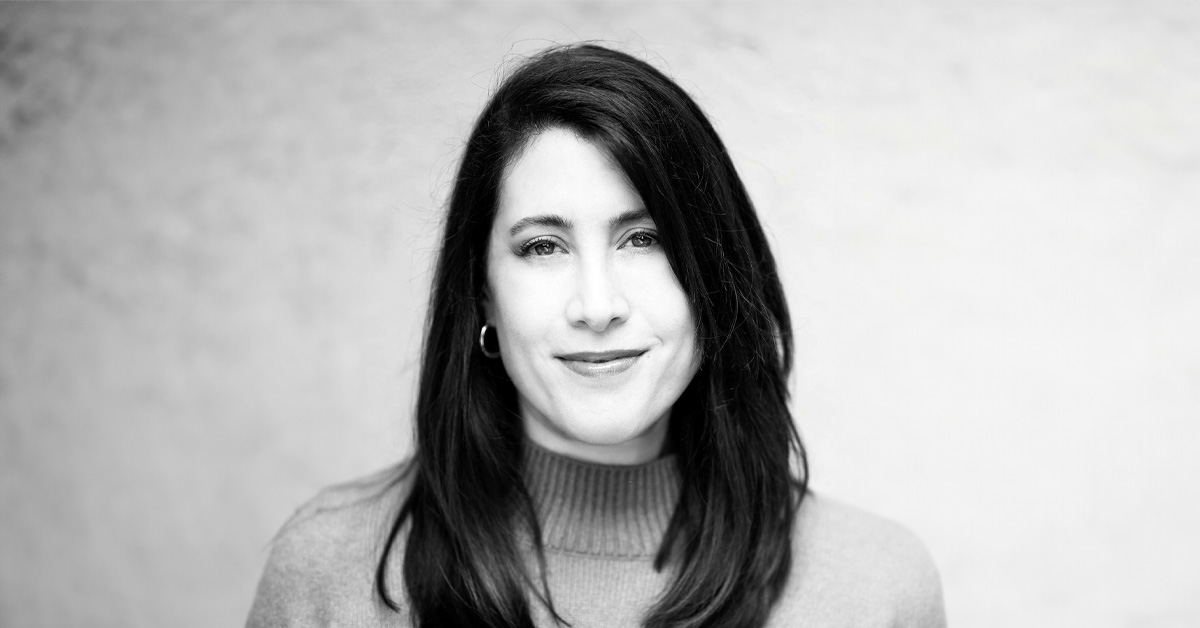
Zack Arnold: That was Allison Sweet Grant, a former psychiatric nurse practitioner turned author whose writing has been published in the New York Times and The Atlantic, to name just a few. She is the author of the novel I Am the Cage which we discussed at length in our first podcast conversation together (one of my all-time favorites). And her new book is Lump: A Memoir in Ineloquent Reflections where she candidly writes about her experience with breast cancer. In today’s conversation, Allison and I talk about the power of the written word to help us connect on a more emotional level, especially in our hardest and darkest moments. Allison explains why she chose to write about what cancer actually feels like instead of just what to do about it. She also explains why a few carefully chosen words can make someone feel less alone. And we talk about why so many of us apologize for our own pain, and how the fear of being a burden quietly costs us the connection we need most. If you’re going through something hard, cancer or otherwise, or if you love someone who is, and you’ve been struggling to find a way to both connect and work through all of the uncertainty ahead, this conversation is for you. Writers, your words matter more than you think.
Zack Arnold: So my approach to today’s conversation is going to be really different than my usual approach to conversations. Which is that I usually come with a lot of structure, a lot of preparation, massively over-preparing notes and being ready for everything. And today, I’m just gonna make this more of an informal conversation. Just wanna kinda dive in and just talk about your experiences and… I think part of the reason that I’m coming at this from such a different angle is that, as you may know, I know that, Adam is very much a segmenter, and it’s, you know, work and life are two very different worlds, and, you know, it’s borderline the television show Severance. But as you may know, I’ve essentially spent 6 months deep, deep in the weeds of building this event that’s centered all around the idea of human connection, and it was inspired by his new book that’s coming out. But it really became a much deeper dive into understanding the psychology of how we connect, why we build relationships. And when I had heard that your book was coming out, your new book, Lump, I thought, well, I have to… I have to talk to Allison, because your first conversation is still one of my favorites of all time. Never read young adult fiction, and I still think about your book to this day. There’s still 2 or 3 scenes that stick in my mind. But my immediate thought, because I’m just… I’m very analytical and structural, I’m like, well. Where does a memoir about breast cancer fit into all of the things that I’m doing with building a conference about human connection, and I’ve gone through at least 20-plus books, all Adam Grant-style, filled with research and anecdotes and stories. And then I open your book, and then my brain is like, wait a second! I don’t understand what this is, because I’m so used to seeing all of the structure and the stories and the research, and it was just like this breath of fresh air. But my brain is like… What is this? Because it’s a memoir, but it’s so unique in the way that it’s structured or not structured, depending on how you look at it. It’s not just poetry, it’s not just prose, it’s not… Help me understand what this book is, and I mean that in the best way possible, but really help me understand what your book is.
Allison Sweet Grant: Oh my gosh. Well, first of all, thank you. Thank you for having me, and thank you for your very kind words. Gosh, I think this book is a reflection of, what was happening in my mind, when I was going through the most difficult period of my life, and it is undefinable. It’s messy, for sure. It is both structured and unstructured. There’s a lot of blank space, a lot of white space, on the page. There are very punctuated lines that I think pack a punch. And there are some pieces where it takes you you know, you have to read the whole thing to really come to the point at the bottom of the page. So, it is a little bit of everything. And I hope that that is something that will engage the reader.
Zack Arnold: When you say that it packs a punch, I would say that’s a dramatic understatement. I broke up in tears twice by page 28. Like… it was… getting through this was not easy. I mean, I’ve… I’ve been pretty open and honest, and I’m a, you know, I’m a pretty highly sensitive guy, but man, the first 28 pages were just… they were… they were tough.
Allison Sweet Grant: Sorry about that.
Zack Arnold: This is not… you apologized to me over email. I don’t want you to apologize to me here either. I’m not looking for an apology. You didn’t do anything wrong. It was just… it… you immediately got to just the heart of… To me, like, human existence and human relationships. Like, I’ve never been through cancer, we’ve had cancer in our family, but I’ve never personally been through it, so I can’t say that I empathize with your experience having gone through cancer, but I can empathize with the experience of, we are trying to figure out life, and we’re trying to figure out what truly has meaning, and I think that’s what I resonated with so much, is that you were just tapping into the heart of what the hell all of this even means, and are we missing it? Like, that to me seemed like a really central kind of theme of at least that first section, is just, like, missing things.
Allison Sweet Grant: Yeah. Well, you know, the truth is, when this happened to me, I had never been through it either, you know, and so I was experiencing it just as anybody else who’s never been through cancer experiences cancer. It’s, you know, frightening and, confusing and overwhelming, and… You know, in writing this book, and in writing that first section, which is really about like, the surprise diagnosis, right? And trying to figure everything out, and figure out what path you’re on, and what tests you need, and… you know, who your doctors are going to be, and, you know, there’s a lot of nuance in cancer diagnosis. It’s not just breast cancer, right? It’s, like, the specific kind, the specific type. Figuring out, like, all of those details. was so overwhelming, and so, just all-consuming. And, in writing that section, I really just wanted to convey the… terror that sort of coursed through me as I… started down this path as I introduced it to my family and my children and, the people around me. And so, yeah, it was a tumultuous time, and I think that that’s sort of reflected, you know, in those first few pieces, in that first section.
Zack Arnold: There’s a couple of them that I wanna, I wanna come back to, and I may even have you, read one of them for us.
Allison Sweet Grant: Okay.
Zack Arnold: I would love to hear it in your own voice, but we can get back to that in a bit. But you said something that I find really striking, which is that, you know, this is the… getting cancer is the hardest thing that you’ve ever been through. This is not the first time you’ve had to talk about your medical traumas.
Allison Sweet Grant: I know, right?
Zack Arnold: Like… It’s like, are you just not tired by now of talking about all your damn medical traumas and how they have defined so much of your life? Like, come on!
Allison Sweet Grant: I know. No, I am tired, but, you know, the thing about it is, like, this is… talking about them now, as an adult, like, my, you know, the first one with my first book, I was a child when I experienced that, and I went 30 years without saying a word. I mean, I just kept it all inside, but I have learned from that experience, and learned that talking about it, and for me, writing about it. is so cathartic, and has been such an important part of my recovery, you know, just being able to process everything, get it out of me, and onto something else, like, even physically, you know? But yeah, no, I’m all with you, and like, I… I’m hoping there isn’t a third, you know? That’d be awful.
Zack Arnold: Yeah, well, let’s just say that I would love if there were a third book, but let’s not make it a third book about, here’s more medical trauma that I need to process and put out into the world, because I wouldn’t wish that.
Allison Sweet Grant: Deal.
Zack Arnold: But it’s funny that we bring up this idea of another book, because I heard, obviously, I listened to the interview that you did recently with Adam on his podcast, and you, like so many of the authors that I research, it’s always, this is the last one. no more books, like Angela Duckworth was the same way, like, I’m never doing another book. And… what I find interesting about this is that you had said to him, like. I don’t like talking about the book. I wrote the book so I don’t have to talk about the book. And I think a lot of authors might say that, but then they’re all over the podcast circuit, and they’re speaking about their book, and they’re talking about their book. But you walk the walk. It isn’t easy finding you talking about your books. It is… and I would say that when I was researching for our first podcast about your previous book, I Am the Cage, like, there was nothing. It was basically you and Adam, and he put you out into the world, and there’s a few more here and there. So that kind of begs the question, like, how did I get you back for round two? You’ve written the book, you don’t want to talk about the book, just go read the book.
Allison Sweet Grant: Yeah. No, you’re… well, first of all, you’re a, you know, a different entity altogether, Zack, and I’m so happy to be here, and honored that you wanted me to come back. But yeah, I definitely have a hard time talking about the book. I definitely feel… I think it was Glen Doyle who said something like, I wrote the book, I don’t want to have to talk about the book. And I very much, you know, can agree with that statement. It’s, it’s hard, because for somebody… you know, I… I have talked about this on… with Adam. I have brain fog as a result of some of my treatments, and I often worry that I don’t come across well when I’m speaking, that I’m inarticulate, I have a lot of trouble with recall, and so I think I’m just, like, sitting here trying to come up with the word that I want to say, and everybody’s just kind of… you know, waiting on me, and, it’s a real anxiety that I have. In speaking about my books. And, this one in particular, I… I spent so much time on every single word in this book, right? Like, lump is not a 90,000-word book, it’s 17,000 words, and every single one of those words was chosen deliberately, and for a specific reason, and I said exactly what I wanted to say about being diagnosed with cancer, you know, about going through chemotherapy. What it’s like to be… to have radiation. What it’s like to lose my hair. what it’s like to tell my children that I have cancer. And so… I don’t know what else there is to say, like, I… you know, I’m happy to answer people’s questions, and I… I’m delighted if people want to talk about it, but I… Yeah, I mean, I think that comes just from… I put it all there, and if somebody wants to read it, you know, that is incredibly touching, and if it resonates with them, I’m just, you know, absolutely thrilled. I don’t know… if I can trust myself to talk about it in a way that would be any better than what I already put down on paper.
Zack Arnold: Yeah, that’s, I can very much relate to that, in the sense that… I think you and I talked about this in our first interview, and if I haven’t already done the shameless self-promotion. Everybody needs to go listen to our first interview. It is one of my favorite interviews that I have ever done. You were, in fact, very articulate. I loved our conversation, so I think for anybody that wants to better understand the experiences that you had in childhood, I think that it’s an absolute must-listen. But I think you and I talked about our… we even led our conversation with, like, alright, so here we are, two shy introverts that are gonna have a conversation about creativity, and… this just kind of came together this morning, and literally just now for me. And what has come together is, like I’d said earlier, well, where does this fit in? I’m so in the trenches with building this conference around the central narrative of human connection. But then here’s a very personal story from somebody that, on the surface to me, felt unrelated, and I’m like, how do I fit this in? And I think where this came together for me, and you can correct me if I’m wrong, but it feels like there’s this really delicate balance in your book, and also just in our conversations, about This is written for me. to process my emotions, to process the trauma, to make sense of it, but this is written for us. You use that more than once, that us, and this is about being there to be helpful for others that are going through similar experiences. And I think where this really fits in and I’m really just talking through this out loud, is that I think a core part of genuine human connection, from everything that I’ve learned and talked about. is that it’s the combination of, I want my experiences in life to be seen, and I want to feel heard. And the paradox is, we don’t want to put ourselves out there. And I kind of feel like your experience with writing versus talking about it is, I want my experience to feel seen and heard. Not because it’s about me, but because other people might be going through this, but I do not want to put myself out there.
Allison Sweet Grant: Yeah. Yeah, I mean, I think that you’re definitely on to something. It’s a real conflict of interest, I think, right? Because you can’t really have one without the other. And… and I do… I agree, I… I do… it was important to me that I felt that I was validated in some way, like, going through this, you know, really difficult time. And in a way, just writing the book was sort of a way to self-validate everything that I went through, and sort of contain it. But… I didn’t go through anything that… there aren’t thousands of other people who went through, you know, probably something very close to it, if not the exact same thing. Thousands of other people going through cancer, who are going through the same mess of emotions that I am, and maybe I can say it in a way that will resonate with somebody, you know, differently than something else, you know? Or, you know, I had a lot of, I was gifted a lot of cancer books while I was going through cancer, and some of them I found incredibly helpful. But a lot of them, were sort of of the, like, prescriptive variety, you know, like, these are the tests that you’re going to have, these are the choices that you need to make, these are the labs, and things like that. So lots of checklists, things to do. But there was less about what is that going to feel like, you know? What does it feel like to lay on a radiation table, you know? Not only physically, but, like, what does it feel like when you get home, you know? What does it feel like to be told. you have to avoid your kids for 48 hours because you’re radioactive, you know? What does that feel like? And, I don’t know, those were the things that I wanted to communicate. Because those were the things that I was needing at the time. I wanted to know what it was gonna feel like, you know? And I had a hard time finding that. And so that was sort of, you know, part of my aim, and yes, I want… I want to share this experience. but also be… keep myself safe, you know? It… it is… it’s a fine line, and I… I still don’t know if I’m walking it well. Yeah.
Zack Arnold: I can assure you, you’re walking it extremely well, and I think what you’re helping me tap into when I had said, like, help me understand what this is, and again, I’m gonna keep saying it, in the best way possible. Because it’s so much more complex than chapter one, the diagnosis. Chapter 2, the difficult decisions. Chapter 3, Chemo is hard, right? And there’s nothing wrong with that form of storytelling. But yours is all about the feeling. Like, when you were talking about describing the feeling, I don’t have the amazing recall that Adam does to remember every word of every study and every person and every date and every statistic, but the line that came up to me immediately was the question, does hell have overhead lighting?
Allison Sweet Grant: Oh.
Zack Arnold: To me, is, like, the perfect encapsulation of this experience that you’re feeling that you don’t get from just retelling the story from the logical level.
Allison Sweet Grant: Yeah, well, thank you. I actually like that line a lot, too, and I vacillated between, when did Hell install overhead lighting, and some Hells have overhead lighting, because I felt like… Right? Like, this… that room that I was sort of envisioning as I was writing that piece, which was like a chemo room, like… You know, and equating it to a how. it felt like hell to me, but for somebody else, like, this is a… this is a heaven, right? This is a treatment, this is something saving their life, and we might have the exact same diagnosis, but look at this in a totally different way. And I think that’s what’s so interesting about overhead lighting, right? Like. you can be looking at the same thing, and it just look, you know, completely unique to you. And that’s something I’ve learned about cancer as a whole, is that it is so unique to every individual who’s going through it. And so, if there’s a part of this book that does not resonate with you. that’s okay, you know? And I’m sure that there are things that I left out of it that other people experienced and had a hard time and had a hard time with and would have liked to have covered, and, you know, maybe that just wasn’t on my radar. But this is… a… a pretty good snapshot, I think, of… how I felt going through the experience, and how my family felt going through the experience. And… and how we’re dealing with it, even now, 6 years later.
Zack Arnold: I think this might actually partially answer my next question about how this is really about the feeling, but there are… there are two things in life that I really don’t understand, and I don’t know if I ever will, and it’s not because there’s anything wrong with them, my brain just doesn’t compute them, and those two things are jazz and poetry. Your brain doesn’t understand jazz, nor does it understand poetry, and your book is not a poetry book, but it has poetry in it, it has other forms of prose in it, it has other forms of… I don’t even know what to call them, because I don’t really have familiarity with them, but maybe this already kind of answers the previous question, but why… why the structure or lack thereof, why the poetry, but then the prose, but then the other things that I don’t have the vocabulary to explain. Why choose the format that you did?
Allison Sweet Grant: Yeah. Well, first, before I answer that, can I just say I agree with you about jazz? I’ve never been a fan of jazz.
Zack Arnold: Just don’t get it!
Allison Sweet Grant: Yeah, it keeps…
Zack Arnold: Even the notes they’re not playing, I’m like, well, if I don’t listen to jazz, those are also the notes they’re not playing. So I have nothing against it, my brain just doesn’t understand it. My brain gets classical.
Allison Sweet Grant: Yes.
Zack Arnold: form, it gets the structure, it gets the themes, like, I’m very analytical, I love classical music, I don’t get jazz.
Allison Sweet Grant: Yeah, I feel the same way. I also am a big fan of classical, and jazz, it’s just… it… it gives me a headache, because I don’t understand where it’s going and where it comes from, and it’s so, yeah, hard to follow. Yeah, I… we’re on the same page there.
Zack Arnold: It literally gives me physical anxiety listening to jazz. Like, I can feel it in my body, like, this is making me uncomfortable, and I just…
Allison Sweet Grant: Oh no…
Zack Arnold: However my brain is wired. Not, like, in a, like, a bad anxiety kind of way, but it’s like… This isn’t doing what music should be doing, it’s not bringing me into that world, it’s not, you know, like, making the world disappear, which for me, a lot of the music I enjoy does, especially classical or, you know, symphonic score, but jazz actually makes me physically uncomfortable.
Allison Sweet Grant: Yeah. I’m very sorry to hear that. And I think…
Zack Arnold: For me, in a way, not the kind of anxiety, but I think, for me, poetry, or the structure that you’re using a lot in here, I’m like. I’m sure this is brilliant, but I don’t… I don’t understand what’s happening here, and I desperately want to understand, so just kind of talk me through, in general, the choices for the very different types of structure and format.
Allison Sweet Grant: Yeah. Well, I am a fan of poetry. I’ve been reading poetry since, you know, since I was in, I don’t know, middle or elementary school. And, You know, I… I guess there were a few reasons for the choices that I made. Number one, while I was reading books, while I was sick. I couldn’t finish a chapter a lot of times, you know? Like, it takes a lot of effort to sit down and open a book. And get through a chapter, and, you know, from, you know, the beginning of one thought to the end of the thought, when it’s 30 pages long, that’s a lot of information, not only to take in, but also to retain. And I wanted to say what I wanted to say in a way that would be heard, you know? In a way that could be consumed in sort of small… Bite-sized pieces that didn’t force you to take an hour, or however long out of your time… out of your day, you know, to… Connect, with an emotion that… the person who’s reading it may be having at that very moment, and so I wanted it to be more easily consumed. And I think part of that also is just because I enjoy consuming things in that way. I like being able to… read a sentence and stop and say, whoa, yes, I feel that. I know exactly what that feels like, right? And it kind of just, like, hits you in the heart. And I kind of wanted to weed out all the fluff. And that’s sort of where the format started. not… not every piece in the book is poetry. There are some essays, you know, some other pieces of prose, some… mathematical equations, and some sort of poems that kind of jump around on the page a little bit. And a lot of the different structure mimics how I was feeling when I was writing it. So there’s a piece called, so I guess I’m a Little Bit Angry. And it kind of jumps around on the page, and you’re supposed to follow it. And… You know, that was… you know, very much reminiscent of how I felt a lot of the time during my diagnosis, jumping around from one thing to another, from understanding something to not understanding something, to being told this isn’t gonna happen, and then that being changed the next day, and it just felt very chaotic. And, exhausting. And I wanted to try to convey that, in particular in that piece. And so, the formatting of a lot of the pieces is really just In an effort to not only convey the feelings with the words, but in the way that you read the words as well.
Zack Arnold: Well, it’s really interesting that this is the one that you brought up, because of all the pieces, I feel like this is the one where I thought, there’s something here that I’m not getting. There’s a very intentional reason behind not just the words, but the format of the words. And if you could, if you could just hold it up to the camera for anybody that’s watching, I want them to be able to see this, because this is really interesting, and creative, and unique. Push it a little bit closer. There we go, perfect. So for anybody that’s looking at this, this is one of those where my brain said, I don’t get it. I want to get it, but I don’t get it. And I think your explanation of what your… kind of what the eyes have to do to bounce back and forth… you’re trying on the page, and I think you’re succeeding at creating a similar feeling to what you felt like, where things were just all over the place.
Allison Sweet Grant: Yeah, absolutely. Emotionally all over the place, you know, all over the place in terms of, you know, what was happening with my treatment, but also, like, that… that sort of physical, like, sense of being lost, right? Maybe being, like, a little bit, like, sick, not knowing what’s going on, and just feeling confused. Yeah.
Zack Arnold: Well, there’s… there’s actually a section in this one that I want to get into that I think is going to be the perfect segue for where I want to go to next, but the… the… before I get there. you’re… literally, this is happening real time, this is really helping me crystallize where this book fits into the core, central theme of everything that I’ve been working on, which is this choice of, I’m gonna create things that are short and digestible. is a combination of, I want my experience to feel seen, heard, I want to validate this experience, but it’s also in service of your audience. It’s… if you’re reading this and you’re in the chemo chair, you don’t want to go through 30 pages. I’m giving you something that helps you understand your experience, feel like somebody can sympathize and empathize with you. but that you can actually digest. Like, to me, that’s the perfect combination of, I want to express this, but I want somebody else to feel connected to me in a way that works for them.
Allison Sweet Grant: Yeah, absolutely. I mean, I wanted people to be able to pick up the book when it… when they need it, right? And not feel like they had to get through, like, a whole, you know, chunk of pages to find what they’re looking for. But to be able to come back to it, you know, as your experience changes, and as different things in the book may or may not resonate with you.
Zack Arnold: So what you said in here… That really struck me, and this kind of became a core theme. Is that breast cancer is not a fucking journey. So, talk to us more about your journey breast cancer.
Allison Sweet Grant: Yeah. I mean, I feel bad saying it, because that language is used everywhere, right? And a lot of people do feel like it is a journey, and they do like that language, and they feel like it, you know, represents them well. I did not like it. I don’t like the journey language. I don’t like the survivor language, the warrior language, the fight, you know, your battle with breast cancer. It did not sit well with me. I found it… in some ways, patronizing. And, you know, it’s like… it’s like other people telling me I was on a breast cancer journey, right? A journey that I never chose, that I would rather be anywhere else than on this journey, you know, where I cannot see what’s coming around the corner. And it just… it felt like a way to make other people feel better about the experience that I was going through, and so I… I don’t like that terminology. Similarly, you know, I… I… had a piece in, recently about not liking being called a survivor, and that’s not to say that I’m not proud and grateful that I am here, because I am immensely so. But there are people who are not here who worked just as hard as I did, who did everything that I did, you know, and I did not do anything special. And I… I feel like this label personally, you know, it’s like giving me credit for something that I did not do, you know? It’s sort of… you know, like, pasting me with this identity that I, you know, I fought hard enough, and I came out the other side, and I survived, and I’m proud, and I’m, you know, out here, you know, doing all this stuff, and I… I just want to live my life, you know? I want to forget that I was a cancer patient to begin with. I don’t, you know, I don’t want to be out there as a spokesperson, you know, for, you know, cancer. It felt like a very heavy label to wear. It felt like I was wearing it for other people. It felt like I had to wear it to make cancer seem less scary to other people, you know what I mean? So, I had a hard time with a lot of this, the cancer terminology, personally, and that’s, you know, where that poem sort of… You know, init… comes from. It was just sort of like, yeah, like, I’m angry about this. I don’t want to be… I don’t want to be a surviv… I don’t want to be a survivor, right, in the sense that they’re saying, like, you’re a survivor and you can fight. Like, I actually just want to survive, and that is where all of my energy is focused at the moment.
Zack Arnold: The thing that had never really occurred to me is In this conversation about being a survivor, like. there are so many people that have done exactly what you did, and they didn’t survive. That had never, never really clicked, because, like, the survivor mentality, like, you know, putting yourself on the, you know, sharing your journey with the world to inspire others, all of which I have no problem with, but being forced to be put in that position if you didn’t ask for it, I can see why that would make somebody uncomfortable, but… It never really occurred to me. Oh yeah, there are people that did exactly the same things as you do. They didn’t make it out the other end of their journey.
Allison Sweet Grant: Yeah. Exactly. I think there… there are, like, a subset of cancer patients who, like, being a survivor, like, it’s a motivating thing, right? It’s something to, like, hold onto and sort of carry through your treatment, right? And I think that’s amazing, and I admire those people. It just didn’t fit. It was… it was… I felt like I was wearing sort of, like, a mask that didn’t fit. This was not a label that I… carried through the experience. That’s not to say that I’m not glad that I am here, but, it’s not… it just never fit.
Zack Arnold: Well, speaking of carrying things and wearing things, where’s your ribbon?
Allison Sweet Grant: Where’s my…
Zack Arnold: Why aren’t you wearing your ribbon?
Allison Sweet Grant: I know you’re putting me on the spot. I don’t have… I don’t have one today, I don’t know.
Zack Arnold: No, no, I…
Allison Sweet Grant: to wear one?
Zack Arnold: No, no, I’m dead, sorry, maybe I probably should have framed that a little bit better, but you’ve said, like, there’s an expectation of people approaching you, saying, like, why aren’t you wearing your ribbon? Why aren’t you going to the walks, right? Like, being a part of this journey and being thrust into this when maybe it’s not something that fits you.
Allison Sweet Grant: Yeah, it’s… I mean, I think it’s sort of all the same thing, right? It’s like… I think it’s like anything else in life, like, there are things that some people like, and things, like, that some people don’t like, and with cancer, it’s the same thing. Some people, like, really gravitate toward that community, right? It’s, like, in breast cancer, mostly, like, a sisterhood, right, of ribbons and fundraisers and, you know, all of these things, and that is amazing. But it’s not for everybody. Some people, you know, just… aren’t joiners, I guess, right? And they’re doing this in a very different way, and that’s perfectly okay.
Zack Arnold: Yeah, and I think this is one of the reasons why you and I connect, or, you know, to use the vernacular right now, why you and I vibe, pun intended, is because I feel exactly the same way, where I am not a joiner, which is so ironic, given that I now build communities and connect people, but I’m not a joiner, never have been. And I’ve always felt this immense pressure, especially because The world is designed for extroverts. Where you should participate, you should be going to all the events, and you should be wearing whatever the shirt is, or the ribbon, or otherwise, and that the world has those kinds of people and those kinds of events is fantastic. The world needs those things, but there are, for certain people. like us, where it’s like, that just… that doesn’t fit, and that just creates an immense amount of discomfort. And for me, I feel like, correct me if I’m wrong, but your version of, I’m wearing the ribbon, I’m being supportive. It’s this. Like, it’s… right? Like, this is your version of putting this out into the world to support people.
Allison Sweet Grant: 100%, yeah.
Zack Arnold: This was one of the two. That got me. I think the one that really got me is probably the one that gets a lot of people and maybe got you, but we’re gonna hold off on that one. Okay. But the first one that really got me that surprised me was very early in the book, and you called it On Riches. And it was… it was basically about making pancakes. But it was a much, much deeper meaning to it. So, just kind of set the stage and give us a little bit of background about OnRiches.
Allison Sweet Grant: Yeah, On Riches is about pancakes. It’s sort of a scene taken out of my kitchen where my husband Adam is making pancakes with the kids, and I’m an observer. And, I’m just noticing every little detail. You know, the… the cloud of… Dust, flower dust in the air. The kids throwing in blueberries, my son coming up next to me, asking if he can add chocolate chips. I’m just… Remembering the beauty in this very small moment, this very real family moment. And… hoping that I get More of them.
Zack Arnold: See, it’s… I think we’re gonna have a hard time getting through, some of this conversation, because this… this one… this one hit me hard, and it was especially at the end of it, where you said, remember this. Remember this, remember how this feels.
Allison Sweet Grant: Yeah.
Zack Arnold: That got me. It’s get me now.
Allison Sweet Grant: Me too! And I think.
Zack Arnold: The… what it reminded me of is I had written, an essay, I don’t even remember now, it must have been a few years ago, and I don’t think I’ve ever talked about this one, I’ve written about it, but I’ve never talked about it. Ugh, I don’t think I’m gonna have a hard time getting through it. But the essay was about, nobody ever tells you when it’s the last time when you’re doing something. Nobody tells you when it’s the last… ugh, man, this is gonna be hard. When you’re a parent, nobody tells you, this is the last time you’re reading to your kids in bed. It’s just, all of a sudden, there’s that one night where there’s no time to read with them at bed, and then there’s another night, and then it’s 5 years later, and you’re like, I haven’t sat in my kid’s bed for 5 years and read a story to them, right? And the one that really hit me is that there was one where I knew it. And it was, I knew this was gonna be the last Christmas Eve where my kids believed in Santa. And we had put our kids to bed, we were actually at my parents’ farm at the time. it was just sitting there. Room was dark, only lit by the Christmas lights. We had just put the trees, or the presents under the tree. We had this… my wife and I had this thing that we did where we would, like, sprinkle little bits of flour all over the place that would kind of create, like, footprints and tracks from wherever they came in. Like, just these, you know, little things that parents do. And I was just sitting there, and I’m thinking, I’m not doing this again. Right? Like, this is it. And the… the blueberry story was, like, to me, those… those are the connections. Those are the ones that… Where we really feel like we’re in the moment, it’s just this little thing of making breakfast, but we just get so damn busy and wrapped up with all the goals and all the achievements, and… And I’m wondering… if… The acute sense of presence comes from, you did have the awareness, like. this could be the last time that I get to just hang out and watch my husband make blueberry pancakes with my kids.
Allison Sweet Grant: Yeah, absolutely. I, you know, when I was diagnosed, everything happened super quickly, and when I was told that I was gonna need chemotherapy, that was terrifying for me. I had this sort of irrational fear that I was… it was gonna be the chemo that was gonna kill me, and I was terrified I was not gonna come home from that first chemo appointment. And… When you think… when you’re sitting in your kitchen, you know. watching your… your kids, your family, and you think you might not be coming home the next day. It makes everything… Brighter, You know? It makes everything a little bit louder. And quieter at the same time, actually. And you start paying attention to those little details that you don’t want to forget. You know, my son holding me with, like, sticky fingers, you know, holding my hand. I don’t know, I… I think there were lots of moments, and I think I’ve… Chronicled lots of moments in the book. Where I kind of thought, I want to remember this. This… this might be it, and… This is one of the things I want to remember.
Zack Arnold: I think that’s gonna get us to what, at least for me, is gonna be the hardest part of today’s conversation.
Allison Sweet Grant: Okay. I’m bracing myself.
Zack Arnold: Yeah. This one might be harder for me than for you, I don’t know, we’ll find out. But when I… this is… this is what I had read when I emailed you, where I basically said. I’m only on page 28, and already I have to put your book down. So, if… if… I think this is gonna just be a completely selfish request. Maybe it’s something that would be valuable to you, maybe it’s valuable to my audience. But there’s one that I’d actually like to hear you read.
Allison Sweet Grant: Sure.
Zack Arnold: 5… 5 letters.
Allison Sweet Grant: Yeah, that… I hear ya. So… You know, this… it’s… it is interesting, and you are right, like, this… this is the poem, right, that sort of… looks at what was happening right before I went to chemo, and when I thought I might not come back from chemo, And sort of how I prepared myself for that. Five letters. I pack my bag for chemo. And just in case they don’t come home. I leave 5 letters on the table in the living room. The room where no one really goes. I don’t want anyone to find them today. I write their names on each envelope in pencil. I want to be able to take them back. Like, wayward curse words in front of the kids. I want to be able to say. See, I didn’t mean it. They don’t mean what they… They don’t mean what you think they mean. Even though they do. I need to leave something behind. Because any day could be the day I leave them behind. The day I don’t get to say goodbye. Any day could be that day. Even this one. I think I might have done that better than I did for the audiobook, so maybe we could send the audio people, like, a snippet, and they could weave it in.
Zack Arnold: Yes, that was wonderful. Yeah, this one… I… I think I had to stop for about 10 minutes. I just… I just sat there, like, it’s…
Allison Sweet Grant: You know, something I talked with Adam about, actually about that particular poem was that he did not know that I had left those letters. And I didn’t know that he did not know that I left those letters until recently. Because, later, and I don’t know exactly how much later, but I did end up giving those letters to my children, just so that they could read what I, you know, wrote to them, but I must not have given it to Adam, and he was very surprised to read that poem, because he had no idea that that had even occurred.
Zack Arnold: Yeah, I remember, I watched the interview that you guys did, and you could see that that was not a rehearsed look on his face. Like, you can just see it there real time. He’s like. wait, you did this thing? And, wait, so the kids got the letters, and… like, I haven’t seen mine. Did he end up seeing his letter?
Allison Sweet Grant: I, no, you know, we’ve actually moved since, since then, and my guess is it’s, like. in a box somewhere. But, so no, I don’t think I’ve given it to him.
Zack Arnold: Hmm.
Allison Sweet Grant: But my kids have theirs, and my daughter actually has hers, like, sort of tacked up on her desk. I think it was… Really, meaningful for her, you know, for them to get… to read them. So I should, I should probably, I don’t know, start hunting for atoms.
Zack Arnold: Yeah, I know that if I were in his position, I think that that’s something that I would love to read if my wife were willing to share it with me. So, you know, it might be worth doing a little bit of hunting, but…
Allison Sweet Grant: Yeah.
Zack Arnold: I know you both are very busy. Yeah, no, this… the… I think… what I’m really trying to process here, and this is where it all kind of… dovetails and overlaps with the 78 Venn diagrams I have in my head right now of all the research that I’m doing about communication and writing and connection with humans and bringing in the robots and AI, is that It’s literally one page. It’s not even all the words on the page, it’s like you said, use the minimum amount of words possible. I can’t imagine it’s more than, what, maybe a couple hundred words. But there’s something about how… You taking an experience, conveying it in the fewest number of words possible, Somehow. In which a way that my caveman brain can’t comprehend. Tapped into the center of a core experience of being human. And this is why I think it’s so important that we continue to do the work that we are doing, that you are doing, putting words on the page, putting real human words on the page, putting real human experiences on the page, and I just think that, in general, as society, we’re just… we’re losing our way in this respect right now. Like, I’m not interested in getting political or anything. But this is a conversation I’ve had over and over with so many different authors about, we’re just, we’re losing our voice, we’re losing our taste, we’re losing our sense of perspective on life, because we’re outsourcing everything, and we’re not doing it ourselves anymore. And this was, to me, the perfect example of this is why we need to be doing the hard, effortful work of figuring out the words that go on the page.
Allison Sweet Grant: You know, to speak to that, like, this book is… Yes, it’s about cancer, and specifically breast cancer, but really, it’s about being told you might die, right? Which is a universal, you know, human experience, and it’s about, you know. What it feels like when somebody tells you that, you know, out of the blue, and what do you do? where do you go? How do you go home at night and sit on the couch, like, after somebody tells you that? How do you pick up your kids from school after somebody tells you you might die, you know? How do you go on with your life? And, I think that that’s something that everybody can relate to.
Zack Arnold: Well, there’s another theme that I think is part of the book itself, but is also part of an essay that you wrote recently for the New York Times that I also think is part of the universal human experience and the part of connecting with others. Do you mind sharing a little bit of the story of your first chemo experience, and how your immediate reaction was, oh, I’m sorry, no, I’m fine. I think this is a really important experience to share with people.
Allison Sweet Grant: Yeah, sure. Yeah, I wrote a little bit about how when I… when I first went in for chemo, I had a reaction to one of the… one of the drugs in the chemo cocktail, and I had excruciating back pain. I was arching like a cat out of the chemo chair, and it took a little while for them to get it under control, and for me to, you know, be able to breathe again, for my blood pressure to return to normal, and just to be able to, you know, be in the room. And, the first thing I said when I was able to speak was, I’m sorry, I’m okay, you know? And, it, you know, I didn’t mean to, right? Like, it’s sort of just what naturally came out, you know, to apologize for making things difficult for other people, to apologize for having this unusual reaction, you know, to apologize for making the doctor come running into the room, you know, and all… for being an inconvenience, essentially, you know? And I think in healthcare, oftentimes. We apologize for, you know, being difficult, apologize for being an inconvenience, and it’s just such a travesty, because, you know. People are there to help you, to help us through… there’s these… You know, really challenging times, and… and… To feel the need to sort of stifle and swallow your pain, swallow your struggles, it’s such, like, an injustice that we do to ourselves, I think. And that’s really what that article, you know, was about.
Zack Arnold: And that’s a core part of the human experience across all areas, not just the medical side of things, and I actually talked about that a lot during the conference, where we just… we assume that asking people for help, or sharing discomfort or otherwise, we don’t want to be a burden on others. We don’t want to ask them for things. And what… to, you know, to channel my inner Adam for a second, what the research shows is that people are way more likely to help us than we think, and way more likely to want to be useful, and even go out of their way, because both they do want to be helpful, and selfishly, it feels good to be helpful to other people. But we’re… just our default setting, I don’t know if it’s a cultural thing, I don’t know if it’s a human thing, is we need to apologize for the ask in advance. Like, you even apologize… I think you’ve apologized to me at least 2 or 3 times since we started, and I have to say, you don’t need to apologize. And I just feel like that’s such a core part of the human experience, and I think it robs us of the ability to have real connections with other people. And we’re saying no to a potential connection before we even put ourselves in the position to create that connection.
Allison Sweet Grant: Yeah, no, I can see that. I mean, absolutely, and I think you’re right, it stretches far and wide. It is not, like, specific to healthcare. You know, fear of being a burden to anybody around us, but, you know, particularly people who are trying to take care of us, you don’t want to add any more to that, you know, that that weight that’s there. And so it’s… it’s… it’s natural to apologize, but, you’re right, it does sort of… Then limit the possibility for connection.
Zack Arnold: The other part of the interview that I think is really relevant as well, and I think really useful specifically for people that might empathize with this, that are going through a similar struggle, is that You can be a burden in the sense that there’s research that shows if you are the difficult or the unreasonable patient, you’re actually going to get worse care, which is unfathomable to me. But I don’t think it’s a completely unwarranted fear of, well, I don’t want to put them out, I don’t want to bother them, because they might actually flag you as like, yeah, no, this person’s hysterical, right?
Allison Sweet Grant: Right.
Zack Arnold: So how did you navigate that?
Allison Sweet Grant: Yeah, I’m still working on it, truthfully, and even, like, and myself, I’m a nurse, or I was a nurse when I was working, like, I should know better, right? I should know that the nurses are there to help. they’re not, you know, they don’t need my apologies, right? They don’t need me to apologize for something that I had no control over, but it’s sort of just this natural thing that happens, and… It is something that I still struggle with, truthfully. Like, every time I go in for a check, you know, or a scan, which I still do regularly, you know, I always want to walk the line between getting what I need, but not asking for too much. And it’s hard, it’s a really hard line to walk. And, you know, something that Adam and I talk about a lot is… is having somebody with you to help advocate, particularly in healthcare, right? When I was diagnosed with the cancer, it was COVID. It was the beginning of COVID. I wasn’t allowed to take anyone with me to anything, and that was one of the hardest parts. Not only because I didn’t have somebody there with me to hold my hand, but I also didn’t have somebody there as an advocate. I didn’t have somebody there to remember all the things that I knew I was gonna forget, you know, or ask the difficult questions. asked the questions that I, felt like… you know, maybe the doctors didn’t want to answer, right? Because… if I had brought somebody with me, it wouldn’t have cost them anything to ask those questions, even if I had felt like it might have cost me something. And that’s something I really missed, and, you know, I hope that… you know, for other people who are, you know, right now going through a cancer experience, that they are able to rely on, you know, just having somebody with them. It seems like such a simple thing. But I think it can make a huge difference.
Zack Arnold: I can only imagine how… just how awful and lonely it must have been to not only go through something that’s scary, but to go through it by yourself. And not by yourself in the larger sense, but by yourself going to the appointments, I’m sure it just felt like a firehose of information being thrown at you, and my guess is you couldn’t even connect with the practitioners, because you’re probably separated by 17 layers of face masks and visors and plastic, like, I just… I can’t… ugh, I just… I can’t imagine how difficult that must have been.
Allison Sweet Grant: Yeah, it was scary, it definitely was… it was, you know, I actually remember. like I said, like, laying on the, radiation table, and looking at the people above me, and just feeling like an alien, right? Like, not only with all this machinery and equipment, but I couldn’t, you know, behind goggles and masks and, you know, protective clothing and things like that. It was just a very surreal experience. And having somebody with me, just knowing there was somebody out in the waiting room waiting for me, you know, would have made all the difference.
Zack Arnold: The next area that I want to go is literally just because I’m a very curious person, and I’m just fascinated by this, and we touched on it a little bit, I think, on our previous conversation. But I’m really curious how your synesthesia affected both this experience, but how it may have affected the way that you structured your book, the way that you wrote the words, the placement of the words on the page. So, for those that haven’t gone back, after hitting the pause button, listen to our first conversation in its entirety, and come back to this one. Give us a little primer on, just in general, what synesthesia is, what your version of it is, and then I want to see just how it affects your version of this story and your version of the book.
Allison Sweet Grant: Yeah. Well, synesthesia is the involuntary combining of senses, and so for some people, that’s like tasting shapes or seeing sounds, things like that. For me, it’s the combining of colors with numbers and letters. So, like, if I… I’m looking at my computer screen right here, I can see it says reminder, right? And I can see that that’s in black. ink, type, black… it’s a black letter. But in my mind, those letters are… have different colors associated with them. And it’s not something… you know, in writing lump. I think that my synesthesia affects all of my writing, but I don’t even think I know how, because lived with synesthesia for so long, it just… I’m not sure if I can, like, tweeze out exactly how it’s how it affects my writing. I do… I do know how it affects certain things strongly, like, it affects names very strongly. I… when I think of or see people’s names, like, they’re very heavily colored for me. But I’m not sure how it affects the actual act of writing or formatting things into poetry, though I’m sure it does. But I’d have to give that a little bit more thought, actually, if I… to come up with a really good answer for you. Yeah. An accurate answer, yeah.
Zack Arnold: So just, again, out of curiosity, what color is my name?
Allison Sweet Grant: So, your name is sort of like a brown and red mixture for me. It has, like, an overall brownish-reddish hue.
Zack Arnold: Interesting. I don’t feel like that fits my personality at all. He says wearing a red shirt.
Allison Sweet Grant: I was just gonna say, it look… yeah, like, I see maroon at the moment, so…
Zack Arnold: Hmm, it’s interesting. I don’t know, I guess I can call that the… the earthy tones, perhaps.
Allison Sweet Grant: Yeah.
Zack Arnold: When it comes to… kind of this conversation of, well, how did synesthesia affect your writing? It would be like asking, well, asking a fish, well, how does the water affect your experience of the world? Because fish don’t even know what water is, it’s just their reality.
Allison Sweet Grant: Hmm.
Zack Arnold: And I found it really interesting how you weren’t even aware of this, because you just assumed, well, yeah, this is how people experience the world. And it wasn’t even until you were naming your first kid, you’re like, wait, what? So, talk a little bit more about that, and then I have a… potentially a theory about where I think maybe it kind of came into your writing, but I could totally be wrong.
Allison Sweet Grant: Okay, awesome, I’m excited to hear it. Yeah, I didn’t really know it was a thing. I always just thought it was normal to have these associations, until Adam and I were naming our first child, and he presented a name to me, and I said, no, I don’t like that, it doesn’t look right, the colors don’t look right next to one another, and he’s like. what are you talking about? Do you have this weird thing called synesthesia? And I’m like, I don’t think so, let’s look it up. And so we did, and I’m like, yeah, I definitely have that.
Zack Arnold: But was there a part of you that was like, but wait, you don’t?
Allison Sweet Grant: Oh, for sure, yeah, for sure. I just thought it was sort of a normal experience, just like, you know, when you, I have to think of something to compare it to, but, you know, you know, do you ever, like, hear, a certain piece of music, and maybe you get, like, tingles, you know?
Zack Arnold: Sure.
Allison Sweet Grant: Right, so I just thought it was sort of, like, one of those things that, like, you see numbers and they have colors associated with them. I just… I didn’t think it was weird at all, or unusual at all.
Zack Arnold: I don’t like the word weird, I would say unique.
Allison Sweet Grant: Unique, yeah. But in naming our kids, that was really the most… most difficulty I’ve ever had with my synesthesia, because it is incredibly strong, and Adam just didn’t get it, and so, right, if he said, oh, I really like this name, and I couldn’t give any other reason other than the fact that it just didn’t look right, that was a challenge. And we also… adding to that challenge was that I… I felt in my head, like I wanted the name to match the birthday, And we didn’t really, you know, we couldn’t plan with any certainty what our kid’s birthday was going to be, and so with all these changing numbers and changing letters, it was just really, really hard to… land on something that felt cohesive for me. We did pretty good with two of our kids, but one of them is still… it’s… the match is not… it’s not great, and it still bothers me.
Zack Arnold: Alright, so here’s… here’s my theory, and I could be totally off, and again, this is just me, I’m just pulling a thread, I’m just a curious guy, just like to know how things work. One of the… I don’t know if I would call it a recurring theme, but it was a recurring item that you pointed to, I think, a couple of times, from my recollection, I could be wrong, was plums. Right? And… The cover of your book just happens to be in purple with a plum. And the book itself just happens to be purple. I’m curious if that has anything to do with your experience of cancer, writing these words, if there’s a connection and a very intentional choice of the purple and the plums.
Allison Sweet Grant: So, I think, and I might be mistaken, but I think the word plums is only mentioned once in the book. And I think it’s in, One of the first few pieces… Hold on. It’s like life feels like a plum left ripe on the table.
Zack Arnold: That, yeah, that was the one, I couldn’t remember exactly where it was, but…
Allison Sweet Grant: I did want there to be plums on the book, And part of the reason is because not only the reference to Plum’s in the book, but Plum is an anagram of Lump, and it just felt right.
Zack Arnold: Oh, that never occurred to me until just now.
Allison Sweet Grant: Yeah, maybe that’s a little synesthesia-y, Yeah, the purple, definitely, like, all in the same bucket there. The purple book, like, the actual hardcover of the inside of the book, that was not my call, and so when I saw… when the book arrived at my doorstep, and I saw that it was purple, I was delighted, but I can’t claim any responsibility for that.
Zack Arnold: Well, and I think that, again, just kind of comes back to this kind of thesis that I’m throwing together on the fly about this is a way that you connect with the world. It’s a unique way that you connect with the world and see it, and now you’re bringing that unique connection to other people. And I don’t think anybody’s gonna look at this and connect the purple or the plums or, you know, anything else with synesthesia or otherwise, but I think there’s something subconsciously that’s happening here that we just quite don’t understand, which again, like, it’s… You and I are talking about it, which means that we’re connecting about it.
Allison Sweet Grant: And I just…
Zack Arnold: I find that fascinating.
Allison Sweet Grant: Yeah, yeah, you might be right, and like you said, I… I definitely feel like a fish in water. It’s just been there the whole time. I don’t really know exactly how to articulate it all the time. I do think it informs my writing, and perhaps my Design choices in some ways, or, you know, title choices, But, but I don’t know.
Zack Arnold: If we were to go through, it can be any of them whatsoever. If there’s one that you’re like, oh yeah, we gotta talk about this one, or it’s my favorite, it could literally be the medical form, it could be the math formula, it could be your shopping lists… Again, there’s so many different ways that you approach this experience. Is there one that pops off, you’re like, yeah, let’s talk about this one?
Allison Sweet Grant: So, yeah, I mean, one of my favorite pieces is called Just My Luck. And it’s the one where I pretty much, like, rant about all the things that people have told me contributed to my cancer.
Zack Arnold: That’s the one that I wanted to go to, where it was basically, oh, look at all the things that I must have done to create this. It’s all my fault. Yes, let’s talk about this one.
Allison Sweet Grant: Yeah, yeah, so that… that was actually one of the last pieces that I wrote, and it was sort of just a culmination of, all the things that I had heard of, you know, over my cancer experience, you know, that people said, oh, well, you know, maybe you drank too much coffee, or, you know, maybe you… carried your phone in your pocket, you know, too close to your body, or, like, all of these things, and, like, some of them were not things that I heard, just things that I, like, thought, you know, maybe people thought these contributed to cancer, too. And it was sort of just a way to be like. dude, like, no, like, I didn’t do this, and even if I did, even if I did carry my phone too close to my body, like, I didn’t cause my cancer. This is, like, this terrible thing that happened to me that happens to millions of people, and… it’s not our fault, you know? I think a lot of times, like, people want to identify, well. you know, this person got cancer because of this, and therefore I’m not gonna get cancer, right? Like, it makes us feel better to… categorize things in that way, you know? But, this happened to me, not because I ate too much sugar, or, you know, because I, you know. sat near a laminating machine, or any of those things. It just happened. And now I’m just trying to deal with it.
Zack Arnold: Unfortunately, our default setting is, what did I do? I must have done something wrong. Or, I would say even worse, well, I must deserve this for some reason. I think that’s just kind of a core reaction that so many people seem to have, and you point to it a couple of times, where you kind of… I think it’s very subtle, bringing up this idea of karma. And I’m wondering if there’s any of that for you whatsoever, because I think it’s a very common experience for a lot of, like, well. I must have done something to either have created this or deserve it. Did you ever experience anything like that?
Allison Sweet Grant: Yeah, I mean, absolutely, especially at the beginning. Like, there’s a lot of self-pity, right, when you get a cancer diagnosis, and there’s a lot of blame, and there’s a lot of self-blame. But the truth is, is that, you know. cancer happens to people who live totally different lives, right? And on different corners of the Earth, and have totally… in different environments, and… like, yes, there are contributing factors, but, like, you as a whole, like, you did not do anything, you know, to cause this. I did not do anything to cause this. Even if I did all of these things, you know, that they say may contribute, still not my fault, I’m just living my life. You know, and it was sort of like an angry kind of, like, you know. So they’re, kind of… kind of, That was my aim in writing that piece.
Zack Arnold: Yeah, and that was definitely one of my favorites, too, because I just… I feel like it’s… especially with influencer culture and the internet, like, everybody’s trying to maximize, maximize everything, right? I’m a max maximizer, and everybody’s trying to be perfect, and optimize this, and fix that, and of course, if you’re not keeping up with all those things, and you’re not forced bathing at 5 AM, doing meditation at 5.30, cold plunging at 6, doing morning pages by 6.15, Well, I mean, if you’re not doing all that stuff, then maybe you should think about why you’re sick, like, I just I’m so tired of that expectation with our culture.
Allison Sweet Grant: Yeah, no, absolutely, yeah.
Zack Arnold: So this might be the most important question of this entire interview. And this comes from an inventory of love. You mentioned that as far as on your shopping list of food is a Zingerman’s gift box. What’s your sandwich?
Allison Sweet Grant: Oh, well, so those were actually… that is… those are things that were gifted to me. during my… cancer experience. Those were things… things that people sent to me, which was so lovely. And I love Zingerman’s. I haven’t been there in so long, but I think… I’m, trying to remember… I, I think I like the corned beef. Like, corned beef, like, really lean, with, like, Swiss cheese and maybe some coleslaw and rye. Yeah. How about you?
Zack Arnold: Well, for me, it’s the barbecue brisket. just for anybody that’s like, what are they talking about? I think we need to do a public service announcement here. that anybody you talk to across the nation, especially those that come from New York. Whenever you talk about going to a deli, they’re always gonna say, oh, no, this place is the best, or that place is the best. Anybody that went to the University of Michigan will say, hold my beer. Allow me to talk about Zingerman’s. And I had this experience with my wife, because she was born and raised in LA, and there are some world-class delis in Los Angeles. I would say that between LA and New York, amazing delis. And she would always say, my family, we’ve been going to this deli for years, like, it’s a family tradition, you’ve never had anything like it. I’m like, okay. And I went, I’m like, this is really good, but it’s no Zingerman’s. And they were insulted. What? So then, when I went back to Michigan, and I brought my wife with me, and I took her to Zingerman, she’s like. Oh my god, you’re right. See? I told you, and I figure, since, you know, we’ve got Go Blue in the background, when I saw that, I’m like, I can’t not talk about Zingermans. Yeah. What’s Adams?
Allison Sweet Grant: He would probably choose the brisket too, actually, if I had to guess. He’s a big brisket fan. But yeah, I mean, I… I was… I did my undergrad and then two master’s degrees in Ann Arbor, so I was there for an extended period of time, and I was fortunate enough to be able to visit Zingerman’s on many occasions, and it is incredible. And, I did get a few Zingerman’s gift baskets while I was sick, and they were always very welcome in my house, yes. Not only the food, the deli food, but the bakery also, you know, they make some amazing desserts, too.
Zack Arnold: Yeah, no, it’s mind-blowing how good it is, and they kind of ruin you. You’re like, yeah, I mean, Noiselie’s good, but there’s always that thought in the back of your mind, like, yeah, but it’s not Zingerman’s.
Allison Sweet Grant: Right.
Zack Arnold: And anytime I’ve gone back to visit, it’s not a, well, if we can fit it in, it’s, alright, so we’re gonna build the entire event, the entire trip around, so this is where we’re doing Zingerman’s, and now let’s build our schedule. And it’s a non-negotiable. Like, my family just knows this is non-negotiable, we are going to go to Zingerman’s, and my son is a foodie. And he still talks about it, it was years ago, and he still talks about his experience at Zingerman’s, so…
Allison Sweet Grant: That’s so funny.
Zack Arnold: Public service announcement for anybody that decides to go to the Midwest, go to Ann Arbor, or visit Zingerman’s. So, just figured that it would be fun to connect on a lighter note. Is there anything else that you feel is important to share about your experience, your writing, anything that you want to leave the audience with today?
Allison Sweet Grant: Gosh, you know, I think I would just say that I, I hope that this, you know, that lump is not just for… People who have had cancer, people who are currently going through cancer, but people who love people who have had cancer also, because it can be really hard for family to understand, you know, the depth of the experience for the cancer patient. And similarly, really hard for a cancer patient to understand what the family is struggling, you know, facing with… facing at the same time. And, you know, it’s… it’s not just about cancer, it’s about… Our lives and how we live our lives when we’re faced with something that might take that life away. And so I… I hope that it connects with a lot of people, not just breast cancer patients.
Zack Arnold: I hope that this goes without saying, but I am beyond grateful for you taking the time again to be here, beyond grateful that you have decided, against your better, your better wishes, that I’m actually gonna put this onto the world, and I’m gonna share it with people. Because your… your words still confound me. I still don’t completely understand how I can read a page and feel the things that I feel after I read your words, and I mean that very sincerely, so…
Allison Sweet Grant: Thank you.
Zack Arnold: I’m hoping I can do what I can do to get this in front of more people that can read it, that need it, so, you know, they feel seen, heard, validated, and understood, so…
Allison Sweet Grant: Yeah, that’s so kind of you. Thank you, Zack.
Zack Arnold: You’re more than welcome.
cc
Allison Sweet Grant: you must be completely, like, consumed with your conference and, like, everything that’s going on. Like, isn’t it just… how are you dealing with all that?
Zack Arnold: Oh, wow. Well, thank you for asking me. If we’re looking at the chronology of all of this, to the outside world, this will be the first conversation. You’re my last conversation. I am exhausted. My brain is so completely fried and exhausted, which I actually think works perfectly for what we’re talking about, because I have no filter left. I have no, hey, I’m here for the podcast, and today we’re talking to Allison about human connection, right? Like, there’s just none of that left, and to be perfectly frank, doing the interview with Adam completely drained me.
Allison Sweet Grant: Well, he is… No, I mean, he’s exhausting, like…
Zack Arnold: Well, yes. But I just… the… and I think this part I’m probably gonna make off the record, so this is just the two of us talking right now. And I don’t know how much of the story you know, but I reached out to him 6 years ago, cold. That’s how all this started, and my first outreach was, will you be in my podcast? And he was very polite, very kind, very generous, like he always is, as you know. So he politely declined, but he said I’d be happy to connect you with others, right? Doing the 5-minute favor. And I didn’t even get to this part of the conversation, because we went in so many different directions. But, basically, the 5-year favor became over a 5-year favor, and one of the things I wanted to ask him was, there’s… I’m sure you know the children’s book, because you’ve written a couple of them yourself, but the children’s book about if you give a mouse a cookie, right? So I keep thinking about, well, if you give a mouse a cookie, it asks for a glass of milk. I wanted to ask him, and we never got to it, if you respond to a cold outreach email from Zack Arnold, dot dot dot. Because it’s been 6 years of he and I connecting back and forth. But what it’s also been, and he doesn’t know this, it’s been 6 years of me having the conversation in my head of doing this podcast with Adam. Because I knew that I wanted to have this conversation. So I’ve had 50 different episodes of, well, we could talk about this, well, we could talk about this, well, we could talk about that. And then actually having it and being done with it, it was a really weird experience of… I’m not having the conversation anymore. Like, it’s… it now exists out into the world, and I don’t have the anxiety of, well, what am I gonna say? How am I gonna respond to this? Like, I’m… we talked about this in our first, episode, but I’m a massive over-thinker. Massive over-thinker, and he even alluded to this. That was actually one of his pieces of feedback. Just kind of overthinking all the words and how to structure it, and then when it doesn’t go exactly as you plan.
Allison Sweet Grant: Yeah.
Zack Arnold: Like, oh, but I could have said this differently, or I should have done that, or this didn’t achieve the picture in my mind. So I’m experiencing the 24-hour hangover of that. But yeah, This has been all-consuming.
Allison Sweet Grant: I can only imagine, and I can tell you that I know he came out of that interview yesterday glowing, and he said he had such an amazing time, and that you were so thoughtful, and so I… although I’m sure you’re overthinking it, I have no doubt that it was fantastic.
Zack Arnold: Well, I’m very happy to hear that, because yes, I have been overthinking it, and now the… now for me, the challenge is how do I make sure that the right people are actually going to see it and experience it, because I think this is a really important problem that we need to fix right now in society is we’re just… we’re so disconnected in a world that’s so hyper-connected. And I just think we need to get back to basics. We just need to get back to being human, and getting off all the algorithms, and not having the robots write our chat messages and our outreach, and we just gotta get back to basics, and… Yeah, so this… it’s funny because this just started as… and I don’t want to keep you any longer, by the way, I’m only… I’m only answering because you asked.
Allison Sweet Grant: Of course, no, I’m curious.
Zack Arnold: But essentially where… where this started was, Adam had sent a newsletter, I think it was in March, where he’d said, hey, I’ve got a new book coming out, and it was him announcing, Vibe. And as soon as I got the newsletter, it was, like, this weirdest, craziest intuition. Like, when you were talking about you listen to classical music or whatever, you just, you kind of feel the chills and the vibes. I had that exact experience when I got that email. I’m like. this is a sign, there’s something here, because I’ve tried, and I think he’s turned me down 4 times. I lost count, but I think there were 4 separate times where he’s like, once again, timing is bad, or I politely decline, happy to continue connecting you with others. And obviously, there’s a frustration to that. It’s like, man, I just… this is so important to me. But I’m like, alright, not a good time, like, I can continue to be patient. But I saw this, and like. This! Like, this is the fucking reason.
Allison Sweet Grant: that…
Zack Arnold: I have been waiting to be patient, because this is exactly the work that I do. So I sent him a message, and he’s like, alright, so this has got to be the one, right? I said it in a different way, but I’m like, to me, this seems like a great reason for us to finally do a podcast. And he said, I’d be delighted. I’m like, holy shit, right? We’re gonna do a podcast together. But then the wheel started to turn, and I said, I think there’s something much bigger and much deeper here. So I then pitched the idea to him of, what if I were to turn this into a much larger conversation and an entire event, where I talk to all of the other world’s experts, i.e. a lot of your friends.
Allison Sweet Grant: And we go.
Zack Arnold: much deeper into these concepts, and I was sure he was gonna be like, you know, not something I’m interested in, or, you know, too big of a commitment, or whatever it is. And the response that essentially changed the course of the next 6 months of my life was, you can do whatever you’d like with our interview. Which was the way that I now fill out if you were to give a Zack Arnold a cookie, it’s, he will launch a franchise of milk factories. Right? So I basically… everything that I had on my roadmap for the rest of the year, it was erase, delete from the calendar, and I told my team, we are going all in on this, taking a very big risk on it, but we are going to go all in on this, because I genuinely believe that the years of work that I’ve done center around this concept. And that there was a reason to be patient and build a relationship, and like, to me, all of that came together, which goes back, in a very circuitous way, to answering your question. How am I feeling about all of it? Those 6 years of all of that. Just, like, as far as adrenaline in my body, just came and crashed into a wall, like, 30 minutes after that conversation.
Allison Sweet Grant: Oh my gosh.
Zack Arnold: how am I going to even stay awake and be present for Allison today? But like I said, I think that the… I think having the guard and the armor down actually served the tenor of today’s conversation really well, so…
Allison Sweet Grant: No, I agree, and I think that’s amazing, and I’m very excited for you, and hope that, everything comes together. I’m sure that it will.
Zack Arnold: Well, I appreciate that very much, and I appreciate, you being a part of this, and… The final thought that I have for you, and then I’ll let you go, is… and this is all just coming together as we talked. Originally, the plan was, when I reached out, is you had said, well, October’s Breast Cancer Awareness Month, and I thought, well, you know, the… the initial reaction was, the timing could not be worse. Like, all the podcasts that I’m doing, all these things for this event, I said, but I gotta make this happen, I gotta fit this in. And even my team was like, you scheduled another interview? Like, I’m doing four this week alone. They’re like, another one, and it’s not even related to the conference? I’m like, yes. But I think what I solve for is I do think it’s related to the conference. I think it’s directly related to the conference. So, I don’t think that it makes sense, nor do I think it’s something that you would even want, is to, like, be featured, like, here’s a featured guest in the conference. But, what I was thinking was, I would still release it for the podcast October 1st, but would you be okay with me having this available in the, like, the virtual community, where I can say, here’s a great conversation that I did about how we can connect through our writing and our stories?
Allison Sweet Grant: When you mean the community, you mean the conference community? Is that…
Zack Arnold: It’s like, so all of this is virtual, this is not happening in person, but we’re gonna have, like, what I call, like, our pregame interviews, which is, you know, until Adams releases and until the conference starts, here are some great interviews I’ve done in the past to introduce you to some of these ideas, and it just occurred to me as we were talking, you need to be in there. But I wanted to ask before I do that.
Allison Sweet Grant: Well, thank you. This is what I’ll say. Zack, you may do with this interview whatever you like.
Zack Arnold: Mmm, I love that. Well played. Well played. Well, this is great. I love it. And at some point, we’re gonna have to find a way to actually do this in person, because I’d love to, you know, just take you out to lunch, or take you out to Zingerman’s if we ever happen to be in Ann Arbor.
Allison Sweet Grant: We could be at Zingerman’s, that would be amazing. That would be amazing.
Zack Arnold: Yeah, well, we’ll have to make that happen at some point, but in the meantime, this will suffice. So, this is great. I hope you have a great rest of your day, and I will, of course, email you all the info when this goes out into the world, which is now going to be fast, because this is my team’s number one priority, so…
Allison Sweet Grant: Thank you, Zack. Thank you so much for having me. I’m truly honored, and, it was, like… Your interviews are, like, the easiest. See, if all of the interviews, like, were like this, I’d be more open to doing more. I wouldn’t feel so much anxiety and pressure, because you’re, you know, a fantastic interviewer, so thank you for making it so easy.
Zack Arnold: Yeah, well, I appreciate that, so… Alright, have a great rest of your day, and good week. Take care of yourself.
Allison Sweet Grant: Okay.
Zack Arnold: Alright, bye.
Zack Arnold: Thanks for listening to my conversation with Allison. I hope we gave you some comfort in knowing you’re not alone, along with the courage to put your own hardest moments into words. If you’d like to dive deeper into how to support yourself (or someone you love) through a crisis, I highly recommend my conversation with Bevin Farrand, author of Your DAMN Manifesto. And if you’re struggling with a loss that’s left you feeling isolated and questioning who you are, then your next episode should definitely be my conversation with Christina Rasmussen, a grief counselor and the bestselling author of Second Firsts. In the meantime, thank you for letting me into your inbox, your earbuds, and your heart. Take care of yourself, and be well.