Transcript
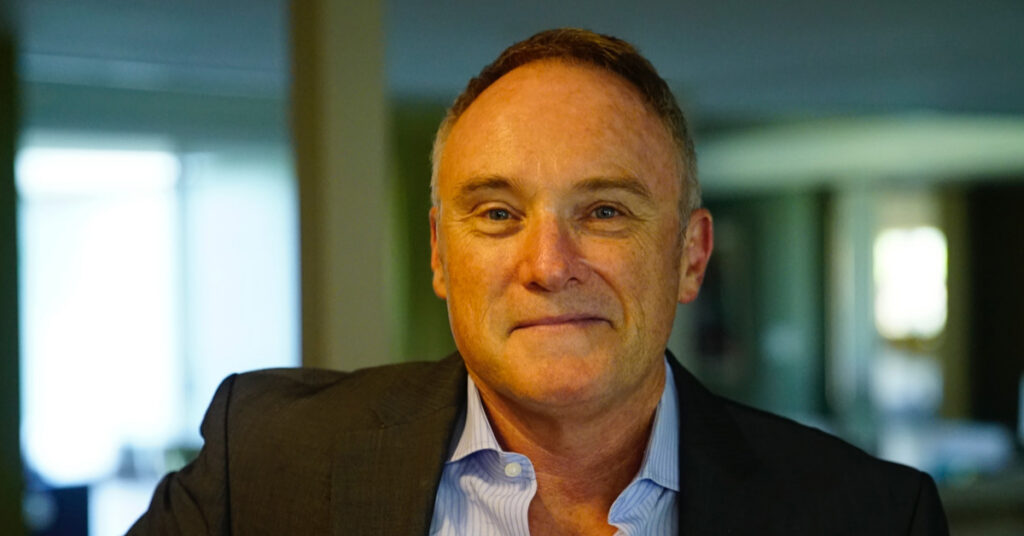
Zack Arnold: My guest today is Anthony Klotz who's an associate professor of organizational behavior at UCL School of Management in London, and he has made a career of studying resignations. Anthony's research has been published in a multitude of high profile platforms, such as the Harvard Business Review, MIT Sloan Management Review and the Wall Street Journal just to name a few. He instantly rose to stardom early during the pandemic for having accidentally coined the now ubiquitous term, The Great Resignation to describe the mass exodus of workers across industries from jobs and careers that no longer suit them. Now, when it all comes down to it, the pandemic has given all of us a giant dose of perspective. And in my conversation with Anthony, we dig much deeper into how this perspective shift has caused to so many to reevaluate the work that they do and how they spend the majority of their waking hours. If your work no longer fulfills you. Or even worse, if your workplace is potentially toxic, it often feels like quitting is the only way out. But quitting is not always necessarily the best option. As Anthony states, there is more to quitting than just the decision to leave. If we decide to stay despite our shifts in perspective, what changes can we make to improve our current job situation? If we do decide to leave, how can we do so without burning bridges along the way, especially in the freelance gig economy, relationships are everything? In this candid and deep conversation, Anthony provides not only answers to all of these questions, but also specific action steps that you can take to help you decide if a job is worth sticking with or not. And if it is genuinely time to move on how you can do so without destroying valuable relationships along the way. All right. Without further ado, my conversation with author and professor Anthony Klotz. To access the shownotes for this episode with all of the bonus links and resources discussed today, as well as to subscribe, leave a review and more, simply visit zackarnold.com/episode194. I am here today with Anthony Klotz who's an associate professor of organizational behavior at UCL School of Management in London, and he has made a career of studying resignations, which is a little ironic, given that he recently left his position as the Associate Professor of Management at Texas A&M University. And yes, he quit from a job while he was the guy who originated the term, The Great Resignation. Anthony's research has been published in the Academy of Management Review, the Academy of Management Journal, The Journal of Applied Psychology, the Journal of Management and Personal Psychology. And he's also written for the Harvard Business Review, MIT Sloan Management Review and the Wall Street Journal. That was a mouthful, man, I'm already exhausted. But nonetheless, super, super happy to have you with me today. Anthony.
Anthony Klotz: Thanks, Zack. I'm thrilled to be here.
Zack Arnold: Yes, I'm thrilled to have you here as well. So the first thing that I want to know, I would assume, and I can envision that when you were at Career Day in elementary school, and they said, What do you want to be when you grow up? I can't imagine that you said, I want to study the psychology of resignations and quitting. So how does one find themselves doing what you do now? And why do you do it?
Anthony Klotz: Yeah, so studying resignations definitely wasn't on my radar in elementary school, I did grow up in a family business. And so management was never far from my mind. But it wasn't until that I started working outside of a family business that resignations kind of came into my world, because when you're working for a family business, quitting is not really an option for you. Or at least your parents don't listen to it when you say you quit. And so it was actually one of my first jobs in high school, where I quit my job in sort of an impulsive way. And it felt sort of powerful, but sort of wrong. At the same time, just sort of feeling fed up with a job and walking off of it somewhat abruptly, that I reflected on it a little bit over the years. And then, you know, after working in, you know, large organizations and small organizations, I decided to go back and get my PhD in organizational psychology because I was fascinated with the psychology of management more broadly. And when you're in PhD school, you sort of learn about everything under the sun when it comes to org psychology. And when I was studying turnover, I was really fascinated by why people quit their jobs. But I sort of reflected back on the times that I had quit my jobs going back to that first sort of negative incident. And then also thinking about when I was a manager, how it felt when an employee quit on me, and it sort of felt like being back in high school and getting dumped again, or something like that. And I started to think, you know, there's more to quitting than just the decision to leave there's this whole aspect of how do you leave your job? Why do some employees give so much notice and sort of roll out the red carpet for their organization on the way out? And on the other side, you know, managers how do they respond to these resignations and you sometimes see bosses respond very negatively for good reason because because it is a negative experience, and then some bosses handle it really well. So it was in PhD school, when I was studying the causes of turnover and why people quit their jobs that I became fascinated in how people quit their jobs. And you know, no one had really studied that small niche in the turnover literature. And whenever I talk to someone about resignations, they often have these wonderful stories to tell about a resignation, they saw a resignation that they were a part of a resignation, where they were a manager in it, and I loved studying those stories. And so that's how I came to sort of focus on the psychology of quitting, which was my dissertation topic. And I've just continued studying it since then.
Zack Arnold: I love it. And it's funny you telling the story about one of those first jobs that you had in high school just gave me this flash vision of a story I've never told on this podcast that I hadn't even thought about for like 25 years. But I think it's actually relevant to today's conversation. It was actually a really important life learning lesson that I had, it was my first job right after graduating high school, I had spent my middle school and high school years, like you said, basically working for the family farm because I grew up on a farm and having somebody that grew up in the open spaces of Nebraska might be able to relate to that. But you know, my dad ran the the family farm and I was doing a lot of construction and feeding animals and building barns and pole sheds and whatnot. So the the logical progression was I worked for a contractor right out of high school. And it was by far the most miserable experience I've ever had in my life I use, you want to talk about toxic abusive environments, like literally, the foremen throwing hammers, and things like at me getting angry because I was doing things wrong. And I remember I was about five weeks into the job. And my brother called me my brother was significantly older. And he's kind of like a pseudo Big Brother slash father figure. So I got on the phone with him. He was asking me how work was going. And I literally just broke down in tears, and I couldn't even talk. He's like, What is going on? I'm like, I just, I'm so miserable. And I'm just treated so poorly. And it's like an actually, it's a dangerous environment. He's like, you're 18 Quit, like, just quit, what are you doing life is too short to be that miserable your age. So I did want to we'll talk more about these one of the seven styles of quitting, which is I just impulsively walked in that morning. And I looked at this guy, and we're talking like big hulky Foreman kind of guy and I'm like, Can I check, please? He's like, what, like, give me my check. I'm done. Zero. Notice he handed me my check that Friday morning, I walked away, and I never came back. And clearly I burned some bridges. And you know, it was was not the best way to do it. But at 18 years old, it was a really good learning lesson to never take that kind of abuse. Right. And I think that so for me, that was a really important part of my upbringing and understanding the psychology of quitting myself. And I've only left one other. I mean, I've, I guess I've left two or three other jobs, but for the most part have only left one where it was not on the best of terms. Every other one, it was plenty of notice and whatnot. And one of the things I love about your work we'll get into more is how you break things down into simple to understand frameworks. All right. So I want to get into the the idea of knowing when it's probably a good idea to quit and how to do it. But I want to take a step backwards for a second. You use the word that's become a very, very big word in the world of organizational psychology and leadership and management, which is resignation. And you coined something called the what?
Anthony Klotz: The great resignation,
Zack Arnold: The great resignation, which I believe just about anybody that has an internet connection, and is literate has heard that term. Let's talk a little bit about the origin of the great resignation.
Anthony Klotz: Yeah, so the origin of the great resignation was in, you know, late 2020, when there was a lot of pandemic fatigue and a lot of optimism that the vaccines were going to come online, that we were going to be able to open the economy back up and get back to normal. And that seemed appealing to a lot of us getting back to normal. But it was around that time I was teaching and an MBA program. I was doing some research on resignations. And I was just thinking about the state of the workforce right now. And reading a lot of reports that told me, there's something unique going on here, there's at least three or four different elements that are actually drives as drivers of turnover, that are coming together at the same time. And so I started to formulate a theory in my mind that we were going to see this wave of resignations, if the vaccines did what they were supposed to do, and the economy opened back up. And it was sort of sort of counterintuitive, and some of the causes were pretty straightforward. So one was just pretty simple. There was a backlog of resignations in the economy because 2020 was not a good year to quit your job. So, you know, in any given year, there's a certain percentage of employees that decide they want to leave. But then they look at the overall economy and say, Is this a good time to do it? And so there was a backlog of resignations. There was high levels of burnout in the economy. And there's, you know, in 2019, before the pandemic, there was a lot of burnout in the economy. But what was interesting is these extra factors of people educating their kids while working remotely full time, leaders, leading us through the pandemic, and, of course, all the frontline workers who are risking their health to get us through it. So we had a burnt out workforce, and one of the only ways to cure burnout sometimes is to get away from that which burns you out, which can be your job. I think the most interesting element and somebody else use the term pandemic epiphanies to coin it. But it seems like we were having a bit of a midlife crisis, many of us who were at home reflecting on our lives. And there's this wonderfully named theory in psychology called Terror management theory, that essentially says, when we have a health threat facing us or near us in our lives, we tend to think big, existential thoughts and reflect on our life and say, am I living the life I want to leave lead, am I leaving and leading a meaningful life, a life of happiness and contentment. And so here, you had all these millions of workers, you know, reflecting on their lives, often while working from home and sort of a lonely situation. And so it led me to believe that there were going to be a lot of people making life pivots, coming out of the pandemic, if we got out of it. And then finally, of course, there's the grand experimentation with remote work, which probably brought the future of work from 20 or 30 years off into the future, immediately into the present. And there's clearly pros and cons of remote work. Those of us who do it, you know, can list a number of those in both columns. But there's no argument that working remotely gives you more freedom and more autonomy in terms of how to arrange your work life than being in an office does. And when you give individuals autonomy, for increased autonomy for 1218 months, and then ask them to give that autonomy backup willingly, it's not always going to go well. And so I'm a fan of remote work and in person work. But But I knew this, this shift back to in person work wasn't going to be smooth. And so for me, you know, these four elements that were going to cause increased turnover, were sort of all coming together at the same moment, because of the uniqueness of the pandemic being a health threat, plus a recession. Plus, guess what, in 2020, we also had the Black Lives Matter movement, we also had a polarizing election in the United States, lots of things that made people think, deep thoughts. And so I had this little theory that I that I thought I was probably going to keep to myself, but it didn't end up going that way.
Zack Arnold: Yeah. How'd that work out for you?
Anthony Klotz: Not so well. But I didn't, you know, I obviously didn't think through, because I never foresaw any of this happening. So it's because I study resignations. And like, we talked about how to quit your job, that a reporter randomly contacted me and said, Hey, I hear you're the person to talk to if I'm going to write a story on how to quit your job. And I mentioned to her that this is great, because I think there's going to be this wave of people quitting. And she was astute enough to say, can you tell me that theory? And so I told it to her. And then she said, Would you tell me that theory again, on record, you know, talking to Bloomberg in a couple of weeks? And I said, Sure. And I still thought nothing of it after that interview. And then when the interview posted, you know, as a year and a half ago, almost. Everything's been different since then.
Zack Arnold: Right? So it wasn't a matter of you were very carefully calculated, what am I going to call this term, and I have to get all of my publicity ducks in a row, and I'm gonna really capitalize and this year just randomly throwing out the work you've done. And you mentioned the great resignation in boom, life changing, right?
Anthony Klotz: Yeah, yeah, just sort of fell backwards into it. And yeah, definitely didn't give thought to people often ask, like, Why did I use the term great before resignation? I have no idea. You know, was it harkening back to, you know, the great recession or great depression or something? No, I didn't put that much thought into it at all.
Zack Arnold: Yeah, one of the reasons that I wanted to reach out to you and I'm very glad that even though I'm not happy, it disrupted your life. I'm very glad it did put you out there, because it brought us to this conversation today. But I can very much relate to this experience. Because I had written an article in the middle of 2020. That was basically I will never forget, that was it was a Sunday night getting ready to go to bed and like, Oh, I've just got this crap in my head. It's just one of those where I'm just going to kind of write some stuff down before I go to sleep. So I can just clear my head. And I ended up building this giant Mind Map, have an idea. I wrote the article, the next day on my website. It's just one of these. I got to get it out of my system kind of things. And it was talking about the idea. And again, this was like June or July of 2020. Everybody's saying we were ready to go back to normal. And I said, do we want to go back to normal because normal wasn't working for us. And I just I wrote it on my blog didn't even like really proofread it and I shared it with some members, students in my Slack community. One of them posted it in a Facebook group and three days later 200,000 posts People in my industry were reading. I'm like, What is going on? To this day? Two and a half years later, people still say, Wait, you're the guy that wrote the normal article. So I can totally relate to where you're coming from. But it was this idea that we're all waiting to go back to normal. And I'm like, I don't want to go back to normal because normal was a shitshow.
Anthony Klotz: Yes, yeah. And I think that undercurrent of you tapped into something that was just below the surface, it was, a lot of people were telling us to go back to normal. And it seemed like we had to go back to this default. And and there were a few people, including yourself that were willing to stand up and sort of question, is that what we want to do? And I think we continue to be in this moment where we need to keep asking that question, because there are still pressures to go back. And it would be a pity to waste this opportunity to move quite a bit forward from where we were,
Zack Arnold: yeah, one of the things I want to talk about now is how do we use this quote, unquote, opportunity? Because from your perspective, from the things that I've read, that you've done, or just things in your general space, there seems to be not a seismic shift, but more than a slow shift from a lot of corporations and companies that are thinking, maybe this is an opportunity to really focus on culture and really focus on valuing our people more? And how do we do that? Somehow, that memo has not landed on the desk of anybody in the entertainment industry. Because things have gotten exponentially worse, which I predicted, by the way in writing in that article in June of 2020. I said, if you think things were bad before, or things are bad now, just wait. And I made this whole laundry list of what was coming. And people are like, no, no, no, never. You look back at it two years later, like, Oh, my God, all this has happened. So talk to me about what's kind of going on in the general corporate world. And then I want you to help me understand why is this not translating to my world?
Anthony Klotz: Yeah. So that mean, there's definitely a tension going on in the broader business environment between individuals who thought 2019 was pretty great. And let's go back to the world of work as the way it was. And then individuals who see this opportunity to take huge steps forward in terms of making the workplace more sustainable, for wellbeing, for inclusion, versus for the environment, and so forth. And so I do think there's this moment, even within industries, I'll talk to some leaders who are sort of saying how do we embrace the future? And other leaders that are just like, how do we get people back in the office? How do we turn back the clock? And so I don't think it's necessarily, you know, one is one industry versus another, although some are clearly lagging behind. And I think we have this interesting situation where, you know, the best time to push through change is when there's already an unsettled situation that you're in. So the hardest part about organizational change is getting people out of their comfort zone, and sort of being ready to shift while we're all there. Like we're sitting in this sort of liminal in between space. And so I think there's leaders who are like, you know, we're tired of change, there's fatigue here, but we got to keep up this momentum, and it's not going to be easy. And the other thing is, the future isn't clear. So essentially, all of these tools, when it comes to designing work from the future, I think had been brought into the present. And we're not quite sure how to use them yet. And so you see these all these experiments going on. And it's sort of a tough position. And you have to be a brave leader to say, I don't have all the answers, I don't know whether we're going to end up at two or three days a week. I don't know how this is going to turn out. But but sort of bear with me. And so I think that's where we're seeing the divide is between these individuals who are saying, I don't have all the answers, but I can see that this is better. Will you all, trust me, and we can stay in this discomfort a little bit longer and push through, you know, versus the very tempting default, to go back. And I think with, you know, with many organizational leaders, it's even a stronger desire to go back. Because 2019, you know, a lot of leaders didn't experience maybe the same dysfunction as a lot of the individuals underneath them. Because when you have power in an organization, you're sort of protected from some of that. And so I don't think this is an evil leader story at all. I think that if you are comfortable and things were going well for you, then it makes sense to want to return to that, as opposed to pushing forward. And so I think, you know, there are a lot of individuals out there who say, especially when I talk to the HR community that say, This isn't something that just happened in 2020. This has been building up for a decade or two, where people's relationship with work is strained. And the pandemic and the events of 2020 broke that open. And so it's not just about embracing these future ways of working. It's also about taking a step way back and saying can we rebuild commitment and trust and going back to some of the one on one communication and relationships that used to exist.
Zack Arnold: Yeah, that's something that something that I've been talking about as well for several years. It's amazing how even though we're in totally different fields, we're having the same conversations all day long. But what I was saying as soon as the pandemic hit, and for the next six months or so it was people were saying, all of these things are starting to come out. I'm like, all of these things. Were here, we're just shining a flashlight on all of it, right? It's a, it's like you see a little like water stain on a wall. That's not the beginning of the leak. There's all kinds of rot behind it, when you dig it up. There's been years and years, if not decades of all this rot that's accruing. And finally, we're like, Hey, what's going on over here? Oh, look, this just started like, oh, no, no, this has been a problem for a long, long time. And the pandemic just, it really just amplified everything. And what I love is how succinctly you broke down in this framework of these are the four reasons. That's all this is coming through. Basically, what I was telling everybody without being able to articulate it is that the pandemic all just fed us a giant dose of something called perspective. Right now we have perspective on our lives and our life choices. And for me, from a personal perspective, I've been kind of a hybrid entrepreneur, and crafts person working in Hollywood getting hired to work on certain projects for two decades now. And as soon as the pandemic hit, I thought to myself, I'm done. Like, there's just no work, I'm not going to be able to do anything. And I'm gonna have to close my business without knowing that as somebody who specialized in helping people navigate major pivots and career transitions, my business exploded in the middle of 2020. And I'm like, what is happening? And it really showed me how much that perspective was hitting people, and how much they wanted to make those changes. So what I want to dig into more, and like I'd mentioned to you beforehand, the vast majority of people that are listening today are probably those individuals, those crass people that are working for either a studio or some are working for companies, but I would guess that 75 to 80% of the people that listen, are living the freelance gig economy lifestyle. So very briefly, I want to touch on the leaders or the team managers that are listening to this to better understand what are a couple of ways that they can approach all of these changes that are happening. And then I really want to dive into the rest of the conversation from the individual perspective. But for those that are leaders, I've been saying for years and years and standing on one of my many CIO boxes, saying there's a fundamental problem with lack of leadership in the entertainment industry. And I had Greg McEwen on recently. And he's, as you know, gone to done all the leadership for all the major corporations. He's like, I've been everywhere. I've talked to all the companies, Hollywood is a special kind of messed up, like, I've never seen anything like it. So for anybody that is a leader in the world of the entertainment industry, what can we do to take advantage of this in a positive way, then I want to focus on the individuals.
Anthony Klotz: Yeah, so I think taking advantage of this from a positive way is, is partly this is looking back and saying we need to revisit some of the fundamentals of leadership and management. And it appears that in many cases, companies have gotten away from that, over the years. And so this doesn't seem very revolutionary to say, this is a good time to engage in listening. And I even think some graduate programs are starting to say like, we probably should incorporate, you know, more active listening training. But But essentially, you know, your workers have gone through a really rough sort of life changing couple of years and many cases. And the exciting thing is, is we now have a lot more tools to let these individuals work in ways that best suit them, it used to be that the fair way, the right thing to do is treat everybody the exact same. Well, of course, we know that's not a good leadership style. But in many cases, we didn't have the tools to sort of individualize jobs. And I think with the industry that you're talking about, with a bunch, you know, working with freelance individuals, is this is a great opportunity for leaders to say, What's the best way that this individual works, get to know them, get to know how they're experiencing their personal and professional life, and craft a relationship that works best for that employee. Now, we all work in different ways. And I think the good news is if leaders are willing to say, This is gonna make me uncomfortable, but I'm okay with you to working this way. And you three working that way and all adjust to it. And we'll make this work. That's sort of what I think the type of individualization that the future holds. What are the ways that these individuals work best? And let's let's unleash that, as opposed to trying to make everybody fit into a cookie cutter mold.
Zack Arnold: Yeah, and as I'm sure you've probably seen with other organizational structures, and then the various industries that you research, I don't know how special or unique the entertainment industry is, but almost everybody is in some way a freelancer. I haven't had a W two or a four. Oh, en que are a full time job for 18 years, everything that I work on is either two weeks at a time for months at a time, nine months at a time, but it's just this is the project, the start date is when you begin the end date is when the project is complete, and then you're gone. And even on a TV series, like I've worked on Cobra Kai for the last four seasons, right, between seasons, I'm unemployed, and I can choose to do whatever it is that I want. And because of that, what a lot of people will say from the corporate world, when there are issues with toxic work environments or behavior, whatever, we'll go to HR, and we're like, there is no HR, we don't have an HR, the people that work for the studios full time. They have HR, but we don't. So from the individual perspective, how do we start approaching this paradigm shift, knowing that we don't have a portion of the organization that has our needs in mind? And we really have to advocate for ourselves? How do we start approaching taking advantage, again, in a positive way of all of the seismic shifts in the way that we work?
Anthony Klotz: Yeah. So I think it's getting a good sense for the best way that you work as an individual and being upfront and communicating that with the organization, you know, before you start working with it, and you know, and I don't know, but I mean, in terms of these freelance relationships, I think individuals still would like to have relationships with the people they work with, beyond that particular project. And so really, at the very start not thinking about this as necessarily a nine month thing or a two month thing, but how do we make sure that this is a relationship that's positive? Beyond that, I think it is essential. And so the other thing, though, is in reality, there, there is strength in the collective. And you know, we don't necessarily need to talk about that if we don't want to, but I also think that freelancers, and we're gonna see, you know, we can look at the statistics and see like, the rise of digital nomads is the amount of individuals that want to be in gig work or want to be in freelance work. And organizations are starting to say, Okay, how do we bring out the best in these individuals? But I think the voice from the workers probably needs to be needs to be a bit louder as well.
Zack Arnold: Yeah. And that's, that's essentially why I'm building the community that I have. And just for full disclosure, for anybody that follows me on a regular basis, they know this, but because I'm a crass person, in the entertainment industry, I'm a part of a union. So I have that protection. So I'm not completely all out in the cold. So if anybody's listening to this, like, What are you talking about? You've got the union to protect you? Yes, to a certain extent. But again, they're not advocating for you on a day to day basis. It's more than making sure that collectively the people doing jobs similar to yours are getting a certain amount of pay, they're only working a certain number of hours per week. But as far as the individual protections about am I hybrid? Am I working from home? Am I working on the office? Like, that's where I feel like there isn't an HR department to help us. But yes, I am a complete and complete agreement that it's all about collectively, all of us standing together and looking out for each other because nobody else is.
Anthony Klotz: Yeah, and I talked about, you know, when it comes to remote work, that it satisfies this need we have for autonomy and freedom. But we also have a need for connecting with other human beings and for belonging. And so it's not just about the collective voice, which is really important and powerful. But you know, we have a loneliness epidemic in the country as well. It's sort of a time when people are looking for connection and having trouble finding it. And so I think finding as freelancers or digital nomads or whatever group, it may be, like finding connections with other individuals in your profession is essential.
Zack Arnold: Yeah, isn't it funny, and by the way, this is a different soapbox, and a different topic of conversation for a different show. But with the amount of technology that we have connecting all of us, we're lonelier than ever. It's just that fascinates me. And I've read a lot about the science of why, but it's just fascinating that, you know, 50 years ago, before the internet, we were a lot more fulfilled and had better relationships and better communities. And now we have a global community of people that are all alone, together.
Anthony Klotz: Yeah, I hope we can hope we can figure out this solution sooner rather than later. That's
Zack Arnold: yeah, wouldn't that be nice. So where I would like to go next, is I want to tap back into this idea of perspective. Whether I'm an individual that's freelance whether I'm working for a company, it doesn't matter, really the the situation specifically, but in general, over the last two and a half, two to two and a half years, I've had a pretty seismic shift in my perspective, and realize that my job is potentially not bringing me meaning and I'm not connected to it. I don't feel a sense of purpose. I want to start working through any rubrics or heuristics or anything you can do to help somebody listening to determine is this really real? Or am I just relate, you know, like reacting to something that I don't like about my boss or my job versus it really is time to make a pivot. Let's just talk through how to help somebody with this thought process where they're like, this is all new and different to me. I've been doing the same thing for 2030 years, and all of a sudden, I have all these feelings and thoughts. So how do we help people work through this?
Anthony Klotz: Yeah, so I mean, ideally, when you start working for a project or an employer Whatever it may be that or in a profession, you're probably not thinking about quitting, at least, at least initially or not, you know, you're happy that you made that choice, or you found yourself in that profession. And then at some point, something tends to happen that gets you thinking about quitting. And it could be something good that happened in your life, like the birth of a first child, or it could be something like a pandemic that sort of makes you wake up and reflect on your life. And then there's this process of really weighing up the pros and cons of staying at your job versus leaving. And I would always say, spend more time than you think you need to spend in that deliberation process, weighing up the pros and cons, because it is such an emotional roller coaster to go through the thought process of leaving your job and searching for a new job. And emotions really cloud our ability to be rational. And so one thing we know about the job search process is that it is this emotional roller coaster. And we end up making bad decisions partly because of that, also realize that you're entering into a process where you really have a lot of incomplete information, and you're trying to make this really important decision to leave your current employer, go do something else. And you have really incomplete information about what that next something else is. So as basic as it is, my first advice is to slow down and have a very deliberative process and talk to trusted others about here are the pros and cons of my current situation. And then here are the pros and cons of maybe these alternatives that I have. And I do think it's an opportunity to think big when you're thinking of alternatives. You know, right now, there's more individuals switching careers than ever before, which is probably a result of the perspective changes that you're talking about. And to cast a wide net, and really think through these upsides and downsides. And what what ends up, of course, happening in this process is people overweight, salary and benefits in terms of what will make you happy, it's really important to keep in mind, what are the things that you come into contact with every day on the job? For many of us, that's, that's the boss, co workers and the work itself. And so those are good places to start to say, what's driving me away? In terms of the cons of this job? Isn't the work that I'm doing, like the the actual tasks and my job? I don't enjoy anymore? If so why don't I enjoy them anymore? Is it because I've let my skills lag? Is it because they're just not bringing me passion, I want to change things up, and then go through that same process with your co workers and boss. And then I think looking ahead to the next job, again, setting, I realize pay and benefits are important to live. But But setting those aside, think about the actual culture that you're going towards think about the people that you'll be in contact with every day. And I think as a result of this process, you can say to yourself, Okay, do I want to leave, leave my job? And if so, the last thing I would say is, can I turn the job I have into the job I want before leaving. So if there's this, often we leave a job because like 30% of our job, we can't stand. And we look over at this other role. And we say that doesn't have that 30% problem. And so we leave behind a job where we're actually fine with 70% of it to try to fix 30% It'd be better off saying to your to your boss, listen, or to this project. I don't want to do this aspect of the job. Or if you're a freelancer, I just it's these projects that are burning me out. Why do I keep saying yes to these things? These other ones? I don't need to switch careers, I need to quit saying yes to these particular projects. And so really going through this deliberative process, I think, is essential. Because, boy, all that grass out there really does look greener. And we can talk about this. But the majority of the time, it's probably not.
Zack Arnold: Yeah, it's funny because it made me think of, and I can't remember where I heard the saying. So I don't want people to think that I came up with it. But I use it all the time with my students. And it's the idea that the grass is often greener where you water it. And I didn't I didn't realize what I was doing. But in most of my jobs, you've now again, once again, put a very clear like framework to it. But I've been notorious my entire career for walking into bosses and saying, I don't really want to do this thing anymore. But here's where I think I can provide different value to you. And ultimately, when I tell that story, like Okay, nevermind promoted, you can do this thing instead because we don't want to lose you as opposed to like my very first job right out of college. I was an assistant editor for other editors at a trailer company making movie trailers. And I realized very quickly this is not the job for me, because I am great at collaborating with people. I am horrible working for people. It's just it's not a good fit for me, and the technical side of it and the very tedious nature of the job. I knew within five months this has not worked for me but instead of just quitting and saying I don't want work here anymore, went to my boss and I said, Listen, I love the creative side of this job. And I'm actually getting offers from other companies to do creative editing. I'd rather do that creative editing here. So as of today with some notice, if necessary, I'm no longer an assistant editor here. But if I can stay as an editor, I think I can provide tremendous value. And as of that day, I was promoted to editor and I've done nothing but for the last 20 years. And I think a lot of people really stumble on this step, because like you said, the grass is always greener somewhere else, and then they get there. And I know this, because many of them join my coaching program. And they say, I thought it was gonna be better. And it wasn't, why can't find anything any better.
Anthony Klotz: Yeah. And I think that learning that you had was part of the critical element being a little bit reflective and stopping and saying, what is it that I like, and that I don't like it and realize, if you're thinking about leaving your company, you don't have much to lose by trying to recraft your job. And often individuals would say, there's no point in talking to my boss, she'll never let me do that, or HR will never let me do that. And I'm sort of want to say like, well, what's the harm in asking? Because I think you'd be surprised again, especially in this moment with the labor market, that people are really open to helping you helping you recraft your career and your job.
Zack Arnold: Yeah. And it's I literally just did it less than a year ago, where I was transitioning between seasons of my current TV show. And I realized, I don't know, if I want to just edit anymore, I want to have more of a leadership role. And I want to produce and be a part of the conversation with logistics and workflows and time management. And I just said, I'm happy to come back. But this has to be the new position with tons of pushback, because that's just not how things are done. I'm like, Okay, no problem, then you're more than welcome to to find somebody else to fill my role, and I wish you the best. And then of course, we found a way to make it happen, because they knew that I could provide that value was just unknown, it was uncomfortable is like, Oh, we don't usually do that. But I just I knew in my heart of hearts, and it was like you said most people leave sooner than they think for me, it's almost the opposite, where I do it too long. Until I get to the point where it's literally the pit in my stomach of I cannot do this one more day than I know, I gotta find another direction forward.
Anthony Klotz: Yeah. And I think it's probably better to err on that side of a little bit longer than that. Now, there are some asterisks to that. I mean, if you have a truly abusive supervisor, that's really harming your mental health or something like that, than there is time is of the essence to get totally agree with that. Yeah. But But yeah, I think spending a little bit more time and deliberation is definitely worth it.
Zack Arnold: Yeah. So if just to make that point, abundantly clear, I'm so glad you brought it up. This is in the context of I work at a place where people value and respect me. But my gut says, This is no longer the right fit, this isn't my calling, this isn't the direction that I want to go, that's very different, that you should stick it out and let people abuse you and take advantage of you and exploit you. Those are very, very different conversations. So I'm glad you delineated.
Anthony Klotz: Yeah. And what I like about that approach as well is it's often hard to, to resign in a positive way. And if you've given the company the opportunity to sort of retain you and saying, Hey, here's, here's how I want my career to develop, would you give me a chance to do that? And they say, No, you know, it actually makes resigning quite a bit easier. Because you know, that they don't have to ask the question, Why are you leaving, or there's a lot of truth behind it when you say, this organization is providing this thing, that you're not, and that's a good way to resign and a positive style is sort of giving them that heads up, if possible.
Zack Arnold: Yeah. And like you said, it also, it's gonna make your decision easier if you know that ultimately, your voice isn't valued, right, if they kind of see you more as a warm body and a widget, then it alleviates a lot of that guilt of I am leaving. And this is rampant in the freelance gig economy where it says we just need a warm body to do this job. We have no leadership, we have no culture, we just need you to sit in this chair for a month because you know, the following technical hard skills, and then it's just an endlessly revolving door of widgets. And people wonder why there's no growth and no leadership. It's just because it's this this endless machine that never stops.
Anthony Klotz: Yeah, it also saves you from regret and an alarmingly high percentage of individuals. I think it's completely natural experience regret in the year after leaving their job or turning something down. But if you know you gave it that full discussion at the end, and that full consideration, not the regrets necessarily bad, but it'll definitely minimize those moments. You know, whenever we have a relationship breakup is a pretty frequently that we experience some sort of regret over what, you know, nostalgia or what it could be. And so making sure you minimize that I think is essential as well.
Zack Arnold: Yeah, I always want to walk away knowing that I left everything on the table. I've been honest about everything. Have we tried to resolve it, whether it's a personal relationship, professional one, and at some point, you're like, alright, this is what it isn't. It's time to move on. Right? What I want to dig into next, this is a strategy that I teach my students that's slightly different than what you talked about and as somebody that's A professional and an expert in this area, I would love your opinion. So you would mention the more common strategy of you should make a pros and cons list. And I tell my students not to do this. Instead, I tell them to create a cost benefit analysis. Because I think that emotionally, the word cost and the word benefit mean more to people on a deeper level than pro con. It's what are the good things? And one of the bad things? Versus what are the costs of staying at a job like this? Is that a good approach or a bad approach?
Anthony Klotz: So yeah, I actually might have to borrow this from you. Because I do think those I mean, just to me, those strike me as more meaningful terms than pros and cons, they sort of up the stakes a little bit. And I agree, that costs tends to get individuals attentions, you know, we tend to be fairly, fairly risk averse. And so yeah, I think those are more precise terms. And it strikes me as something that I should probably just take from you and start using when I discuss this from now on,
Zack Arnold: I love it that just warms my heart and it's you're more than welcome to an example would be that I always get the weirdest looks with my students. If they do what are called hot seats with me, they'll come into our community will do like a 20 minute one on one session where they're debating a job opportunity, for example, and they're super excited, oh, my God, you know, this is gonna be my, my dream job, and they're gonna pay me this, I'm, this is great. I'm like, alright, that's terrific. What are the costs of taking the job? What do you mean, the cost? This is going to be awesome. Like, no, no, no, no, no, let's slow down for a second. every job, every opportunity has a cost. If I said, What are the cons, there are no cons, this is awesome. But as soon as you say cost, you're like, Oh, I guess it's going to be a really long commute. It is, it's a really tight schedule, it's going to be tough. And you know, my kids in preschool, and, oh, wait a second, I've got this recital coming up, I'm gonna miss the recital. And you can just see the shift, where they start to see the bigger picture. So that's one, like you said, it has more emotional resonance.
Anthony Klotz: Yeah. And it also will, will hopefully get individuals more in the mindset of doing sometimes you have to do the research to figure out what those costs are in cost just sounds a little bit more quantifiable. You know, this is something that in in high turnover industries, one thing that organizations do is what's called a realistic job preview. Because companies, they actually know that let's say, I'll just use telemarketing as an example. You know, they know that people approach these jobs, just thinking about salary and not thinking about the costs. And so what these companies have realized is that instead of people coming in here with rose colored glasses, and then we lose them after we train them for two weeks, during the interview process, we're going to tell them upfront, here's what the real job is like. And here's the pros and cons. Here's the costs and benefits and your language of it. And really tell people, by the way, here's why everybody quit that. You know, it's a high turnover industry. Here's the main reasons that people quit. Here's the main reasons that people don't like it. Now, if you're one of the students in your class, who's thinking about leaving, what you have, most companies don't provide these realistic job previews, it's your job to do the research to find out what the job is really like. And thankfully, the internet is making that easier. You know, you can go on Glassdoor and other sites, there's networks where you can talk to individuals. This is why companies are investing so much in alumni networks. And this might this doesn't apply this to freelancers as much, but they realize all these former employees can now talk to one another on the internet. That's not necessarily a good thing. But from a job search perspective. Yeah, definitely go go on a cost hunting trip and try to figure out what are the downsides of that future job?
Zack Arnold: Yeah, one of the other things that I talked about with him extensively, which is not so much about this conversation of what are the cost benefits of staying when I'm already there, but asking the right questions in the interview before you even accept it understanding the cost and benefits and one very specific tactic that I've used with my students to tremendous results is that there's a right way and a wrong way to ask about overtime and extra pay in extra hours. Right so the the most common one that is because overtime is just absolutely rampant in our industry and I mean I don't know if you read it all about like the industry wide you know, like potential labor strike from last year and like the immense amount of job dissatisfaction and entertainment in Hollywood it's it's pretty bad. But overtime, absolutely rampant. Some people love it. They love their golden hours and be able to use the money to buy their boats and their second houses, those that actually value some form of work life balance or to coin Oliver Berkman, some sense of strategic imbalance. This industry is not conducive to that. So the wrong way to ask the question is often do you pay overtime? Right? Well, yes, of course we pay overtime, right? What I always ask instead is what's your approach to overtime? Because they assume mind that I want to hear, yeah, we pay for overtime and we're not going to take advantage of it, where's the answer I want to hear is, we don't pay overtime. Which means that if we can't get the job done in the time allowed, the schedule must be extended, which means that I'm not paying you with my time. Alright, that's a one small example of learning the true cost of a job, but not allowing them to feed you what you want to hear getting a more clear representation of what they actually think and what it's really like on the job.
Anthony Klotz: Yeah. And I think that's an excellent example of some of the like, preparation that you would need to do in the thinking that you need to do to get these answers about Yeah, what is the mindset of the organization? Essentially, it's, you know, we often think in terms of psychological contracts, like there's the actual contract that you signed, but then there's the set of beliefs that this organization has and my set of beliefs and are these compatible? Or is there going to be a breach pretty early on? And so what your question gets at is like, what is the real what is the site contract I'm signing up for when it comes to overtime, as opposed to just yet do you pay it or not? So I think that's brilliant.
Zack Arnold: Yeah, it's for me, it's always about setting expectations. conversation that I had in a previous interview with Dr. Tal Ben Shahar, which I'm assuming you're familiar with, because very much in in your circle of friends and influencers. But we talked about this idea of job satisfaction and burnout, and I've been talking about burnout for years and years and years, and I was writing about burnout 810 years ago, talking about being burnout at work, you can't do that. Right. But I had said in that one of my theories was that I think the root cause of the vast majority of burnout, if you really take away all the individual scenarios and situations, it comes from setting improper expectations. Right? It's not understanding what is expected of mirror, what do I expect of myself. And if you don't set those expectations in your interview, then you'll end up in a job where you're like, Oh, this is going to be cushy. What do you mean, you want me to work 90 hours a week? I don't care if you pay overtime, then leads to burnout, job dissatisfaction, wanting to jump to the next rung, right, trying to swing on the vine to the next gig and you realize everybody's doing it the same way.
Anthony Klotz: Yeah, yeah, we've only got so many resources that we can expand. And that's sort of what we're estimating in that future job is like, How much am I going to have to put into it? And I think you're exactly right, we often find that it's far more than we anticipated. And that's exactly what leads to burnout is this chronic overuse of our resources. And I think that, you know, this conversation has been around since the beginning of work, but like right now, we are in the crosshairs of it. And you know, the term quiet quitting has been such a lightning rod this past month is because it gets at this fundamental conversation about burnout, about resources, and about going above and beyond. And, you know, organizations, in some cases, maybe like hoping that you don't ask the questions that you ask, because it really gets that are you going to value that extra time, not just in terms of pay, but in terms of my well being and what's right for me,
Zack Arnold: I'm pretty confident you must have a shared link to my Google document preparation cheat, because quite quitting is exactly where I wanted to go next. And I want to take half a step backwards. People that are in the same general conversation world that you and I are all of us, at this point, have written something about quiet quitting, myself included. But let's assume somebody's listening to this. Now, whether it's as soon as this releases, or in two years, they're like, Wait, what is quiet quitting? So let's take a half step backwards and give a little bit of context before we really dig into theories and philosophies as good as a bad just what is it?
Anthony Klotz: Yeah, so so quiet quitting. And I think it's important to point out that this emerged from tick tock, as opposed to say, the academic community or something like that. So definitions are a bit elusive. But what it mainly refers to is you can imagine that you have the core elements of your job that are in your actual contract that you're getting paid to do. But in reality, most individuals go above and beyond their enroll job description. And so what quiet quitting is, is quitting, and quitting engagement and everything that's out of that core job role. Now, I will say, there's also been individuals who said, it's not just about quitting those actual tasks. It's also about it can just be a mindset shift to where, you know, especially with those individuals who are working remotely, you're sort of thinking about and dealing with work throughout your entire day, your workday has expanded. And so it's really individuals reclaiming their identity boundaries between work and non work, and then their actual physical boundaries and saying, I'm not going to go above and beyond and so to be clear, this is not about quitting or slacking off in your core job elements. It's all the extra
Zack Arnold: Alright, so this is a debate. I literally just had this in my slack group two days ago. I've had a via email. I want to know what your take is on this. Be quiet quitting means you are doing the bare minimum?
Anthony Klotz: Oh, that's a good question. You can sense you can sense my pause. I would say why quitting does not mean you are doing the bare minimum, because I think, you know, what a number of individuals would argue, is, is quiet quitting is not exclusive from doing your job and an excellent level. And so you can have a person who's at the very peak of their profession, but when it comes the end of the workday, let's say that's five o'clock, they're out of there. And if there's a huge fire to put out, they're still out of there. And so I can see where there's some overlap with the bare minimum, you know, as management professors, or as org psychologists, we answer everything with it depends a lot of the time. And so I'll sort of do that here. But say, I don't think quiet waiting is exclusive from excellence in a job.
Zack Arnold: And I'm really glad that you pointed it out that way, because that's helpful to me. Because if I look at the like, for example, then we can link to this in the show notes. The actual post the popularize this and again, to clarify, this didn't come from you, or the desk of Adam Grant, or Dr. Tal Ben Shahar are the world's leading experts. Some guy on tick tock talked about this, and boom, it exploded right as things do on tick tock. But one of the things that it said was you're not outright quitting your job, but you're quitting the idea of going above and beyond. And that, to me, says that it is about sacrificing excellence just to show up and not necessarily do the bare minimum, but just kind of do the the regular expectations, right. And one of the things that I've written about and talked about is that number one, there is no one definition of quiet quitting. It's open to so much interpretation. And it's caused so much divisiveness, where some people are saying, oh, is the term was designed by corporations to make us sound lazy and worthless and slackers. And like, I don't believe any of that is true. It's just we've all created this collective definition that has no real one definition.
Anthony Klotz: Yeah. And I think it's also important to point out that as much as it's become a topic that we're discussing a lot, which, which is meaningful to me, we also don't have numbers that this is actually happening, widespread. I mean, it completely makes sense to me from a theoretical perspective, especially as the economy slips, and less people are able to resign from their jobs just from a pure, it's not a good time to resign, that if you're stuck in a job, and you can't leave, and it may just be because you're living in a town, where that's the only job in town and you can't move. But it makes complete sense to me that as the economy slips a little bit, we've been talking for a couple years about these increased resignations, that there's a number of folks out there that are saying, I can't quit for any number of reasons I can't leave. But I'm in a bad situation where I'm not treated fairly underpaid, or whatever. What can I do? Well, it makes complete sense that the first thing you would do is quit going above and beyond. And so while we don't have numbers on how big of a trend of this is, the amount of attention that it's gotten tells me that it's probably probably happening a lot in organizations right now.
Zack Arnold: Yeah. And I think that's, that's one of the the alternative alternative opinions that I've heard from multiple people is this idea of, you know, I'm working a job that is a fairly toxic environment, but I can't just walk away, I've got bills, or I've got kids or whatever it is. But I don't want to be considered a slacker or a quitter, because I'm quiet quitting. So again, it's it's a very divisive conversation, and everybody has their own feelings about it. And I don't feel like there is one definition. But one of the things that I wrote about, is it it's not necessarily about, again, just the definition of it. And is it right or wrong, to me, it's a symptom of a much larger problem, which is this immense amount of people's dissatisfaction with the way that we work, which just goes back to this entire conversation. So it's not just about quiet quitting, it's that this is just bubbling up, because it's yet another symptom of everything that's going on. And what I would like you to help me point out, because I don't have a whole lot of background in this, but quite quitting is not new. It's not like, Oh, my God, all of a sudden, people are showing up and just doing the bare minimum like this has been done for decades and decades and decades with different names, correct?
Anthony Klotz: Correct. Yeah. And we have, you know, some of the earliest management studies, which took place in the 30s and 40s, there was evidence of individuals who wanted to go above and beyond and other individuals putting their foot down some of these earliest in these Hawthorne studies that were very early on, they would study individuals working and they noticed that when one person would be a rate Buster and go way above and beyond, when managers weren't looking, the other employees would punch that person in the arm. They called it begging to send a message like, hey, you know, you don't need to do anything more than the standard, otherwise, they're gonna keep raising pressure on us. And today, the same thing happens if you start maybe showing up at say your job starts at eight, but you show up at 745 every day. That's a good thing. The organization appreciates it, but pretty soon it's it's expected that you show up at 740 Five and congratulations, you've expanded your workday. So I think it's, this has definitely gone on forever. And when the phrase first broke, I had this thought that this is the same thing as employee disengagement. And Gallup has been measuring this for a long time we call it withdrawal and some other things like that. But I do think there's an interesting distinction here, as in my thinking has changed in that it is just focused on the above and beyond. And what we call those as management researchers as citizenship behaviors, and being a good citizen is going above and beyond going to non mandatory meetings arriving early, staying late. And what's been interesting to me is, in general, we think of citizenship behaviors as a good thing. But when the company over invest in employees, you pay that company back by over investing in it, we do know that citizenship behaviors can also lead to burnout. And so too much of a good thing is not good. But I mentioned citizenship behaviors in an HBR article a couple of weeks ago. And I do read comments and those sorts of things, whether it's healthy or not. And it was amazing to me how many people said, citizenship behaviors, What a clever name to make us work way harder than we actually need to work. And so this term that's actually thought of really positively in my community, I sort of have to rethink it, because I think a lot of workers right now are like, so I'm not a good citizen, because I don't stay late and give free time to the organization. So that part of that has been, you know, I don't have all the answers, obviously. And that part of it had been really eye opening for me to think about this isn't about doing the core elements of your job. It's about that extra that we think of is good, but but not when the organization doesn't pay you for it.
Zack Arnold: Isn't it fun sharing your thoughts with the world with nothing but good intentions and having them rip to shreds? Because people just assume you want nothing but bad things for them? Because they're so jaded and cynical about how bad things are?
Anthony Klotz: It is, it's all new to me. Because Because yeah, I was just given this voice, you know, a year ago and so, so I'm still learning but I mean, in my you know, life as a researcher, we send out our you know, papers to be blind reviewed by other scholars that completely tear it apart. So it's just having it done publicly is as a special kind of feel to it. But But
Zack Arnold: um, yes, with with everybody that has a degree in Facebook and Dr. Google, right, that's, that's the big difference. I want to go even deeper into this concept of going above and beyond, because I have a lot of thoughts about this. And I just kind of kind of want to workshop this because I think it's really important to understand this concept and really be able to find the healthy line with going above and beyond. And I want to talk a little bit about this concept that you've already alluded to a given a name, which is the term job creep. And I'd never heard a call this until I was digging through your stuff. And you had a post on LinkedIn about job Creek. But I've had a meme that's been passed around many a time, that's now become a colloquial saying in our industry, which is that today's miracle becomes tomorrow's expectation. The studio say this is impossible, but we have no choice, we have to meet this one deadline, we're under budget, whatever the circumstances are, you got to make it happen. Oh, it's impossible, but we have to. So they make it happen in the next morning. Great, do everything this way like this until the end of time until we make it harder, which means that going above and beyond is the new normal, which is the normal that wasn't working. So what I'm trying to help people understand and my take on the idea of quite quitting. And I will give a huge caveat. Or disclaimer to this, I am a recovering workaholic. So take this with a grain of salt. But I am a big believer that if I'm going to feel like the work I'm doing is meaningful and impactful. I can't do the bare minimum, I can't just show up and do what's expected of me because then I get no job satisfaction. So I want to go above and beyond. I love going above and beyond what that comes with, like you said, the the idea of like somebody punching them on the shoulder. I've been told many times throughout my career in middle school and high school in college and as a professional. Once you stop it already, you're making all of us look bad. I don't care, I'm going to be me. And I'm going to do the quality of work that I'm going to do. And I feel there's become somewhat a sense of entitlement that because I show up and work on my contract and do what's expected. I should always be the one that gets the raise and the people that go above and beyond. Well, you know, they're letting people take advantage of them. I never let people take advantage of my expertise, or my time or my value or my creative ideas. That to me is where the line is drawn. If I want to work on a Saturday to make a really cool kick ass karate montage even better, I'm going to do it not because they're telling me because I really I just feel it inside that I would love to have this be even better when it goes out in the world. But I also think there's an aspect of the way that I do things where I am and by your definition, I'm a quiet quitter, where I will work until 730 or eight o'clock at night. A Slack message comes in. Yeah, no, I'm not gonna respond to this until 11 o'clock tomorrow. Right? And a lot of people are like, well, you just kind of Have to be available and like, No, I don't, it's not part of my contract, like, these are the hours that I need to be available to you. And that's where this idea of expectations goes wrong. So I make it very clear to people, when they work with me, I value my work life balance and my independence away from the job. And if you need me, 24/7, you and I are not going to work well together. So when I'm in that space of being available, I go above and beyond. When I'm not in that space, I guess I am a quiet quitter, by your definition, because I am completely and totally unavailable to you. Because that's not the expectation.
Anthony Klotz: Yeah, I mean, that sounds a little bit like healthy work boundaries, as well in there. But, you know, I think when it comes, there's misunderstanding on both sides. And I think you surface this important to sort of tease out like, when it comes to job creep. Yesterday's miracle is today's expectation, you a part of that is just the world is progressing, right? This is continuous improvement at the same time, this is this is innovation by another word. But when it becomes job creep is when these miracles become expected over time. And so that, you know, the organization improves, the product improves, but the investment in the employee stays the same, right. And so it's like, that's not the tide isn't raising all ships here. It's just raising this one. And so I think, and this is where the last couple of years, there's been a lot of firefighting going on, and a lot of expectations increasing for employees. And this may be a moment when leaders need to take a step and say that we raise our investment in employees as much as we should have, and the great resignation. And the last, you know, year and a half has sort of forced many organizations to do that. And you see large companies saying we're going to pay for education for our employees, now we're going to raise wages, you know, which we should have done a while ago. And so in some ways, it's continuous improvement, it only becomes job creep, when it when it's one sided. And so I think that's important.
Zack Arnold: When it comes to this idea of the rising tide, lifting all boats, I can assure you beyond the shadow of a doubt, not happening in my industry. It is absolutely job creep. And this is another area where I kind of delineate is that the difference between I want to go above and beyond, versus it's just expected of me. And as long as I know that my contribution is valued and brings further value to me, I'm all for it. Because I know that I'm investing in myself as much as I'm investing in the company or the final product, right? So I work with people where they recognize the value that I bring in because of it each year, each season of TV, there's been increased pay, there's been increased respect of my time, and now you know, increased job role, right job role and title. So I feel like as I grow, the show allows me to grow with it. So in that sense, it's not necessarily job creep. It's more like if you get into the details of oh, we deliver this show two days early, loud, let's deliver all of them two days early. It's like, no, no, no, that was a one time thing, right? Yeah. But I think that what is so rapid is this idea of, we're just going to make everything tighter and make everything harder, you're just going to continue to get paid the same thing and get the same lack of benefits and the same lack of recognition, and you will continue to be treated like a widget, your life is just getting infinitely harder by the day.
Anthony Klotz: Yeah, and if we know you know, one thing, it's individuals are really good at sort of evening out exchange relationships, and organizations that continually under invest in employees get the product they deserve. Eventually, people find ways to, to slack off or reduce effort. And there's classic studies that have shown that when organizations institute a pay cut, their their theft goes up, and their store rooms and things like that. And it's not that these are not evil people stealing, it's just that their pay was cut, and there wasn't a good reason for it. And they find ways to get even. And in terms of I think he made a really important point when it comes to, you know, if you want to go above and beyond, and it's recognized by the organization, and you're fine with that deal. Absolutely, you should do that. I also think there's individuals who say I just want a transactional relationship at work, I want to go once put in my however many hours be paid and leave. And so some people want to have this transactional relationship. Some people want to have a richer relationship with work. The problem happens is when an individual who wants to have a transactional relationship, looks at what you're getting and says, No, I want the transactional relationship, but I want the Zack deal. Otherwise, that's unfair. And I think that's where some of this tension comes from right now, is organizations are saying we want people to go above and beyond we want to reward them and motivate them. And then there's individuals working for the company who are saying, Yeah, but I only want to put in this much but I still want to take place in that rewards. And obviously, unfairness happens both ways. And so there's there are some interesting, you know, I think there's organizations right now that are saying we may be able to be flexible and realize that that Zach is different than surely and surely wants this deal at work and we can work with that. And she's self aware enough to say, Yes, this is a good deal. And Zach doesn't want that he wants a different deal. And we can do that. But we're being fair to both individuals, not giving someone a good deal when they're not putting in the effort, or vice versa. That one example, and I don't know what you would think about this, but like, so Citibank, like the big global bank, you know, they have a bunch of investment bankers that work for them, which is like, you know, hundreds of hours, you know, however many hours a week, but you get paid really well. It's a high burnout job. It's a tough environment. And there are people who want to go into investment banking, but don't want that lifestyle. And so Citibank started a test program where they, they have their New York and London offices, which are high hours, high burnout, all those sorts of things. They wouldn't say burnout, you know that those are my words. But they also opened an office in Spain for investment bankers, 40 hours a week, half the pay. So you can have a life, you can be an investment banker, but you don't get the compensation that they get in New York, and London. And so I think that's just a good example of saying, like, hey, we want everybody who's talented, we don't want to miss out on any talent pools. And so we're going to create different silos, but we're not going to pay if you're only working 40 hours a week, and this is 100 hour a week job, you know, we'll adjust accordingly. And people are self selecting into those different paths. And so I think there's an important amount of self awareness here of saying, like, if I want to quiet quit, and I want to put in my time, and nothing more, but I see this person at the desk next to me, they they're burning the midnight oil, our our compensation is probably going to be different. Our career paths are probably going to be different. And that's okay. And that's part of the the tough element of the conversation, I think, what's happening right now.
Zack Arnold: Yeah, I love the fact that you pointed out this idea of the transactional relationship I think this is so important, is, again, it comes back to this idea that I keep saying of setting improper expectations. So I have no problem with people that want to have a transactional relationship, I expect that I'm going to come in, I'm gonna work to my contract, if you want to call it quiet, quitting, whatever it is, as long as both parties agree to that fantastic. But again, the thing that really bothers me is that sense of entitlement from those that want the transactional relationship, but one of the rewards of those that do go above and beyond and it's always kind of this, I'm sure you're familiar with the concept of crabs in a bucket, right? Where crabs are just there, they continue to pull each other down, and the crab can never escape. And I feel like it's somebody who in many ways, wants to go above and beyond not to make others look bad, but because I want to grow, and dare I say, optimize myself, wink, wink, nudge nudge. Given that that's my personality, I'm not doing it to make others look bad. But I want to reap the rewards of that. And when I work with the right people that reward it, I don't feel like I'm being exploited or taken advantage of. But those that are in the transactional relationship should understand that. And I'm going to give you an industry specific example that's very similar to the Citibank thing. So one of my friends slash mentors, his name is Edie Hamilton. He's the editor of the most recent Top Gun movie, which is one of the biggest movies ever made in the history of the planet. I've got two interviews with him, for anybody that hasn't listened. They're phenomenal. He's an amazing human being. It would be unfair of me to say, well, I can do what it can do. And I want to I want to edit the next top gun. But I also will only do it under the guise that I do it for 45 hours a week, and I am able to have autonomy of my schedule, Tom Cruise and his production company would be like, No, that is not the way that we do it. We're pumping hundreds of millions of dollars into this. And when you sign the contract to work on the next Top Gun movie, we essentially own you in your life. That's a contract that Eddie Hamilton, like you said, psychologically signed, knowing for the next two years, this is my life. He's doing the next two Mission Impossible movies with Tom right now. He knows when he got into, I can't sit back and my transactional version of I have my work life balance, say I want the same thing. But on my terms. And I think right now, because this conversation is kind of all over the place. That is one of the arguments that like you said, people lacked that self awareness.
Anthony Klotz: Yeah. And I think that's a great example of of knowing what you're getting into when you're looking for that next job. And knowing what the expectations are. I do think it's up to leaders, you know, organizations to take the first step in terms of investing in employees and then do employees reciprocate back I was talking to a leader of a medium sized organization the other day about about quiet quitting and having a fun animated conversation. And his perspective was like, I think employees have the right to quiet quit, but I don't want that on my team because I think it slows down the high performers and creates, you know, sort of a two tier system and I don't want a two tier system. And so, you know, I think the reality is that is and he's like I communicate that upfront that this is like if you perform I'll reward you at a high level. Hold on, that's the contracts. But if you're, you know, not improving or mediocre, that's just, we just need to grow like the business is tough. And this probably isn't a great fit for you. And so I think as long as organizations set the expectations and take the first steps, and individuals know what they're getting into, then it makes complete sense. But a lot of it's not working right now. That's for sure.
Zack Arnold: So I'm going to ask this question that could literally become an entire part two, and we don't have to make it an entire part two. Why does this have to be so hard? Why is it that employers can't just value employees? It just seems so simple to me. Why is this so hard? It'd be one thing if during the pandemic, you heard from the CEO, saying, they're just there are no resources, there are no money, and we're all in this together. But we've all seen the numbers. We know the amount of pay disparity between the CEOs and the C level executives, whether it's at the corporations at the studios, it's not a matter of we're all in this together, and we're trying to figure it out. There's been this huge separation. So why is it and I know, this is a really big question. But why is it so hard to just value? Employees?
Anthony Klotz: Yeah, so that's a huge question. And I probably have a multi part answer. But I think when an organization gets a certain size, it's it's hard to continue to view individuals, you know, you don't know the individuals one on one, and you start viewing them similarly to the rest of the equipment you have and the incentive structures that we have set up and corporate finance, you know, don't necessarily say focus on excellence through people, it's just focus on results, full stop, however that may be. And when it comes to dealing with people, I'll say, human beings aren't the easiest creatures to deal with, like, a lot of the investments that you make in them don't pay off right away. So when it comes to your relationship with your partner, or your best friend, or your children, you know, the investments that you make today don't give you immediate payoff. Many of other things in our lives give us immediate payoff. And so when you're a leader, you've got all these fires to put out all these opportunities that you can invest in, and they pay off right away, and it feels like you're doing something then. And that's not necessarily the case with people, you don't give a pay raise to your entire workforce, and the next day see results. You have to wait for six to 12 months and say, Oh, our turnover numbers went down. And so that's a that's, that's good long term. It's this. It's the short term thinking that doesn't suit human relationships very well, I don't think
Zack Arnold: yeah, and one of the things that I've stumbled upon and just in my learning about leadership and building a business like I've, I've been a craftsperson, the majority of my career, I have one job, somebody tells me what to do, I do that job. And all of a sudden, I decided to be an entrepreneur, and I have to actually manage and lead teams. And at first it was, well, I've got too many tasks, you do the rest of these tasks without realizing and understanding responsibility and authority and roles and responsibilities and relationships. And then I started to realize that one of the things that I feel is lost, especially as you said, the company gets bigger is sense of mission or purpose. So I will just say on the record, one of my team members is on this call, there are many other team members that are going to hear this throughout the editorial process. everybody on my team has paid complete and total shit. Because I don't have the money because I'm building the business, right? I wish that I could pay all of them exactly what they're worth and more. But again, the difference is we're all in the trenches together trying to figure this out how to provide value to others. And we have this mission. So our mission and purpose oriented business. And it seems to me the bigger you get, the more you lose, lose sense of mission purpose and a deeper sense of why and now it's about being beholden to the shareholders or the board, right?
Anthony Klotz: Yeah, in many cases, that's that's what happens. And you sort of lose sight of what we're actually trying to accomplish here. And I think during the last couple of years, that's part of the issue. When I we talked about the pandemic caused this like quarter life or midlife crisis, and a lot of people are taking a different perspective or reevaluating their lives. They're looking at their jobs and saying, does this provide a sense of purpose or meaning for me? Like, I'm going and I'm working 810 1214 hours a day at this job? Is it actually making a difference? Is it making the world a better place? And a lot of people discount that. But I think right now, in this moment, a lot of people realize during the lockdown, a lot of the things I was doing in life weren't really paying me back or weren't adding value to my life I can get by with less. I think this tension in the workplace is happening right now. Where as individuals quiet quit or take a step back. Leaders are saying, You know what, you're never going to make it to the C suite. If you keep that up. And a lot of workers are saying I don't care about the C suite. I want to do something meaningful, like the pandemic made me realize I don't have much time on this earth. And so I I think you're bringing up an important point, that meaning Hey, these individuals back in a different way than pay, and I know you weren't using it as like, because I have meaning I don't need to pay people, well, you're like, no meaning is important. And when the money is there, then that's, you know, even better. But there's this thought right now that the reason people are quitting their jobs is they're just going to find better paying jobs. And everybody's just motivated by pay. The reason that people quit their jobs is they aren't being paid well, pay is important. That's absolutely right. And the when I talk to those individuals, and I say, okay, so how many times have you quit your job in your career, and they may say, five, and I'm like, okay, all five of those times you quit purely because of PE? Well, no, I've never quit because of PE, it's because I had a bad boss. It's because his job was meaningless and those sorts of things. So I think it's really important right now that I think maybe more than ever in modern history, people are saying, I want to do meaningful things with my time. And that may mean if my job doesn't provide me with meaning, I need to shrink it, only enough to pay my bills. And so that outside of work, I can do meaningful things. So that as a whole, I'm maximizing purpose and meaning in my life. Now, the great thing is, we know that jobs can be a lasting source of meaning for workers. But it doesn't happen by default. This thought that like work has dignity, full stop, doesn't hold water, like jobs and work can provide meaning can provide happiness. But it's only when the organization and leaders imbued those jobs with meaning by talking about purpose by saying, here's what we're doing to make the world a better place.
Zack Arnold: And I would say that all of the things that you said are absolutely true and amplified and throw gasoline on the fire for people that are highly creative, because I see over and over and over and over again, because I work with all highly creative, very ambitious people. And if there isn't a very distinct sense of meaning and purpose, the job is just torture. Right? And I myself included, if you asked me to do a tedious day to day job, and you paid me a lot of money, I would run for the hills, like what I do now has such an immense sense of meaning to me, even though I'm really making next to nothing building this business right now turning down huge opportunities, which in quotes, opportunities, because it's a major studio major show will be seen all over the world that no longer has meaning to me, which just makes my job drudgery. So when we go back to this idea of the costs and benefits, to me, the benefits of working with certain people, or working on certain projects that tell certain stories, as a creative, always outweighs pay, as long as the pay is commensurate with the general area of my value and not being exploited.
Anthony Klotz: Yep. And I do think, you know, over the last decade, over the last few years, and as work has become more dysfunctional, at the same time, that remote work tools have come along, you know, gig work has become more prevalent. You see more and more individuals, the bar is getting lower for them to say, I'm gonna go try that out, I'm going to go, you know, craft a life that's more meaningful to me. And that's not to say that freelance life that gig work is not problem free or anything like that. It's got its own unique set of challenges. But the lewer of getting away from meaningless work is really strong.
Zack Arnold: So the final area that I want to dig into, which is potentially a single question, and might dovetail into a four part episode, I'm not sure yet. But going through all the things we've discussed, somebody is listening, checking all the boxes, and they're like, Yep, I'm ready to quit. There's no question beyond the shadow of a doubt cost benefit analysis, this job is costing me and no longer has the benefits. Most common question I get at this stage is how do I quit without burning bridges? And I know this is an area that you devote a large portion of your waking hours.
Anthony Klotz: Yeah, so how do you quit without burning bridges. And I think this goes back to having to do a little bit of research to begin with, because there's no such thing as a two week notice being the norm. And so I would get that idea out of your head right away. Sometimes, like in my profession, anything less than six months would be just a complete slap across the face, because teaching schedules are figured out so far in advance. And so if you don't know the norms for your industry, get to know the norms for your industry, and make sure you exceed those by a little bit. And then you're going to say, how do I actually inform people that I'm leaving? Who do I tell? I mean, it's probably your immediate boss. If you go around that person, not You said you don't have really HR much into your field, but going around that person is probably not a good idea unless they're completely abusive. And the good old fashioned face to face or video face to face if you're a remote worker is better than text, email and so forth. Because when someone receives a text and email, the mood that they're in when they receive it callers how they interpret that message. And so, one thing you want to do when you're resigning is be able to control the narrative. And so tell the person face to face. And then tell the person, you know who else you would like to tell? How what would you like to do in your final notice period. And in most cases, they'll respect you for that, completely anticipate a counteroffer, and be prepared for what you would say, if there was a counteroffer, be prepared for them to ask you to stay longer. And so know whether you would stay longer. And would you train a replacement, would you help hire replacement and so forth. And then you have the notice period, to navigate, which is pretty challenging most of the time, because it's the only time where everyone knows you're leaving this job you're quitting. And you still have to keep doing a good job, and everybody's watching. So making sure that you go above and beyond in that notice period, and being, you know, showing gratitude toward the end. The only other thing I would add on top of that, and this is somewhat of a risky maneuver. But if you have a really close relationship with your boss, you may want to before you formally resign, let her know that you're thinking about leaving. So let's just say you're thinking about going back to school, you know, this isn't a good idea if you're going to work for a direct competitor, because that introduces a whole nother threat. But letting your boss know, hey, I'm thinking about leaving, and I just want to give you a heads up because I know it will cause a lot of disruption for you. The whole goal when it comes to not burning bridges is to think, how do I minimize the disruption that my departure is going to cause? And it's going to be unique for every situation. But think through that and then say what can I reasonably do? This is the one time I'll also say your company may not deserve what I'm describing, your boss may not deserve that. But with resignations, it's best to swallow that unfairness that you've experienced and still resigned in a positive way for all the reasons that we know, right? These fields are small, you cross people's paths in interesting ways. And also more than ever, the taboo is gone. When it comes to rehiring former employees, some companies up to 25% of their new hires are actually boomerang employees who are coming back. And so, you know, companies are realizing like, Okay, we're gonna let you go now. But we'll be in touch in a year and see if the grass was greener, if it is, we're happy for you. If it wasn't, come on back. And here's a raise to come back. And so leaving that door open is always a good idea.
Zack Arnold: Well, if you have any interest in going back in time to the wild west of what it's like to have no norms whatsoever, about giving notice or expectations of leaving, or who's in the the power position, come research, the entertainment industry, because all those things that you said sound great, definitely not how it works in my world. And I think you'd be fascinated by just how outdated this process is, where essentially, and one of the things that you said is so important, is understanding the dynamic of what does the employer deserve? Right, because if they're, it's a really toxic abusive environment, you probably don't want to give them six months notice, right? In my industry, anything more than a week is like, really, you're giving that much notice. So you can see there's a big difference in your world versus mine. Because the expectation is, if you were to fire me, I'm gonna get five days notice, therefore the expectation and return is if I'm going somewhere else, I'm gonna give you a week to replace me, right? So it's a very, very different world. But I always tell people that you want to do your best in whatever way possible to be the bigger person here. Right? So yeah, if you're swallowing have a bunch of abuse, like don't go in scorched earth and like, tip everybody's desks over. Because not only is that bad, even if you don't want to maintain the relationship that creates a reputation for you. Right?
Anthony Klotz: Yeah. Yeah, absolutely. That creates a bad reputation. But but also, you mentioned the term the word power. And I think there's, there's an interesting element, a psychological element that happens when you're quitting your job. So most of the time, when you're working for a company, the power dynamic is in the company's favor, right? You probably need a paycheck, you want to keep the job, and they can let you go at almost any moment. And so for most of us, we're in a less powerful position. When you start to think about quitting your job, that power imbalance starts to shift. And the moment you decide I'm doing it, I'm leaving, like when your brother gave you that phone call and said, Just quit, the power dynamic, all of a sudden shifts, and you get this surge of power, because you don't need that job anymore. And they probably would like to retain you all of a sudden, and you're free. You've made plans for the future. When we get a power surge as individuals, that can be a pretty dangerous moment because our true selves come out power doesn't corrupt power reveals our true selves come out. And if you've been treated really unfairly, you justly have a reason to be unfair back and you get that power surge and think I'm going to teach this company a lesson. I'm going to teach this boss a lesson. And so there's a lot of self control that comes into play and sort of preparing yourself for taking that power and setting it to the side, even though you have the right to use it to get even with your organization.
Zack Arnold: Yeah, and I think that's a very, very good thing to point out about human nature. And I've certainly seen it more than once where like you said, The Power Search just goes to somebody's head. And I always needed because I've been in this position twice, the physician I talked about when I was right out of high school. And I had another job that I was very, very dissatisfied with. It's the only one that I've ever left in the middle of a project, and not going to go into the politics of what happened behind the scenes. But let's just say I had, I had more of a right to go scorched earth, and I chose not to go that route. And I just walked in and said, You know, I have another opportunity that I'll be taking, and it's an opportunity I can pass up. So unfortunately, Friday is gonna be my last day, very cordial, very pleasant, I'm sure there are a lot of undertones of you know, how dare they and whatever. But none of that came out. And it helped to maintain the relationship. And one of the things that I think you would find so interesting, specifically about the dynamics of how this works in my industry is just expected people are going to leave all the time, because we're interchangeable parts. So it's not a matter of Oh, my God, we're losing our editor, or we're losing our system. It's like, yep, this person is going to another show, we need to find somebody by the end of the week, it's just a thing. But the big thing I always tell my students, and I'm curious about your take on this is that if you get an opportunity that anybody will look at and be like, I would take that opportunity good for you, I want you to pursue it best of luck, I realized that it puts us in a tough position. But we wish you the best you're not going to burn the bridge by leaving. If you're in a position where the opportunity is so good and and move forwards. And you burn the bridge anyways, that's on them not on you. And you probably didn't want to maintain that relationship. Anyways. So for me, it's so much about the dynamic of are you just going somewhere else for the same amount of pay or even less doing the same job. You're kind of spitting in their face? Because you're leaving them in the lurch for no good reason other than clearly, there's something wrong with me. But you won't tell me versus Hey, best of luck. This is so so good for you. I'm happy for you. We'll figure it out.
Anthony Klotz: Yeah, I think there's a lot to be said for trying to be honest, but sparing the other party's feelings if you're in that first situation where you're going to almost the exact same role. And I'm not saying find an untrue reason that you're leaving, but it's just like when you know, in a breakup, interpersonal breakup with a partner, where you say, it's not you, it's me, like, I've moved on, I've grown, there's something going on, or like, you know, my family is moving, and I have to go with them, or whatever it may be, again, if it's honest, and so I think the toughest resignations, the toughest conversations are when you're going to a similar role. And you don't have a good reason to offer for why you're doing that. Again, not not to keep giving homework, but I think that's the times where you need to like, really map out the conversation that you're going to have to try to avoid, because you also don't want to get into like, Okay, well, if you're just leaving, because they pay $1 More an hour, you know, here's $1 More an hour that will pay you now stick around and you don't want to get into that sort of conversation as you're leaving. So yeah, lots, lots to think about and plan and avoid that impulsive quitting, if possible.
Zack Arnold: Well, I feel like I could easily go on for another three or four hours. I feel like I'm barely just getting warmed up. And I have absolutely loved this conversation. I've had so much fun. I'm curious, before we wrap it up. Is there anything else really important about this topic or this larger conversation that we haven't hit upon? That will be really important for you to share before we wrap up today?
Anthony Klotz: Um, no, I think I mean, I think the only other topic that I would bring up is, and I'd be interested in your take on this on whether whether it's true or not. But I mean, part of what we're starting to see is individuals boundaries between work and life blur, and also that this is a moment in time where thanks to our technology, that it wasn't just a pandemic that happened that it was a bit of an info demic that happened where every day, we're getting bad news on our phones about the pandemic. And so some have observed that, like the number of crises in our life have had crept up. Like, it used to be like, back when we didn't have too much technology. You know, we learned some horrible news every once in a while. Now, it seems like every day we're getting horrible news. And so I think it's also part of the challenge, when you're thinking about quitting your job is navigating the amount of sort of jarring news that's coming at you. And often it's like, you know, like I said, the pandemic made us reflect on our lives. For other people. The murder of George Floyd did the same thing for other individuals, this school shooting that just happened. Now Ukraine was just invaded. And so there's also an emotional sort of management process when it comes to quitting and turning over by saying, like, I need to sort of somehow compartmentalize this and not let it you know, make make a judgment in error when it comes to leaving.
Zack Arnold: Yeah, I mean, this is an area that I specialized with all of my students and everybody that listens to the show and follows what I write is this idea If you really want to focus on achieving your goals, what so many people do in the goal setting space in the personal and professional development space, is they say, here's the goal. Now write down a list of all the things you need to do to achieve it and go after it. And I always say, Hold on a second, there's a really important question that nobody's asking, which is, What's stopping me from achieving that goal. And one of the biggest things that stopping us from achieving our goals is the amount of distractions that are like completely usurping all of our attention and our energy. And especially for creative people. You need the space in your brain to generate creative thoughts and solve problems. And you're filling that space all day long, with junk food by staring at your phone and news. And it's just your it's just emotional junk food. It's intellectual junk food. And for me being focused on a goal isn't necessarily just about what am I supposed to do? It's how do I filter out all the things that should no longer be a part of my life. And news is always one of the biggest things, and I work with my new students. And they say, Well, I want to do this thing or get this job. Great. What's stopping you? Well, I kind of look at my phone too much, right? And they don't realize, again, it's the cost. This is a whole other show. This is I have I tell people I have in addition to my house that holds all of my soap boxes are one of my soap boxes is whenever people say, well, social media is free. Just don't even get me started on social media being free. It is not it is stealing it taking so much from us might not be monetary, but it takes so much from us. And yeah, if you're going to achieve your goals, one of the first things you need out of your life is all the distractions and the interruptions that are doing everything they can to get your attention because our amygdala fires as soon as it sees danger. Right. So yeah, again, we could talk about this for hours, like I'm having so much fun right now, oh, my God, you've just completely reinvigorated my love of podcasting in conversation. Because this has been an absolute blast. I've been trying to. But given that I discussed time management, I would want to make sure to make it clear that we've gone a little bit over time, and I want to very much respect yours, and not exploit your time. So given everything that we've talked about today, if somebody wanted to dig deeper into your resources, the work that you're doing the things that you've written, what's the best way for people to connect with you or working with you?
Anthony Klotz: Yeah, so we just talked about social media and not being the most wonderful use of time. But I mean, I've minimized social media, for the most part, I am on one platform, I am on LinkedIn. And so I often post there, there's going to be more to come soon. So if you pay attention there, and I'd also say, you know, feel free I mean, my contact information is also on my university webpage. So I'd also say if you want to learn more, reach out I write for HBR, Wall Street Journal, Sloan Management Review to So yeah, just reach out.
Zack Arnold: Well, I cannot tell you what a pleasure this has been. I think there's gonna be a lot of big aha mic drop moments from my audience listening to a lot of this, they're even more for me. And even though I don't formally have the degree or the title, I'm just as obsessed about this stuff as you are clearly could talk about this all day long. But I cannot thank you enough for being willing to share your time and your expertise with me and my audience today.
Anthony Klotz: It's been my pleasure. And this has been a fun conversation. So it's fun to find people who are as passionate about org Psych and resignations as I am so it's been great. Good. Yeah. Hopefully our paths continue to cross in the future now.
Zack Arnold: I have a feeling they will.
Anthony Klotz: Awesome. Thanks, Zack.