How to Build a Career You’re Proud Of | with Robert Hardy


About Episode
If you work in a creative industry, you probably already know how difficult it can be to just making a living. But if you’re intention is to not only making a living but also feel proud of the work you do everyday…that’s a much taller order.
It can seem hard enough to find extra time to perfect your specific craft, and it’s often even harder to find the extra time to meet the right people and build your professional network (especially if you’re a socially awkward introvert like me), but often times the barriers standing between you and landing your dream job in the entertainment industry have nothing to do with outside forces…instead the barriers are psychological.
That’s right: YOU might be the biggest obstacle keeping you from greatness, and the number one barrier keep you from your dream job is the stories you tell yourself repeatedly every single day.
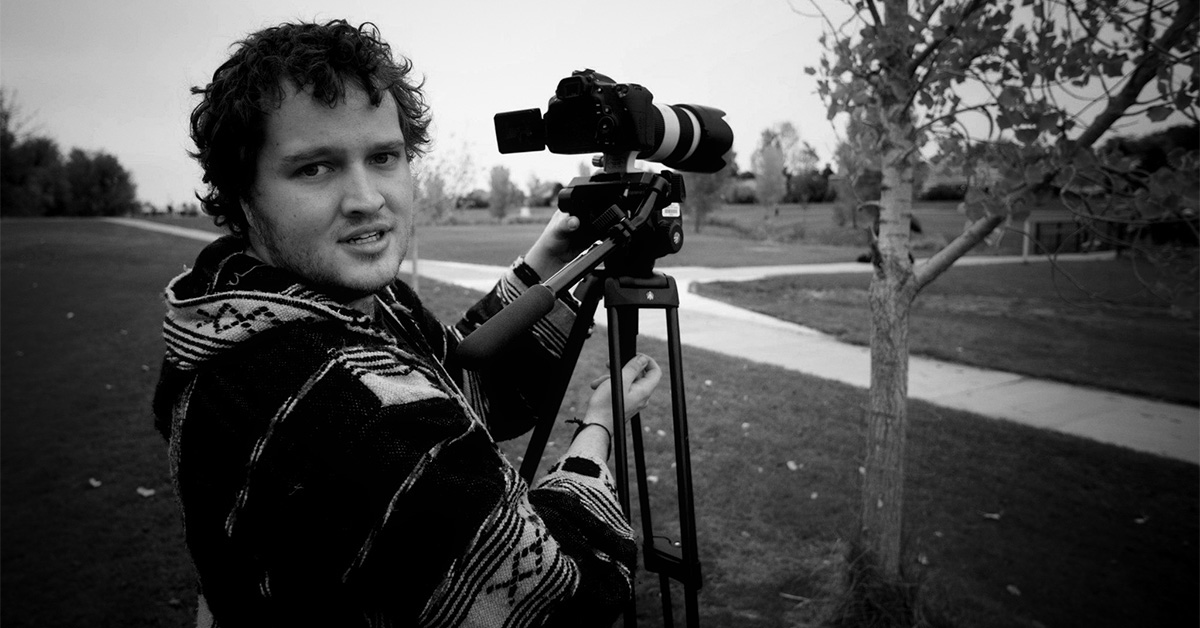
In this episode I chat with Robert Hardy who is an indie filmmaker, writer, and entrepreneur based out of Tucson, Arizona. He currently runs Filmmaker Freedom, a site that helps ambitious filmmakers make work they’re proud of and take control of their careers.
We chat all about the step-by-step process you can take to become a successful filmmaker, but the key is first understanding how to define “success” for yourself. We also dive deep into the “limiting scripts” that we repeat on a daily basis that convince us we don’t have what it takes to make it and how to overcome them little by little.
If you want to dive even deeper into the power of storytelling, specifically understanding the fundamental components of a good story, I recommend part 1 in my ‘Storytelling’ series with Story Greenlight founder Jeff Bartsch.
Episode Highlights
- Working in the filmmaking, entrepreneurial, and mental health spaces all at once
- How dropping out of film school led Robert to create Filmmaker Freedom and tread his own career path
- Don’t just look at your career goals, ask yourself what you want your days to look like in the future
- Deconstructing your unattainable standards of success
- Learning how to know when you’re climbing the wrong career ladder
- How to avoid peer pressure to stay in a job that makes you miserable
- Re-evaluating the “overnight success” myth
- Is it possible to skip steps on the filmmaker ladder of success?
- Designing your steps based on their stability rather than just their proximity to your goals
About Guest
Rob is an indie filmmaker, writer, and entrepreneur based out of Tucson, Arizona. He currently runs Filmmaker Freedom, a site that helps ambitious filmmakers make work they’re proud of and take control of their careers.
Transcript
Zack Arnold: So I’m here today with Rob Hardy, and this is an interview that has been a long time in the making, because you and I have been going back and forth behind the scenes for probably the last two or three years. You and I met in a what do we want to call it, like an online entrepreneurship business space, and realized, oh my god, there’s another person that’s interested in filmmaking and better health, and finding another way to do films that isn’t Hollywood. So, you and I immediately bonded. So, that being the case, I am very excited that you and I are finally doing this today. So, thanks for being on the show,
Robert Hardy: Dude. Thanks for having me. I think, yeah, I think before I even knew who you were, I bought your course, because obviously I spend most of my time writing and sitting in a desk and just not moving, so it has been tremendously helpful. I got my standing desk now, my topo mat, all that fun stuff, all thanks to you.
Zack Arnold: Well, and thanks to you, I now get Facebook messages and emails pretty much on a weekly basis of people asking if they want to pick my brain and take me out for coffee and lunch, because of the networking article that you wrote, called Empire Editor: Seven Steps to Networking, or something like that, which is one of the best networking articles that I have ever read, and not because it’s using my advice, but just the way that you wrote it, the way that it was constructed. You took a very disheveled kind of a messy audio interview, and actually turned it into very succinct advice, and I was like, oh, that’s actually really good advice. Oh, wait, no, hold on a second. That was from that really messy interview that I gave you. So I’ll put a link to that, because that actually went.. I guess I don’t want to say viral, because it’s not like I got 25 million views on YouTube, but in our industry it had a good shelf life for a while, and really got passed around
Robert Hardy: Really, really well for the frame IO guys. Yeah, I’m sure for anybody listening, that’s just a blog that you should be following. Like, they’re kicking so much ass right now. Yeah, it blows my mind,
Zack Arnold: Not only their content, but their, their product. It’s a total tangent. Yeah, frame io is, yeah, but I mean, there, there isn’t even a distant second at this point. They’re so, so good at what they do, and their content is great. Their blog is great. I’ve had the opportunity to write for them a couple of times. You have, but I don’t want to go down that rabbit hole too much. The reason that I have you here today is that you are a filmmaker, you’re an indie filmmaker, you’re a writer, and you’re also an entrepreneur, and that’s a combination that there isn’t a lot of, which is why you and I gravitated towards each other, because I am also in the filmmaking space and the entrepreneur space, and there are so few people that are trying to do both, probably because trying to do either one is more than a full-time job in and of itself. So, you have to be a special level of insane to try to do both of these, and you have a site that’s called Filmmaker Freedom, and this is a site that I think anybody that’s trying to either break into or transition into some different form of filmmaking career needs to know about, so I want to talk a little bit about your origin story and where filmmaker freedom came from, and then we’re going to dive into all the great advice that you give people.
Robert Hardy: Yeah, so I mean, I guess it starts as a lot of these things do with, with film school, like in high school, I was always interested in movies, never really had any inclination that I would want to do it for a living, but when college rolled around, I was just like, you know what, I’m gonna study film, that sounds cool, and I mean, I, it’s weird that it was such like a spur of the moment decision, just something I decided to do, it wasn’t, I hadn’t been like super passionate about film my entire life. I just, I just went for it, because my background prior to that was was music and audio production, and I just sort of made that switch and fell head over heels in love pretty much immediately from like day one of my first film class. So we fast forward a couple of years, I actually ended up dropping out of film school for reasons that are, I don’t know, probably not that relevant, is just something that is not particularly affordable, and when you start weighing the benefit of having all that, or the cost of having all that debt for the rest of your life in an industry that’s that’s fairly uncertain in terms of like paying back the debt, it was pretty clear that I shouldn’t stick around in film school, so after I left school, my big ambition was I wanted to be a cinematographer, like I studied cinematography in school, I was a bit of a camera nerd, all of that stuff, and my big goal was to was to get to some place like LA or New York and be shooting dramatic features, dramatic shows, probably probably dramatic shows, because I was going through the television craze at that point, and just head over heels with a lot of the stuff that was coming out of networks like AMC, HBO, etc. all that good stuff, but I was in Denver, Colorado, at the time, and I wasn’t really making any progress towards those goals, I was shooting short films, I was doing a lot of. Camera assistant work, camera operating work. I was doing a lot of sports broadcast work and corporate work to pay the bills, but I just wasn’t making any progress whatsoever. And I got to the point where I was just depressed. Is there’s no better way to put it than I was just depressed and frustrated and sort of fed up with my lack of progress on this stuff, and there was a time where I actually considered giving up on filmmaking, because it just seemed like such a, such a pipe dream, especially to get where I thought I wanted to go, and I had this sort of realization that I couldn’t keep going down the path that I was currently on, I didn’t want to be working like 12 to 1416, hour days, anything like that, for the next 10 to 20 years to get where I wanted to go. I didn’t really like a lot of the projects I was working on, and I just knew that I couldn’t do that for any longer than I already had. So I had this, this sort of, I guess, come to Jesus moment, is what people might call it, where I had this this realization that I could either continue doing that and just hate my life, or I could like redefine what filmmaking success meant to me, and just sort of like craft my own path, and that just set me down this path of entrepreneurship, this path of spending more time writing, of of sort of scaling back my filmmaking ambitions for the time, so that I could come back to them later when I had the resources and the energy to give to it full scale, and yeah, that’s really what led to filmmakers process, which I then later rebranded into filmmaker freedom, and it’s all just sort of built around this idea of crafting a filmmaking career that you actually care about, that you actually find fulfilling, and that doesn’t drain you of all your life force. As I found out,
Zack Arnold: Well, the anybody that has listened to this show or read anything that I write at any length whatsoever knows that my spidey sense immediately went off and you started talking about this thing called a path. I love talking about the path, because everybody says there is no path. I can’t figure out how to do it. People tell their stories, I’m like, that’s never going to happen to me. And I see it as my mission to deconstruct everybody’s unique paths, so you can realize there are just kind of standard steps that everybody can follow, even though we’re not doctors, we’re not lawyers, we don’t have three years of med school, and then residency, and intern, and then all of a sudden we know we get the white coat. You can put in as much effort, energy, and money as somebody that’s going through med school, and when you’re done, you’re getting somebody’s coffee for five years. We don’t have the guarantees that they do for doctors and lawyers and other professional type jobs, so it is very daunting and very overwhelming to think I could put in all this time and get nothing out of it, but I firmly believe there is a set path. It’s something that I talk about a lot, and what I love about your site and the work that you do, and the writing that you do, is you specifically say, and I’m going to read this right from the front page of your website, things you’re never going to read about here, the latest cameras, lenses, support gear, etc. Massive Hollywood directors and movies, or how to sell your screenplay, or quote unquote get into Sundance. I love that you are so bold about the fact that I’m not talking about the stuff that everybody else talks about on their filmmaking websites. We’re going to figure out how we’re going to conquer the psychological forces that hold us back, and how to make films that we’re genuinely proud of, that we want to share with the world. This is a really unique perspective, especially for our industry. So I really want to start jumping into some of these psychological forces and talking about mindset, like you talk a lot about those things, and very, very few people in the filmmaking world even consider these things. It is all about, well, this is the latest camera, or I need to be doing this, because this is what everybody else does, and I don’t believe in any of that crap. So, you and I are kindred spirits. So, let’s start talking and just diving deep into this concept of kind of what some of the fundamental steps are in this step by step path that we can follow if we want to be successful filmmakers.
Robert Hardy: Yeah, so I mean, I guess if we’re going to sort of deconstruct the path to be successful, you have to first start and just figure out what the hell it means for you to be successful, and more than anything, that can’t come from the people around you, that can’t come from blogs and podcasts and from the people you surround yourself. The only place that can come is from within you, and that may sound like some kind of woo crap, but like it has to stem from your values, and it has to stem from you being introspective and figuring out what kind of life you actually want to live, because if you don’t take that into account at the very first step of all of this, you may wake up in five years or 10 years and realize you have just spent your life doing something that leaves you feeling empty and drained, and you don’t have anything to show for that time and energy you’ve put in. So more than anything, just discover your values and figure out what you actually want your life to look like in a few years, figure out what you want your actual work to look like, what you want it to say, what you want it to feel like, who you want it to reach, how many people you want it to reach, figure out what you want your days to look like, and how you want your time to be structured, and the types of people that you want to spend your time with, like all of these types of things should be factor, or they should factor heavily into how you define success for yourself, and once you have that, it’s it’s really just a matter of deconstructing it, and and figuring out those, those like high leverage steps, I think you and I can get really nerdy on some of this stuff, and talking about like the one thing, like I think you had was it Gary Keller or Jay Papason on the show?
Zack Arnold: Yeah, I had Jay Papazan on the show a while ago, and I’ll put a link to that, because it’s been a very popular episode talking about the concept of the one thing, so yes
Robert Hardy: I bet that for anyone who hasn’t read the book, like, it is just mind-blowingly good, and will just set you, set you on the path, but yeah, like, once you have that definition of success, it really just is about deconstructing it and figuring out what you need to do to get there, and, and then making progress every day, building, building a daily routine around that most important work, whatever it happens to be for you, and there’s a lot of other things you can do, like short term goal setting, long term goal setting, all of these things that I’m, I’m sure you know about if you, if you listen to Zach’s show, so
Zack Arnold: Just to kind of go back to this idea of defining success for yourself, this is so key, especially in such an image driven industry, such as Hollywood, where it’s all about I want the attention, I want the recognition, I want the awards. Very few people actually think about what do I want a normal day to look like for me. And that was something that I went through fairly early on in my career, and I’m glad that I had this realization at 25 and not 45 but I was about 25 working in the trailer industry, doing short form, and I was very successful at a very early age, and I had won several awards for work that I was doing on trailers, and I was very rapidly rising the ladder, working on bigger films, getting recruited by much larger trailer agencies, and I just said, but this isn’t what I want to do, like it’s fun, but I don’t really like the day to day. It really is kind of soul crushing to work on big budget studio theatrical trailers, and I said I want to do long form, I want to do feature films, and I want to work in television, but I work in trailers, and everybody says that I can’t. But I realized if I was going to jump ship and I was going to define my success by working on things that I truly enjoyed, now is the time to do it, and I just decided I was going to quit a six figure job, and I started making like five, $600 a week editing, but I was doing it as an editor. I was, I was at the lead editor, working on low budget and independent stuff, but basically making just above minimum wage, but it was for getting the credit and the experience, and there were people that I worked with at the time, they’re like, “Dude, what are you doing? Like, you’re making all this money, you’re getting recruited from these, these larger trailer companies, like, this is it, this is what you’ve been working for. And in my mind, I was thinking, but it’s not what I’m working for right now, I’m, I’m doing well, and I’m making the money, but then fast forward a decade later, and I saw this moment coming, I wasn’t 100% confident it was coming, but I was pretty sure. But fast forward a decade later, bumping into people on the street that I worked with at trailer companies 10 years ago, saying, yep, still the same place, and it’s crazy as ever, and I’m, you know, just crazy tired. I’m working on big movies, but I’m just burned out, and I’m tired all the time. And I actually had one person say to me, he’s like, I wish 10 years ago I’d done exactly what you did, because I can’t get out. It’s like I make too much money, and I’ve got a mortgage now, and I’ve got a kid, and I can’t get out, and I hate what I do, and I wish that I had thought about this more when I was younger, and that’s what it’s all about, defining what success looks like for you.
Robert Hardy: Yeah, so I think you brought up a really important point there, and it’s this idea that that you are very much influenced by the people around you, or we all tend to be influenced by the people around us, especially the people who are friends with, the people who we’re colleagues with, and we just work in close quarters with, and, and that can actually be a dangerous thing, as you, as you mentioned, because if you had taken that advice, as, as a lot of us tend to do, like, if we don’t have our guard up and we don’t have a, have a really keen sense of what we really want out of life, we’re bound to take that advice, we’re bound to listen to the people around us and sort of crowdsource what our future should be, but as you, as you just described, it’s, it’s a dangerous proposition, because you could very well wake up in a few years, 10 years, and realize that you, you followed the wrong advice, buddy, and that’s something that we all need to be aware of, and it’s also a really good reason to start surrounding yourself with people who are maybe not more ambitious than you, but who are on the same path as. You, who are maybe even a few steps ahead of you, who can give you guidance, who can, who can push you to be better in this particular arena that you want to succeed in, because at the end of the day, if you, if you surround yourself with people who, who drag you down, or who pull you in directions that you don’t want to go in, it’s you’re just setting yourself up for significantly more work, and for more turmoil, and for less progress. Quite frankly,
Zack Arnold: I think that kind of what you’re talking about is this idea that we are the five people that we surround ourselves with the most. It’s a very popular concept, and when you’re in a job where you’re relatively unhappy, you’re probably surrounded by other people to feel the same way, and you all kind of commiserate, and you all kind of get the sense that, well, you know, we’re in this together, but then as soon as you want to break out of that mold, all of a sudden you become the outsider. It’s like, what are you too good for this place? You’re well, you’re too good to be a trailer editor, and now you want to do features like that’s hard to break out of, but I think that to kind of encapsulate it in the way that I really saw it, and it’s one of my favorite, it’s not a quote, I’m going to be paraphrasing it, because I can’t remember who I’m quoting, but it’s this idea that if you don’t have a plan, you are going to become a part of somebody else’s plan. Yes, I don’t want to be a part of somebody else’s plan, I want to make my own plan, I want to design my own road map, and if that means that I have to push myself into an uncomfortable position of doing things that a lot of people don’t quite understand, then I’m fine with that, but I surround myself with people like you said, this is great advice, I surround myself with people that have similar goals and a similar mindset to reach those goals, like the example would be right now I’m training to be on the show American Ninja Warrior, I’m not thinking to myself, man, for somebody that sits all day long, I’m in really good shape. I’m surrounding myself with CrossFit athletes and saying I’m an out of shape fat slop, because I want to be surrounded by people that are so driven and focused on getting better, getting stronger, eating well, like that’s the mentality that I need to be around, so I can just absorb it by osmosis, but it’s the same for any field, and I think in filmmaking, especially, it’s so easy to be surrounded by people that are so jaded and so cynical and so exhausted, and it’s hard to break out of that mold, exactly, exactly. So, where I want to go next, and this is an area where you and I could probably record a seven part, seven hour podcast about, but it’s this idea of investing yourself in small daily actions, because it’s so easy to think, well, I just need somebody to discover me, I just want to be an overnight success, but people don’t realize that success is a habit, it’s not a destination, and you have to figure out what are the actions I’m actually going to take every single day to get where I want, and I know that this is a passion of yours as well. So, let’s talk a little bit about this concept of ditching the idea of overnight success, and instead investing in daily actions.
Robert Hardy: Yeah, I think first and foremost, we all just need to be a little bit more cognizant of some of the stories that are out there regarding filmmakers succeeding in sort of like the blog world, the podcast world, and the trades, because if you’re not careful, you will just see story after story after story that look like people are just succeeding overnight, and those stories will, of course, they’ll influence your perceptions, your beliefs, and they’ll make you feel like that you should do that as well, or that, or that that idea of overnight success is attainable as well, and it just is one of those things that I think sets so many people up to just spin their wheels and be frustrated and be in a place where they’re like, why is it not happening yet, and of course, you and I both know the antidote to that is to first and foremost try to try to realize that for most of those stories like when you see the like the successful indie filmmaker who like gets us deal with the studios or whatever it is you see that little tiny slice in time but you don’t see the 10 years preceding it where he made short film after short film after short film that nobody cared about, that like are now just sitting around on Vimeo with like 37 views each, most of which came from like his mom or something, and you don’t see that, you don’t see like the five years it took to get a first indie feature made, and all the struggles with getting it, with getting it funded, and then once it was made, all the struggles with getting it distributed and into festivals, and the crazy amount of just frustrations and turbulence that comes with that whole world. You don’t get to hear that slice of the story, so when you, when you see these stories, you have to realize that you’re only getting a very small percentage of the story, and you’re usually missing all of the stuff that nobody wants to talk about, and that’s the fact that it is just hard. It takes a long, long time to become an overnight success, and in order for it to happen, you have to be persistent. You have to keep making small bits of progress every day, every week, every month, sometimes for. Years at a time until that big break happens, and oftentimes it really is like a dam breaking open. You will just get a big opportunity, but it’s always the result of the years of effort preceding it. It’s never something that happens in a vacuum at once. So I think that’s the, that’s the crucial mindset for starters, is just realizing that overnight success is just a myth, plain and simple, and the sooner you can realize that, you can start building your plan to make that progress every day, as we were talking about.
Zack Arnold: Yeah, and I don’t think that the overnight success is a myth if you put overnight in quotation marks,
Robert Hardy: Yeah,
Zack Arnold: Because at some point everybody, if they continue to work hard, is going to become a quote unquote overnight success. Same thing happened to me, like I got the job on burn notice, and all of a sudden everybody had heard my story and said, “Wow, like this young guy got a job on bird notice, like that’s awesome, he’s an overnight success. I’m like, “Yeah, but you forgot about the 12 years that it took me to get that job on burn notice, and that’s what I’m so passionate about talking about, is all the trials and struggles and tribulations and things that I learned and did the wrong way to get to that point, because to everybody else it’s like, oh, he did it, was so easy for him, why can’t I do it, what is wrong with me, what is my problem, why can’t I get success like this, it’s because they’re always focusing on the destination and not the journey, and not the process, and the process, that’s where the magic is. If you can build the daily habits that are going to lead you towards that success, then all of a sudden the overnight success becomes inevitable. But what I always tell people is, they’re like, “Well, you know, I just.. I’m never going to get discovered, and I tell them, “Stop trying to get discovered. Make sure that people discover you. It’s subtle, but it’s very, very different distinction.
Robert Hardy: Exactly
Zack Arnold: From there, you know what? If we’re talking about this idea of I am no longer going to just go for the finish line and picture myself on stage with the Oscar someday and just cross my fingers and hope that it happens. Instead, I want to take responsibility for the things I’m doing each day. What are some of the things that you talk about, like small daily practices that people can take to move towards building the successful filmmaking career they want, especially if they don’t really care about the awards or getting into Sundance, and they just want to make a living off of doing something that they love.
Robert Hardy: Yeah, well, so I think before we can talk about like small daily actions, you have to zoom back out to the bigger picture, and you have to get like the full scope of where you are now and where you eventually want to be, like your realized definition of success, and you have to realize that there is a massive gap between those two, especially if your definition of success is something really ambitious, like you want to direct in Hollywood, or even just like direct, like indie features for a living, like that is super rare and super hard to actually do, so you have to, you have to really take stock of that gap, and then you have to construct a plan to bridge that gap, because oftentimes when you’re at the starting line, you have no clue what it’s going to take to actually get you to where you want to go, so it really is about starting at the end and deconstructing like each subsequent step that you want to get there. So I have this concept that I’ve been working on that I call the film career staircase, and I haven’t, I haven’t necessarily fleshed it out as much as I would like to yet, but essentially it’s this idea that you can design each step in your career, and it’s this way to bridge that gap that we were talking about. So, let’s, let’s just take an example here. So, let’s say you want to direct indie features for a living in, and you want to completely skip out on on like the traditional model of going through sales agents and distributors, and you just want to sell directly to an audience, you want to build an audience online of people who are interested in your films, and you want to sell your work directly to them, but let’s say that right now you just graduated from film school, you’re nowhere close to that, How do you bridge that gap? So, in this scenario, in this hypothetical scenario, a career staircase might look something like this. You might start out by freelancing, by going into your local town, city. You don’t need to move to LA, you don’t need to move to New York, or any of that stuff, and you find production companies, you start working for them as a, as a grip, as a PA, as a camera operator, whatever they happen to need, and after that you can level up to starting your own production company, and obviously all of the resources that come with that, like you, you spend a year or two really getting that good, focusing specifically on that, and then, of course, you can level up again, and maybe spend a year just focused on building an audience and nothing else, and then finally you can spend a year making a feature, doing whatever it happens to be that will serve that audience that you’ve built and. That is sort of a way that you can, you can just build out these subsequent steps in your career, and each step gives you leverage as you move to the next one, and that’s one of those things, like, so if you wanted to just make a feature straight out of college, you wouldn’t have any leverage whatsoever, you’d have to, you’d have to scrounge together all your resources, and it just wouldn’t – it probably wouldn’t happen. But if you make a feature already having the resources of your little indie production company, you’ve already built an audience, at least probably small audience, if it’s – if it’s only a year that you’ve done it, but that gives you so much leverage as you go into that process that you can be relatively secure in it and not have to basically bet the farm and potentially like just mess up your life if the feature doesn’t work out. That’s sort of what I’m working on. It’s just this idea that you can design each step in the process of getting to your bigger picture goal, and each of those steps should give you leverage and security and stability as you move to that next step. So, yeah, does that make sense?
Zack Arnold: Yeah, no, that completely makes sense. And this is exactly the kind of stuff that I geek out on and obsess over, is just the psychology of achieving goals, but not only achieving something, but designing the process to get there. Yeah, I mean, this is like the perfect opportunity for a shameless plug for my new Design Yourself program, because that’s basically what we’re doing in this program, is you look at this giant macro goal that you think, man, that just seems completely insurmountable, I don’t know how I could ever get there, but you break a giant macro goal down into much, much smaller micro goals, so one way that you can do it is, you say, you know, I want to direct big budget Hollywood, you know, feature films, right? And I just came out of college, like you said. Well, yeah, so that’s not going to happen tomorrow, even though there are a lot of people that think it is. It’s not going to happen unless you’re Ryan Coogler and you go from doing Fruitvale Station to Black Panther, but that’s not going to happen to most people, but if you look at it as well, I don’t need to be directing a Hollywood feature film tomorrow. What do I need to do tomorrow? Well, I don’t know. Okay, where do I need to be in five years? All right, well, in five years I probably need to at least have a few feature films under my belt, if they’re indies, maybe they’re shorts, even just to show that I can do it all right. Well, if I need to be doing that in five years, what do I need to be doing in like a year? Well, I probably need to at least be working on movies, right? I should probably be getting paid for a living and be on sets and be able to observe the process and learn from other directors, or doing my own, you know, really low budget shorts. All right, terrific. So, what does that mean I have to do this week? What does that mean I have to do in an hour? And it sounds like that’s really what you’re talking about, is kind of breaking down something that’s much, much larger into the staircase, where you’re saying what are my next steps, not necessarily, you know, jumping from A to Z. It’s like, how do I go from A to B? And once you do that, it becomes much, much easier. I just went rock climbing last weekend with a group of people that are running a Spartan race with me, and there was a brand new guy that had never gone rock climbing and actually had a fear of heights, and he stood at the bottom and said, “There’s no way I can go to the top. I said, “You don’t need to go to the top, you need to just grab the next little handhold right there. So, go, “I can do that. I’m like, “Great, grab the handhold. All right, I’m fine. There’s another handhold that’s about two feet above you. Just grab that one, and that was it, one after another, after another. And it’s no different with your career, but I think what so many people are afraid of, if we use the rock climbing analogy, is that they’re going to climb up halfway there and then realize there are no more handholds, and I just went the wrong way, and now I need to fall to the bottom
Robert Hardy: Exactly, and I mean, I think that’s that comes back to the idea of first and foremost defining success for yourself and making sure that that definition of success is tied into your values and that it’s really damn important to you, because obviously having having that sense of purpose, having that bigger why driving your career is enough to get you past those, those like stagnation points, I guess you could call them, or those, those points where it just feels like there’s so many obstacles, or there’s just no path forward. If you really truly deeply care, and you’re willing to just keep putting in the energy and the time, and making small bits of progress, you can get past those those obstacles or those places where it just seems like there’s no way forward, so yeah, I’d add that into there.
Zack Arnold: Yeah, and you, you hit the nail on the head talking about why you’re doing something. If you don’t have a why, you’re screwed. I don’t care what you’re trying to do, it’s gonna suck going through the process, trying to achieve something difficult. And just as a news flash for anybody that’s saying, ‘Oh, I’ve done a whole bunch of stuff, and it hasn’t been that hard. You’re not setting difficult enough goals. If you’re setting a goal that you’re constantly achieving, then you’re not pushing yourself outside your comfort zone. If you are pushing yourself outside your comfort zone, things are going to suck, and you’re going to fail, and things are going to happen. Make you wonder why in the world did I take on this goal. I’m never going to achieve it, but if you have defined a deeper why, then you’re going to realize, oh, that’s right, this is why I’m doing this. Okay, it’s cool. I’ll take a breath, I’ll regroup. I may have failed this time, but I’m gonna, I want to fail forwards. I want to use my failures, a learning opportunity rather than just saying, well, I’m done. So, one of the things that I talk about in my programs is that you never say that I have failed or I can’t do something, you just add the word yet, so I can’t do this thing yet,
Robert Hardy: Exactly.
Zack Arnold: And that, that I think that that mindset is so key, and especially when we’re talking about trying to build a filmmaking career, there are a lot of tangential moves where you think you’re going in one direction, you think you’re building a portfolio, or you’re building connections, and you realize that, oh wait, I don’t want to work with these kinds of people, or, oh man, How did I end up on this project? I cannot believe this is going to be on my reel, and you realize that, all right, well, this is just part of the process, and success is not a linear path, it’s just this giant windy curve that goes all over the place, but I mean, you really hit the nail on the head that it’s all about knowing why you’re doing it and really defining what that picture of success looks like for you. So,
Robert Hardy: Yeah, and I think, like, going back to my, like, after college years, when I wanted to be like a big name dramatic DP, like, I thought that was a great goal, and I was, I thought I was super passionate about it, but at the end of the day, when I was in my sort of like depressed state, and I didn’t really want to continue on with it anymore, I realized that there was, there was no why there, like, my whole justification for, for wanting to do that in my career was essentially because I thought it’d be cool, because I thought that’s what you were supposed to do when you go to film school and study cinematography. Like, I didn’t consider that there might be other paths, so I just sort of went with a default, and I hated it. It sucked, and it drained the life out of me for a while, and I really had to sort of tuck my tail between my legs and retreat a little bit, so that I could figure out, like, what the hell I actually wanted out of life, and I don’t know, like, that’s what it comes down to, but once you have that, this sense of what you’re going to get out of your career, and how it’s going to make you feel to actually achieve these things, and why it’s important to you, like, nothing can really stand in your way,
Zack Arnold: Not to interrupt, but I think one of the really important things that you said is this idea of it would be cool, right? That is so common in Hollywood, is people will send me messages and say, “Man, I just saw that episode of Unsolved or Burn Notice or Empire, whatever it is, it must be so cool to work on that stuff. I’m like, why don’t you come spend a day with me? Why don’t you come into my tiny, small, dark room with no windows and poor ventilation and spend 12 hours in one spot staring at a computer screen? That’s what my day looks like. And you would think, well, yeah, but you know, millions of people get to see your stuff. Well, I don’t get to sit and watch it with them. I don’t get to know how they react, unless I go on Twitter, which is just this vast chasm of just negativity that I don’t want to have anything to do with. But those are not the rewards that I get. So, how am I able to do it day in and day out, every day, when the process is not terribly sexy? Everybody thinks that working in Hollywood is sexy until they’ve watched an editor do their job for five minutes and said, “Oh my god, this is the most boring thing ever, or they’ve been on a film set and said, “Wow, this is really slow, and there’s not a lot happening, like the cool factor goes away after about 10 minutes. So, what you have to enjoy is the process. So, for me, there’s nothing more invigorating as a film editor than being in front of an empty timeline and playing Tetris with emotion. That’s what that’s what editing is to me. I play a game of Tetris all day long, creating emotions with little tiny colored blocks in a timeline. I love doing that. That’s been fun for me since I was nine years old, and when I was nine years old, it was VHS tapes. It wasn’t Avid, but at the same time, it was the same concept. Yeah, so for me, if the day sucks, if something’s not working out, it doesn’t really matter, because it’s the process, not the destination. And that’s why, like, my definition of success is, am I really enjoying the project that I’m working on, and is it giving me a lifestyle that I enjoy? If it’s not, I’m not successful, dude. Other people are looking at me saying I’m successful, but I’m not successful by my own definition.
Robert Hardy: Yeah, you just, you just nailed it. It’s all about it’s all about getting to that, that feeling that you are successful. And again, that sounds a little bit like we’re getting into some woo woo territory, but at the end of the day, like you can set these, these big goals for yourself, but if you don’t feel successful, then you’re not going to be, you’re not going to be happy with yourself, you’re just going to move on to the next big goal, and the next big goal, and if you’re, don’t stop to enjoy yourself in the process, and, and to say, like, yes, this is this is it for me. This is what gives me the fuel I need. This is what gives me fulfillment. This is what gives me satisfaction in my work. Then it’s, it’s never going to be enough for you. And I think this is something that we’ve, we’ve both talked about a lot in terms of goal setting, is this idea of like the hedonic treadmill, and and this idea that you have to set your goals in a very specific way, so that you don’t get there and then realize that it wasn’t anything worthwhile in the first place.
Zack Arnold: Well, I think another thing to kind of add on to that, that I maybe this will send us in a different direction, is it’s very difficult when you’re working in a field such as Hollywood to set a very concrete, specific goal. So, going back to this analogy of doctors, right? So, if there’s a kid that’s 18 years old that’s going into college, they can say very distinctly, I want to be a doctor by the time I’m 28 years old, and I don’t know the exact amount of time, maybe they can be one at 2627 So, I apologize if anybody’s listening, like that’s not how long it takes, but let’s pretend that you know it takes 10 years from the time they graduate high school to actually wearing the white coat and having their own medical practice, right? So they can write on a piece of paper, I am going to be a doctor in 10 years. That’s realistic. If you’re going to say I’m going to be a film director in 10 years, that’s not as realistic, because, and not because you can’t do it, but because there are so many outside factors and forces that are going to determine when it happens, not if it has exactly, but when it happens. So, one thing that I want to dive into deeper, that I know you’re all about as well, is this idea of setting a goal versus building a system, because if you say I want to lose 20 pounds in six months, well, if you take all the right actions, most likely that’s going to happen if there aren’t biological or medical factors to get in the way, but if you say I want to be a film director in six months or I want to get a promotion in six months, or whatever it is, that may not happen in the amount of time that you want, it doesn’t mean that it’s not going to happen, but applying that arbitrary time gives you this binary idea of I’ve either succeeded or I’ve failed, but there’s a lot more of a gray area. But if you build a system that says, all right, what are the daily actions that I’m going to take every day that ensure that I become a film director, not in 10 years or five years, but that ensure I become a film director, that’s where the magic is that so many people miss, and I know that you are all about that concept as well.
Robert Hardy: Exactly, so I still very much lean on goal setting, but not like these long-term moonshot goals necessarily, like the kind of stuff that’ll take five years or 10 years. Where I really like to focus my energy is on on short-term goals, things that can you can do realistically in 3060 90 days, maybe, maybe six months, if it’s like a really ambitious short-term goal, but these things where you can really control the process, and if you can, if you can design these goals so that they help you make these little leaps forward towards whatever your definition of success is, it’s a, it’s a way that you can make consistent progress and still use a lot of this great goal-setting knowledge that you might get from from other fields, and have it actually be applicable to the world of filmmaking, where they’re like you said, there’s so many things just sort of conspiring against you, and so many forces working, working sometimes in your favor, sometimes against your favor. So, let’s say you have one of these, one of these short-term goals over the next 30 days, that’s where this idea of like the daily routine comes in, and and really making sure that even if you’re just spending 30 minutes a day working towards that goal, like that, that’s the key to making making it work is is just that consistent effort and consistent time and consistent energy, and focusing your energy on doing the most important things for that specific goal, whatever it happens to be for your career, and yeah, I, and that’s where the idea of the daily routine comes in.
Zack Arnold: Yeah, using words like consistency is, you’re, you’re just, you’re giving me goosebumps now, because now we’re really diving into the good stuff, like this, of all my philosophies for success, achievement, it doesn’t matter what it is, if you’re consistently doing it, you’re going to get somewhere. So that’s the part that people miss, is the consistency in their actions, and they think, well, I tried this a couple of times, it didn’t work. All right, well, How many? How many times did you do it? Like three. Oh, well, try doing it 100 times in a row and see if it, you know, gives you progress or not. And I love the idea that you’re talking about not setting these moonshot five year, 10 year goals. So, just on the fly, let’s take a hypothetical situation, and I’m, you know, one of your most ardent readers and listeners, and I’m somebody that is struggling to find my own filmmaking path, and I want to find filmmaker freedom, and I want to stop setting a five year goal, and I want to set a 90 day goal. Give me a good example, or a few examples, of the kinds of 90 day goals that I should be setting if I don’t really understand how to set short term goals.
Robert Hardy: Yeah, you bet. So, I mean, the first thing is that whatever. Your short-term goal, like 90 day goal, whatever it is, it has to be completely relevant to your bigger picture definition of success. Like, the idea is that you make these, these little leaps in like substantial progress, substantial bits of progress towards wherever it is you ultimately want to go. Let’s just take an example of, and let’s go with the film industry, since this is something that you, you know very well. At the end of the day, like, there are a few things that really influence whether or not you, you make it in the industry, and one of those things is your connections and your ability to to have relationships with the right people, and once you, once you know that, it really comes down to one, identifying the right people, and then two, just just really focusing in on on those on building those relationships step by step, and that’s that’s not a thing that just happens by like meeting somebody in an at an event, like relationships or something that have to be consistently built and then reinforced over time, otherwise they they start to degrade, which I think all of this stuff is in that networking article that we like collaborated on, I guess. So, let’s just say that that’s that’s the goal. You would, you would have said it in a way that is concrete, so you might say, I want to, like, so let’s, let’s say you want to be a cinematographer, you would say to yourself, I want to meet five successful, like, I want to meet, and I want to build relationships with with five cinematographers above me in the industry over the next 60 days, and that might be a good goal, that might not be. It really, again, depends on your situation, but once you have that, once you have that, that level of specificity, it’s just a matter of how do you do it over the course of 60 days, then it’s all about just just building out a specific plan and actually making it happen, like what needs to happen to reach out and build relationships with five cinematographers over 60 days, and once you, once you have that, that level of specificity in your mind, and once, once you know that that’s your goal, it makes everything so much clearer as to what you’re doing, like once you get into this daily, daily process of doing the work, it’s, does this help me meet my goal of meeting five cinematographers over the next 60 days, or does it not? And if it, if it doesn’t, then it’s something that you shouldn’t be spending your time on, and if it does, then you do it, and you just chip away consistently, and like, so every day, let’s say, let’s say that is your goal from five five people over the next 60 days. You might spend some of your time for the first week just just researching and seeing who’s out there, seeing who’s online, interacting with them a little bit on on Twitter, on Facebook, wherever they happen to hang out. Lots of people are on Instagram, like the film community just loves them. Some Instagram, which I should
Zack Arnold: Never, ever gonna find me on Instagram. Mark my words, I’m recording this on the record. Yes, technically there’s an Optimize Yourself Instagram page that I don’t even manage, but I don’t even.. I hate Instagram. Like, the my response to Instagram is, “Get off my lawn. Like, I’m such an old man. I just.. it’s just not for me. Sorry, I digress. So, go ahead.
Robert Hardy: Oh no, any.. any rant against Instagram is good in my book.
Zack Arnold: Yeah, but just to kind of interject, because there are like 10 times I wanted to interrupt you, and I ended up not doing it because I wanted to, you know, let you finish your thought. But this idea of specificity, that’s another one of those like tingly words that gets my spidey sense going, and I use the word clarity. If you have complete and utter clarity on the actions that you need to take that are going to lead you to that ultimate goal, it is so easy to do that. People wonder why they procrastinate, and why they never get anything done, and why they spend all day on Instagram or Facebook or Twitter in their email inbox. It’s because they don’t have clarity about what needs to be done, and they’re not confident that the actions they do take are going to lead them somewhere, and those are the what I call the 3c’s are you need clarity, confidence, and consistency. So, if you’re clear that all right, I want to be a cinematographer, it’s probably going to take me 10 years. How do I know that? Because I’ve read about a lot of people’s stories, I’ve heard their interviews. It sounds like 10 years is the magic number. Yeah, being a cinematographer in 10 years, that seems completely foreign to me, like a decade is never going to pass, never going to happen, right. However, if I’ve broken down that 10 year moonshot goal into, you know, these benchmarks of where do I need to be in five years, where do I need to be a year now? I’m setting a concrete goal that in 60 days I know that I need to build relationships with five cinematographers who have work that I admire, and I would say I would love to have their career someday. So now I know that when I wake up tomorrow morning, the only task ahead of me is I need to research 10 cinematographers and choose five of them that I would like to build a relationship with. If you are that clear on the fact that that’s all you need to do to get where you want to be in a decade, procrastination disappears, because they’re like, “Oh, that’s easy, I can, I can go online for 30 minutes today, and I can research cinematographers that I like, like that’s not hard. It, but people think to themselves, and they psych themselves up, saying, well, it can’t be this easy, like there’s no way this is going to lead to success, but that’s really the way that it works. You just pick one small, tiny daily action, and if you consistently do it over and over and over, you are going to end up where you want to be, but you have to be consistent,
Robert Hardy: Exactly. And I mean, let’s follow out that example, and let’s say you, you, you build relationships with with five cinematographers that you really admire over 60 days, then what? Well, then you might spend the next 30 days trying to really pick the brain of these people and just ask them, like, just sincerely tell them you admire them all, all of this stuff, ask them sincerely what they think you should be working on at this point in your career, and you don’t even have to limit this kind of research to just the people you’ve built relationships with, because obviously, like, the point of having those relationships is these people are then in a position like they know you, they like you, they trust you, and if you can demonstrate your skills to them, if they know you’re competent, if they know you’re capable of leading people and being good on set, like that’s what can lead to those career opportunities down the line, but let’s say, besides all of that, you’re just not sure what you should be working on after after this little bout of networking that you’ve done, that’s where, like, reaching out to these kind of people who are where you want to be, and just, just picking their brain a little bit, asking them what kinds of things they would be working on if they were in your position, like that can give you so much clarity about how you should be spending your time, because one thing I’ve found with basically everybody, this isn’t even just like relegated to the creative community or the filmmaking community, it’s that we all are expending so much energy and doing so much stuff, but so little of what we’re doing is moving the needle, like we’re just so busy, so constantly busy. And this is something you’ve clearly talked about.
Zack Arnold: Busy is a four-letter word. I hate the word busy, but continue.
Robert Hardy: Well, yeah, no, that’s that’s exactly it. It’s, and we like pride ourselves on being busy, but we rarely stop to ask ourselves, Am I busy with the right things? Am I actually focusing the majority of my energy on the things that are ultimately going to move the needle and are going to help me move forward in my career? And if you don’t do that, like, you may eventually be busy on some of the right things, just by, just by like sheer coincidence, but it’s never going to be intentional, and you’re never going to make consistent progress over time, because you just haven’t learned how to focus your energy yet, and that’s where like things like the focusing question from the one thing come in, that’s where like these little interviews where you like reach out to people who are ahead of you and you figure out what you should be focusing on, like those are those are two of my, my absolute favorite strategies for just getting clarity on what you should do right now at this point in your career.
Zack Arnold: Yeah, I think that that’s so key, and I love this, this idea of reaching out to other people, because it’s it’s very easy for me to say, well, if you want to do this in 10 years, just break it down into manageable steps, and if you’re thinking, I don’t know any of the steps, so I can’t do that well, then you only have one next step, and that’s figure out the steps. So, if you want to create, like you said, that you know this filmmaking staircase, so to speak, and you know what’s at the top of the staircase, but you have no idea what any of the steps, are that’s fine. Neither does anybody else when they start, but guess what? There are people that are standing at the top of the staircase that you want to ascend that know how they got there. So the only thing you have to do right now is figure out what are the steps, and then once you know them, oh well, this guy told me this, and this piece of advice. All right, well, now I don’t really have all the pictures and all the steps that I need, but I know a couple of them, and the most important one is I know the first one, so just you know you’re there’s going to be some level of kind of blindly climbing the staircase for you know at least a few of the steps, saying well I know I’m going up and I’m not really sure where the next step is, but you know if I just get to this one step, I can ask somebody else, and they’re probably going to help me fill in the gaps. So, even if it’s not the perfect staircase, so to speak, as long as you can get up the first step, then you’re going to get some semblance of momentum, and say, oh, all right, now this is starting to feel like I’m going somewhere. It’s slow, but it’s consistent. Now we need to start filling in those gaps,
Robert Hardy: Yeah. And I think you just touched on something that is, that is super important, and that I think holds a lot of, a lot of filmmakers back, and it’s this idea of just uncertainty, not knowing what to do next, even like, even if you’ve, you’ve reached out to people, even if you’ve asked yourself the focusing question, which we could probably get into in a whole nother piece of this conversation, but like, even once you’ve done all that, you’re never ever ever ever going to have all of the exact perfect answers, and for a lot of us, that can be like debilitating and can stop us from taking action and from like actually trying things and doing things in the real world, and that’s something that we, again, we have to be aware of it. And we have to, I guess, overcome some of those psychological forces that, that prevent us from, from actually taking that first step and getting out there and just trying things, because, like, if there’s one thing I’ve learned just from, like, the world of filmmaking, from trying to build a business from scratch, which is really damn hard, and every day is just trying to figure something out, and trying things, and seeing if they work, but you have to try things, you have to put work out into the world, you have to, you have to just do things in a direction that you think is the right direction, but you will never exactly know that for sure until you actually go out there and do it, so that’s that’s one thing I would say, like I think when it gets into that, or like, into this realm of, like, goal setting, and, and having absolute specificity about the nature of the goal, and the direction you’re moving, like, it can be really easy to just, like, think yourself into a hole, and, and not, not really just, like, at a certain point, let go, and get out there, and start moving in a direction, so that’s yeah, I think that’s a really important thing to just sort of add to this, is you have to just start working, and just by nature of doing the work, you will find out if it’s the right work or not, and if it is the right work, you keep doing more of it, if it’s not the right work, then you go back to square one, and you find more things to work on that will potentially move you towards your goals.
Zack Arnold: Yeah, there’s no better way that I could top that or close than say just go out and do something like that. That’s the best advice possible, because you can have all the knowledge in the world and all the steps in the world, and have read every single book, and you’ve watched every single Steven Spielberg movie, and you’re sitting around doing nothing, you’re getting nowhere. Like, ideas are worth nothing without implementation. So, yes, just to reiterate what you just said, whatever it is that you want to do, just get out and start doing it, and be willing to embrace failure. You’re going to fail a lot, and some people are going to see that failure, some people are not, but you have to be willing to embrace failure and see that failure as a learning opportunity, rather than saying, well, I failed, so I’m no good, and I’m just going to quit. This isn’t right for me, because I guarantee there are many, many, many, many failures in my life that most people are not aware of, and they may have even seen something that they thought was a success that, to me was a failure based on my definition of success. So, I mean, we could go way deeper down the rabbit hole, but as is usually the case with this show, I go about an hour, I just start getting warmed up and getting really into it, and realize, oh my god, I’ve been talking for an hour with this person. So, I want to be respectful of your time, but before we go, I want to make sure that people know exactly where to find you and some of the great stuff that you have to offer them.
Robert Hardy: Yeah, so I mean, the best place to find me is just Filmmaker freedom.com Like, I’m on the Facebooks and the Twitters and all that, and I’m rarely on them, because, like, like you, I’m very much a fan of just automation and letting the tools work their magic, so I don’t have to spend my time there, and more than anything, like I am very engaged with the people on my email list, so if you want to reach out to me and chat, just just jump onto the list, like there’s a million ways to get onto it from my website, and and let’s let’s start a conversation and see where it goes, and I also have a really kick-ass newsletter that I send out on Sundays that if you’re interested in just like the world of film and how to, how to master your mindset, how to, how to master the craft or the business, or whatever it is, like, there’s, there’s always good stuff in there that I sort of curate from various corners of the web, and I, I’m just really proud of the newsletter, I think it’s awesome, and that you should join it. Yes, you, who’s listening right now,
Zack Arnold: And I second that, trust me, if you’re listening to this right now, and any of this sounded appealing, and you think it’s going to get you where you want to go, get on that email list, because it’s not like most of these newsletters that send you eight articles, and there’s 14 like little advertisements in the email, and you can’t even read them, and it’s nothing like that, like it, you really feel like I’m talking to you, you are talking to me, and the most important thing that I think your work does that most people overlook is you’re shortening people’s learning curves. You’re doing the work that they need to be doing anyway. You’re just going through all the stuff that they don’t need to be going through, and saying here’s the important stuff that you should be focusing on. That’s why I think the work that you’re doing is so important to anybody listening. I highly encourage you, go to Filmmaker freedom.com get on Rob’s Kick-Ass newsletter, and just start doing something. So, on that note, thank you so much for being on the show with me today,
Robert Hardy: Dude. Thank you for having me. And let me know when the new course comes, because I am very excited about, well, what’s next? Focus yourself or
Zack Arnold: Design yourself is going to be the most immediate, and by the time this episode comes out, Design Yourself will have already been released, and then Focus Yourself is going to be the number one focus, pun intended, of my life for the remainder of the year. So I’m going to be rolling it out in several very small stages as I build it, but by the end of the year, there’s going to basically be as close to a. Foolproof system as possible to go from I have no idea what to do to not only do I have 100% clarity on what I need to do, I’m completely confident that I can do it, and I can do it consistently using the following systems and tools. So I love it. That’s my entire year right there.
Robert Hardy: Yeah, and I obviously like nerd out about this stuff, and I think we’ve read a lot of the same books and do a lot of the same stuff, but I am so freaking excited for that course.
Zack Arnold: Well, that makes two of us. I’m using the system right now, so I’m basically guinea pig number one, because it’s my system that’s leading me towards this ethereal goal of hanging from crazy obstacles on television someday.
Robert Hardy: So, badass, I love it.
Transcribed by https://otter.ai
Episode Credits
This episode was edited by Curtis Fritsch, and the show notes were prepared and published by Jakin Rintelman. Special thanks to Krystle Penhall and Sarah Furie for helping to spread the love!
The original music in the opening and closing of the show is courtesy of Joe Trapanese (who is quite possibly one of the most talented composers on the face of the planet).