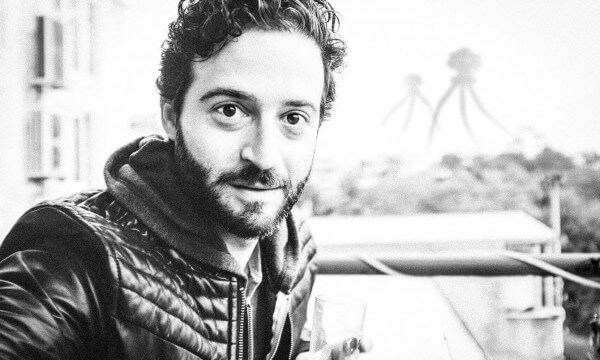
You Think Your Schedule Is Tight? Try Editing SNL | with Adam Epstein


About Episode
If you think your deadlines are tight, think again. Imagine waking up Wednesday morning knowing you have a 2-3 minute piece airing on national television in 3 days…and it hasn’t even been shot yet. This is the life of SNL editor Adam Epstein who routinely turns around amazing trailers, spoof commercials, music videos, and parodies for SNL week after week under insane deadlines.
In this episode Adam and I talk about his rise to being the senior film editor at Saturday Night Live, how he manages incredibly short turnarounds, and most importantly his ninja tricks for being as efficient as humanly possible to ensure his cuts never miss an air date (but he’s definitely come close).
Adam was kind enough to even provide screenshots of his digital workspace, bins and timelines. In the bonus guide for this episode you can learn how Adam:
• Organizes his media to access it fast and efficiently
• Lays out the different windows in his digital workspace
• “Pancakes” multiple timelines in Adobe Premiere Pro to edit infinitely faster than working with a single timeline.
Click here to download the bonus guide with all the screenshots
Want to win a 1-year subscription to either Boris Continuum Complete, Mocha Pro, or Sapphire? All you have to do is take 2 minutes and Leave a review for the podcast in iTunes. We’re drawing 3 random winners on December 1st, so don’t wait too long! These prizes courtesy of our brand new sponsor Boris FX.
Episode Highlights
- Adam’s early experiences with filmmaking and his career trajectory toward editing SNL
- How successful movie-making requires good relationships
- Cutting with Video Toaster
- Swinging between short-form and long-form editing
- The SNL weekly workflow
- Why Adam edits SNL pieces chronologically, integrating sound and graphics as he goes
- Avoiding being pigeon-holed into one genre of work
- Choosing the editing software that works for you
- Learning to start projects with “confidence keystones”
- How a history in short-form editing informs long-form work
- The importance of having a consistent workflow
- Zack’s “hit-by-the-bus theory”
- Stacking timelines to increase efficiency
- How Adam’s renders can keep up with SNL’s crazy pace
Useful Links
- FiP Question Submission
- Athletic Greens
- FiP Facebook Group
- Adam’s Site
- Enjoying The Show? Leave A Rating And Review HERE To Enter Our BorisFx Sweepstakes
About Guest
Senior Film editor at SNL (8th season at the show)
Documentary Now! editor
Commercial Editor at PS260
Currently cutting Why We’re Killing Gunther
32 city post-production tour “The Cutting Edge”
Made of some carbon.
Transcript
Zack Arnold: I’m here today with Adam Epstein, and if you’re not familiar with Adam Epstein, he is a bit of an editing ninja. Adam is the person that I think of when I have a crazy deadline and somebody says we need you to do all of these notes and we need to get a first cut in like four days, and I’m like, are you crazy? And then I think, oh wait, Adam has to like cut three minute theatrical quality trailers in like seven minutes, and then put them on the air 10 minutes after that. So, Adam, it is a pleasure to have you on the show today.
Adam Epstein: Thank you for having me, man. It’s great to talk to you. It’s been a bit.
Zack Arnold: Yes, it has. So, you and I connected. I don’t even remember what event it was at some Adobe event, it must have been about a year, year and a half ago, where you had done a presentation called The Cutting Edge, and this is something we’ll talk about more a little bit later in the show, where you kind of did this traveling circus all over the country, talking about the workflow that you built to survive the rigors of working on Saturday Night Live with crazy deadlines, huge amounts of footage, and I definitely want to get into the nuts and bolts of that. As a side note, I just want to let you know that what I took out of your presentation, more than anything else, is how to become a keynote presentation ninja myself, because you gave the best flipping keynote I had ever seen, and I’m like, I am totally doing that. So now when I do my own presentations, people like, man, I love the animations, and the just the design of it. I’m like, yeah, I stole that from Adam.
Adam Epstein: Everyone, everyone is a sucker for moving text, you know? Right, it never gets old.
Zack Arnold: And Keynote is just like, press a button, oh, it spins, and ooh, it scales a lot. We could do a whole podcast just about how to create a kick-ass Kino, but we won’t do that, because that’s probably not what my audience is interested in
Adam Epstein: Next time,
Zack Arnold: Exactly
Adam Epstein: The driest podcast ever,
Zack Arnold: Right? Well, not for some people, I would love it, but I geek out on that kind of stuff. But before we get into the nuts and bolts and really get into the weeds and talk about tactics, I want people to understand a little bit about you, your background, and your journey, because you’ve been a senior editor on Saturday Night Live for like eight years now, but you have a really interesting path that led you there, so let’s get to know Adam a little bit better. Then we’ll start to get into the weeds.
Adam Epstein: Sure, so I mean, from from a post-centric perspective, coming out of school, my focus was I wanted to be more of a writer, truthfully, and I still write a fair amount, and but that’s kind of what led me directly into broad post production and filmmaking in general, you know. Way back in the day, I was one of those guys who was, you know, VHS to VHS, because I’d be shooting stuff at home as a kid, and I had a friend, you know, who had a video toaster, and oh my god, you could put a title on something, this is incredible. So I had a background as far as, like, understanding, you know, the basics of here’s how things actually get made, and then when I was in school at UCLA with a few people, we started kind of a sketch comedy show, and actually a couple people who are on the show ended up being SNL writers and cast members like Mikey Day and Naseem Pedrad. That was kind of like an interesting experience in, you know, working with people, making your own stuff, and at the time, this is, you know, before everyone had a full NLE on their phone, basically. So, this was, you have to figure out how to the stuff that you write, you have to figure out how to make it, and I got kind of addicted to the post side of things. Then, coming out of school, I started in on-air promo at a place called Stun Creative, which was great to really kind of see, you know, a lot of people. Sorry if I’m running in circles here. A lot of people, they look at something like promo, or you know, 15 and 32nd sales pieces for shows that have already been shot, where you’re taking footage that you know isn’t specifically boarded and scripted, and they see that as something less than, you know, doing episodic work or feature work. I understand that, maybe from, you know, a big picture exposure perspective, but I found that really learning how to take something that wasn’t necessarily made to be this promo and learn how to use sound and how to use graphics and how to, you know, create pace. Basically, it was a great lesson in that type of post. And then from there I went to commercial post, where I started as an assistant editor, and that was much more the kind of the training of, you know, really kind of traditional, here’s how films are made, and you know, it’s still commercials, but at the time we were still working on film, so from a workflow perspective is basically the same as working on a feature, so you’re working on, you know, little 32nd 62nd features, where you’re working with film, you’re working with neg, you’re going into like a tele cine session, you’re really understanding, you know, the top to bottom workflow on the post end, and really importantly, you’re dealing with, you know, solid budgets and really talented directors and producers who really know what they want, so is really an experience, and and learning how to deal with people, which I think is the most important thing in general, so kind of like with all those things, as far as. Know understanding how to work with multiple sources and multiple styles and dealing with people and dealing with pressure. When I was presented the opportunity to work at SNL, which was entirely due to my friend Rhys Thomas, who was the film producer there at the time, who later became the director, and he was the director of the film unit for the last five seasons. All those kind of skills from like a bunch of different places that all kind of, in my opinion, let the SNL work be something that’s even viable, you know. If I didn’t really even understand at the time, sort of how tight the timelines were, and as technology has kind of improved, we keep putting it’s not that we get any more time to do it, it’s just that you keep putting more and more within that same amount of time, so as cameras get better, you can turn stuff around quicker. As the NLE lets you be working with raw media, you don’t have to spend the time transcoding anymore, so everything kind of just continues to get more and more fitting inside the same size box. Basically, that was very long-winded and rambling. I hope that made some sense.
Zack Arnold: No, that definitely made sense. And going in circles is not a problem, because anybody that listens to the show probably works in post, and we’re used to people going in circles constantly all day long. Exactly, so I wouldn’t worry about that at all. So now we’ve kind of walked through your journey a little bit, and before we move forward into the world of actually working on SNL on a super high pace, super high pressure environment. I want to unpackage a little bit more this idea of working in short form versus long form, because it’s almost kind of creepy the way that you detailed your process from being younger to now. It was like my story, I was VHS to VHS, I was cutting a bunch of stuff together. I discovered the video toaster in high school, and I swear to God, if Jesus had been standing next to it, I would have been more enamored by the video toaster. I’ve been like, oh my god, I can do a spinning globe transition. Are you kidding me?
Adam Epstein: I’m trying to bring that back. I think I need more spinning globes,
Zack Arnold: And I’ve got it, like I’ve got the VHS tapes and the videos to prove that man, I put that video toaster through the ringer, you know, like the blood transition, the blood dripping down, and like I’m probably dating myself, and anybody that remembers the show Home Improvement that had those ridiculous transitions of like door swings and fences falling down, like that was the video toaster, baby, that was good stuff.
Adam Epstein: I was a big fan, personally, of it was, I think it was the woman doing a cartwheel, and the legs would wipe the screen as she goes across. It’s really high-end stuff. I’m pretty sure that was, I think that was Industrial Light, and Magic was, was all over that one.
Zack Arnold: Yeah, my God, I forgot about the cartwheel, like, like nobody has yet to beat the toaster. Like, Final Cut Seven, still my favorite NLE, but I mean it, even that can compare to the video toaster,
Adam Epstein: But I’m just waiting for the time, you know, in the same way that people are their fans of vinyl now, and you know what’s retro becomes sort of a point of pride. I’m just waiting to see a show, and like an article in Post Mag talking about how, you know, this new HBO show was was cut on the video toaster.
Zack Arnold: Oh my god, that’d be amazing
Adam Epstein: Someday.
Zack Arnold: Yes, but anyway, speaking of going in circles, I led that one astray. I think it’s really important to talk about this idea of short form versus long form, because if you’re in the long form world, if you’re doing scripted TV, even unscripted TV, but you’re doing full shows, you just have this belief, whether it’s conscious or not, that your work has more value than somebody that’s doing 32nd and 52nd spots, and it’s just ingrained in the culture. And I started in short form for years, I was editing theatrical trailers, I was editing TV spots, I was doing international sales trailers for just the most god awful super low budget films that they were selling to like regions in Czechoslovakia. So I’ve done hundreds and hundreds of these small pieces, and even though a lot of the stuff that I’ve done would never be on a resume or be on IMDB, I credit the work that I did in short form for giving me the toolset that allows me to be a much better long form editor, and I know that you agree with that assessment.
Adam Epstein: I couldn’t agree more. I think the lessons that you learn in doing, especially the short form stuff that you know does have a lot of pressure behind it. It’s basically when you’re working in such like a small amount of time, every cut almost becomes, especially like when you’re in like doing commercials, you’re working on a 30, those cuts just by the nature of there’s not that many shots within this spot, it really forces you to focus on, you know, what are we showing down to, like, really down to the, not that you’re not down to the frame when you’re working on long form stuff, but it gives every shot that much more importance due to the fact that it just takes up this much more percentage of what you’re working on, so it just really forces you to be mindful about what you’re doing, and just from a technical perspective it’s great. What I’m doing right now is kind of weird, in the sense that, so during the week, right now I’m cutting a feature that Taryn Killam, the SNL cast member, directed over the summer, and so I’m doing that the first half of the week, and then going and doing SNL on the weekend, basically. Okay, so it’s jumping from a mindset perspective. You’re on your first half of the week, you’re in this kind of long form world where every day you’re just kind of chip chip chipping away a little bit, and you know this thing isn’t going to be coming out for months. And then you go on the weekend, you’re like, all right, we have one day to do this, and it’s going to be on TV tonight. So kind of having that dichotomy, you know, kind of going simultaneously has been really interesting, but it definitely kind of reaffirms what you were saying about, you know, the importance of short form, and just doing those paces are it’s priceless as far as just getting in as many swings as you can.
Zack Arnold: Yeah, for me, the first big takeaway that I had from spending years in short form is that you really learn how to be efficient, because you have no choice. A lot of people that have been doing long form their whole lives have less efficient workflows, less, you know, organized bins, and they really kind of have longer drawn out processes to get through a scene or get through a sequence. But when you’ve been in short form, you have no choice but to just really spin things out quickly, and you can transfer all that knowledge into the world of long form, and I think one of the reasons I was able to adapt to television so quickly is because I came from short form, and they were saying, “Listen, these are crazy schedules, you only have 11 days for an episode. I’m like, “Oh, that sounds great, that’s not that big of a problem. So, but one thing that I did find, and I’m interested and curious to know if you found this. I was also balancing short form and long form for a period of time, where during the day it was my full-time job editing TV spots and editing trailers, and then I was cutting an independent feature at night, and I did this for four or five months straight, and the biggest note that I kept getting on the long form stuff was it’s too cutting, you need to slow it down, it’s be it’s almost like if you were listening to techno all day long, and then at night you try to compose a piece of slow classical music that just bleeds out of your brain, because that’s the rhythm that your neurons are firing, so do you find that where you kind of have to catch yourself and switch gears?
Adam Epstein: Definitely, it’s when I first started doing this type of thing, as far as juggling both was a few years back on a feature called Staten Island Summer that Reese directed for Paramount, and he directed that and was also the director at SNL, while we were working together, so we would both be jumping back and forth to the same thing, and it took oftentimes like basically you had to kind of let your brain reset to the rhythm of the fact that you are now doing something that, where you could allow a look to linger a little longer, and just actually like allow more of a long form scene pace to breathe, and like, oh, there is importance in the quiet moments that we just literally don’t have time to get in the same way when we’re doing, you know, a 15 second smash and grab type of promo, what I’ve found, what’s helped me a lot is when you know I’m going to be going back from one to the other, is to watch something that’s basically almost like a palette cleanser, to watch something that is maybe not necessarily like slower, but something that I like the style of, that is kind of similar to, you know what it is that that we’re working on, just as almost kind of like a brain reset to kind of wipe away like the faster pace, especially when it’s something promo, and like everything is you know super sound design heavy, and and really driven by that, and kind of remember, like okay, this is going to be driven much more by the feeling and the performance, and let that pull the edit versus kind of take the edit and you know really have that be the driving force. If that makes any sense.
Zack Arnold: Oh no, that makes complete sense. It’s funny because that was the same process that I had. It’s something that I’ve coined method editing, and I’m not, you know, trademarking it or anything. That was a process that I went through, is that in order to kind of cleanse my palette, I would sit down and watch a film, and I wouldn’t do this every day, because there’s just not time to do this every day, but I had a stack of movies with, like, 15 movies, they were all very similar genres, and I would just pop two or three in on a Saturday, get myself back in that rhythm, and I would kind of have that stored in my brain. I would go to work during the day and put myself on autopilot for the short form, but I still had that rhythm and that cadence in my brain for the longer form stuff, and that helped me bridge the gap, but it took, and it was my first feature film as well. So that was the other thing, is not only did I have the learning curve of doing my first feature, I was also my own assistant, and I was dealing with short form during the day. So there are all these hurdles in my brain that I was trying to overcome, but it’s interesting because they’re one of the other things that ended up happening. I won’t go too deep into this, because this is your show, not mine. But they, the reason that I initially got the job doing this feature, was that they wanted a four minute sales trailer. So it was when they said, “Hey, we need a presentation trailer to get more financing. It was when I cut that, that they’re like, “Oh man, we need you to cut the whole film. So originally I was only hired to cut two scenes and do the trailer, but that’s what got me the feature job. So, when people say you can’t do short form and long form, you have to pick one, they’re two totally different skill sets. I just, I adamantly fight back against that and say you’re so wrong, because some of the best long form editors I know have a short form background.
Adam Epstein: I couldn’t agree more,
Zack Arnold: So that. Having been said, now I want to start digging in a little bit, and I want to give people a sense of what does your schedule look like on Saturday Night Live, because one of the amazing things about the presentation that you did was the timeline, but the other thing that really surprised me is that Saturday Night Live is really not even a full-time job, that shocked me, but then it made more sense once you explained it. I’m like, oh yeah. Well, you’re not really going to be doing stuff five or six days a week. They’re going to be shooting stuff, you’re going to turn it around once a week. So, just give me a sense of what life looks like specifically with your schedule on Saturday Night Live.
Adam Epstein: Sure. So, as far as like, like my relationship with SNL is concerned, so I’m the editor for the film unit, so at SNL, at least, how it stands now, there are a couple kind of film groups. There’s the film unit, the director there now is Oz Rodriguez, and there’s the Beast Unit, which is kind of like, not that they’re the B team, but they’re just the other unit at the moment, and the director there is Paul Briganti, and then there’s a good neighbor, and the director is Dave McCarry, so at any given moment there’s normally now like two or three film pieces that are in the show. There’s also like at SNL, there’s also, you know, staff editors who are there that aren’t necessarily working on the film pieces, they’re working on, you know, either changes between the final episode and then what goes into reruns, or they’re doing kind of repackaging jobs, you know, working with like closed captioning and all that, and they’re there all week for my purposes, because I’m only working on the film unit pieces, and the way the SNL schedule works is everything is written basically Tuesday night, the writers stay all night and they write everything, Wednesday afternoon is the read through, that’s when the writers and the host and the cast and the crew, they all get together and they read through everything, and then in the late afternoon, early evening, the scripts are picked, and from those, there’s going to be like a couple that are, you know, kind of deign to be film pieces, and from those, one of them is what the film unit is going to be working on, so I get a script or a call from someone in production, or from Oz, the director, around, you know, Wednesday evening, like, here’s what we’re doing, here’s kind of, if it’s like a parody type of thing, here’s, you know, sort of the vibe to be thinking of, and that’s Wednesday night, and then Thursday they’re in full pre-pro mode, so what a lot of people don’t realize, too, is even though their film pieces, it’s the closest to like a live film piece something could possibly be, in the sense that they really have a day and a half to do full pre-production on, you know, some very complicated, oftentimes like big budget, really intense shoots. What I like to do, even though I’m not fully in there, is on Thursday I’ll start doing, you know, pulling sound effects, doing maybe some soft graphics design. If it’s something where you know there’s VO in it, I’ll like be reading a scratch piece and trying to get timings down, just so I have possibly some sort of base structure before they even start shooting. And then Friday they shoot, and depending on the schedule, I’ll either be on set because the timeline is quick, or for instance, so we have a piece, you know, tonight that isn’t going to start shooting for another five hours, basically. So they’ll start shooting the piece that’s going to be on air tomorrow night, tonight around six or 7o’clock I’ll start on set there for like, go for like three or four hours, then go back to 30 rock copy everything to the sand that I’ve been working on there, and then continue to work as we’re getting cards from set, and usually go on Friday night to like three or four in the morning, depending, and then come back around 10 or 11 in the morning, goes straight up through till dress rehearsal, which is at 8o’clock and then our piece would air at dress in any time between like say eight to 930 depending on where it falls in the in the rundown, and then depending on how it plays address and the feedback that we’ve been getting from producers and writers during the day, there’s then you know usually like an hour and a half or so between dress and air, and then you know the show airs at 1130 so our piece airs, you know, anywhere between, say, like 1145 and end of the night, so we have to incorporate those changes. We’re doing a full mix, we’re doing, you know, a full telecinian and outside house, so over cutting and conforming and tying our mix to everything, and then deliver to air, ideally about 1520 minutes before it’s on air, and you know, rinse and repeat, basically.
Zack Arnold: Okay, seriously, I don’t know about my audience, but my stress level just tripled listening to you.
Adam Epstein: Nah, it’s all good.
Zack Arnold: The fact that you’re on a podcast now, they haven’t even shot something yet that’s going to be edited, graphic design, color corrected, conformed, mixed, and aired tomorrow night, that terrifies me.
Adam Epstein: Nah, you just do it all. Here’s the trick. The trick is to do it 120 times, or so, and then it’s then it’s just, you know, you’re another, another day at the office.
Zack Arnold: Wow, I mean seriously, anytime that I ever feel like I’m crunched, and I’m like, wow, I need to get 12. Pages worth of changes done by the end of the week, like no, I’m no more complaining, like I’m never going to complain about anything ever again, because that’s just plain insanity. Now, what I want to do is understand how we understand the basic process, but to anybody listening that’s been through the post production workflow, you know that every stage takes time, whether it’s ingest, whether it’s organization, breaking down the first edit, client notes, you know, export, like there’s so many bottlenecks in any post-production workflow, even the good ones have bottlenecks, you have zero room for error, like basically your life is a 48 hour film festival every single week,
Adam Epstein: Something like that. Yeah,
Zack Arnold: I mean, it’s basically Groundhog Day at a 48 hour film festival, like that. That would be if I were gonna do the elevator pitch for your job as a movie, that’s it. Groundhog Day, 48 hour film festival, over and over and over. So, let’s start talking about the how, the nuts and bolts of how this actually comes together. And I know you’ve talked about this extensively.
Adam Epstein: Sure, let’s take, you know, tonight’s piece, for example. They’re going to be shooting on, you know, the camera varies every piece, depending on what the piece is. Recently, we’ve been going with more Alexa shoots, just because of the nature of the spots. But that being said, we never let camera kind of dictate itself, and it’s more like what makes sense for the context of the piece, and we let the piece and the tone, you know, dictate what the camera package is, so there’s no, there’s no standing camera package that they production is ordering that up, you know, from scratch pretty much every week, so they’ll be shooting dit on set that is getting cards and doing digital wrangling again, because speed is so important, we’re trying to get as fast, you know, on every step of the process as we can. So it’s normally SSD thunderbolts as transfer drives that our copy is given to me, so I can start on a laptop on set, and then the other copy is given to, like, a master copy drive that will eventually be going to the color house, so by the end of Friday night I’ll be, you know, doing my rough assemblies, getting things to a halfway decent place, in the sense that, you know, here’s just like almost like a structural pass while color gets a drive that has everything, and then at the very end of the night, myself or an assistant, if I have one that week, will send out usually like an EDL that’s just the setups, less specific to a cut, because we know things are going to be changing so much. So then they can start on color first thing on Saturday, that with, you know, a palette that basically covers all the shots, and they can, they can keep working ahead on that for my eventual EDL to be able to, you know, just basically color correct by setup, as far as like getting it done. One of the, one of the things that I find sort of almost freeing about, you know, really intense timelines is the fact that it becomes like sort of improvisational, in the sense, which, you know, is kind of like a blessing and a curse in a way, in the sense that you know, ideally you want to be able to like go for a walk and talk about things with a director, and you know, really let things marinate for a day or two, or a week, that obviously doesn’t exist. So, what that kind of forces you to do is really kind of go on, you know, first instinct from a gut perspective, and you know, sometimes that works, and sometimes that leads to really fun things that you wouldn’t have thought of if you were being super deliberate about it, but at the same time you know you have to be very kind of flexible and willing to, you know, here was my first thought, because like we’re working fast and then a writer producer comes in is like, no, no, that’s that’s not worth thinking about that, or Oz has like a different idea about it, and then you just have to be, you know, kind of quick and willing to pivot, so Saturday morning come in. Basically, I’m just working up into getting like here’s like a first assembly cut that feels pretty good that everyone gets the idea as far as where things going, and I try to have that done by around between like one and 2o’clock on Saturday, and while I’m working too, I’m also differently than I would be working like when I’m working on a show or when I’m working on a feature, I’m really doing like full sound design and full graphics, kind of like while I’m going, so whereas you know, so I worked on documentary now these past two seasons and we would do well when I was working on it, I would just do like, okay, here’s basically my radio pass of really just dialog, and then because I know I’m going to go back and do just an ambience pass and just a sound design pass, whereas when I’m working on SNL, because I want to be showing people at every stage from the beginning something that’s as close to getting the vibe across of what’s it’s going to be as possible, so I never really want to be showing something that even has, like, oh, there’s a green screen there, because then it’s just, it’s people, they’ll be focusing on, like, well, so we should maybe get rid of that, like, yeah, don’t worry, like, we’re going to get rid of that, the more that I can be showing them something where they can be commenting specifically on. On either the story or the humor of it, or like broad structural things, as opposed to anything technical, all the better to kind of get what it is across in a clear way, and to really keep things moving. Today, that basically gets us to the night. We usually get back color between dress and air, so I’m doing usually like attempt color correct, that’s good enough to be playing at dress for the people in the audience, like no one will be like, wait a minute, that wasn’t final color, and it works enough, and then we’ll get back final color between dress and air, do an overcut kick out mix to our mix room, get back the five one, and sync that up in the control room, and you know, deliver usually around like 1115 and probably skipped over some things there, but and that didn’t really get through everything technical, but yeah, it’s a broad overview, I guess,
Zack Arnold: Yeah, no, that’s a really good overview, and just it terrifies me even more now that I hear every single step of all the bottle, all I’m thinking is bottlenecks, and like, oh my god, well, that could go wrong, and this could happen, but I’m gonna, I’m gonna allow my anxiety to, you know, realize that you have everything under control,
Adam Epstein: Clearly. Well, there’s, there’s been the nice thing is kind of in the way that technology has progressed, things that you know that used to be bottlenecks, or that used to be like really big sticking points, as far as how things that would slow us down, that you know, force us to like be like, all right, we got to stop now and move on to the next thing. Those continually get more refined, and then allow us more time to kind of, you know, to noodle and to riff on stuff. Like, for example, I used to basically have to overcut like every damn shot that we would get back from color by hand, which was a pain in the ass, and you know, if you’re working on a three minute music video, and you know most shots are 20 frames or less, that’s a lot of over cutting, and have to, you know, make sure that all time goes lined up, but then, and I can’t just do like a straight XML, you know, over place, or like a clip replace type of thing, at least I couldn’t for a long time, just because of the nature of, you know, you’re dealing with short shots that you’re getting back from color, where the resolution is going to be different than like the 4k original 10 minute clip that you’re dealing with. So, how do we do that? And then someone came up with this, this little like program called Relink Retooled, and so now I can do basically, you know, my full conform inbox, what used to take, you know, 50 minutes, now takes, you know, four minutes, so little things like that, that, that from the technical perspective, help us deliver that doesn’t necessarily, you know, make anything better in the sense it doesn’t make it funnier or, you know, land, land harder, but it just then allows you more time to actually like be talking about jokes, be talking about performance, and just, you know, get things refined and better,
Zack Arnold: Right? And the I want to get into the very specifics about the NLE, like just really kind of how to navigate this, but the one area that I want to hit before going deeper is really clarifying to people, and understanding, because this is one of my giant revelations watching your presentation, is that it’s not like you’re just doing short form pieces week after week under these intense deadlines, you’re doing short form pieces that are completely different from each other, some of them are action, some are music videos, some are comedy, like you’ve got a gigantic gamut of different styles that you have to be able to emulate any given week, and it always changes.
Adam Epstein: Yeah, I mean, that’s probably my favorite aspect of SNL, and like the film aspect of it, and it really, it really keeps it fresh and makes it incredibly unique. You know, if you’re working on a show, the Bible is kind of set for it to an extent, and doesn’t make anything that’s being done any, you know, easier or less impressive, but at the same time, you’re not going to be reinventing the wheel every week from like a tonal perspective, and I think this is one of the things that you talked about before, where we’re kind of short form or commercial work can can really help, you know, it forces you to understand, you know, why does something feel a certain way? You know, what is the bones of a thing that makes this style, you know, hit in a certain way, and it’s not just, you know, straight parody, as far as, like, okay, this is going to be like that, so we just get the song that they use, and you know, they did this, it’s really examining sort of like why a thing feels a certain way. I mean, I love it personally, you know. If we were just doing a music video every week, that would get a little dry. If we were just doing a fake commercial every week, that would get a little dry. The fact that, you know, sometimes it’s very kind of esoteric, bizarre short films, and then the week after that it’s like a fake Bravo style promo. I like that variety because it forces everyone to kind of be nimble and to really be to really examine, sort of, you know, why does something feel the way it does, and then how do we kind of get that vibe across?
Zack Arnold: Yeah, and that’s what I found doing short form is that you can spend in a single day cutting a horror trailer, a comedy trailer, a drama TV. Spot, and then doing a corporate sales reel, all in a 10 hour period, and it’s just like the best creative boot camp ever, for really, it’s almost like learning four different languages simultaneously,
Adam Epstein: Definitely, definitely. I mean, in that the show that that I worked on the first two seasons, the second season just ended, it’s an IFC show documentary. Now that’s with the same team that I worked with at the film unit up until this year, same DP, same directors, and that was basically like each episode was an entirely different film, basically, you know, stylistically, tonally, completely unrelated. So you were talking about before how, you know short form can lead to be able to do things tonally, and in my opinion, of being able to do this kind of SNL workflow, where you’re doing, you know, different styles and different tones, and then translate that into working with the same people, but on basically, you know, you know, half hour movies, hour movies that are feel like, you know, totally different people doing this, totally different directors, but still working within the same group, you know. One was a training ground that led to the other, which was a training ground that led to the other, basically, which has been an interesting kind of thing to see.
Zack Arnold: Yeah, so at this point I would assume that you just kind of feel pretty bulletproof, where no matter the type of job that comes along, or like, yeah, I’ve done something like that before, I could probably handle that, like you just, you build this confidence, and I can only imagine having done 120 of these different pieces. There’s not as a genre or a type or a skill set that you probably haven’t had to do at least once or twice.
Adam Epstein: Yeah, we’ve been, we’ve, we’ve covered, you know, most, most of the basis as far as content. I hate that word, but as far as content goes, I mean, truthfully, though, I think, like, if someone is a solid editor with a point of view, I think there’s too much pigeonholing that goes on in post. I mean, in creative pursuits in general, you know. I work in commercials too. I work at this great place called PS 260 and a lot of times in the commercial world, and I understand it, just because, you know, if you’re looking for an editor, like, hey, we’re doing a car commercial, we got to get the guy who’s like the car guy, we’re doing a comedy commercial, we got to get like the comedy guy, right, the car guy and the comedy guy could probably switch places if they’re good, and the comedy guy could do a great car spot, and the car guy could do like a solid comedy spot, I think it’s just being, you know, mindful of what it is that you’re working on, and understanding, like, why it works, as opposed to just being like, well, this is what I do, and that’s who I am. I think if anything, that’s a, it’s really limiting to yourself, and can get kind of boring, but also, you know, the more, the more diversity and creativity, the better you’ll be able to approach, you know, multiple disciplines and multiple styles, hopefully,
Zack Arnold: And most likely the car guy and the comedy guy don’t want to be the car guy and the comedy guy. Like, I know a lot of people that do huge budget feature films, they’re like, man, all they want me to do is another one of these movies that I’m so tired of. And I’ve worked on films that have grossed $150 million and I can’t even get interviews on a comedy because I’m the tentpole action film guy,
Adam Epstein: Right, which is so ridiculous when you think about it. You know, those are good problems to have, but the fact that people aren’t able to, you know, see outside of.. well, I don’t know, I can’t possibly imagine this person working on something like this, like that. I think that’s a little ridiculous, personally.
Zack Arnold: Well, and yeah, and I don’t want to go too deep into this, because I want to kind of bring ourselves back to the deeper technology of your workflow and how you make it happen and how you become so efficient, but I think the just the last like way to cap that off, and this is just me getting on my soapbox for a second, is that when somebody says, well, I don’t think that they can do this type of work, you know, if you’re going at a much deeper psychological level, it’s just that person’s fear, and the person, meaning the one that’s doing the hiring, not having the confidence to accept that somebody has multiple skill sets, and they’re just covering their ass, and they’re saying, well, it’s so much easier to hire somebody that’s done 100 Ford truck spots to do the 101st Ford truck spot, so that’s just it’s a deeper fear of I don’t want to lose my job by making the wrong choice, so that’s the perpetuation of the pigeonholing that’s so hard to get out,
Adam Epstein: Definitely. And I understand it from both sides, I just, I wish it wasn’t as prevalent.
Zack Arnold: Yeah, I couldn’t agree more, and I will, I’ll put, I don’t want to go off in that circle, because we could do another full hour long podcast just on on pigeonholing, but we talked about your workflow and the timing of it, and kind of the general benchmarks and steps that you hit. Now I actually want to get into the technology, because we haven’t mentioned the NLE. You’ve talked about editing, you’ve talked about ingesting, working on a laptop, but now I want to actually get into the nitty gritty of the technology, because I’m sure by now people are saying, what are you cutting this on? So, let’s talk about the technology.
Adam Epstein: So, we’re cutting in Video Toaster. It’s been great. No, so at SNL, where we’re fully Creative Cloud based now, just, you know, latest version of Premiere, although we haven’t updated to the one that. Came out yesterday, but yeah, I’ve been cutting there in Premier since the very end of CS six, basically. And I love it. That being said, people get into NLE Flame Wars. I find that to be the most boring conversation in the history of boring conversations. Like, I really don’t care what someone cuts on. Do you like it? Does it work for you? Great, use it for our standpoint. It just makes the most sense to the fact that we have a lot of After Effects integration that we’re working with, so being able to do stuff, you know, through dynamic linking has been great. We, you know, we everyone there comes from a more traditional kind of timeline-based, you know, workflow, so taking nothing away from like Final Cut X, but there wasn’t really the time to do like a kind of a full archetype reinvention from the people who are already working there, so that kind of forced our hand as far as that’s concerned. Yeah, but it’s all Premiere-based, as far as what NLE were using there. I mean, that being said, the feature that I’m cutting right now during the week, I’m cutting in Media Composer, just because that was what the production team had set up, just because what they were doing on the back end, as far as finishing is concerned. So, I don’t know, for our purposes at SNL, nothing would allow us to get done in the time and the workflow that we have the way Premier does. That being said, use whatever the hell you want to use.
Zack Arnold: Yeah, I couldn’t agree more. And all the work that I’ve done in the past and the training that I’m designing now, like for example, I’m in the in pre-production, I’m building an entire 52 week course, all about weekly productivity skills to become a more efficient editor, and I said from the outset, this is not going to be NLE specific, this is going to be conceptual, and I can apply this in different ways by pressing different buttons in NLES, but it’s all about the concept, like the fact that you’re in Premiere, I’m not trying to sell it as Premiere, but I think it’s interesting why people make the choices that they do, and if I were in your situation, I would do the exact same thing, and I think the number one reason, and there are a lot of them, but as soon as you said they don’t have a standard camera package, that immediately says no way I can do Avid Media Composer, because it just doesn’t have the versatility to handle different camera formats on the fly, and be able to work without massive amounts of transcoding, so that’s when I was like, oh, it’s got to be Premiere, just because of that alone, and I’m sure there are many reasons afterwards, but that’s the deal breaker, immediately is all the different camera formats,
Adam Epstein: Definitely, and again, like, I know that I was saying that, like, getting into kind of wonky NLE talks, I think, is kind of a waste of breath. That being said, you know, it’s been really interesting over these last few months. You know, cutting a movie in Avid while still working at SNL in Premiere to really kind of get this, like, the most blatant kind of this versus this viewpoint possible. You know, anyone who said, and I’m very fast in Avid, I’m very fast in Premiere, but anyone who says that you can say you’re working on like a three minute piece or something, like we do at SNL, like a three to five minute thing, it is just impossible to do something as finished in Avid as quickly as you can do it in Premiere. Period, end of story, like, and people will be like, no, you’re not really fast and Avid, trust me, man, just from a thing as far as like real-time audio mixing on the fly while you’re working, while I’m, you know, lifting up a clip down the timeline while something is playing back, just the basic flow that you can have within a Premiere timeline while you’re working still destroys Avid, and I just don’t think that’s up for debate. That being said, working on, you know, when you have a two hour timeline and you have multiple versions of that two hour timeline, and you’re cons, and you’re connected to your assistant in the other room, and he’s doing other things to like a sequence that you’ve been working on, and you want to make sure everything is rock solid, Avid crushes Premiere in that regard, and I don’t, I don’t think that’s really up for debate either. So I think it’s all about just being specific to, you know, whatever it is that you know you need to be doing at the moment, without taking, you know, a really kind of weird vigilance stance as far as this one is better than that one at the end of the day, you know, it’s all about, you know, the feel and the vibe that’s coming across based on like when you are cutting and why you are cutting, and that doesn’t change from from one alley to the other.
Zack Arnold: Yeah, I completely agree with that, and those are usually the arguments that I’ll make when people kind of talk about Avid versus Premiere, and I don’t have much experience with Final Cut 10, so I don’t really jump into those conversations, but it really is the same one that you said, where if you’re dealing with longer form tons of media and team collaboration, Avid is just going to be Premiere to death, and then conversely, if you need to do really quick turnarounds, lots of different formats, short form. Mixing, editing all these different things, graphics, Premiere is going to beat Avid to death, and like the analogy that I’ll use is, I’ll say, well, is a jackhammer powerful? Well, yeah, you can use a jackhammer to, you know, destroy concrete, but you’re not going to use it to hang a picture, you know, doesn’t mean that it’s less useful, there’s just different uses for each tool, so it’s ridiculous, so knowing that you are equally efficient and fast and Avid in Premiere, which is great, because I’m not quite as efficient in Premiere, I’m still kind of learning. I know how to use Premiere, but I don’t know how to use it like a ninja. Avid, I can get through stuff really, really quickly, but I would never cut short form with Avid. So, what I want to do, and this isn’t so much about Premiere specifically, this is more about mindset and conceptually using whatever NLE you are, having been through the ringer over 100 times doing these pieces, if we could extract some of the top things that you’ve learned just to become as efficient and fast as possible to basically allow yourself more time to make the right creative decisions. Let’s dive into some of the things that you either teach in your presentation, or you’ve just learned in the past that are, if, if there were five things, and like these are the things that I tell everybody that you can look at to become more efficient, so you can be more creative. Let’s dive right into those.
Adam Epstein: Sure, I mean, I’d say, for me, especially when I’m doing these SNL pieces, I like to just, because starts are starts in general are hard, whether or not you’re writing something or you’re doing a piece, like getting that first thing on there and really starting is hard. So, what I like to do on these type of things, especially for shooting out of order, is to find like a few kind of keystones that I know are going to work, that I know are kind of either fun at that moment or work well with the sound cue, or there’s just like a great performance in that, that part of the script, and just get that down there, like first, because then I have something that, like, I’m feeling confident in from the get-go, and that if someone comes in, even though if it’s not like even close to a finished thing, and all, and you want to kind of like put people’s mind at ease, you can show them, like, hey, check this out, they see that they laugh, it looks great, cool. So everyone’s kind of, you know, placated and feeling, you know, confident in the moment. And then I like to kind of build out around those keystones, as opposed to just, you know, we’re going to start at the beginning and kind of work our way forward, and in like a straight linear way. Ideally, that would be great. This, there isn’t a lot of time for that. So, yeah, so I’d say, you know, get, get something down that you’re confident in to start, and then kind of build that around that, the importance of sound, I found not, not that people don’t know this in general, but especially when it comes to selling something that you feel is working, or to get something across quickly, if you could show something that has, even if it’s, it’s not going to be like a finalized version, but something that feels fuller than it should. If that makes any sense, right off the bat, that will help immensely. And don’t you know, don’t lean on sound and music to cover things that aren’t working, but at the same time it can, it can just add a level that you know if you have two hours to get something out, basically, if you’re going to be showing someone something dry versus, you know, here’s something that I’ve basically kind of like I’ve composed a sound bed to it quickly that you know just really helps to drive home the rhythm and the pace of this scene, or of this beat.
Zack Arnold: Now, let’s talk a little bit even more technical, you’re getting all this stuff thrown at you very, very quickly. Let’s first just talk about media management and how you organize things, because one of the things that I’ve learned to be very fast as an editor and impress people in the room is to know where everything is instantly, because directors and producers have this habitual innate need to check their phone every three minutes, and I think that’s because they expect editors to take a long time to access things, and when a director or producer is in my room, they don’t have time to, and I see them getting agitated, like they look down at their phone, I’m like, all right, I’m ready, I have it, like, wait, you do, oh, okay, so what are the tactics that you use to be able to access things quickly?
Adam Epstein: Well, I have basically kind of like, you know, a standard bin structure that I, you know, carry is basically like a template, you know, wherever I’m going. At SNL, it’s all set up in the room to begin with, but it’s, you know, it’s the standard bin structure that I always have exactly the same way. I always know, like, all my graphics are going to be in this folder, and then all the Photoshop documents are going to be in that folder, and everything is just really laid out cleanly. I’m color coding, you know, all my music is this color, all my sound design is this color, so on and so forth. I also like to work in kind of sequence setup string outs, as opposed to more kind of clip-based bin sort of workflow. I’m glad now that a lot of people are kind of seeing that, you know, for a while the whole, you know, pancake timeline thing wasn’t as much of a norm as it is now. I think that’s great. So, as opposed to, like, you know, say you have seen one on one and there’s, you know, four takes of 101 and then there’s five takes of 101 a, and so on. So forth, I like to string things out within here’s a master 101 timeline. Here is the visual. I can just look at the timeline and see, like, okay, there’s the 1234, from 101 Break up the 101 a a little further down the timeline with like nice bold timeline markers to be able to see what I’m looking at. Pull my selects up to, you know, a second track to be able to have, like, a very quick visual thing, just blatant markers, so ideally anyone could open the project, even having no idea what they’re looking for, and very easily kind of, you know, find their way through it. I’m not big on, I have this very specific way I like to work, and the only one who would be able to decipher it is me. I try to just stay as clean as possible. Basically,
Zack Arnold: Yeah, that would be the hit by the bus theory. It’s like I got hit by a bus this morning, and somebody needs to cover for me, can they? And my answer always needs to be absolutely, they should be able to cover and find everything. So, yeah, I agree to all that. So, you mentioned briefly the pancake timeline, and this, as somebody that’s been living and breathing Avid media composer for, I guess it’s been about six years, I was on Final Cut, the original version from versions one point something until seven, when it, you know, pseudo died, and it still is not dead, but when they tried to kill themselves and they couldn’t, and then I transitioned to Avid, I’m there’s only, you know, you can only have one timeline open at a time, and when I saw your presentation with Premiere, and you had these stacked timelines, or you call the pancake timeline, I swear to God, the sky opened up, and I was like, whoa, this is a game changer. So, let’s talk a little bit about how you actually stack timelines to be more efficient, because if you’re a Premiere user, game changer.
Adam Epstein: Yeah, I mean it’s similar, just like kind of like the more blatant version of, you know, like if you’re working in Avid, just basically, you know, toggle, think of it as like kind of your toggle source record monitor, same same type of concept, but just, you know, on steroids, in the sense that you can have, say, you had your record timeline right there, and then, as opposed to toggling your source timeline, it is just like right above that simultaneously, and not only that, you can be grabbing stuff directly from your source timeline and just pulling it directly in, as opposed to having to, you know, either copy paste or set ins and outs within your source timeline, and then, you know, overwrite them over. I just like it in the sense that it gives you so much more visual information that much more quickly. So, if I have, you know, a setup timeline where I’ve pulled selects and they’re all on track too, I can have both those timelines open and have, you know, my my selects timeline directly above my main work timeline, and just know exactly. Okay, well, there’s that select. Let me just drag it right down. There’s that select. Let me just drag it right down. It just makes everything way more streamlined and way more visual, in the sense that it’s all right in front of my face at once. It’s just more efficient in my opinion.
Zack Arnold: Well, and it’s.. it sounds simple, where you’re like, oh yeah, well, I can do something like that in Avid, but even though it’s similar, like you said, it’s on steroids, but it’s on steroids and crack and cocaine, where I really believe that if you have a toggle record where you’re toggling the source timeline versus your record timeline, if that is already your workflow in whatever NLE you’re using, if you just adopt a stacked timeline, you’re probably almost doubling the speed at which you could make the exact same edits, so it’s allowing you to have these creative thoughts and work at the speed of your creativity, because that’s one of the things about Avid that, frankly, drives me crazy, is that it doesn’t move as fast as I think, so when I’m trying to do an asymmetrical trim with 14 audio tracks and four video tracks, I already know where I want to be, and I want it to happen, and it kind of stutters, and it kind of, you know, falls all over itself. I’m like, but I’m already on to the next thought. Avid, like, come on up
Adam Epstein: 100%
Zack Arnold: And Premiere can keep up with the speed of my thoughts in that sense, and that’s where the stack timeline just, it really allows you to keep moving, which to me is so huge when it comes to focus, because I’m a huge proponent of learning how to have more focus, how to generate more mental stamina, and just how to avoid procrastination, and just saving you those five seconds where you don’t have to toggle, that might save you half an hour of being on Facebook, because you’re waiting for the ball to spin
Adam Epstein: 100% and one of the things with having everything kind of right in front of you, and you were sort of asking about it before, as far as you know, when it comes to dealing with people in the room, and like, you know, they’re waiting for something, or they ask about something. What I’m trying to do, when, like, on day of the show, when there’ll be, you know, a couple writers, and my director will be in there, and we’re talking about stuff, I’ll be looking at things and working and talking with them simultaneously, while kind of listening to what they’re saying, so if I hear like a couple of the writers talking about, oh, it would be interesting, maybe if we could do this while, like, literally while they’re saying that, not talking directly to me, but you know, talking kind of in the room, or just kind of pitching stuff. In general, I’ll be hearing that and sort of doing it while they’re thinking about asking about doing it, if that makes any sense. So, they could be like, “Oh, hey, it would be cool if this ended when, and, “Oh, yeah, yeah, so check this out. So, basically, by the time they’re done asking for it, we’re like, “We’re looking at it, so it’s trying to work as fast as I’m thinking, while also trying to work as fast as what they’re thinking about, and just to make everything like there should be ideally no buffer between the ideas and the pitches and what we’re watching, and I try to limit that as much as possible, especially at SNL.
Zack Arnold: Yeah, not only is that something that’s going to help you be faster, but that’s one of those skills that if you really learn how to hone and master, you’re going to be hireable for life, because there, if you have any director or producer sitting on a couch and they say, you know what, this isn’t really quite working. What I was thinking is that A should happen, and then if we use this shot instead, maybe we went to B, and then we ended on C. If you can end their sentence with, oh, you mean like this, right? And then you hit the play button, they’re going to be like, I want you cutting everything that I do until the end of time,
Adam Epstein: Exactly. So it is a huge, huge way to enable job security, is being able to find that material, express ideas very quickly. So that’s one of those skills that nobody ever talks about, like when you want to be more hirable. Well, get AVID certification, nobody cares, but if you can get a producer or director to say, ‘Whoa, that was fast, and it was exactly what I wanted, you’re gonna have a job for life. Well, what I can say to build on that in even more of a way, too, that they.. that is never going to be like in any sort of, you know, technical guidebook, and this is something to me that, again, is way beyond just like what’s a cool keyboard shortcut, or what NLE do you use? Right, to me that’s all stuff that anyone can sort of learn. It’s the stuff, as far as dealing with people in the room, and under, especially if you work with them long enough, and dealing with them on an, like, a creative empathy level. If that makes any sense, in the sense that, okay, I know this person, I know kind of what their sensibilities are, I know what you know they’re most likely going to be curious about or interested in seeing, so to be able to like anticipate that, because like you know their vibe, you know what they like, and you know either obviously go ahead and do like what you might think is the best, and hopefully those things line up perfectly, but in, you know, a perfect world, or in the real world, that’s not always the case. So, have that creative empathy, in the sense that, like, I’m going to anticipate what you’re going to ask for, I’m going to have this ready before you even think of asking for it, and then when you ask for it, here it is immediately, basically. And that also allows you to kind of just be more outside your own head, in the sense of what you’re doing, because you’re not just essentially working on based entirely on your opinion, you’re trying to figure out, you’re trying to get in these other people’s heads simultaneously, which oftentimes leads to more interesting ideas in general. It’s trying to think with the power of everyone’s brain.
Zack Arnold: Yeah, exactly. That kind of goes into, and I don’t want to go too deeply into this, because we don’t have a whole lot of time left, and I want to be respectful of your schedule, because you have something that hasn’t been shot yet that airs in like 36 hours. But that having been said, the kind of the thing I want to say to cap off that conversation is that there’s this idea of the note behind the note, and what happens with the editor so often is they’re like, well, you asked for this and I gave you what you want, and they’re like, yeah, but it’s not really doing it. It’s like you have to learn how to find the note behind the note, where a lot of times somebody, even if they’re super creative, like a director, or they’re not so creative, like a producer, or they’re not even remotely creative, like a studio executive, and they have an MBA, and they’re trying to give you notes, don’t always think, well, this is a dumb note. Think to yourself, well, this note isn’t good, but I see the source of it. They found a problem, they have no idea how to solve it, but I’m going to find the note behind the note, and I’m going to solve their problem, just not using the solution that they gave me. That’s another invaluable skill that’s going to get you hirable, because people think, well, he’s solving my problems for me, I have complete confidence that this is in his hands, and he can make this the best work possible, so that alleviates the stress for the creative executives and directors and producers.
Adam Epstein: I couldn’t agree more, and you know, on top of that, too, I think a lot of times people, or editors, when they’re, when they’re starting out, they might take notes almost too personally, in a way, or like as a direct critique of, you know of their own work or their own choices, which I think is a recipe for disaster. I think a lot of times, like you’re saying, you can get a note that you might not necessarily agree with 100% and find a way to solve it that you know addresses what the note was, while at the same time you know keeping your own perspective in it, which oftentimes makes the solution that much better. Everyone’s happy, you’re bringing them something that they might not necessarily have even realized that they wanted, while satisfying what their note was. And it just, it to me, it’s all about like vibe within a room and vibe between client and the person you’re working with. You know, we were all getting to work on where. Not in a mine, we’re not in like a dark accounting office. If anything, this should be even when it’s stressful and intense, like a relatively pleasurable job. And if the more that you can do to kind of keep that that vibe up and that confidence, like between people, the better mood everyone is going to be in, the better the work will usually be just the more sane people will stay, which I think is just very important overall.
Zack Arnold: Yeah, and that’s that’s why I spend very little time worrying about specific NLES or hot keys or shortcuts or macro keyboard commands, because that stuff does not impress people as much as your ability to read and understand a room, to interpret notes, and be able to access the right information at the right time, like those are the skills that I want people to really hone. But that having been said, the one last quick area I want to go through, because we’ve kind of talked about efficiency and mindset, as far as ingesting material and talking about how you keep it organized, and you’ve been kind enough to actually grant screenshots for people. So this is something I’ll talk about more in the end of the show, but they can actually download a PDF and see how you actually do this, what a stack timeline might look like, so they have a visual of how they can put all this together for themselves. But the last area I want to touch on really quickly is the output process, because that’s where I would get the most terrified about this timeline. It’s not the editing, like I’m confident that I could probably jump into your workflow, and I could almost keep up, maybe not quite. I would probably need a few weeks to get under, you know, get the pace under my belt, but that doesn’t scare me so much. It’s the fact that, all right, creatively this is ready now, it needs to go through all these processes and be on the air in three hours. What are a couple of the key things you do as far as like that output and finishing process, and again, it’s not well. I use the h2 64 Vimeo 10 ADP setting in the batch export, like that’s not the part I care about, but I’m sure there’s a specific mindset or workflow where, like, this is what makes sure that the sausage gets to the the end of the factory in time. Yeah, like, how do you approach that?
Adam Epstein: Well, so you know, one of the things about Premiere that people often talk about being great is the fact that, like, you don’t really have to render anymore. It is when you’re playing back. That being said, I’m usually kind of constantly rendering it in little pieces throughout working. It doesn’t really take up that much time at all, but what it does do is, especially if in this is getting in a little kind of the techie wonk weeds a little bit, but if you, if what I, so we’re delivering in four to two HQ for air, what I’m doing is when I’m rendering, I’m making sure within Premiere that my preview files are always set to my delivery codec, and so basically what that means is you know, once once we’re like, all right, pictures locked, then that makes my export pretty much instantaneous, because I’ve been rendering, you know, now and then in like these five to 10 second chunks, everything’s already there. It also helps, you know, I don’t have to make any presets because I’ve already set my preview codec to be what my delivery is, I can just say, you know, match sequence settings, and everything is spot on. And then what would be, you know, depending on the level of effect, sometimes a, you know, like a three to seven minute export when I need it instantaneously, now takes, you know, eight seconds. Basically, that’s so that’s my main thing, as far as getting it directly out of the system, one on the tight timelines.
Zack Arnold: So, my final question, which I’m sure is one that many people listening have right now, is, Have you ever not gotten something done and delivered on time?
Adam Epstein: Not me personally, I’m still, still batting 1000 knock on wood. I say that tonight, and you know, tomorrow everyone’s TV will explode, and then
Zack Arnold: I’m gonna have to record an addendum to the podcast. Well, I’m sorry, but after hearing the podcast, it seems that Adam missed his first deadline, so it’ll be all my fault.
Adam Epstein: So far, so good. The closest that we’ve come was a few years back, I think it’s like three years ago now. We did this this kind of horror parody trailer, like so, a horror trailer in the style of a Wes Anderson movie, which is a fun, really, really fun piece, and they shot it so amazingly, and it just looked incredible. But that one basically, we had it was shot anamorphic, and I had to do like kind of a batch conform when we got back the anamorphic stuff from color, and a couple of the shots didn’t get unsqueezed, so we were about to kick something out, and like, noticed it, and panicked, so they had like an older cut, which wasn’t the final, and would have it was, it was a worse version, basically, and so fixed them really quick, kicked it out with pretty much like past the point where we needed to deliver, and we thought we were screwed, but we went to, we like went out of the room, went to like the TV that was playing the live broadcast, you know. If we have time, we’ll go down on the floor and listen to the audience, watch it if we deliver early enough. But in this case, we definitely didn’t do that. So we were going to the TV, we had just delivered it like three minutes ago. We had no idea if what we were going to be playing, if what was going to be on TV was what was the final version based. Clear, if we were screwed, and you know, we would know once the first shot came on, whether or not we made it. So we just like waiting, waiting, waiting, waiting. First shot came on, and it was the right shot, and you know, all was always good. But they were playing that to air about like 40 seconds ahead of the live broadcast. So all props to the studio chief, as far as that goes.
Zack Arnold: Wow, that is nuts. Now, have you ever aired from a timeline?
Adam Epstein: That was the only time that they were playing, that they were playing.
Zack Arnold: Oh, so that is what you were doing. You basically hit the space bar in your premiere timeline, and that was what was on TV with the 42nd delay,
Adam Epstein: Not directly from my box, but from I’ll kick out Final Picture, that’ll then go to the control room, and they were playing it directly out.
Zack Arnold: Wow, yeah, that terrifies me.
Adam Epstein: Yep, that was that was the one time that was a little, a little hairy, but yeah, that’s a cool piece that people liked.
Zack Arnold: I’m looking back now on a couple of my experiences on Empire, where it’s like, yeah, we, we delivered our master, it was only 36 hours before air, and you’re like, dude, we were 40 seconds ahead, like that’s nuts. So, well, anyway, I want to be respectful of your time, knowing that you’ve got a really busy couple of days ahead of you, like you’ve done many times before. This has been a tremendous learning experience, just for me, and I’m sure it’s been one for my audience as well. And I’m really super grateful that you’re willing to share some of these screenshots and really give people a visual sense of what your workflow looks like, so they can become faster and more efficient, and you know, just become a total NLE ninja in the way that you have, and kind of reach the cutting edge, like you’ve, you’ve taught so many times.
Adam Epstein: Oh, yes, thanks, man, it’s been great talking to you.
Zack Arnold: So, yeah, this is, this is awesome, and I’m gonna, I’m gonna let you get back to your, your craziness now.
Adam Epstein: Will do, thanks, man. Uh, hope to talk to you again soon. Cheers, I.
Transcribed by https://otter.ai
Episode Credits
This episode was edited by Curtis Fritsch, the show notes were prepared by Jakin Rintelman, and this show is executive produced by Kanen Flowers. We are a member of the THAT STUDIO podcast network.
The music in the opening and closing of the show is courtesy of Dorian Cheah from his brilliant album ARA.