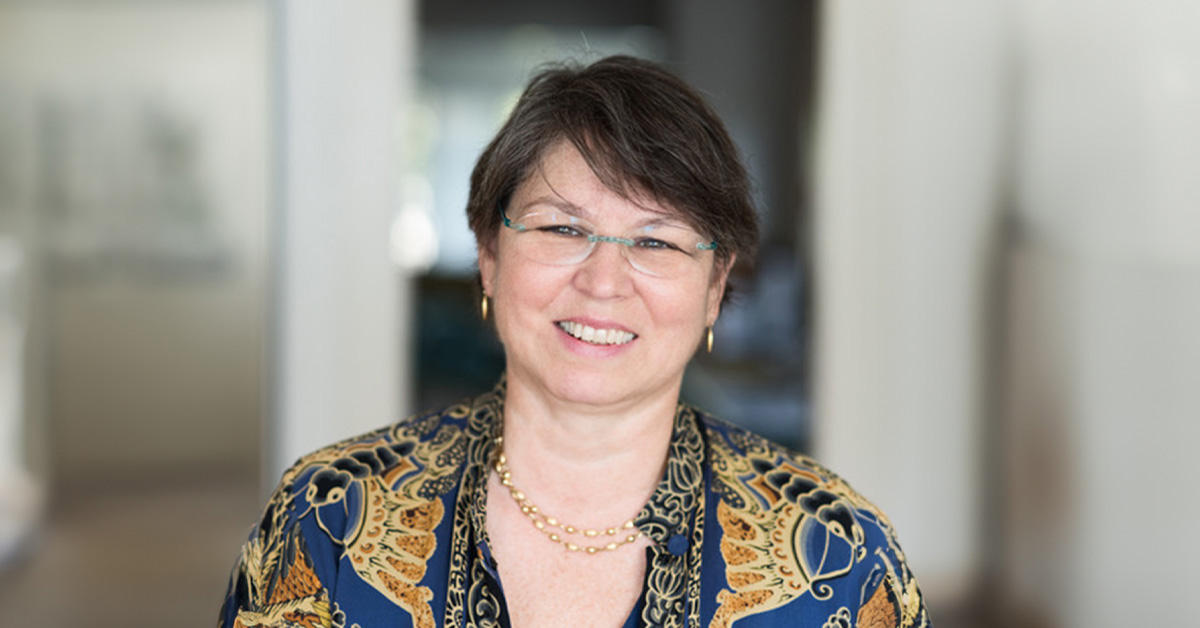
Mentorship, Networking, and Surviving Hollywood Blockbusters | with Dody Dorn, ACE


About Episode
Finding a mentor in Hollywood is an elusive process that few really understand, but when you find a mentor that really understands your challenges and wants to help you succeed, it can change your career (and even your entire life).
So then how do you find a mentor?
In this episode I have the pleasure and honor of chatting with my very first mentor Academy Award nominated film & television editor Dody Dorn, ACE who has worked with such acclaimed directors as James Cameron, Christopher Nolan, Baz Luhrman, David Ayer, and Ridley Scott…to name a few. We talk about how and why I reached out to Dody in the first place, why she chose to respond and become my mentor, and how our relationship has worked as mentor & mentee over the last seventeen years.
But more interestly, we also chat about the major transition in our relationship when Dody went from being the mentor to becoming the mentee after realizing that…
“Keeping your head down is not the road to a healthy life”
…and is in fact the path to an early death. Like so many in her field of editing blockbuster features, Dody struggled with major health challenges, both mental and physical, and we chat about the mindset shifts and lifestyle transformations she made to become more active, energetic, and creative.
Episode Highlights
- How Zack connected with Dody and cultivate a mentorship relationship with her.
- The tragic series of events that led to Dody calling Zack about “Fitness in Post” and work-life balance.
- Dody shares valuable insights with the benefit of 20/20 hindsight on her career in editing.
- Her flexible approach to gradually bringing more self-care into her busy schedule.
- How to stay connected to the rest of the world when internal and external pressures put you in front of a screen most of the time.
- Why “Keeping your head down” is not the road to a good, healthy life. In fact, it might be the road to an early death.
- The realities of ‘working in isolation’ and the impacts on our health, wellbeing and relationships.
- The “how to boil a frog” analogy and how easy it is to get so focused on work only to realize the negative health impacts once we’re already “boiling”.
- A key shift in mindset after working with a nutritionist for just one day that led to her losing 30 pounds without even focusing on weight loss but instead on lifestyle.
- On long hours: Dody shares valuable insights on how she overcomes the ‘gravity’ that draws so many of us into long hours at the expense of our wellbeing. HINT: We often have more control than we think we do.
- Why we editors are “horrible bosses” to ourselves.
- Dody’s process for preparing for the time when the director’s going to be in the room.
- On shooting ratios: How the shift to digital has led to “pushing the work to the other side of the camera”.
- The key to getting a mentor is simple. You need to ask and know what you’re asking for.
Useful Links
About Guest
Switching easily between blockbusters and independent art house cinema, Dody Dorn is one of the leading film editors in the United States. A native of Santa Monica, California, Dorn graduated from Hollywood High School. At the outset of her career she worked mainly as a sound editor, before moving on to film editing in the 1990s.
She has collaborated on several projects with directors Christopher Nolan (Memento, Insomnia) and Ridley Scott (e.g. Kingdom of Heaven). For Memento, she was nominated for an Academy Award for Best Film Editing in 2002.
Dody Dorn is a member of the board of Governors for the film editing branch of the Academy of Motion Picture Arts and Sciences (AMPAS) as well as a board member of the Motion Picture Editors Guild (MPEG) and a member of the American Cinema Editors (ACE) . Dorn is a board member of the Avid Customer Association (ACA) and co-chair of the Friends of Residential Treasures (FORT).
Dorn has spoken on numerous panels about the art of film editing including MASTERS IN MOTION (2017) ACE Edit Fest, the Lean in Moment (2015), keynote speaker for NAB adjacent Super Meet (2017) and FilmPlus in Cologne, Germany (2018). As an Academy member, Dorn has been a Branch Executive committee member for 7 years as well as a judge for the Student Academy Awards, and the UCLA Student Film Awards. She has given seminars and talks at numerous film schools and universities including USC, UCLA, and SFSU.
Here is a partial list of Dorn’s film and television editing credits:
ARMY OF THE DEAD (2020)
COME AWAY (2019)
I AM THE NIGHT (2019) 4 episodes
POWER RANGERS (2017)
BEN HUR (2016)
FURY (2014)
ENLIGHTENED Season 2 (2012) – as Producer and Editor
END OF WATCH (2012)
ENLIGHTENED Season 1 (2010) – as co-Producer and Editor
THE GOOD WIFE (2009) pilot
AUSTRALIA (2008)
YEAR OF THE DOG (2007)
A GOOD YEAR (2007)
KINGDOM OF HEAVEN (2005)
MATCHSTICK MEN (2004)
INSOMNIA (2002)
MY LIFE WITH JUDY GARLAND (2001)
MEMENTO (2000)
GUINEVERE (1999)
Transcript
Zack Arnold: I’m here today with multiple Academy Award-nominated film and television editor Dody Dorn, who has worked in so many different areas of the film business, all the way from sound work to indie art house cinema and television all the way up to huge blockbusters, and you’ve worked with directors such as James Cameron, Christopher Nolan, Baz Luhrmann, Ridley Scott, David Ehrlich. I’m only halfway through this. I’m already running out of breath, and you have worked on some of the most iconic films, such as Terminator Two, The Abyss, Memento, Kingdom of Heaven, Australia, End of Watch, Fury, and many, many more. And the reason that I bring all of this up is to highlight that you are quite possibly the most prolific and hardest working person that I’ve ever met in this business, but more importantly, what I do have to say before we go any further is that I am proud to call you both a friend, but most importantly, a mentor. So, thank you so much for taking the time to share your story with my audience today, Dody.
Dody Dorn: You’re welcome.
Zack Arnold: Soft spoken, I love it. We’re gonna get you going, don’t worry.
Dody Dorn: Well, I do need to interject, because your description of me is so filled with superlatives, and it’s important to me out of respect for all of the other hardworking crafts people to articulate that on Terminator Two, I did a director’s cut for Jim. I had worked with him in the past. I was not one of the main editors on the theatrical release, and that ended up on the IMDB. In the early days of IMDB, nobody knew, of course, how seriously it was going to be taken. How difficult it is to change and correct, and I get cited often for working on Terminator Two, and it’s just not – it’s not fair, it’s not fair to the right, to the actual editors. So, I like to point that out. And I also similarly, I have been nominated one time, I’ve worked on films that have been nominated, but the Academy again takes it very seriously. Who talks about nominations? It’s great to be nominated, and that sort of thing. It’s even better to win, and so I just want to get to keep the record straight on that.
Zack Arnold: Well, I appreciate all of that, and I think that also highlights is something that I’ve learned and appreciated about you for so many years is your level of humility, where it’s like, oh yeah, no, I know I’ve worked on, you know, some good stuff, but way too many superlatives, so you’re going to have to allow me to add the superlatives here and there, and give you some of the kudos, because I know that you’re for you, it’s just about the work, you just want to do the work, and be a craftsman and be a sculptor, and just create amazing stories, but every once in a while, somebody’s got to, got to step up to, and be like, you’re pretty awesome. So, I just, I want to make that part clear. So, we, you and I have had many, many conversations over the years. You have served as a mentor to me, basically since I came out here, you know, as a green horde kid, right out of college, almost 20 years ago now, and that’s kind of going to be the topic of conversation today. And you and I talk about a lot of different stuff, so this may.. I have no idea where this conversation is going to go. What I know is that the foundation of it is this idea of mentorship, and the fact that you began as my mentor for years and years, where I had no idea what I was doing, but I was really passionate, and I wanted to learn from the best. And then all of a sudden there was kind of this flip at some point, and I didn’t even realize this flip had happened for the longest time until you had brought it up to me, where all of a sudden I’d kind of become the mentor to you, so to speak. So, what I want to talk about today is where all of this started, and the first memory that you have of how I reached out to you and connected with you, because so many people ask, how do I get a mentor, and I always like to use this story to inspire them. So, first, I want to hear from your perspective, and then I may, may share some, some tidbits from my side as well.
Dody Dorn: Well, my recollection is that you reached out to me, said you respected my work. I think you were working on a trailer for a film that I was working on, and we got together and I shared openly my thoughts and experiences in the business.
Zack Arnold: Yes, so that’s the simplified version, and I’m so glad that you told it that way, because I want to make sure you understand the story that went behind the meeting that we had, and how it all came together, because this is the part that so many young filmmakers and editors, I think, miss, is they just assume that the mentorship happens, right. Well, nothing just happens, you have to create it. So, the memory that I have of how all of this came together goes all the way back to my senior year of college, and I saw Memento, and I remember sitting in the theater thinking, oh my god, this is the best thing ever. How do I do this for the rest of my life? I want to do this, and I had already been editing. I actually had been editing professionally, doing TV commercials, and this is a craft that I had been interested in for years, but then Memento made me realize this is exactly what I want to do with this craft. Yes, so within probably a week of moving out to Los Angeles, I just got my first studio apartment. I didn’t even have furniture yet, and I had this very distinct memory of laying on a mattress, because all I had in this apartment was a mattress on a floor, no furniture yet, and going on Yahoo people search, and for all you youngins that we did have the internet back in the early 2000s wasn’t very good, but we had it, and I was on Yahoo Pupil Search, and I couldn’t find your email address, so I found your physical mailing address, and I remember sitting there in that empty apartment writing you a letter, thinking, “Oh my god, I have to know this person. So that’s the story of how you and I kind of had our first meeting, and I remember you were very gracious, and you let me sit in your edit suite for a couple of hours, and I think you were working on matchstick men at the time, so you just showed me, showed me a couple of versions of different cuts of a scene, and it was, I was just mesmerized by seeing the process from the inside, because I’d never seen it before.
Dody Dorn: That’s nice. Yeah, well, I like to share, and of course, it’s difficult to find a situation where you can show somebody multiple cuts of the scene while you’re in the middle of a show, because we all sign these NDAs, and it’s there. It does make it tricky on the mentor front, because we’re not supposed to talk about what we do, politics, or any of that. I think that there is a point where what we’re doing turns into anecdotes where we’re allowed to share it. I don’t really know how long that gap is, but, but I say three to five years after you can freely talk about the craziness that might have gone on behind the scenes.
Zack Arnold: Well, I’m glad that you brought up the craziness, because that’s definitely what I like to talk about a lot on this show. As you already know, I actually just recently finished up and released a conversation with Roger Barton, where he was talking about the rise of his career, like this meteoric rise, but kind of the cost of that meteoric rise to his health and his relationships and everything else, and like I alluded to in the beginning, I’m not sure I’ve ever met anybody that works as often or works as hard as you, and I know that that has not been without its own share of costs, whether to health or well-being or whatever it is. So just talk to me a little bit about the way that the life of a film editor looks through your lens, because you work hard.
Dody Dorn: I would like to first, though, tell you when the flip happened in terms of mentorship. Sure, because I remember it pretty distinctly reading an article in the Editors Guild magazine where you laid out very openly and authentically, sort of having a nervous breakdown relative to overwork, and it was so open and honest that I called you and almost immediately signed up. I don’t know if it was had formed yet, the concept of the fitness and post Facebook page, and, and all of the mentoring that you did through that, had that formed yet, or was that
Zack Arnold: It was just, it was kind of there, like I really had no idea what I was doing at this point, not that I really feel like I do now, but I, it’s, it’s funny that you brought that up, because I did the research beforehand, and I’m like, I think Dody may have found one of these articles, and it was called How I Became a 20-Five Year Old Curmudgeon, and I actually, I found a link to it, I’ll put it in the show notes, it’s on like some old archived American Cinema editors page, so even the formatting is off, so it’s not very easy to read, but it is there, but I’ll make sure that people can read that, but it was right when the program was forming, I was still just doing the podcast, and I had a couple of blog articles, but it was more an idea. It was, I was starting to have the conversation, but there was no, you know, real courses, or, you know, like any kind of action steps. There’s no coaching or anything, so it was in the very, very early stages. But I do distinctly remember that phone call, and just kind of being floored, because you had always been somebody that I looked up to, that is like, oh, she has all the answers that I need whenever I need them, and it was, it was nice to know that whenever I was in a situation where I just didn’t understand how to manage the politics or the schedules or whatever, I never really felt alone, and then to get that phone call from you, it was, it was really interesting to think, wow, like I had an impact on her, but she’s supposed to be the one having the impact on me. So, how does that work?
Dody Dorn: I can tell you, I can tell you how it works, when I, because I’m in my had so many experiences, and I’ve seen it all, and I have what they call great 2020 hindsight. So, it doesn’t mean that I haven’t had all of those same issues, but then I’ve had to navigate them and figure out how to continue, and it’s not just keep your head down, keep your head down. Is not the road to a good life, a healthy life that might be the road to an early death. Actually,
Zack Arnold: Well, that having been said, and by the way, I agree with everything there. I mean, yes, the whole reason that I’ve created this program is you should not keep your head down and just do what they say, because if you do, it will kill you. And I’ve now seen that over and over and over, literally, I mean, it’s, it’s kind of depressing how often we have to hear, get these notices about people in our industry that are being taken before whatever their time should be, most likely because of the working conditions, the stress, and I don’t want to, you know, just say that that is the reason, there could be many other reasons, but nobody’s going to argue that the working conditions are making us healthier. You talk about all the issues and keeping your head down, and I know that you want to be very protective of a lot of the experiences that you’ve had and the people that you’ve worked with, but give me a little bit more, paint a little bit clearer picture of what it has looked like through your lens now that you have this 2020 hindsight, and some of these experiences that either maybe you did go through and put your head down or that you had to fight back against that so many other people are facing today.
Dody Dorn: Right, well, I do want to also add, I know this is very personal, but when I called you, I was on the way to the hospital because my brother had had it, was a few days before he died, he, we all were unaware that he was unwell, and that he chose to hide that from everybody, and it was a total shock. And a few days later he died, and that was came on the heels of reading your article, and he was only 63 and had recently retired, so that combination was kind of like a Molotov cocktail for me of reading the article, seeing somebody so close to me suffer and die, and well before its time, and then it just made me really sit up and take notice, I started to add in gradually things that were just for my own self care, and I found that I was able to do it, and I made it a priority, and it’s been a real journey, because I’m doing it, I’m going back and forth at times, it’s not just a straight line, sometimes I’m really devoted. I’m talking about things like exercise and diet, meditation, those sort of things, but also I’ve started to make family and personal connections much more central in my life, and I do my very best to attend birthdays, have dinner with friends. I use this right now, where I’m driving, and I have an hour commute right now, because I’m living in Venice and I’m working in Glendale. I use that time for phone calls. I don’t just listen to music or podcasts or books, which I do like to do, but I also make phone calls, and that’s with family and friends, and that keeps me sort of connected to the rest of the world, because we, we editors, we are living our lives through the screens of the whatever film we’re working on, and half of the time, a good portion of the time, we’re alone, even if there’s a coterie of assistance out there doing your bidding, you are in the room alone with the footage, and I found I had something recently come up where I needed a shot, and I read I was wringing my hands and wondering if I should request it, and wondering how that would be received, and then sent out the missive, and it did take 24 hours before I got the feedback that yes, they did need the shot, and yes, they were going to get the shot, but in the meantime I feel like I’m in a little bit of a vacuum, and I don’t know, have I overstepped my bounds or something, and it might sound crazy for an editor to think that are they overstepping their bounds by requesting something they need, but it is a situation that comes up all the time, and again it’s because we’re in isolation. It’s different than looking at someone face to face, like a DP and a director, where they’re right next to each other, and they’re healing all of the energy between them and the cast and the location and all of those things, and kind of driving together, where we’re doing this in isolation without even the knowledge, the physical knowledge of how difficult it is to get anything, and what, what kind of a war-like situation they’re in. So, I’m very fond of saying out in public when I, when I’m in an elevator, I say hello to people, and then I add, I don’t get out much, because you know, because it’s true, I. Don’t get out much, and I am, and my interactions with humans to other human beings is affected by that.
Zack Arnold: There’s no doubt that that’s one of the key components of kind of lack of either you could say health or well-being with the work that we do is that we spend so much time isolated in a small dark room, usually without windows. Why they still think we don’t want windows. I don’t understand. Like, oh, we got your room with no windows. It’s like, but I need sunlight, like just like anybody else, right? I’m not genetically wired differently, but there’s no question that that’s a big factor, is this feeling of isolation. And I think that one of the things that I found resonated so much that I didn’t understand at the time, and I understand it very well now, because I get people’s life stories emailed to me, probably at least two or three times a week, but when I first wrote that article, it didn’t occur to me how we all feel so alone, but we’re all going through the exact same thing, because I always thought it’s just me, what’s wrong with me, why can’t I keep up with everybody else, you see all these editors that are on these panels, and they’re doing these films and these TV shows, and they have all these credits, like they’re obviously they have it all figured out. What’s my problem? Why can’t I hack it? I must be weak, right? And what I realized is that nobody was willing to talk about this stuff openly, so I’m like, well, screw it, I’m just going to talk about what I went through, because I’m looking for some help and some guidance, and then all of a sudden everybody’s like, yeah, that’s us too, that’s happening to everybody, and I think that’s probably what you responded to as well.
Dody Dorn: Absolutely, and I have spent a certain amount of time examining my career and where certain things shifted, because I grew up being very active and hiking and doing yoga and being outside, and as an assistant, you’re obviously commingling with your other assistants all the time, so there’s a lot of social interaction. And then I was a supervising sound, a sound editor, and the supervising sound editor for 10 years, and that’s also a very social setting, it’s probably a little bit less so now. Although when I go to the studios and see my sound editor friends at lunch, they’re all sitting, you know, six or eight people at a time at lunch, so I know that they’re socially interacting a lot. So I had that whole period of my professional life, where I was in a very social setting, and then when I became an editor, that all evaporated, and I just didn’t.. I don’t want to say I didn’t notice it, because I was so focused on my work and wanting to do a good job, but I didn’t notice it until it became a problem, and it is, and it was a problem.
Zack Arnold: Well, and one of the analogies that I share in many of my blog posts, and I’m sure I’ve talked about it on the podcast before as well, is the analogy of the frog in boiling water. Are you familiar with that analogy?
Dody Dorn: I use it all the time when talking about narrative, it’s something, anyway. Yes, I am very aware of it.
Zack Arnold: So, the analogy for people that aren’t aware of it, and by the way, scientifically this has been debunked, so don’t test it, but the analogy is still fantastic. Is that if you were to take a frog and throw it in lukewarm water and you turn the water up to boiling, it’s not going to notice if you start the water boiling, you throw the frog in, it’ll jump out, but if you put it in the lukewarm water, warm enough, the frog will just sit there, not realizing how hot the temperature has gotten, until guess what, it’s dead, right? And I feel like that’s exactly the same environment that we’re in, where you’re, we are so focused on the work that we do, and so you know we’re looking at every little detail and edit and our lives are defined one frame at a time, 1/24 of a second at a time, that’s the level of detail that we have to scrutinize the world around us and the world on our screens, we can do that for an hour at a time, two hours at a time, 12 hours at a time, a week at a time, and then a decade at a time, it’s like, holy crap, what have I done to myself? I’ve been sitting in the same position, my body doesn’t even move anymore, I’ve gained 40 pounds, I’m dealing with all these chronic pain issues and mental health issues, like, where did this come from? But, like, you said, hindsight is 2020 and you’ve got a lot of it, so it sounds like this is a very much an awakening that you had right around the time that you had contacted me, and everything that had happened with your brother as well.
Dody Dorn: I remember pretty distinctly the time when my back went out, so I was working on end of watch, and I think that must have been 2011 and my chiropractor said I might want to consider standing, so I switched immediately to a standing desk, and then my feet went out, and okay, what? So I did this, but the problem is I was standing there for 18 hours, of course it was gonna, my body was gonna. Bell, it’s ridiculous. And now, of course, I do standing and sitting. I move around. I have a tall chair, I have a low chair, I have a table that goes up and down. I have a sofa in my room. I move around to the sofa. I do that. I took some of your other tips. I walk to the assistant’s room. I never use I am. I walk around the suite, I, I do as much movement as I can, and in my day,
Zack Arnold: And that’s the key, right? And that’s the thing that you learned the hard way, that I learned the hard way as well. Where I was sitting for years and years, and I was probably in my late 20s, and my lower back was in such pain that I was walking around like I was 100 it’s like this, something’s wrong here. This can’t be right, because I was an athlete in high school and college, so it can’t be just, you know, the fact that I’m getting old, quote unquote. I wasn’t even 30 yet, and I realized this because your body is going to assume the shape that you put it in for 12 to 16 to 18 hours a day. So I did the same thing that you did. Oh, well, I need to stand, because that’s what Walter Murch says that we should do, right? So, that’s where it all started. So, I stood, and then all of a sudden I was going to orthopedists and podiatrists, because my feet were killing me, and I was getting shin splints, and I was getting just all kinds of issues, and when I really.. it was at that point that I realized, oh, it’s not just about one position, it’s about moving and fluidly changing your position constantly throughout the day. So, anybody that follows me on social media or listens to the podcast now, they know that I’m basically a squirrel in my office all day long. I’m never in the same position for more than 30 to 45 minutes, even if I’m in a deep focus time block for 60 to 90 minutes at a time. I probably change my position four or five times while I’m still in that laser focus state. So that movement is so key. One of the analogies that I like to use is this idea of you can either be a flowing river that has all this energy or you can just be a swamp and you just, it’s they’re both water, right? One has all this energy and is clean and is self-cleansing, and the other one is just this murky mess of crap, and that’s pretty much what you’re doing to your body based on the position or the positions that you’re putting it in throughout the day, and I’m curious, as you started to move more, did you notice that it was actually more beneficial to your work, as opposed to detrimental, because it was quote unquote taking more time.
Dody Dorn: Oh yeah, it’s absolutely a positive for the work, you’re more alert.
Zack Arnold: So, the next thing that I wanted to jump into a little bit, and this is something that you’ve alluded to some up, but you and I have had some some offline conversations about this, you made a fairly big transition with the way that you were approaching your diet, as well. Is that not true?
Dody Dorn: Yes. Starting in, well, in 2016 I was doing Power Rangers, and when we went to Vancouver, before I got there, I made a decision that I was going to get a trainer, and that I was going to live within walking distance of the editing room, so I did that. I signed up as a trainer before I even got there, and a sports massage therapist. So that was the beginning of shaking, cleaning up the swamp. Oh gosh, I sure hate using that analogy.
Zack Arnold: I think it’s the perfect analogy, though.
Dody Dorn: So, yeah, it’s cleaning up the swamp. So I was doing working out twice a week, sports massage once a week, and I was looking into other diets, and I was online, and I was trying everything under the sun from what I was reading online, and I had cut out sugar, which was a really that husband and me had immediate impact to the positive, and the working out and the sports massage were really helping, and then walking to work, and when I got back to LA, I set up a the same scenario, and I found a trainer who was also a nutritionist, so I said I’ll do your nutrition package, and she sat down with me with some charts and the computer, and on her laptop some images, and started to explain to me the benefits of a plant-based diet, and it really did only take about five minutes, and I switched that day to a plant-based diet, so since that time I’ve lost 30 pounds, sometimes 40 pounds, it depends, because my weight does go up and down now, in sort of the range of like five to 10 pounds, there’s this wiggle room, but basically I lost 30 pounds, and I just felt a whole lot better. So, that makes it pretty easy to stick with the diet. There are a lot of other things that go with it. I hate using the word diet, but lifestyle is probably better.
Zack Arnold: I agree with that. I like the term diet when it’s used properly, when it’s used the way that we use it in our culture. There’s so. Anything’s wrong with it, that’s a whole nother podcast, but diet, as far as your lifestyle choices, yes, that is what we’re talking about.
Dody Dorn: Yeah, and I feel like I emphasized that I wasn’t doing what I was doing to lose weight, I was doing what I was doing to improve my health and my sense of well-being and my own self-care, and I did lose weight, and the reason why I bring it up is because it’s such an easy marker for people. It’s not because I was doing, I think, oh, I’ll go plant-based and I’ll lose weight. I wasn’t even thinking about it. I should have been thinking about it, but I wasn’t, and all of that that came with it felt like a bonus, but for me, when I even last night, I went to an event, and people who hadn’t seen me for a while saying, “Oh, you look great. That’s a nice thing. People say, “You look great, and what they’re saying is that they can sense your own self-care and health, which is probably improved since the last time they saw me.
Zack Arnold: Yes, and when you go to any event that is dominated by editors and people in the post production industry. Self care and health are not things that dominate to those events. I must say, this is obviously my world as much as yours, and I love everybody in it, but that is not a topic of conversation too often about all the wonderful things that we’re doing for our own self care. The reason being that we are put in this position by the film industry where everything that is being done, all of the writing, all of the shooting, all of the money that spent hundreds of millions of dollars, let’s put all of it onto a hard drive. Here, here you go, you’re the one person that now holds the keys to the kingdom, right? But God forbid this person actually takes a walk for 15 minutes around the block or needs to take a Saturday or Sunday because they have family obligations. Well, we can’t have that. We need to keep the project moving forwards, and I know that early on in my career, when I was having conversations with you, you were telling me about, you know, the six day standards and kind of seven days were becoming standard. So, what if your hours looked like throughout the course of your career, and have you seen kind of an evolution, either because of the job itself or just because of you not being willing to put in certain hours? But talk to me about what does the week, the day like, what does it look like in your world working on some of these huge films.
Dody Dorn: Well, sadly, sadly, I am willing to work the hours, I suppose, but I just apply more forgiveness to myself than I used to, so I, and there is a lot more control that I have than I ever really thought I did. I think that editors are sort of generically, it’s inherent in the job that you want to give it your all, and the other day the director asked for something, and for whatever reason I ended up working till 11 o’clock that night, trying to get something out to him, something that I thought in the morning I could whip out, and of course you can’t sometimes just whip something out, it was a 12 minute sequence with sound check, you know, it’s fine, it’s fine that I did that, but then I left last night at 630 so and that I had an event to go to, and I went to it, I don’t really know if I’m answering the questions, but what I tend to do is make lots and lots of plans, knowing that I need to be willing to cancel them, but I don’t think I don’t have the mindset I can’t do anything, I can’t do anything but work, I don’t have that mindset, I just had to change it, I can do things and I will do things, and it’s a tricky balancing act, but I make sure that I, that I do
Zack Arnold: Well. I think one of the, the traps that people fall into is not even I can’t do it, but I’m not allowed to do it, where it’s this culture of, well, I can’t ask for these things, where I’ve, I’ve seen conversations on Facebook groups, and even people that have reached out to me, saying I’m in a real pickle, because you know I’m supposed to be going to, you know, my best friend’s wedding, what, blah blah blah, but the schedule has changed, and my response is, Are you kidding me? Like, this is a once in a lifetime event, and you’re going to cancel it, because a schedule or a calendar changed, even though people knew you had this obligation. Yeah, but you know, I’m just worried that I’m not going to be allowed to leave, and it’s this mentality of I’m not allowed or I can’t. And I think one thing that’s really interesting that you said is that you switched that mindset and you now allow yourself. But was there a period in your career where you felt like you had to put all of these things to the side because the job just didn’t allow you to have a life outside of the edit room.
Dody Dorn: Absolutely, absolutely. There, there was that time. There may come that time again in certain circumstances, but yes, yes, I, and I don’t really know the full genesis of it. You probably have to go talk to a therapist to try to figure that. It out, but again, I think a lot of it has to do with the isolation. There is real strength in numbers. You work on a crew of 100 people, and they, if everybody is going into overtime, they care. They, being the producers, care, because it’s a money question when you have three or four people going into overtime, or most editors, they’re not even in overtime in their regular five day week, even though that’s not the union rule. Rarely do editors as heads of department get paid hourly overtime during the week, but the other people who are doing this overtime, it’s such small potatoes compared to what it is in production, and, and as a result, and because the work is hidden and sort of magical, and making quote marks in the air, there is, there isn’t a lot of understanding for the fact that the requests and the requirements are going to cause this unhealthy lifestyle for people,
Zack Arnold: And I know that this is something that I’m sure you’ve been working to address with all the many boards and organizations and everything that you’re part of, and I think that the event that you said that you went to last night, that was an editors guild board meeting, correct?
Dody Dorn: No, it actually was a general membership meeting. You should have been there.
Zack Arnold: Yes, I know I should have been there. I wasn’t able to make it, unfortunately, but yes, I should have been there for sure,
Dody Dorn: Because you were working right.
Zack Arnold: I was gonna say I happen to be in a small dark room trying to get a cut out, so yes,
Dody Dorn: Right, exactly. So, I will tell you one of the side benefits of having spent my entire life in a small, dark room is that my skin is really good.
Zack Arnold: Yes, I’ve heard that as well. We don’t get the leathery skin because we never see the sun,
Dody Dorn: Exactly. It’s hilarious. I love that, you know. Anyway, side effect of artwork, of course, but yeah, it’s there. It’s pretty easy to break it down. Why, why, and how these, these patterns have developed specifically for editors as different from the other craft. But I do know plenty of people in film, I mean in production, who have ended up working a 22 hour day, because of some kind of location restriction or something like that, but it’s very rare and it’s very costly, and they get paid for it. The other situation in entity that contributes to it is that our work and our work modes are often in some regards, self-regulated, so we are our own supervisors in that sense. So, if you are a perfectionist and you want to, we want to get something right, you can go down. I don’t want to call it a rabbit hole, but you can go down the rabbit hole of just working and working, working something, and nobody is going to be there to stop you, and they’re just, they’re just different energy. This is just a different energy than a collect, than a collective of 50 to 100 people who are a production team.
Zack Arnold: I agree with that completely. I think that’s such a good point to bring up, this idea of self-regulation, because again, if you’re thinking about on set, if the DP really, really wants to get a shot right, he’s not going to say, ‘You know what, guys, I need an extra three hours to move this flag and put this over here, and I just.. I want to tweet. Everybody’s going to be like, ‘No, we all want to go home, right? We’re not spending an extra
Dody Dorn: Producer. The producers are going to say no, we can’t afford to pay this overtime
Zack Arnold: Exactly, but they have multiple eyeballs that are standing over their shoulder all day long, regulating and managing their time, and what I have learned through the last five years of having this program and working with so many people is that editors are just not good at managing their own time, and it’s not a matter of like they’re unproductive or they’re doing bad work or anything. What I mean is that we are horrible bosses to ourselves. So, the joke that I make all the time with people is that no boss has ever been harder on me than myself. So, if I see something and I have an image in my mind and I want to get it right. Anybody else that were standing in the room with me would be like, dude, this is great, you should go home and get some sleep and see your family, but in my brain is my own boss. No, I must stay until I get this image out of my mind and into the timeline. We just, we get like you said, we go down these creative rabbit holes and we just want to get it right, but there’s nobody to stop us, and we just.. we never really developed the sense of time management or energy management. More importantly,
Dody Dorn: Well, then there’s the other thing, which is that our process is an evolution, so a lot of the time what I’m doing, what I’m actively doing in my room, besides making creating a cut, is I’m preparing for. A time when the director is going to be in the room, so it’s not just, I mean, I approach it during dailies, I approach things in multiple tiers, multiple levels, so I’m not just watching the dailies, and I’m organizing the dailies to my liking, then I’m evaluating the material as quickly as possible. Do I have everything that’s needed? Then I’m cutting a very basic cut of it. Then I’m refining it. Then I’m adding sound effects. Then I’m fixing the dialog. Then I’m intercutting it, doing, creating parallel montage with perhaps with scenes that have already been cut there, and it’s so many levels and layers, and all that is just toward the preparation of working with the director who is going to have his own vision, obviously, and I’m working somewhat in a back in their script notes, but I’m trying to let the film material itself convey to me what the director was thinking, and that is also that sort of discrimination, where you’re discriminating. Well, I have 30 shots for this scene, but 10 of them are shots I don’t even think are needed. Do I leave those out, or do I leave them in the cut just so that there’s a reminder that these shots exist, I mean, and then you’re about, you have to evaluate the psychology of that director, are they the person who wants to say they want to see something more refined, etc. etc. etc. And as you can see, that is like trying to define all of the different kinds of fabric in an elaborate tapestry, and that kind of mental work can expand or contract, and if you, and if there’s nobody putting a time limit on that, the rest is history.
Zack Arnold: It’s hard to make all that happen in eight hours a day when we’re being handed four to five to eight hours of raw footage every day, I guess. One thing that I want to talk about, going deeper into this idea of the hours. This is a conversation that I had with Walter March at one point, and I’ve had it – I think I had it with Carol Littleton as well. But over the evolution of your career, I would like to know if you’ve seen a major change in the amount of work that has been put in because of the transference from film to digital, because a lot of people are thinking, oh, it was so easy for editors back in the day, because they would add it dissolve at 4o’clock and they’d have to go to the lab, and then they could go home for the day, and come back, and get their next dissolve, and it’s so much less material, but from what I understand, talking to some of the biggest name legends that were in that world, really, the hours and the expectations haven’t changed at all. It’s just that we’re getting more work done faster because of the technology.
Dody Dorn: Yeah, I would, I think it really does depend a lot on how much material there is, and if you want to look at it this way, there was a line item, there’s a line item on every budget, which is the shooting ratio, and that really mattered, and there would be low-budget films, were like 10 to one, and bigger budget films were 20 or 30 to one, and that was because they had to budget the amount of film stock and the processing, etc. etc. So if you look at what we’re shooting now, it’s more like 100 to one or 200 to one. I’ve had situations like that, and on those kind of films, inevitably they end up getting additional editors. So on Australia, for the first 10 months, I was the only editor, and then in the end there were four editors, and that’s just because the appetite of the director was such that, besides the appetite, the volume of the material, and, and all that, it just was more than one person, i.e. myself could handle, but I tried, I tried to handle it, and that is where the mistake is. I should have said this is more than I can handle. I need help. I should have said that earlier, and that’s the kind of thing that I would do now. I would say I would flag it. I’m going to need help. I definitely would have never thought I should ask for help, but I should have, and nowadays it’s become more commonplace for these big films to have multiple editors, and a lot of them start out with multiple editors, so I don’t think there’s any shame in asking for help, but it wouldn’t necessarily be my go-to, my immediate go to, but so I’ve been in situations where I’m getting 10 hours of film in a day, and that is what I call pushing the work to the other side of the camera. This is why I brought up the line item. That line item seems to have gone away. I mean, I’m sure they have it still, but. It as a concern seems to have gone away, and this, there’s this idea that they just shoot, shoot, shoot, shoot, shoot, and that we’ll make something out of it, and I have come up with several different metaphors, for, you know, one of them I used to say, “Oh, here’s your bag of words, there’s a novel in there somewhere, I go all the way to here’s your bag of letters, there’s a novel in there, you have to, you have to sort it out, but that’s not every film, there are plenty of material, and I, and I’m so grateful to the filmmaker, because they’re giving me everything I need, I know exactly where to find it. It might be a little bit more buried than it used to be, but, but it’s there.
Zack Arnold: Yeah, the analogy that I always use is, I ask, well, what did they shoot the scene with today? And my assistant knows that the answer, depending on the amount of coverage, is, well, they shot the scene with the fire hose today,
Dody Dorn: Right? Oh, great.
Zack Arnold: So it’s just, it’s everywhere, right, as opposed to having a clear direction, and you know, using the sniper rifle approach, like, nope, we’re just going to shoot it with a fire hose, and you guys figure it out. But I think the key here, because everybody in our industry is feeling the squeeze, it’s not like the people on the other side of it are saying, oh, you got more footage, therefore you get more time. It’s still a matter of, well, if it, like, for in the TV world, I know it’s a little bit different in features, but you’ve navigated both in the TV world. It’s a very stringent calendar. Well, you have an eight day shoot, you’re going to have a two or three day editor’s cut, so we’re going to need this cut in 11 days from the start of production of this episode, but you’re getting eight to 10 hours a day. It just can’t be done, like I remember on Empire, on season two. I walked in my very first day of season two. I didn’t even have pictures hung in my room yet, hadn’t even put my lunch in the refrigerator, and they come to me and they say, we just got a big music number, we’re going to need you to turn around, they need to see it tomorrow, because they’re shooting the other half of it, and it’s a big scene. Like, okay. Well, you know, let me open up the bins and see what we’ve got. I had nine hours of footage, and they wanted me to turn around the whole thing, the cut of a music, which is a music number, like a music video, by the next morning. I was like, I’m not even going to be done watching the footage by tomorrow morning. Like, how can I actually have a cut of a five-minute sequence, but the expectations haven’t changed, even though the amount of material has changed.
Dody Dorn: Was it all shot to playback?
Zack Arnold: It was all shot. No, it wasn’t. So there was a fair amount of dialog in it as well. So some of it was shot to play back, but they also shoot it in pieces. So they kind of, they, they shot the music numbers, yes, with playback, but it was kind of like you were shooting an action sequence, the way that a stunt stunt coordinator would shoot a fight where you get like little pieces here and there and other pieces here and there, so it’s not like you can just stack up, you know, a timeline of eight angles and just do a line edit and say camera one, camera four, camera three, camera seven, you can’t do with that, so you would have to, I mean, I think the multi-cam stacks would end up being like 20 to 25 cameras between all the various takes and all the coverage that they would get, and yeah, that was my first day on season two. Is we need this turned around by tomorrow morning. I’m like, yeah, it’s not going to happen, it’s just it’s not possible, but the expectations are not changing, even though the shooting ratios are just skyrocketing.
Dody Dorn: I agree, that’s a problem, and I always, I always, but I do use that language? I just tell producers, look, this is going to take longer, because the work has been pushed to the other side of the camera. It used to be that a decision was made before, because they had to stick with their 10 or 2020 shooting ratio, so they were making decisions, and instead, like you said, I’ve heard directors say, I’m just gonna hose it down, like, wow. Okay,
Zack Arnold: And what I found, and I’m sure you have found as well, is that very rarely does more equal better, because they lose a sense of their vision and their flow and their rhythm. So, there’s a whole bunch of stuff there, but there’s a certain amount of finesse you can only get from designing it in the camera. We can’t just create that, and I think that a lot of times the responsibility is put on us to say, well, I couldn’t figure out the scene, but I’m sure it’s in there somewhere, as opposed to I had a vision behind the camera, you just need to help me stitch that vision together and enhance it. You can’t get a better product, usually, even if you do shoot it with a fire hose, because you feel like you have the material somewhere,
Dody Dorn: Right? Right, yeah. No, I mean, that’s that’s really true. A vision before shooting is very helpful.
Zack Arnold: Yes, absolutely. So I know that you’re, you’re probably either at work already or on your way. There’s one last thing that I want to ask that kind of ties together this idea of mentorship and the mentor transition to mentee and whatnot, and I wouldn’t say that this is, you know, a complete flip reversal, because I certainly still see you very much as a mentor and value your opinions and your experience, but a question that I get asked all the time by younger people that come to me is, How do I get a mentor? I see somebody who. Whose work I really admire, but I don’t want to bother them. And who am I? I’m just starting out, and I don’t know how to find this mentorship that I seek so desperately, because I want to get better at my craft. So, if you could just have a key piece of advice for younger people that want to develop a mentorship relationship, what advice would you give them?
Dody Dorn: Ask someone, find someone that you respect and ask them, and if they are unable to mentor you, ask them if they have someone that they respect that would possibly be willing, and the to define what you’re asking is very important, because mentor could fill in this this space where you think someone is going to want to hang on your shirt sleeve all the time and that’s not really what you’re talking about it’s kind of what what we what you were saying about me earlier that when you had a question about something that had come up you would just reach out to me and and I I’m sure that I would do my very best to answer right away, but it would be time dependent, so it might be a good idea to have two or three mentors.
Zack Arnold: Yes, and I agree with all that, and the key here that I want everybody to take away is the simplicity of your answer. You need to ask, that’s the part that I see so many people in my coaching and mentorship program when they’re talking about, well, I want to reach out or get this job or get a mentor, and I’m like, well, have you asked them? Well, no, like that’s where it starts. You have to actually make the ask, and like you said, you have to know what you’re asking for. You have to be very clear about what, what is the definition of what I’m hoping to get out of this, and then eventually you continue to ask the right people, and you’re going to find somebody that is also the right fit. There’s just.. there seems to be this prevailing notion that once you get to a certain level in your career, like either where I am or even where you are, what we don’t want to help people. We’re on the top of a pedestal, right? Or we’re standing at a podium and we’re looking down at everybody. It’s the exact opposite. What I’ve seen more often than not, and I’m sure you see this as well, being involved with ACE and MPEG and the Academy. Once you get to a certain level, you’re just as, or even more interested in helping other people as you are in the job itself. Have you seen that as well with many of your colleagues and contemporaries?
Dody Dorn: Absolutely. I mean, this business has been very good to me, and I want to give back. That’s why you see me all of a sudden on all of these boards, or in these organizations, because, because I need to pass what I’ve learned and experience on to others. I’m not going to be able to do this forever, and I think that there’s a lot of valuable experience and information that I have in my brain, and I want to share it. I want to share it, and I, I’m always interested in when I’m depending on who I’m working with, my assistants, who, who are interested in, who are not, and those that are really interested, I’ll share freely.
Zack Arnold: Yeah, I think that it’s so key for anybody listening right now to realize that whoever it is that you might be idolizing or saying, God, they would be an amazing mentor, but they must be too busy, or they wouldn’t be interested. They probably sound just like Dody, where they’re like, I would love to find somebody that’s young and hungry and passionate, and I can pass on my knowledge, but you have to ask, that’s the key. You have to be willing to put yourself out there and make the ask, so on that note, I know that you’ve probably already landed at work, although you know, given traffic in LA, maybe you’re only at the 405 and the 101 I don’t know, but Venice to Glendale, that sounds pretty brutal. So either way, I want to make sure that you can go about your morning and get your work done, and you know, go into your, your isolated existence in that small dark room all by yourself that we all live in, but I cannot tell you how much I appreciate the fact that we finally got this on the record, that you were willing to share your wisdom and share your story and talk about all this stuff. This really means a lot to me, and our relationship means a lot to me, and I value it very, very highly. So, I cannot thank you enough for this today. Well, it’s my pleasure, and I really want to thank you for having started this dialog with so many people, and it absolutely changed my life for the better. Well, I appreciate that so much. So, on that note, I’m going to let you go about your day, and I’m very excited for people to listen to this. So, thank you.
Dody Dorn: Take care. Talk to you later.
Transcribed by https://otter.ai
Episode Credits
This episode was edited by Curtis Fritsch, and the show notes were prepared and published by Elyse Rintelman. The original music in the opening and closing of the show is courtesy of Joe Trapanese (who is quite possibly one of the most talented composers on the face of the planet).