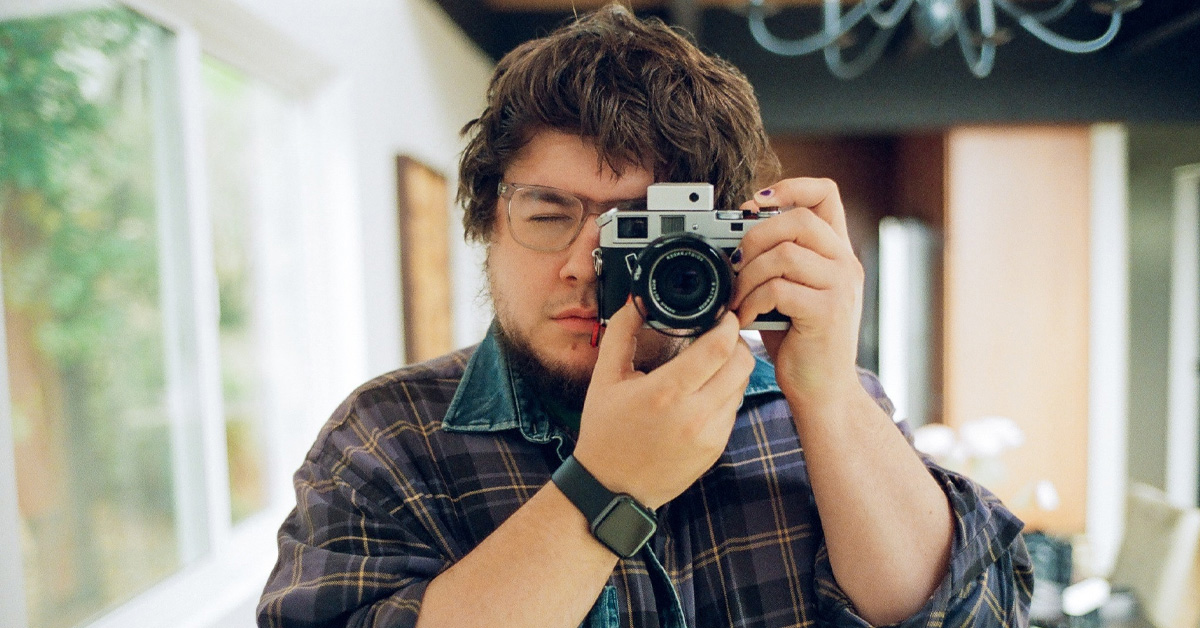
The Right Way to Network In Hollywood | with Chris Visser


About Episode
“How can I break into Hollywood or advance in my creative career if I don’t know anybody?” is a common question I receive via e-mail, when I speak at events, or when I teach at USC or online. Whenever someone sends me an email or Facebook message and asks, “Can I buy you coffee and pick your brain?” this is inevitably their reason for reaching out.
Unlike doctors or lawyers, the path to being a successful film editor, writer, visual effects artist, animator, actor, or any other creative career is not a linear path, but here’s the secret nobody tells you: There are very specific steps you can follow to be successful, but you have to be willing to put in the time and take action consistently. The key is not discovering the path and following it, the key is learning the proper steps to forge your own unique path.
In this episode I dive deep into the topic of networking and what it looks like to do it right. My guest today is my assistant editor Chris Visser whom I met at a networking event a little over two years ago, and since then he has said all the right things and taken all the right steps to slowly build a relationship with me over time. And when the time was right he got “lucky” and ended up becoming a part of my team. But if you know me at all, you know I don’t believe in luck and think it’s simply when hard work intersects with opportunity.
If you’ve ever thought to yourself “It’s all about who you know, and I don’t know anybody, so I just give up!” then this episode is great place to start because Chris and I break down the key steps to networking the right way so you don’t waste your time and end up walking in circles wishing you just magically knew people. It’s time to get out there and build your network.
When you’re done listening to this episode, if you haven’t already I highly recommend checking out episode eleven, my two hour marathon interview with Norman Hollyn, former head of the editing track at USC.
Episode Highlights
- How Chris made it to Hollywood
- Eliminating excuses and finding your own path to success
- How to make an impression at your industry internship
- Processing and evaluating big career risks
- How a brat and cheese gift basket got Chris a job in Hollywood
- Building a post-studio from the ground up
- When Chris met Zack at EditFest LA
- Asking the right questions to the people that matter
- How to network without embracing the “sycophant rush”
- Knowing the mindset of the people you approach
- Breaking your career goals down into bite-sized action steps
- Chris’ involvement with Blue Collar Post Collective (BCPC)
Useful Links
About Guest
Born and raised in the land of Beer and Brats (aka Wisconsin), Chris has loved the craft of filmmaking since taking a movie-making class his freshman year of high school. While attending Marquette University, Chris was lucky enough to earn the 2011 Post-Production Internship with the Emmys Foundation. He graduated in May 2012, and moved to Los Angeles just weeks after to pursue a career in the film industry.
His first few years were spent as an assistant editor at several post houses before becoming an online editor/colorist in January of 2015. After a year and a half of online-ing shows like Nellyville (BET) and Greatest Party Story Ever (MTV), he got the opportunity to really try for a spot in the scripted narrative world. Since July of 2016 he’s been the assistant editor on several digital series and features, and has recently transitioned into network scripted series.
Chris is also heavily involved with the Blue Collar Post Collective, which just celebrated it’s 1 year anniversary in LA in June. He’s been an LA executive committee member since BCPCWest’s launch and in July of 2017 became the Vice President of BCPCWest. When not working, Chris loves to spend time with his fiancee and his two dogs, consume local ice cream, talk about movies and tv, and practice film photography (preferably all at once).
Transcript
Zack Arnold: I’m here today with Chris Visser, who just somehow manages to keep showing up in my life and is actually now officially my assistant editor. So, Chris, it is an absolute pleasure to have you on the show.
Chris Visser: Thanks, Zack. Long time listener, first time guest.
Zack Arnold: Well, it’s funny because you know it’s not like you haven’t already spent like the last nine or 10 hours of the day with me, so the fact that you’re, you know, taking your evening and also recording a show, I very much appreciate that,
Chris Visser: Of course.
Zack Arnold: And the funny thing is that it is partly through the podcast and through everything else that I’m doing that you and I first connected and what I want this show to really be about is understanding your journey from being this guy that said I’m interested in getting into Hollywood and I want to work on movies and TV shows to suddenly, and when I say suddenly, it’s a pretty fast progression that you made. You may not feel like it is, but having seen lots of people’s journeys and their stories, you did this pretty quickly. You’re now on the other end of my microphone, and you and I are working together all day, every day. So I want to kind of use this as a tool for other people to understand how to network the right way, because I love to talk about the process of networking and how to break into the business, and all the different things you need to do to kind of tear down that curtain that you know everybody says, “Oh, well, nobody knows how to break into the industry, and it’s this ethereal thing, and I never know if I’m going to make it. I don’t believe any of that. I believe that there is a very specific formula that you can follow. It may not be as easy as being a lawyer or a doctor, but it can be done very systematically, and you basically followed all the steps. So, I want to talk today about your journey. So, let’s just kind of start from the beginning.
Chris Visser: Well, I guess the very beginning is how I discovered that I. Wanted to do this. I just discovered I wanted to do filmmaking as a career choice, which was kind of by accident. When I was a freshman in high school, there was a video after school class, like basically like a one on one video filmmaking class, and a bunch of my friends were taking it, and I didn’t really care, but they were like, ‘Hey, you should take it with us, it’ll be fun. I was like, ‘Okay, sure, like, I’ll hang out with my friends more, get half a credit, and I took it. We made, like, the worst possible crap in the history of crap, but I fell in love with it. I remember the first day of class, our teacher, who had, like, he had, like, bought, like, some, like, really crappy, like, I don’t probably $40 like NLE-esque software, and he was showing us how to use it, like how to make a cut, and then he showed us how to make a dissolve, and it blew everyone’s mind. So at first I didn’t really gravitate towards posts specifically, it was just like I loved making crappy movies with my friends, and then from there, my dad worked at a, like, a long-term care, like, equipment supplier, like, company. He was in marketing, and he had been there for, like, 15 years, so it was easy for me, as a 16 year old, to get a job there, but I had, like, kind of grown up with a company, so a lot of people knew me, and I was able to get a job as like the video intern, so a lot of like digitizing tapes and taping presentations that nobody else would want to go tape, all corporate video stuff, but just really like was a sponge and was like I remember the time I was reading tons of articles online, like this was like during the DSLR video boom, like I was reading everything from Philip Bloom and people like that, and just absorbing everything. And I was still in high school, and then I went to college. I went to Market University in Wisconsin. We’re both from Wisconsin, that’s something we’ve connected on, and just was pursuing like a broadcast degree there. They don’t really have a film school, but I knew I wanted to stay close to home, but I wanted to do film and TV kind of stuff. So I saw it as well, I can stay close to home. I loved Marquette growing up. They don’t specifically have what I want as a program, but I do know that I have access to all this equipment, so if I wanted to make short films in my own time, I could, and I did, and then after that, I, during my, like, uh, junior year of college, I applied to the Emmys Foundation internship in the post-production category, and at the time I was like in my, in my school, I was like both in the videography guy and the editing guy, and like, those were my two passions, cinematography and editing, and when I applied for the Emmy’s foundation, I had to choose which one I should go for, because I couldn’t apply for both, and I looked at the reels of the kids from previous years who had won both categories, and I knew I could win the post-production one, and I was pretty sure I couldn’t win the cinematography one, because the people who were won, who were shooting on like red cameras and film, and like we just didn’t have that kind of equipment at Marquette, so kind of like hedging my bets, I chose post, not that I didn’t love it, I did love it, but I was like, I know I can get this one, and I did get this one, so I spent the summer in LA interning at a company called Chainsaw, who is a big post facility, went back to school, finished, and then I kept in touch with my the company I’d interned with, and coming out of school I was able to like convince them to hire me, and so I, I moved out two weeks after graduating to LA with a job, and that’s kind of how it started, so that’s the beginning, I guess.
Zack Arnold: Yes, and there’s definitely, there’s a lot to unpack there, even before we go any further, I think one of the things that you kind of skipped over that I think is important for this specific conversation is you said, well, yeah, so I convinced him to give me the job, and then I moved out. I think there’s there’s probably a learning experience in there, so I’m curious, just given that you had this internship and you were out in LA, and to step back and just kind of do a little bit of a tangent. Is the internship that you applied for, was it called the Academy of Television Arts and Sciences, the ATAS internship? Or was..
Chris Visser: Yeah, yep, that’s it.
Zack Arnold: Have you and I ever talked about that before?
Chris Visser: Yeah, yeah, that you applied, he didn’t get it.
Zack Arnold: I applied twice, and I didn’t get it.
Chris Visser: Yeah,
Zack Arnold: So you got the internship that I couldn’t get twice, and I wanted that internship more than anything in the world, and to this day I’m still bitter that I never got it. And the other funny,
Chris Visser: I just want to say, I think it turned out okay for you.
Zack Arnold: It did turn out okay, but it’s still one of those things. It’s like, oh, I didn’t get that internship. But here’s the funnier thing: one of the judges of that internship worked for, at the time, it was Fox Television Studios, and I think it’s called something else now, but it was FTVs. They’re the people that do the post production for Burn Notice. So I was at a party and met the guy that, you know, is in charge of hiring all the crew and everything, and somehow this came up with somebody else in the conversation, and he was talking about, yeah, I’ll have to judge the, you know, all the. Interns for this new thing, and I’m really busy with all these applications, and I’m like, it doesn’t happen to be the ATAS internship, does it? He’s like, yeah, I’m like, How long have you been judging that out of curiosity? It’s like, oh, I’ve been doing it forever, God, it’s been at least 10 years, and like, that’s funny, because I applied twice, and, and I didn’t get it, and somehow you still hired me on burn notice, and he just got all red anyway. I just.. I think it’s awesome that you know you ended up getting it, and you know we.. we connected. But anyway, we digress. Let’s come back to this idea of you got your internship and then you convince them to give you a job and you moved out to LA, because that right there is a giant step for most people.
Chris Visser: Sure. So I would say the first step to that was just I was a really good intern, like I just, I knew, like for example, every day after lunch I was like I will wipe down the kitchen, I will make sure the kitchen is clean, like technically that is a PA’s job, but as an intern I was like I’m gonna make client services of this company love me, so I did that, and like I would take out the trash and all the stuff that you normally would do as an intern or as a runner, but the other key thing for me, because chainsaw, when I was there, their internships were pretty loose, they’re like, you know, when we ask you to do something, do it, otherwise you’re kind of free to do whatever you can, shadow whoever you want, as long as they’re cool with it, just kind of like it, the world is your oyster, which is an amazing thing, but the way I viewed it is that yes, I could be shadowing these amazing editors, which I did, but I spent most of my time in the machine room with the assistant editors, because I knew I was much closer to getting that job in my career than I would be getting an editor job, so I wanted to learn those skills, which are especially in the modern day, the assistant editor skill set is very different from the editor skill set. So I knew that I wanted, and I, I love the technical side of editing, and a lot of the assistant editor duties. So that was something I naturally just loved, but I also thought strategically, like it is more important for me at this point in my career to be good at this than to know that, so I did that. I spent almost all my time in the machine room with the assistant editors, building trust with them to the point where they started giving me work orders when, when they would come from ops, so I would start doing assignments, and it actually got to the point where I was also making friends with, like, producers and editors that were in that were in and out at Chainsaw, and I started actually doing all the work orders for a certain show, was VH One’s Do Something Awards 2011 which was like a charity kind of like award show, where like they took five kids who had started nonprofits and were highlighting them, they were all getting grants, but like the winner would get like $100,000 grant, where all the others got like a $10,000 grant. So chainsaw was doing the packages, and then the live show. So I started doing all the work orders, so anytime there was an import or an export, I would do it to the point where, like, literally, if a work order for do something worse came in, like ops would hand it to me and not the other assistant editors, and it just became this thing to the point where, like, the producers loved me so much they actually invited me to go to the show when they taped, which is like the last week of my internship, which was a pretty great way to end it. And then this is kind of this was kind of a big thing. This isn’t directly answering your question, but I think it’s an important decision I made, which actually does relate to how I was able to get the job, was that the last week of my internship, a PA left, and they, there were two company PAs at the time, and the general manager of the company asked me if I wanted their job, they’re like, ‘You’ve been such a great intern, this PA job is up, we know you have your school left, you have this job if you want it, and I basically didn’t work the rest of the day, because I was calling people, and like family members, friends, mentors, and me, like, what should I do? I want to work in LA, I want to work in Hollywood, I love this company, and I have a job here right now, if I want it, but I still have a year left to school, and I’ve worked really hard at school, and I, you know, what should I do, and ultimately I decided to, that, you know what, you never have the creative freedom that you have in college. You have the rest of your life to work, and I like finishing things, and I’d already spent three years and a lot of money on a degree. It would be a shame to not get it. It’s funny, the only two people that told me to just take the job was a good friend of mine, and then my dad, which my mom to this day is still upset that he said that she was like, “How could you tell him to just take the job? He has to finish school. So I went back to school, and in approaching school, I was like, “Obstainably, it was my senior year, which was very important. It actually ended up being my favorite year of college, so I’m very happy I went back, but I also strategically was like, I need to make sure they remember me. It’s going to be a year before I see any of these people again. They need to know me. So I kept in touch every month or two. I emailed the general manager, said hi, how things were going, asked how things were going. I kept an eye on what kind of shows they were doing, and what and how they were doing, and what. Comment on them in the, in my email, so like, if I knew they were doing a certain show, I would see how that show was being received, and I would talk about that. They all made fun of me because I was from Wisconsin, so at Christmas I sent them a cheese and sausage basket, and was like, “Here, this is how Wisconsin I am.
Zack Arnold: Nicely done.
Chris Visser: And when it came to be about two months before graduation, I was like, “Hey, I’m moving out at this time. I really love you guys, and I would love to work for you. And the general manager was like, “We would love to have you. We’ll hire you as a digitizer. And I was like, “Amazing, that’s awesome. But I wasn’t putting all my eggs into one basket with them. I was also other people I met in the way I was reaching out to, and I was, and I was talking to the editing for reality TV intern from my year at the Emmys internship. So the way the Emmys foundation, or the ATS internship, works is that there’s like 40 different categories, and like cinematography, directing for single cam, directing for multi cams, screenwriting, etc. and they’re like four post-related ones. There’s editing, editing for reality, sound, and post-production. And I had the post-production internship, and I was talking to the editing for reality TV intern, and she worked at Biona Murray because she graduated, and she had stayed out there, and she was, he had been promoted to an assistant editor by that time at Biona Murray Productions, which is a big reality TV house in LA, and they had just made the switch from Final Cut seven to Avid, and Avid was basically all I knew. I knew Final Cut and Premiere, but Avid was my strong point, because that’s what we had worked used at my corporate video job, and that’s what I used a ton when I was in LA Chainsaw, so it was kind of an advantageous time, because I’d also, I had met the VP of Post of Buena Murray the last day of our internship. There’s always like a mixer party, so I met him, and I reached out to my friend Ashley, and she got me in contact with him, and he called me, he’s like, “Look, we need people who know Avid, I’ll give you an assistant editor job on this show if you want it, and I was like, that’s amazing, but I want to work at Chainsaw, so I went back to Chainsaw and said, look, I want to work with you guys, but some Buena Murray’s offered me an assistant editor job, I need an assistant editor job with you guys if I want to work with you, and they’re like, okay, you have it, so I started as a night assistant editor, working the graveyard shift from 10pm to 8am about two weeks after college, which is a rough life adjustment, but it was what I wanted to do. So that’s kind of how that’s how we got there.
Zack Arnold: Yeah, and I can refer people to past podcasts about how awful the night shift is for your health, but I’m not going to go down that rabbit hole in this episode, but I mean, there are just so many, you know, really great takeaways from that whole process, and I think that’s a very important journey for people to understand, rather than just, well, you know, I did that, and then I moved out to LA, like so many different little things, strategies that get people pulled out of that, where it’s not just, oh well, you know, but he got the ATAS internship, that’s never going to happen to me, and you know, he met this guy at a mixer, and that’s probably never going to happen to me. And what I really am interested in is eliminating that excuse and saying everybody’s journey is going to be different, but if you can learn how to clear your own path, you’re going to be able to make it as well, and you’re going to be able to control your own destiny, and the two biggest takeaways that come from this are really the two main things that I tell everybody that ever emails me and says, can you give me some advice, can I quote unquote pick your brain about how to break into the industry, it’s two things, number one, you have to be awesome at your craft, which you are obviously working at, and number two, people need to know that you’re awesome at your craft. Those are the two main things. There are two others that I also focus on, but those are really the two main things you did that, and it wasn’t necessarily the craft of being an editor, it was the craft of I’m gonna clean the kitchen counters. Like, the kind of impression that that makes on people is profound, and maybe I’m biased, but I have a feeling that some of it has to do with that Midwestern work ethic.
Chris Visser: Probably, I think there’s this, and I’ve heard this from lots of people, and I’m sure you have also heard this, Zack, is that people in LA are always like there’s just something different about people from the Midwest. There’s like a.. there’s just something that, like, they work harder, and I’m not saying anyone is better than anybody else, but I’ve heard that consistently in my entire time living in LA, that people take note, if you’re from the Midwest, because usually you understand working hard without necessarily getting something out of it.
Zack Arnold: Well, not only that, it’s also the combination of people that work really, really hard very consistently, and they’re also overly nice. I was actually told that as if it was an insult multiple times when I first moved out here. They’re like, “God, you’re just too nice, it’s so annoying. Yeah, like you wear that all the time. Where the hell am I living right now? Like, it was such a weird culture shift for me to go from the Midwest to here. Because people were angry with me because I was polite, like I heard overly nice, overly polite, I was like, man, I need to start being a dick, I need to fit in, you know, and I’ve gained a little bit of an edge over the years, living in LA for 15 years will do that too, but you know, I still try to remember my roots, remember where I came from, because it’s a huge part of my own personal journey, but we’re not here to talk about my journey, we’re here to talk about yours. So you went through this whole process of making sure that you were doing great work, and you were secondly making sure that people knew you were doing great work. You landed in Los Angeles, you had this job as a night AE at Chainsaw. Now continue.
Chris Visser: So I was at Chainsaw for about six months, and about four months into that, the general manager of Chainsaw left the company, and about a month later, he reached out to me, saying, “I’m starting my own company from the ground up, and I want you as my lead assistant editor. Now, I knew when he said that a really key component to that was because I was young and cheap, so I do think I was good at my job, and I do think I, and that he knew he recognized my skills, but I also knew that part of the reason he asked me was because I was young, green, and hungry, so I’d be willing to do it for much cheaper than most people would be, and still do a good job. So, it took me about a month of debating whether I wanted to do that, because I loved the company I was at. I loved the work we were doing. We were working on awesome shows, and the company was well established. There was prestige to working there, and this new job was there, was there was no guarantees, like it could have fallen belly up right away. I was leaving a job where I had health insurance and everything to a job where that wasn’t going to be a thing right away. Thankfully, I was young enough where I was still on my parents’ health plan if I needed to, but I debated for a month, and basically over Christmas, I was like, you know what, I’m 22 like this is the time to take a risk, and so I said, yes, let’s do it, and it will, a big incentive was also like getting off the night shift, because it would be a day shift. We started this company where I was the only staffer, besides him, and this guy is a business guy, not so much he understands the business of posts, but he’s not like an editor or anything, so he knows how post workflows go, but not how to do them himself, so he’s more of a manager type, and then so I was basically I was the technical backbone of the entire company, we had a freelance editor who was doing all the online, we did season four A of American Ninja Warrior, which that was our first gig, where basically it was a kind of like a recap of season four before they started season five, which we also ended up doing, but we kind of had to do it from scratch, so you know we did the online in color, and you know it was super, like, daunting, like, we thankfully, like, our ISIS and everything was set up through photocam, but then I was managing all this as, like, a 22 year old, which was kind of crazy, now that I think back on it, but that company just kept growing, and you know, a year later we were in a new space where we had, we had leased the space and built it out, and we had five edit bays and eight offline bays, and a machine room, and I was the lead assistant editor of, like, with, like, four or five other assistant editors, and we had three staff editors, and then a year later I actually got promoted to be an online editor, and was doing that for a year and a half before I made the transition into scripted, so I was all told at that company for about three and a half years, but yeah, when I was an online editor is when was the fateful day that I met met you, so that will stop there for now. And if you want to unpack anything,
Zack Arnold: Well, I think the biggest thing to unpack is the realization, and for the audience, I didn’t know any of that, I knew like really tiny bits and pieces, but I didn’t know the vast majority of that, so I didn’t realize how much of a vacation your job was. Now, my God, like that sounds nutso. Like, I’ve been in environments like that, I built my own post facility, and I know how much fun that can be. So, I’m, I’m not gonna feel bad anymore if I like ask you to look up a sound effect for me.
Chris Visser: Yeah, like you felt bad doing that before.
Zack Arnold: Yeah, well, yeah, of course, I certainly don’t feel bad about that, but you know, I’m always very conscious of the quality of the work environment. Obviously, that’s like the whole reason that I built this entire program, is how passionate I am about the work environments that we’re in, and you know, finding some semblance of work-life balance and not dealing with constant burnout, so like I’m very conscious of that with people that are on my team as well, but just kind of knowing the ringer that you’ve been through, I’m not going to feel quite as bad if it’s like 735 and you haven’t left yet, as opposed to like 730 So,
Chris Visser: Oh yeah, I have, I have pulled quite a number of long shifts. One of my favorite things, while being when I wasn’t in scripted, and when I was in more the online and post-facility role, was we did a lot of like word shows, so we did like the MTV Movie Awards and the BT Awards and the VMAs and stuff like that, and those shows are live to tape, where they shoot it like it’s a live show, but usually there’s like a day between the broadcast or like on the movie awards in the VMAs, they do do it live, but then the next day, 24 hours later, they’re going to re-air it to time, and our job was to bring all those tapes in overnight, and the editors started, like, you know, the show goes that goes out and is finished by nine, and by like 10 o’clock we’re getting tapes, and we’re loading them by midnight. The editors are rolling in, and we need a finished project by 2pm the next day, or even sooner. Those are some of my fondest memories, but also some of the craziest memories. The first award show we did that on, we were still, when we were still like a baby company, I remember it was me and one other, or one other assistant editor we had hired at that time, and we had four decks, and we had four rooms, and for the first, like, two hours we could use all four decks, but after two hours, the editors showed up, so we were down to two decks, so like we were constantly digitizing tapes while they were cutting the show, and it was the most stressful night of my entire life, I think. So, yeah, I’ve, I’ve definitely seen some crazy, intense experiences in my post-career so far.
Zack Arnold: Well, intense pressure is how you turn coal into a diamond, so sometimes you got to go through that process. It’s all part of the journey. Yes, kind of jumping back onto the timeline that we’ve been talking about, we left it at, and then there was that day that I met you. So, let’s, let’s start there, because there’s going to be a lot of stuff that we can talk about with, with this party, that it’s gonna have nothing to do with me, by the way. I have no intention of talking about me, but there’s gonna be a lot of good stuff that we can bring up here. So, let’s, let’s start and get into the meat of this.
Chris Visser: So, Zack and I met at Edit Fest LA in, I guess it was August 2015 No,
Zack Arnold: I’m actually going to interrupt you right there. There’s a very important distinction that needs to be made. You said Zack and I met, that’s not true. You met me, that’s a very big distinction that people need to understand. So I just want to make sure and rephrase that to make it very clear that you met me, and we can, we’ll take it from there.
Chris Visser: So I met Zack at, uh, at NFS LA 2015 and the preamble to this is I had been aware of Zack probably since college. I remember listening to old episodes of that post show in college, and Zack was a frequent guest on that post show, so I was aware of Zack way long before he even launched Fitness and Post. Just from that, and jumping forward, when I was in college, and when I was still younger in my LA career, like I still have to this day never been to NAB, but I remember always wanting to go to things like NAB or things like NFS, where obviously there’s like all these industry people and there’s these experts and they’re talking about their stories, and like, so as a young hungry post-professional, those types of events were things that I crave, but due to either the fact that I wasn’t in LA or because I couldn’t afford it or whatever, I wasn’t able to go, so Edifice 2015 was coming up, and I was like, you know what, this year, this time I’m gonna go to this, so and at the time is more expensive now then than it was now, I think now it’s at the most expensive Edifest is like $225 to go for this one day event, which I’m not saying that’s a, that’s cheap for any by any means, but it’s a lot, it’s more affordable than when I went, which was about $400 but I was thinking, you know what, this is a day that’s like packed full of like amazing editors talking about the craft, and I really want to go, so I was like, you know what, I’m going to do it, so I paid, and I went, and I basically went alone. I did know one friend who was going to be there through part of the day, so I’m like, and I’m a very shy person, which this podcast probably doesn’t give you that impression at all. But generally speaking, I’m a shy person.
Zack Arnold: Hey, that makes two of us people think that I’m full of it when I tell them that I’m an extreme introvert. They’re like, that’s impossible. Like, why do you think I do a podcast from behind a microphone?
Chris Visser: Exactly, same deal. But so I went, and it was like it was.. I don’t like going to things alone when I don’t know people. Like, it’s a.. there’s a lot of anxiety that I have to deal with for that. But I still went, and it was on the Disney lot, and it was like super cool, and I saw a couple people that I knew and was talking to people, and then there was a couple people I saw, I was like, “Oh my god, that’s Norman Holland. Like, I’ve been reading Norman Holland’s stuff from, like, since high school, and stuff like that. And one of those people that I got excited about seeing, just like during the hors d’oeuvres hour, where people were all networking and talking, and like having cocktails. I saw Zack in the hors d’oeuvres line, I was like that’s Zack Arnold, and at this point finished the boats and had been created, and I had, I myself had gotten a lot out of it, like I, you know, I got into Fitbit, I had been walking a ton, I felt better, and I had always admired Zach’s story about, you know, making his transition from not scripted TV to scripted TV, and that’s Zach’s told that story a million times. We won’t get back into that, but I’d always admire that story. But I’m extremely shy, and I was like, I, if I meet somebody, I want someone else to make an introduction. So, like, my friend Kylie Pena, she introduced me to Norman that day, but no one was around to introduce me to Zack, so I probably debated for about five to 10 minutes to going up and introducing myself to Zack, but eventually I did. I forced myself over and was like, ‘Hi, my name is Chris. I just want to say I really love what you’ve been doing with Fitness and Post, and I just have a question for you. And I think that was that’s a key thing, is that I, in the question was basically, here’s where I am in my career. Do you have any advice on how I make the transition into scripted TV? Because at the time I was an online editor and unscripted, you know, reality TV and award shows, and I was like, what I want to do is scripted offline, I just don’t know how to make that transition, and that was basically the question I posed. So, Zack, I’ll let you see, see if you have anything you want to add to any of that.
Zack Arnold: I don’t remember anything that I said. Do you remember what my advice was?
Chris Visser: Yeah, one thing was, and I tell this to people all the time, was that the way I introduced myself was, I’m currently an online editor, but I want to do, I want to do scripted, and you told me before we go anywhere, I want you to reframe your mindset. You are not an online editor, you are a scripted editor who is currently doing online, and I’ve told that to, like, every, like younger person who’s come up to me for advice. I’ve always.. that’s one of the first things I’ve said, you need to reframe your mindset. It’s not you, you are the thing you want to be, that’s a key thing. If you want to be a scripted offline editor, you are that, you’re just currently doing something else, but all of that, the thing you’re doing right now will lead to the thing you want to do. If you frame your mindset like that, so that was one of the things you told me. The other thing you told me was the thing we’ve already talked about, was that people need to know you, and people, and you need to be good at what you do, like those were like, and there might have been something else, but those two, those two points are the things that I still remember, and like stick out to this day.
Zack Arnold: I gotta say, that’s pretty good advice. I gave you pretty good advice, I like that,
Chris Visser: it’s advice you still give to this day.
Zack Arnold: It is actually, I just, I don’t remember that specific conversation. I mean, I remember meeting you, and I remember chatting, but I didn’t remember the contents of it, because a lot of people come up and ask me those questions, and I now get emails all the time. I was even just telling you, like, two minutes before we got on to record that somebody sent me their entire life story about editing and their passion for it, and they’re trying to break in, looking for advice, and funny enough, they happen to be from Wisconsin, but I digress. They just, they seem to find me. I don’t know why
Chris Visser: That was. I think I also mentioned that I was also from Wisconsin, so like that was that definitely made it.
Zack Arnold: That is always an excellent icebreaker when you grew up 25 minutes from where I did, and we had no idea that the other person existed. That’s a great ice breaker, and not a whole lot of people are going to have that, but again, I don’t want anybody to make an excuse and say, well, I could never go up to so and so because I don’t live near where they are, I don’t have this or I don’t have that, like these are all things, all steps that people can follow.
Chris Visser: Yeah, I would never, I would never advocate stalking anybody, but it’s always possible to do a little research on somebody before you talk to them, so there’s always some way you can relate someone else’s experience to your own, and so I mean, my research had kind of come become organically with just in listening to podcasts you had been on, so I knew like things like you were from Wisconsin, and you know you worked on burnt notice, like those things that just were there, or like fitness and post was a natural like thing we could talk about, because I had gotten benefit from it, and you created it, you know. So, even if you’re not, like, from the same place as somebody, you can always find, I think, you can always find something that you can relate to somebody else that you’re trying to connect with about.
Zack Arnold: There’s always going to be something that there’s either a connection, or at worst, you can just show interest in something that you know that they’re interested in, because one of the best ways to approach networking, especially if you have a goal in mind, about I know this person is going to be at this event, or I know that there are three people here that I want to meet, whatever it is, if you just know one thing, here’s a secret, people love talking about themselves, it’s just human nature. I’m not saying that people are egotistical or it has nothing to do with that. It’s just, and it’s human psychology. Like, this has been proven over and over. If you want people to like you, ask them questions that allow them to talk about themselves. So, if you’re, if you just say, ‘Hey, I love that show that you’re on, or that you worked on, or ‘I love the work that you did, like that’s one thing. And what you’re basically going to get is, oh yeah. Thank you, thank you so much. I appreciate you watching, but then the person that you’re speaking to is like, I don’t know what else to say other than thank you, and it actually becomes awkward for them, but if you can come to them with a question or showing that you’ve done just a little bit of work, not stalking, but you said, hey, you know, I, I remember reading this one interview, and you’d said this one thing about, you know, wakeboarding, man. Like, I tried wakeboarding once, it was awesome. Bam, you got a 10 minute conversation in the bag. So, if you can just find one or two small, relatable things that don’t even have to be work-related, but if you can find a way to start a conversation thread and make them feel comfortable and get them talking, you’ve got somebody that’s most likely going to remember you over other people, because the worst thing that you can do, and this is what happens most often, unfortunately, and I’ve termed this the sycophant rush. This is when you have, and I’ve not, because I’ve necessarily been a part of it, but I’ve seen it happen so many times at events where there’s this mad rush of people that go after all the panelists after an event, and I’ve been part of this rush, so I’m completely as guilty as anybody else. But they just go up to them, they hand the business cards, they hand them demo reels, they say, you know, hey, I’m looking for, you know, work right now. If you’re, if you have anything open, like, I just, I would love your consideration, blah blah blah. Don’t ask people for anything, it is the worst way to start a first impression.
Chris Visser: What I like to do, this is something I tell people who talk to ask me for advice, like, you know, people who are PAs trying to become assistant editors and stuff like that, is that if you are meeting somebody for the first time and you want to form that relationship with them, you always need to ask a question, that’s the key thing, you need to come to them with a question, basically asking for a piece of advice, but that is all you ask. You don’t ask to meet, you don’t ask to get them coffee or shadow them at their job. You basically have a question, you’re like, I think you could answer this because of whatever. So, for me it was like, do you have any advice for someone who’s trying to make the transition descriptive, and that was like, that’s it, that’s all I wanted out of that that conversation that day was just that little bit of advice, and I feel like when you do that, it’s really the on the other side, you’re just having to answer a question, there’s not much you’re committing to, and it’s not as, like, you know, aggressive as saying, like, can I shadow you, can I meet you, or something. I think those things have to come from, you know, some organic development, but anybody can answer a question in a, you know, two-minute conversation.
Zack Arnold: Yeah, I think one of the most important pieces of advice that I ever learned about networking, and networking is a skill that I’ve had to very much develop, no different than editing, no different than building a website, podcasting. Like, I am horrible in social situations, but if you saw me at a professional event, you’d say, well, I’m just completely full of it, and I’m lying. It’s the complete truth, but I’ve developed the skill because it was a necessity to get where I want to get, and the best advice I think that I’ve ever learned is that if you want to get the attention of somebody that’s at a much higher level as you, and you want to get to that level someday, you need to put yourself in their mindset. So, for here’s a perfect example: in my situation, somebody that I look up to and say, “Man, if, if I’m able to achieve everything that I am doing right now, I would love to be like Tim Ferriss’ level someday. Right? I met Tim Ferriss. I saw him at a restaurant, and as soon as I saw him, I’m like, oh my god, that’s Tim Ferriss, and I like started breaking out into a sweat. I’m like, I have to go up, I have to say hi, I have to say hi, it’s Tim Ferriss, but I don’t know what to say. Like, I was a complete blathering mess. But what I did was I had listened to a lot of his podcasts, I’d read some of his stuff, and I just went up, and I said, I really admire the work that you’re doing, and you know, there was.. I don’t even remember what it was that I said, because I was so nervous, but it was basically pointing out one or two specific things that I learned from him that I’d applied, and I just wanted to thank him, that was it. And I also mentioned that I happened to work on the TV show Empire at the time, the reason that I did that is it helps to validate you, is not just some crazy sycophant fan, but hey, I’m a legitimate human being that’s successful as well. That’s also helpful, which is what you did by saying, hey, I’m an online editor now, so you didn’t sound like, well, you know, just hear some unemployed kid that’s trying to get something from me. It’s like, oh, this is somebody that’s legit in the industry and is just trying to find their way. So it’s really important to think to yourself, where are they? What is their mindset? If I go up to them and I ask them, “Hey, can I pick your brain and take you out for coffee, and can we have lunch? And, “Hey, I don’t know if you have time, but do you think maybe you could look at my reel, or at least kind of go to my website? Like, I would love your advice. They’re thinking, “I don’t have time for any of that, so you have to put yourself in their mindset and think, where are they right now? If this is somebody that’s working on a really successful TV show, and I know they’re working long hours, they’re most likely not going to be able to fit me into their schedule now, but that brings us to the next component of all of this, and you actually hit on the third one without me having to really say. It even though technically it was my own advice, which was the idea that you have to develop this mindset that you can’t wait for somebody to tell you that you’re something you’re not waiting for permission to call yourself an editor or call yourself a writer or say I work in scripted, like that’s something that you need to do with your own mindset, but the last component of all of this is patience and discipline, and that’s where the rest of the story takes us, because you’ve now basically done the first three, which is you honed your craft, you got really good at what you were doing, you made sure that people knew it, and you were starting to develop this mindset that, oh, I may not be in scripted right now, but I work in scripted, I just happen to be an online editor now. The persistence, the patience, and the discipline come in. So, let’s talk about the story from the point that we met at Edit Fest onwards.
Chris Visser: So, there’s like a couple things that led to this, to like our developing relationship. So, one of the things was I was, you know, a member of the Fitness and Post, you know, Facebook group, and then also the newsletter, and back then you were doing monthly giveaways for Fitness and Post, so like if you wrote a review on iTunes, you would get, like, UK, like, I can’t remember what some of the other things were, like, like a copy of Boris or something, I can’t, you know there were various prizes, but one month there was the prize was a full Geek Desk Mac, a max, and in following Fitness Apostles, and just like, you know, trying to become more conscious of my health, having a standing desk was like, ah, if I could get that, like, I feel like not that it would fix any issues I had, but it would allow me to take my health a little more seriously while at work. So, of course, I was like, it’s free, all I have to do is write a review, which I, of the podcast, which I already enjoyed. So I did, and it’s funny, I remember this coming up later, but I set a Trello, because you had started talking about Trello at the time, your love affair with Trello, head started to develop, and so you were talked about it in one of the Fitness of Post podcasts, and I sent a Trello notification to remind me to apply to that contest, to apply it into that contest, and I did it the last day, probably within the last couple of hours, you could do it, and for whatever reason I won, it was, I still remember to this day. I was at work, I was working late. I got a text from your email, but it came through as a text. It was like, “Hey, Chris, like, it’s Zack Arnold, can I call you in a few minutes? And I was like, “First off, how does that get my number? Second off, what? And you did, and then you called and said, “Hey, you won the Geek desk, and I was like, so that was kind of the first thing, and when you called me, you said I remember you from our conversation at Edifest, and when I saw that your name come up for the winner, it put a smile on my face, so that was like step one, was that because of the way I handled myself at Edifice in the first time when I won this desk, which I’m literally sitting at right now, you remembered me, so and then we had a little conversation. You got, you know, me in touch with Geek Desk, and they got, I got my desk, so, and I still use it to this day. So that was step one. Step two was you were starting to develop, and I think you had emailed about email the newsletter, like I’m developing this course, thinking about doing a beta, trying to gage interest, and I like replied immediately, like I would love to be a part of it, and not in any way of like trying to like network, was really literally just I think this will be great for me in my own like personal development and health, like that was something I was excited about, because I had already gained a lot of good principles from from the stuff you have been talking on the podcast, and then through the Facebook group, and the newsletter, and the website, and this was just like another thing I was like, I want to be a part of it, and this was the beginning of basically the Optimize Yourself course, which I know not even you knew that’s what it would become at the time, but that I think that was the beginning of it, and eventually Optimize Yourself kind of like was beta launching, and there was a Facebook group, and basically one day you were, you were about to start recording some of your the courses for Optimize Yourself, and you posted in the Optimize Yourself group, “Hey, my camera assistant, which I believe was Natalie, had to bail last minute, and I need somebody who’s willing to spend the weekend in Woodland Hills helping me record some exercise videos. Who wants to do it? And I thought about it for maybe 30 seconds, and was like, should I do it from like a career stand? Was like, this is one of the most important things I could do, is make is making somebody like Zack, an editor I respect, who’s in unscripted, aware of me and know that I do good work, even if it’s not even post. So I said I’ll do it, and then our friend Joaquin also responded. So Joaquin and I spent the weekend in Woodland Hills shooting those exercise videos in a very hot room, and that’s. Kind of how it started, and on during the first day of that shoot, we went out to dinner after, and we were just talking about, like, mostly with Joaquin and I listening to you talk about working on shows like Burn Notice and Empire, but at the end, I, being an online editor and colorist, I was like, Zack, if you want any help coloring any of the course, I would be happy to do that, thinking you know it’s probably a good idea for me to make a good impression, and so I did, and then over the course of the next several months, like, got added to the Slack for that, and the Trello boards, and did all the color for all the videos, and obviously through that showed you my work ethic of doing this, and my technical skills, and just kind of developed, and like, as other Optimize Yourself course components came, came and went, I, you know, would do the same, and so over the course of all this working, like, we developed an actual friendship, which I think is the key thing here, so it’s not just like, hey, I met Zack, and then he hired me later. It was like, no, like it was a lot of decisions I had to keep making, like putting myself in a position to basically impress Zack over and over again, and that’s the only reason why today I work with him.
Zack Arnold: Yeah, I mean, and obviously you, you impressed me over and over continually, because it was, you know, every single step of the process, when something was out there, and I needed help, or whatever it was, was like, oh, there’s this Chris guy again, can’t get rid of him, he’s in the Facebook group, and he’s responding to emails, and he’s showing up at shoots, like this kid will go away, but no, I mean, there was no question that it helped develop a level of comfort, a level of understanding, and I think that one of the biggest things that it provided was a platform for you to show multiple facets of what you can do, because it’s one thing where somebody says, you know, hey, I want to, you know, want to pick your brain sometime, or whatever it is, they’ve met me in an event, eventually we might go out to lunch, or do you know a phone call, whatever those things are. Then the next step is, well, here’s my demo reel. And if I look at somebody’s demo reel, a website, a clip of the scene, whatever it is, there are so many components that go into watching that finished product, and I’m thinking to myself, I really don’t know what level of impact you may have had on this, so I don’t learn a lot from that. It’s not really going to impress me. Where if somebody is a, you know, let’s say they’re an assistant editor, and they showed me a clip from some gigantic movie, like from the Avengers. It’s like this doesn’t tell me anything, like you having an accredited on a big movie and showing me a scene. I don’t know if that means that you and I can work together, but what I saw was that you were very good at communicating, you were very good at meeting deadlines, you were very good at Trello, which is an absolute must for anybody that’s going to work with me, because you know I live and breathe inside Trello all day long,
Chris Visser: And now, now, now I live and breathe inside Trello, like my home life is all in Trello too, like it’s all checklists everywhere.
Zack Arnold: Well, that’s the whole plan, but I think that that’s a really, really important component is, and this is another one of those mindsets that I’ve had to learn through the process of networking, because even though I’m not spending a lot of time networking in the film industry anymore, and I still do, I’ll go to events, and I’ll talk to other editors or people that I admire, but where I’m really networking is this new world that I’ve embarked upon with building an online learning business and learning more about fitness and health, like I go to these events and there are these giants in the industry and I’m a nobody, they have no idea who I am, nobody’s heard of my website, so I’ve had to relearn the networking skill and one of the other vital things that I learned on top of this mindset of, oh, I have to think about where they are, what are they thinking right now. You have to think about how can I bring value to this person, and you don’t want to think to yourself, well, I’m just an assistant editor, and I’ve only been out of college for two years, and what could this big name editor, what could they possibly need from me? There’s no way I can bring value. I promise there is a way that you can provide value to another human being in some way, so don’t devalue who you are, what you can bring, and think, how can I help this person, because I guarantee if they’re a decent human being and you have something that you can bring a value to them, they’re going to listen, and there may be a time when they need it, and then that bond will form, so that is, you know, what you did in spades was you kept bringing value, and it almost got to the point where it’s like, geez, I hope Chris is available, because I don’t want to have to ask anybody else to do this work.
Chris Visser: Well, I was happy to do it, and obviously it worked.
Zack Arnold: Yeah, so it worked out. So I think that that’s pretty much the way that the relationship had developed.
Chris Visser: Yeah,
Zack Arnold: But there’s there’s kind of one more key component to all this that I think is going to be important for people to hear and understand that you had to go through, which is when the time finally came that you got the phone call, which was me saying, “Hey, I need an assistant editor, and for anybody listening that’s been a long time listener, like, what the hell did he do with Natalie, she got bumped up and. She’s now an editor, sharing a wall with me at an equal level, which to me is like one of the coolest things ever, that she was able to finally make that jump, and I’m very proud of all the work that she put in to make that happen, but it also left me abandoned and cold and alone, so just saying, but I realized I had to fill that spot, and it wasn’t even a question, it wasn’t even like, well, there’s just all these other people, and you know, like, I have a short list of people that I’ve developed relationships with, where I’ve said if something ever comes up, I want to give them the work, but it’s very, very hard to find somebody that fits the mold that I would need for this specific position, not only for me, but because they also need to get approved, so it’s not just up to me. A lot of people are wondering, well, how do I break in as an assistant editor? What are you looking for? I could do a whole show about that, so I won’t go too deep into it. But what you have to understand is number one, editors have no interest in interviewing people. All they want to do is either hire somebody they already know or talk to colleagues that they trust and say, who would you recommend, so they don’t want to have to read resumes, they don’t want to interview people, because you’re immediately jumping in the trenches on day one. So the comfort factor was there, but there’s also that factor of somebody needs to look at your resume that’s in an ivory tower over at Universal Studios or Fox or wherever it is, look at a piece of paper and say yes, they can handle this job, and of the other people on my short list that I would love to work with, I knew that if somebody looked at them on a piece of paper, they would just say, I’m sorry, but I can’t approve this person, they’re not ready to do scripted network television, you were right at that level where it was like if I push and I tell them that I really believe in you and I vouch for you, nobody’s going to care, and they’re going to approve you. But everybody else that I would have asked, there’s no way that I could have ever sold it. But I gave you the call, and your response was,
Chris Visser: I don’t know. I mean, I, my response was, I don’t know, because not that I don’t remember my response, because at the time I was on tap to cut a feature, and would have been my second feature film, and it actually had legit producers, like an actual budget, and some cat, some acting, some cast members that I really was excited to work with, but so it was like it was this really awful moment of like the thing I’ve been waiting five years for, which is to work in Scripted TV, has been offered to me at the same time I have this thing that I’m just about to do that literally it’s a complete schedule conflict, where like literally they, they both started on the same day, so I couldn’t do both, so I had to decide which one do I want. Do I want to edit a feature film that with with people I like, a crew I really enjoyed working with, with an with a budget and with basically an exciting project, or do I want to be an assistant editor in scripted TV? And so I think I said it was funny, because a couple months earlier you had said, hypothetically, because this feature was already on the docket for me, like in advance, you had reached out to me, like, hypothetically, if a scripted network show were to come up, would you turn it down, would you accept it right now, and I was like, well, I have this feature, so probably not, because I loyalty, and I really want to do it, blah blah blah, anyway, okay, good to know. And then two or three months later, you’re like, okay, this isn’t a hypothetical anymore. You do you want to do this? And I like had a panic attack, but we got you called me, and we kind of.. and like I was like, I don’t know what I want to do, because while I’ve been waiting for this call for five years, I also am really excited about this project, and in classic Zack fashion, he was like, well, I’m not going to tell you what to do, I’m just going to ask you a question, and then you decide based on how you answer that question, and the question was, Where do you want to be in five years, and what decision today gets you there in five years, and my answer was, Well, my goal is to work in Scripted TV, not features, so the correct answer today is to work in Scripted TV with the job that is being offered to me, which I, and like, literally I was like, when I went thinking back on it, and even in the moment I was like, it’s crazy that I’m even hesitating, because this is something I’ve been waiting for so long, but like, when you’re hit at a crossroads of like different opportunities, you do have to take a moment and wait and decide what’s most important to you, and I had to take that step back and like, okay, what do I really want? And so, for anybody who’s like, how could you say, how could you, I either, either answer, I guess, like, no matter what way somebody’s going to think I made the wrong choice, but for me, and what I wanted to do, I know I made the right choice, because what I want to do is scripted TV, and not necessarily features. So, and so far, like, no one’s fired me.
Zack Arnold: Yeah, so far, you know, we’ll see. Yeah, right. Once again, sounds like I gave really good advice. I don’t remember giving that advice once again, but you know. As you’ve learned working with me on a day-to-day basis, I am a bit of an absent-minded professor.
Chris Visser: Well, I think it’s the whole, like, you know, the people who affect your life don’t remember, don’t know that they do, like the people that help you make big decisions or important, you know, impactful figures in your life, no matter who they are, whether they be a college professor or, you know, any kind of mentor, like when they say something that really sticks to you, they don’t ever think it’s just they’re saying something that they believe in, but it’s not a big moment for them, but for us, whoever it might be, like when you, when Zack, when you’ve gotten advice from your mentors, like it’s been those like light bulb moments, and it’s like life changing for you, but like I’m sure the person who gave you advice didn’t even think about it, and couldn’t remember what they said to this day. So, I just think no one, whoever is like giving me great advice, probably remembers doing.
Zack Arnold: Yes, that’s probably true. That’s a very good point. And the story actually isn’t quite over. You told 98% of it, but there’s 2% left, and I want to tell the rest of the story, because this is my favorite part of this whole journey. We had that phone conversation, and this part you may not remember, but I remember this part very distinctly. I was, I was actually on the lot at Universal, working on the pilot for Unsolved at the time. I was just about done, and I was thinking, oh my god, if he does not take this, I am so screwed, because there, because I’d reached out to a couple other people and done the hypothetical thing, and they’d all said, ‘No, there’s really no circumstance where I would make the jump back to assist in scripted. I’m like, ‘Damn it, Chris is all I’ve got, but I got to play cool, you know. So I had talked to you about it, and you’re like, ‘Listen, there’s this feature, and I’ve got this thing that I’m doing. I gave you all that advice that I had forgotten about, and then you ended the conversation with, ‘All right, so listen, this is.. I got to think about this. I have to make the right decision. Let me think on it tonight. I’m going to talk to my fiance. I’m going to talk to other people. Is it cool if I give you an answer like sometime tomorrow? And I’m thinking, yeah, that would be perfect. 15 minutes later, I get a text that says I’m in. That’s my favorite part of the story.
Chris Visser: Yeah, that did happen. No, I remember that, because I immediately called my fiance, I immediately texted a group of close friends. It was like, “This just happened. Everyone was like, “You have to do it, like, what are you even thinking about? And I think as soon as I ended the call, I knew what I wanted, but I, whenever I make a big life decision, I never want to rush into it, and probably 15 minutes later is a rush, but I just.. I didn’t want to make the decision on the call, because I know just as a general rule of thumb, I think it’s a bad move to ever make a big decision in the moment when it’s offered to you, unless you.. there’s no other choice, like.. but I think in this moment, and in other moments, like, it’s good to take a step back, breathe, and then make the decision, even if that decision is this one you were going to make in the moment, too, but just having that collective, you know, taking that collective breath and like clearing the mind and making sure that’s the right choice. I think that’s really important.
Zack Arnold: Yeah, I think that’s an excellent point. Well, we’ve, we’ve gotten to the tail end of the story, and we could fill the last two months, but it would basically be you and I have showed up to work, and you’ve done assistant duties, and I’ve edited, and we’ve made television. That’s the rest of the story. It’s pretty boring from that point on. There’s, there’s not much to the after story there, but I want to be respectful of your time, mostly because you and I are going to be working together tomorrow. I want to make sure we’re both well rested, but before we go, I know that we’ve thrown out a lot of different pieces of advice for people that are trying to break in, trying to take that next step, trying to network, trying to get noticed, whatever it is, but if you could just kind of give one first action step for somebody that’s a little overwhelmed and they’re trying to figure out how do I navigate this crazy world, what’s that one simple piece of advice that you’d give them,
Chris Visser: A good piece of advice, and this is something that I, that I know, like Norman Holland has specifically talked about on this podcast, but it’s something that’s always stuck in my mind, and it’s something I tell my mentees that I have, is that figure out what you want to do, whatever your plan is, whatever you want to, whatever your end goal is, and then start working backwards. So, like, let’s say you’re all your goal is in 10 years you want to be a features editor in major in Hollywood features. You had to figure out where you had to be in five years to be there in 10, and basically working backwards. So, like, you know, you basically start planning out your next month to next week to next day, like, what are the steps you need to take? In addition to that, just don’t overwhelm yourself with decisions. Make one choice, like, if you’re like, I’m going to do this one thing, what you know from, but say in my story, you could say it was my choice. Going to Edifest is a choice to do, to make, obviously. And then, while at Edifice I’m going to make one connection with a post professional I respect or who could potentially help me and just make that one connection, like I think this is something that you’ve talked about in any part of your life, like specifically like we’ve talked about, like in fitness, like if you’re going to make changes, make them small, start with like. Just take your gym clothes out of the out of and lay them on your bed at any every night, so that eventually start putting them on eventually, so you start, you know, going to the gym, and eventually start working out while at the gym. Same thing with networking, you start small. It can be simple as joining a Facebook group that you know people that you want to connect with are in, or making a Twitter, so that you can follow people you respect, and start seeing what they’re talking about, and eventually you start talking to them on that Facebook group or Twitter, and eventually start going to events where they’re at, and eventually start making connections with those people, and it just kind of builds from there. I think starting small in anything in life is really important, building off on fundamental skills, so like if you can combine, you know, long-term planning with incremental steps, I think that’s pretty helpful.
Zack Arnold: Yes, and my, I think all of that is fantastic. And the last takeaway that I want to give everybody is that if you go to Edit Fest and you use Trello, you’ll win a desk and you’ll work in scripted.
Chris Visser: Yeah,
Zack Arnold: It’s that simple. Is that simple? Well, along the lines of talking about how no matter how shy you are, whatever you know the reason might be, or the excuse that you have that you can’t break into the industry, there’s one more thing that I want to get into that I think is super, super important to this discussion, which is BCPC, and if somebody’s listening, going, I have no idea what that means. I want you to talk about that, because it factors very much into this conversation about breaking in networking and figuring out how to make this change.
Chris Visser: So does so, BCPC is the Blue Collar Post Collective, which is a nonprofit organization, which within the last year has gotten nonprofit status, but it is an organization that started in New York by Katie Hinson and Janice Vogel. Katie Hinson, up until very recently, was one of the lead finishing artists at Light Iron New York, and Janice Vogel is an assistant editor who’s currently working on She’s Got a Habit, or just finished on She’s Got a Habit, Spike Lee’s Netflix TV show. Two amazing women who, like, are just like the best, but basically it’s an organization that started in New York, and in the whole mission statement of BCPC is about changing the face of what an expert is in post and making it a more inclusive place at the same time, specifically film and television production, and it’s all about like creating welcoming emerging talent into the world and helping them shine, because it’s the right thing to do, and so that this whole organization is based on those principles. And so it started in New York with Katie Hinson and Janice Lobo, as I said. And then, about a year, a little over a year ago, maybe about a year and a half ago, they reached out to Kylie Pena, who, if you don’t know of yet, like, where have you been, but if you’re in post and you and you’re online at all, you probably know of Kylie Pena. She’s associate editor at Creative Cow. She’s very active in on the Facebook and Twitter post production kind of sphere, and she’s a workflow supervisor at Bling Digital in Hollywood, but she, and she’s been a very active voice and champion for women’s and just general diversity in post across the board, very vocal champion of those things. So they reached out to her about a year and a half ago and asked her if she would want to start an LA chapter of Blue Collar Post Collective, because at the time it was just in New York, and I had knew Kylie through Twitter. I think we figured out the other day, like, we’ve known each other for like eight years, which is mind-boggling. But basically, starting like the first six years of that through Twitter, and I had recently had lunch with Kylie right after she and talked to Katie and Janice, and the things we were talking about things that, like, I was passionate about. It’s like giving people who don’t always have opportunities given to them more opportunities, specifically women and people of color, and just people who don’t normally get, you know, people of lower incomes, people who normally don’t get those opportunities due to all those circumstances of life that you know has been thrown at them, that’s something I’m really passionate about, and that’s kind of all the tenants of BCPC, and so Kylie and I were talking about this, and she’s like, “Well, you need to be a part of this organization, like as we’re launching it. So Kylie became the vice president of BCPC West, and in June of last year we launched the LA chapters of BCPC, BCPC West, and I was on the committee, so we have monthly meetups, both in LA and New York. In New York, they’re on, I think, Tuesdays and Thursday, Tuesday or Thursday evenings, and in LA, they’re on Saturday evenings, and it’s just basically post professionals in those cities getting together, hanging out, being friends, having a drink, or or not, if you don’t drink, but there’s also an extremely active Facebook group too, which now I think is up to like about 5000 members, and we’re very protective of making of the place being a welcoming and inclusive and friendly environment for any. Level of post professional, whether you are the highest paid and most talented editor in the world, or you are a kid in high school who just discovered what what Premiere is, BCP sees Facebook group, and BCPC itself is a safe and friendly and welcoming place for you, that is like the main tenant of what BCPC is, is like, no matter who you are, and no matter what you’re interested in, like this place is for you if you love post. And, besides doing the monthly meetups, we’ve also done a bunch of panels, so we, like in LA, we did last year, we did panels on mental health and inclusion and diversity, and we also did one earlier this year about being an assistant editor in scripted television, we also did one on the VFX pipeline in New York. They’ve done stuff with sight, sound, and story, and all kinds of amazing things, but everything is like there’s no membership fees, no fees to go to any events. All of our events are streamed live when they happen, or at least all our panels have been in the past. I’m not going to guarantee they always will, but that’s something we’re really passionate about right now, is making sure that things are streamed live, and then they’re available for viewing after. So, it doesn’t matter if you’re not in LA or New York, you can still watch these things and participate in them, hopefully while they happen, and if not while they happen, you still can gain that experience after not knocking anybody who charges for replays of webinars or something, but that’s just not something we do. We are literally about making things accessible to anyone, no matter where you are. We have people in Australia, South America, Asia, you know, obviously in the United States, but any literally, BCPC is a global organization and funded upon this whole belief that literally anybody can be an expert. We just have to make sure people know about it, you know. We want to let people emerging talent grow and prosper. Yeah, I mean, I.. it’s something I’m really passionate about. If you can’t tell, so
Zack Arnold: I could.. you were really boring me. I couldn’t feel any of your energy or passion whatsoever, and I just.. it all felt very phoned and scripted. I have to be honest. Well, I’m obviously a huge advocate for everything that you guys are doing, and happy to support the message, get the word out, and do anything that I can to work in conjunction with you guys, because obviously our missions are very, very similar. So,
Chris Visser: Yeah, no, it’s. and it’s actually, it’s kind of crazy. Like, literally yesterday we announced, like, I, Kylie is now the new president of BCPC, as Janice and the current and the other co-president, Felix Cabrera, both have stepped down. Janice is moving to London for the foreseeable future, and Felix is choosing to focus more on a project that he just finished, and just need, and it needs more time on that. So we are very happy that Kylie is now the new president, and I, for whatever reason, they’ve, they’ve made me the vice president of BCPC West. So, technically, BCPC West, I’m in charge of. I don’t know who thought that was a good idea, but that’s what it is, and I literally went out yesterday, which obviously this podcast is going to air much later than today, but I can say that I’m the vice president now.
Zack Arnold: Well, I have a feeling that, given that you and I work together all day anyway, we might find some synergy between the things that I’m doing with Optimize Yourself, and the things that you’re doing with BCPC. Yes, so there’s.. I believe that that happened for a reason. Not quite sure what it is yet, but I bet we’re gonna figure it out.
Chris Visser: There’s one more thing I do want to mention about BCPC, and that’s this is applicable to anybody who’s listening. We have this program called the Professional Development Accessibility Program, or PDAP, PDP, which basically is the tenet of it, is we send lower-income post professionals to industry events that they normally couldn’t afford to go to, so some of the requirements are you have to make less than the, you know, the median income of your city in order to qualify, you have to be a post professional who’s at, you know, currently working and all this stuff, and there’s a whole.. if you go on the Blue Collar Post Collector website, there’s a.. there’s a page for the PDAP, and you can look at the requirements. Basically, we do things like we sent two people to NAB this year who normally couldn’t have been able to afford it, and completely took care of, you know, their expenses for the event. I can’t specifically remember, and I apologize, whether this also included room and board and flight, but at least we, I know, for at the bare minimum, we took care of any conference fees that NAB has. And then something that we’re doing right now is we’re actually sending a couple people to NFS LA, and we actually, over the past two days, we were, we had already through PDAP funds, through donations, which people donate, so please, if you, if you care at all about this kind of stuff, and you think we’re doing the right thing, please go to the BCPC website and donate to the PDAP. We need all your, as a nonprofit, we need all the help we can get, because we want to keep doing these things, that we want to keep sending people to these things, all the donations. Go to programs like the PDAP. They don’t go to any staff. Everybody’s a volunteer, even the leadership, like we’re all volunteers. We’re just in it for the passion. Your donations go to getting people who, who couldn’t normally afford to do, you know, life-changing things, like going to Edit Fest and meeting the editor you’re going to work with some day. It’s through things like the PDAP, so we’re sending a couple people to NFS LA this year. Some we had already had PDAP funds, and actually over the course of the last two days, we did a flash fund raiser where Kylie posted, like, we want to send a couple more people to NFS, and basically within less than 24 hours the community donated so that we can send two more people to Edifice, which is just kind of an amazing thing that’s kind of like, you know, besides, you know, the meetups, which are also, which are super fun to go to, and the panels that are, you know, free and go online. The other big thing is, like, we want to send people that normally couldn’t go to these things because of all kinds of life circumstances through this program, the PDAP, so go on the website, fill out the application, and it’s going to go before a committee who is going to choose who is going to take the best advantage of this program, of basically of this opportunity, and I can say that the people we have sent have taken the most of our opportunities so far and have done great things with those opportunities, and so that’s something I’m really happy that we’ve done, and I know that we’re going to continue to do.
Zack Arnold: Well, the most important question to follow up with is, what is the website
Chris Visser: Blue Collar Post collective.com
Zack Arnold: Blue Collar Post collective.com that is the place that anybody is listening. You want to find that community that you say you’re too shy to find, you don’t know how to network. Like, guess what? There are 5000 other people that chose post production because they hate networking and they hate being social. That’s why we choose this profession. We all want to work in the dark by ourselves, but people need to know you exist if you want to get out there. So, this is a great way to start, break the ice, and then just, you know, start from there. So, I gotta say, this has been a tremendous pleasure, and I generally like to keep these under an hour, but if they’re really good, I let them go longer, and this is one that’s definitely worthy of the extra time, so I’m glad that we were able to do it, and this has been fantastic. And I’m going to see you in about 11 and a half hours.
Chris Visser: All right, thanks so much, Zack.
Transcribed by https://otter.ai
Episode Credits
This episode was edited by Curtis Fritsch, and the show notes were prepared and published by Jakin Rintelman. Special thanks to Krystle Penhall and Sarah Furie for helping to spread the love!
The original music in the opening and closing of the show is courtesy of Joe Trapanese (who is quite possibly one of the most talented composers on the face of the planet).